








Saudi Arabia's Marine World: Where the Red Sea Begins
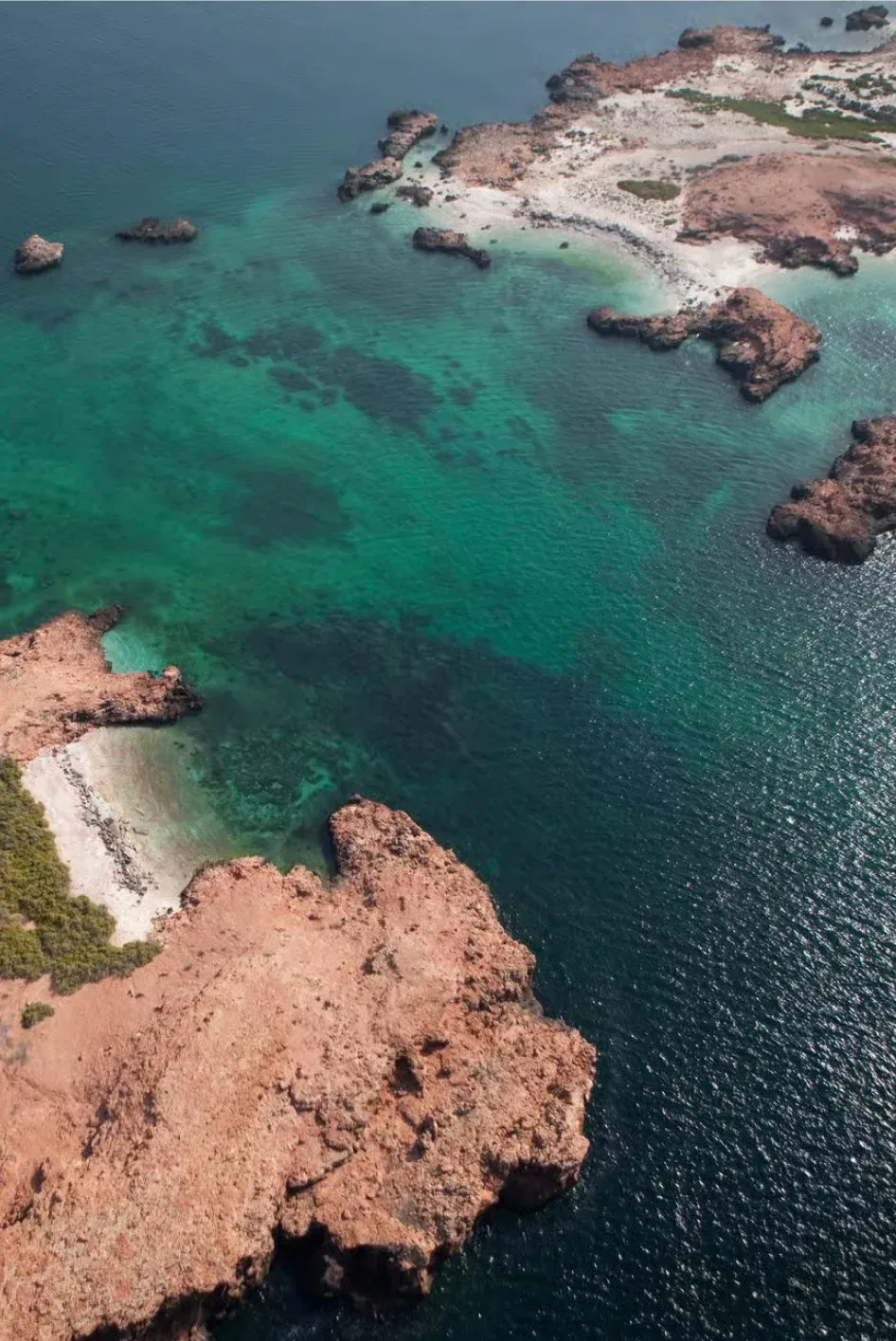
To understand Saudi Arabia's marine richness, you need to understand the Red Sea's biological significance. The Red Sea is one of the world's most biologically productive and geologically distinctive ocean basins — a narrow rift valley filling with saltwater at an extraordinary rate, its geographic isolation driving endemic speciation that has produced a marine fauna uniquely its own.
Along Saudi Arabia's coastline, this biological richness is preserved in its most intact form. Decades of limited access have left Saudi reefs in a condition that marine biologists describe as a living archive — a reference point for what a healthy Red Sea ecosystem looks like. For DUNE's diving clients, this means encounters with marine life in densities and behaviours increasingly rare anywhere else in the Indian Ocean region.
Coral Reef Ecosystems
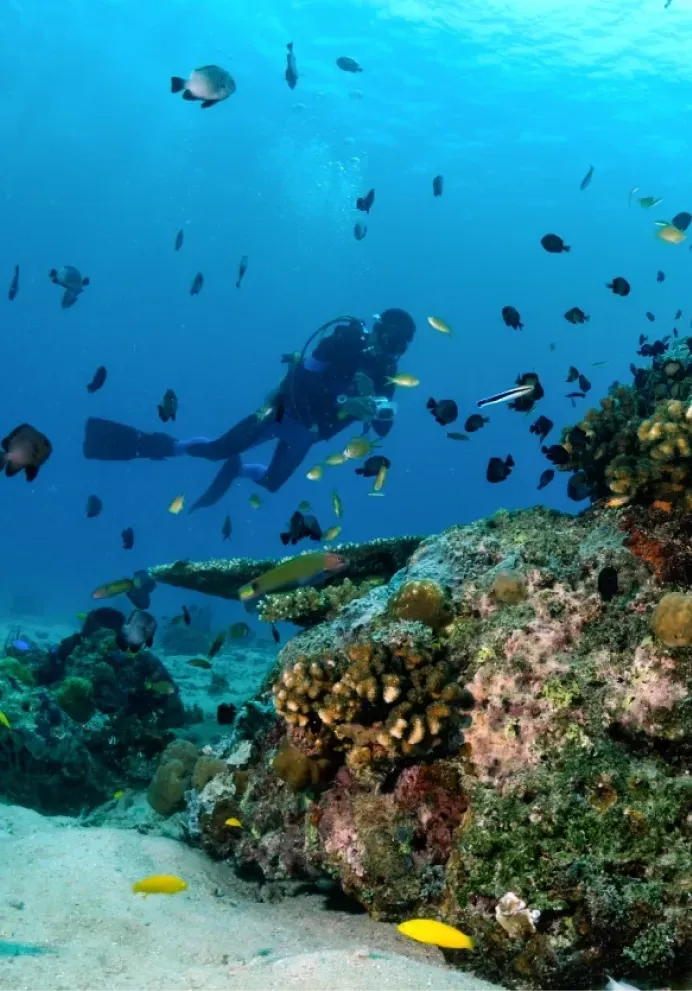
Saudi Arabia's coral reefs are among the most diverse and structurally intact in the entire Red Sea:
- Over 200 species of hard coral recorded along the Saudi coastline
- Massive Porites corals — centuries old — reaching diameters of 3-5 metres at undisturbed sites
- Table coral formations (Acropora spp.) of exceptional size, often covering hundreds of square metres without interruption
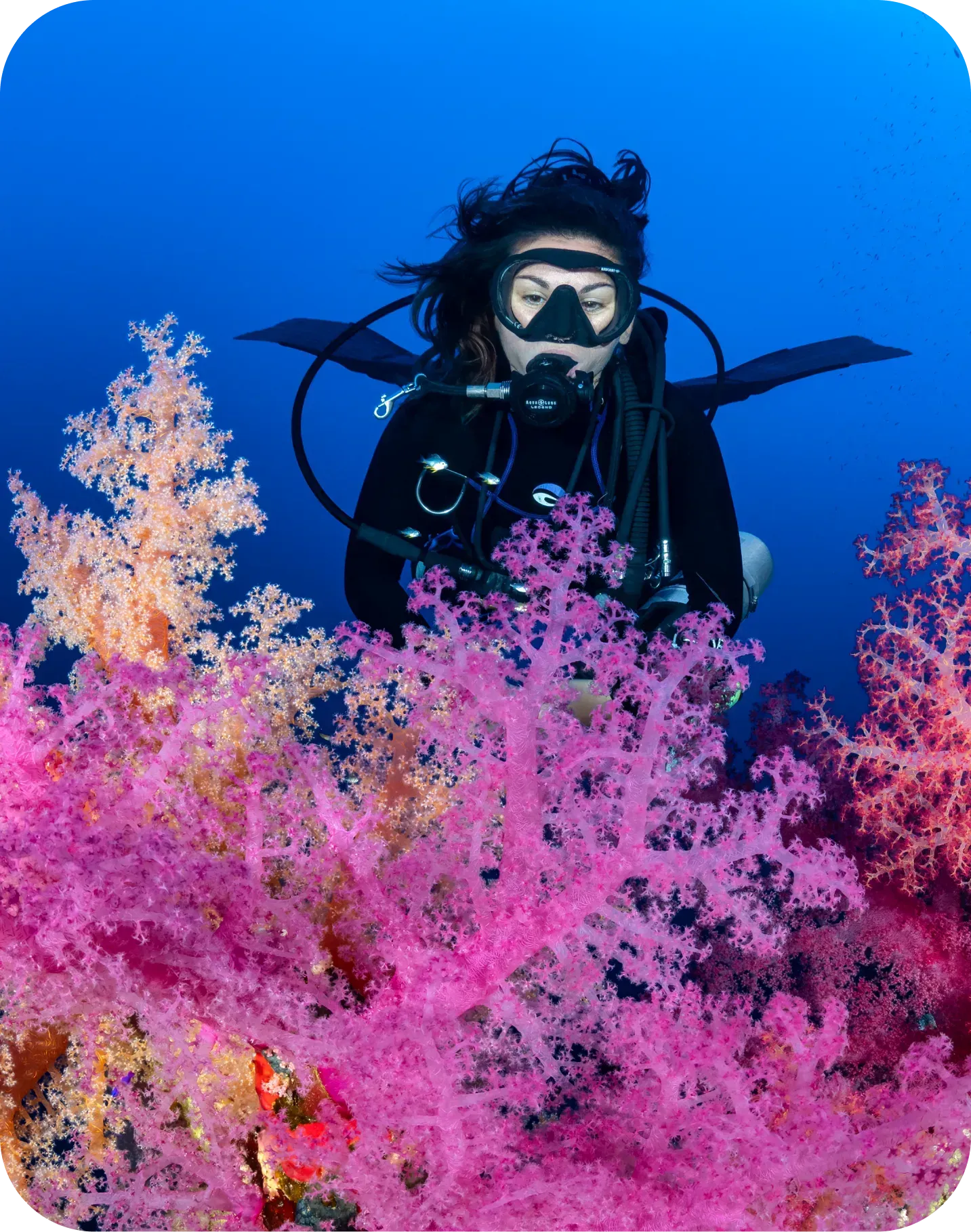
- Rich soft coral communities on deeper walls, including spectacular sea fans and black coral formations
- Coral coverage percentages significantly exceeding regional averages at most Saudi sites
Fish: Abundance and Diversity
The combination of pristine reef structure and minimal fishing pressure has produced fish communities of exceptional density and diversity:
- Napoleon Wrasse (Cheilinus undulatus): Once common throughout the Red Sea, the napoleon wrasse has been heavily targeted by fishing and is now rare at many Egyptian and Jordanian sites. In Saudi Arabia, these magnificent fish — reaching up to 2 metres in length — remain abundant and are frequently encountered on reef dives.
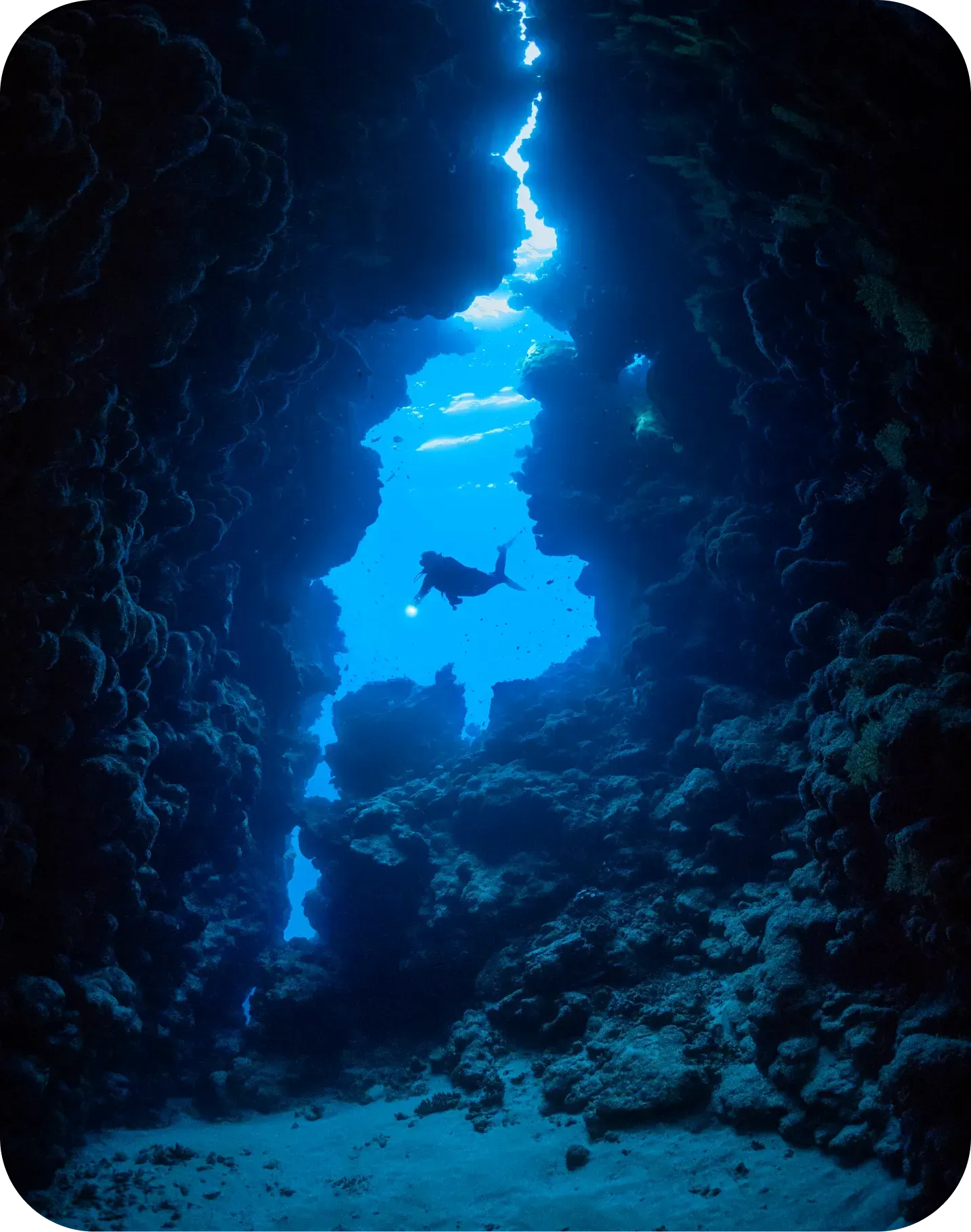
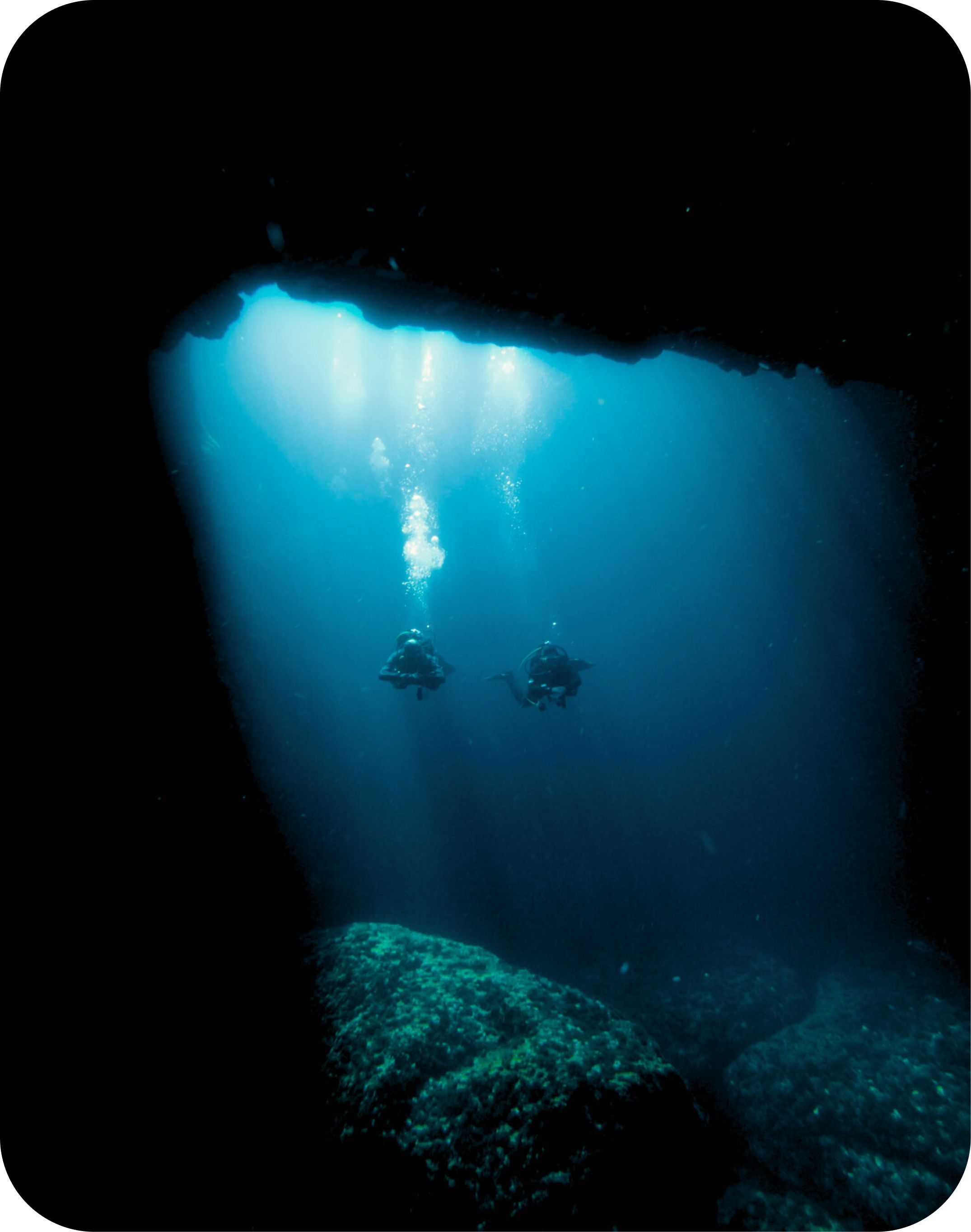
- Giant Grouper: Multiple species of large grouper occupy caves and overhangs throughout the Saudi reef system, with individuals exceeding 1 metre common at undisturbed sites.
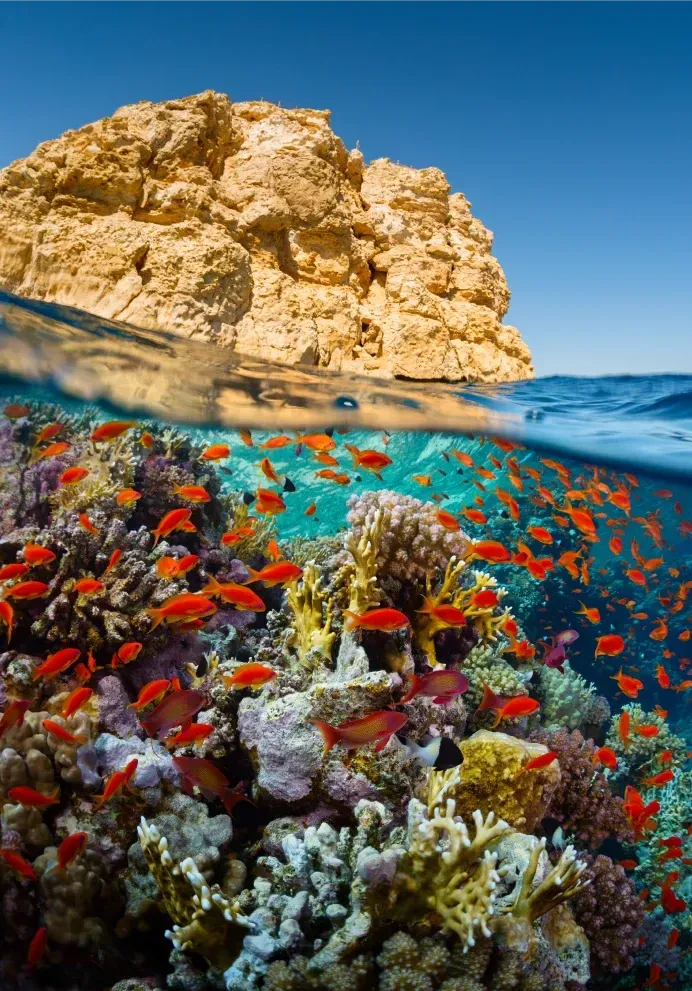
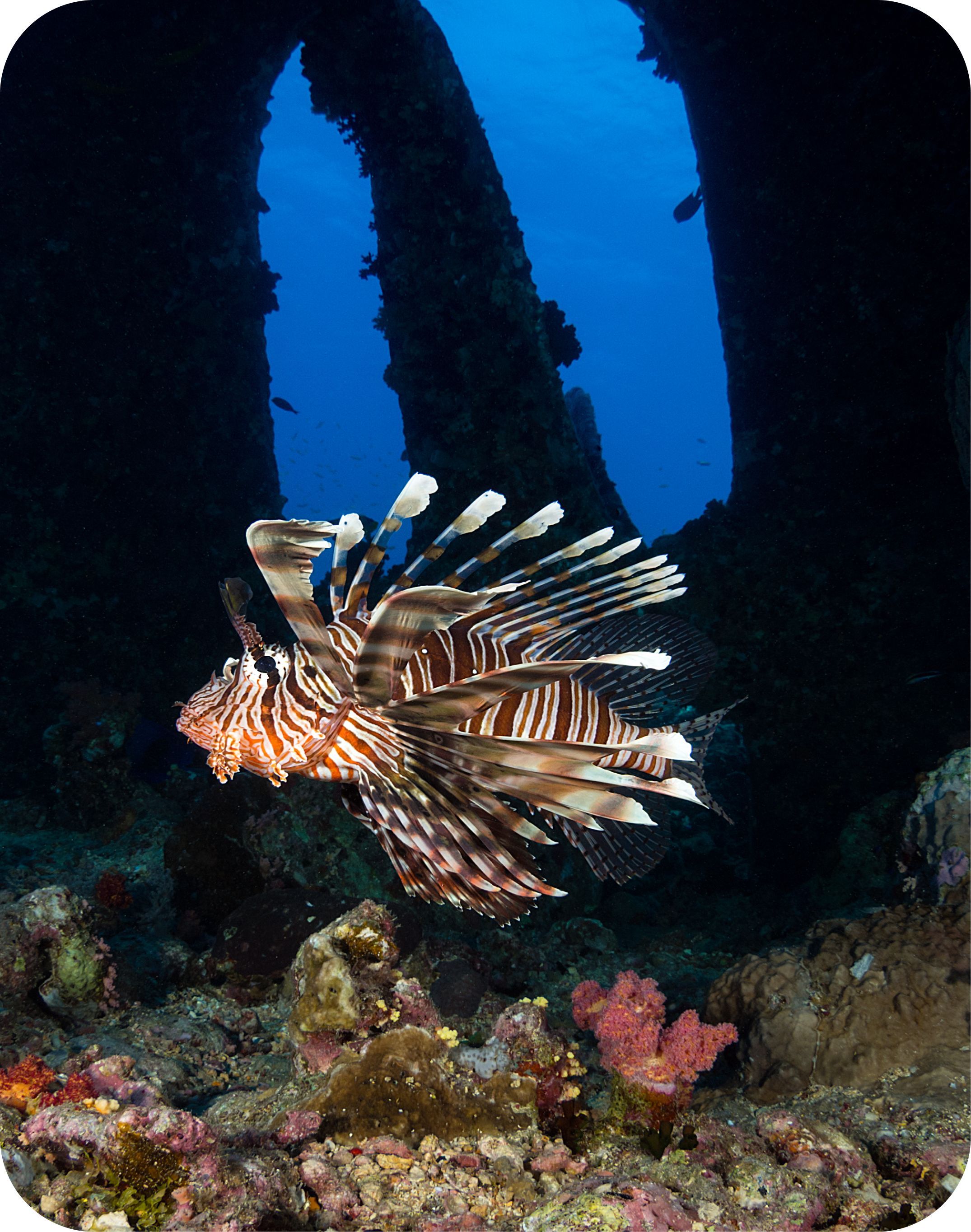
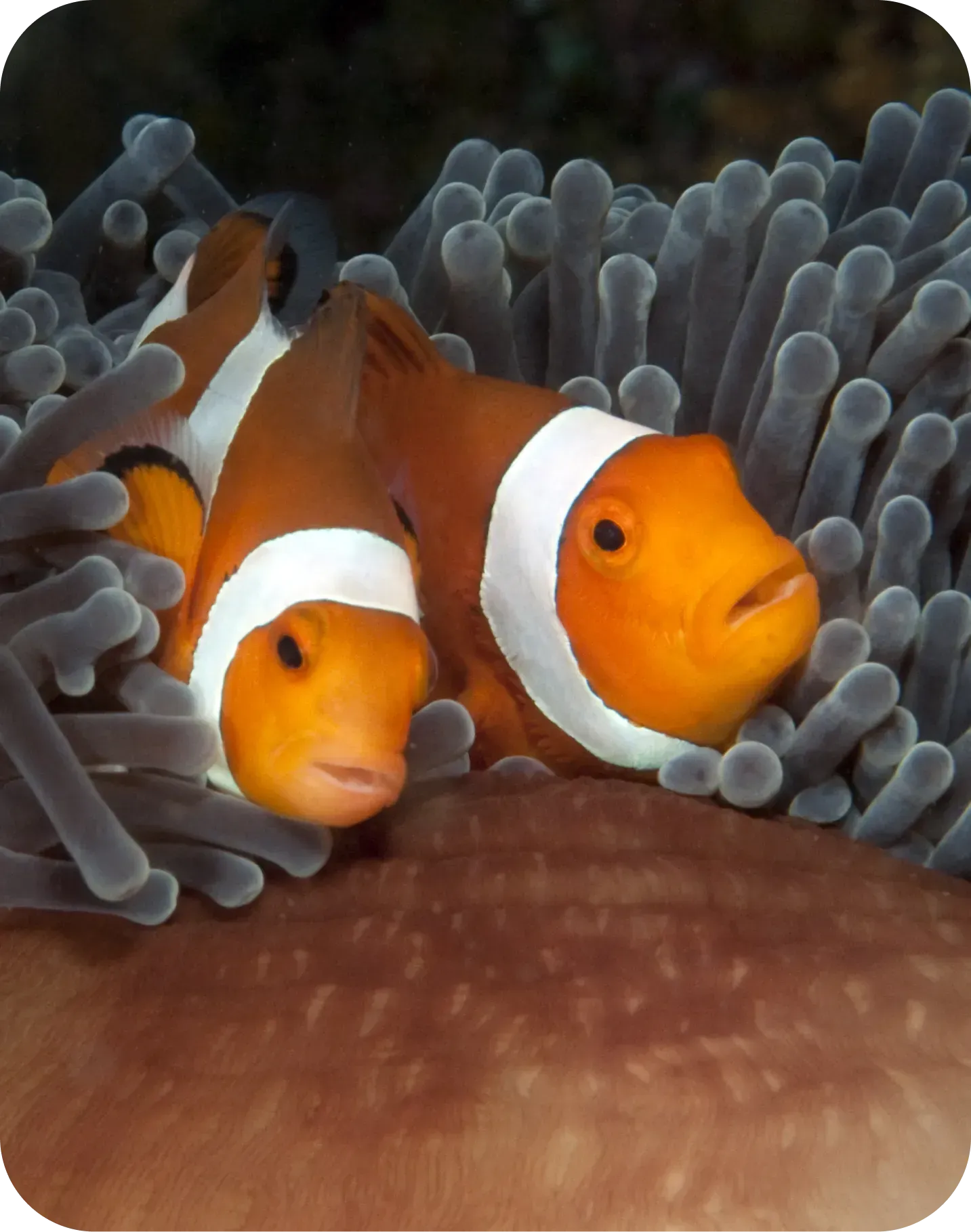
- Red Sea endemic species: Approximately 20% of Red Sea fish species are endemic — found nowhere else in the world. Saudi Arabia's reefs showcase these endemics in their full abundance, including several species of butterflyfish, anthias, and wrasse unique to the Red Sea.
- Schooling reef fish: Dense schools of surgeonfish, parrotfish, fusiliers, and anthias cloud the reef surfaces in numbers that remind divers of what Caribbean and Pacific reefs looked like before intensive pressure began.
Sharks and Rays
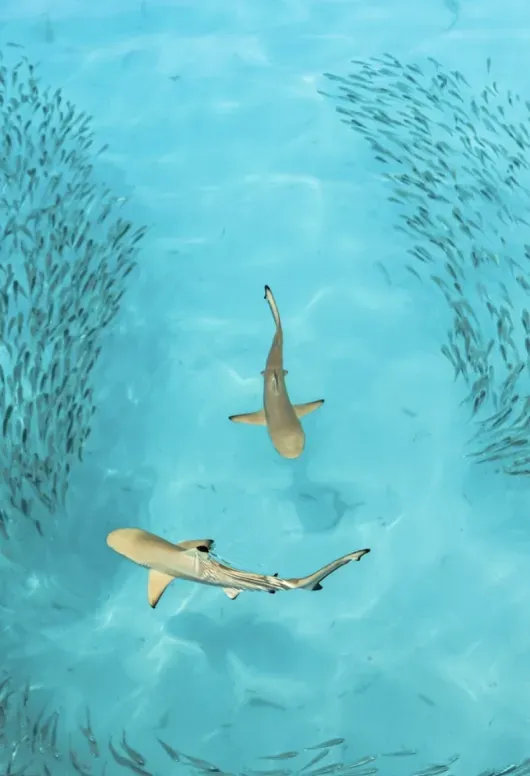
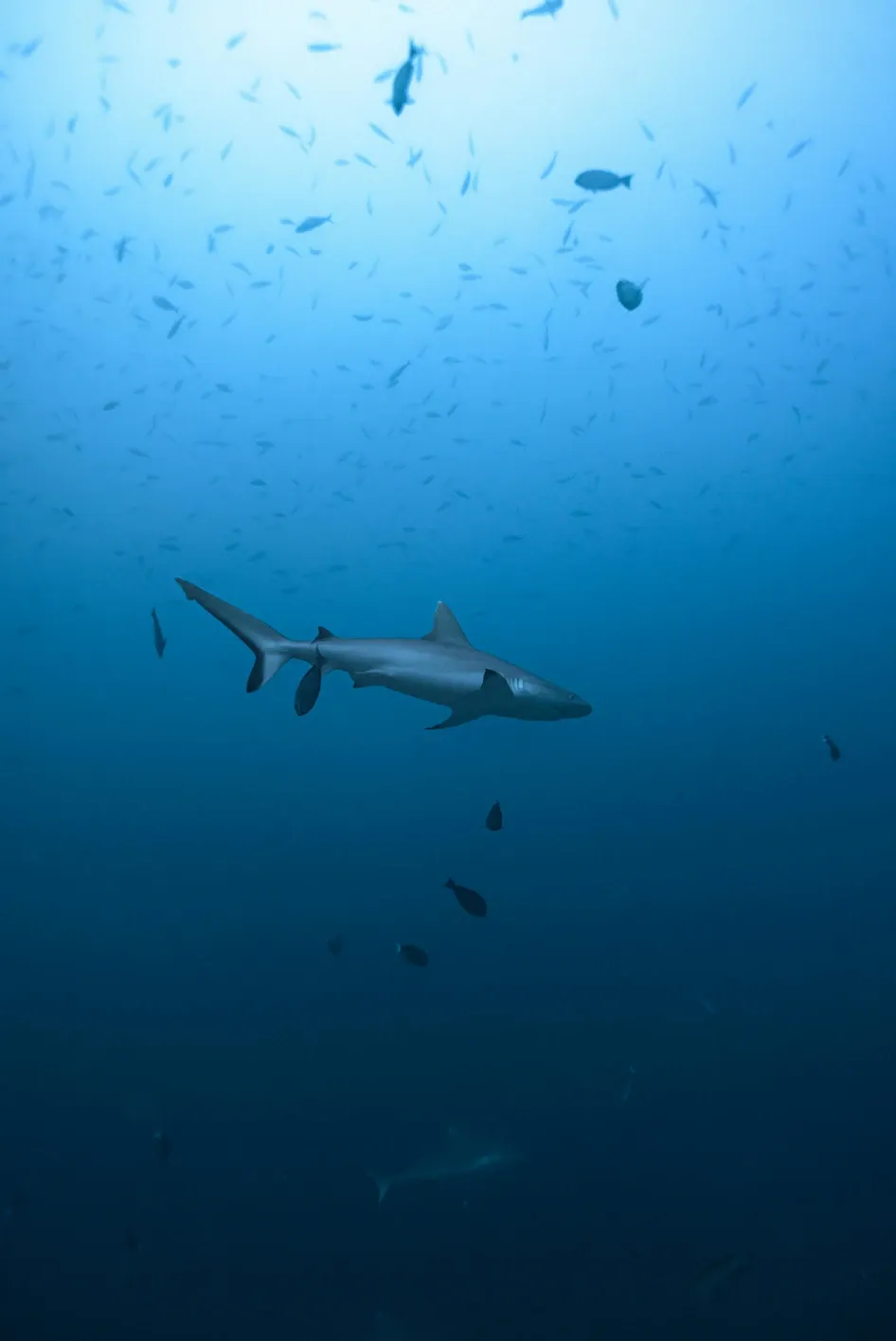
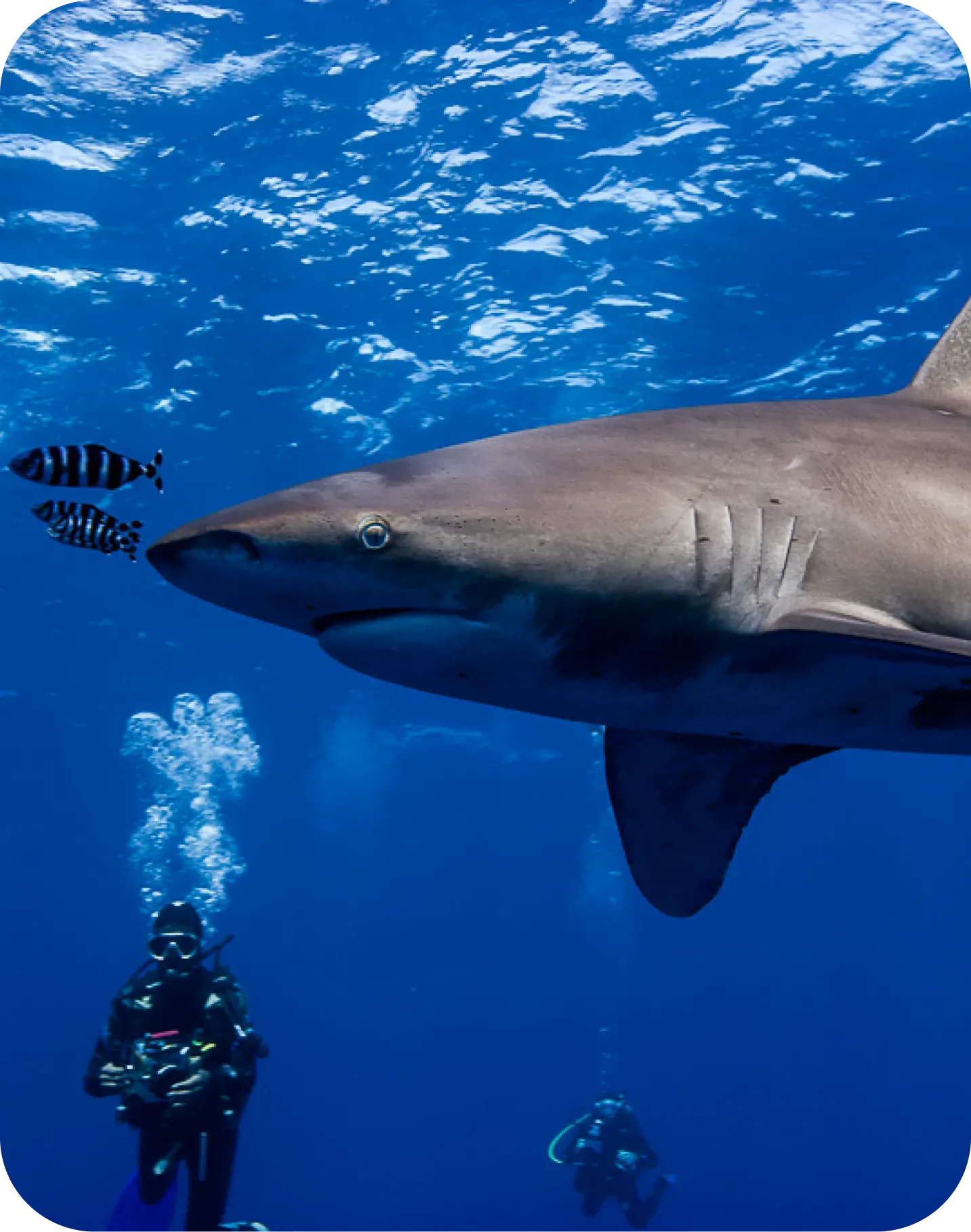
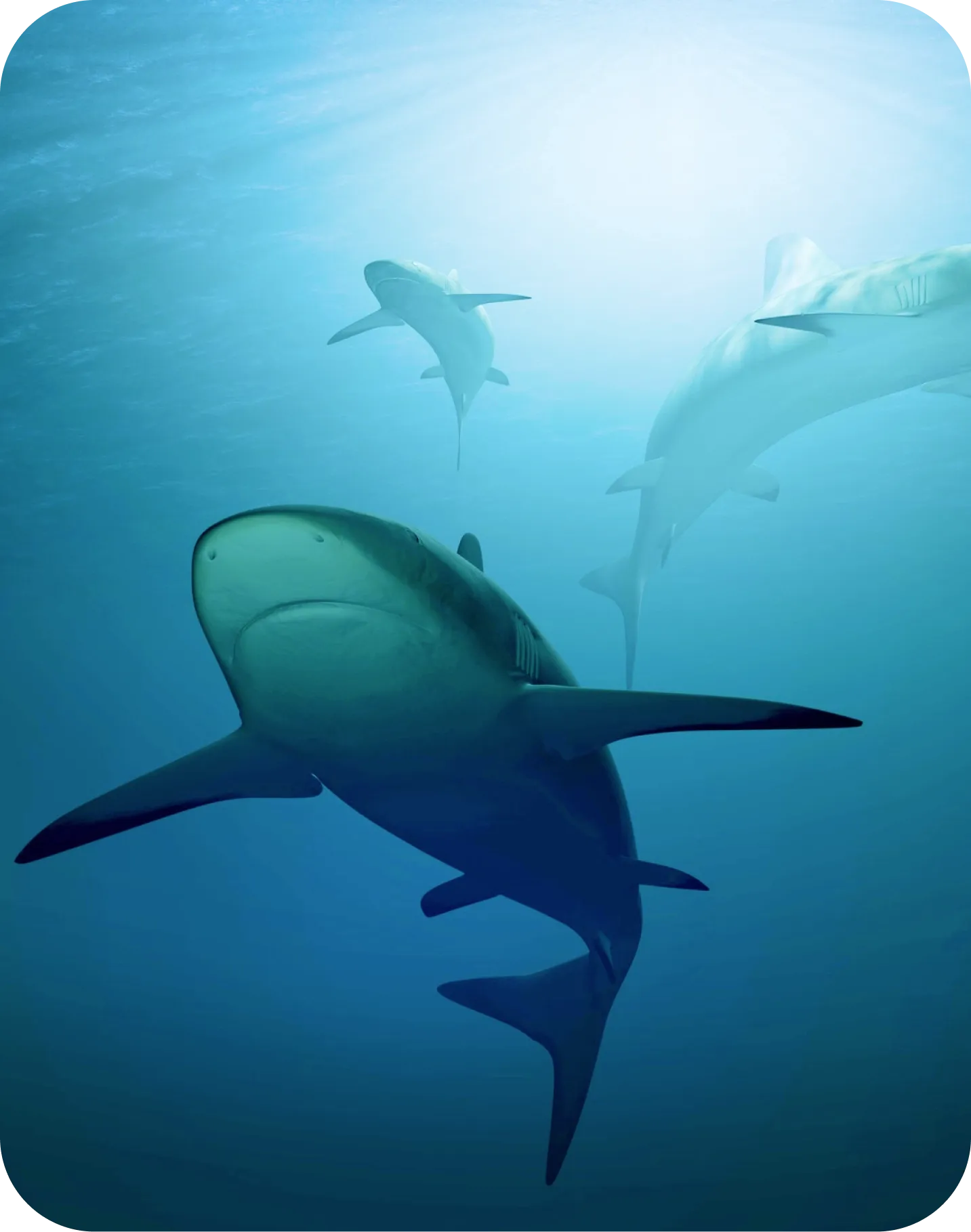
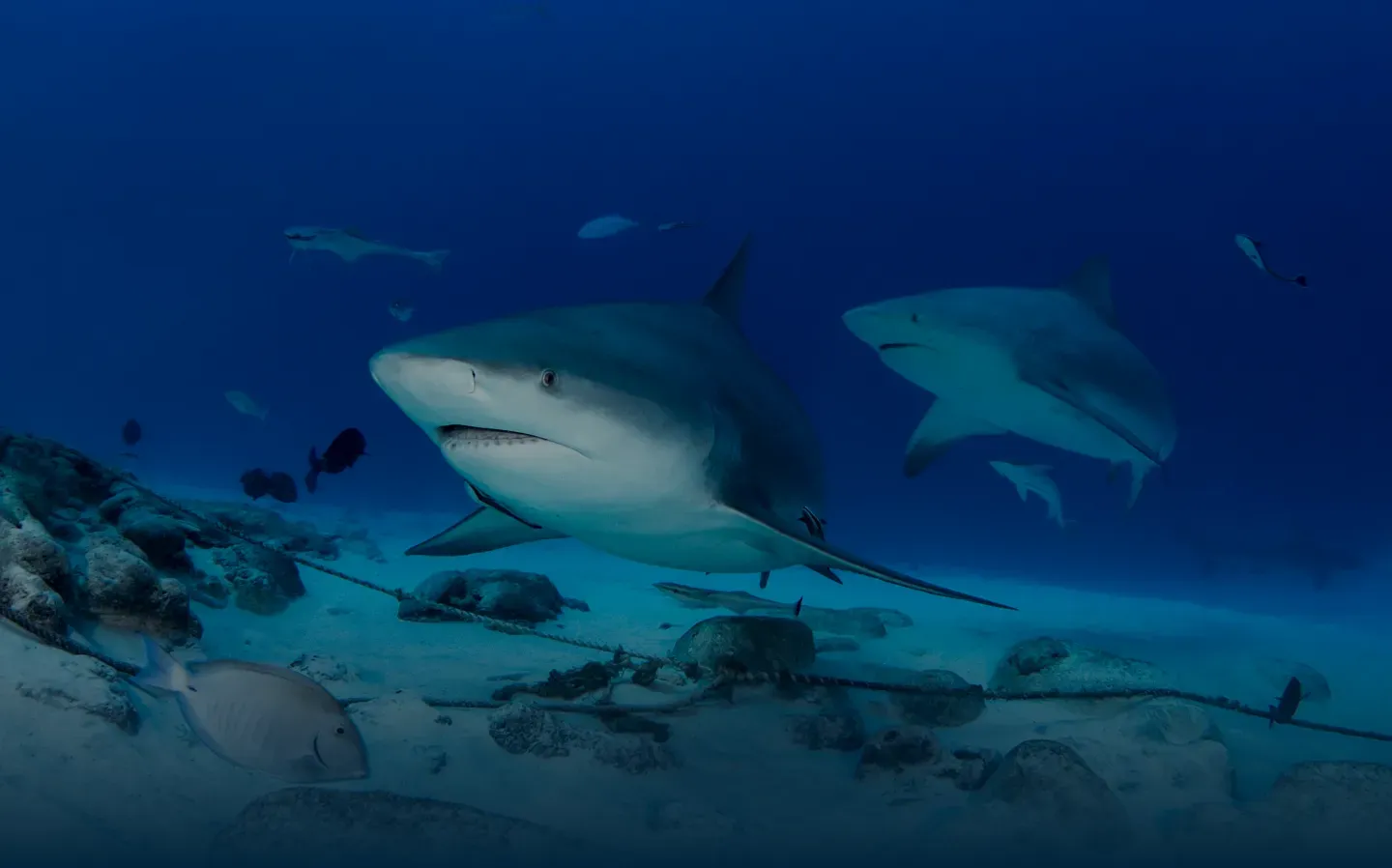
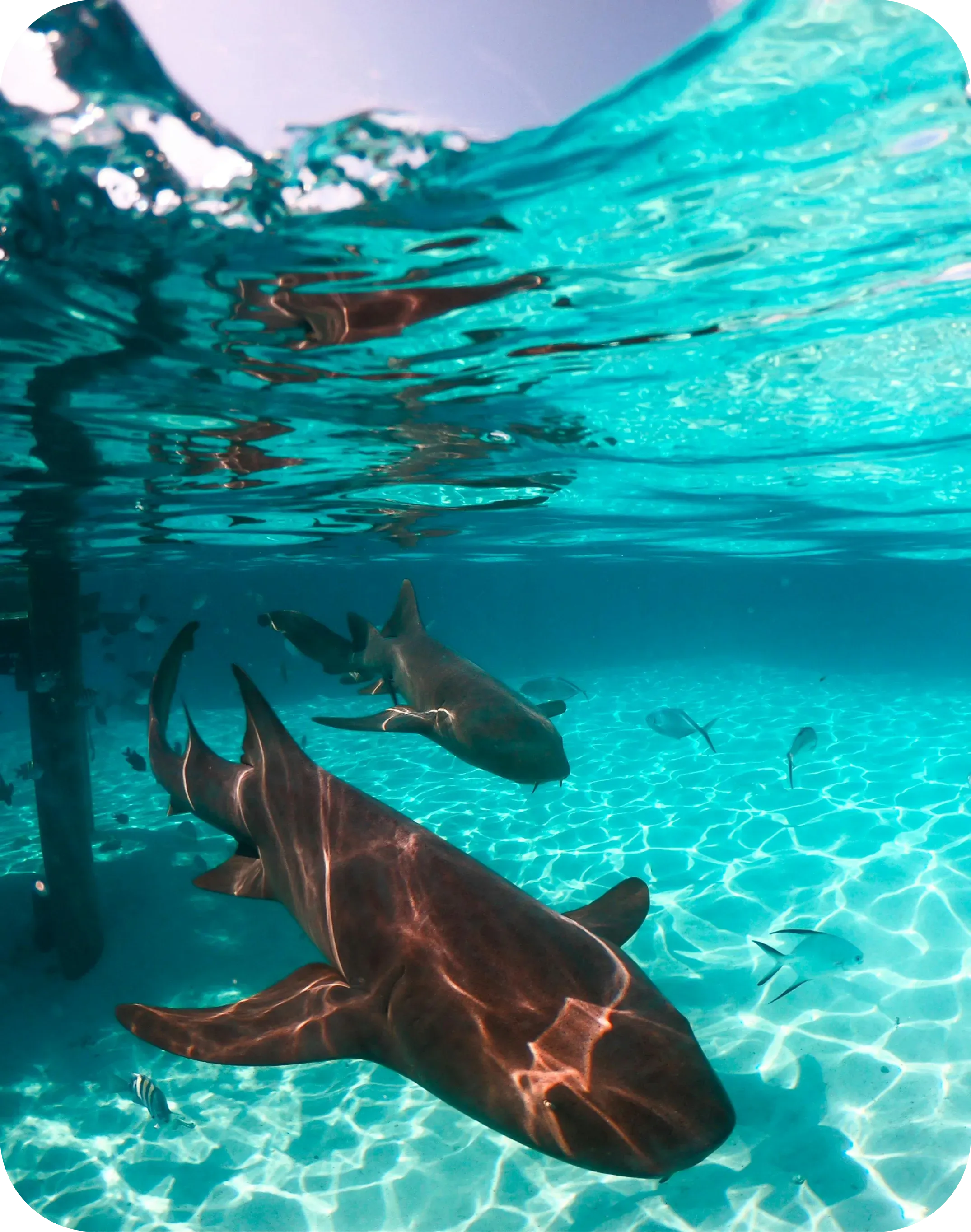
- White-tip Reef Sharks: Exceptionally common at most Saudi dive sites, resting in groups in reef caves during the day and actively hunting at night.
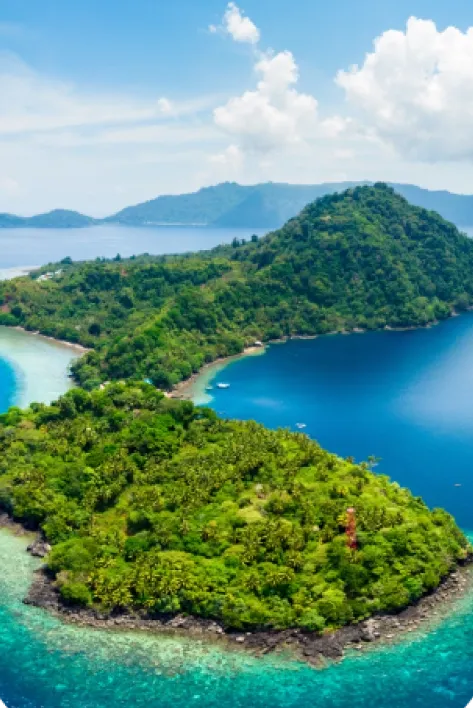
- Grey Reef Sharks: Abundant at outer reef edges and channel systems, particularly at the Farasan Islands.
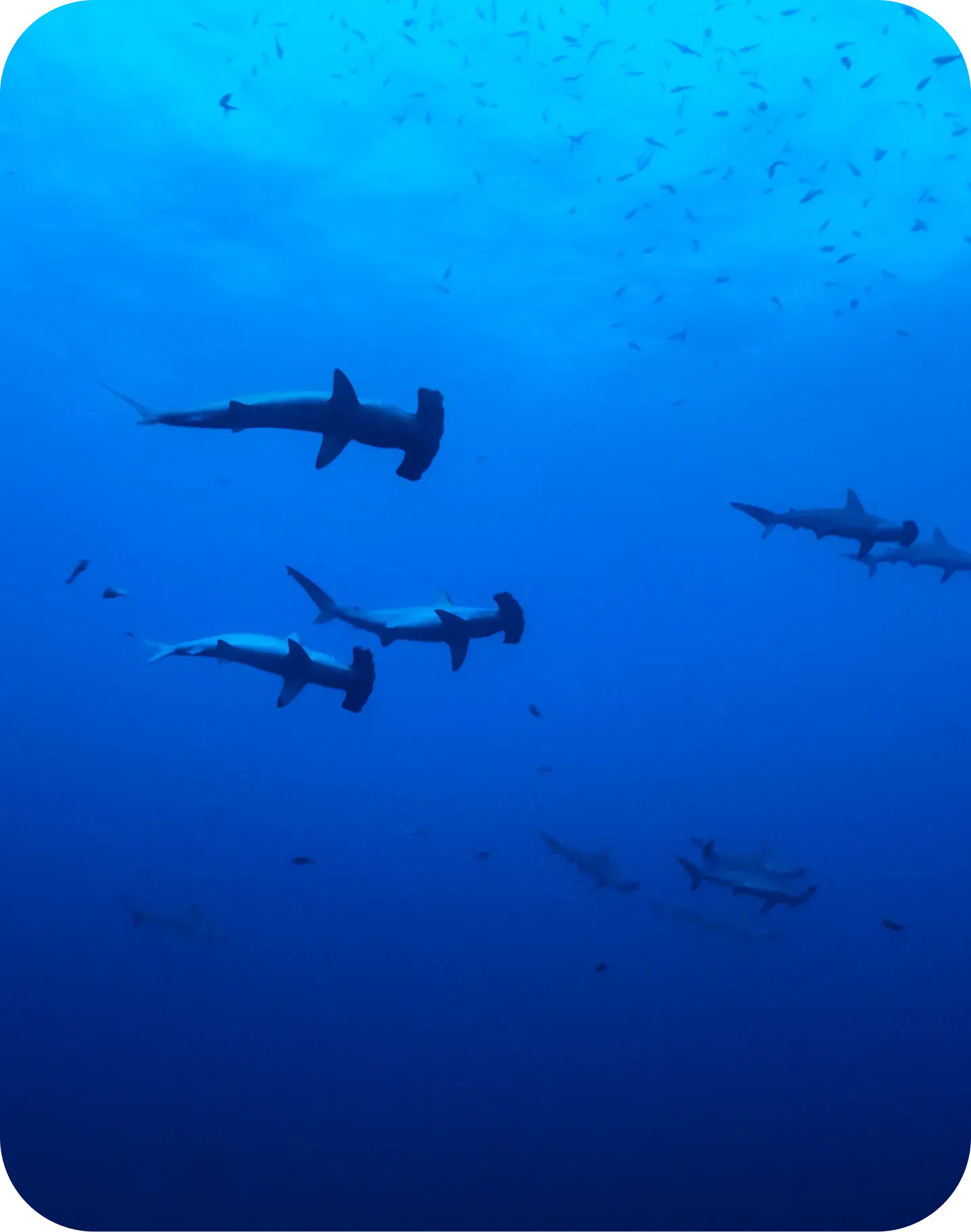
- Hammerhead Sharks: Seasonal aggregations of scalloped hammerheads have been documented at several Saudi offshore sites, particularly in the cooler months of November to February.
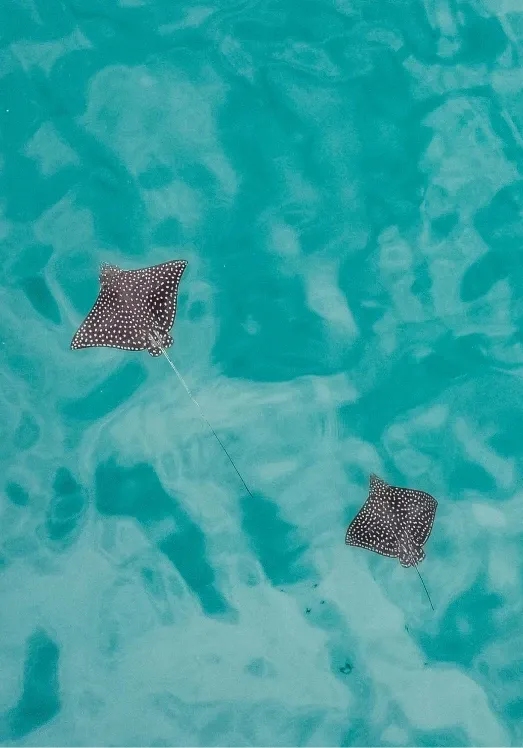
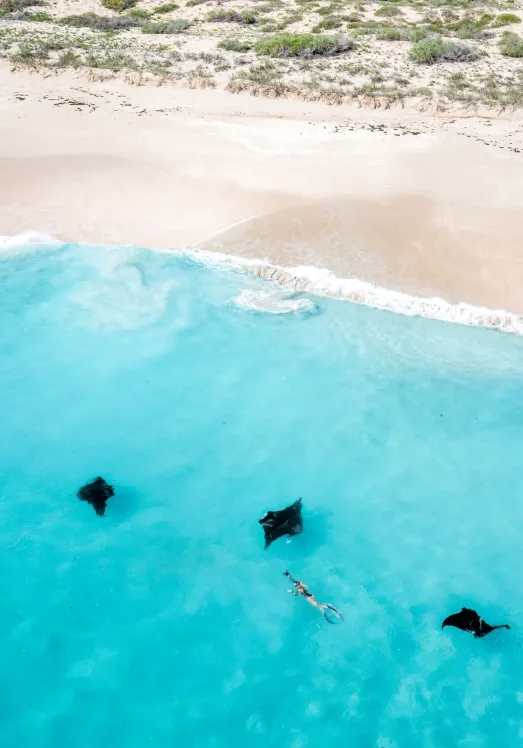
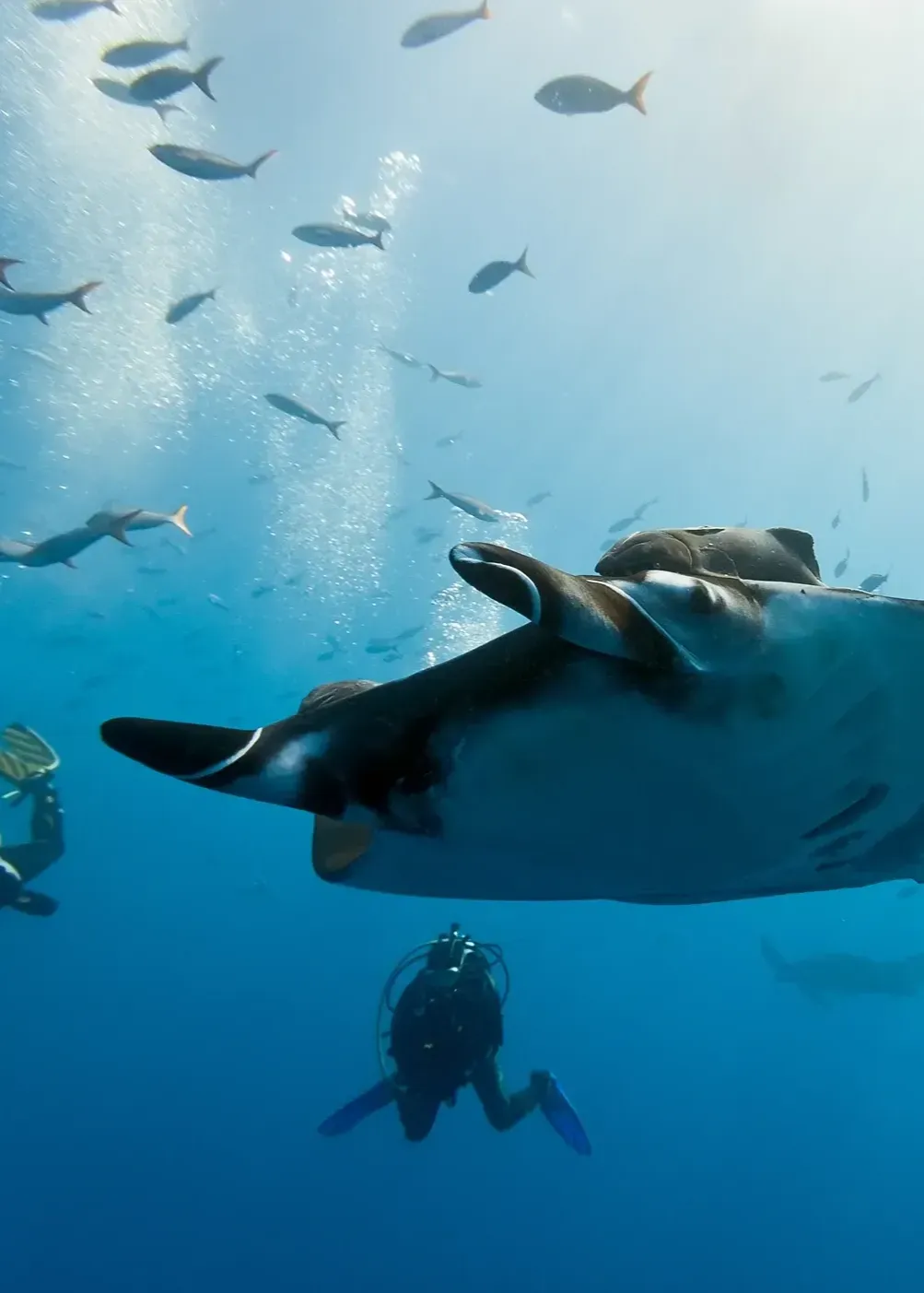
- Eagle Rays: Spotted and reef manta rays are regular encounters at most Saudi dive sites; the Farasan Islands channels are particularly productive for manta encounters.
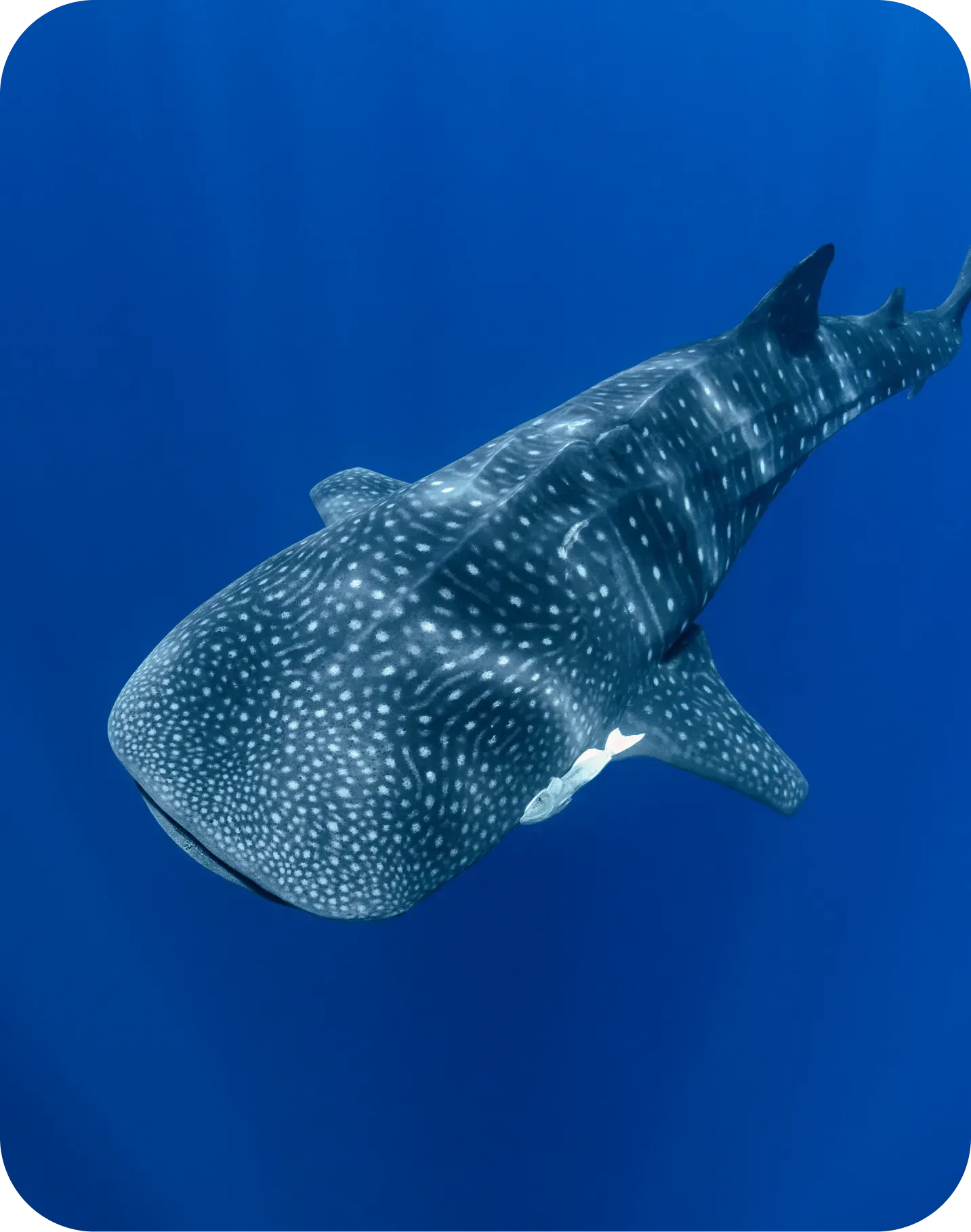
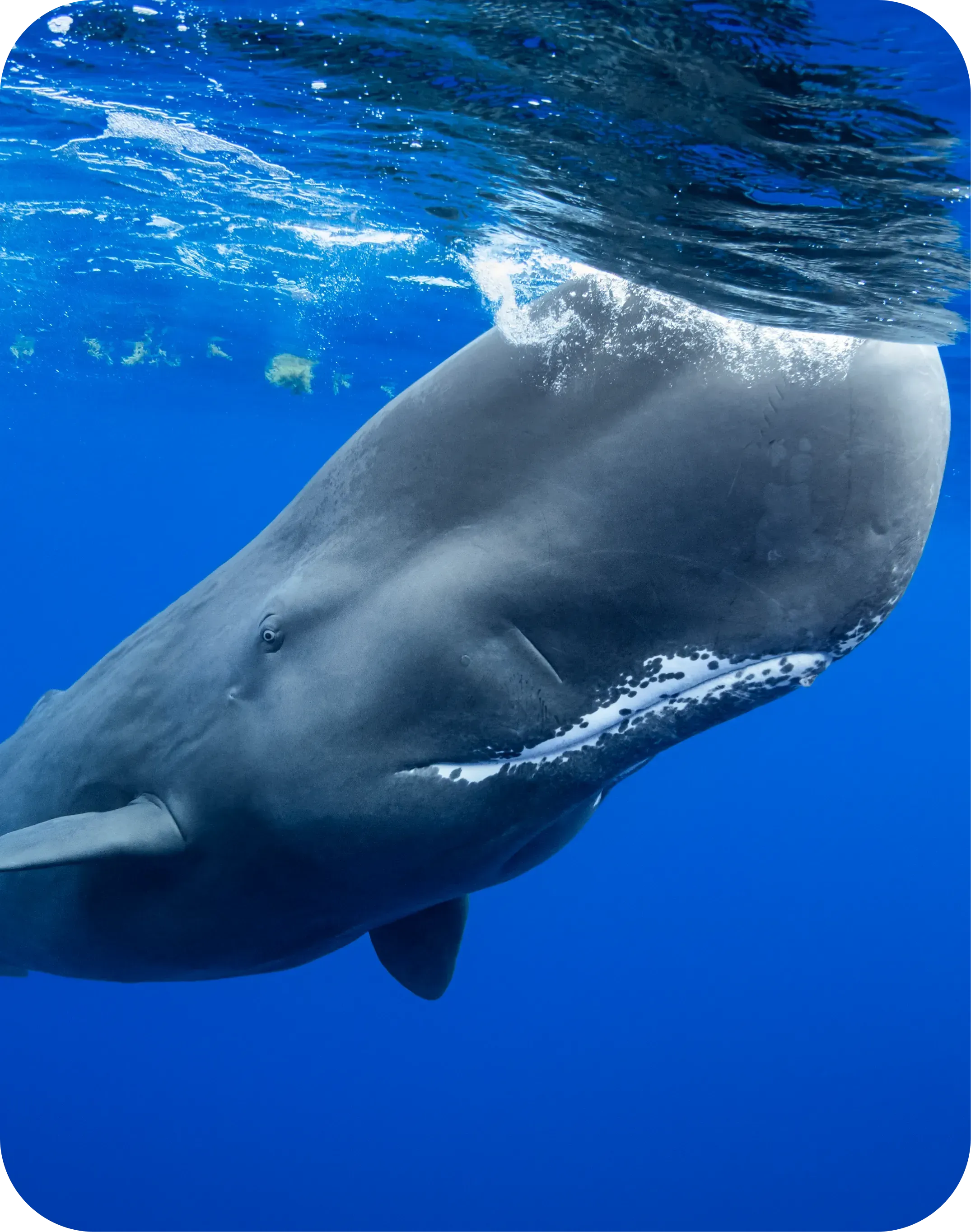
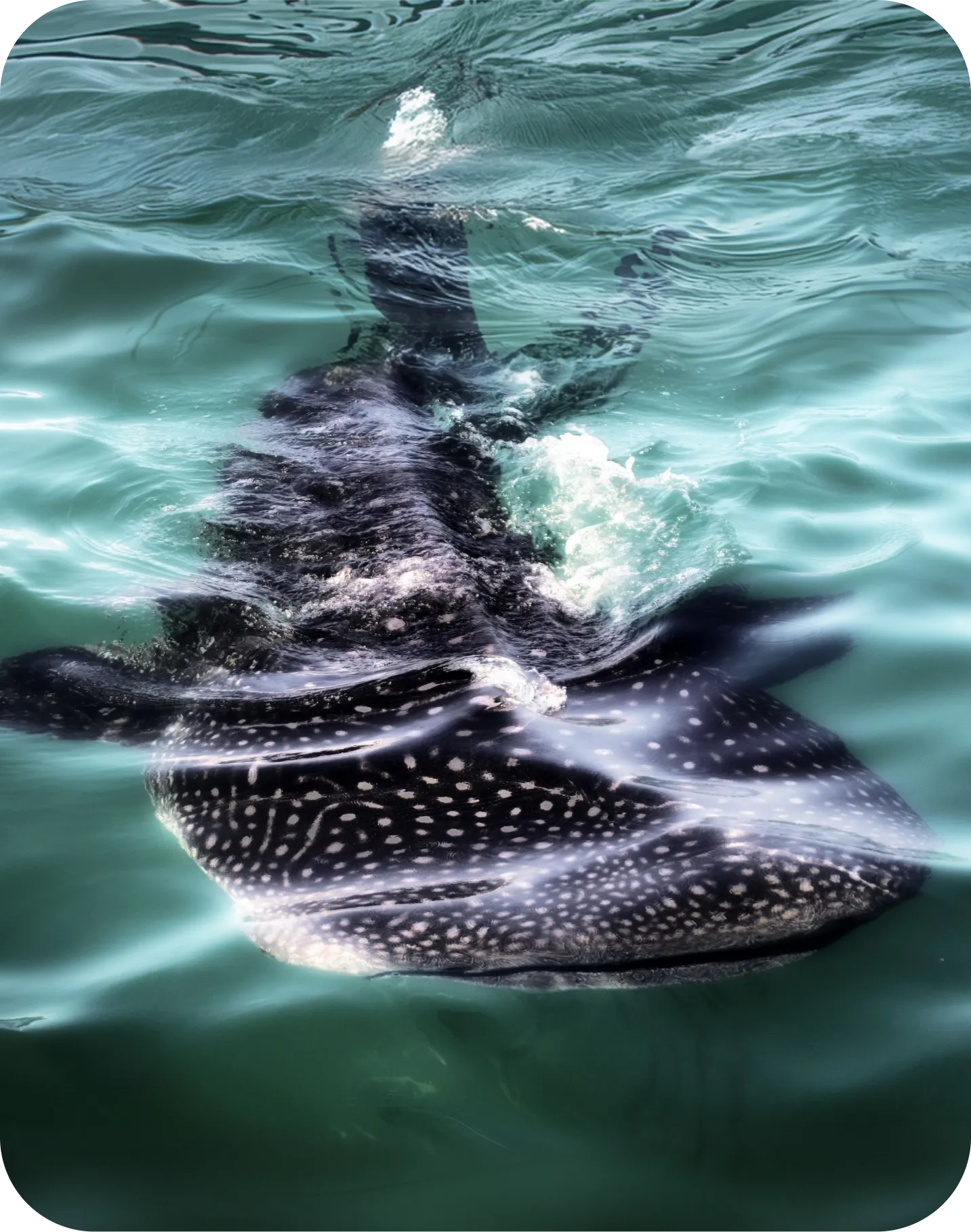
- Whale Sharks: Seasonal whale shark sightings have been recorded along the Saudi coast, particularly in the southern region near the Farasan Islands and the Jizan area.
Dugongs: The Red Sea's Greatest Secret
The dugong (Dugong dugon) is one of the most charismatic and endangered marine mammals in the world. While once widespread throughout the Red Sea, populations have declined dramatically at most locations due to seagrass habitat loss and accidental capture in fishing nets. Saudi Arabia's Farasan Islands represent one of the most significant remaining Red Sea dugong populations, with regular sightings in the seagrass beds of the sheltered bay systems.
Encountering a dugong in Saudi Arabian waters is an experience of genuine rarity and wonder — one that DUNE guides have facilitated for fortunate clients on Farasan Islands expeditions.
Marine Turtles and Other Species
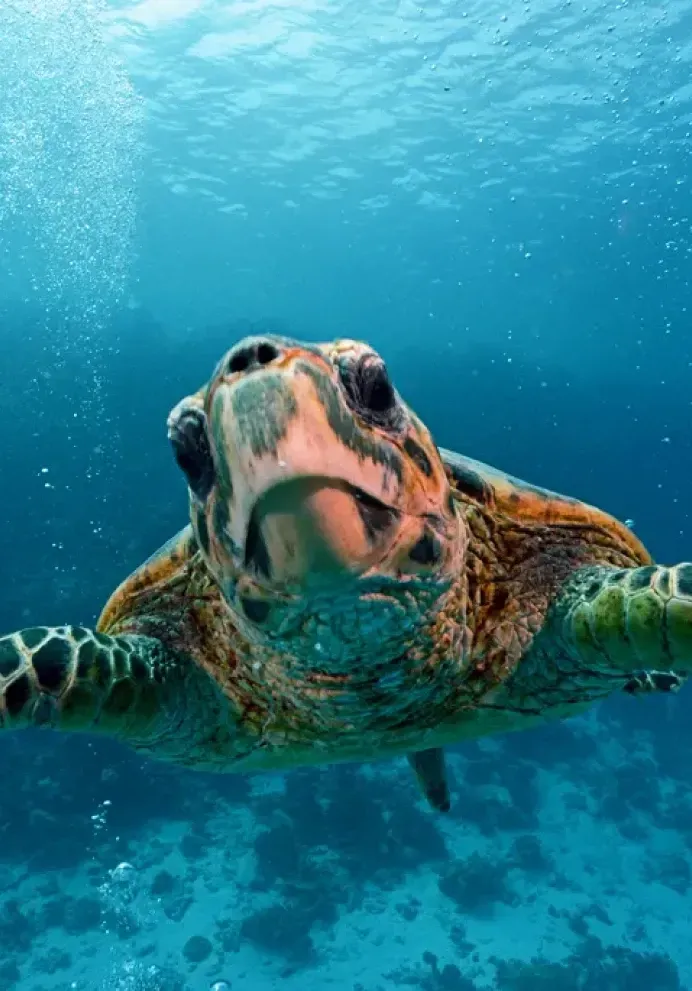
- Hawksbill and green sea turtles are common at most Saudi reef sites
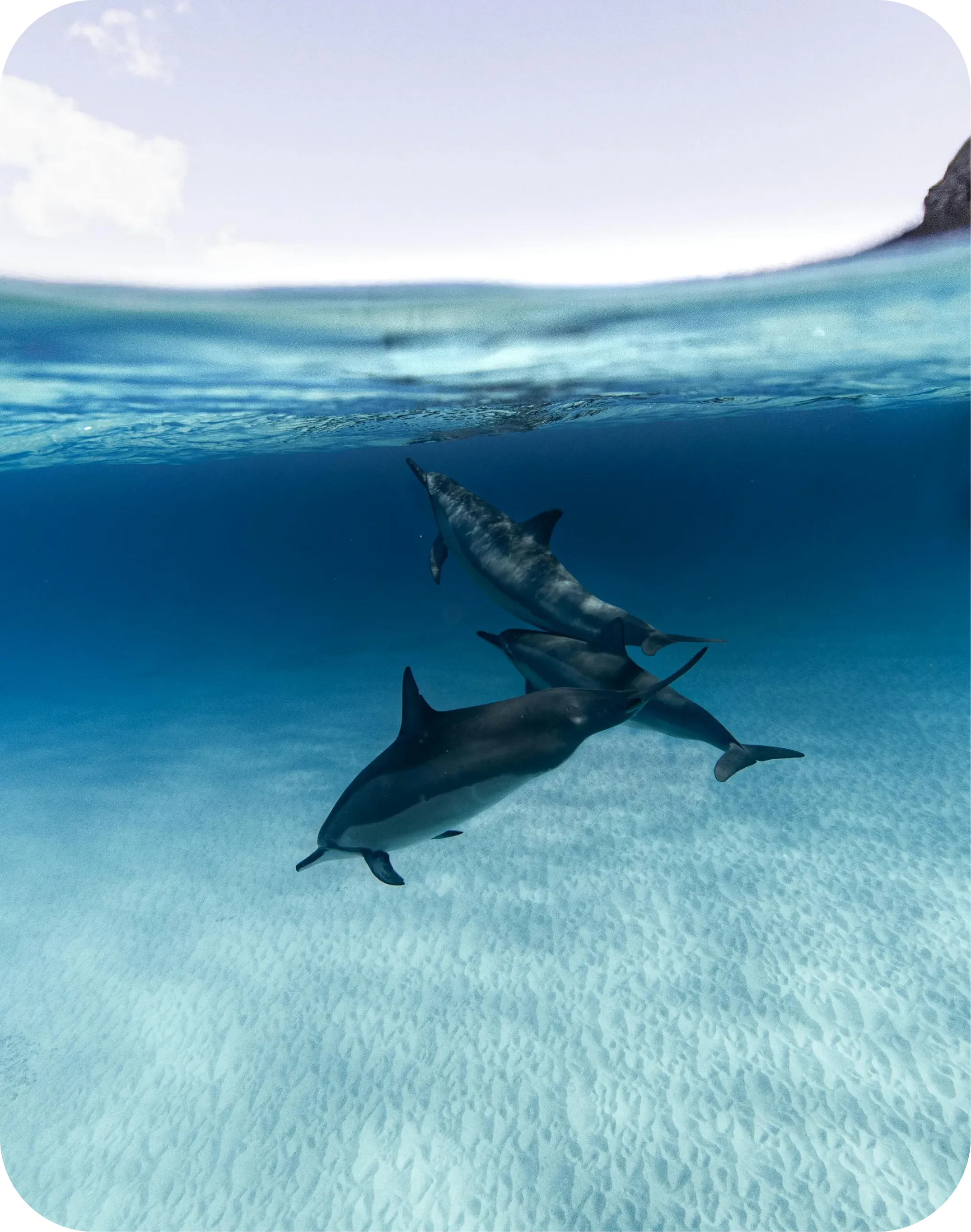
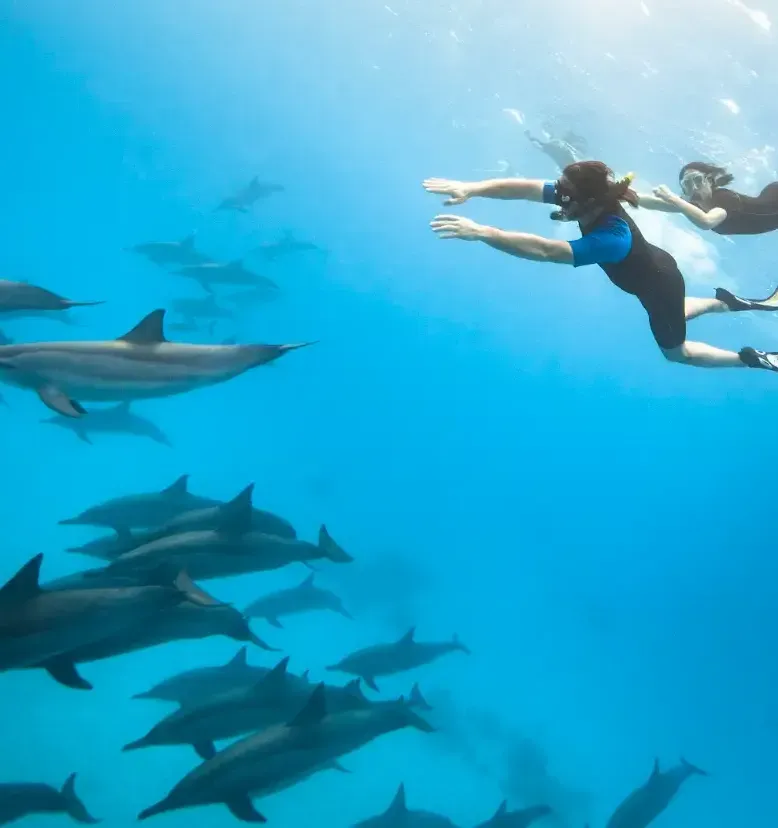
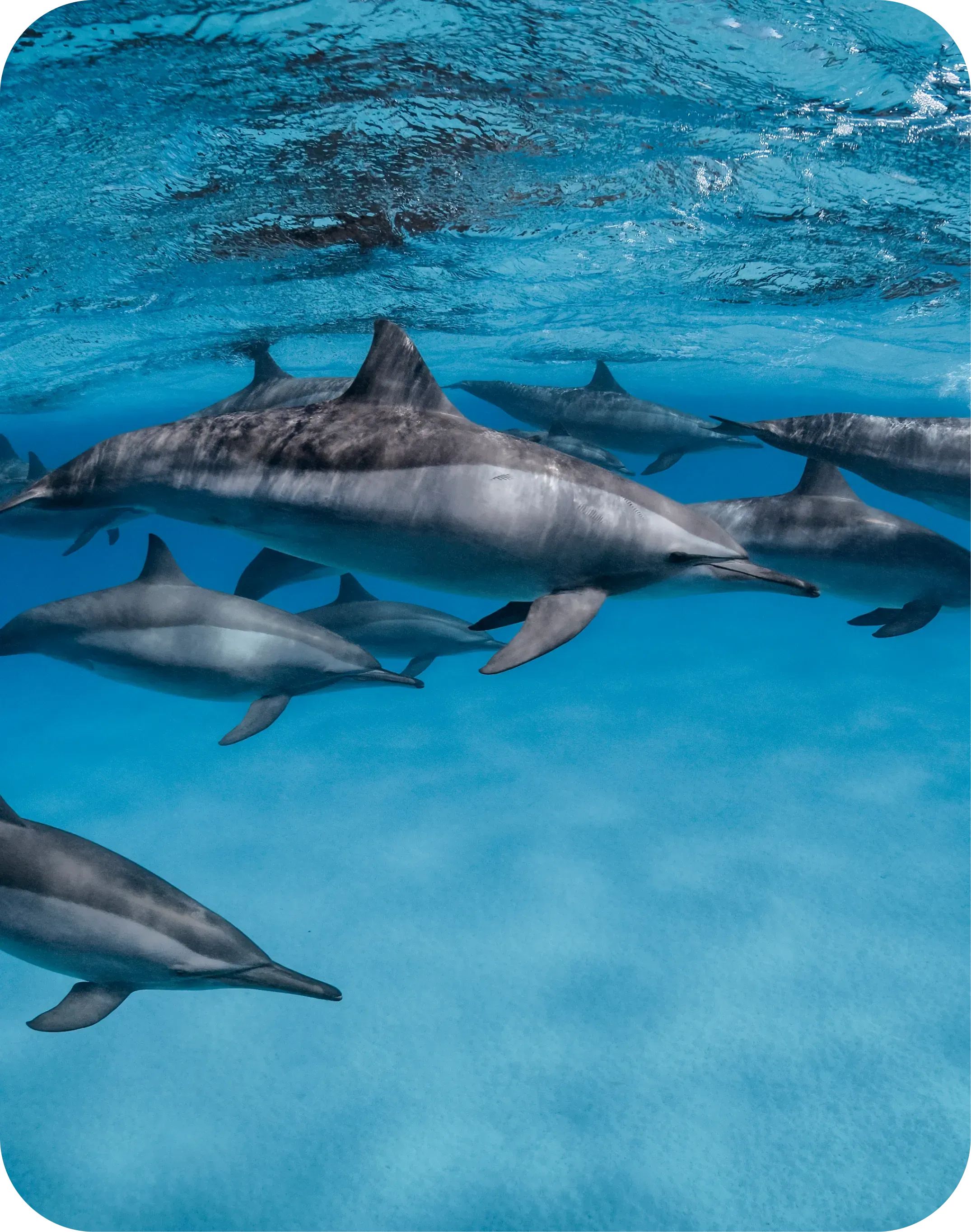
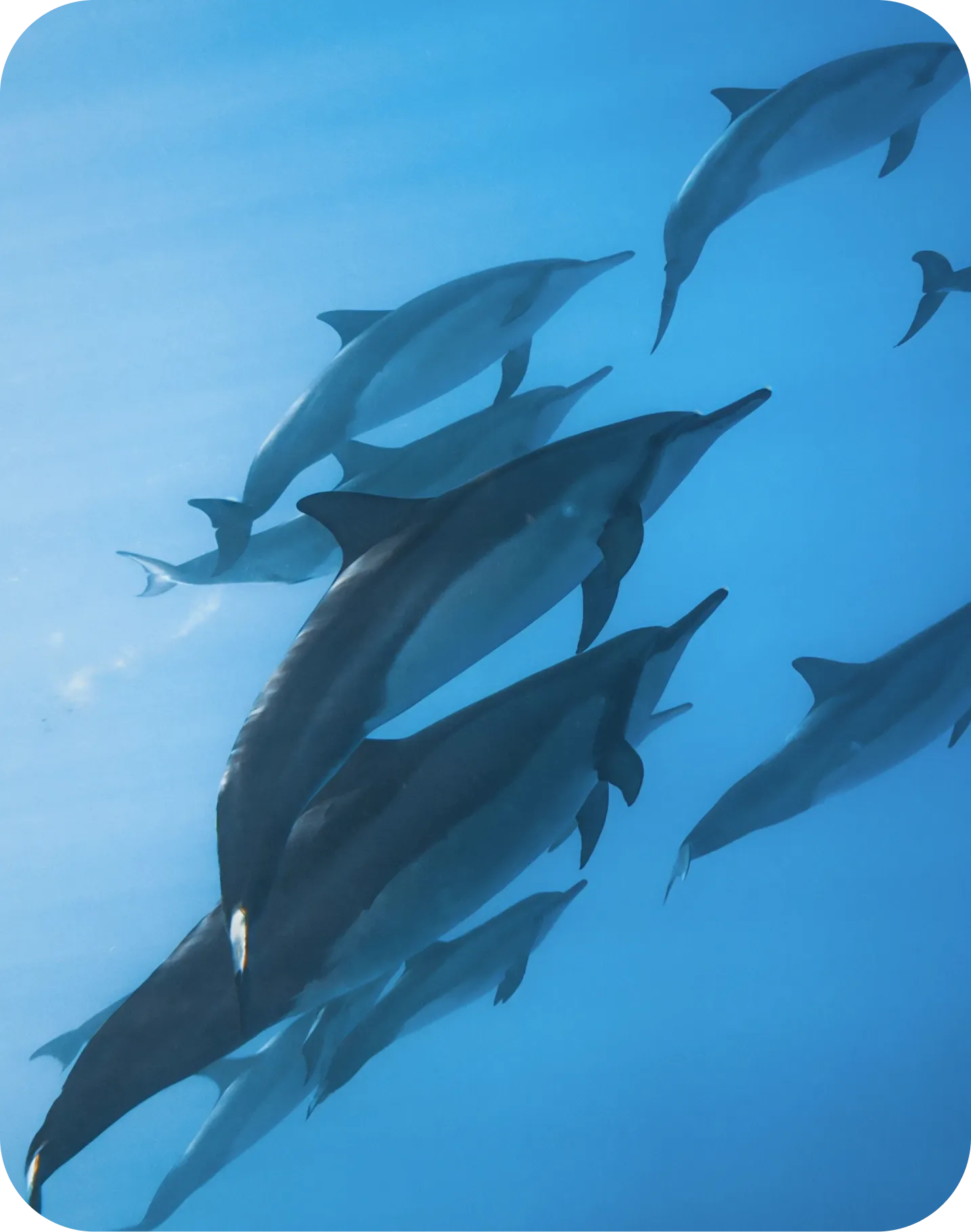
- Spinner dolphins and bottlenose dolphins frequent offshore waters year-round
- Humpback dolphins (Sousa plumbea) in coastal areas
- Exceptional nudibranch diversity at sheltered sites
- Ghost pipefish, frogfish, and other cryptic macro species for specialist photographers
Discover Saudi Arabia's Marine World with DUNE
The marine biodiversity of Saudi Arabia's Red Sea represents one of the most extraordinary and least-known wildlife destinations on Earth. DUNE's pioneering Saudi programs offer expert-guided access to this remarkable underwater world, combining the best reef sites with informed natural history interpretation that transforms every dive into a genuine wildlife encounter.
Visit dune-world.com to discover DUNE's Saudi Arabia programs and be among the first to experience the Red Sea at its pristine best.