










Why Raja Ampat Is the World's Greatest Diving Destination
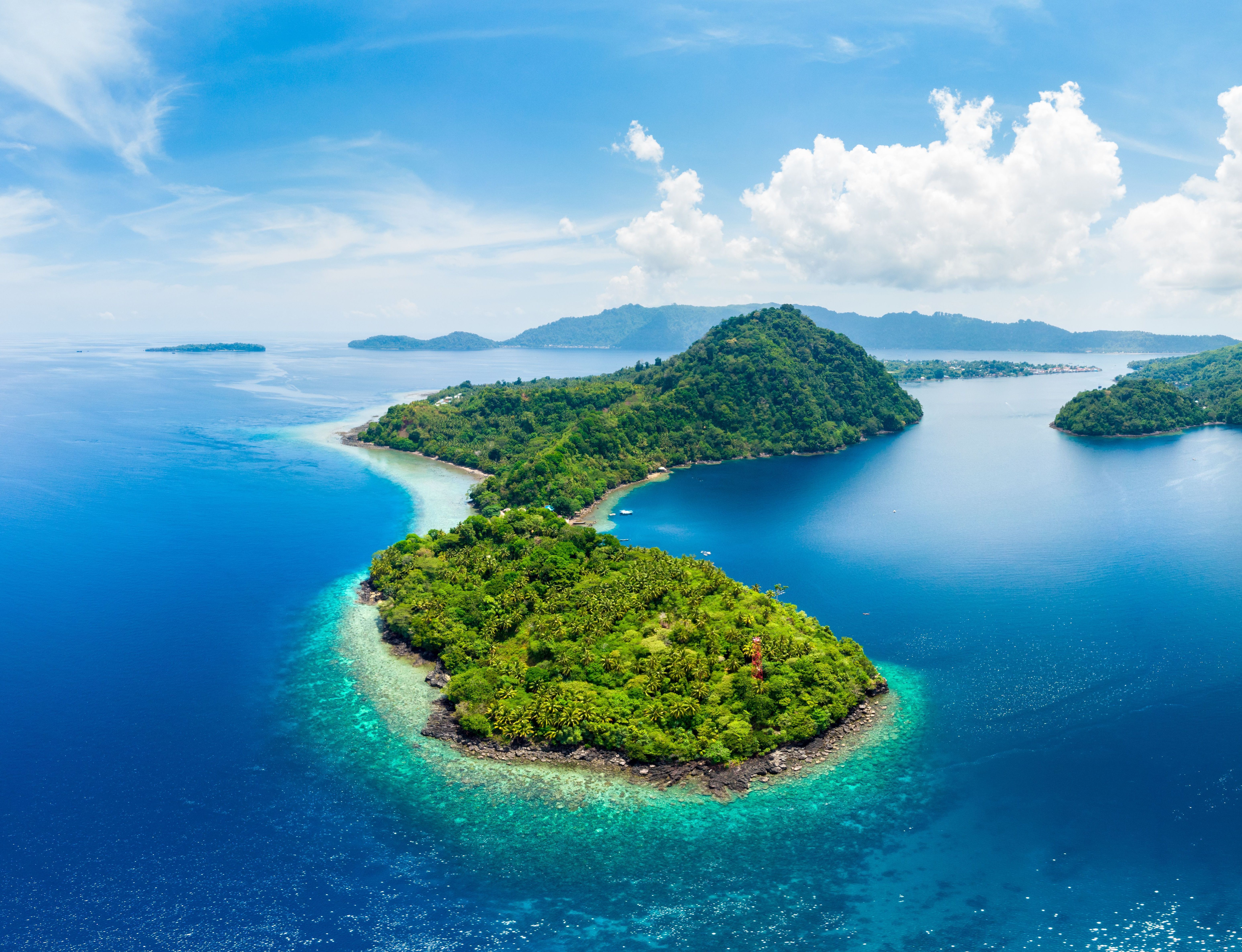
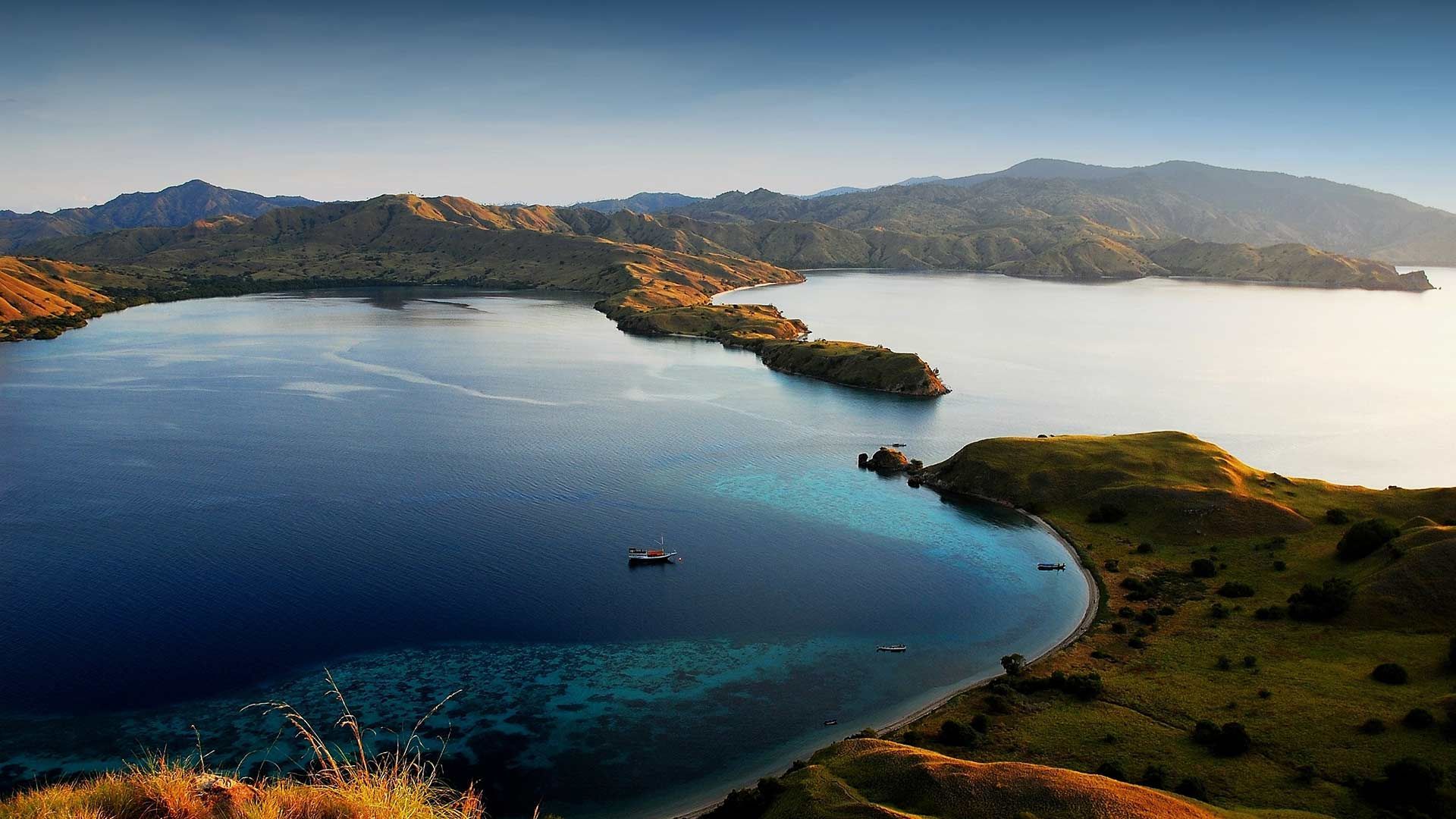
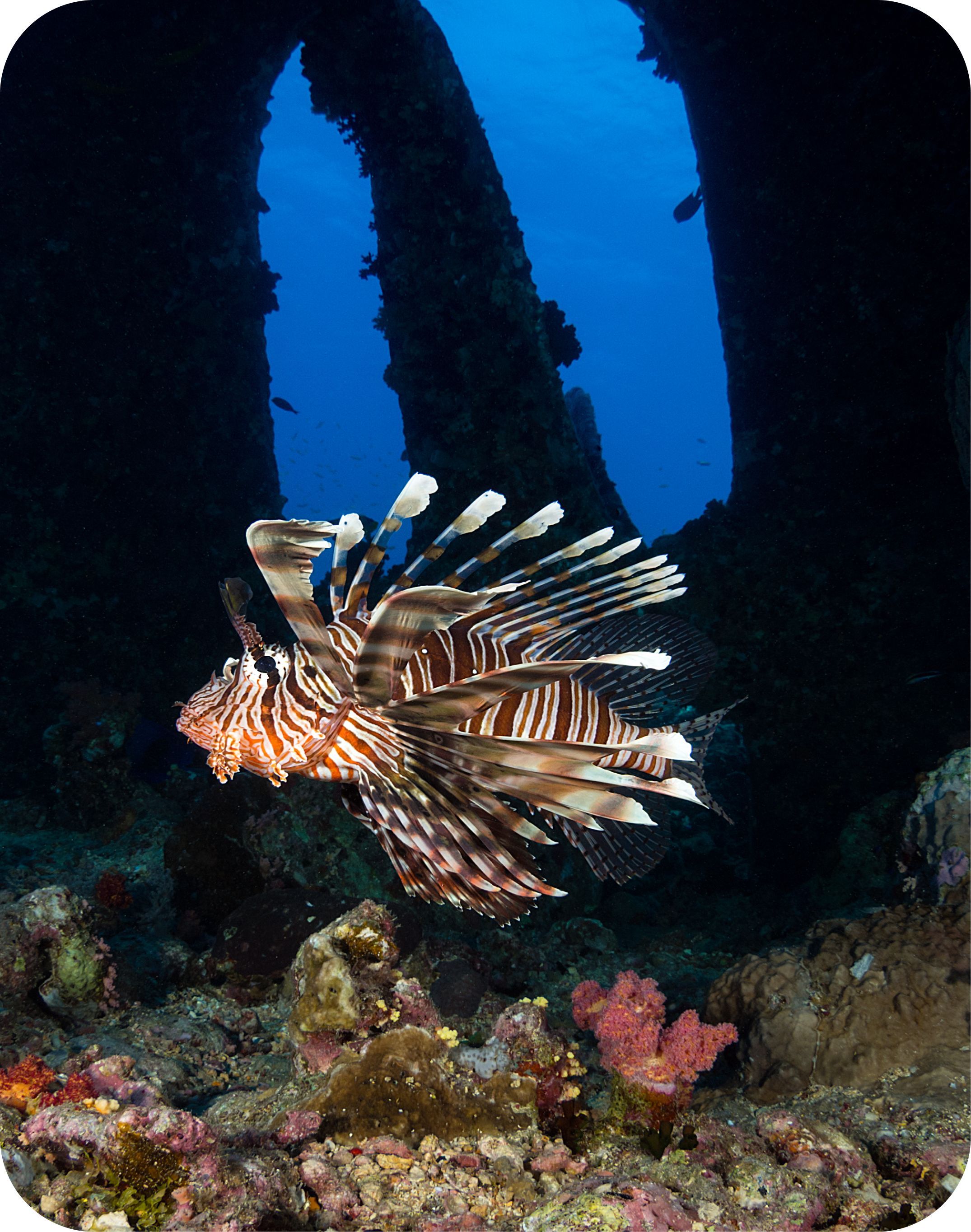
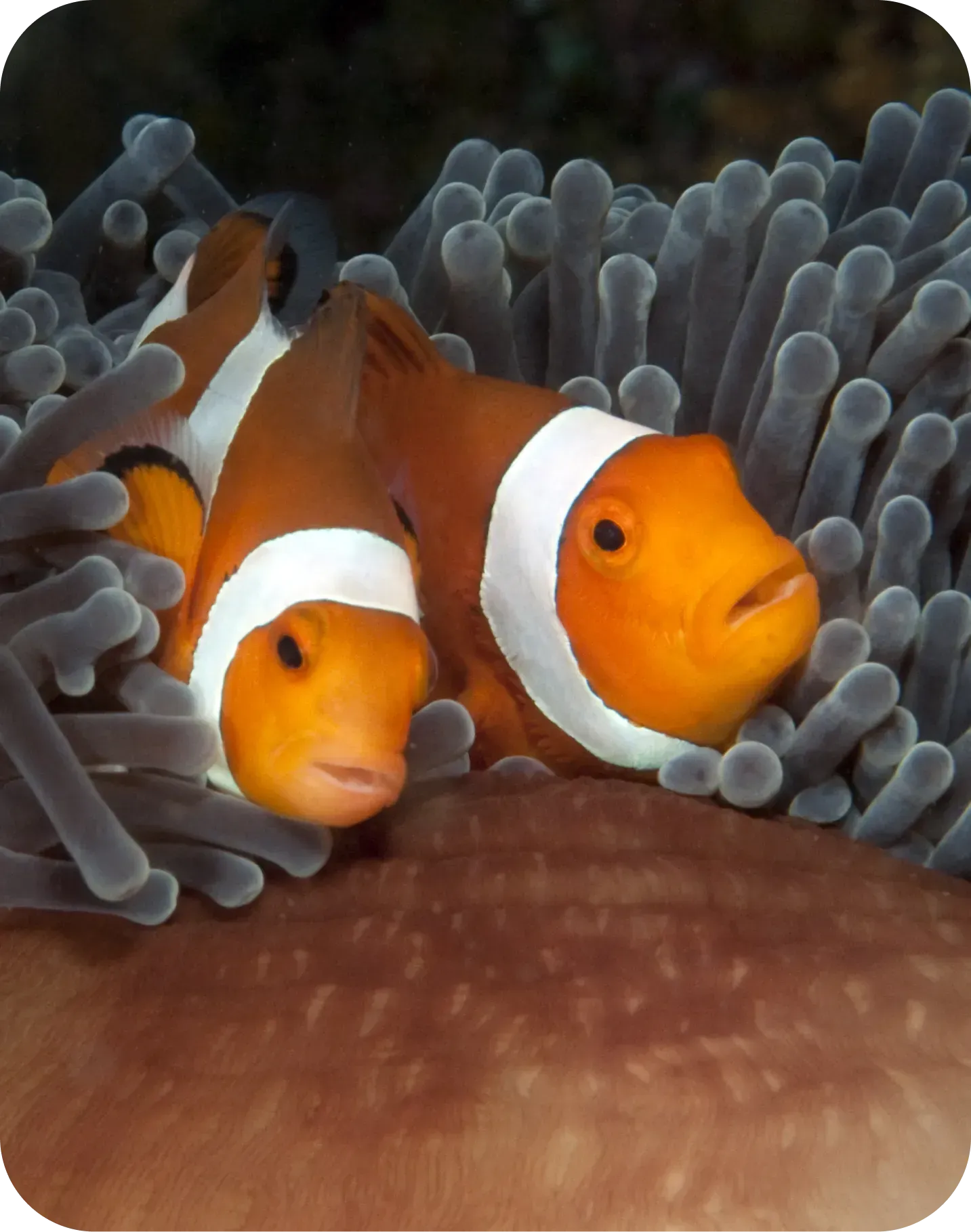
Nestled in the far eastern corner of Indonesia, Raja Ampat is not simply another tropical diving destination — it is, by every scientific measure, the most biodiverse marine ecosystem on the planet. The Coral Triangle converges here, and the result is a staggering underwater tapestry that humbles even the most experienced divers. More than 1,500 species of fish and 600 coral species have been recorded in these waters, numbers that dwarf every other reef system on Earth.
DUNE has been organising premium liveaboard expeditions to Raja Ampat since the destination first gained international recognition, and our passion for these waters has only deepened with time. Whether you are a first-time liveaboard traveller or a seasoned underwater photographer seeking your next masterpiece, Raja Ampat will redefine what diving means to you.
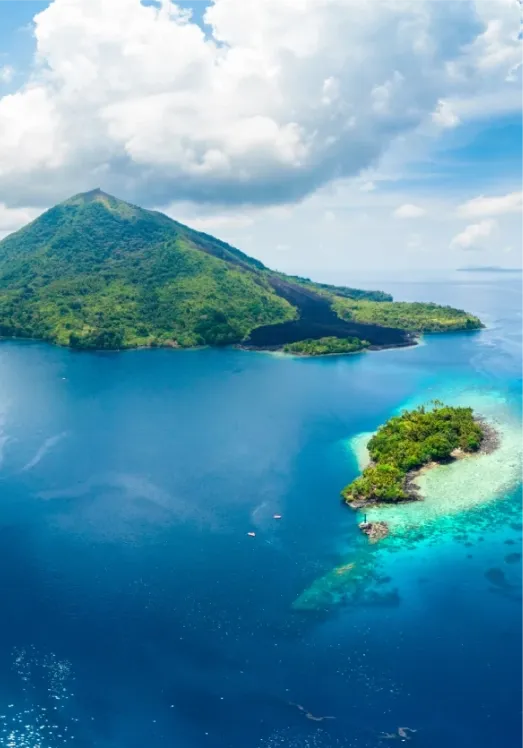
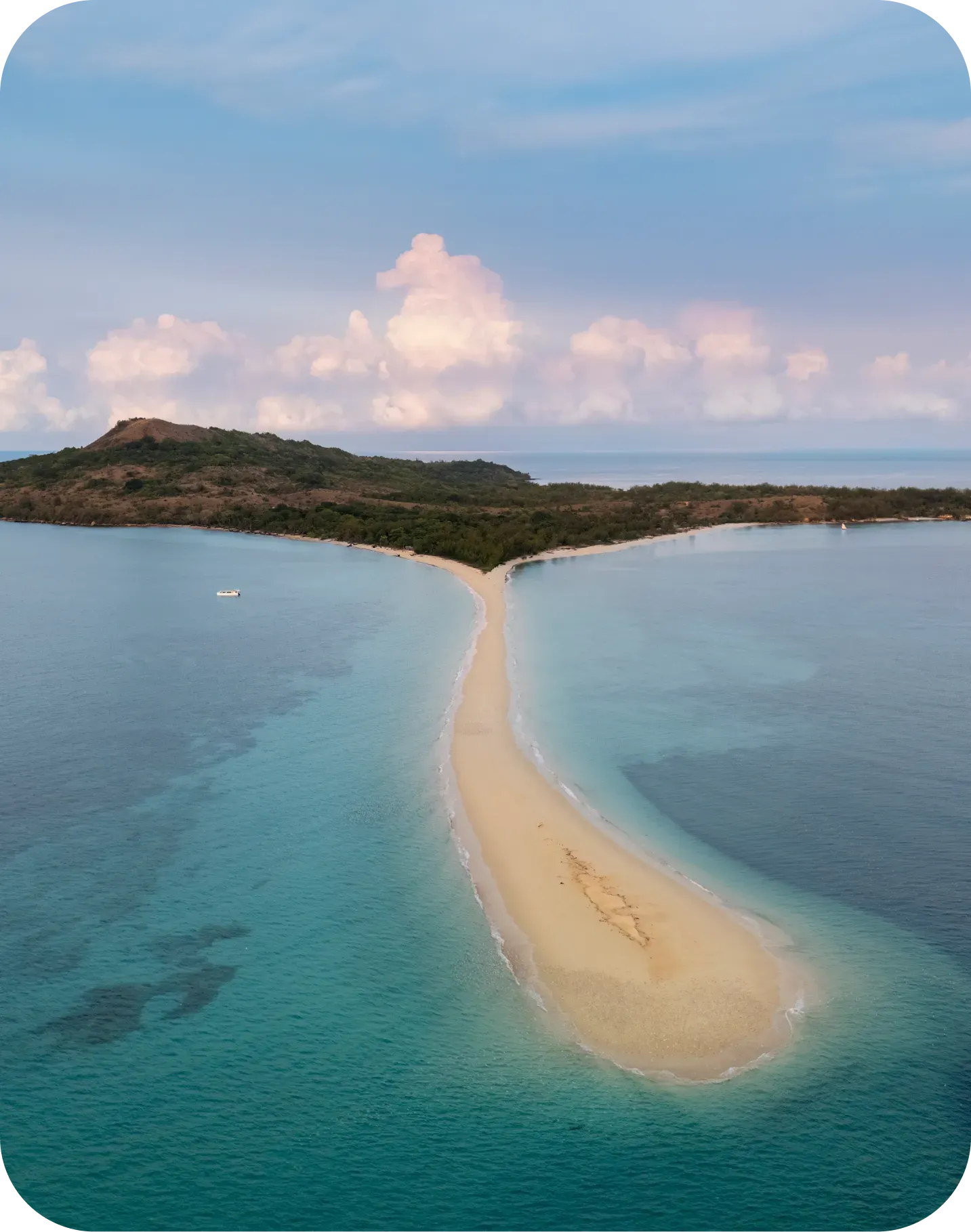
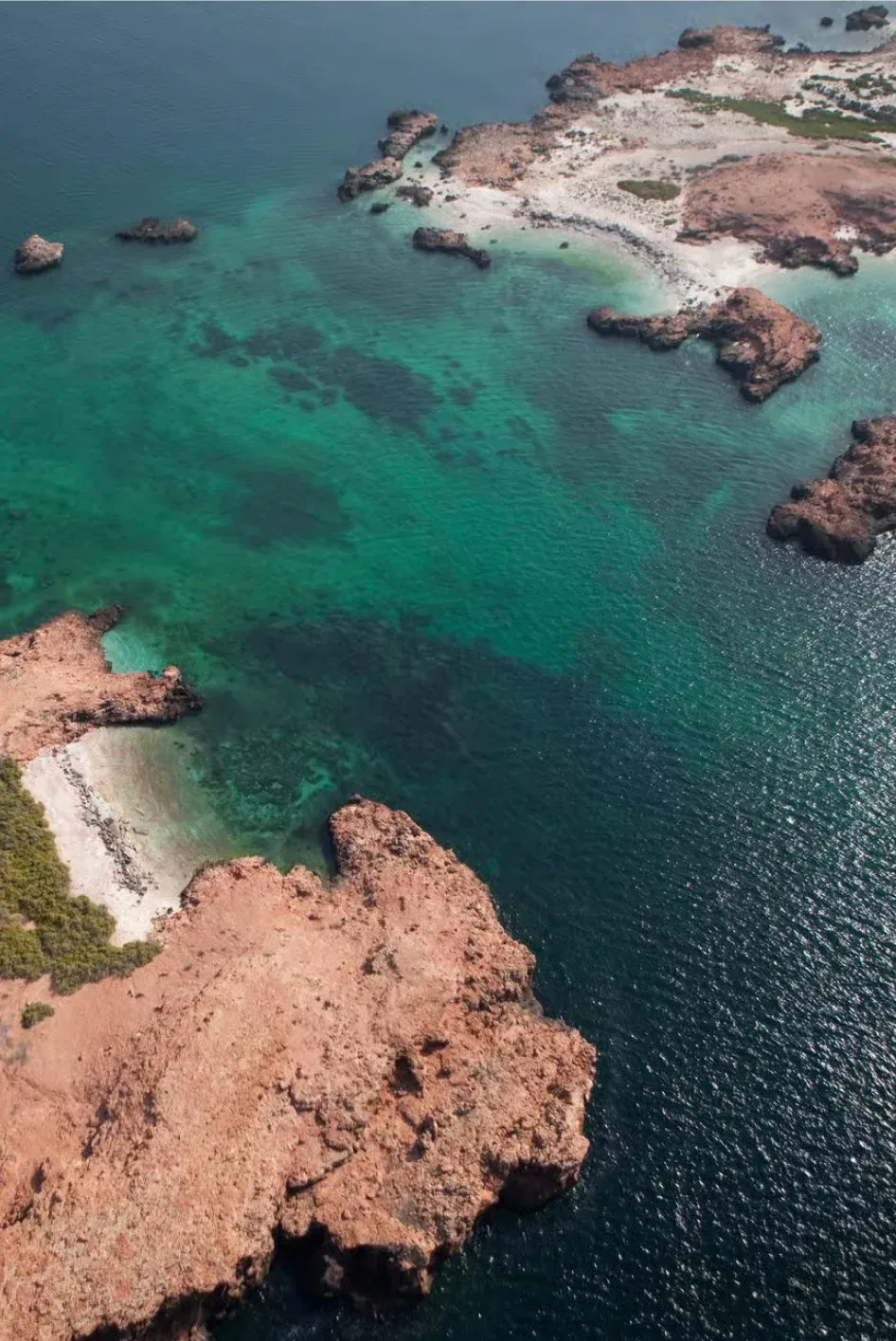
The name Raja Ampat translates as "Four Kings", referring to the four main island groups: Waigeo, Batanta, Salawati, and Misool. Each archipelago offers a distinct diving personality, from the pelagic-rich current channels of the north to the pristine, labyrinthine reef gardens of the south. A quality liveaboard itinerary weaves between these worlds, giving you access to dozens of iconic sites over seven to fourteen nights afloat.
Choosing the Right Liveaboard Vessel
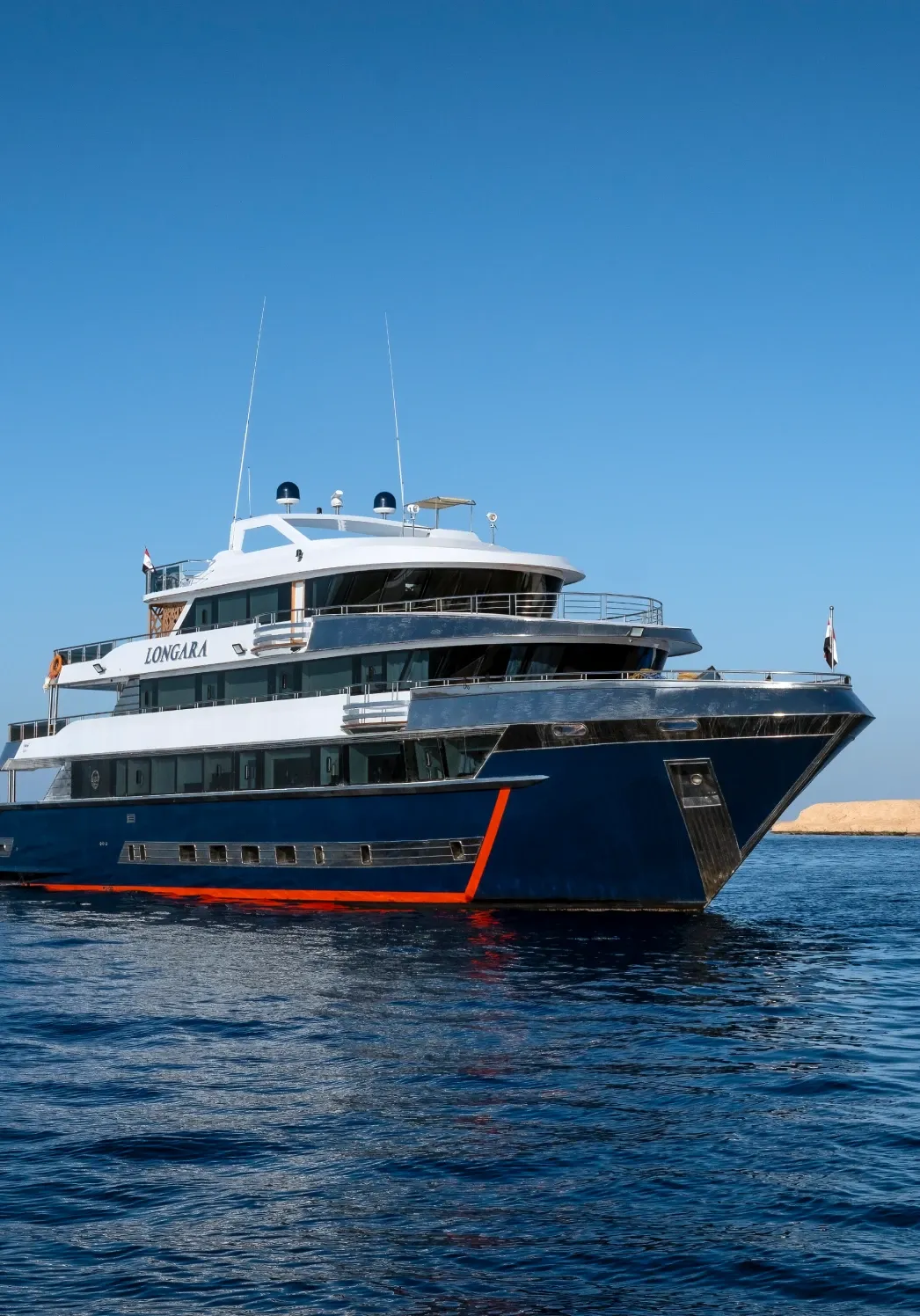
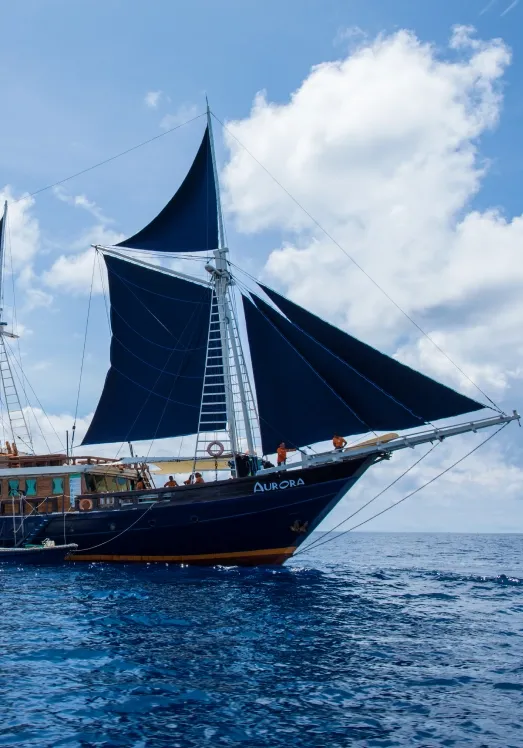
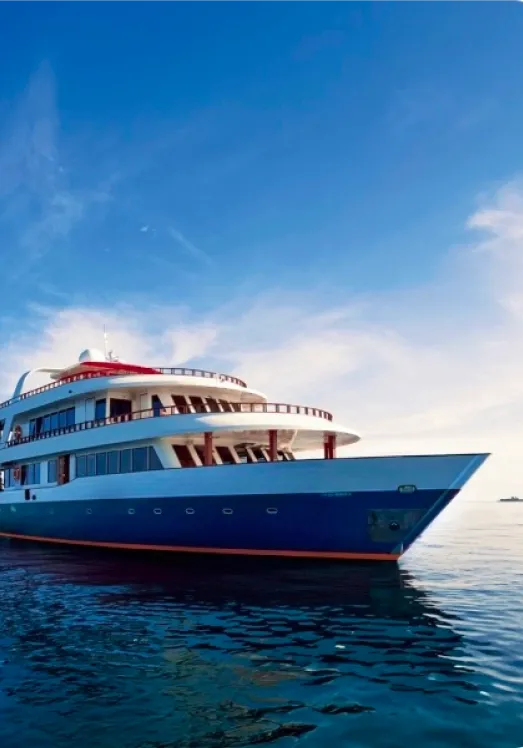
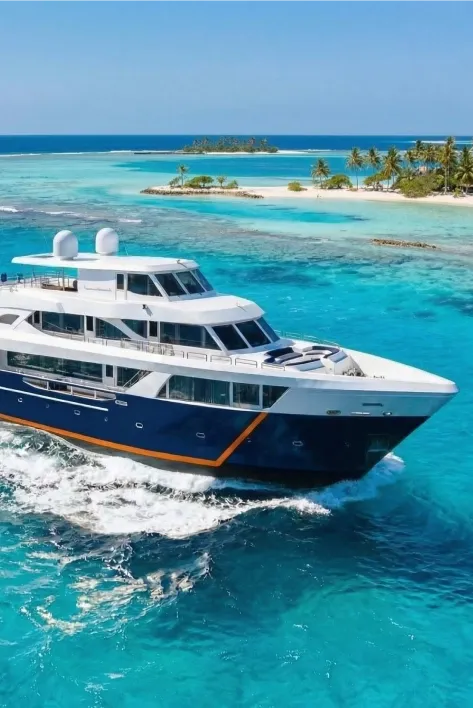
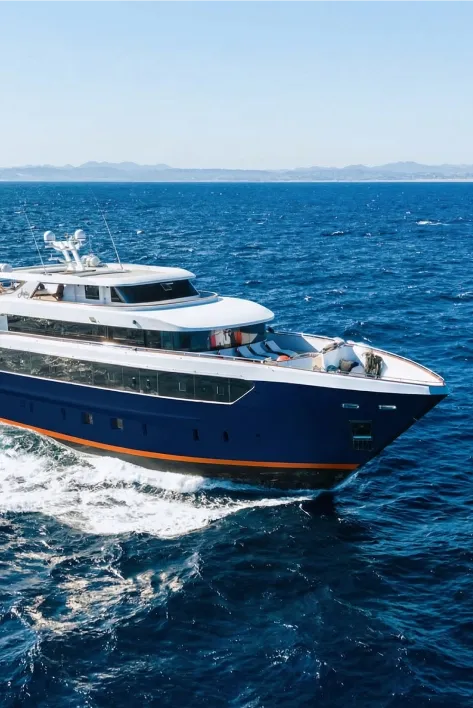
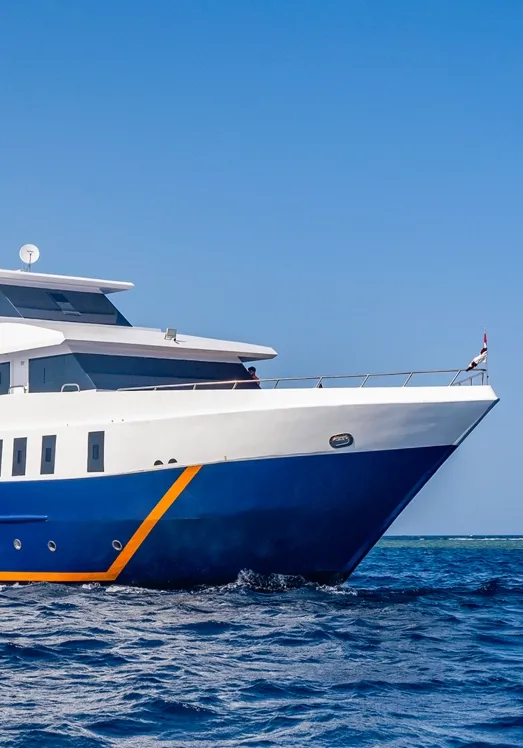
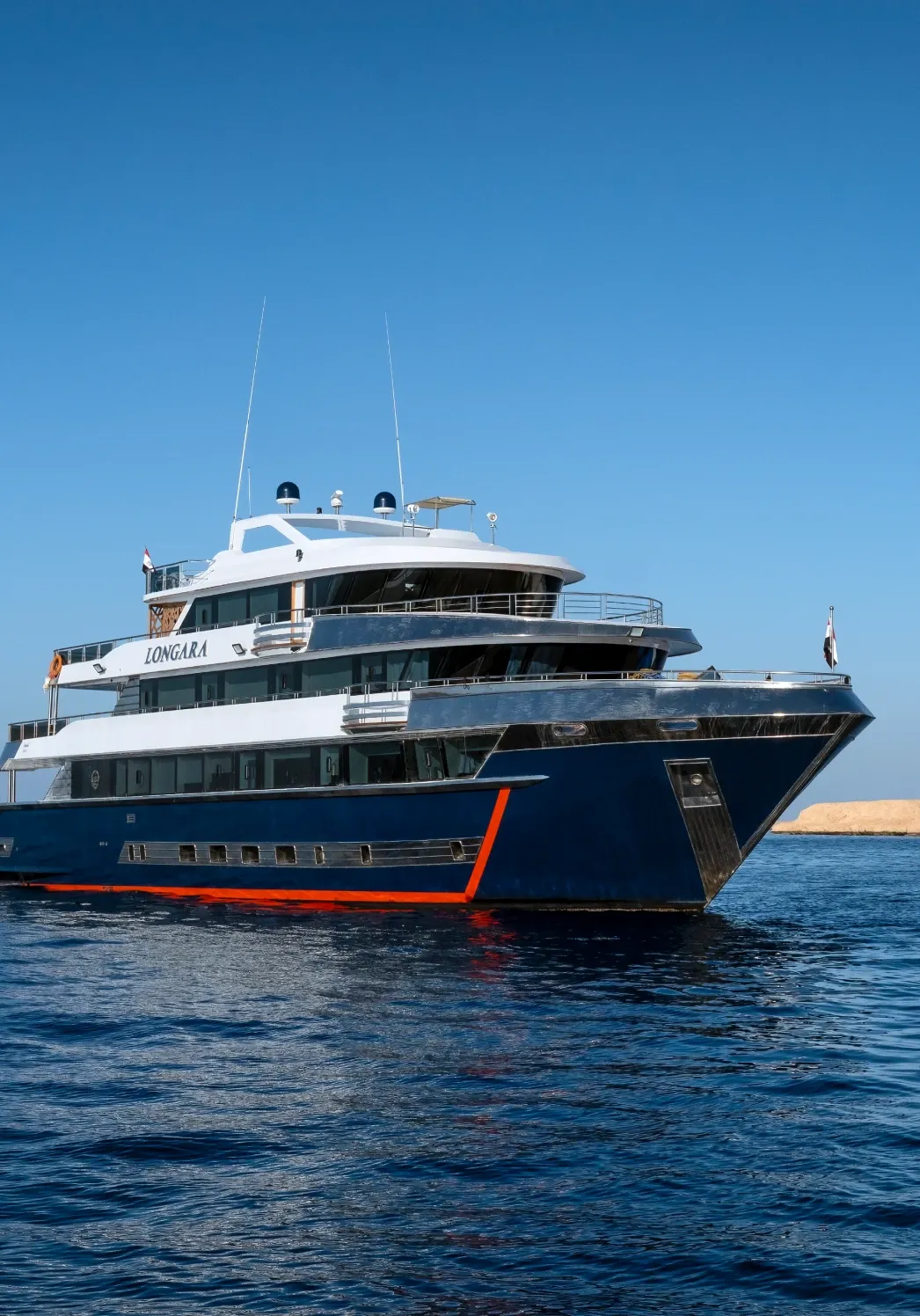
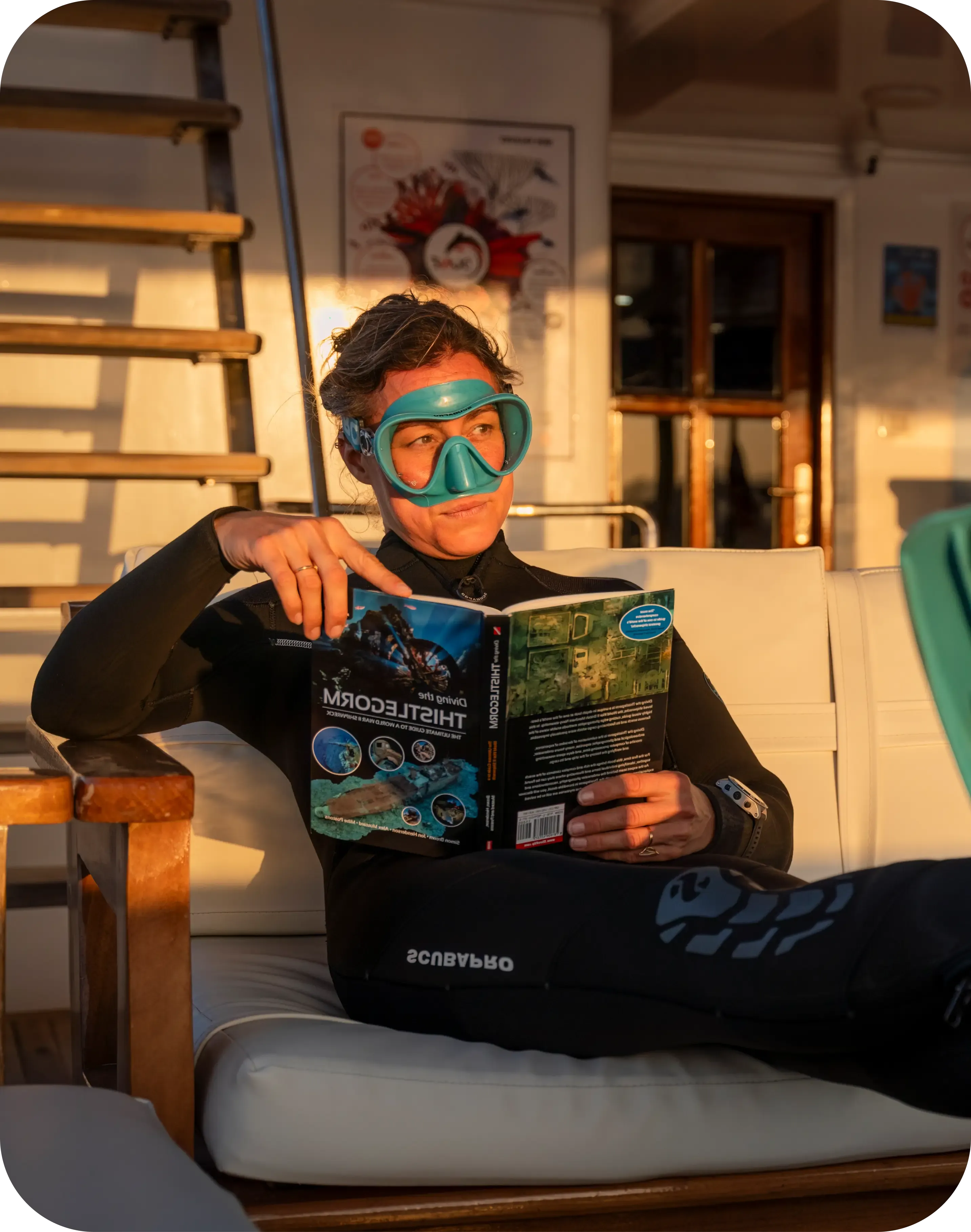
The liveaboard vessel you choose is not merely transport between dive sites — it is your home, your decompression chamber between dives, and the lens through which you experience one of the world's last true wilderness frontiers. DUNE works exclusively with a curated selection of vessels that meet our strict criteria for safety, comfort, crew quality, and environmental responsibility.
Premium vessels in Raja Ampat typically carry between eight and twenty guests, ensuring small groups at each dive site and personalised attention from divemasters. Look for boats with dedicated camera tables with rinse tanks, a generous sun deck, comfortable en-suite cabins, and ideally a trained marine biologist on board. The best vessels are also members of the Reef Check Indonesia network and operate under strict no-anchor policies in coral-sensitive areas.
- 7-night routes — ideal for first-timers; covers Dampier Strait, Manta Sandy, and Cape Kri
- 10-night routes — extends south to Misool for remote reef diving
- 14-night grand circuits — the full Raja Ampat experience from north to south
Top Dive Sites You Will Visit
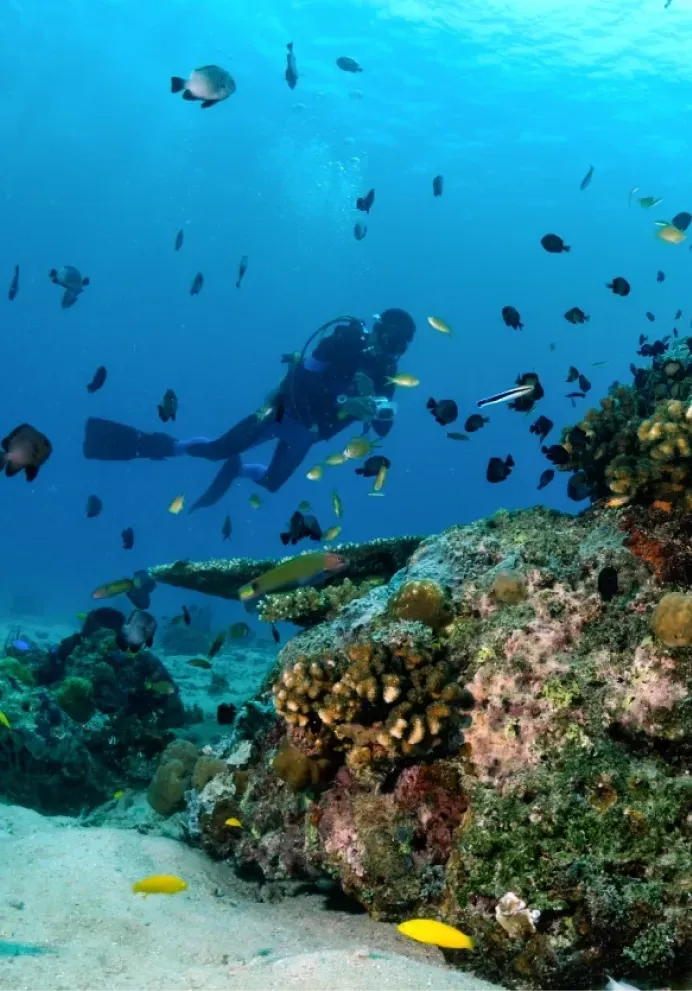
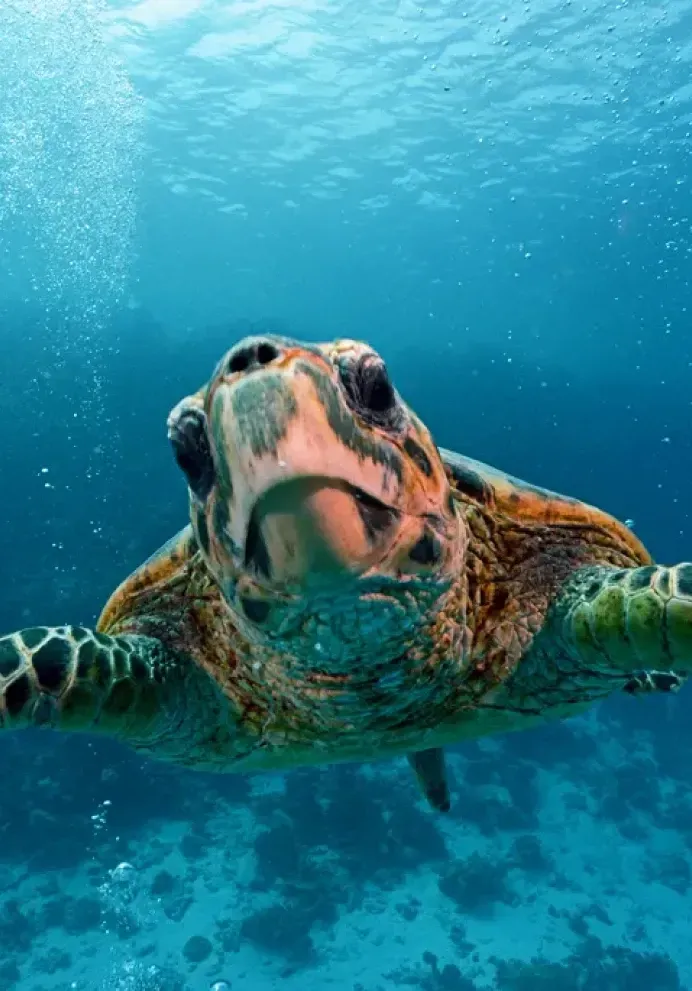
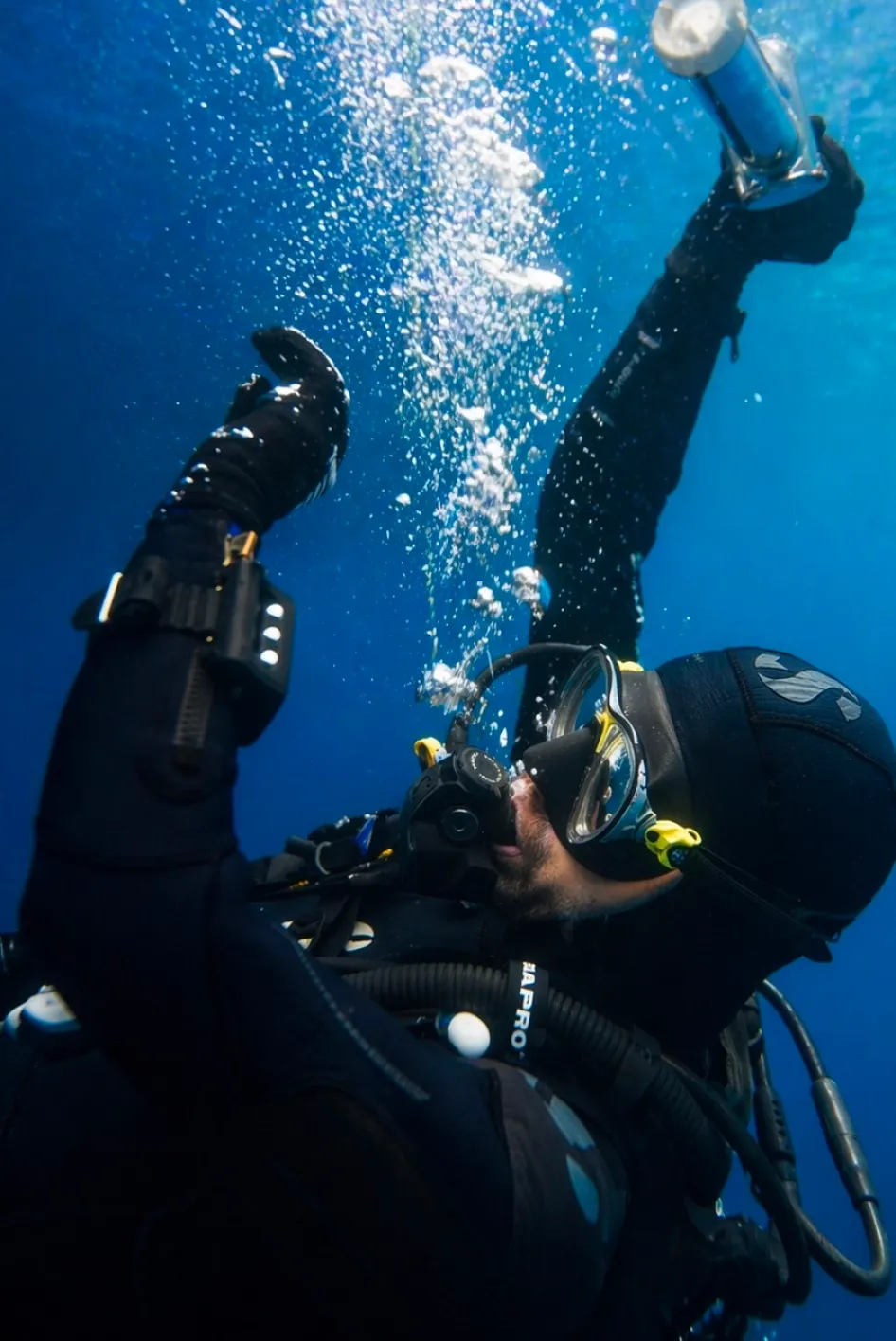
Cape Kri holds the world record for the most fish species counted on a single dive — 374 species recorded in one survey. Entering the water here during an outgoing tide is like plunging into a living aquarium at impossible scale: walls of trevally, giant schools of surgeonfish, hawksbill turtles gliding through the blue, and beneath it all a coral garden that seems to extend forever.
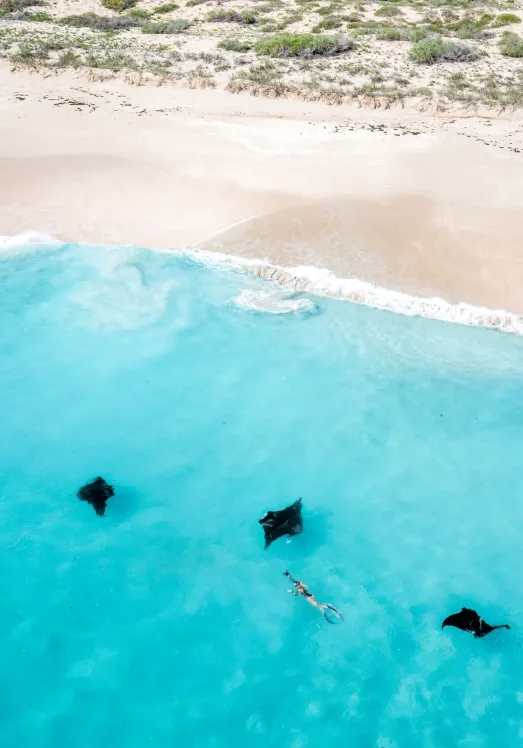
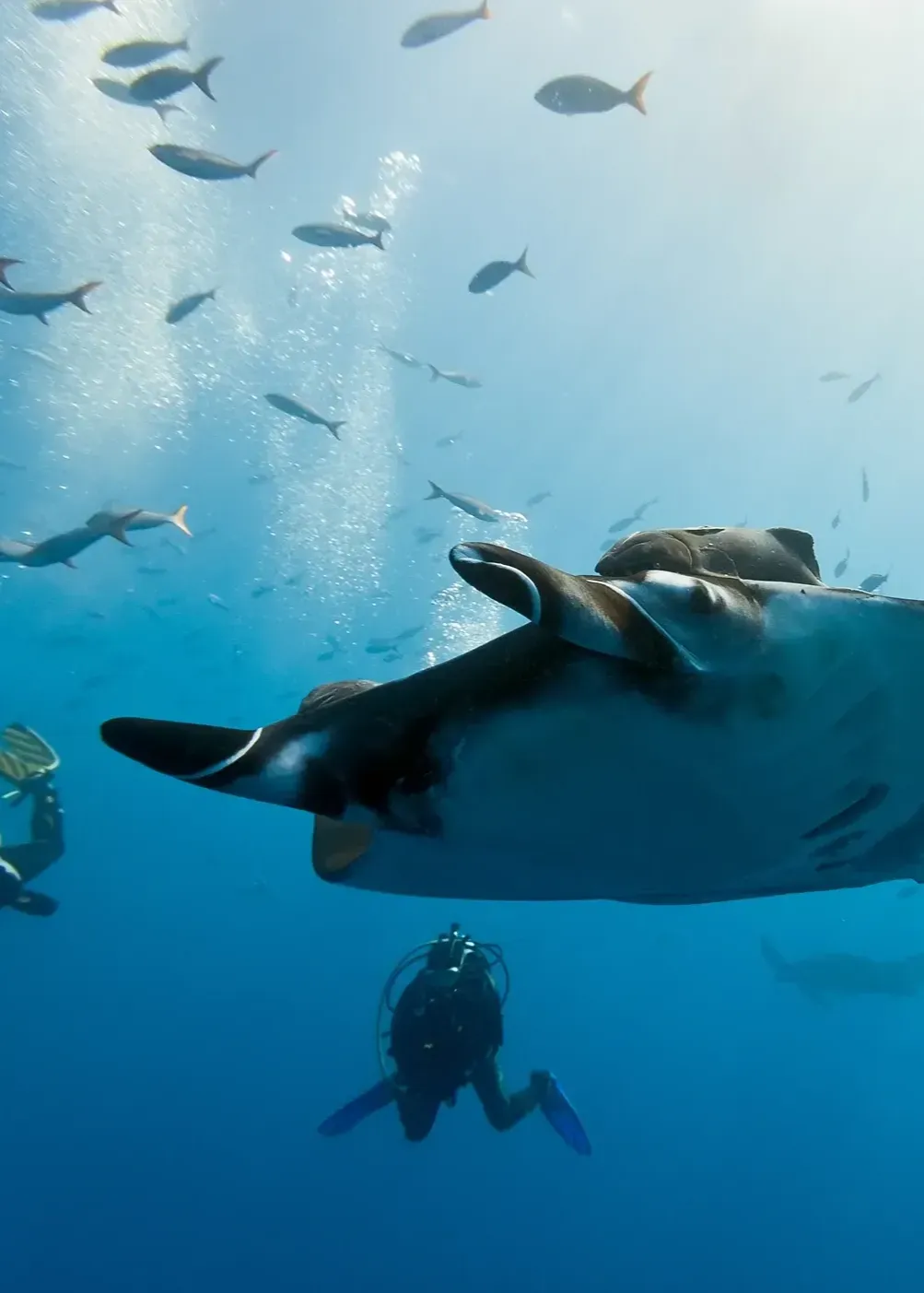
Manta Sandy and Manta Ridge are the two premier manta ray cleaning stations in the archipelago. Oceanic and reef mantas congregate here year-round, and patient divers positioned at the right cleaning station can watch dozens of these graceful giants circling overhead, attending to their parasites with the unhurried confidence of creatures that have no natural predators.
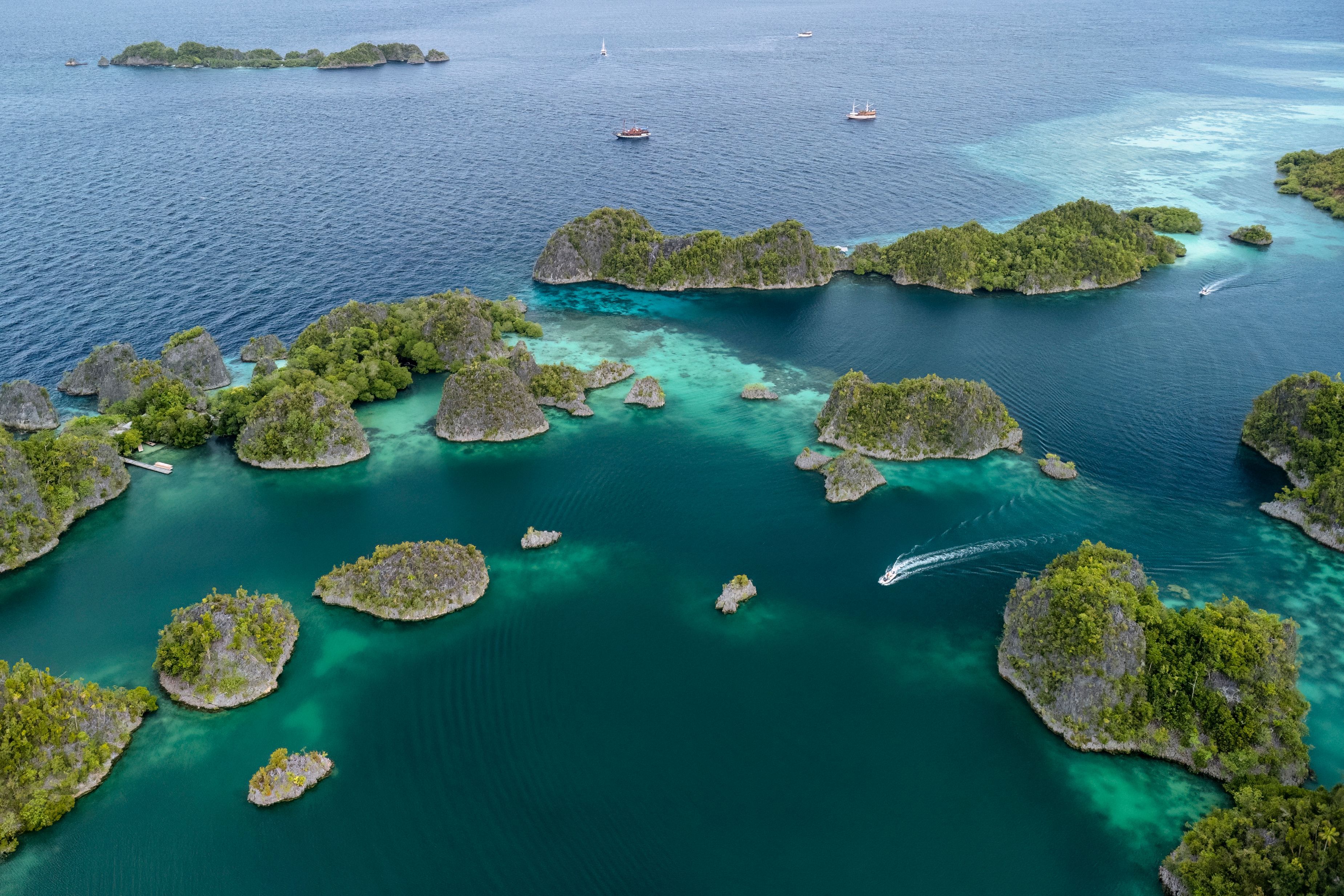
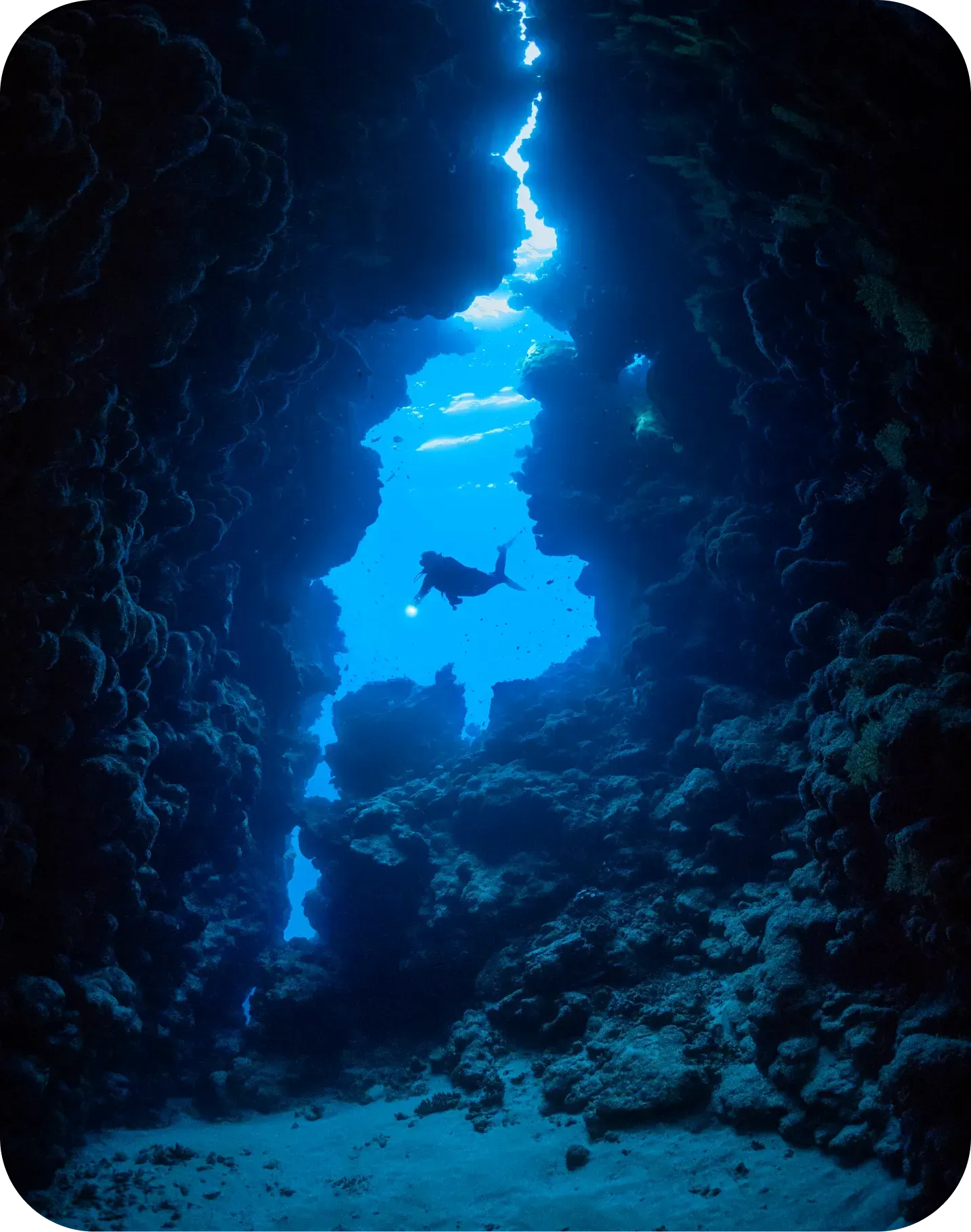
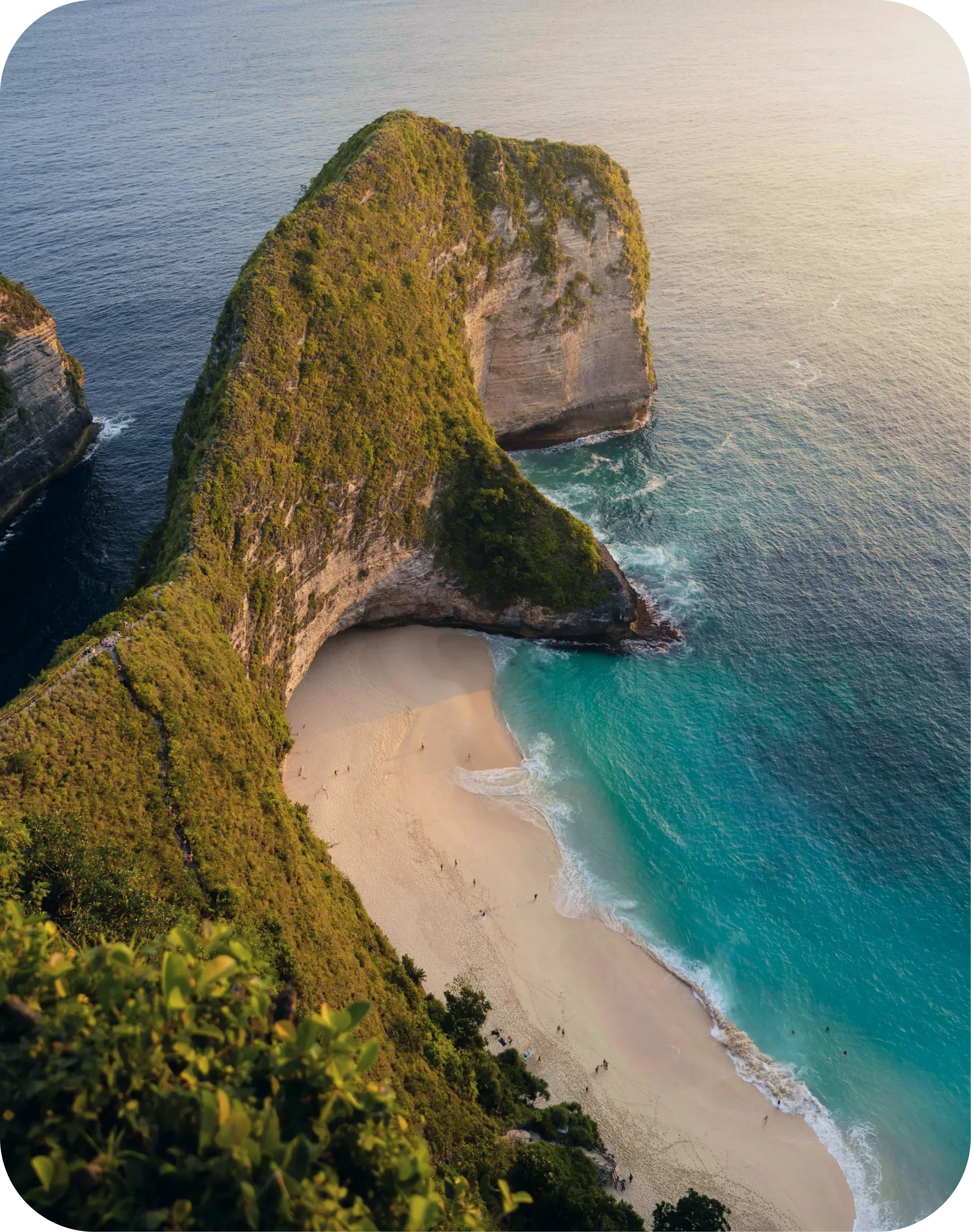
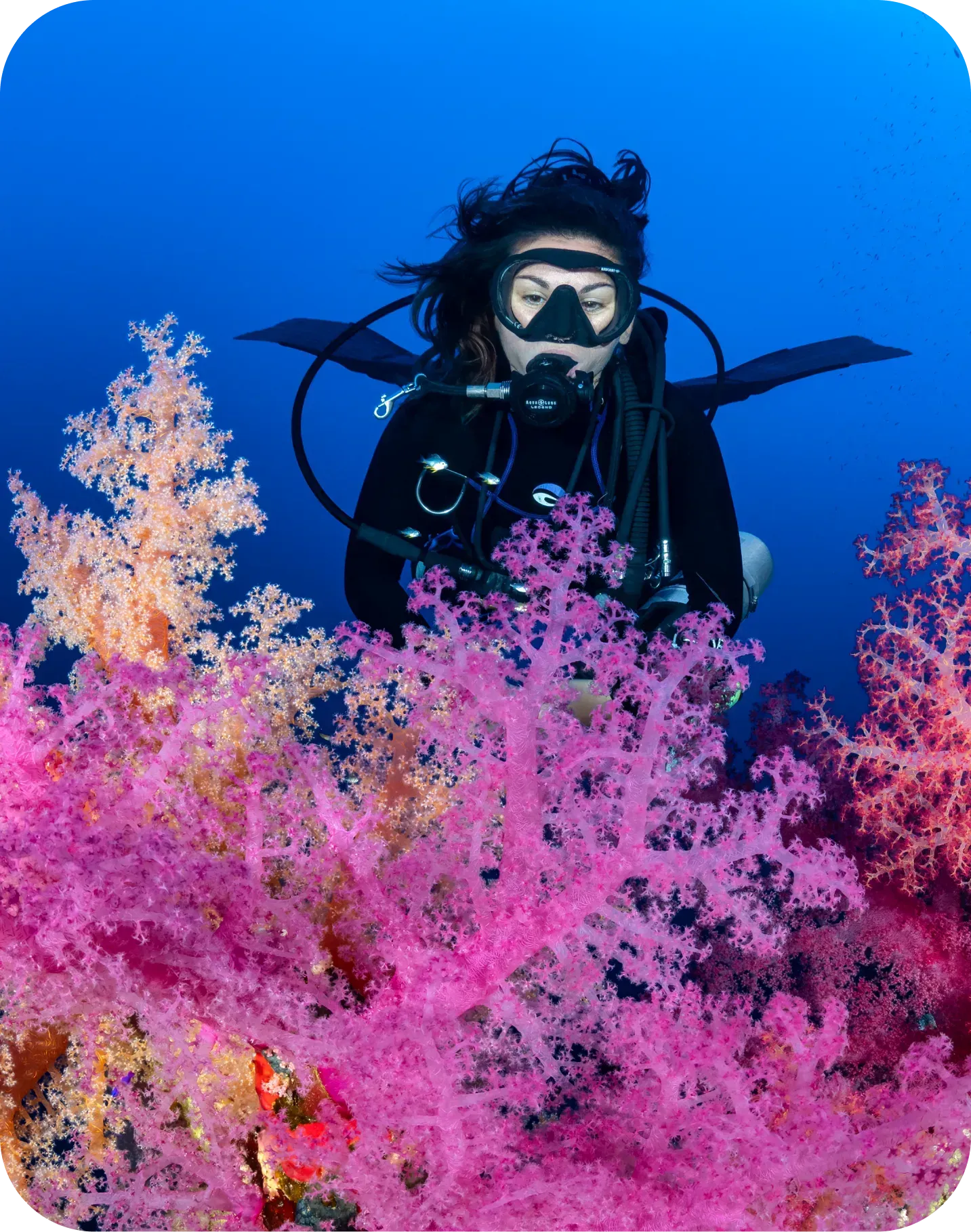
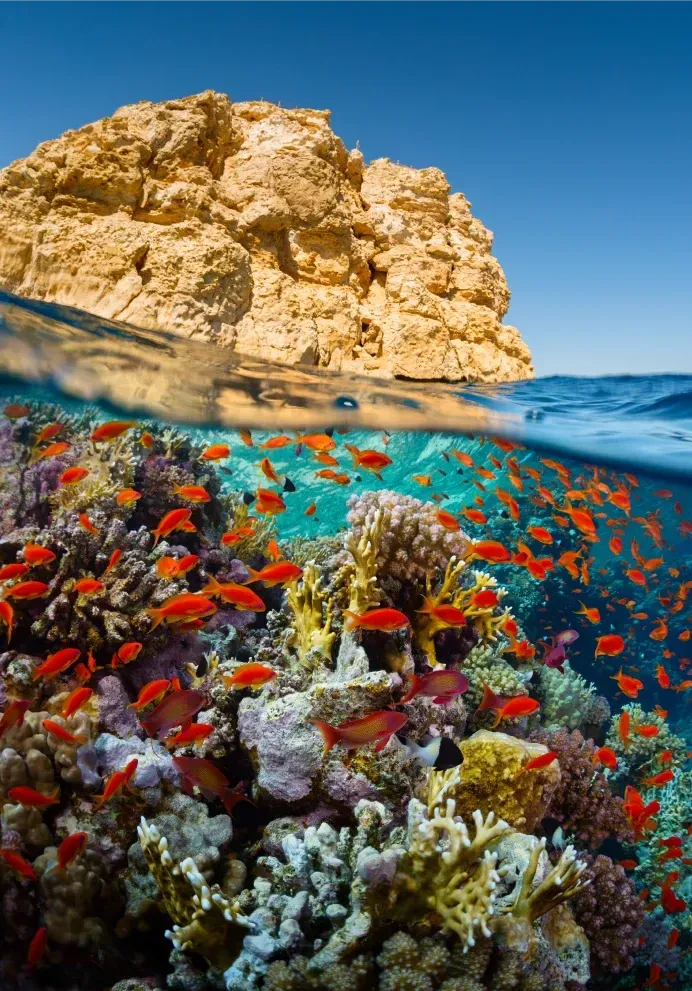
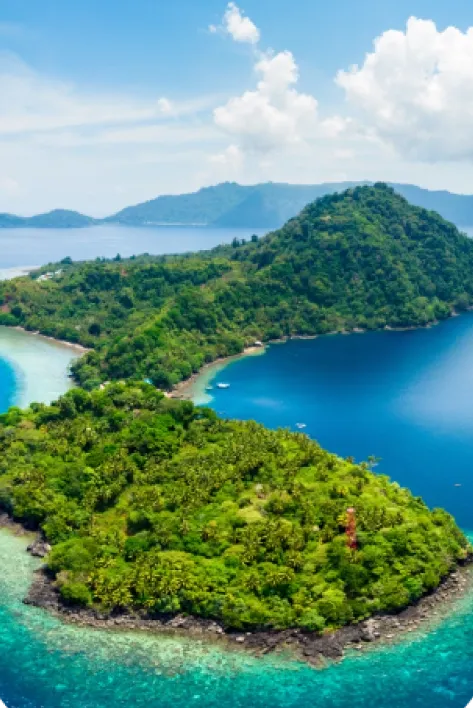
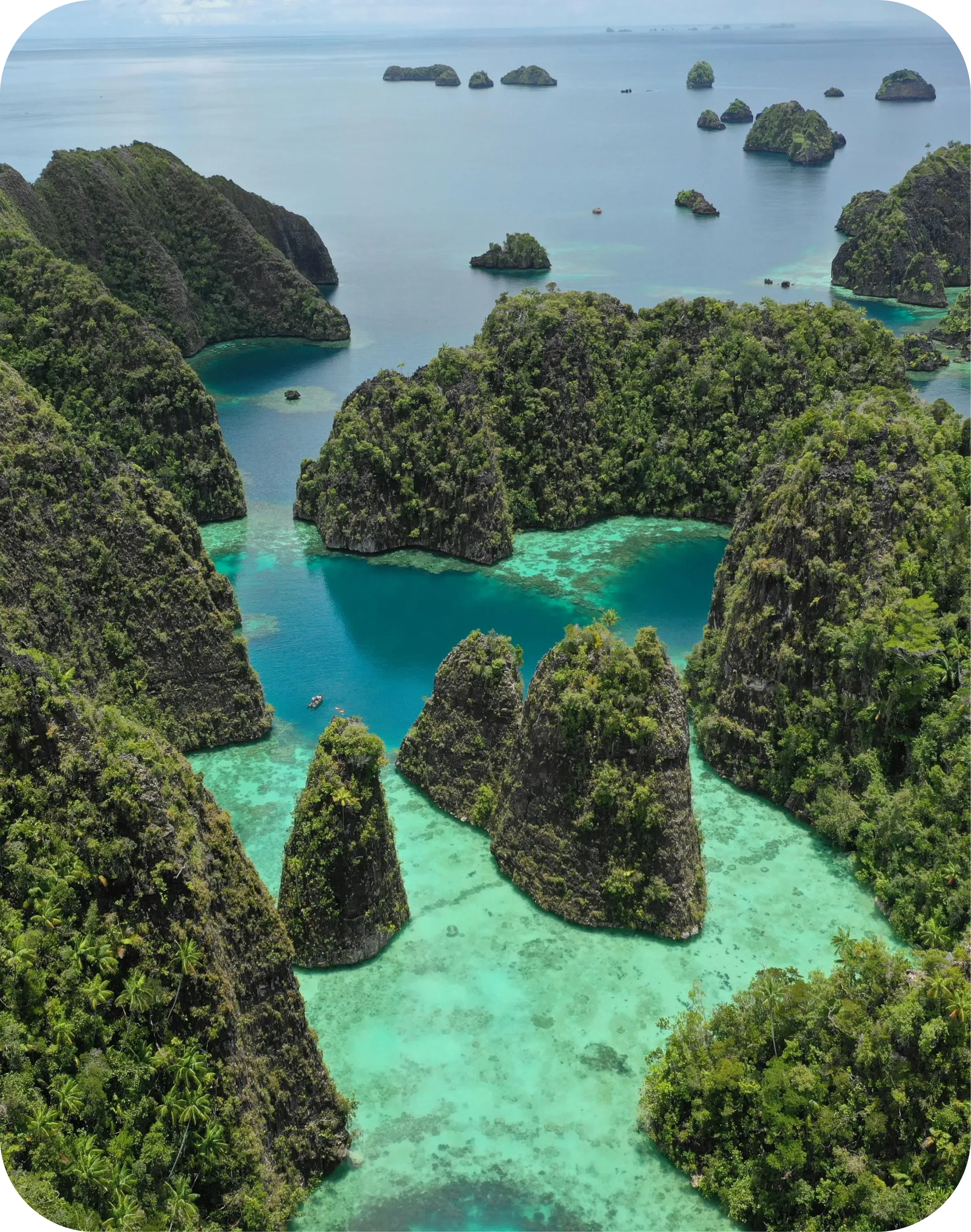
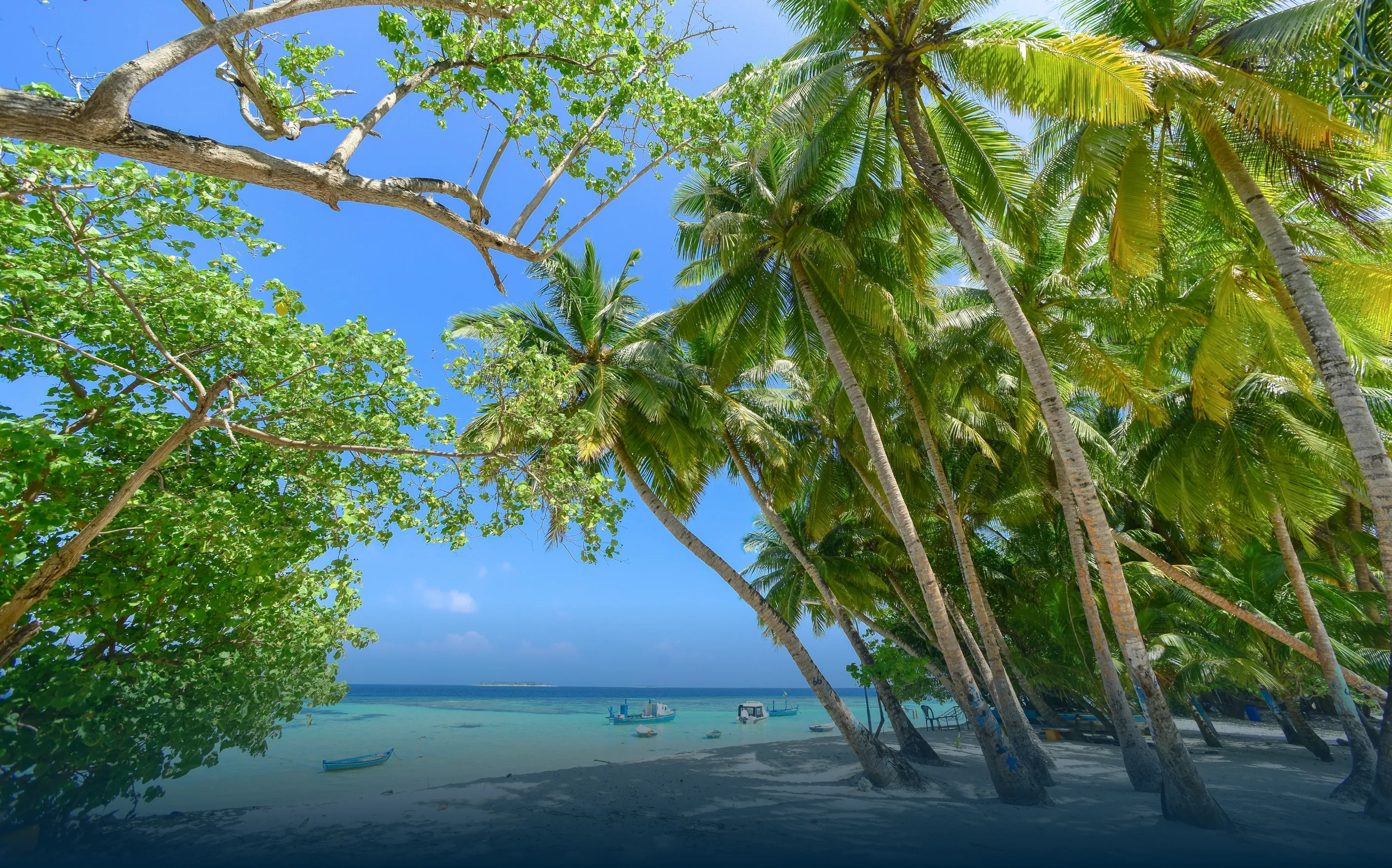
Misool, in the southern district, offers a completely different mood: maze-like mushroom islands, hidden lagoons, and pristine hard coral gardens that never see strong currents. Soft corals blanket the underwater cliffs in flamingo pinks and vivid oranges, and the fish life is extraordinary. Arborek, Pianemo, and the Blue Magic dive site around the Fam Islands round out the must-visit list for any serious diver.
Marine Life Highlights
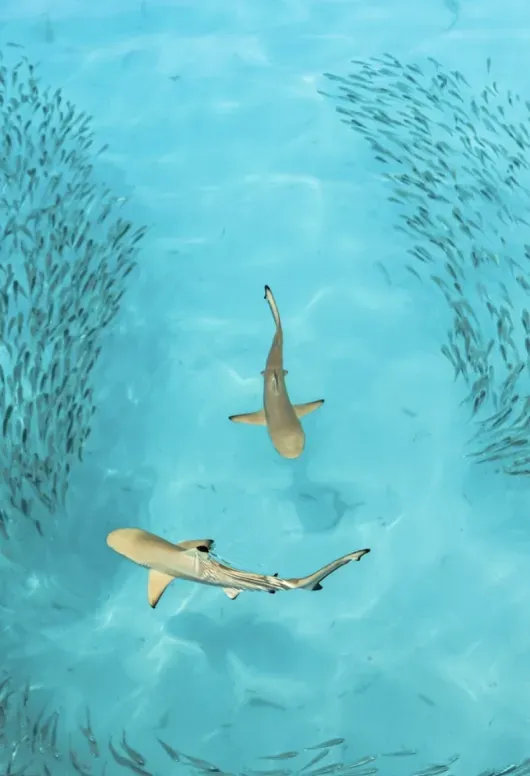
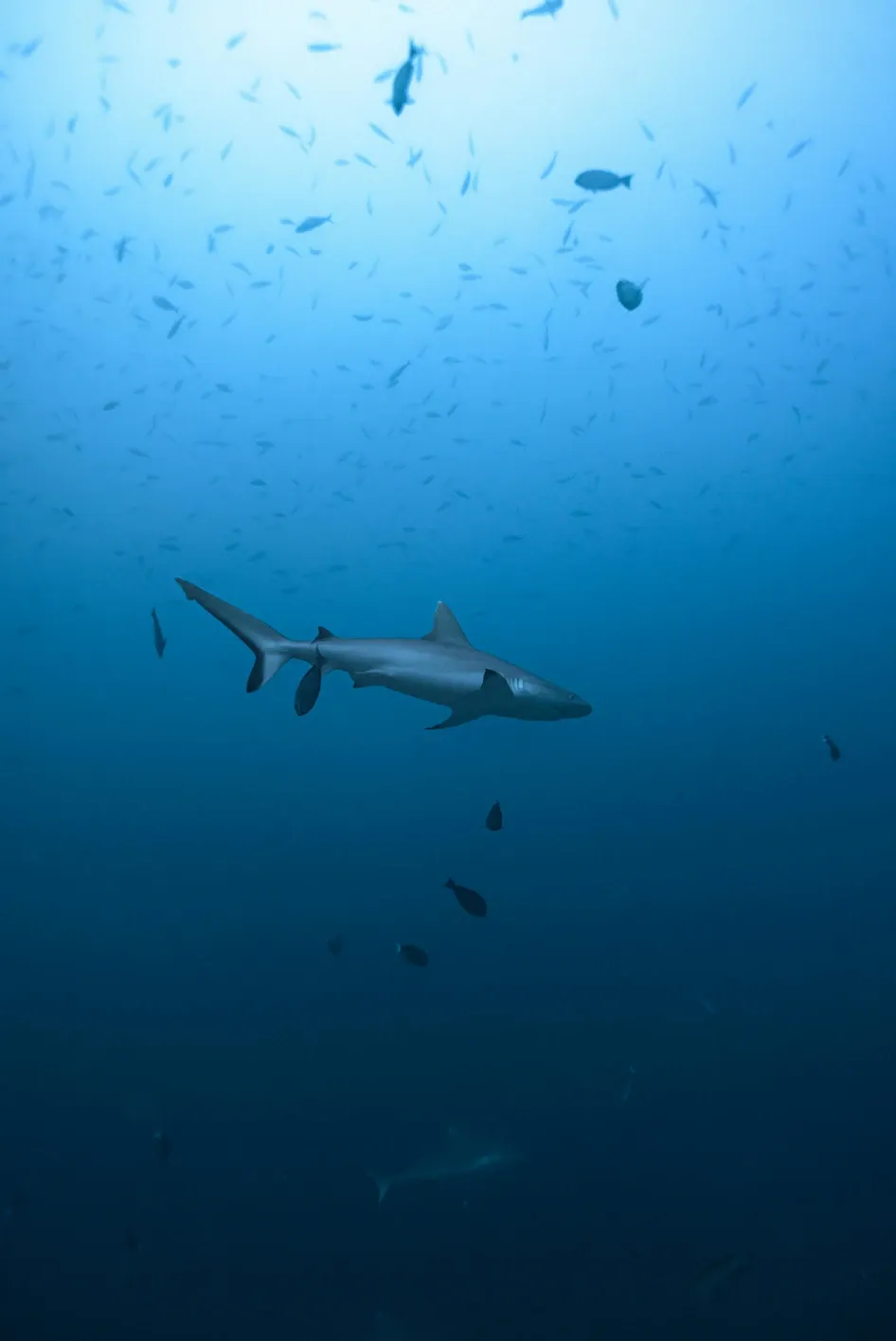
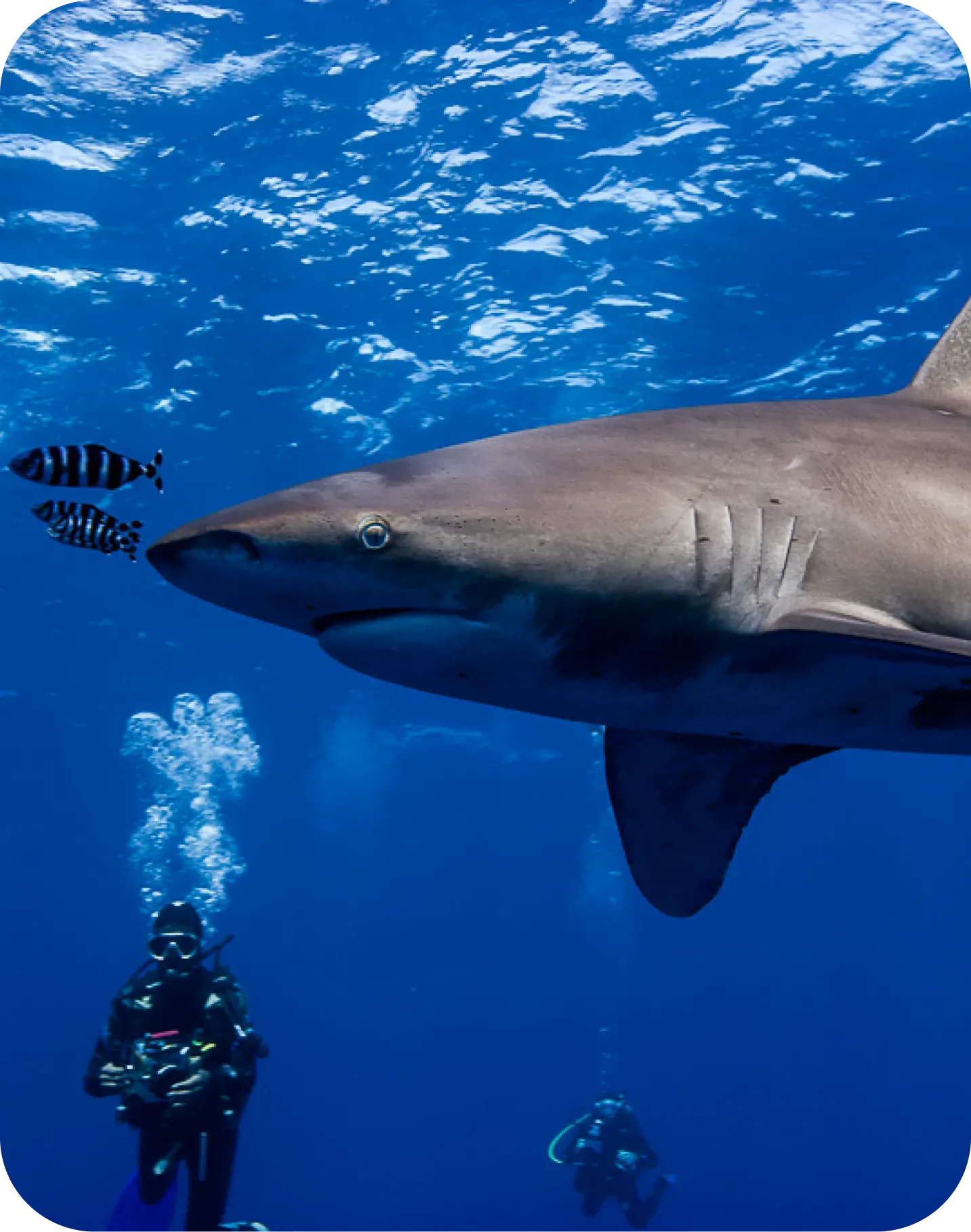
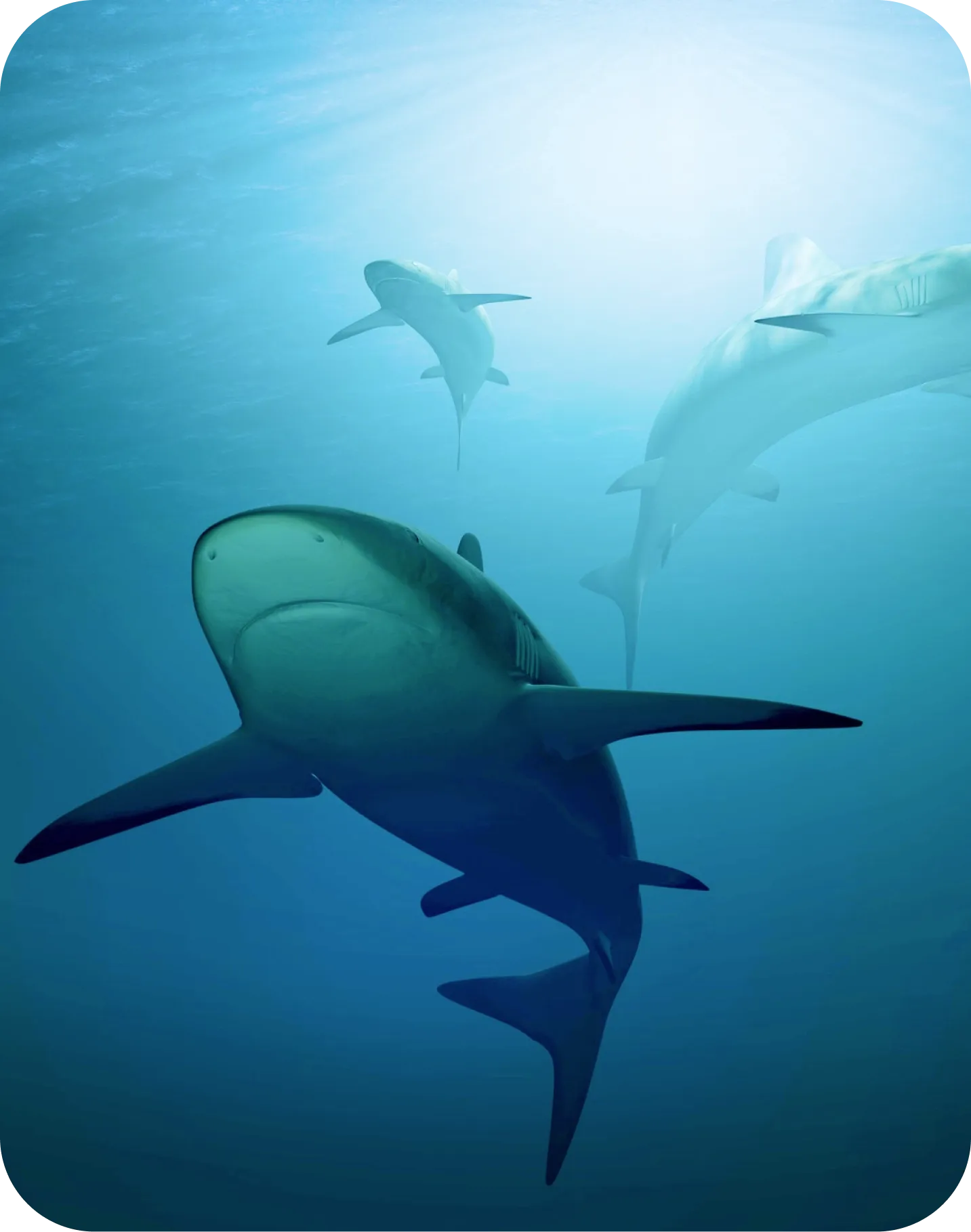
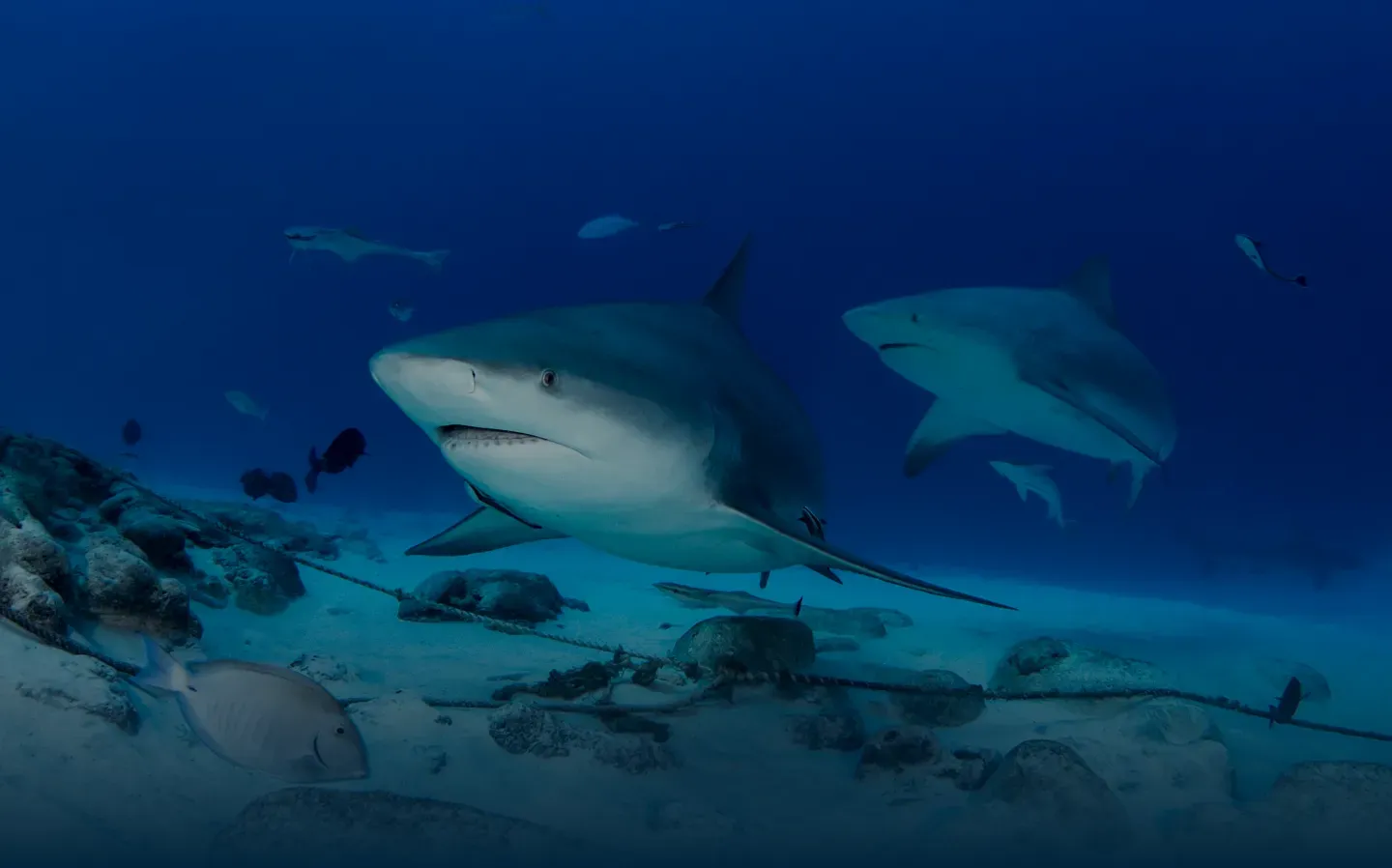
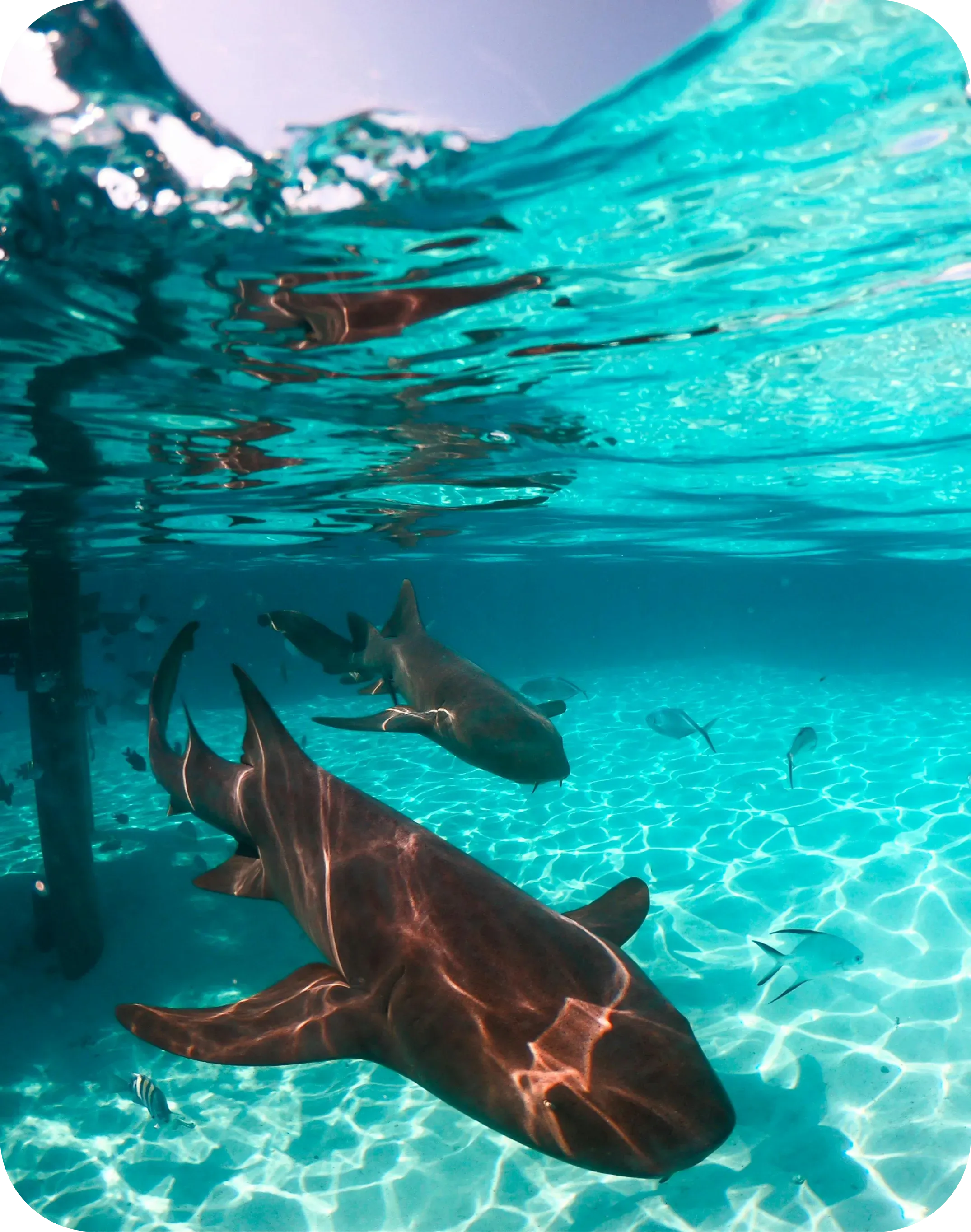
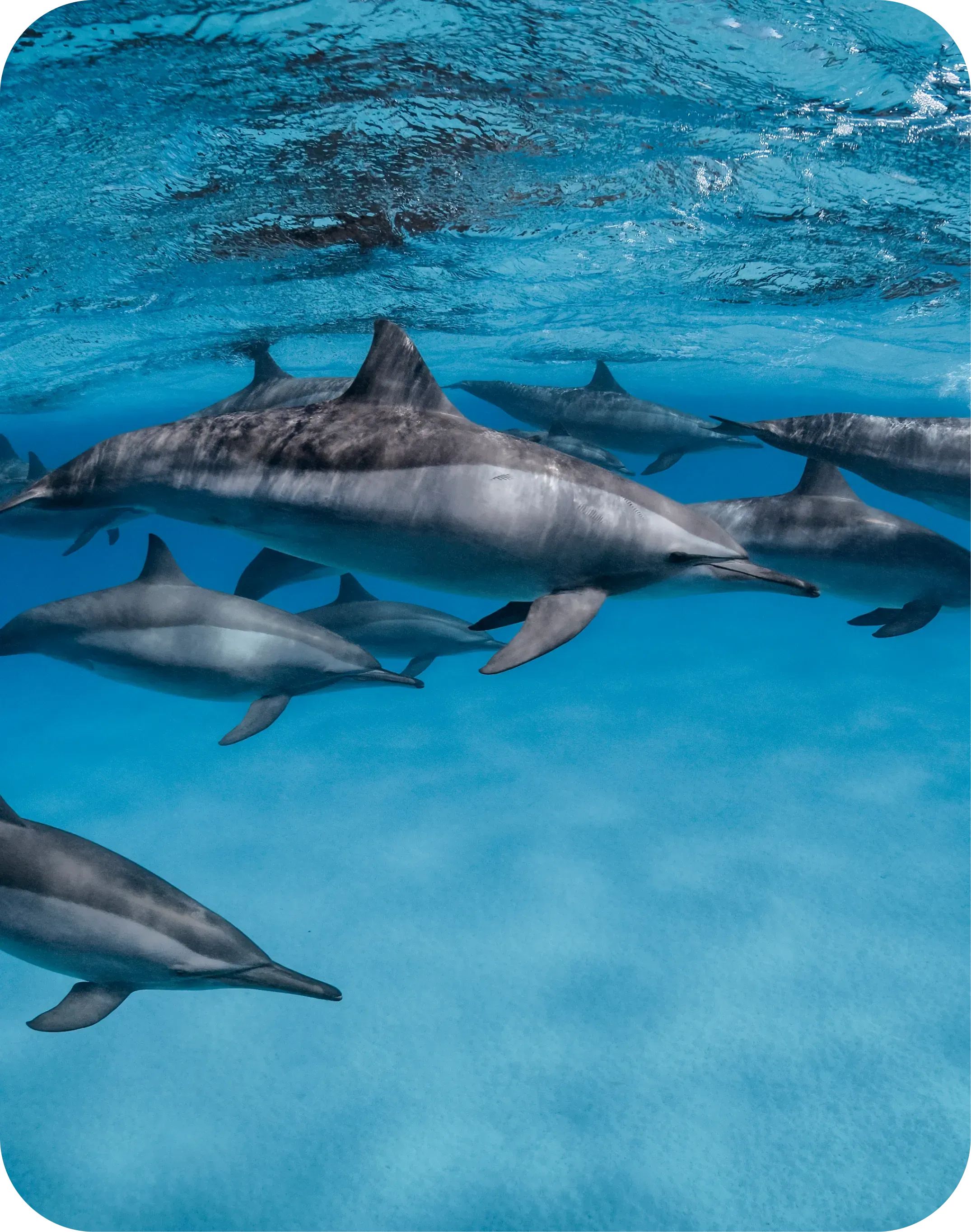
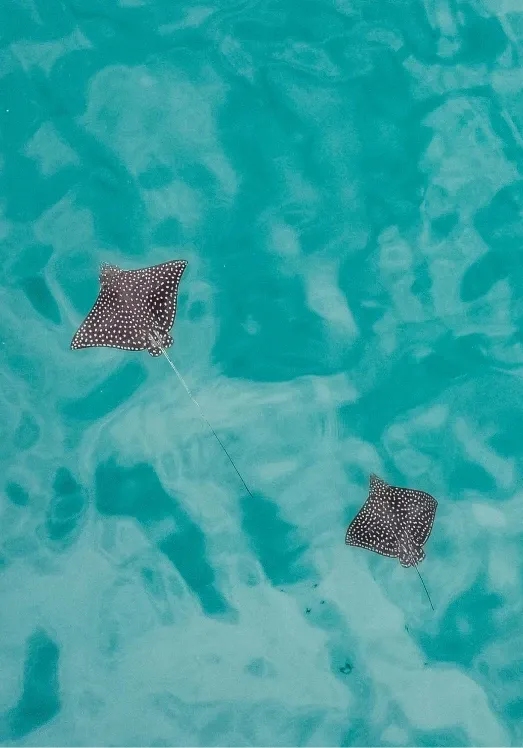
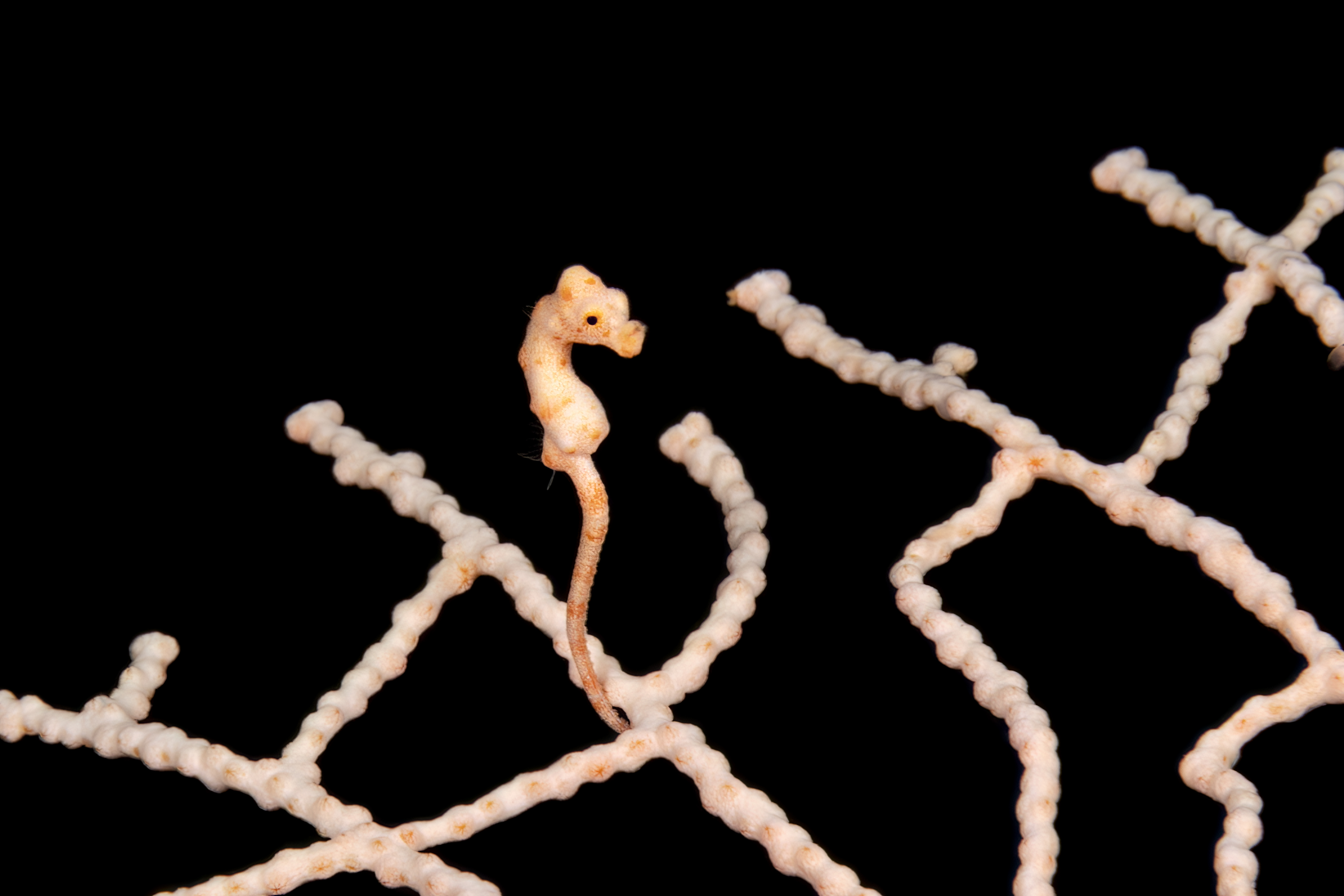
Beyond the headline species, Raja Ampat rewards patient, observant divers with encounters that cannot be replicated anywhere else. Wobbegong sharks rest motionless on coral rubble, their elaborate skin camouflage rendering them nearly invisible. Walking (epaulette) sharks use their pectoral fins to haul themselves across reef flats at low tide — one of the most extraordinary behavioural adaptations in the shark family. Pygmy seahorses, barely a centimetre tall, cling to fan corals in exquisite camouflage.
- Manta rays (reef and oceanic)
- Wobbegong sharks and epaulette sharks
- Pygmy seahorses (multiple species)
- Nudibranchs in extraordinary diversity
- Bumphead parrotfish schools
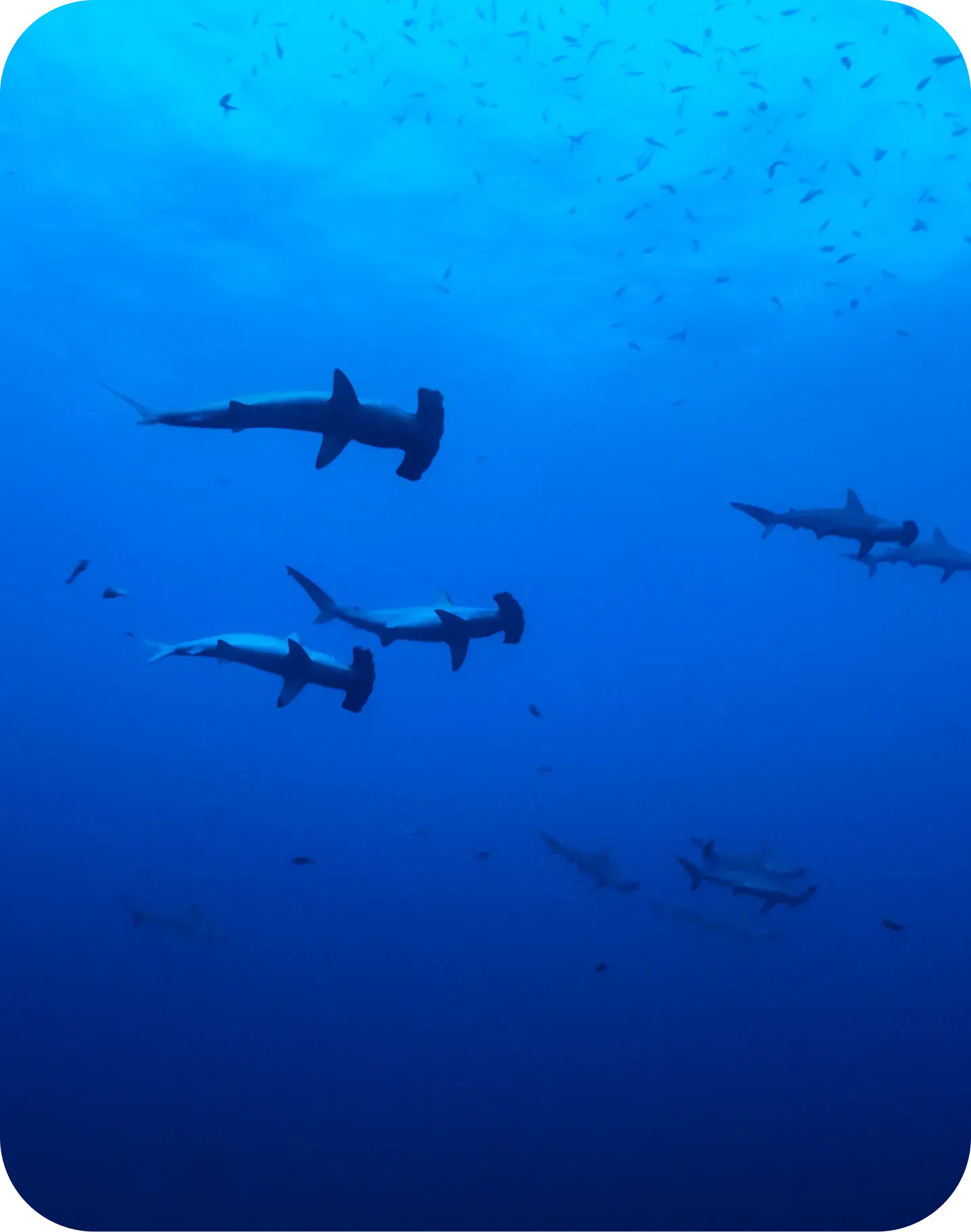
- Hammerhead sharks (seasonal)
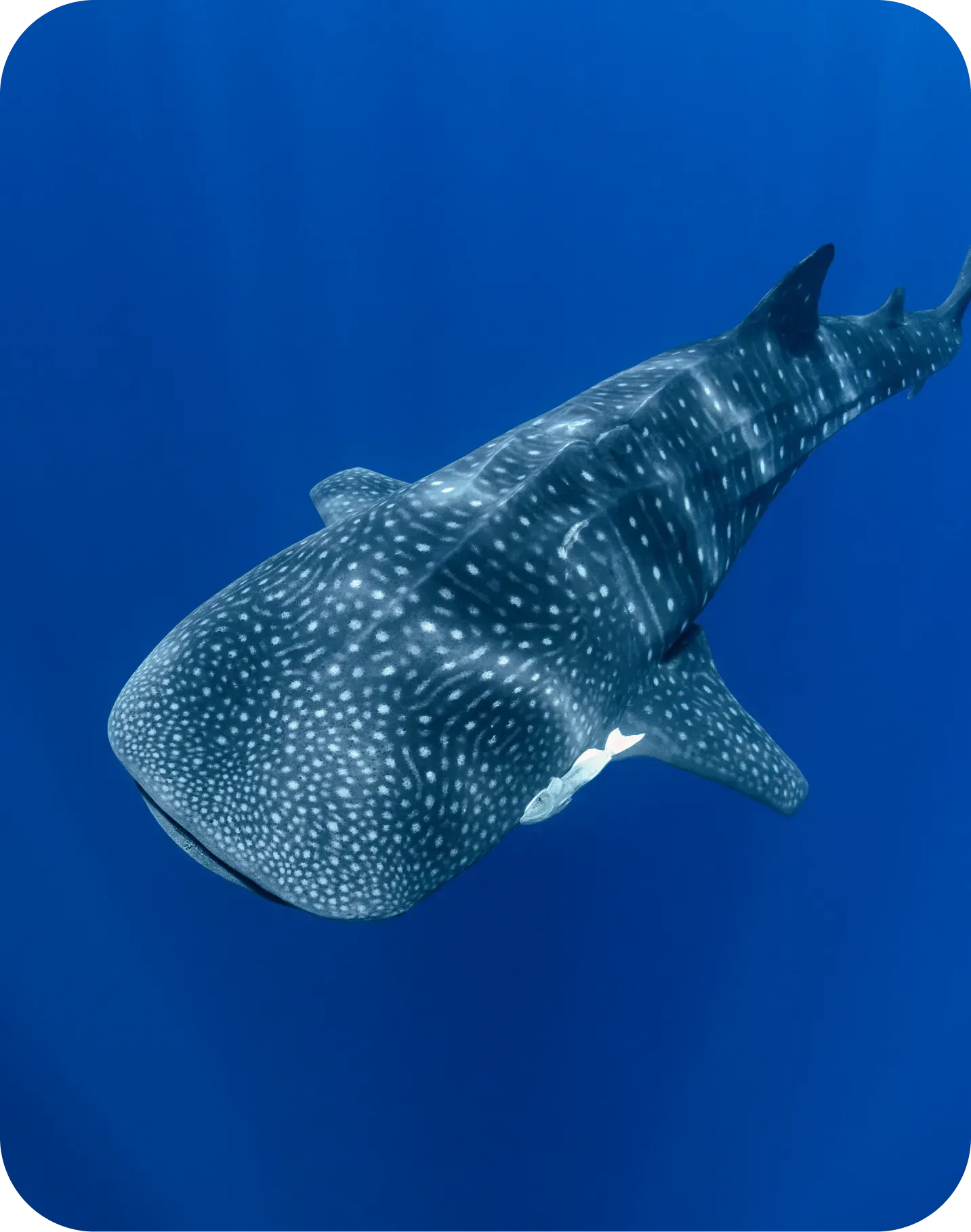
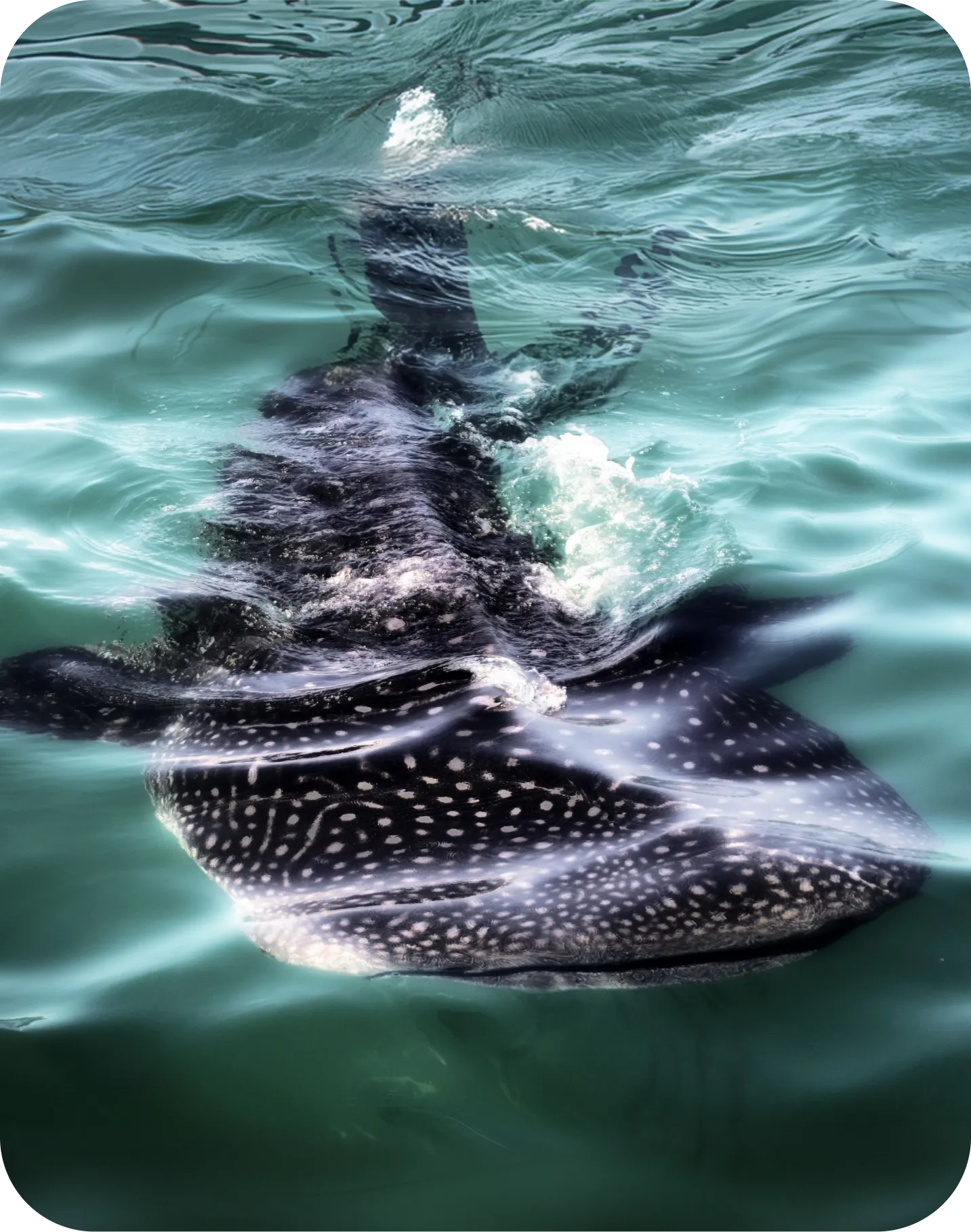
- Whale sharks (occasional)
Best Time to Visit Raja Ampat
Raja Ampat's diving season runs year-round, but conditions vary significantly between the northwest monsoon (December to March) and the southeast monsoon (June to October). The dry season between October and April delivers the best overall visibility, calmer seas, and the most predictable manta ray encounters in the northern sites.
October and November represent a particularly golden window: visibility regularly exceeds thirty metres, winds are light, and the seas between island groups are glassy and serene. The southern sites around Misool are best visited between October and April, while the northern Dampier Strait sites are excellent year-round.
Avoid travelling during July and August if calm seas are a priority, as the southeast trade winds can make passages between island groups bumpy and some exposed sites difficult to access. That said, the fish life remains spectacular regardless of season.
Practical Considerations for Your Liveaboard
Raja Ampat is a remote wilderness destination, and preparation matters. The nearest major hospital is in Sorong, and recompression facilities, while improving, are limited. DUNE strongly recommends all guests carry DAN or equivalent dive accident insurance, and all our partner vessels carry surface oxygen and maintain emergency protocols aligned with international standards.
Entry to the Raja Ampat Marine Park requires a conservancy card, currently priced at around 1,000,000 Indonesian Rupiah (approximately €60) for foreign visitors. This fee directly funds reef patrol, anti-poaching activities, and community conservation programmes — a contribution that every diver visiting these waters should be proud to make.
- Nitrox is available on most premium vessels (EANX 32%)
- Rental equipment is available but bring your own regulator and wetsuit if possible
- 5mm wetsuit recommended for multiple dives per day
- Photography: bring wide-angle and macro setups — you will need both
Diving with DUNE: What Sets Us Apart
Since 1998, DUNE has specialised exclusively in diving travel, and every liveaboard itinerary we offer to Raja Ampat reflects twenty-five years of expertise and genuine passion for these waters. We do not offer generic packages — every DUNE trip is curated by divers, for divers. Our small-group approach ensures that you will never share your dive site with a crowd, and our briefings go beyond pointing at a map to include genuine ecological context about the reef systems you are exploring.
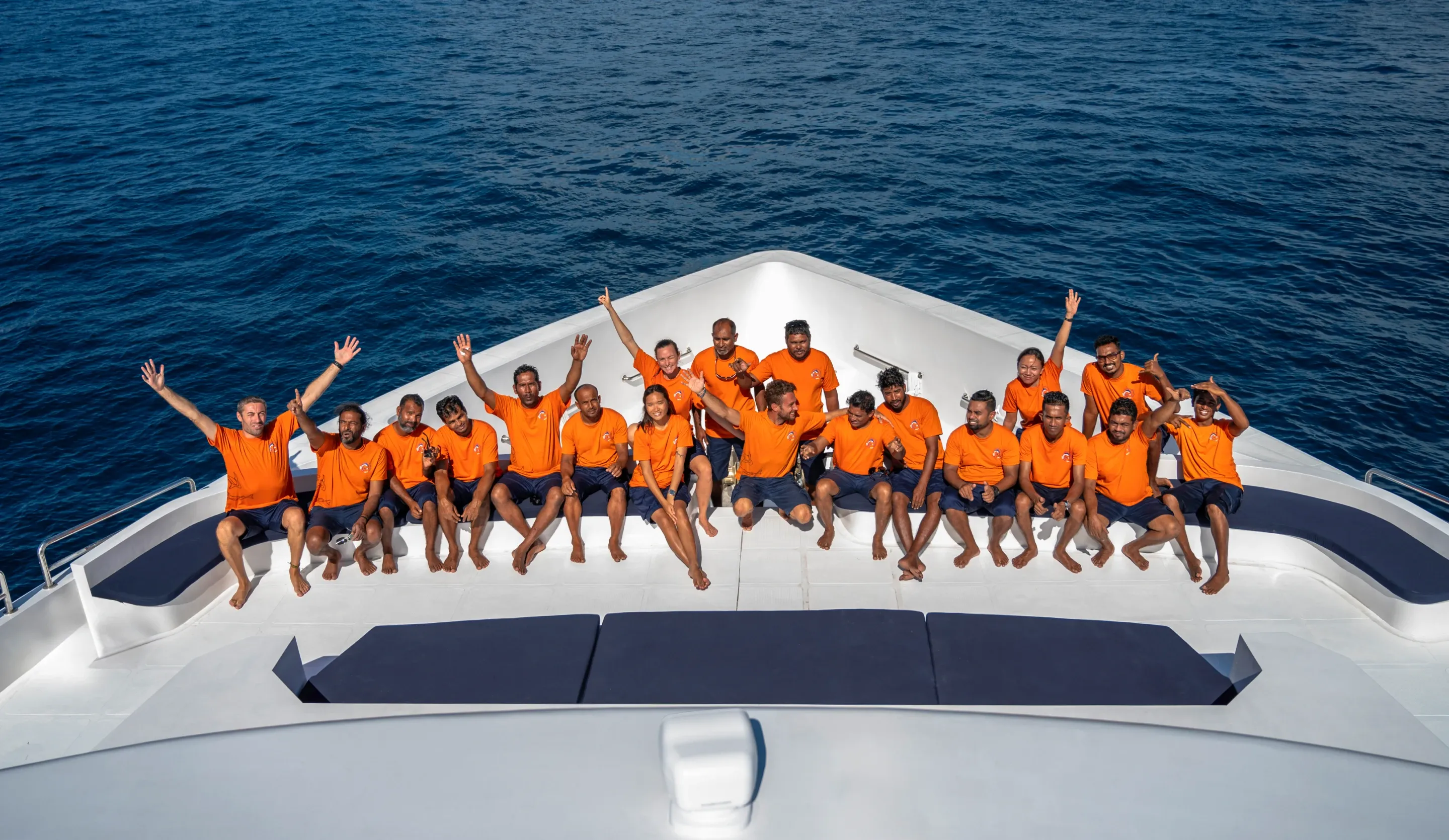
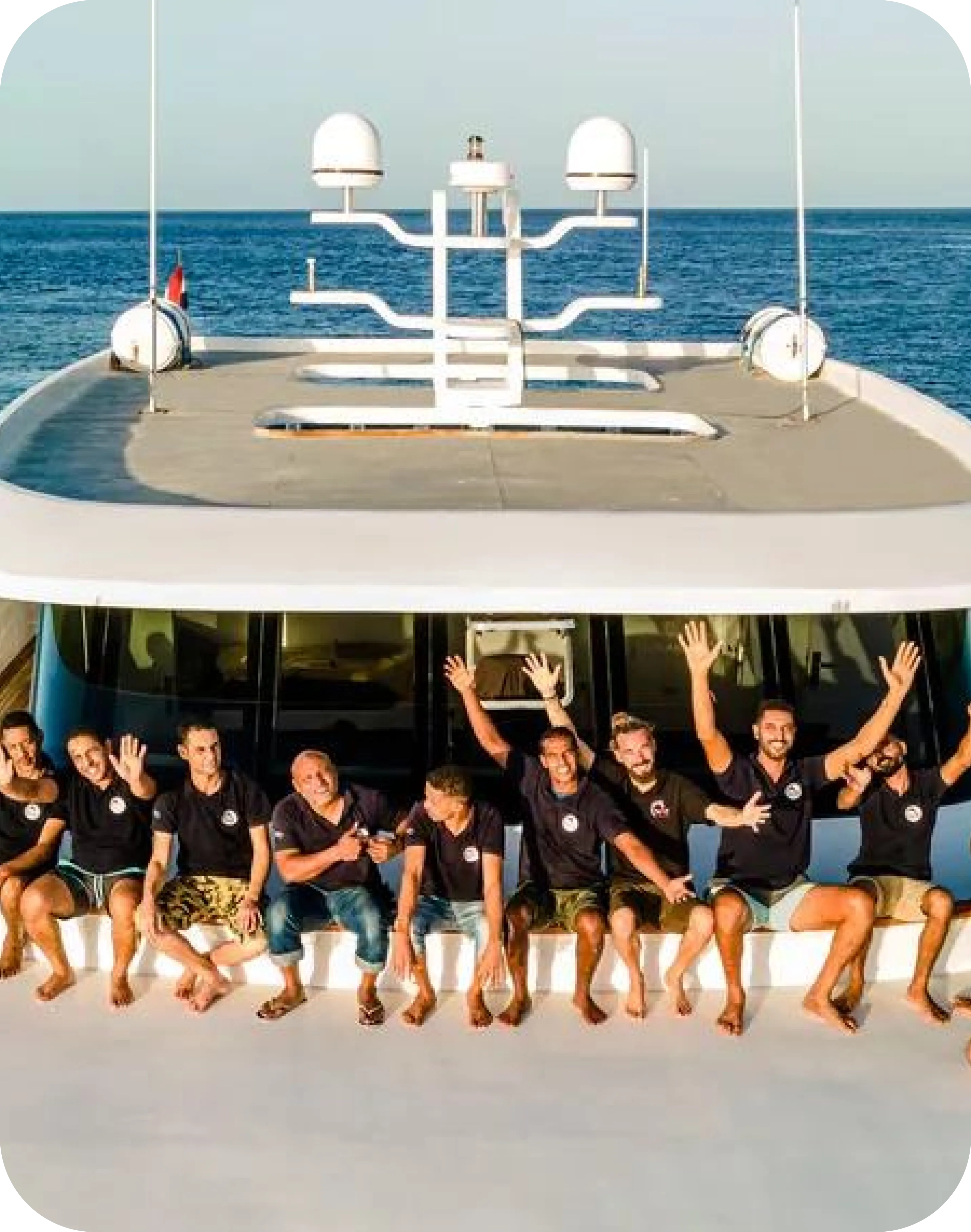
Our team in Raja Ampat includes multilingual and English-speaking guides with intimate knowledge of seasonal patterns, cleaning station behaviours, and the micro-habitats where the rarest species hide. We have spent years building relationships with the best local operators and crew, and the results show in the consistency of our guests' experiences.
Conservation and Responsible Diving
Raja Ampat's extraordinary biodiversity did not appear by accident. The communities of the Bird's Head Seascape have been at the forefront of marine conservation in Indonesia for two decades, establishing no-take zones, training local dive guides, and lobbying successfully for marine park status that now covers millions of hectares of reef. As visitors, we have a responsibility to honour these efforts.
DUNE's Raja Ampat liveaboards operate under a strict environmental code: no anchoring on coral, no single-use plastics on board, mandatory buoyancy briefings before diving sensitive sites, and a zero-touch policy for all marine life. We also contribute a portion of every Raja Ampat booking to the Raja Ampat Biosphere Reserve Foundation.
Ready to Experience Raja Ampat with DUNE?
Whether you are planning your first liveaboard adventure or returning to deepen your connection with the world's finest dive destination, DUNE is ready to design your perfect Raja Ampat experience. Our team is available to advise on the best vessel for your profile, the optimal season for your target species, and every logistical detail from Paris to Sorong.
Contact DUNE today to request our current Raja Ampat liveaboard programme and let us help you plan the dive trip of a lifetime. With departure dates throughout the year and a range of vessels from boutique to ultra-premium, your perfect Raja Ampat adventure is closer than you think.