








The World's Tiniest Seahorses
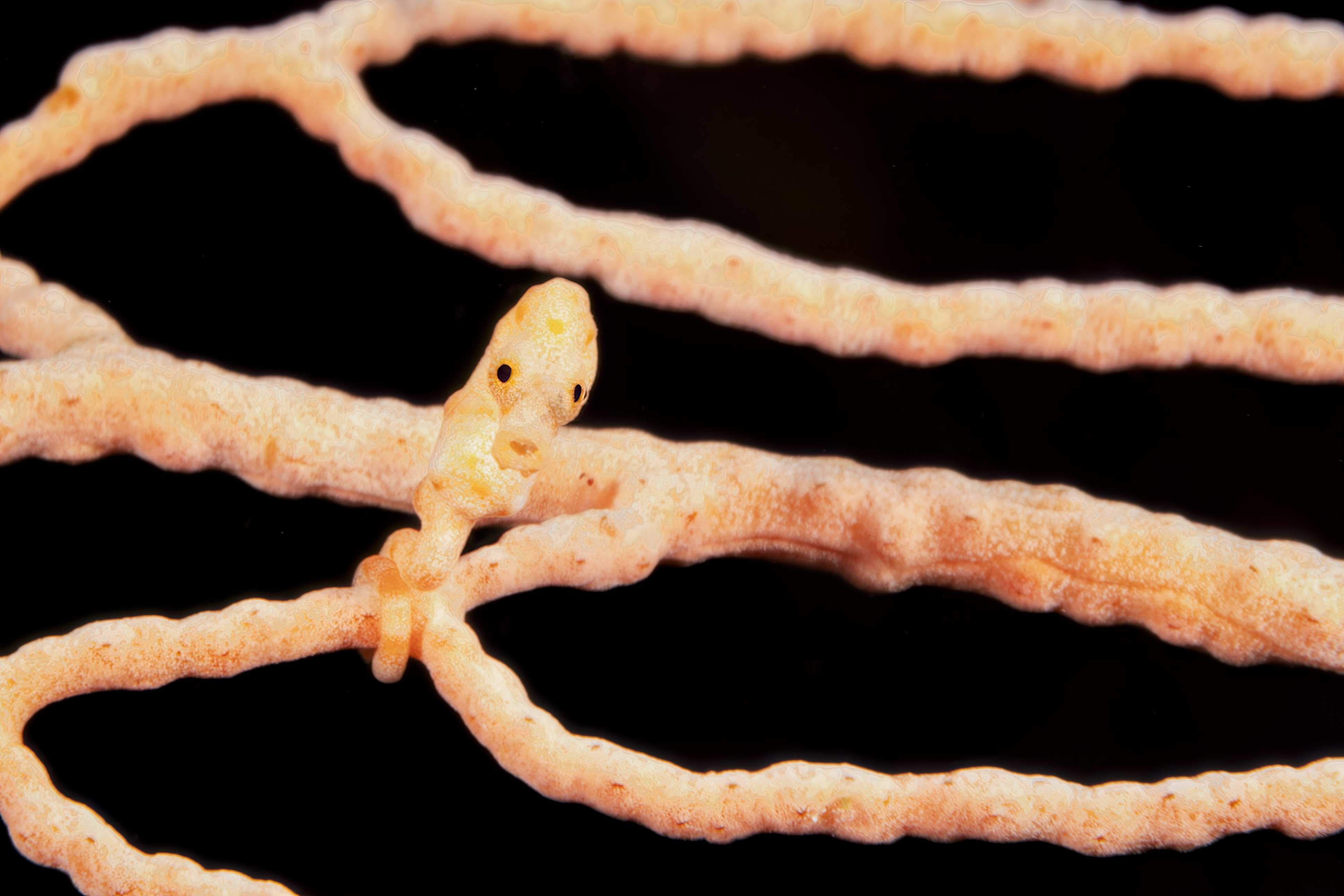
Pygmy seahorses are among the most sought-after macro subjects in all of diving, and Raja Ampat is one of the finest places on Earth to find them. These extraordinary creatures — some barely one centimetre in length — achieve a standard of camouflage that borders on the miraculous, matching the colour, texture, and even the surface topology of the gorgonian sea fans they inhabit with such precision that even experienced divers can stare directly at a fan for minutes without detecting the animal clinging to it.
The discovery of pygmy seahorses as a distinct group of species is remarkably recent in scientific terms. The first species, Hippocampus bargibanti, was described only in 1969, and only because a marine biologist noticed it while examining a sea fan that had been collected for study. Since then, seven additional species have been formally described, and the search for further species continues to yield results — reflecting both the continuing incompleteness of our inventory of these waters and the extraordinary cryptic ability of these animals.
Species Found in Raja Ampat
Raja Ampat is exceptional among diving destinations in supporting multiple pygmy seahorse species within accessible depths. Understanding the different species and their preferred habitats significantly increases your chances of successful encounters.
- Hippocampus bargibanti — the classic pygmy seahorse, found exclusively on Muricella gorgonian fans; two colour morphs (pink/red and grey/yellow)
- Hippocampus denise — slightly smaller than bargibanti, found on Annella and Muricella fans at greater depths
- Hippocampus pontohi — lives on hydroids and algae rather than sea fans; white with black and yellow markings
- Hippocampus severnsi — closely related to pontohi, found in rubble and algae zones
- Hippocampus colemani — rare species found on crinoids
Where to Look: The Best Sites in Raja Ampat
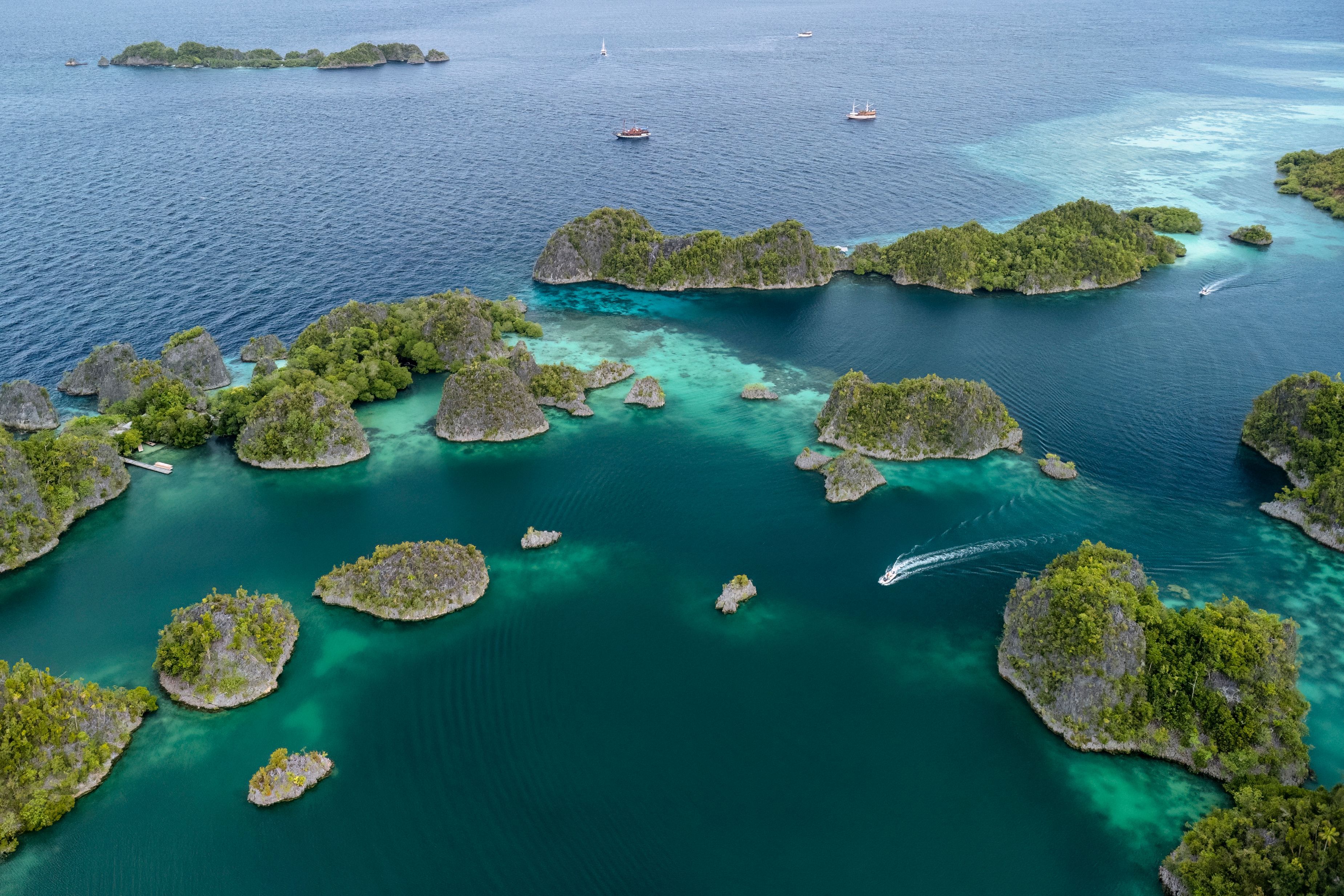
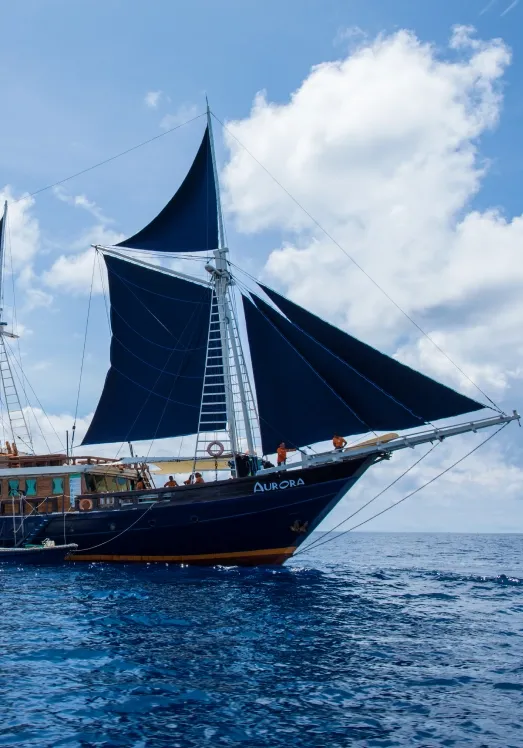
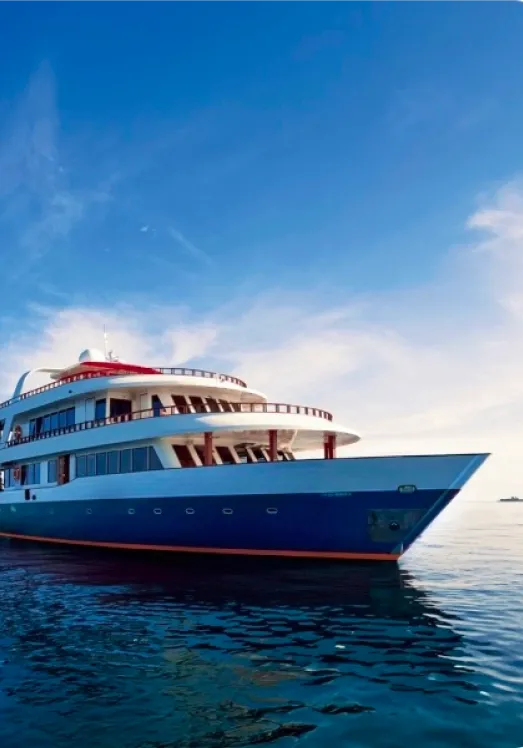
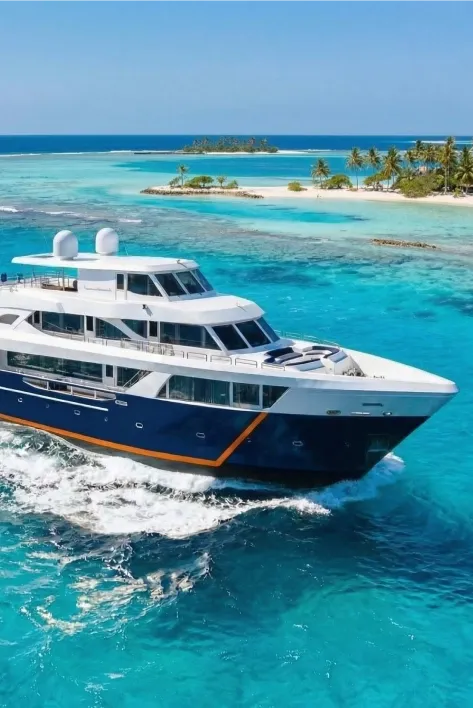
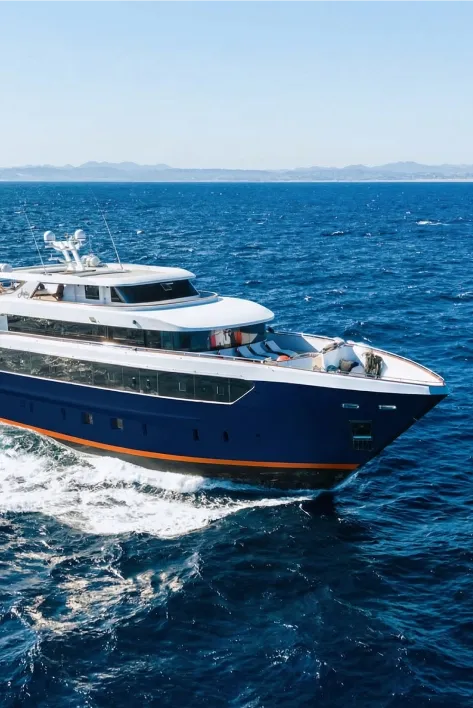
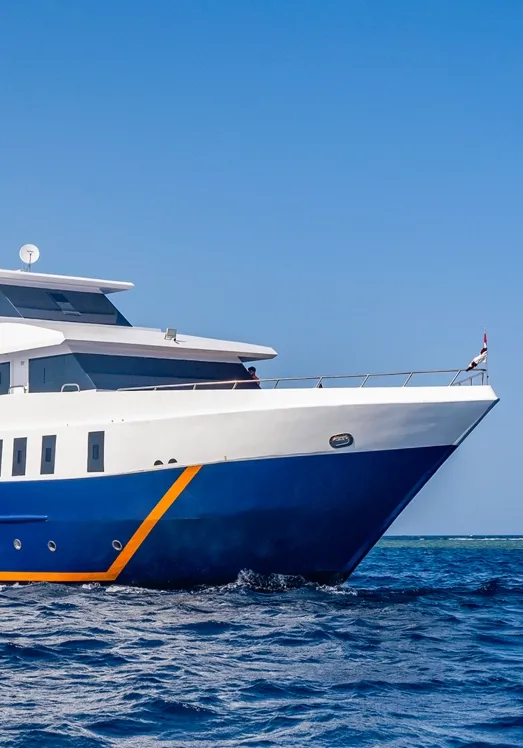
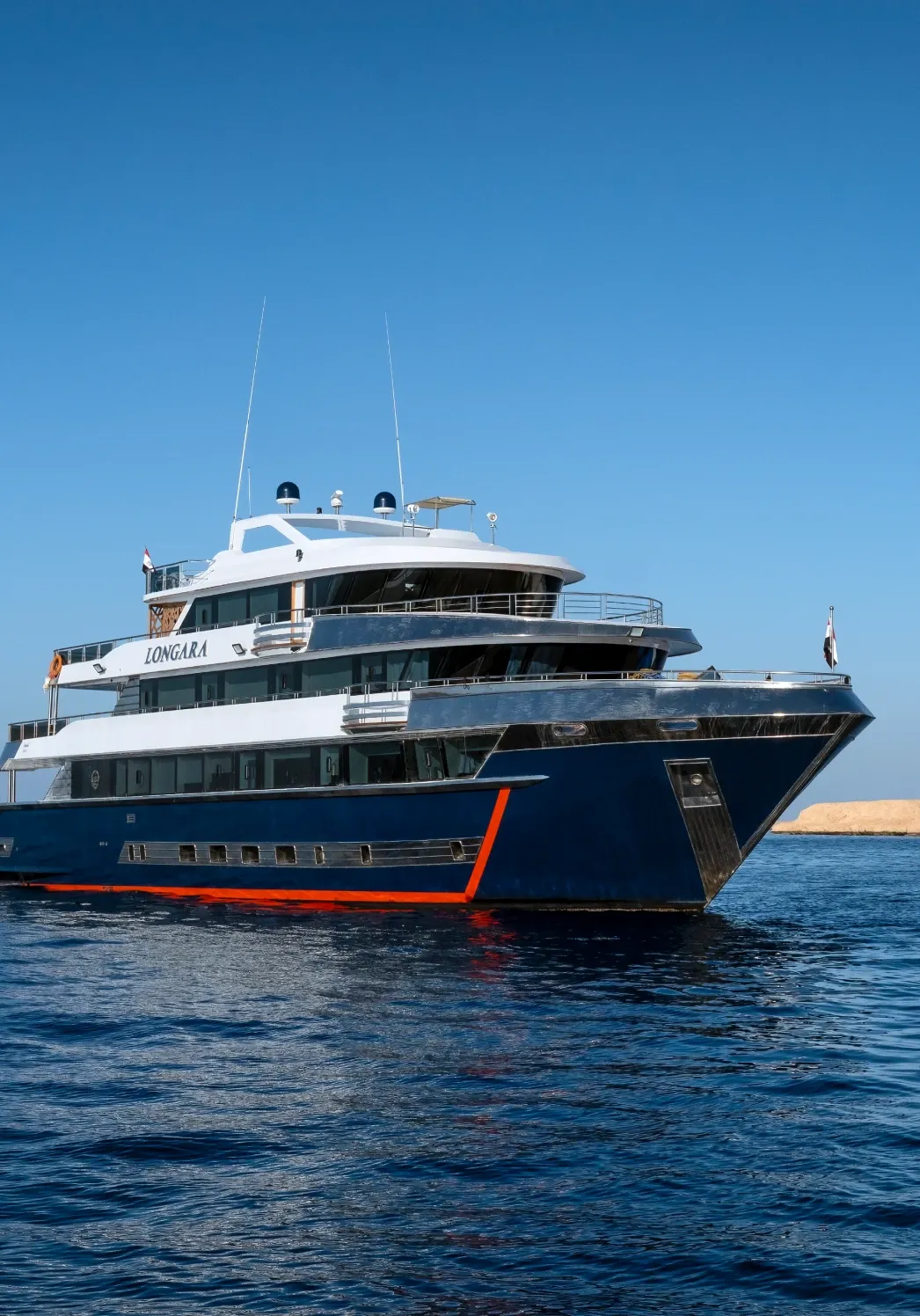
Pygmy seahorses are found at dive sites throughout the Raja Ampat archipelago, but certain sites have established reputations for reliable encounters and are regularly included in DUNE liveaboard itineraries specifically for macro photography.
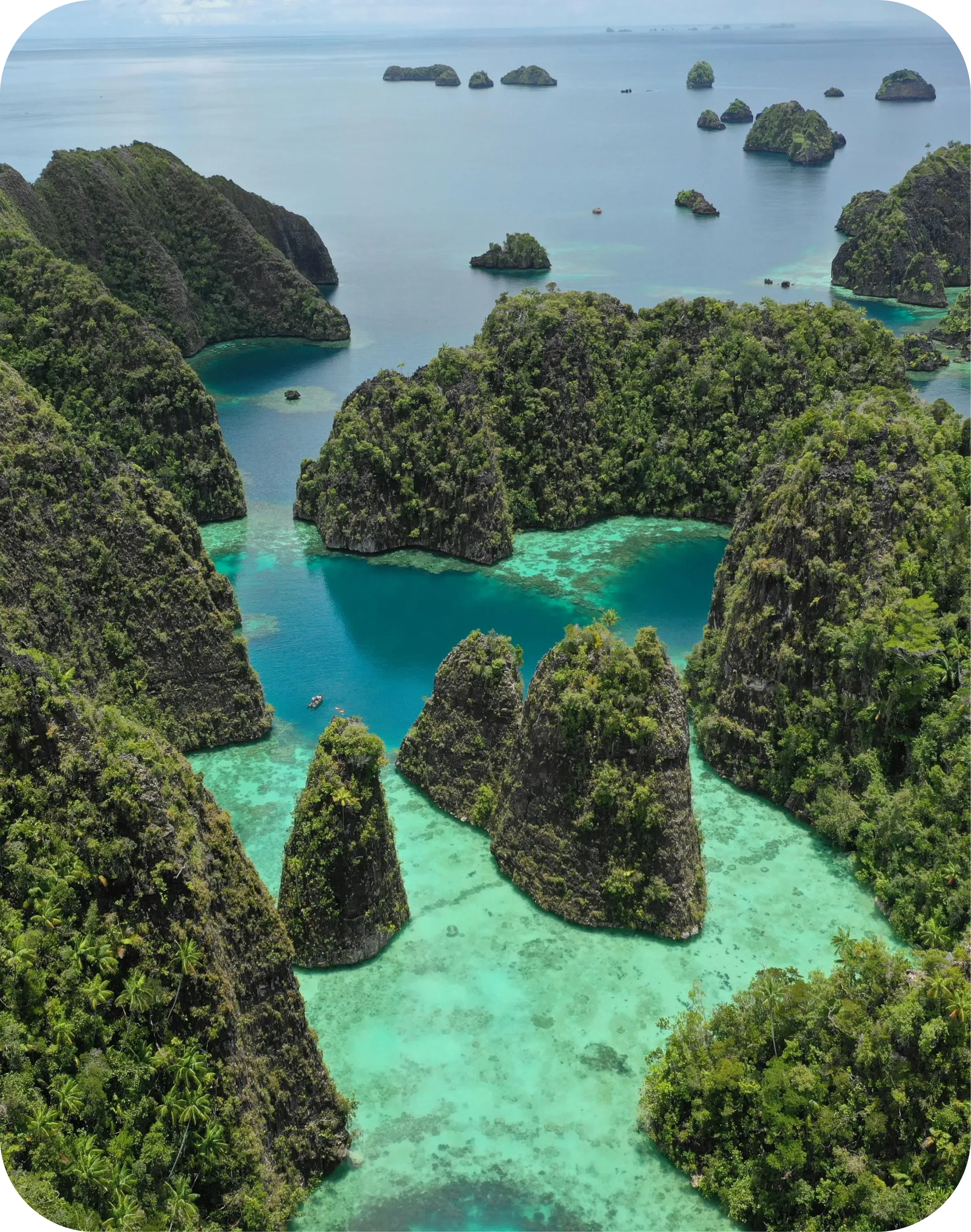
The Arborek Jetty and the reef around Sardine Reef are excellent entry-level sites for bargibanti, with resident populations on several marked sea fans that have been monitored and recorded by local divemasters for years. The walls around Mioskon and Batu Lima in the Dampier Strait offer deeper bargibanti encounters alongside exceptional coral coverage. At Misool, the isolated reefs and deeper walls harbour populations of denise pygmy seahorses that are rarely seen elsewhere in the archipelago.
For pontohi and severnsi, which do not live on sea fans, attention shifts to the rubble zones and algae-covered patches of reef slope. These environments, often overlooked by divers focused on the spectacular coral structures, are where the smallest and most cryptic of the pygmy species choose to live.
Photography Tips for Pygmy Seahorses
Photographing pygmy seahorses is one of the most technically demanding challenges in underwater macro photography, and getting the image right requires preparation, patience, and a willingness to sacrifice comfort for positioning.
The fundamental technical challenge is depth of field. At maximum magnification with a super-macro dioptre, the depth of field is measured in fractions of a millimetre — barely enough to keep a single eye sharp while the rest of the animal blurs into the background. Apertures of f/22 or smaller are typically required, which demands either very powerful strobes or very steady technique and high ISO.
- Use a 100mm macro lens with a +10 or +15 dioptre for maximum magnification
- Shoot at f/16 to f/22 for adequate depth of field
- Aim to shoot at eye level with the subject for maximum intimacy
- Allow at least 15-20 minutes at each fan — patience is rewarded
- Never touch the sea fan; any disturbance stresses the animal and the coral
Responsible Encounters: Ethics and Conservation
Pygmy seahorses are fragile animals living on equally fragile reef structures. The pressure of dive tourism on known pygmy seahorse populations has, in some destinations, led to genuine population stress — cases where sea fans have been damaged, seahorses dislodged, and individuals stressed by excessive torch light and diver contact have been documented.
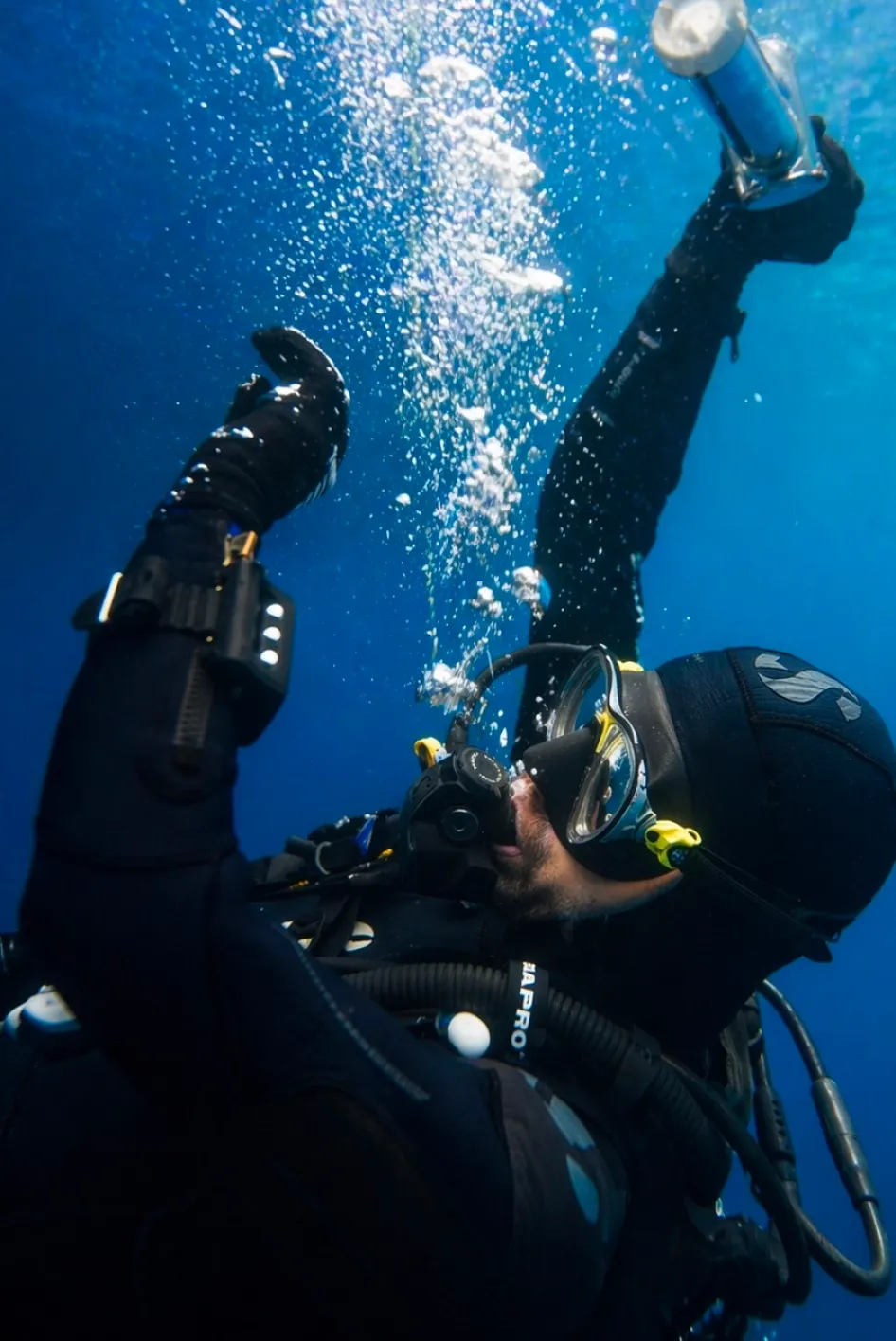
DUNE's approach to pygmy seahorse diving is unequivocal: these animals are to be observed and photographed without any physical contact with the sea fan, without flash photography closer than thirty centimetres, and for a maximum of fifteen minutes per group at each individual animal. Divemasters do not point at animals or touch the fan to direct diver attention — verbal briefings before the dive describe the location and the ethical code that applies.
Many of Raja Ampat's most productive pygmy seahorse sites are within the boundaries of community-managed marine protected areas. The conservation fees paid by visitors to these areas directly support the ranger programmes that protect these populations.
Beyond Seahorses: Raja Ampat's Other Macro Wonders
The pursuit of pygmy seahorses in Raja Ampat inevitably leads to encounters with the extraordinary diversity of other macro life that shares their environment. Ornate ghost pipefish drift near crinoids. Hairy frogfish sit motionless on rubble, their fishing lure trembling in the current. Coleman shrimp shelter between the venomous spines of fire urchins. Every centimetre of reef in Raja Ampat is populated by something extraordinary.
DUNE's liveaboard guides include dedicated macro specialists who know not just where the pygmy seahorses are, but where the undescribed frogfish colour morphs are hiding, which crinoid currently has a resident hairy ghost pipefish, and where the resident flamboyant cuttlefish is hunting in the shallows. Their knowledge transforms a macro dive from a random exploration into a curated encounter with Raja Ampat's most extraordinary small subjects.
Find Pygmy Seahorses with DUNE
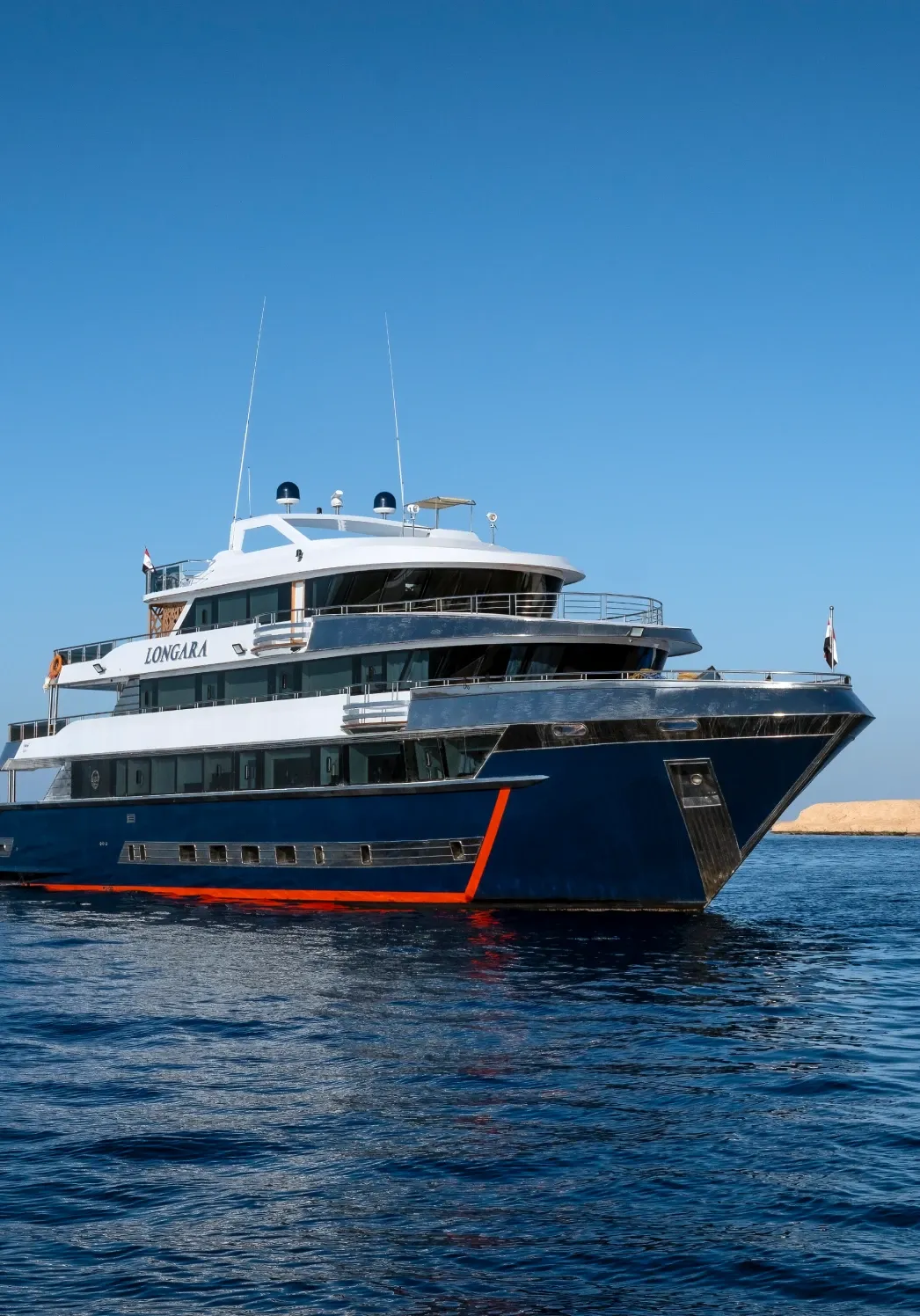
DUNE's Raja Ampat liveaboards include dedicated macro dive sessions and guides with intimate knowledge of resident pygmy seahorse populations throughout the archipelago. Whether you are an experienced underwater photographer seeking your best-ever bargibanti image or a curious diver encountering these extraordinary animals for the first time, our team will deliver the encounter safely, ethically, and memorably.
Contact DUNE to discuss our Raja Ampat macro diving programmes and ask about our dedicated underwater photography workshops.