














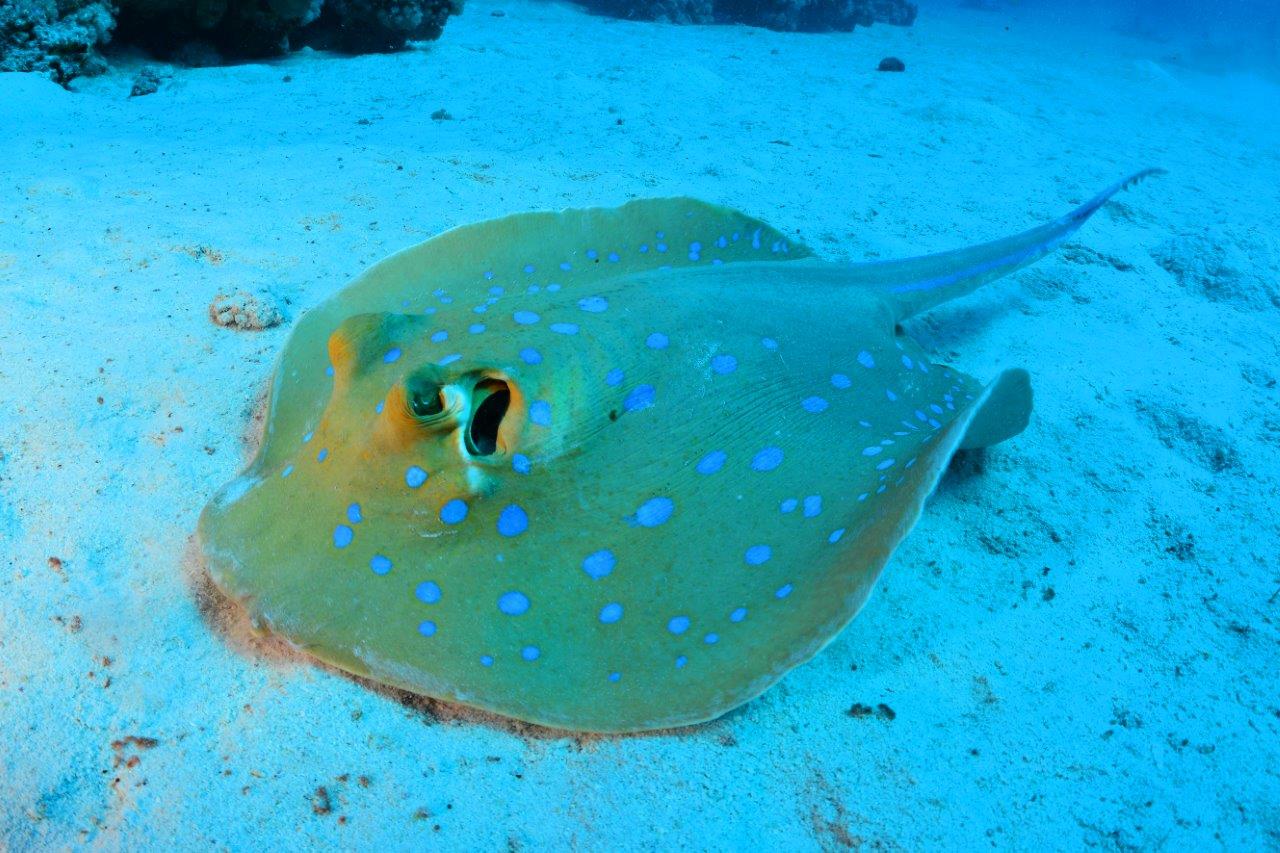
Manta Rays in the Red Sea: An Underwater Encounter Like No Other
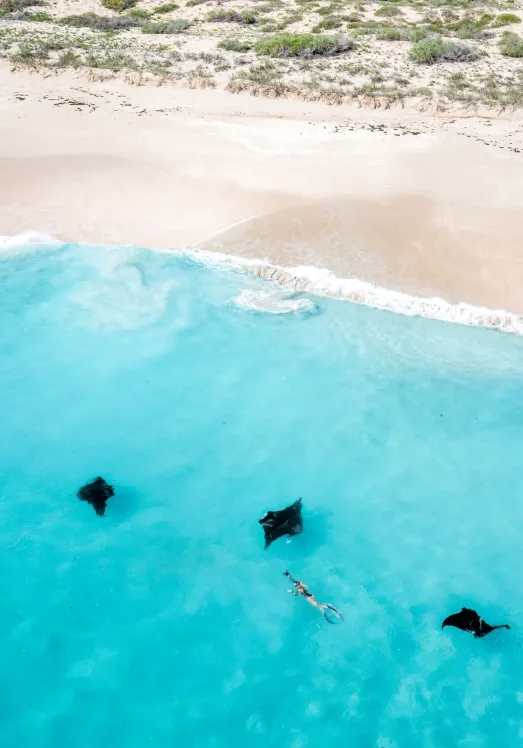
The Red Sea, famed for its vibrant marine life and stunning coral reefs, is one of the premier destinations for divers seeking the exhilarating experience of swimming alongside manta rays. These magnificent creatures, known for their grace and beauty, are a highlight of the Red Sea's underwater ecosystem. For divers dreaming of encountering these gentle giants, understanding the best diving sites, peak seasons, and manta behaviour is essential. In this article, we will explore the *reef manta* and *oceanic manta* rays, their favourite habitats in Egypt, and the best practices for respectful diving encounters with these stunning fish.
Understanding Manta Rays: Reef Mantas vs Oceanic Mantas
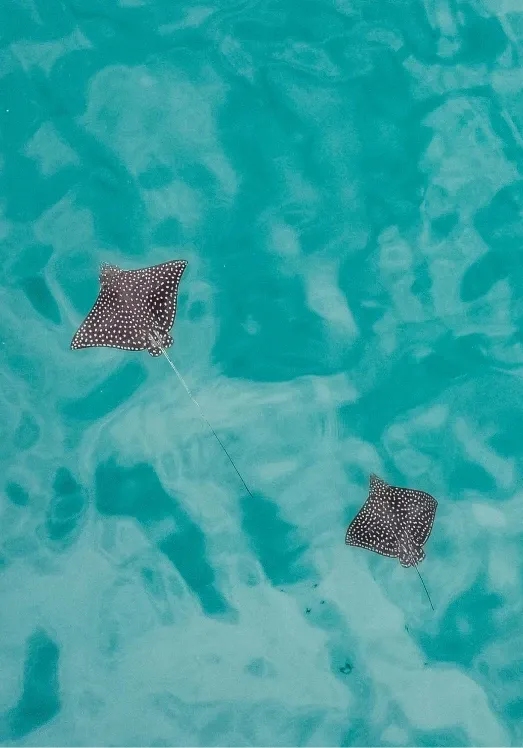
Manta rays are classified into two main species: the *reef manta ray* (*Manta alfredi*) and the *oceanic manta ray* (*Manta birostris*). While both species are captivating, they exhibit distinct behaviours and habitats.
- Reef Manta Ray (*Manta alfredi*): This species typically inhabits coastal waters and is often seen in shallower reefs. Reef mantas are known for their playful nature and are frequently observed interacting with divers.
- Oceanic Manta Ray (*Manta birostris*): In contrast, oceanic mantas prefer deeper waters and are more migratory in nature. They are often found in open seas and are known for their larger wingspan, reaching up to 7 metres.
Both species can be found in the Red Sea, but reef mantas are the stars of the show at popular diving sites like Elphinstone and St. Johns, where their cleaning stations attract a plethora of marine life.
Best Diving Sites for Manta Ray Encounters in the Red Sea
Egypt's Red Sea is renowned for its vibrant diving opportunities. Here are some of the premier sites where divers can reliably encounter manta rays:
1. Elphinstone Reef
Situated near the town of Marsa Alam, Elphinstone Reef is one of the most sought-after diving locations in the Red Sea. The reef features two cleaning stations where mantas frequently visit to have parasites removed by cleaner fish. Here, divers can expect to see both reef and oceanic mantas, particularly between March and May, making it a prime spot for encounters.
2. St Johns Area
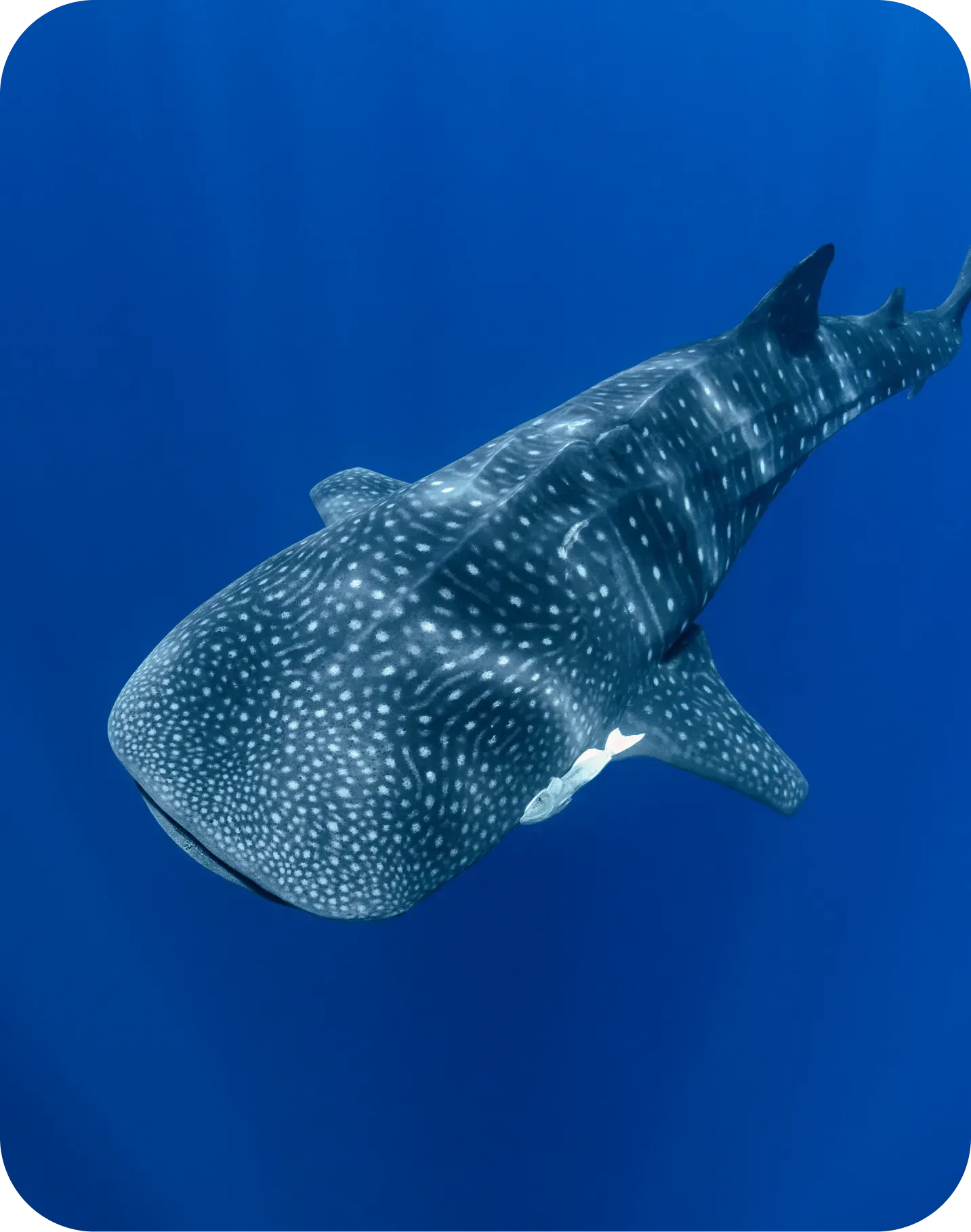
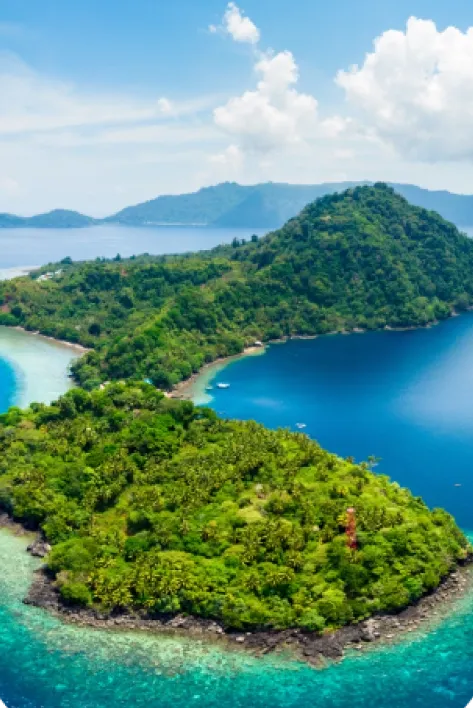
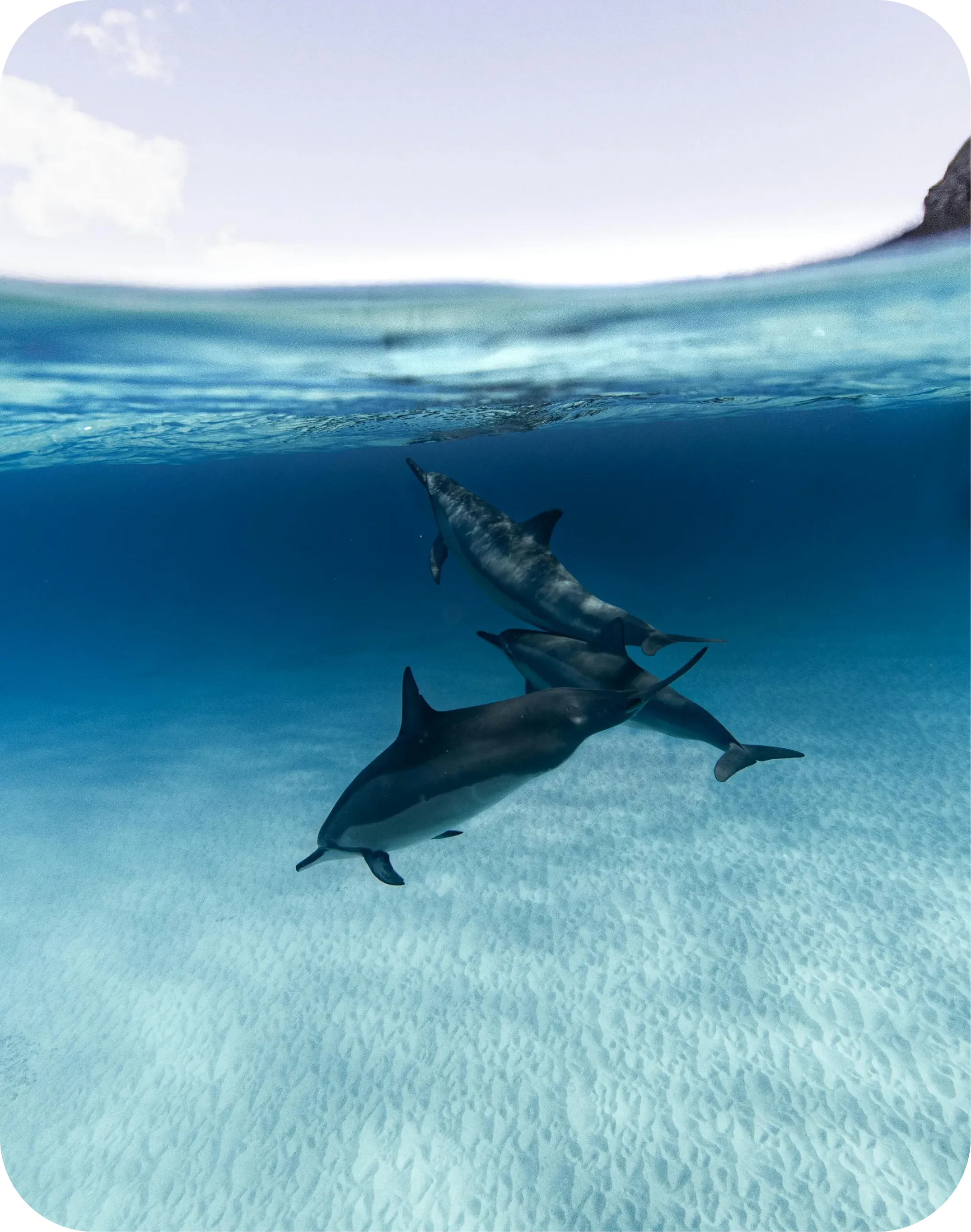
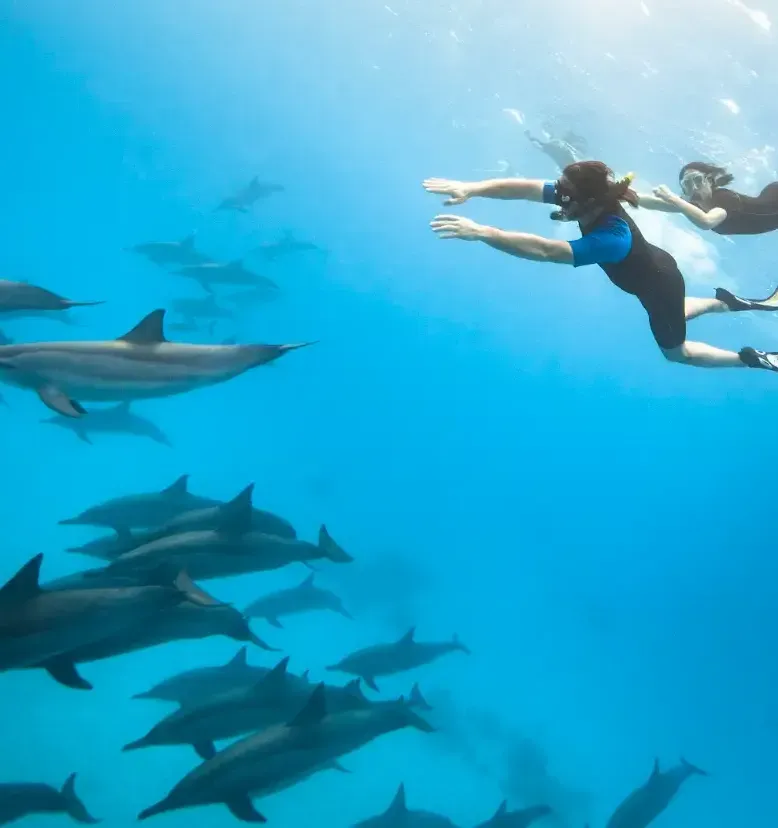
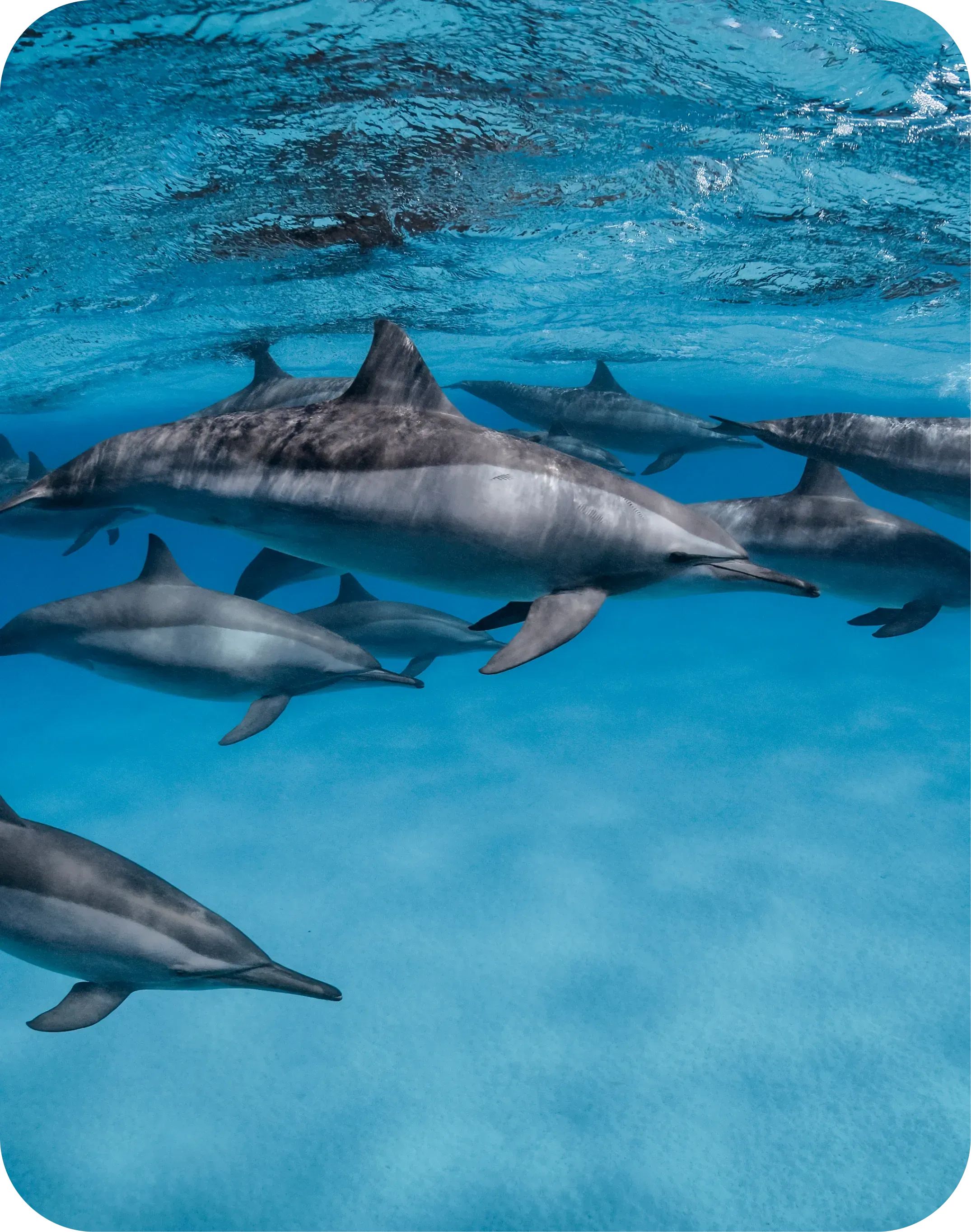
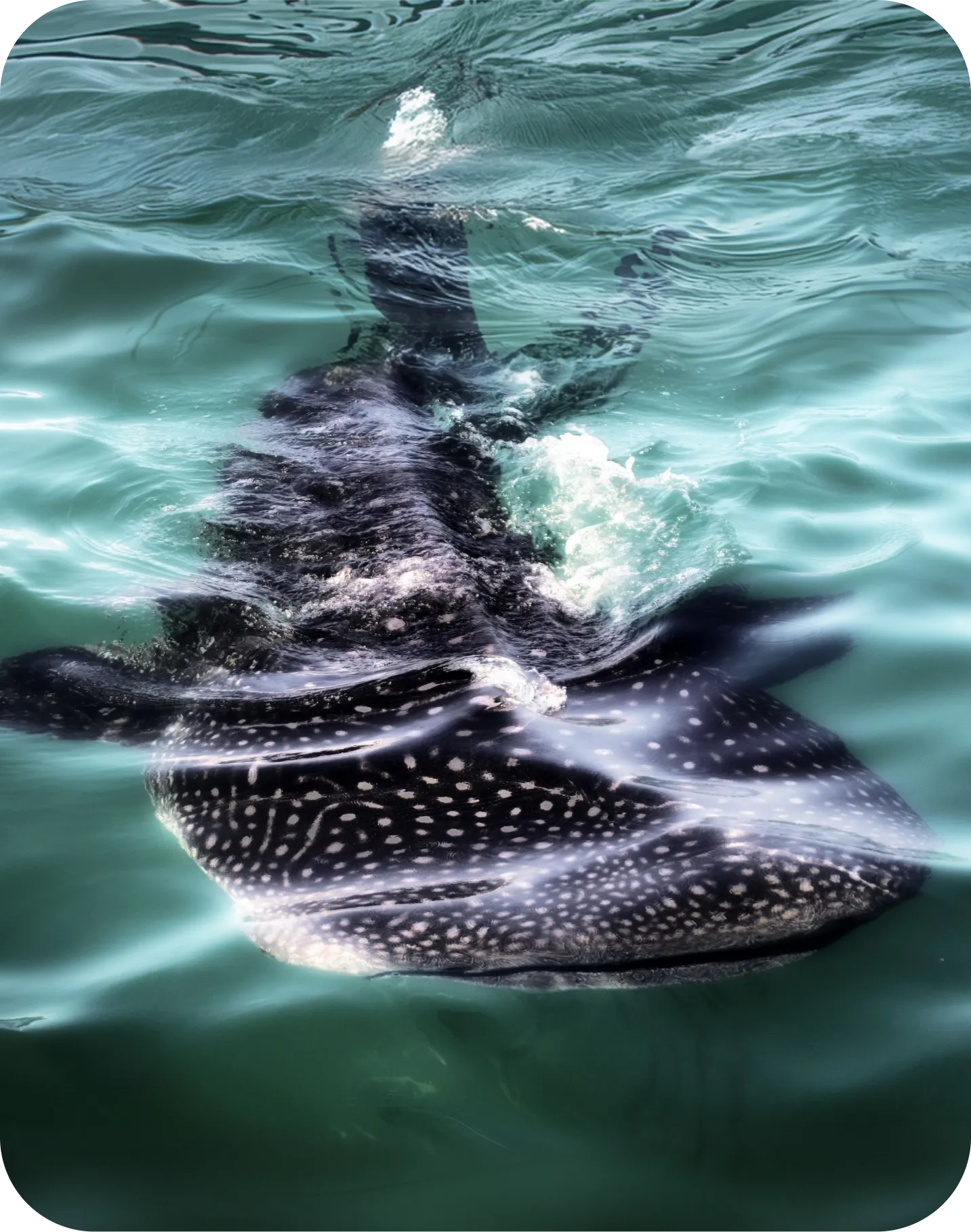
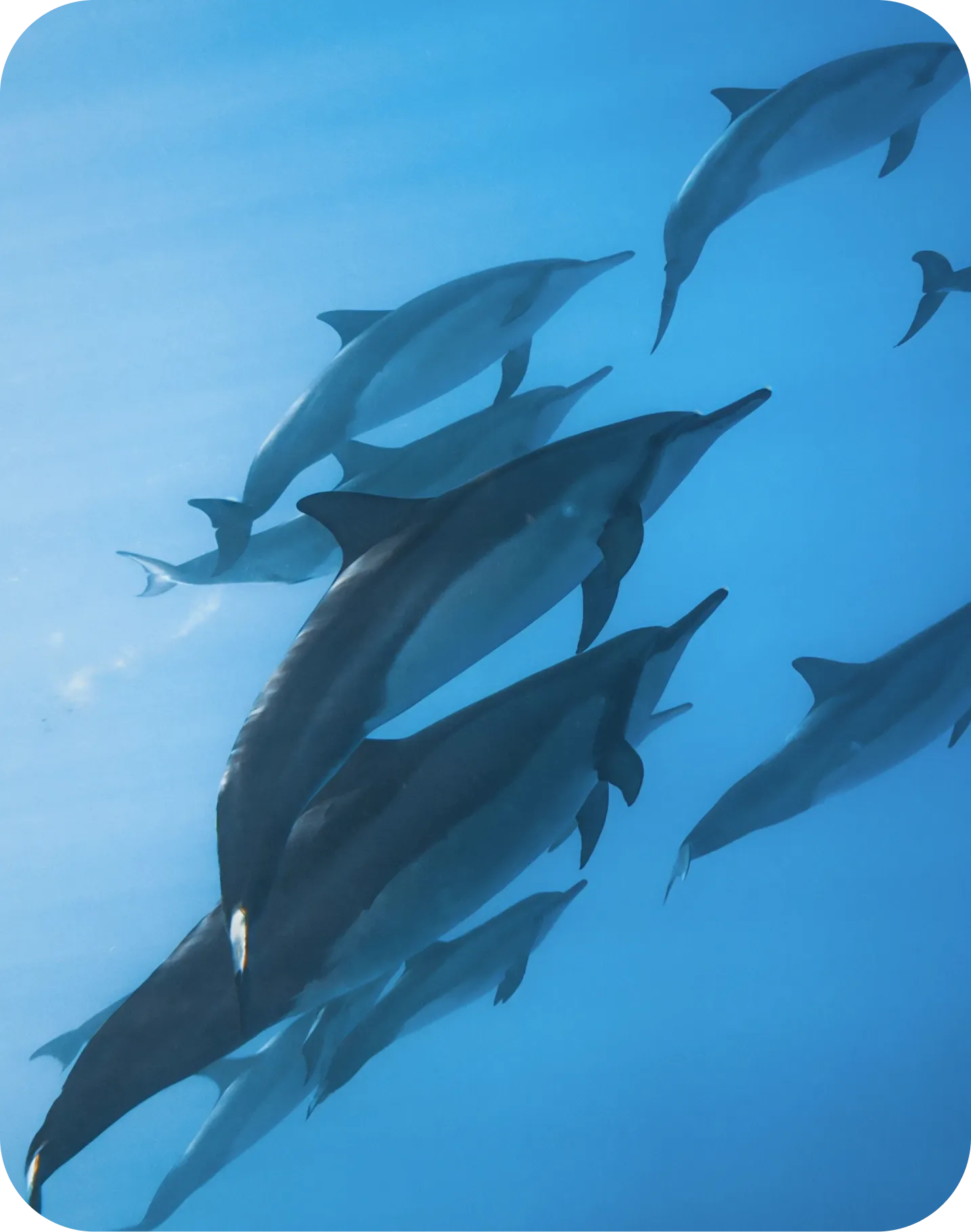
The St Johns area, a series of islands and reefs located further south, is famous for its rich biodiversity. The cleaning stations here attract large schools of fish, and during peak season, mantas can be seen gracefully gliding through the water. This area offers a unique experience, often combining encounters with other marine life, such as dolphins and whale sharks.
3. Fury Shoal
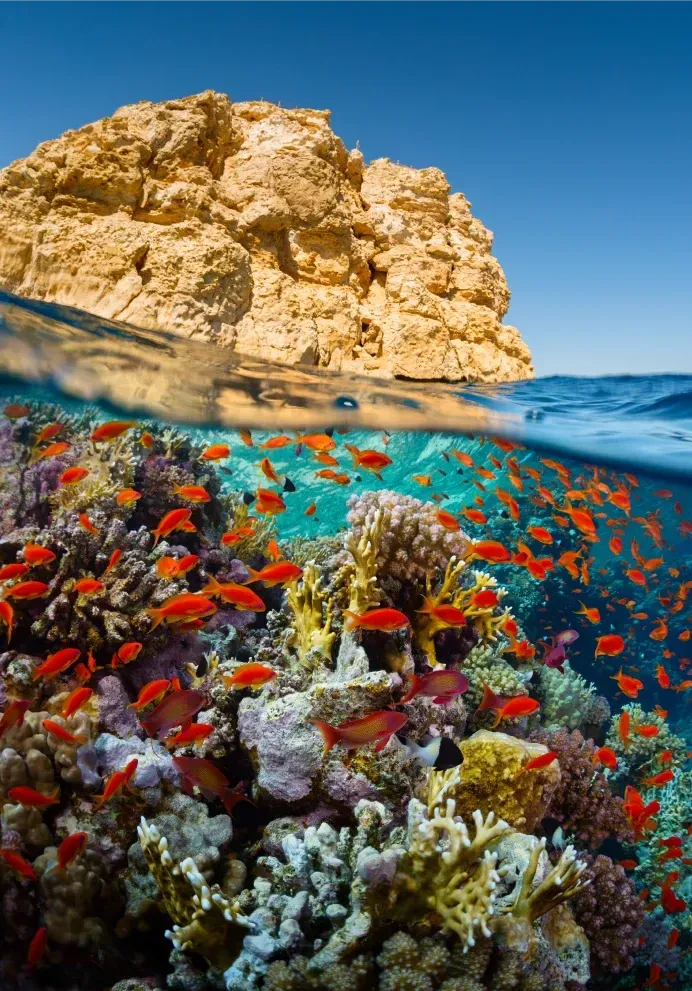
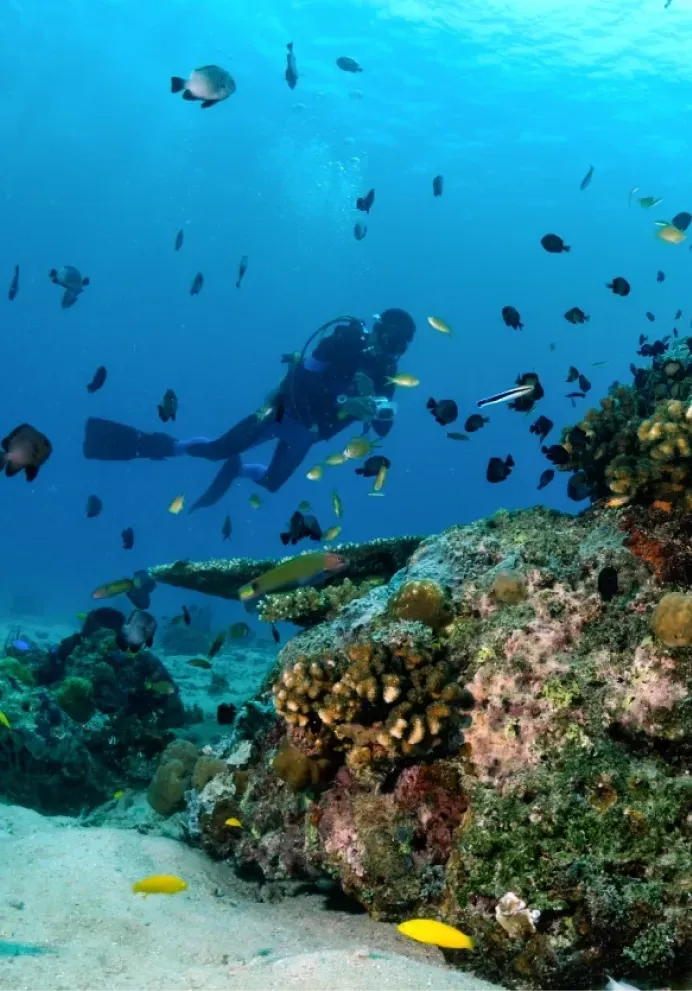
Fury Shoal is another fabulous location within the Red Sea, known for its stunning coral gardens and vibrant marine life. The shallow waters here are an excellent backdrop for observing reef mantas as they come to the cleaning stations. The experience is heightened by the beautiful underwater landscape that surrounds these majestic creatures.
When to Dive: Peak Season for Manta Rays
The best time to dive with manta rays in the Red Sea is typically between March and May. During these months, the water temperatures rise, and the visibility improves, creating ideal conditions for diving. Manta rays are particularly active during this period, as they gather at cleaning stations to have their skin cleaned, making encounters more frequent.
While diving in the winter months can still yield sightings, the likelihood of encountering mantas increases significantly during the spring. If your goal is to experience the thrill of swimming with these magnificent creatures, planning your dive trip during this peak season is highly recommended.
Understanding Manta Behaviour at Cleaning Stations
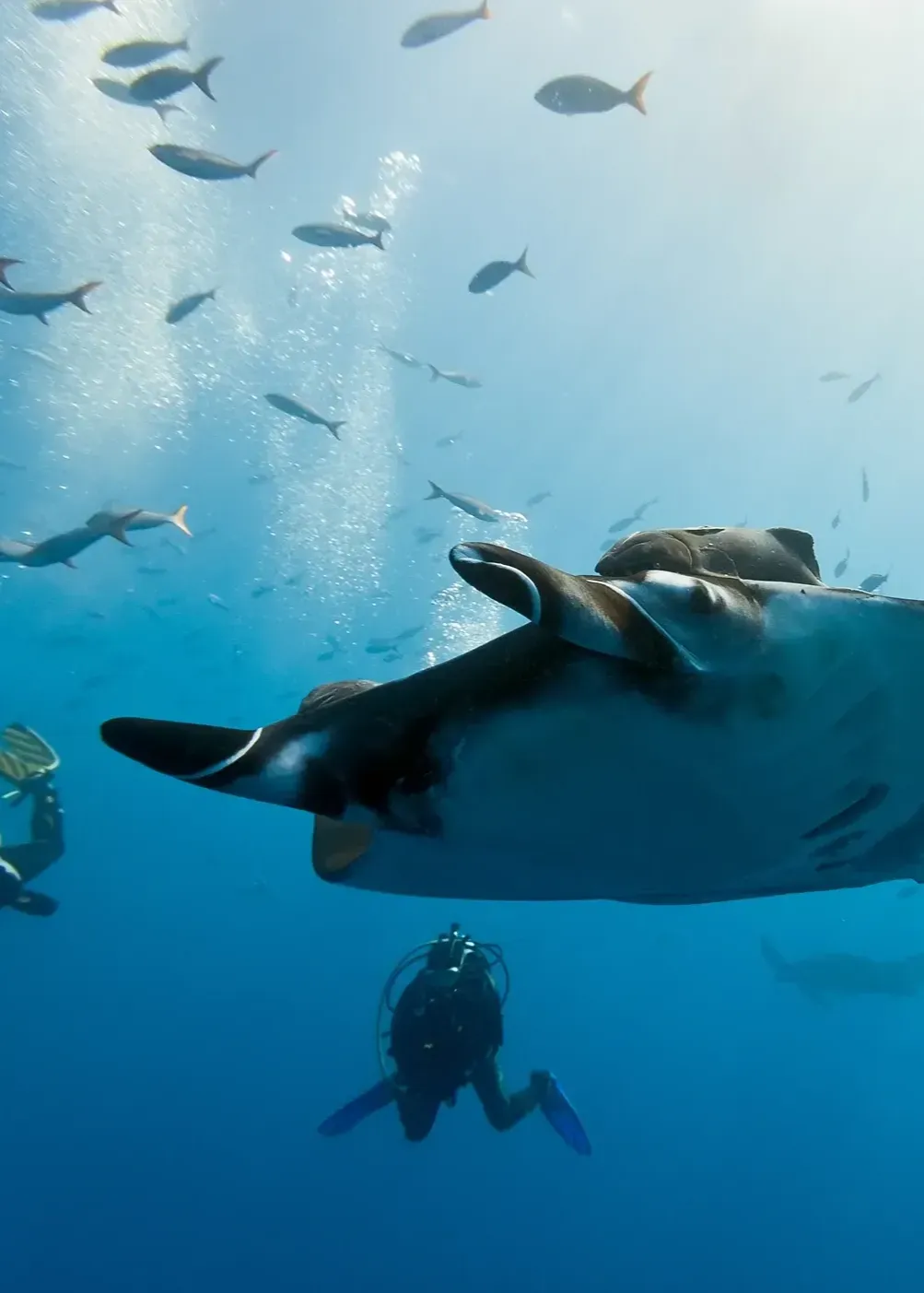
Manta rays exhibit fascinating behaviours, especially at cleaning stations. These are specific spots where mantas gather to have parasites and dead skin removed by cleaner fish, creating a symbiotic relationship. Observing mantas in this setting is a privilege for divers, as it allows for close interaction with these gentle giants.
While at cleaning stations, mantas often perform elegant acrobatics, showcasing their enormous wingspans. They can be seen rolling and turning, which not only pleases observers but also facilitates better cleaning from the fish. Understanding this behaviour can enhance your diving experience, as you anticipate their movements for the best possible views.
Respectful Diving Etiquette: Approaching Manta Rays
As with all wildlife encounters, it is crucial to approach mantas with respect and care. Here are some essential guidelines to follow while diving with manta rays:
- No Touching: Manta rays are delicate creatures, and any physical contact can harm them or disrupt their natural behaviours. Maintain a respectful distance.
- No Flash Photography: The bright light from flash photography can startle manta rays and disrupt their activities. Use ambient lighting settings whenever possible.
- Stay Calm and Still: Sudden movements can scare mantas away. It’s best to remain calm and allow the mantas to approach you. This way, you can observe their behaviour without causing stress.
DUNE Diving Routes Covering Manta Ray Sites
DUNE offers exceptional liveaboard diving experiences in the Red Sea, with routes specifically designed to maximise encounters with manta rays. Our itineraries include visits to Elphinstone, St Johns, and Fury Shoal, ensuring divers have access to the best spots for observing these magnificent creatures.
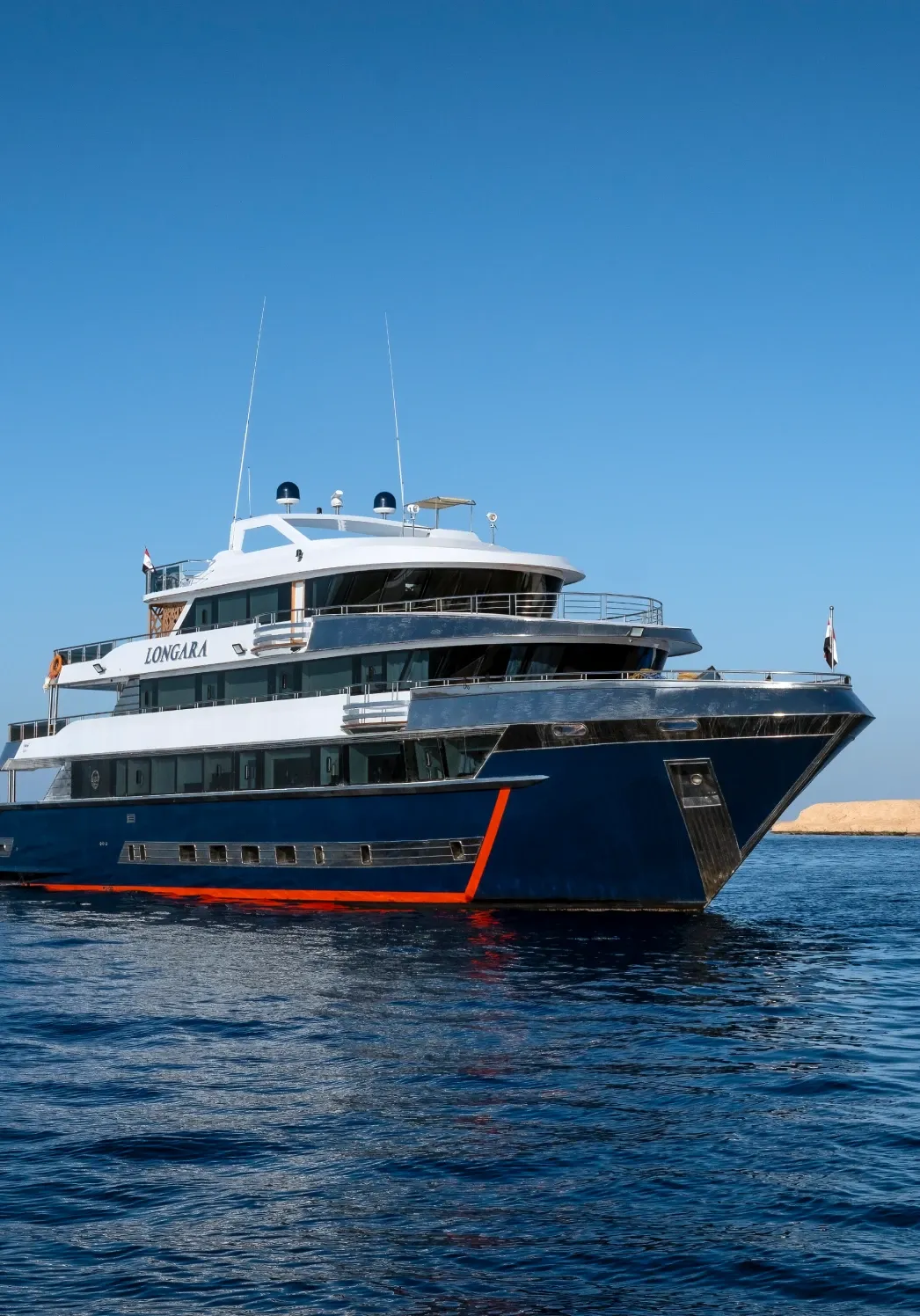
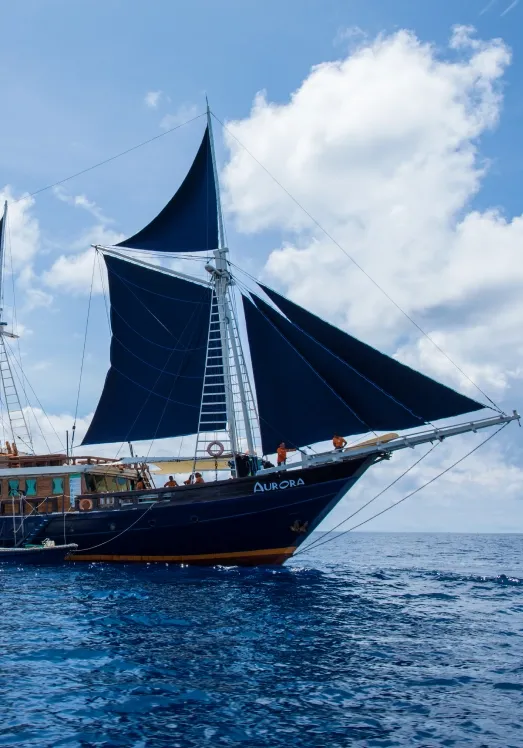
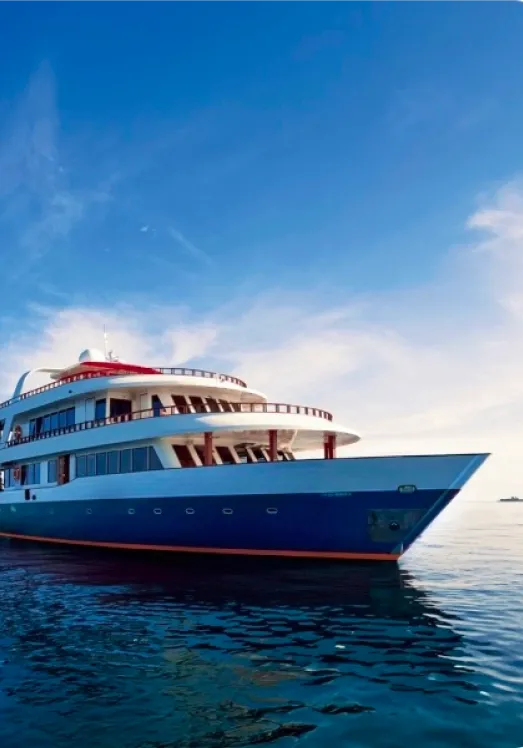
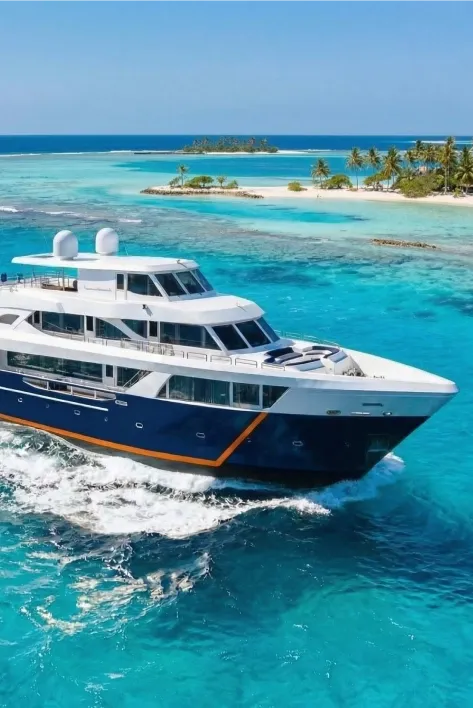
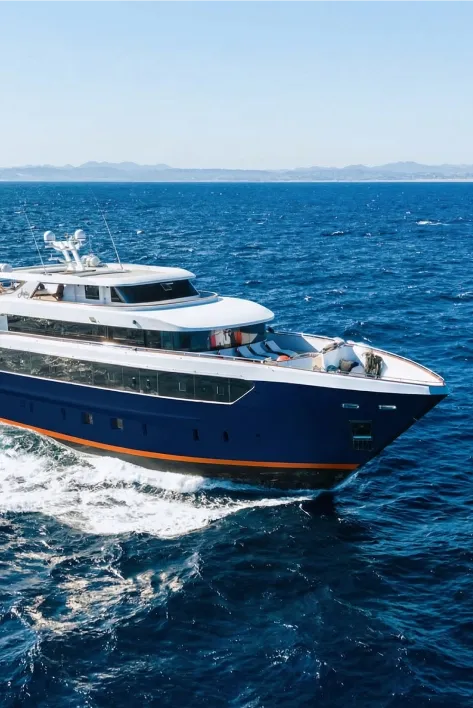
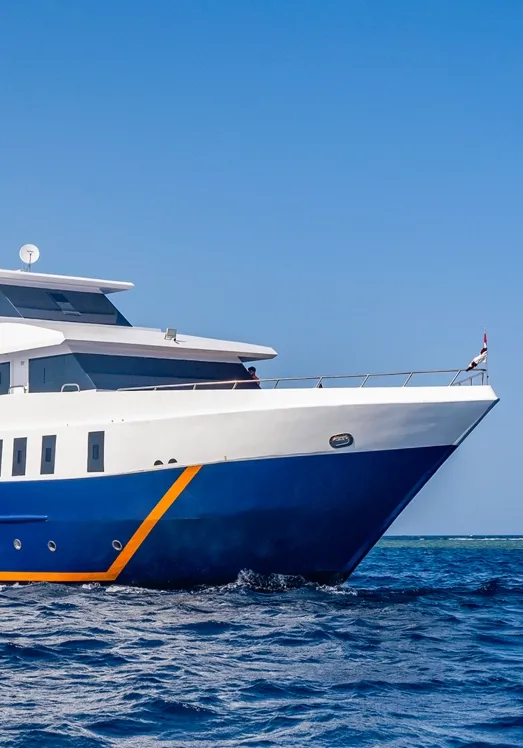
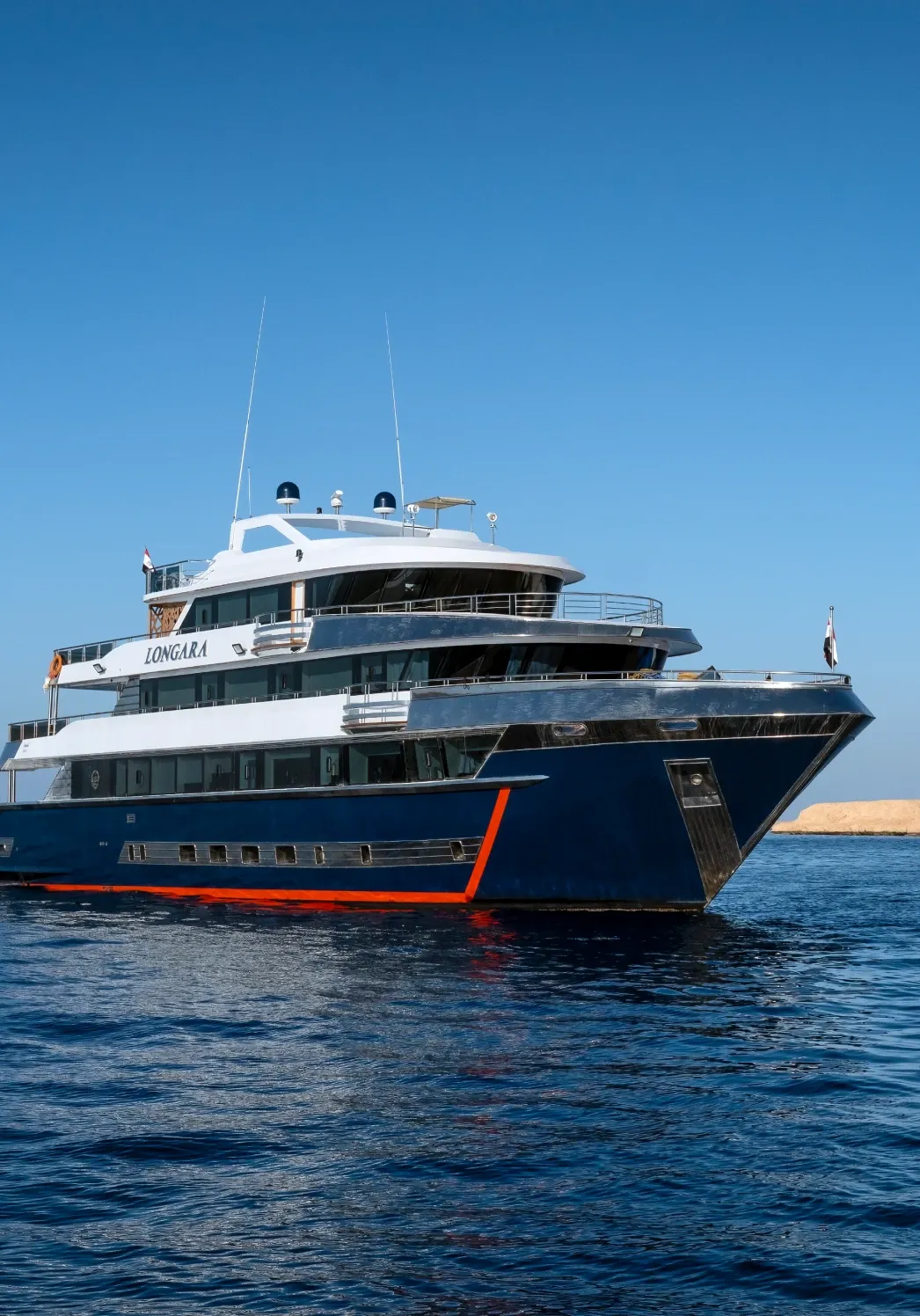
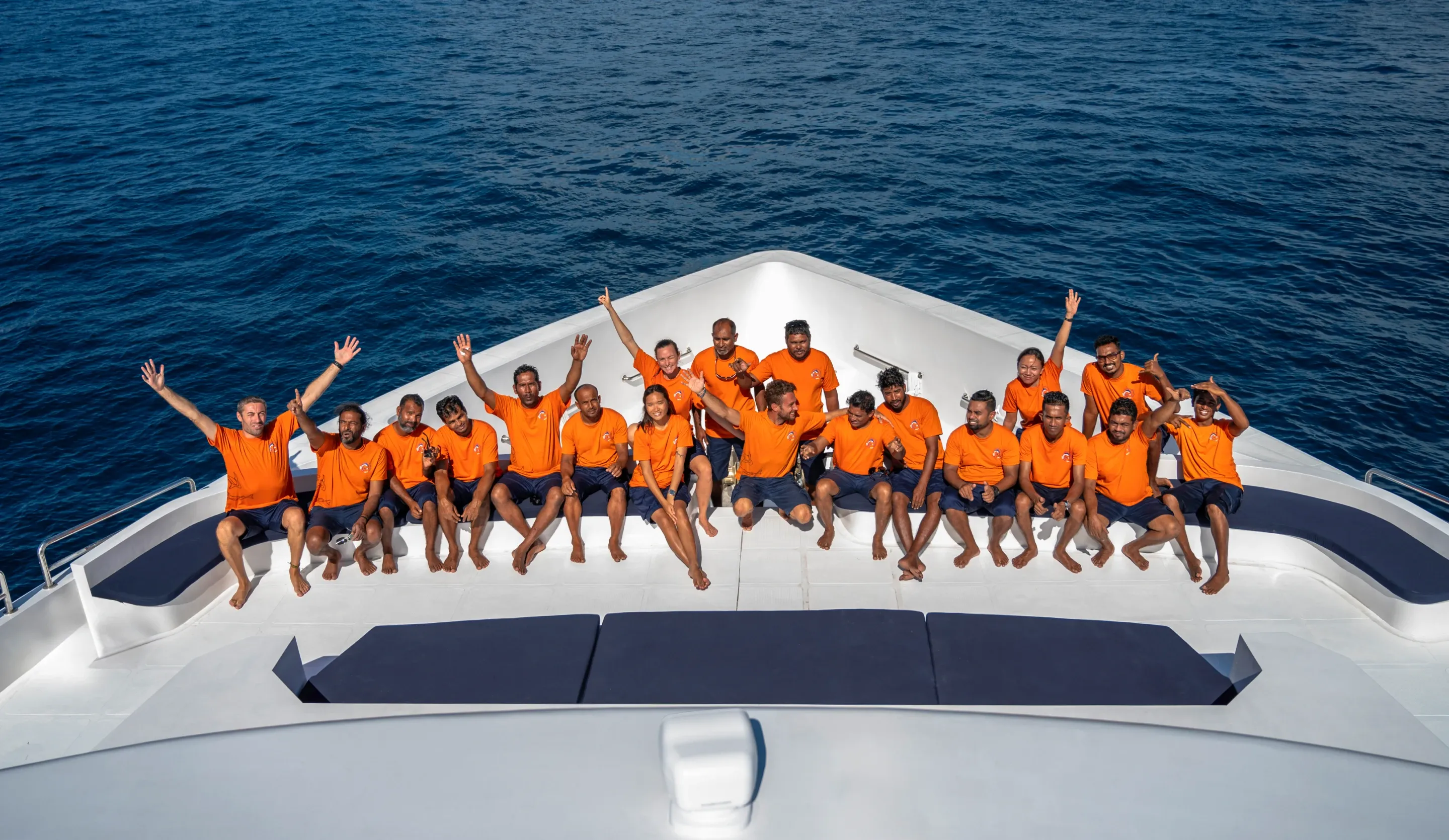
Onboard DUNE’s luxury vessels, such as the Black Manta, Longara, Aurora, and Silky, divers can enjoy unparalleled comfort and service while exploring the underwater wonders of the Red Sea. Our expert dive guides are passionate about marine life and are dedicated to providing divers with a safe and educational experience, enhancing your understanding of manta behaviour and conservation efforts.
Photography Tips for Capturing Manta Rays
For those looking to capture the beauty of manta rays on camera, here are some practical photography tips:
- Use a Wide-Angle Lens: Manta rays are large and often swim close to the surface. A wide-angle lens allows you to capture both the manta and the surrounding environment.
- Adjust Your Settings: Given the varying light conditions underwater, it's advisable to adjust your camera settings accordingly. Lower ISO settings will help reduce noise, while faster shutter speeds will freeze motion.
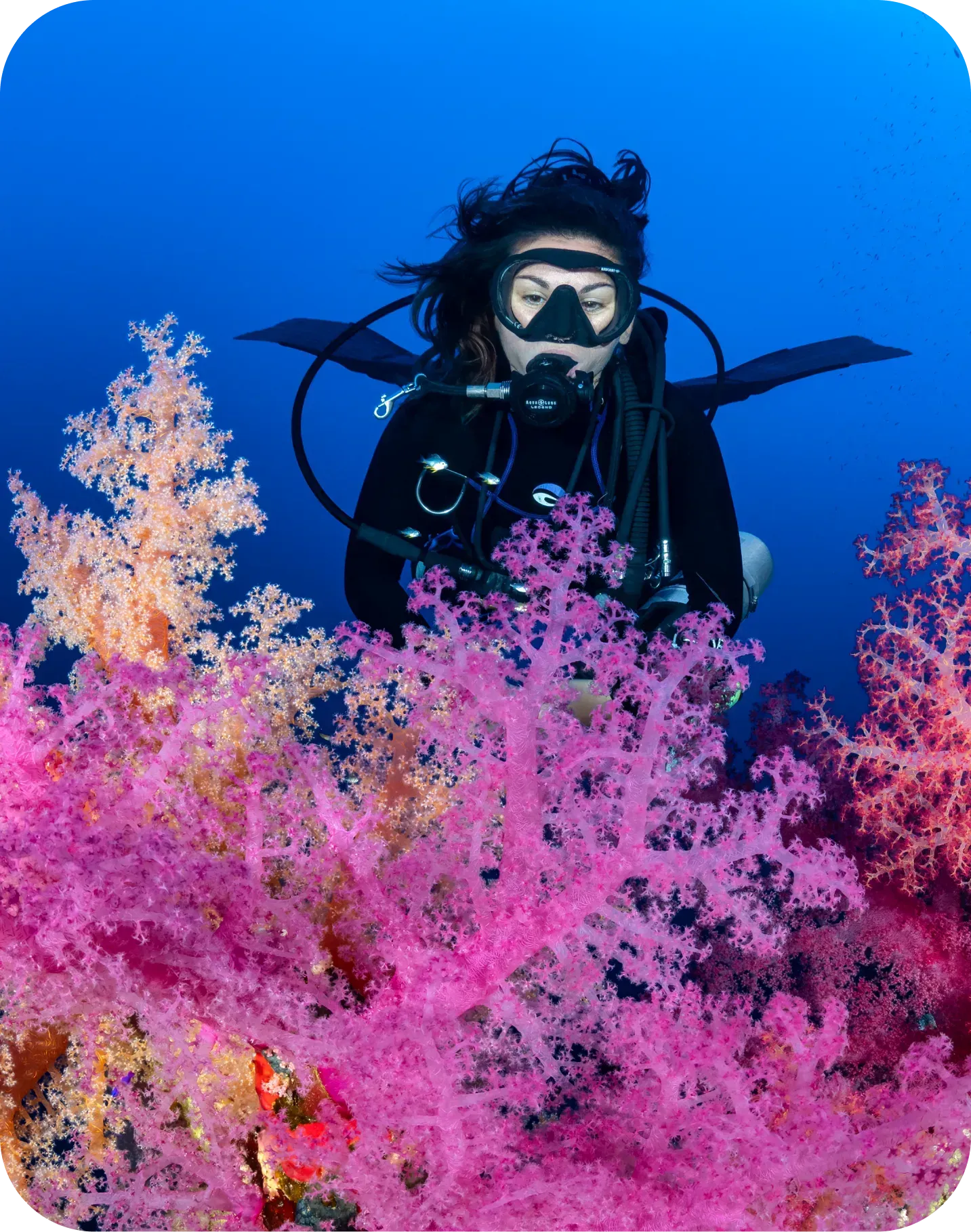
- Focus on Composition: Try to include interesting foreground elements or use the rule of thirds to create more dynamic images. Capturing a manta against a colourful background of coral can enhance the visual appeal.
Conservation: Protecting Manta Rays and Their Habitat
As divers, we have a responsibility to protect the marine environments we cherish. Manta rays are vulnerable to overfishing, habitat destruction, and climate change. Supporting conservation efforts and being mindful of our impact can help ensure that future generations of divers can experience these incredible creatures.
Participate in conservation initiatives, report illegal fishing activities, and support organisations dedicated to marine protection. By advocating for responsible diving practices and contributing to conservation efforts, we can play a vital role in preserving the delicate ecosystems that mantas and countless other marine species call home.
Experience the Magic of Manta Rays with DUNE
The thrill of diving with manta rays in the Red Sea is an experience that transcends the ordinary. From the breathtaking encounters at magnificent cleaning stations to the stunning underwater landscapes, every moment spent with these majestic creatures is unforgettable.
If you’re ready to embark on an adventure that promises both excitement and serenity, look no further than DUNE. Our premium liveaboard diving cruises offer the perfect opportunity to delve into the wonders of the Red Sea while enjoying unparalleled comfort and expert guidance. Visit dune-world.com today to explore our diving itineraries and book your journey with DUNE. Dive into the beauty of the Red Sea and create memories that will last a lifetime.