








Komodo National Park: Where Dragons Guard the Ocean
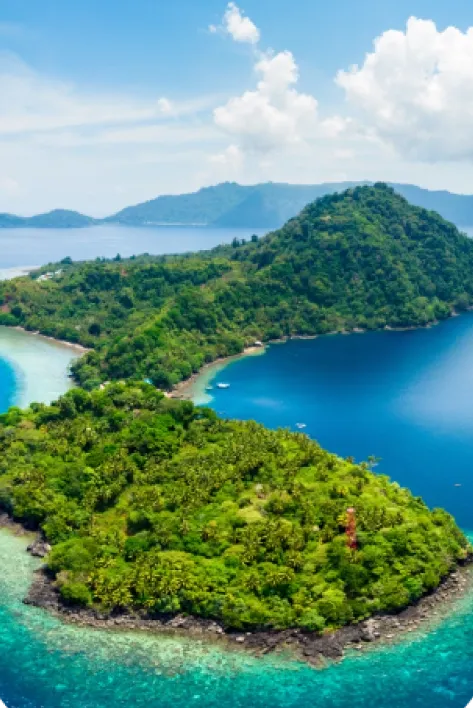
Komodo National Park is one of the few places on Earth where extraordinary terrestrial wildlife and world-class marine biodiversity coexist within the same UNESCO World Heritage boundary. The Komodo dragon — the world's largest living lizard — roams the volcanic hillsides above the sea while, just metres below the surface, manta rays glide through cold upwellings and reef sharks patrol channels rich in nutrients and life.
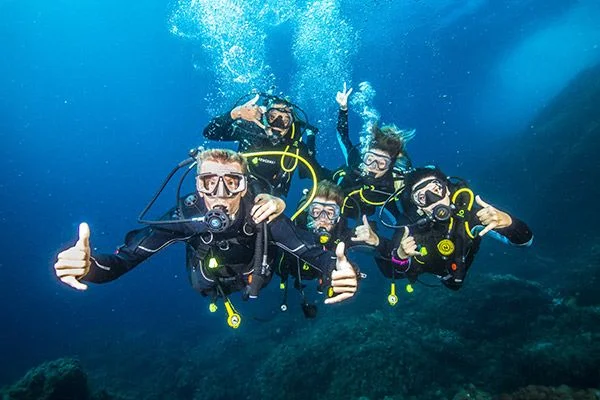
For divers, Komodo represents a unique proposition: a genuinely challenging, current-swept environment that rewards experience and preparation with encounters that are simply unavailable anywhere else in the world. DUNE has been bringing passionate divers to Komodo for over two decades, and the combination of raw, powerful diving with the primal drama of the dragons above never loses its impact.
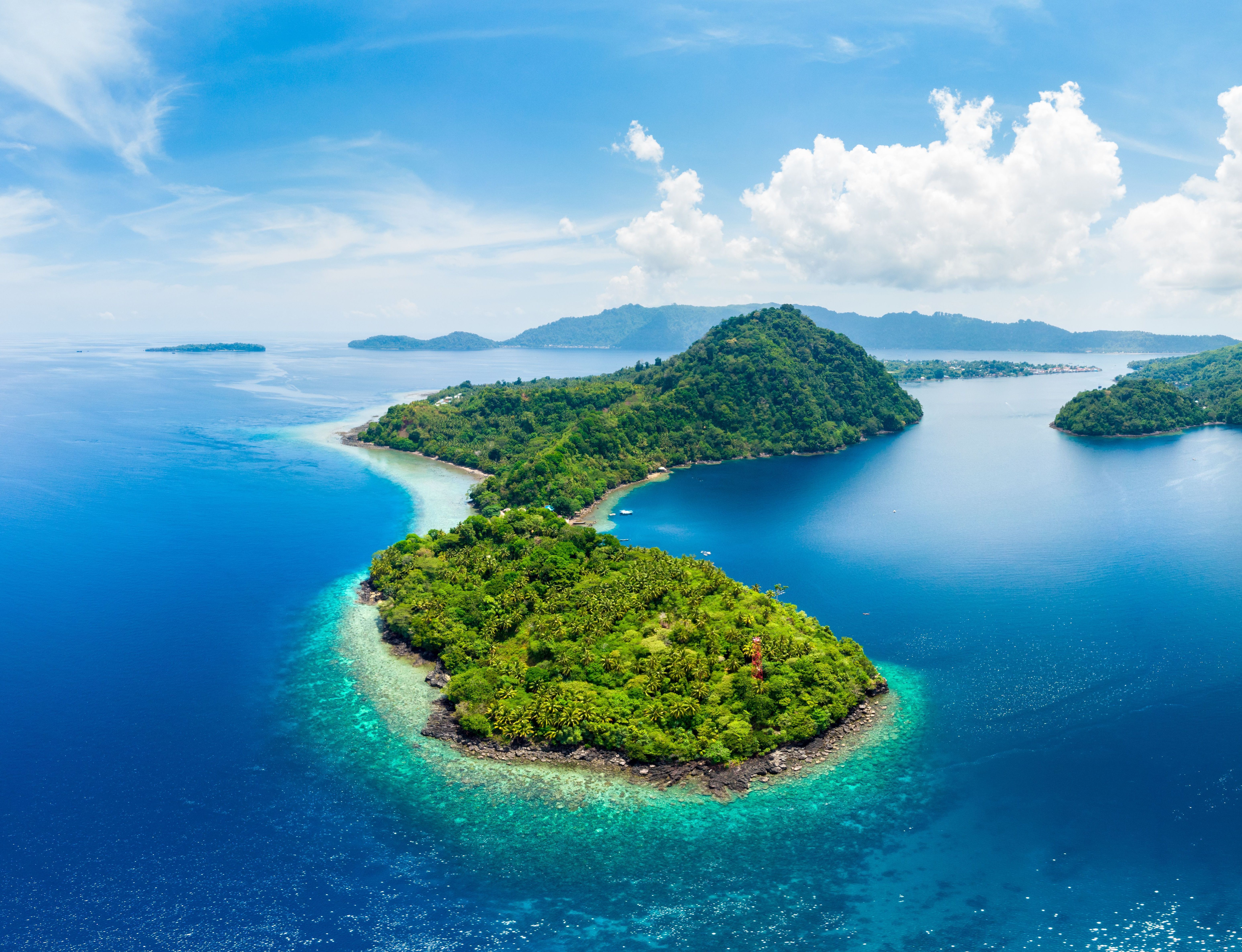
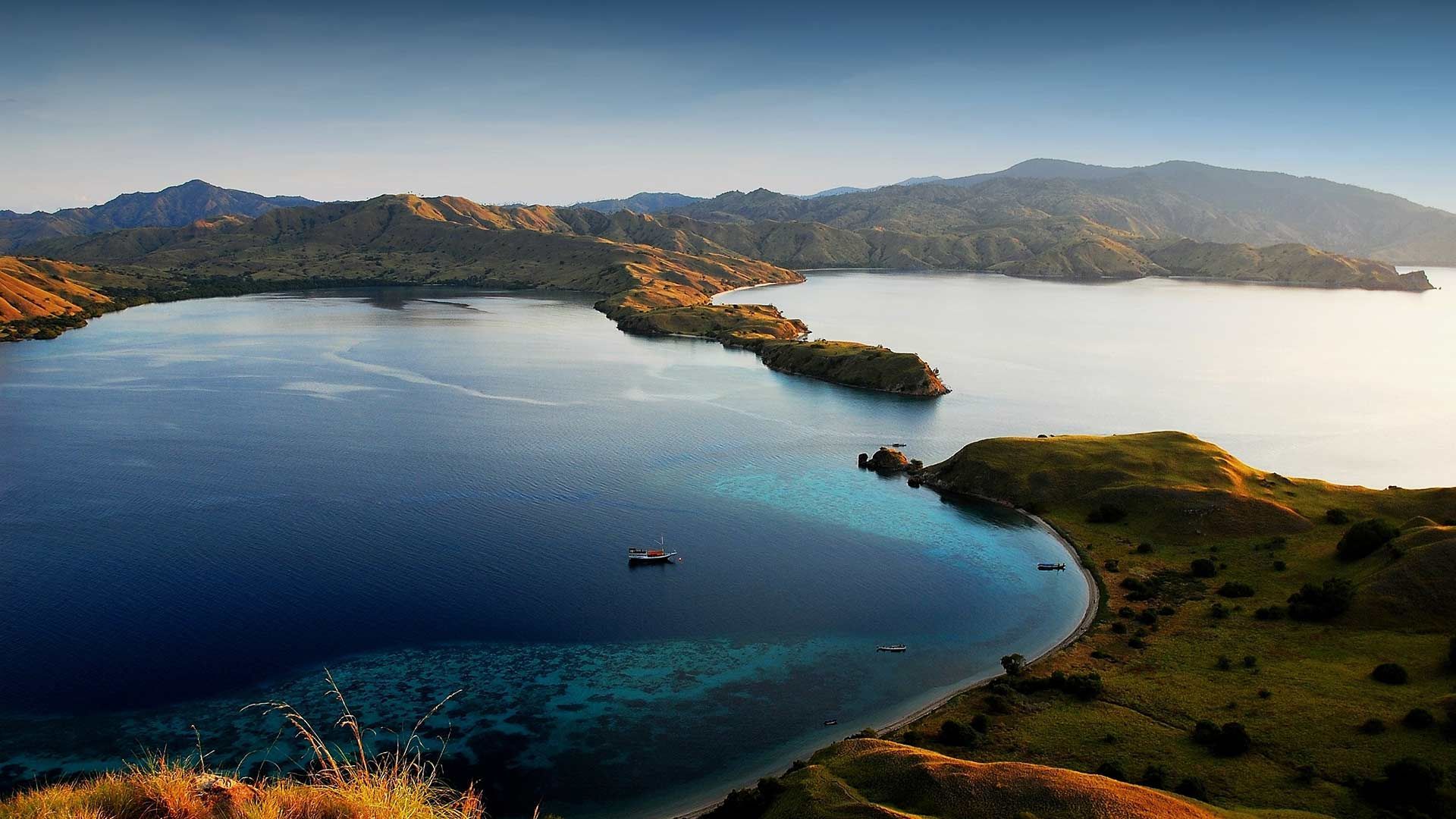
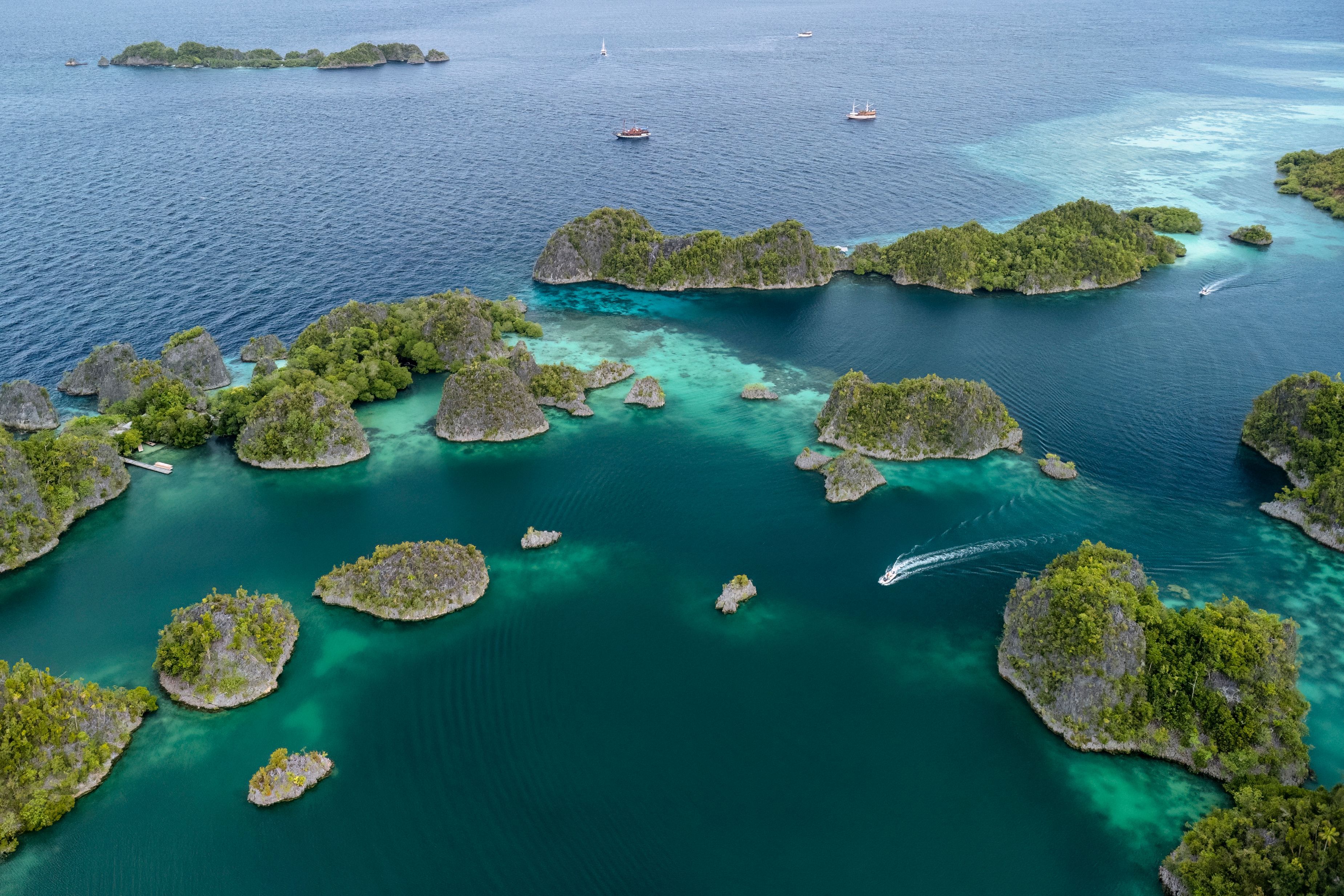
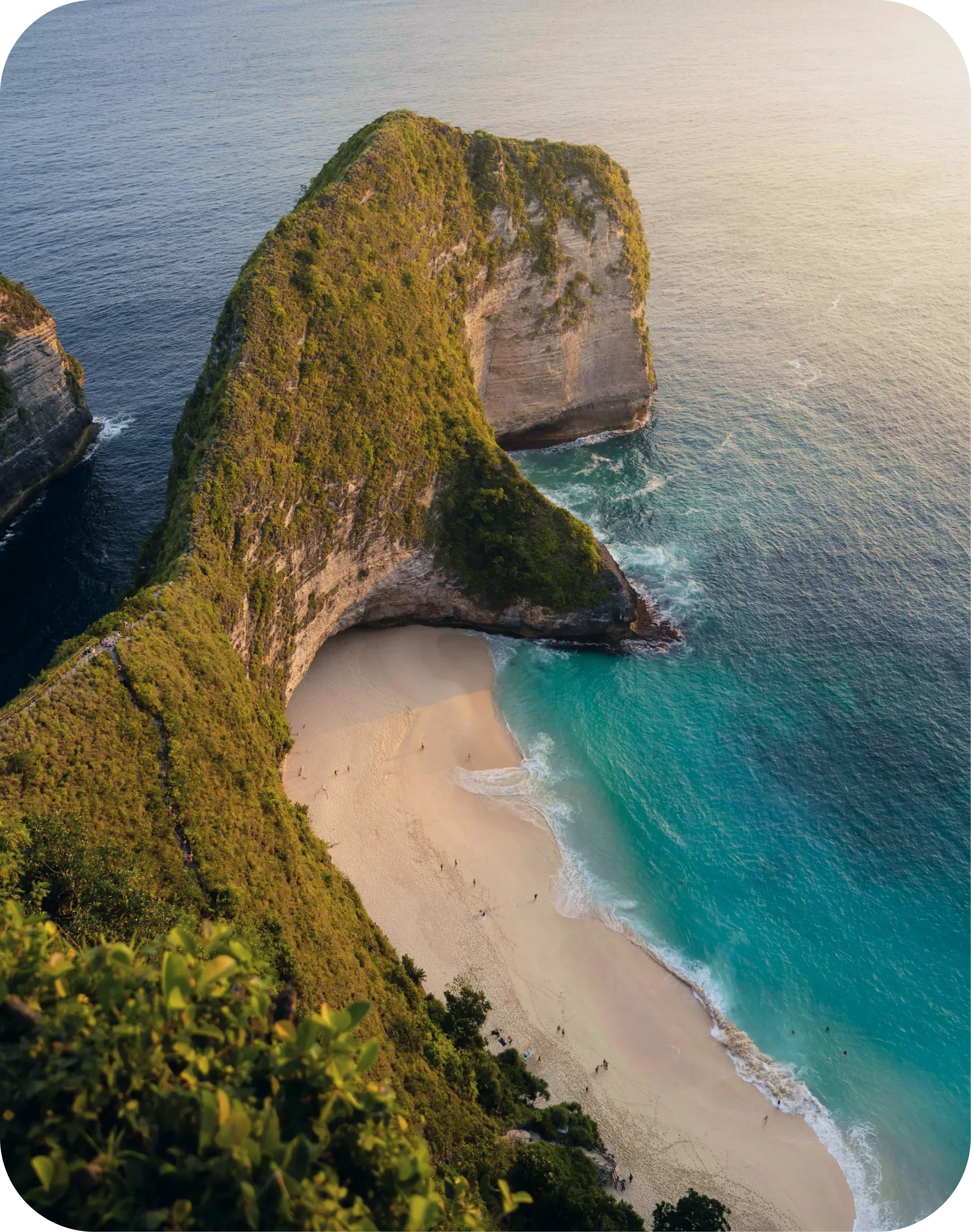
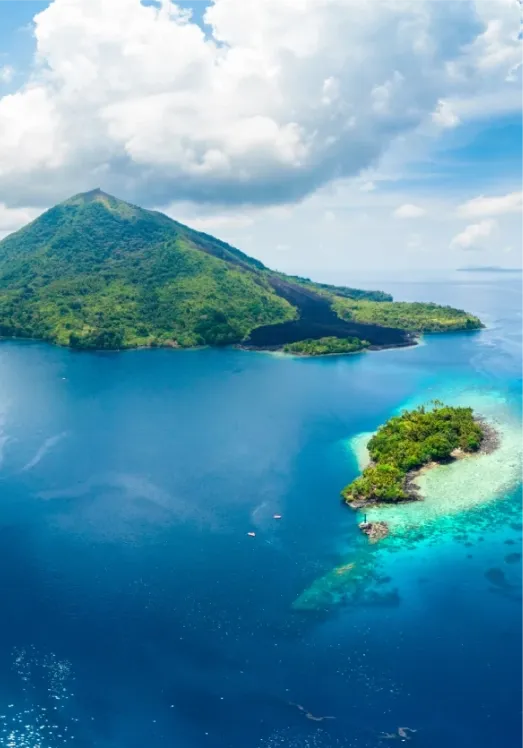
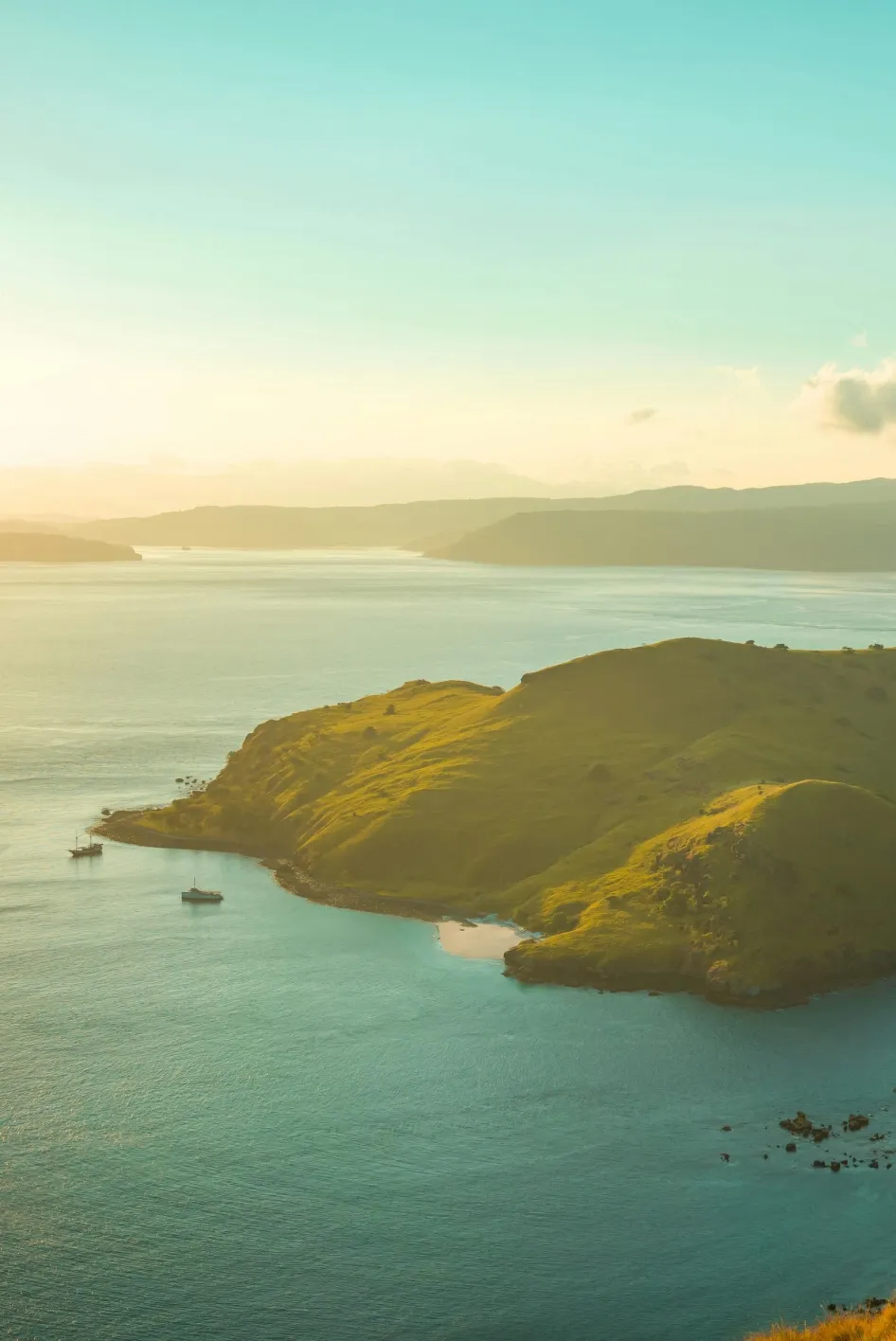
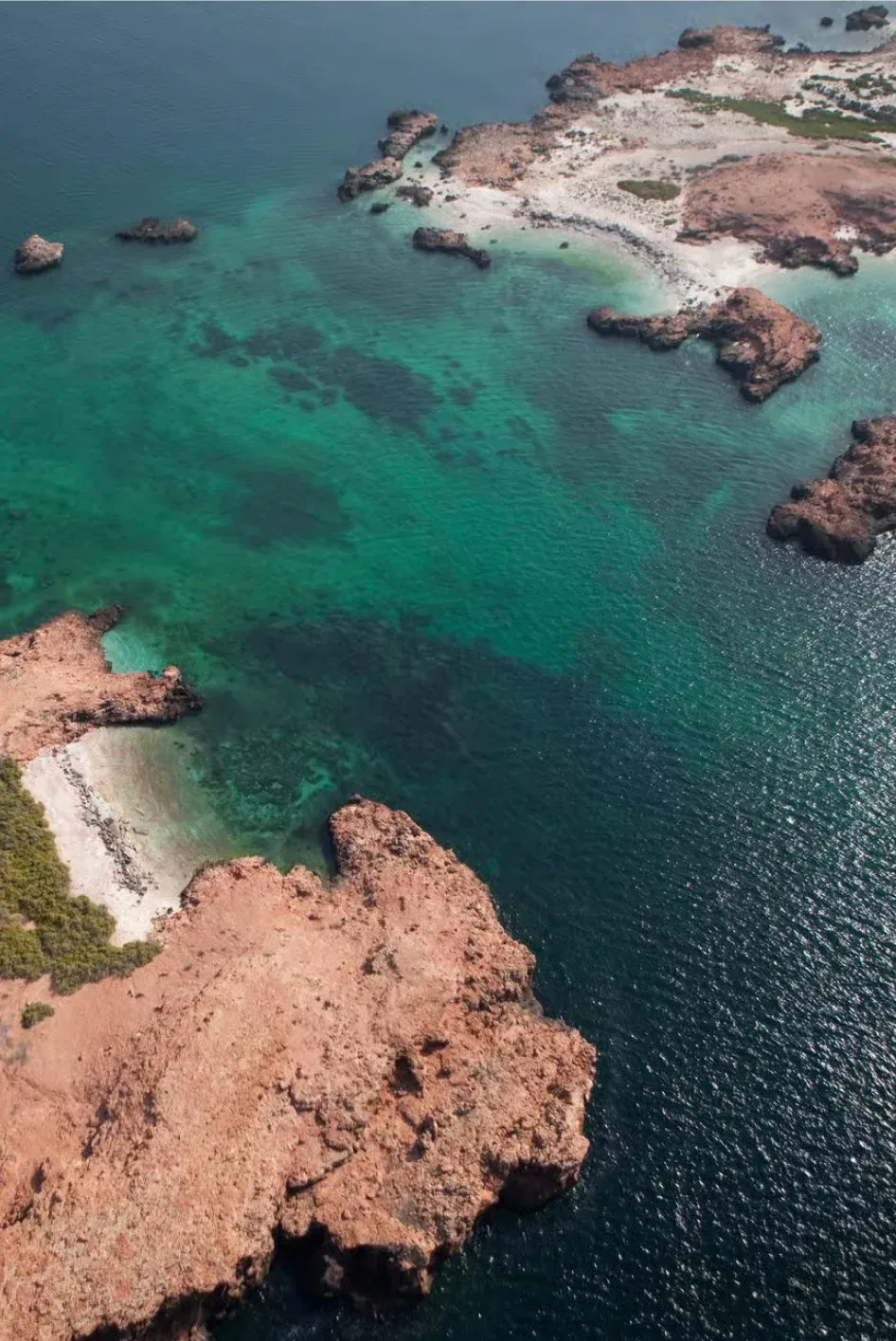
The park covers 1,817 square kilometres of land and sea across Komodo Island, Rinca Island, Padar Island, and dozens of smaller islets. The Flores Sea and the Indian Ocean currents that sweep through the park's channels create a nutrient upwelling that supports extraordinary concentrations of pelagic and reef life. Water temperatures can drop to as low as 18°C in some areas, making Komodo one of the cooler Indonesian diving destinations — and one of the most biologically productive.
The Best Dive Sites in Komodo
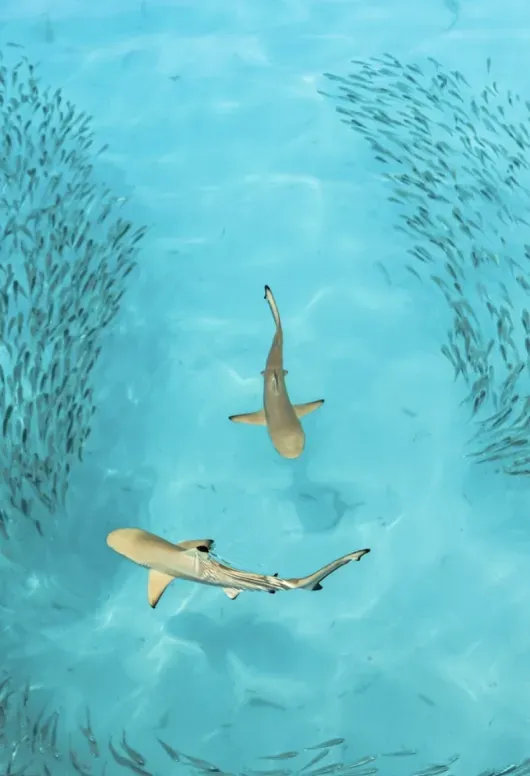
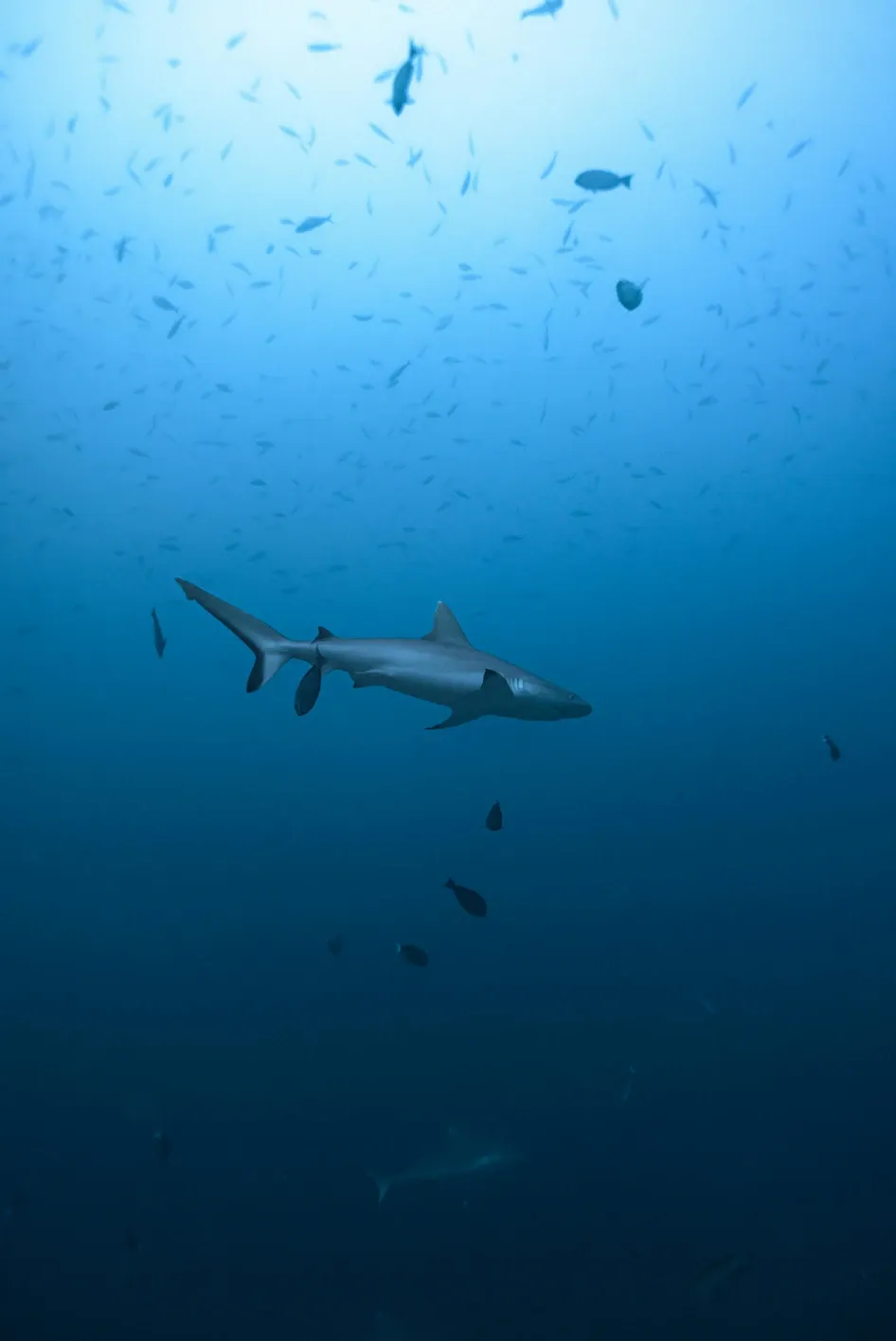
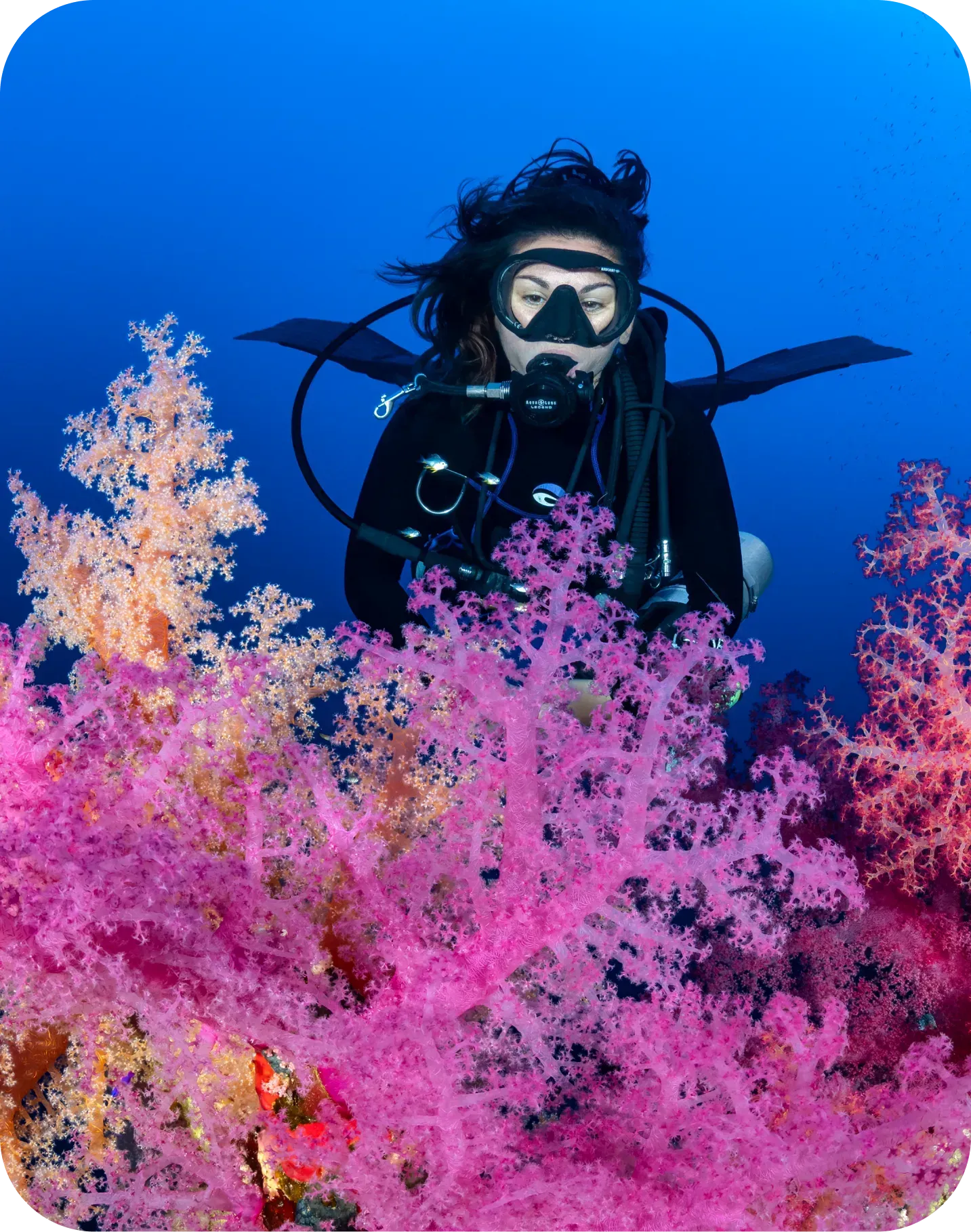
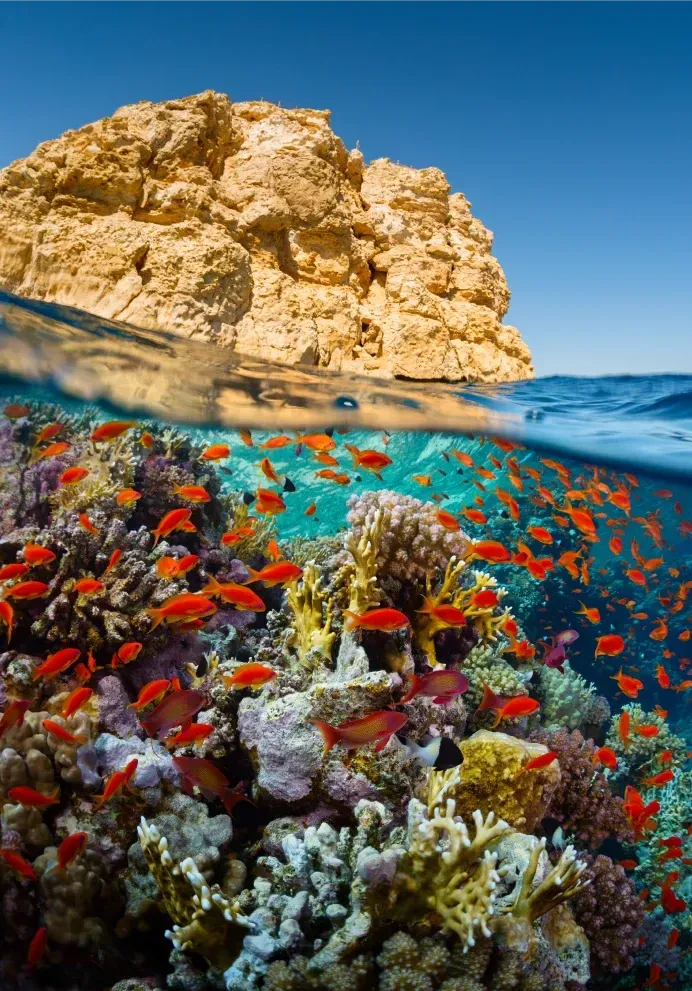
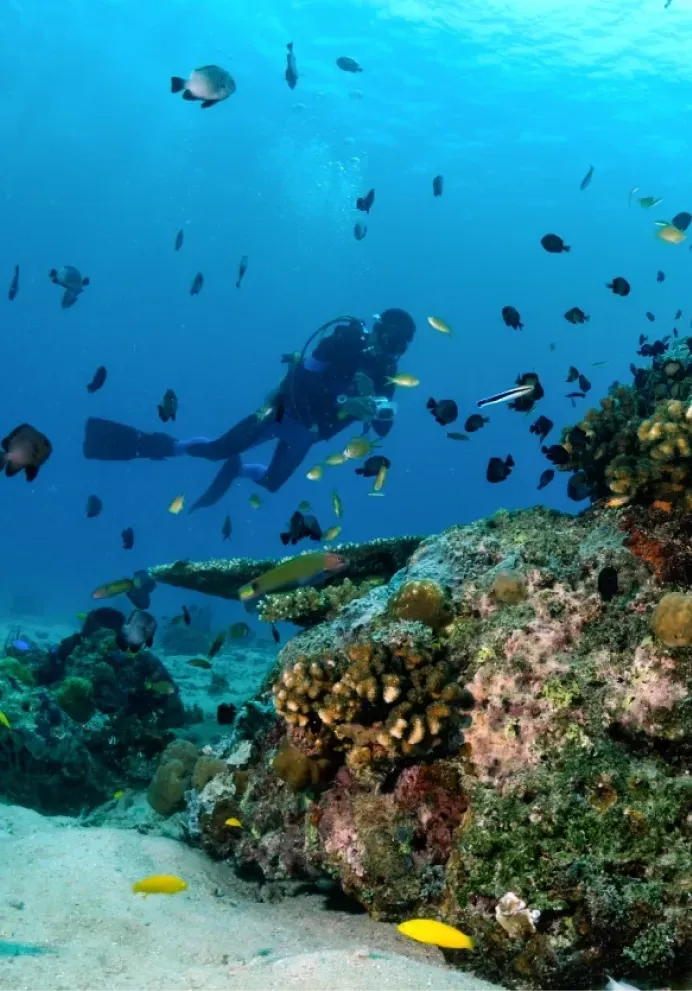
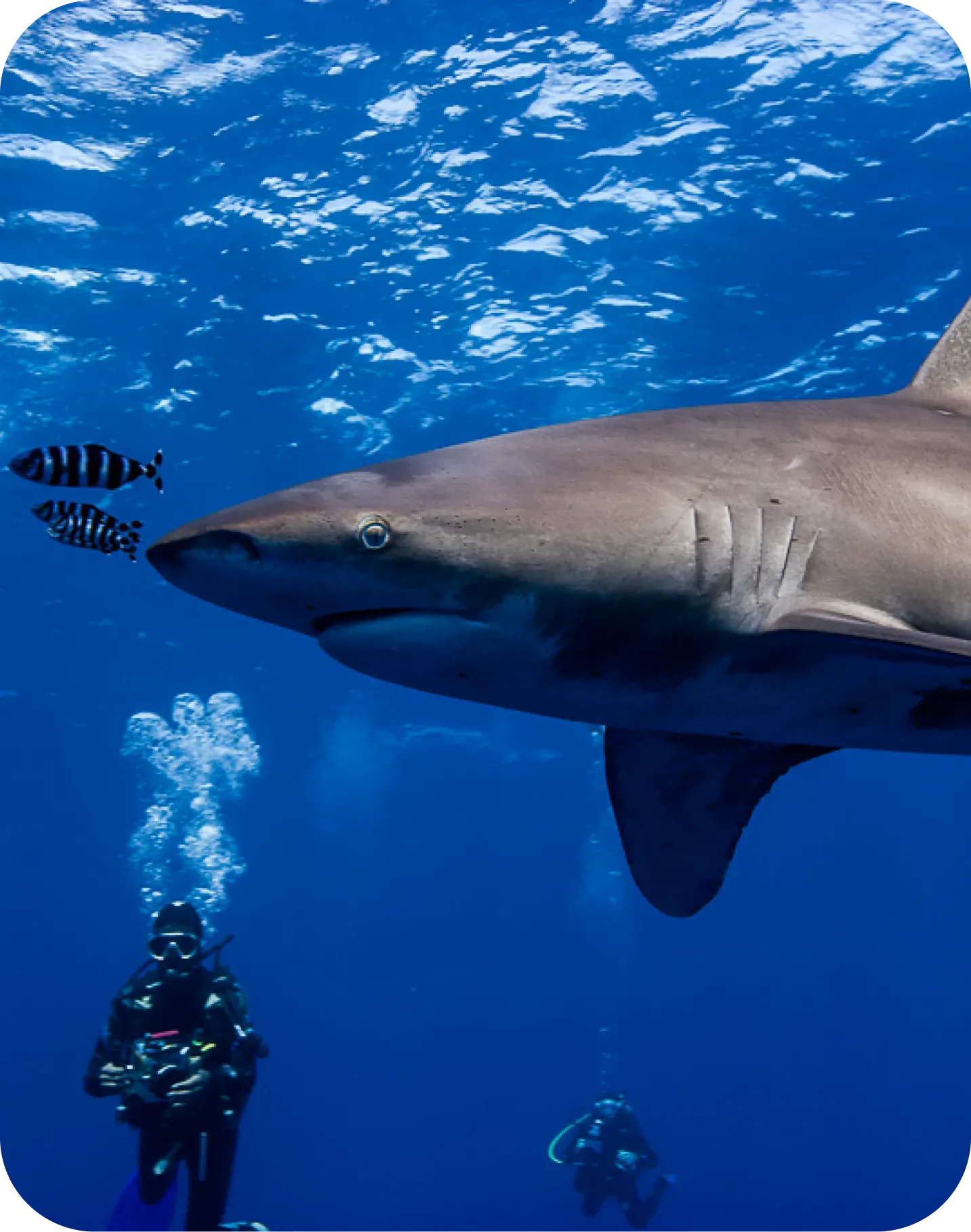
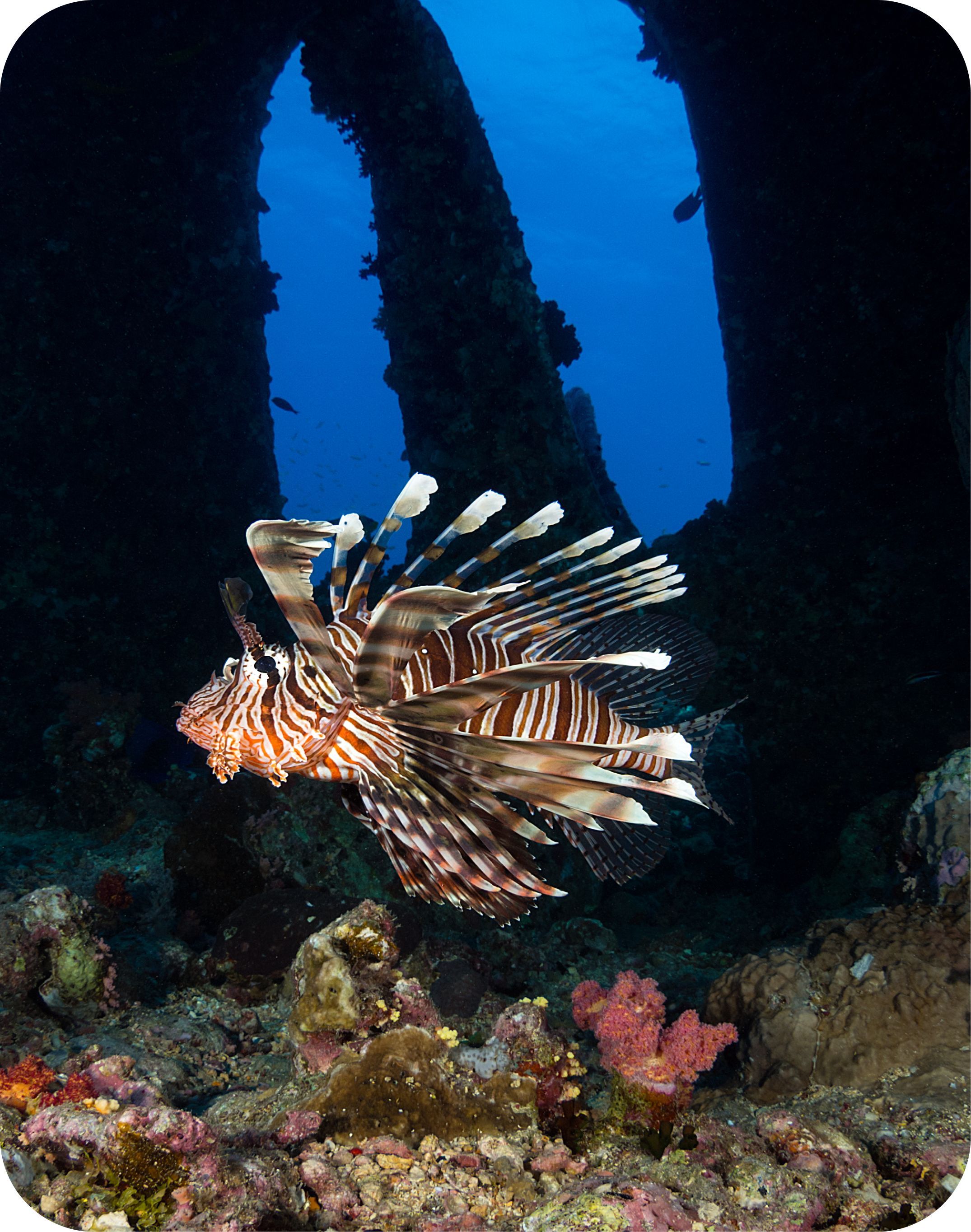
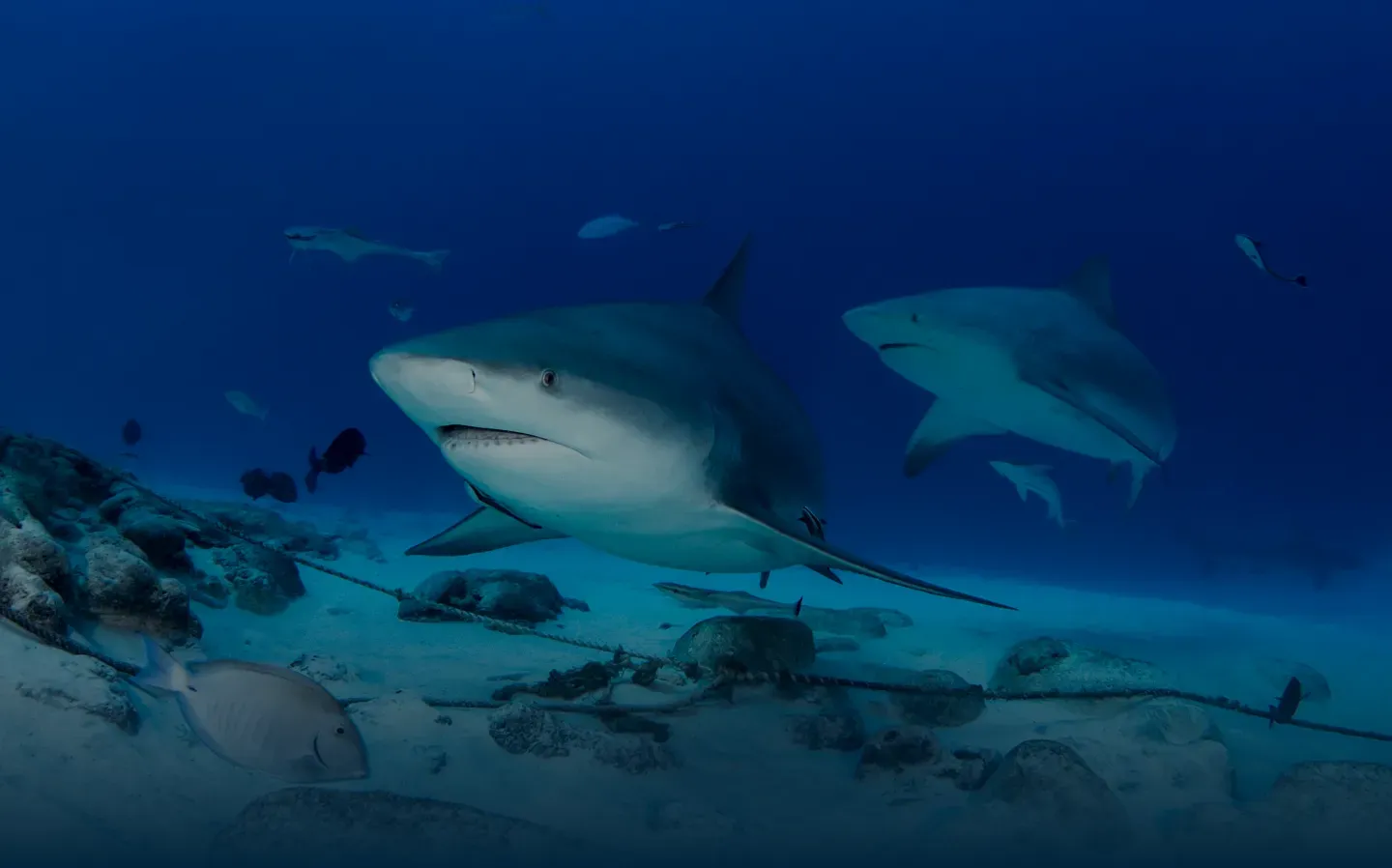
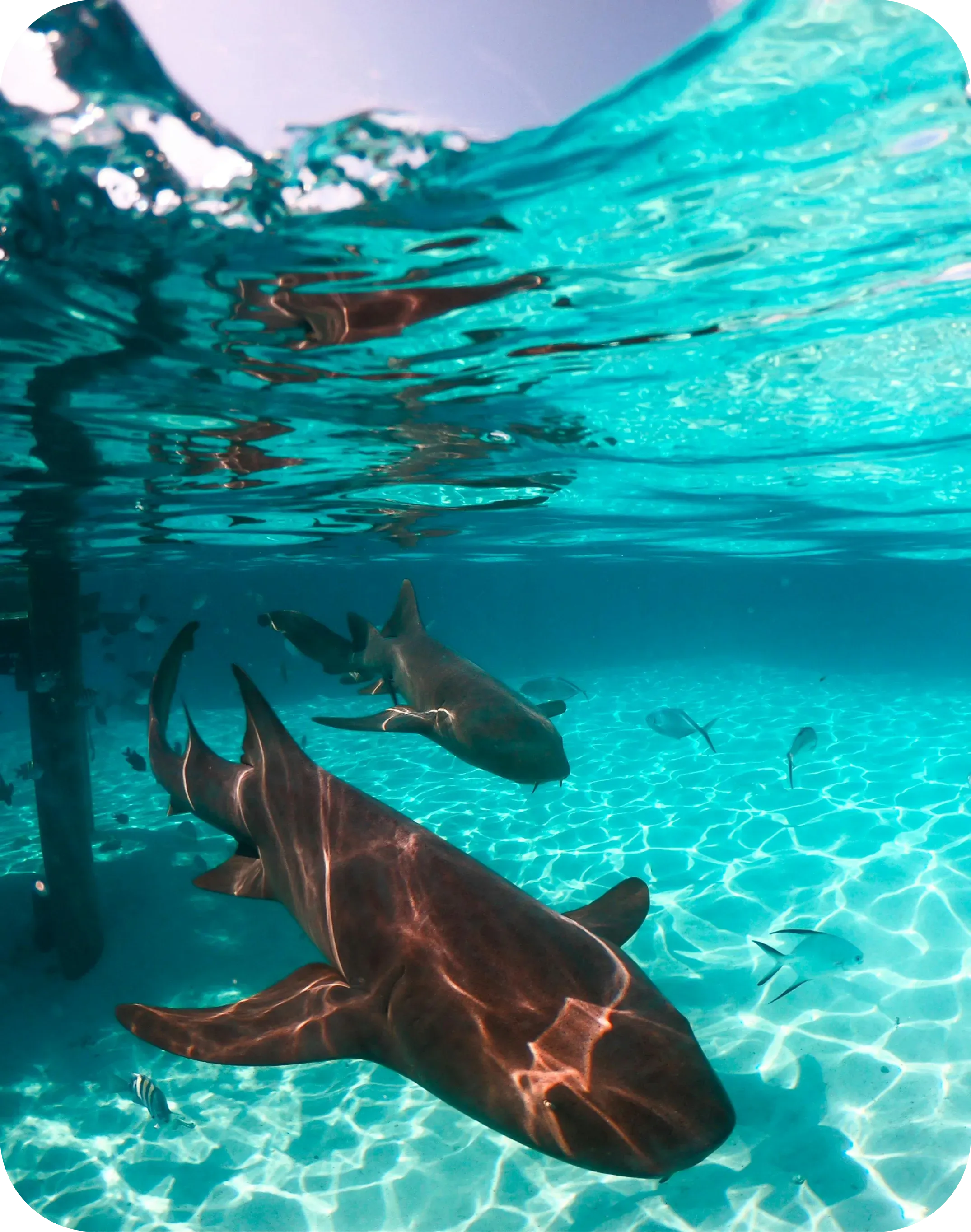
Batu Bolong is consistently cited by experienced divers as one of the finest dive sites in the Indo-Pacific. This rocky pinnacle rises from deep water in the middle of a strong tidal channel and is carpeted from base to summit in soft corals, sea fans, and hard coral formations. The fish life is staggering — multiple species of grouper, Napoleon wrasse, white-tip reef sharks, grey reef sharks, and massive schools of trevally and barracuda compete for space in the current-swept waters.
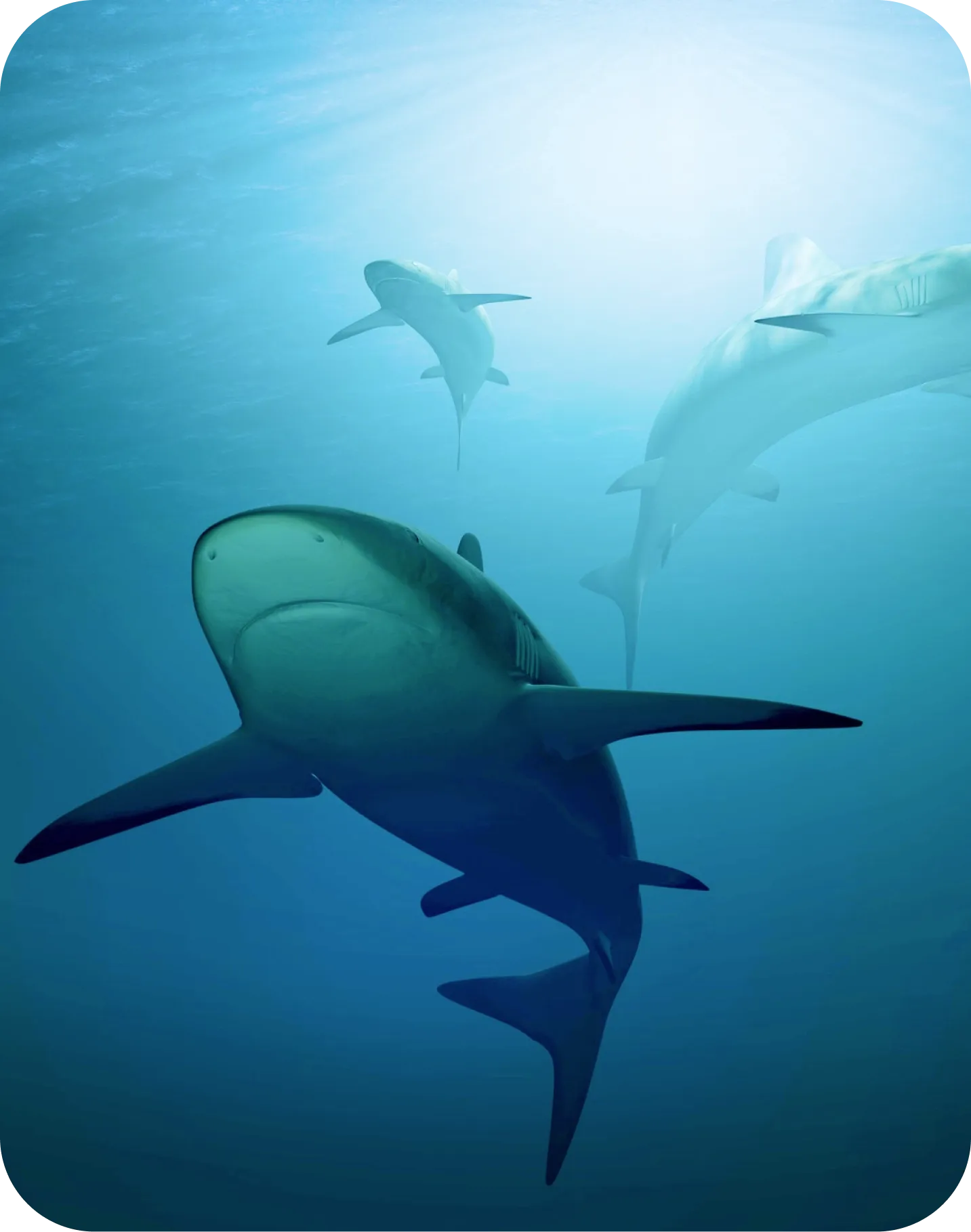
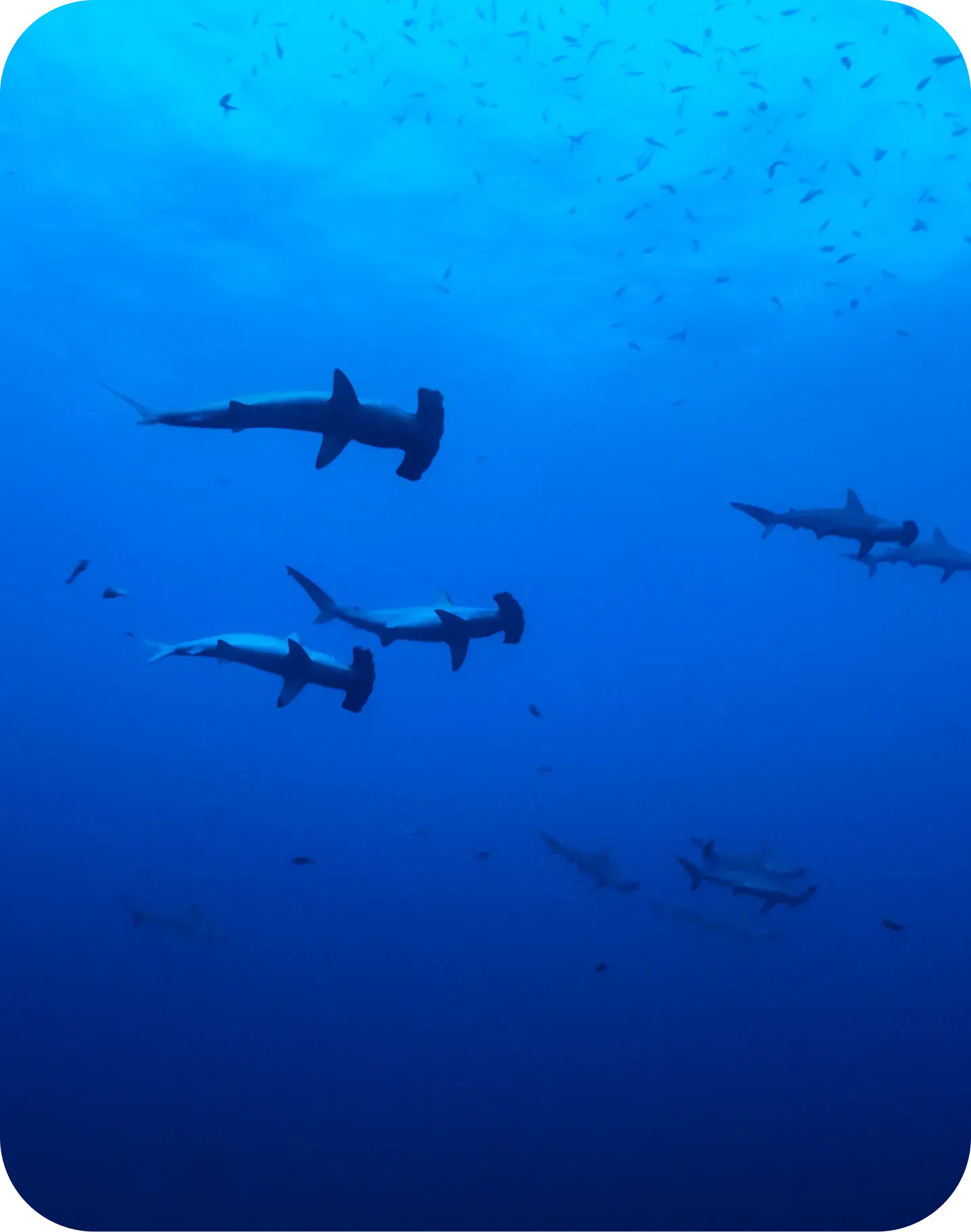
Castle Rock and Crystal Rock in the Gili Lawa channel are two of Komodo's most celebrated macro and meso-pelagic sites. Both pinnacles are swept by strong currents and are particularly renowned for their grey reef and white-tip shark populations, bumphead parrotfish schools, and the occasional hammerhead silhouette in the blue water beyond the reef.
- Batu Bolong — iconic pinnacle, extraordinary fish density
- Manta Alley — dedicated manta ray cleaning station in the south
- Castle Rock — pelagic action, sharks, and schooling fish
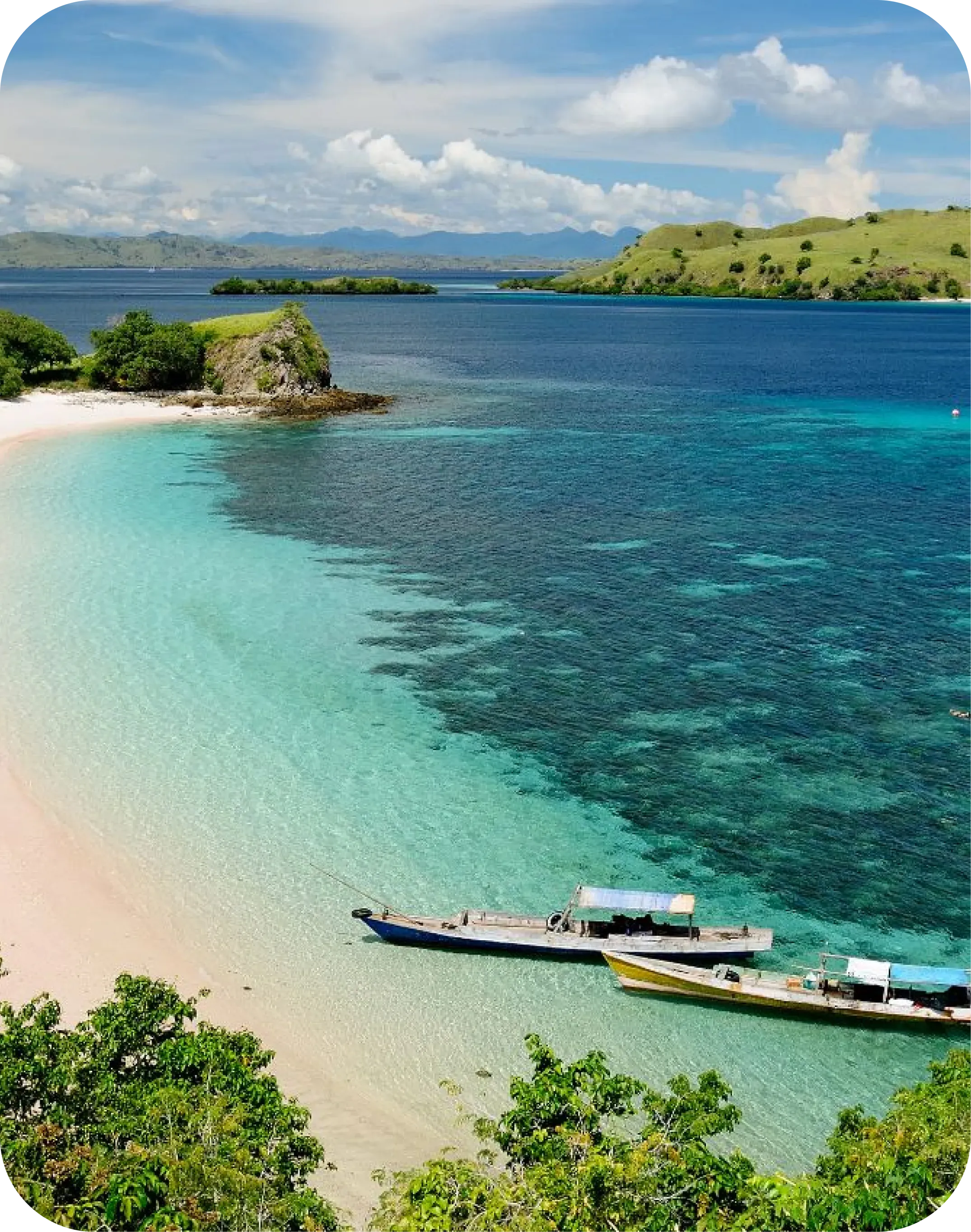
- Pink Beach — relaxed reef, great for macro and photography
- Tatawa Besar — gorgeous hard corals and reef sharks
Manta Rays in Komodo: What to Expect
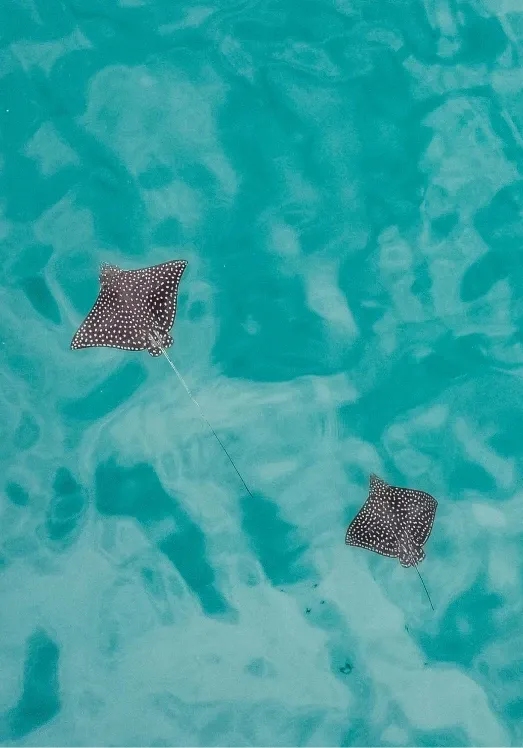
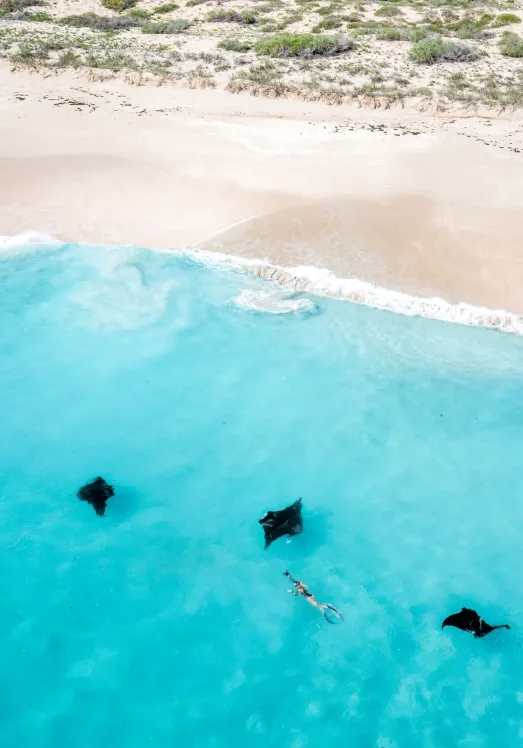
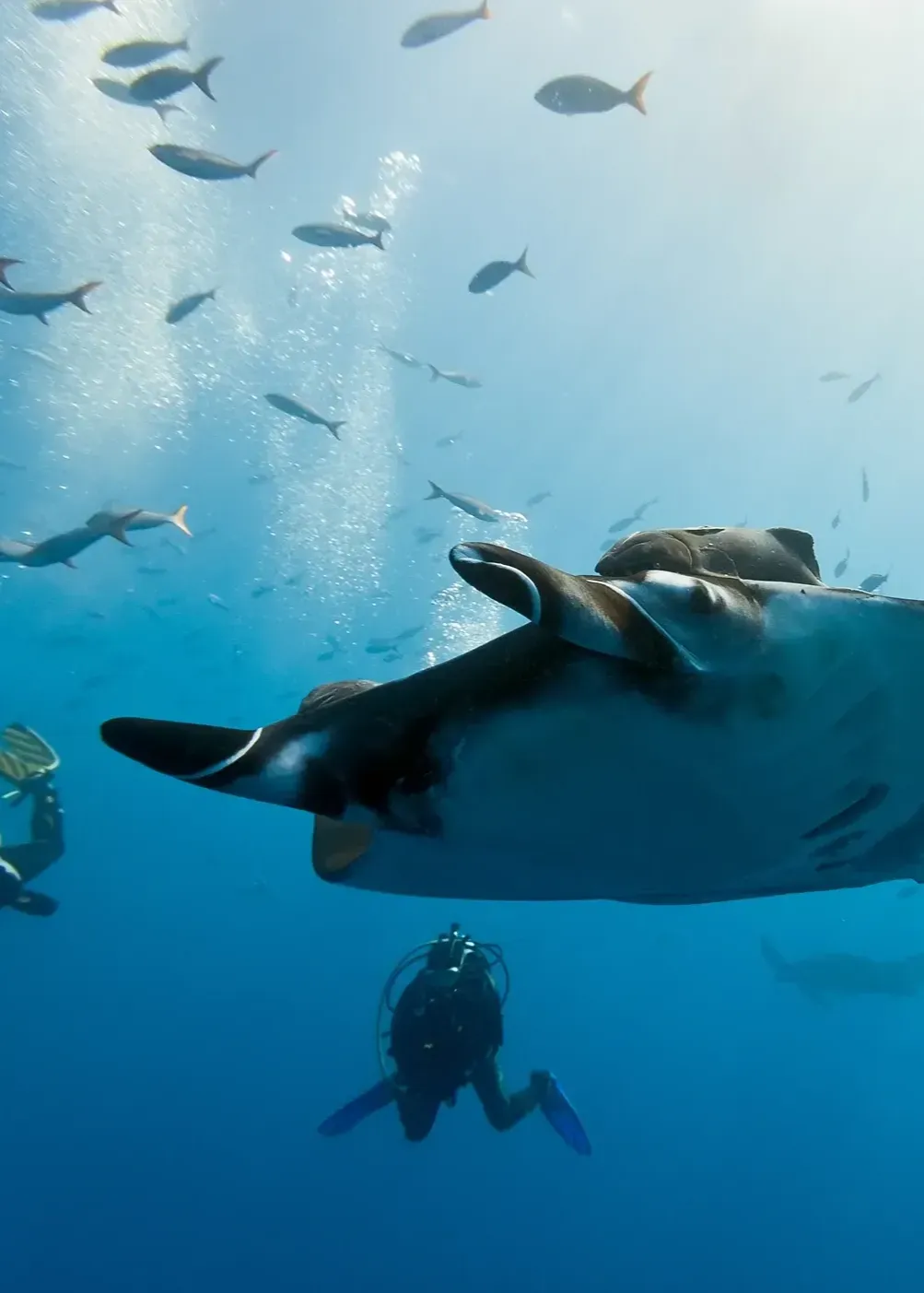
Manta Alley, located at the southern tip of Komodo Island, is one of the most reliable manta ray sites in all of Indonesia. The cold upwellings from the Indian Ocean create a rich soup of plankton that reef mantas feed on, and during the right tidal windows, dozens of individuals can be seen barrel-rolling through the water column in feeding frenzies just below the surface.
Unlike the cleaning station encounters of Raja Ampat, Manta Alley is primarily a feeding aggregation, which means the mantas are dynamic, fast-moving, and often unconcerned with the presence of divers. The key to great manta encounters here is patient positioning: find a good reef vantage point, descend to 5-10 metres, and allow the mantas to come to you rather than chasing them.
Oceanic mantas — significantly larger than their reef-dwelling relatives — are also occasionally seen in the deeper channels around Komodo, particularly during October and November when plankton blooms peak. These encounters, in open water above deep channels, are among the most viscerally exciting experiences available to divers in this region.
Drift Diving in Komodo: Technique and Safety
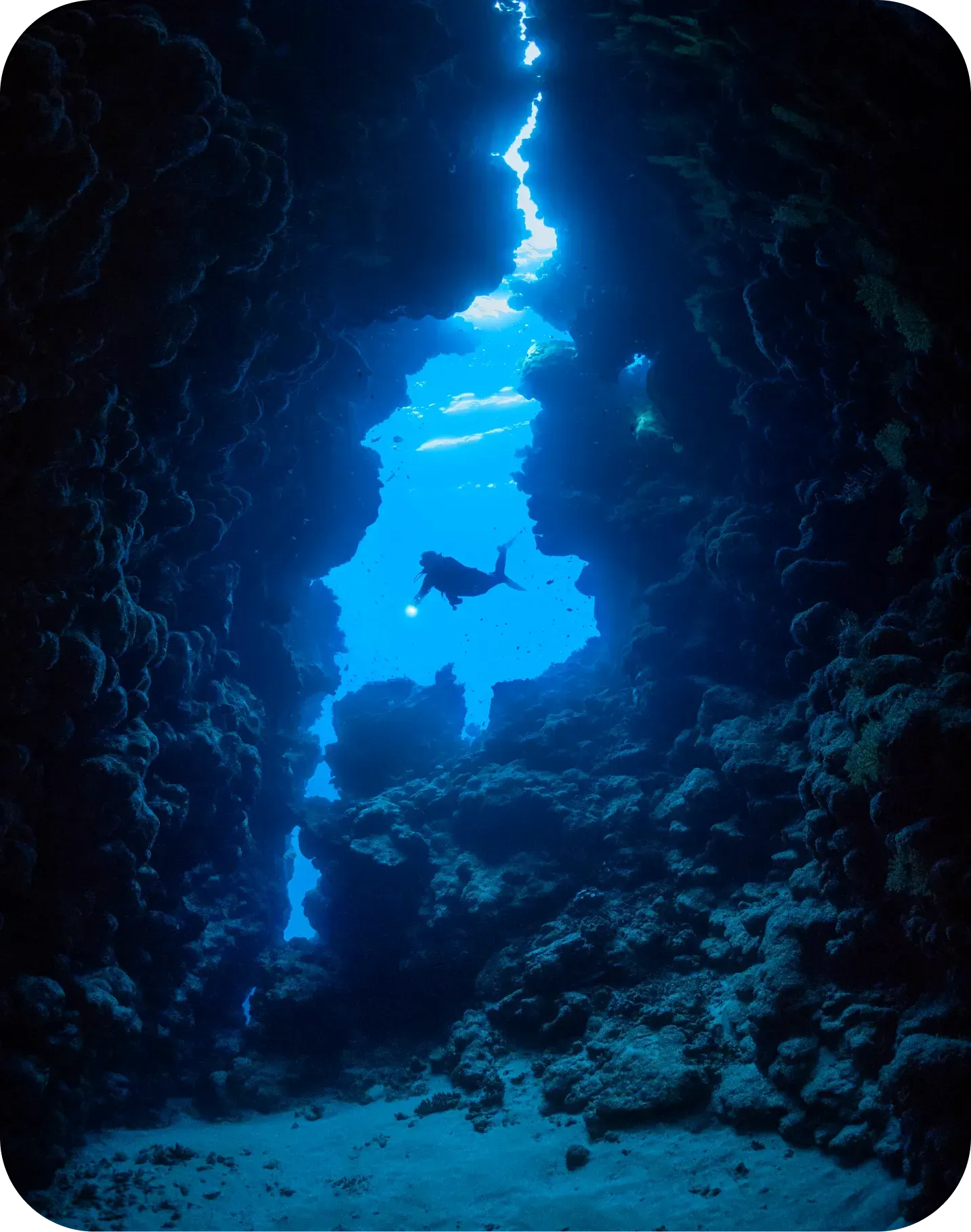
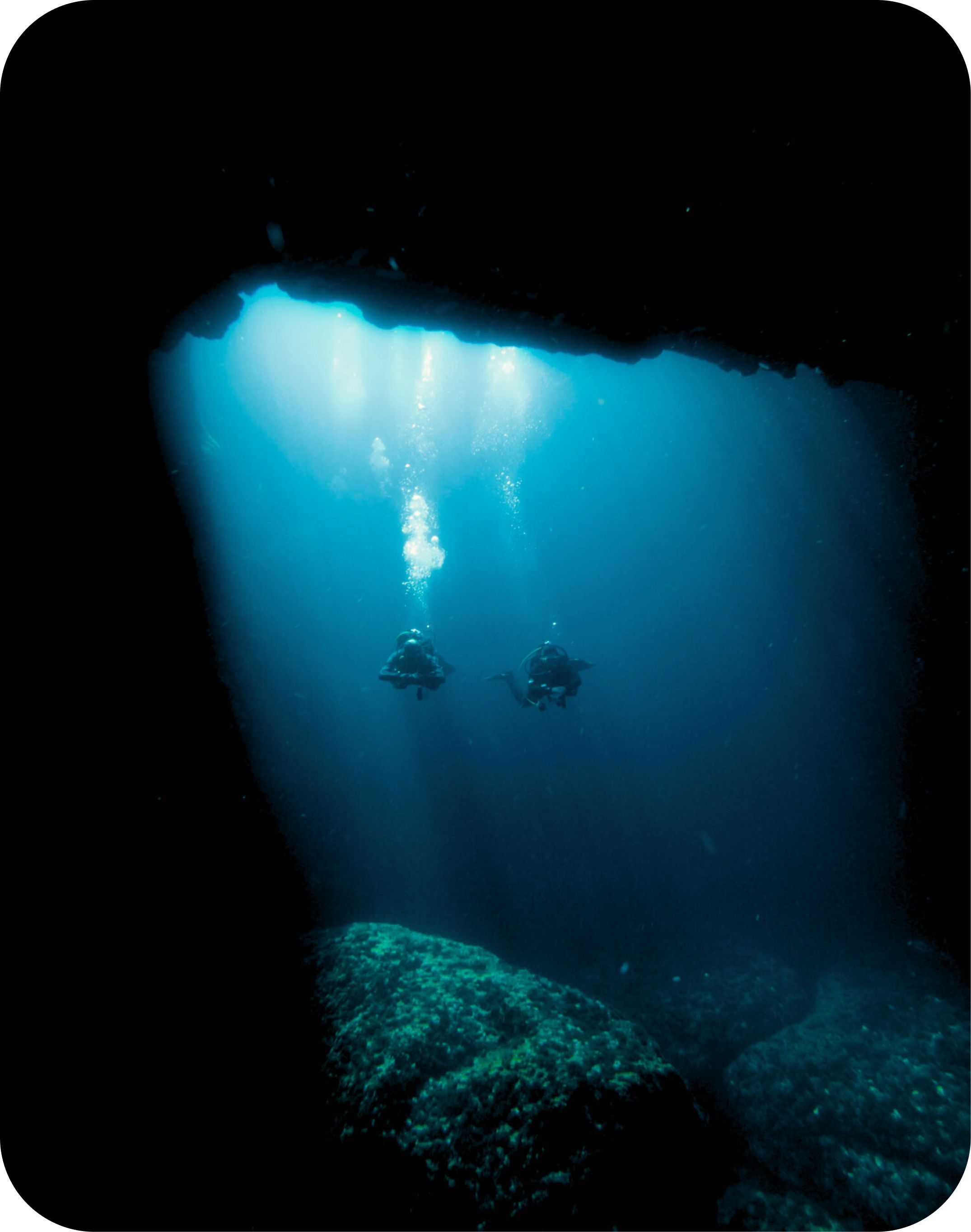
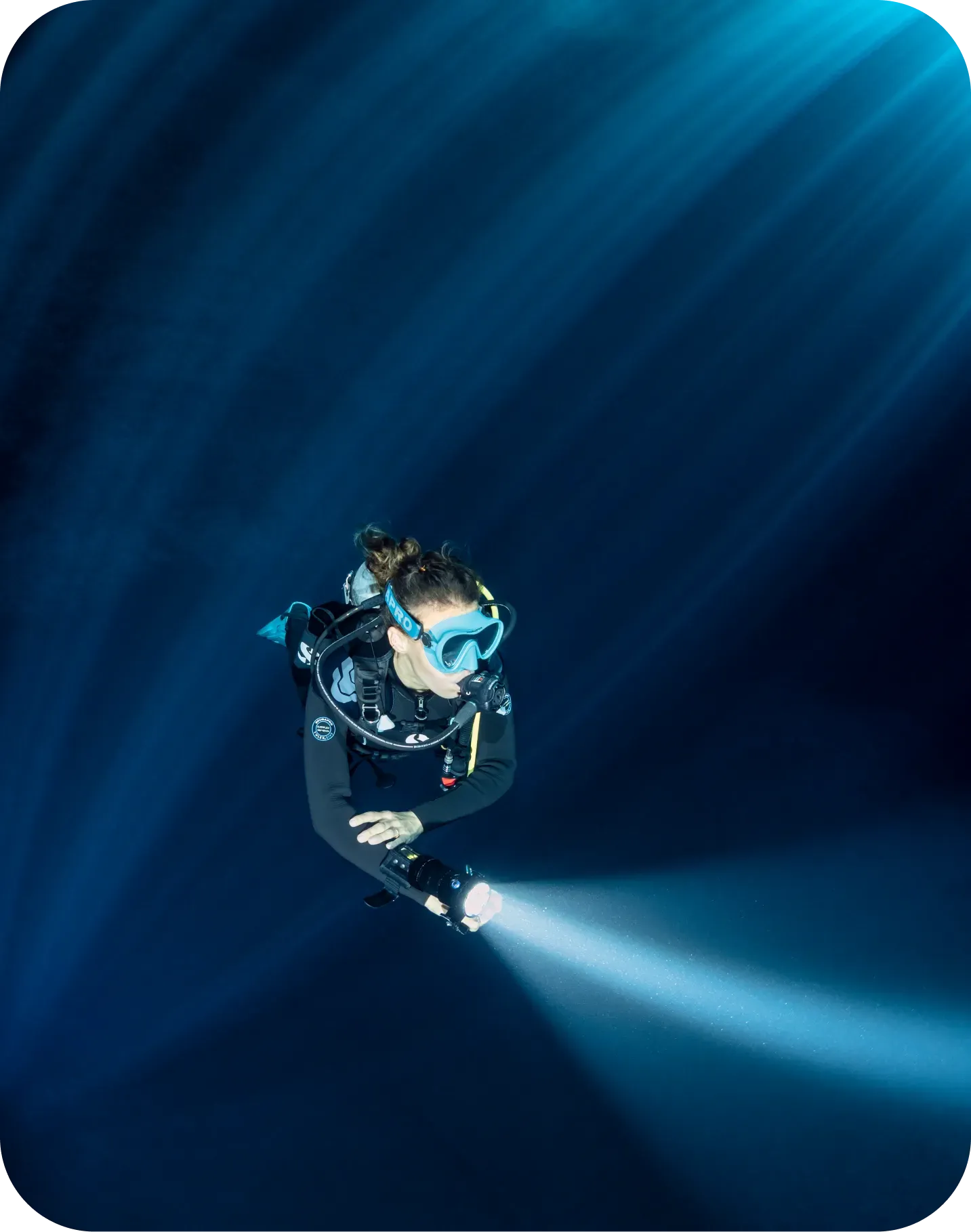
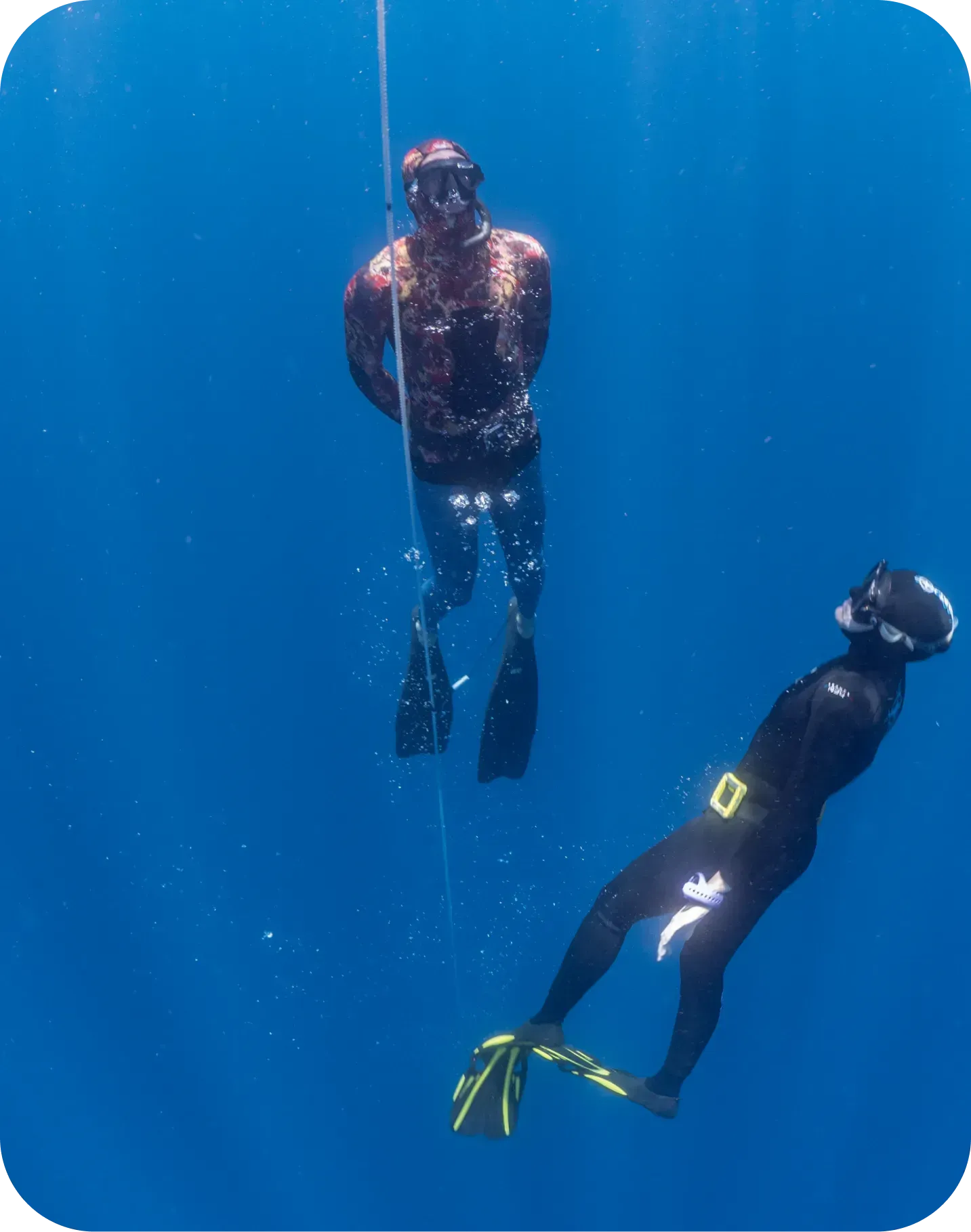
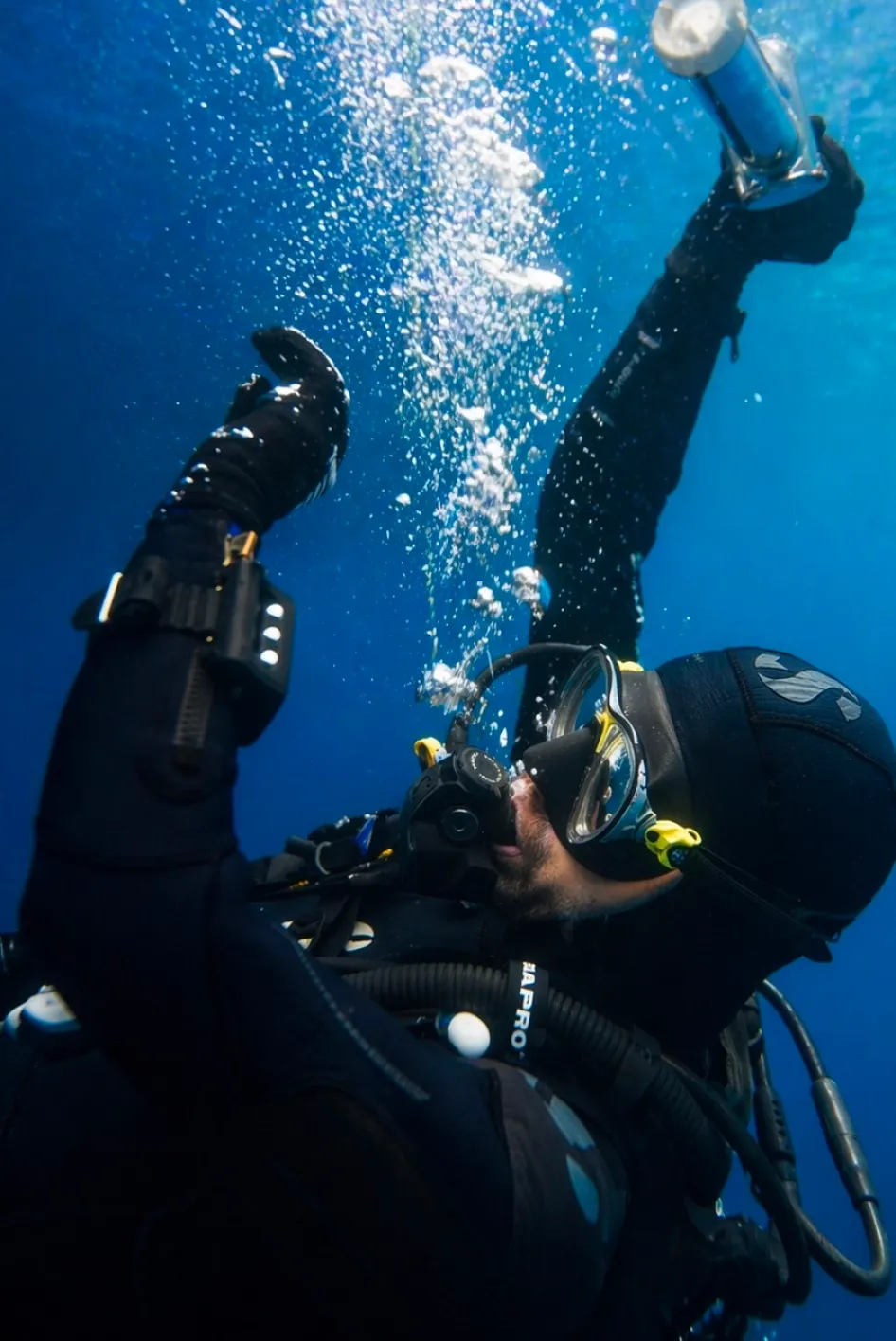
Komodo is primarily a drift diving destination, and comfort in moving water is essential for a safe and enjoyable experience. Tidal currents in the main channels can reach speeds of four to five knots during peak flow, and conditions at individual sites can change dramatically between the surface and depth, or between different compass bearings around the same pinnacle.
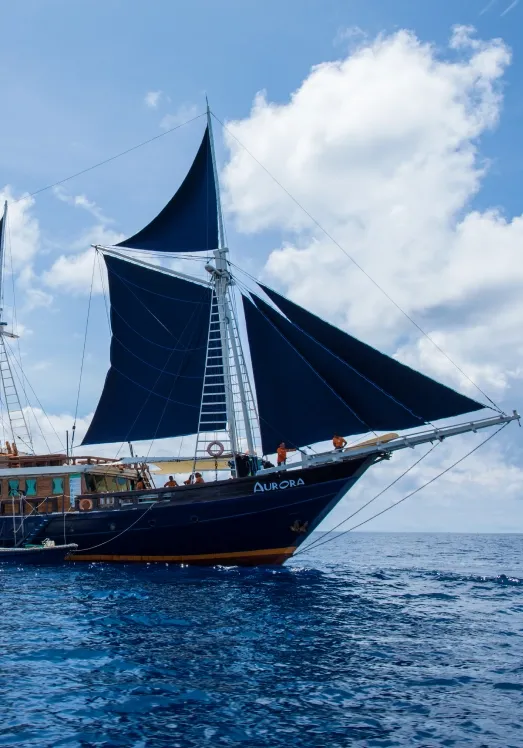
DUNE's Komodo liveaboards always include comprehensive current briefings before each dive, with divemasters who have accumulated thousands of dives in these specific waters. Understanding the tidal cycle, choosing the right entry points, and knowing when to signal an abort are skills that separate an enriching Komodo experience from a dangerous one.
- PADI Advanced Open Water certification minimum recommended
- Drift diving experience strongly advised before visiting Komodo
- Surface marker buoys (SMBs) are mandatory — carry your own
- Dive computers with compass function are highly recommended
Meeting the Komodo Dragons
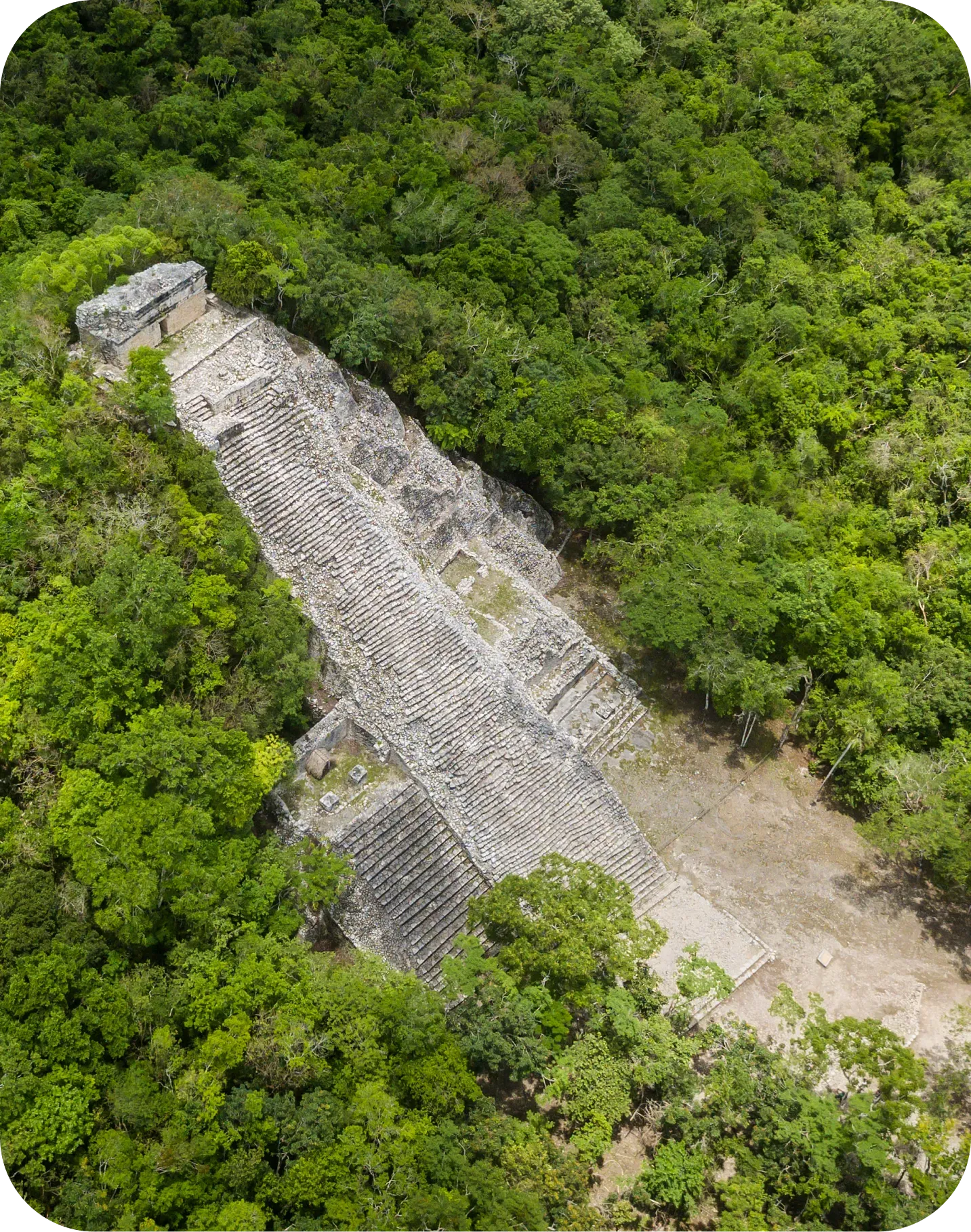
A Komodo National Park visit is incomplete without a ranger-guided excursion to see the dragons on land. Komodo Island and Rinca Island both support established dragon populations, and the trekking programmes are managed by park rangers who understand both conservation priorities and visitor safety.
Adult male Komodo dragons can reach three metres in length and weigh over 70 kilograms. They hunt using an ambush strategy and possess powerful jaws, serrated teeth, and venom glands that can induce rapid circulatory collapse in prey. While attacks on humans are rare, the ranger briefing before any island visit should be taken seriously. Maintain the recommended distance, stay in your group, and follow your guide's instructions without exception.
The most dramatic dragon behaviour — feeding, combat between males, and the extraordinary sight of a large dragon consuming a deer — is most likely during the dry season between April and October. Early morning visits are best, as dragons are more active before the midday heat drives them to shade.
Best Time to Dive Komodo
Komodo has two distinct seasons that affect diving conditions significantly. The dry season (April to November) brings reliable south-easterly winds, rougher conditions in the south, and colder, nutrient-rich water from the Indian Ocean. This is the best season for manta rays at Manta Alley and for seeing the Komodo dragons in active behaviour.
The wet season (December to March) brings calmer sea conditions, warmer water temperatures (up to 28°C in some sites), and sometimes reduced current strength. This period is excellent for the northern sites around Gili Lawa and for divers who prefer warmer water and more gentle conditions. Visibility in the southern sites can be reduced during the wet season due to plankton density.
Many experienced Komodo divers prefer October and November — a transition period that combines strong manta ray activity, manageable conditions, and excellent visibility across the majority of sites.
Komodo vs Raja Ampat: Understanding the Difference
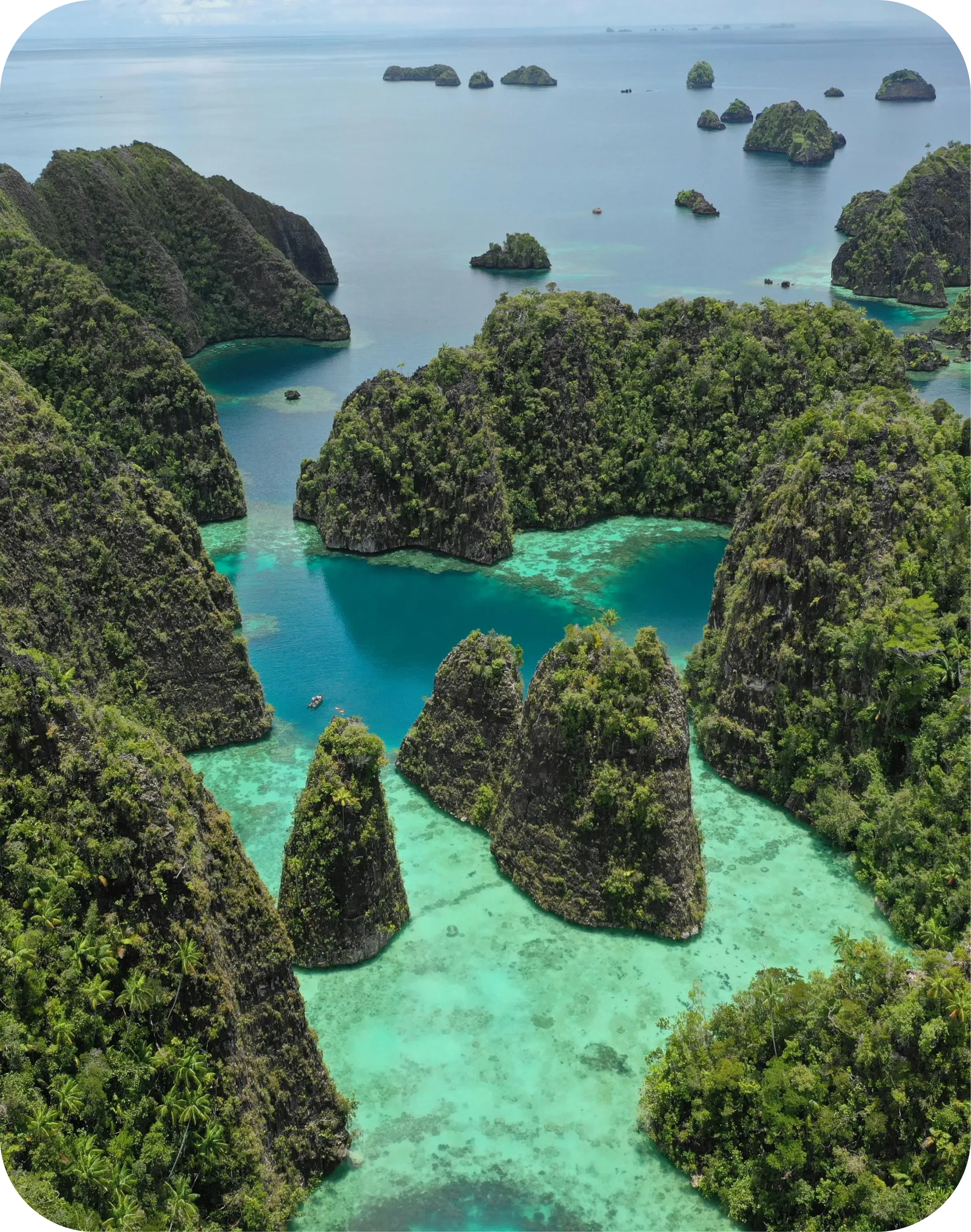
The two great Indonesian dive destinations offer fundamentally different experiences. Raja Ampat is a jewel-box of biodiversity, soft light, and intricate reef architecture. Komodo is raw, powerful, and elemental — a place where the tides move mountains of water and the marine life has adapted to conditions that few other reef systems in the world can match.
Both destinations reward experienced divers with memorable encounters, but Komodo demands more from its visitors in terms of fitness, drift diving skill, and tolerance for cold water and challenging conditions. DUNE can help you assess whether Komodo is the right next step in your diving journey, or whether you should begin with Raja Ampat and progress to Komodo as your experience grows.
Dive Komodo with DUNE
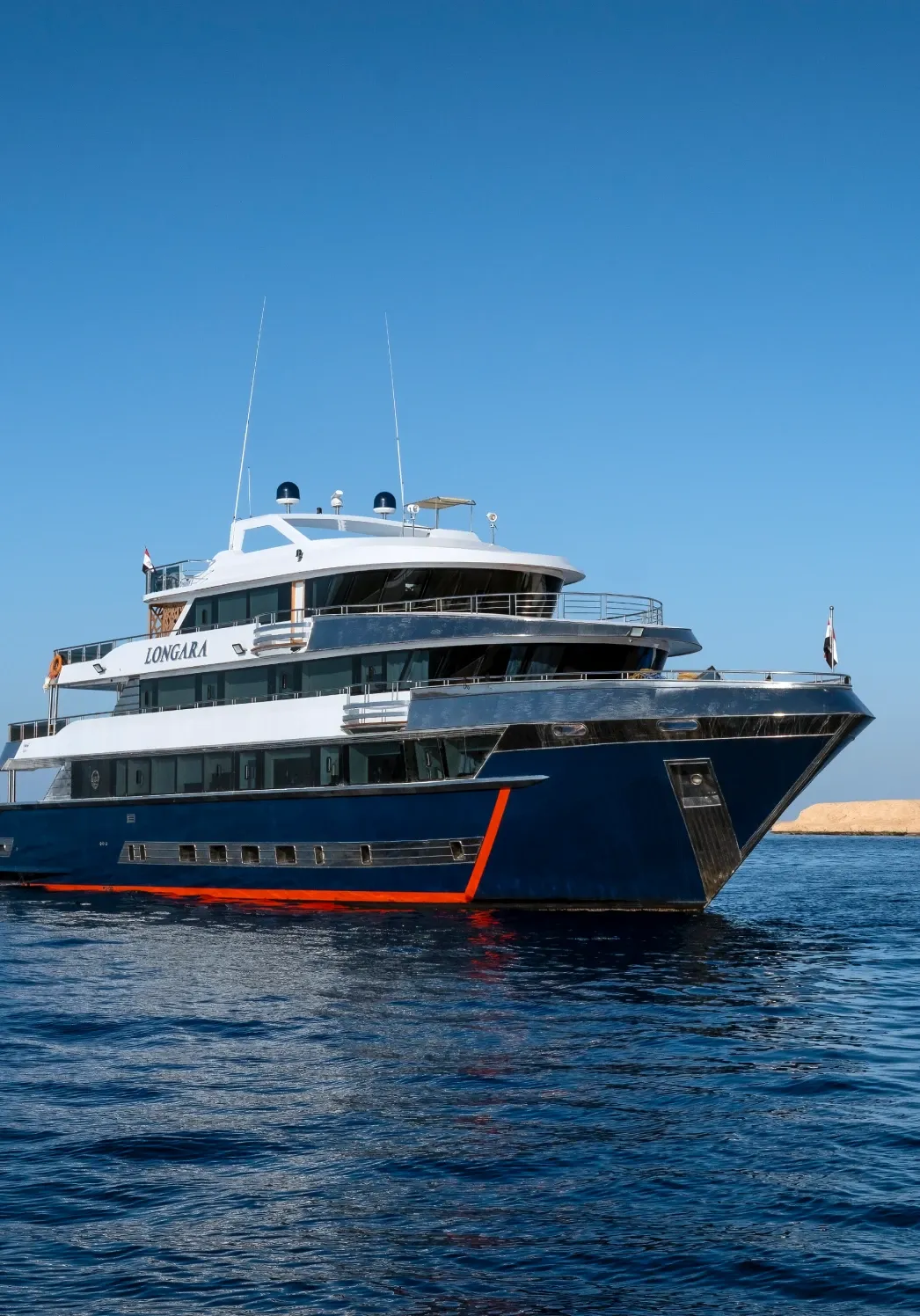
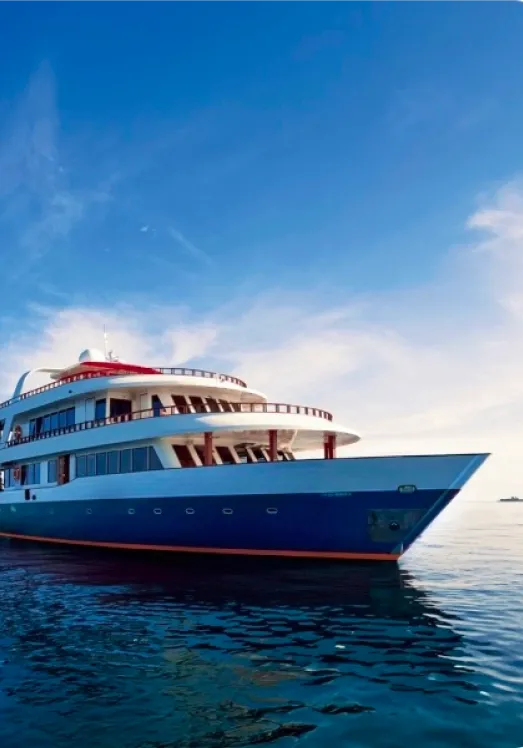
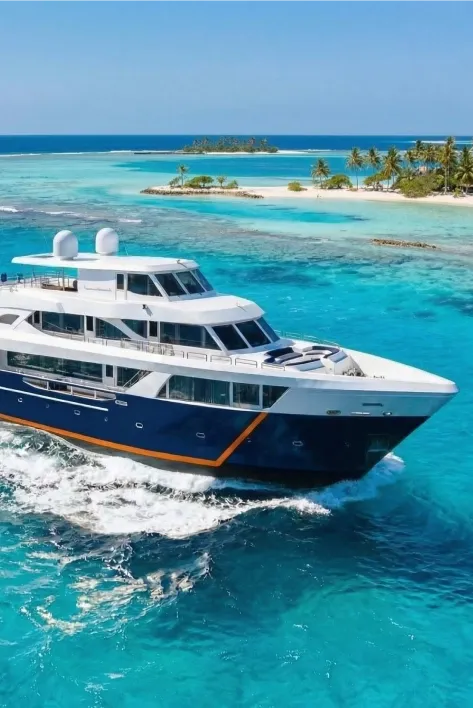
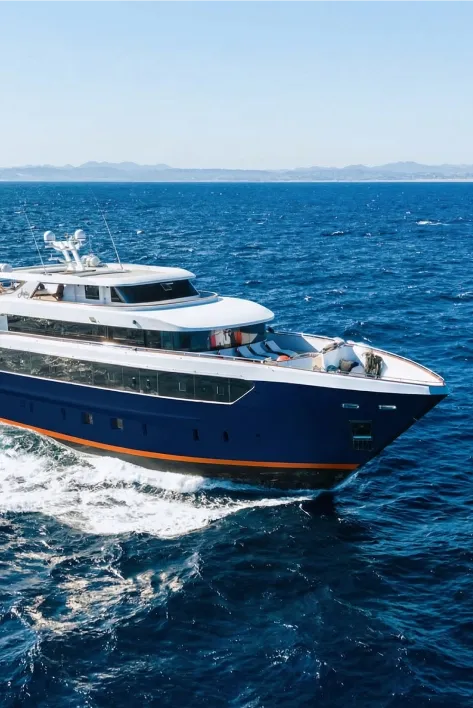
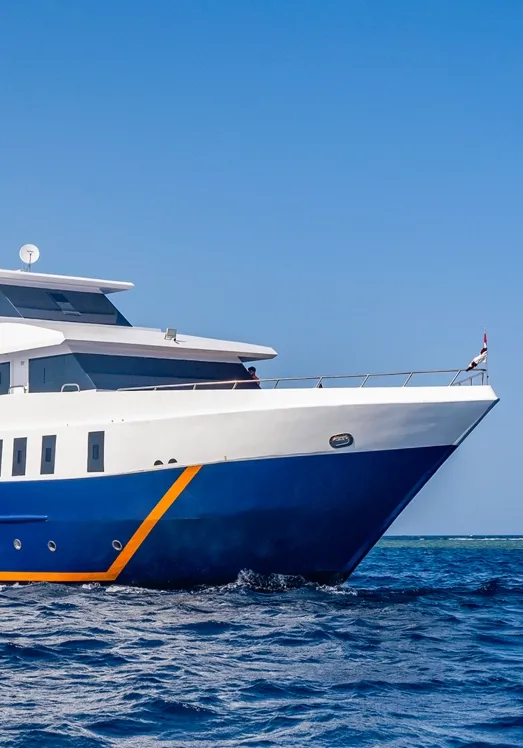
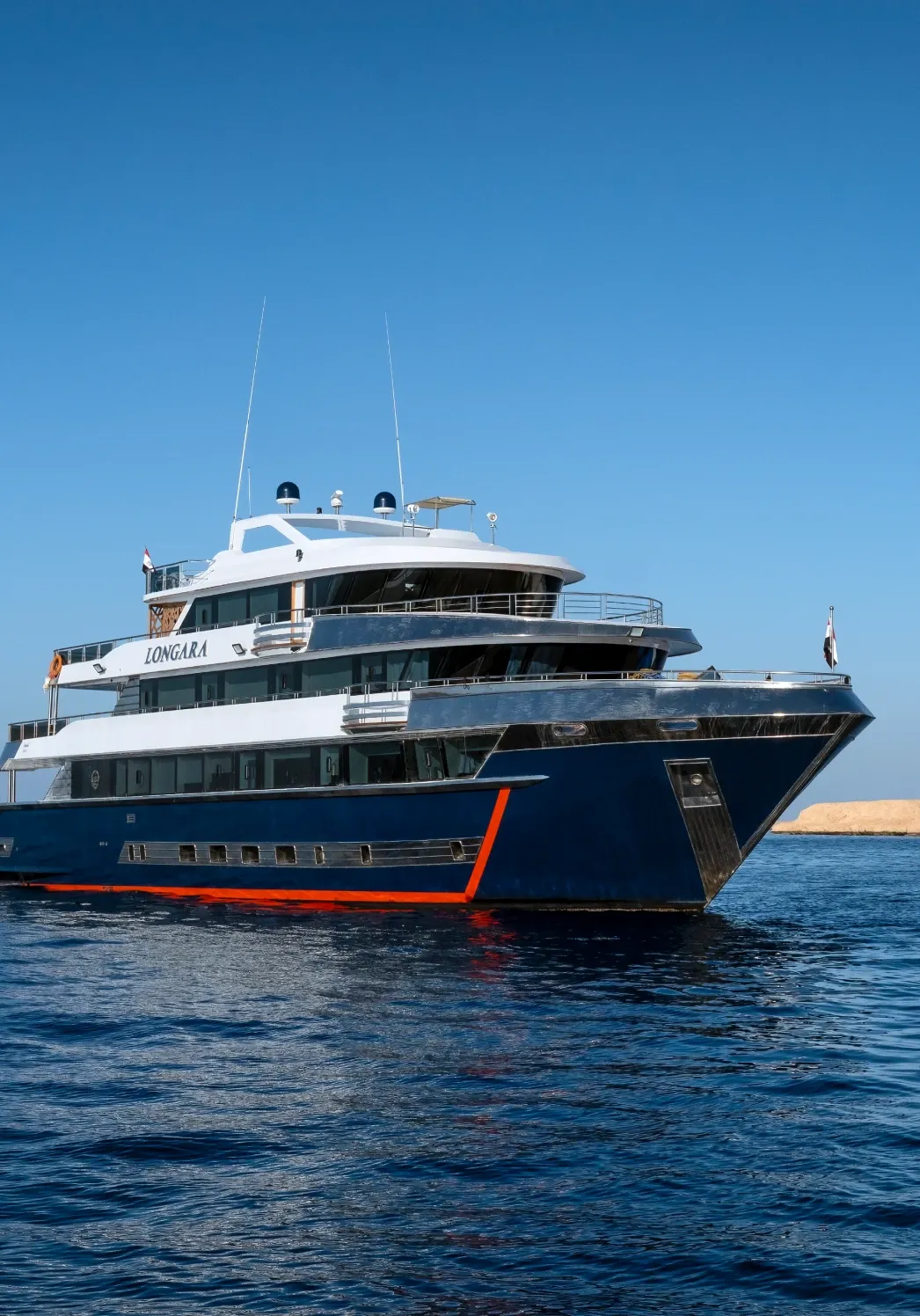
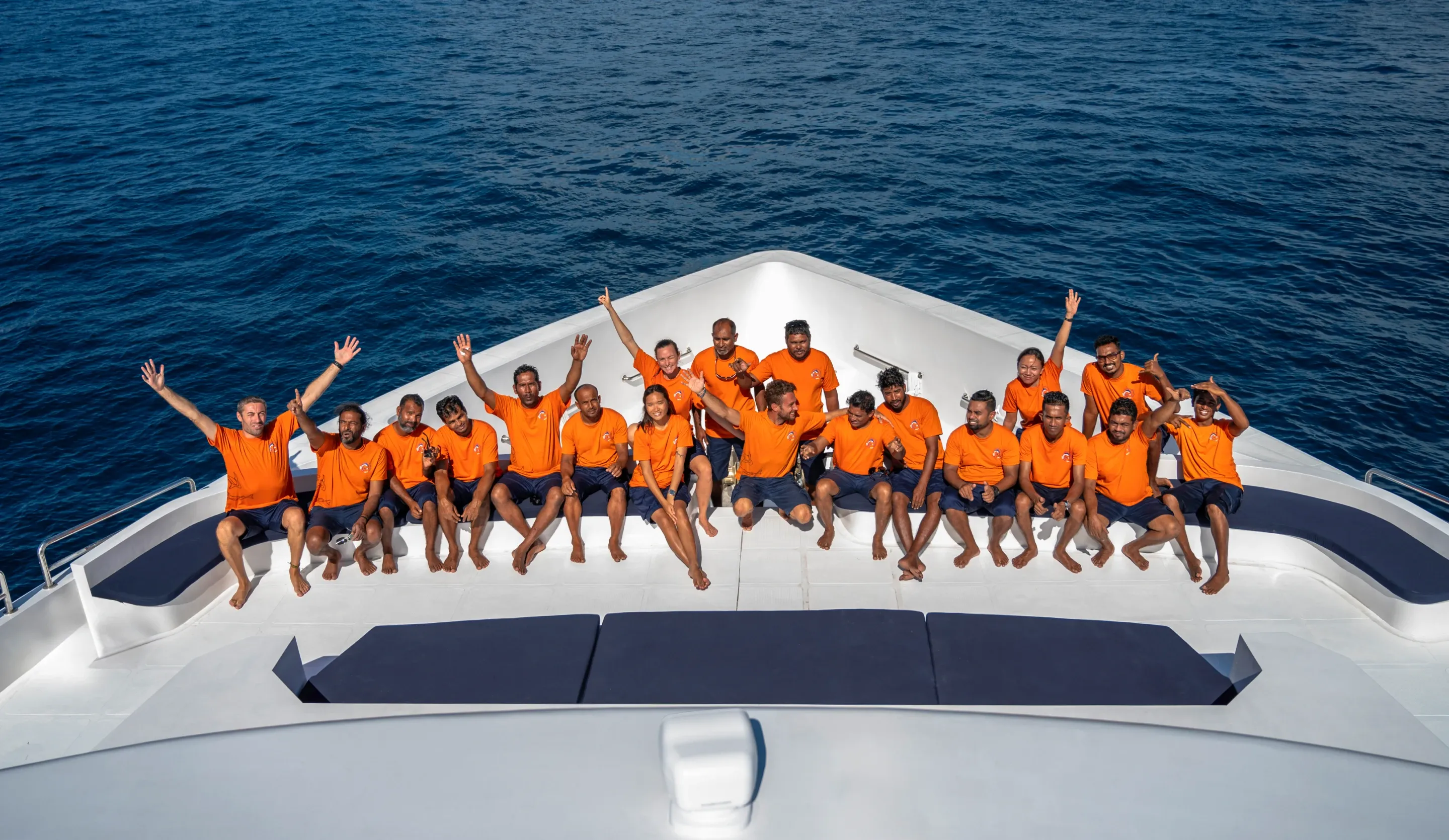
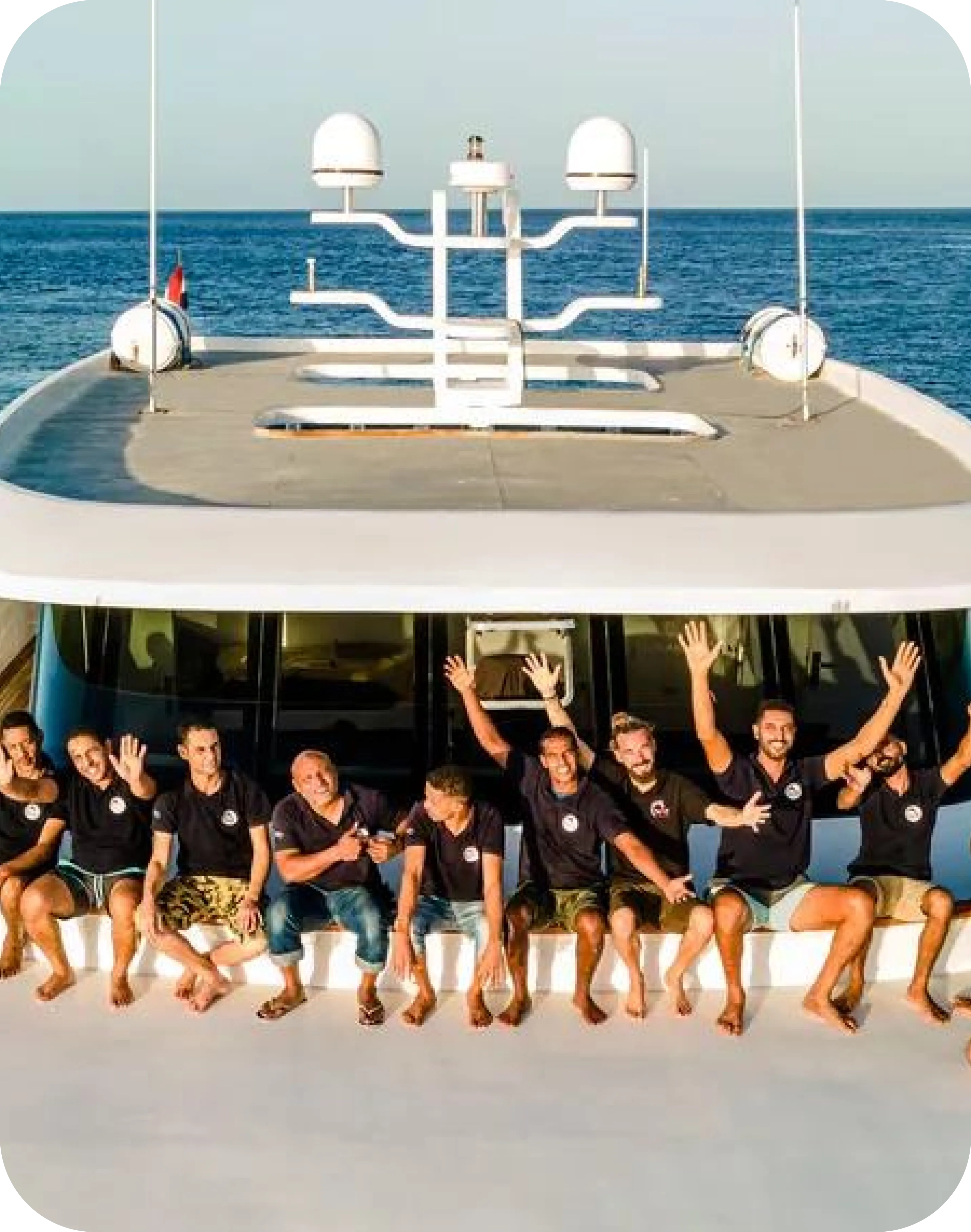
DUNE's Komodo liveaboard programmes are designed for serious divers who want to experience one of the world's most compelling underwater environments with expert guidance and the highest standards of safety and comfort. Our partner vessels offer Nitrox facilities, dedicated camera stations, and crews who are as passionate about the marine life as you are.
Speak to DUNE about our current Komodo departure calendar and let our specialists help you choose the right vessel, season, and itinerary for your experience level. From Paris to Labuan Bajo, we handle every detail so you can focus entirely on the diving.