













HMS Maori: Malta's Most Celebrated Wreck
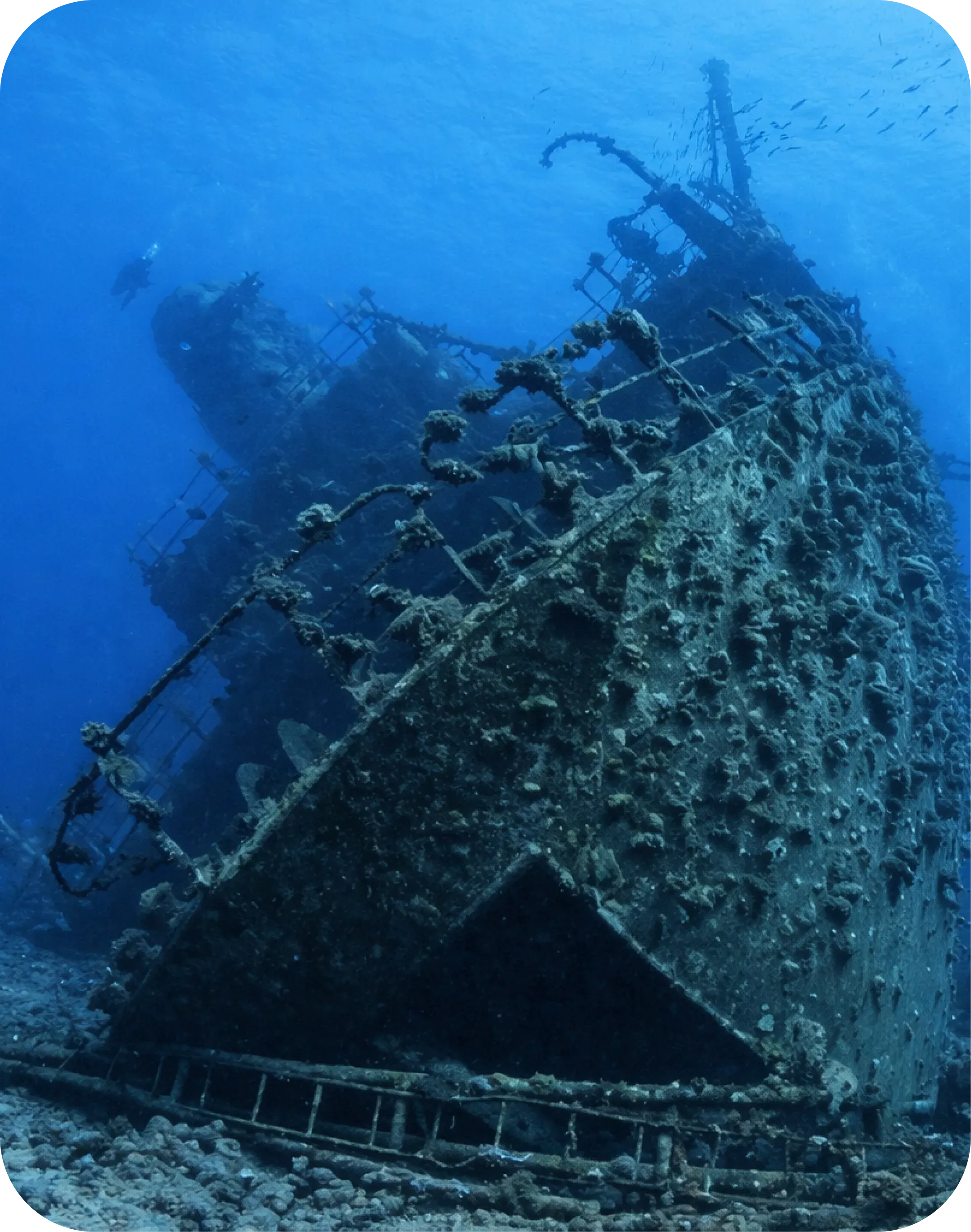
Of all the dive sites in Malta, HMS Maori holds a special place in the hearts of divers who have explored the Maltese archipelago. A genuine piece of World War Two history lying in just 14-17 metres of water in the shadow of Valletta's Grand Harbour, the Maori combines historical significance, excellent accessibility, and extraordinary marine life colonisation in a way that few wreck dives anywhere in the world can match.
DUNE regularly includes HMS Maori in our Malta diving programs, and for good reason: it rewards divers at every level, from Open Water beginners to experienced wreck specialists.
The History of HMS Maori
HMS Maori was a Tribal-class destroyer of the Royal Navy, launched in 1937 and commissioned in 1938. She served with distinction throughout the early years of WWII, participating in numerous convoy escorts and combat operations in the North Atlantic and Mediterranean.
Her most celebrated action came in May 1941, when HMS Maori played a critical role in the sinking of the German battleship Bismarck — one of the most significant naval actions of WWII. She landed torpedoes that helped disable the Bismarck before it was finally sunk by HMS Dorsetshire.
HMS Maori met her end on 12 February 1942, struck by a German bomb while moored in Valletta's Grand Harbour. She was subsequently towed to her current position outside the harbour mouth. In 1971, HMS Maori was officially designated a war grave by the British government.
Dive Site Overview
- Maximum depth: 17 metres
- Minimum depth: 5 metres
- Length: Approximately 115 metres (much of the wreck is preserved)
- Visibility: Typically 10-25 metres
- Current: Minimal — the sheltered position protects the site from significant tidal movement
- Entry: Boat dive only
Exploring the Wreck
- The Bow Section: One of the best-preserved parts of the wreck. The bow gun — a 4.7-inch naval gun — remains in situ and has become one of the most photographed objects in Maltese diving.
- The Midships: The central section shows the most battle damage but provides the richest marine life colonisation. Large sections of hull plating create swim-throughs and overhangs.
- The Stern Section: Features intact structural elements and particularly dense octopus populations.
- The Torpedo Tubes: HMS Maori's quintuple torpedo tube mounts are partially visible amidships — remarkable period naval engineering now encrusted with coral and sponge.
Marine Life on HMS Maori
- Dense populations of comber, painted comber, and Mediterranean sea bass sheltering within the wreck structure
- Moray eels (Muraena helena) occupying every available cavity — multiple individuals visible on virtually every dive
- Octopus throughout the wreck, especially around the stern section
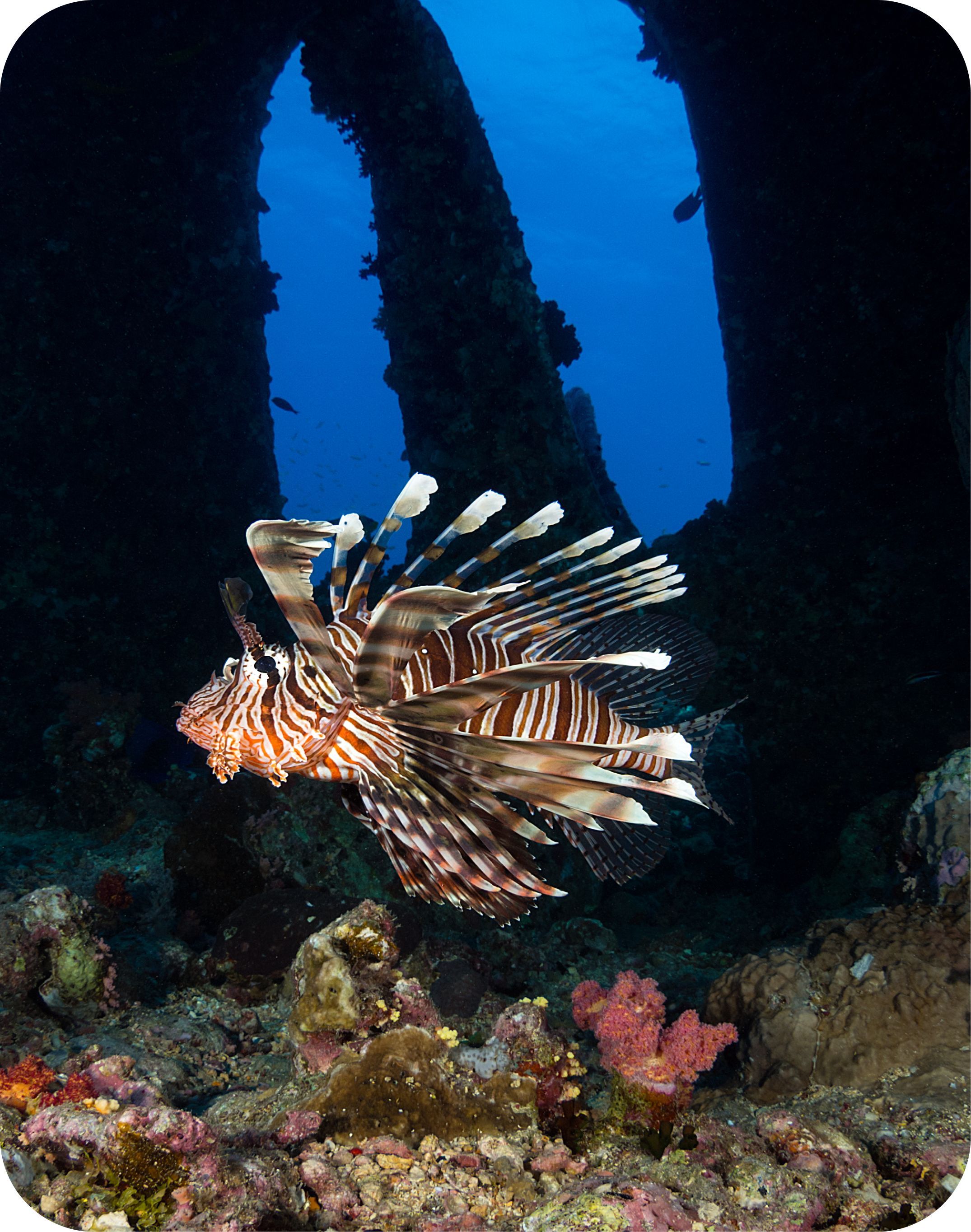
- Scorpionfish masterfully camouflaged against encrusted hull plates
- Schools of bogue, salema, and two-banded bream circling the higher points
- Occasional large dusky grouper in deeper crevices
Best Conditions for Diving
- Best season: April to November for warmest water and generally best visibility
- Best time of day: Early morning, when light penetration creates dramatic effects and divers are often alone on the site
- Water temperature: 14-16°C in winter (5-7mm wetsuit recommended), rising to 26-28°C in peak summer
Practical Information
- Certification required: Open Water Diver (accessible sections require no wreck specialisation)
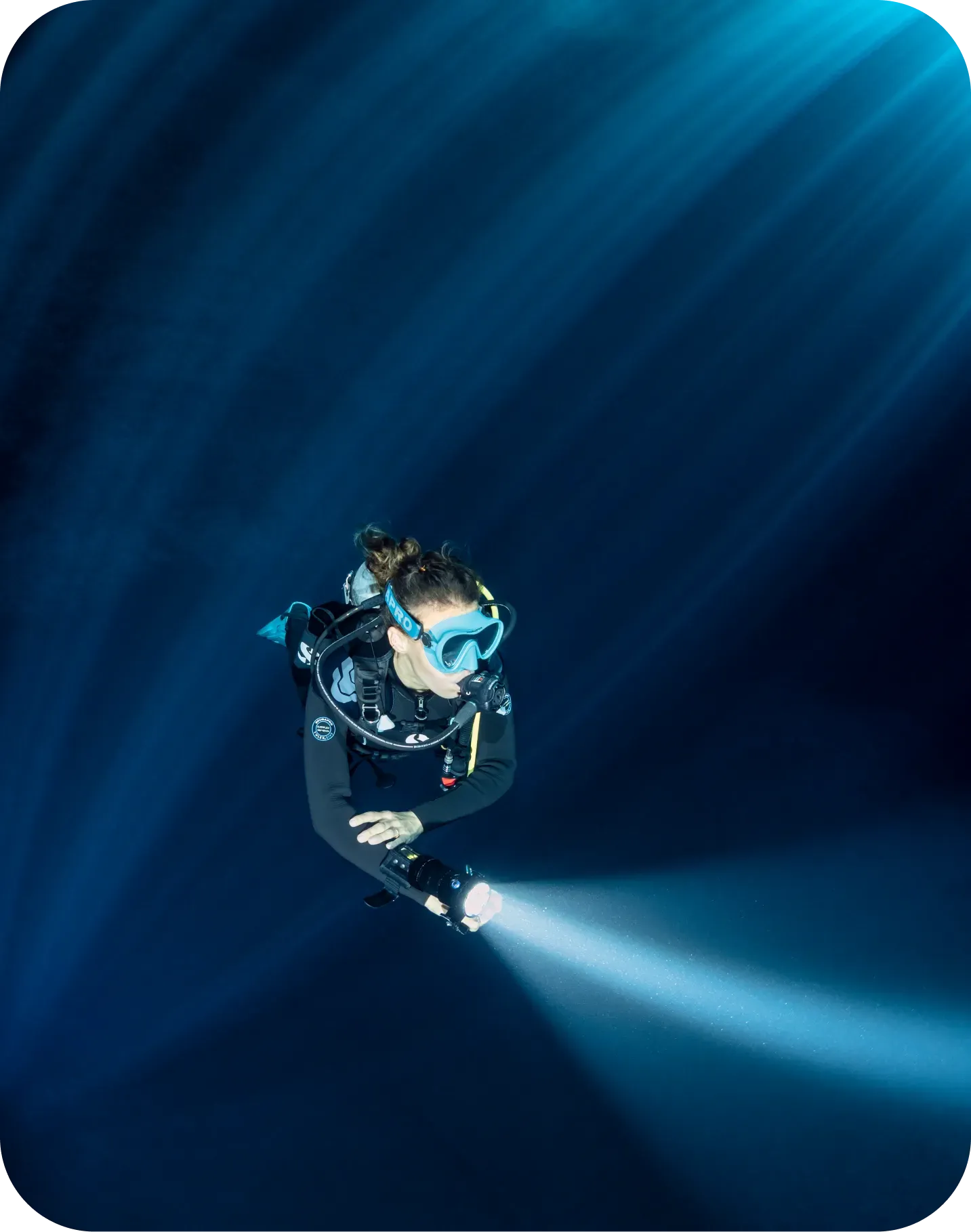
- Torch: Recommended for exploring cavities within the wreck structure
- Photography: Outstanding — wide-angle for the bow gun, macro for the diverse marine life
Dive HMS Maori with DUNE
DUNE includes HMS Maori in most of our Malta diving programs. Our expert guides will ensure you get the most from this historically significant and marine-life-rich wreck. We combine Maori dives with complementary sites including Cirkewwa and the Blue Grotto caves for a complete Malta diving experience.
Visit dune-world.com to explore our Malta programs and discover how to include HMS Maori in your Mediterranean diving itinerary.