












Indonesia: The World's Manta Ray Capital
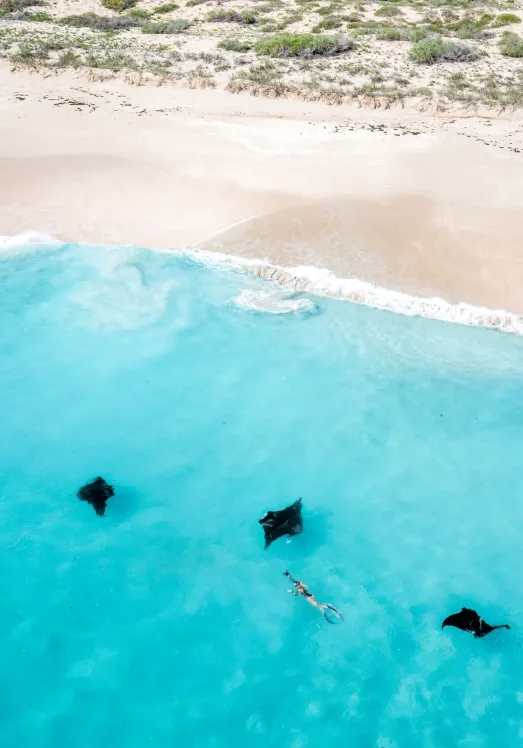
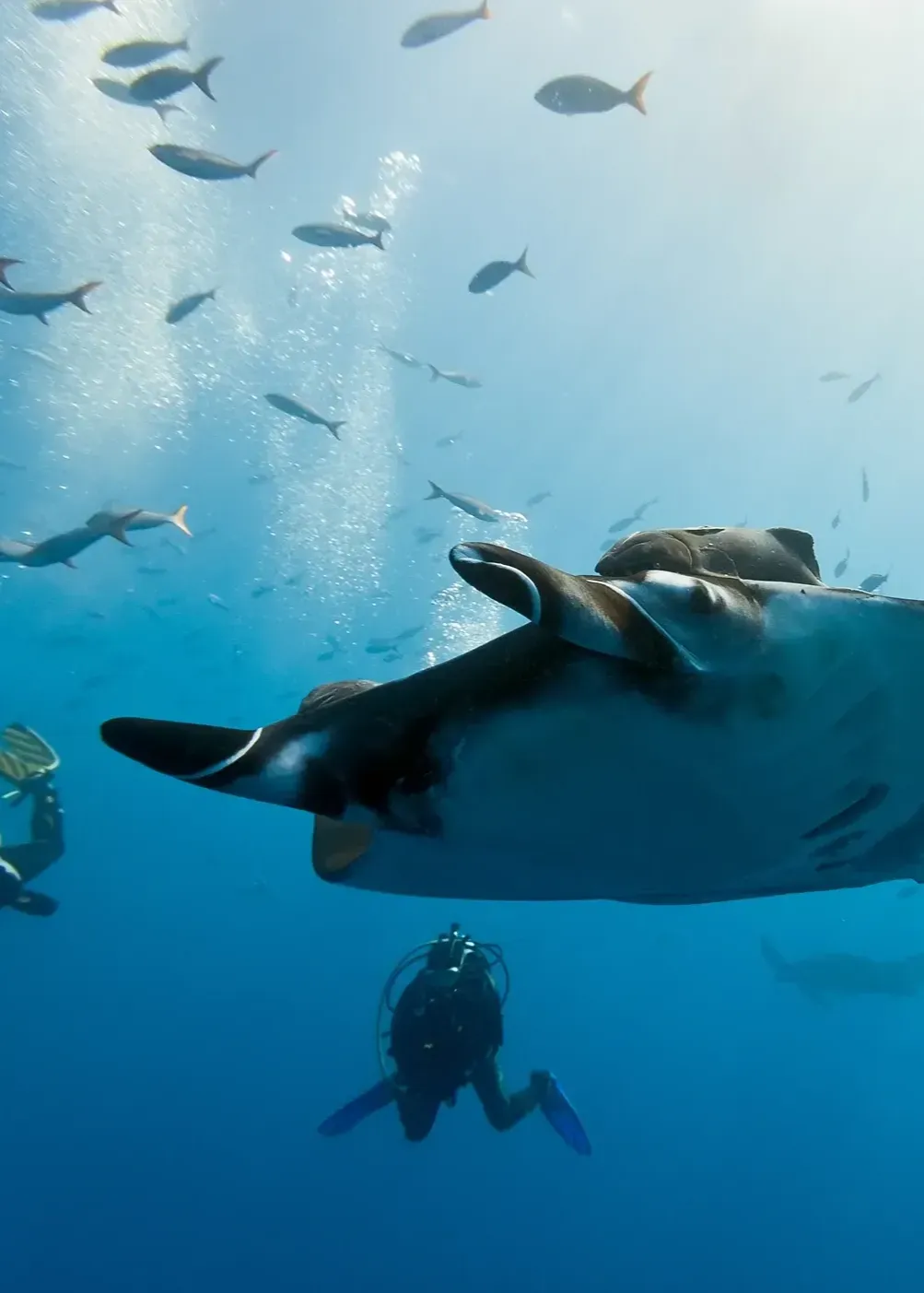
Indonesia is home to more manta rays than any other country on Earth. Both species — the reef manta (Mobula alfredi) and the oceanic manta (Mobula birostris) — are found in Indonesian waters in significant numbers, and the country hosts some of the most important aggregation sites for both species anywhere in their global range.
The Indonesian archipelago's position at the convergence of major ocean current systems creates the plankton-rich conditions that manta rays depend on for feeding. The combination of protected bays and channels where cleaning stations can establish permanently, open ocean feeding grounds, and diverse habitats that support manta populations through all phases of their life cycle makes Indonesia uniquely important for the global conservation of these animals.
For divers, this means that encounters with manta rays in Indonesia are more reliably available and more diverse in character than anywhere else in the world. From the shallow cleaning station encounters of Raja Ampat to the open-ocean feeding aggregations of Komodo and the deep-water cleaning stations of the Maldives-comparable sites in the Banda Sea, Indonesia's mantas can be experienced in virtually every behavioural context.
Understanding Manta Ray Biology
Manta rays are not sharks — they are batoids, more closely related to stingrays than to the pelagic sharks they superficially resemble in silhouette. Understanding their biology helps explain both their vulnerability to conservation threats and the specific circumstances under which diving encounters are most productive and ethical.
Manta rays are the largest ray species in the world. Oceanic mantas can have disc widths exceeding seven metres and weigh over 1,500 kilograms. Reef mantas are somewhat smaller, with disc widths typically between three and five metres. Both species are extraordinarily long-lived — individuals have been documented at known sites for over thirty years — and reproduce very slowly, with females typically producing a single pup every two to three years.
- Gestation period: approximately twelve months
- Maturity age: eight to ten years
- Maximum recorded lifespan: forty years+
- Natural mortality from predation: very low (orca and large sharks occasionally)
Conservation Threats
Despite their impressive size and longevity, manta rays face severe conservation threats that have dramatically reduced their populations across their range over the past thirty years. The primary driver of manta ray decline globally is targeted fishing for their gill plates — the comb-like filtering structures that mantas use to strain plankton from the water — which are sold primarily in Chinese traditional medicine markets as a purported health supplement with no scientifically validated benefit.
Indonesia was historically one of the world's largest manta ray fishing nations, with major landing sites in Lombok, East Java, and Papua regularly processing hundreds of animals. The transition of these fishing communities away from manta fishing — driven partly by international conservation advocacy and partly by the emerging economic value of manta ray dive tourism — represents one of the most significant recent developments in marine conservation in Southeast Asia.
Indonesia's Manta Ray Protection Framework
In 2014, Indonesia declared its entire 6.3 million square kilometre Exclusive Economic Zone a national shark and manta ray sanctuary — the world's largest — making it illegal to catch, trade, or possess manta rays anywhere in Indonesian waters. This legislation, combined with a growing network of Marine Protected Areas and community-based conservation programmes, has transformed Indonesia's relationship with these animals from predator to guardian.
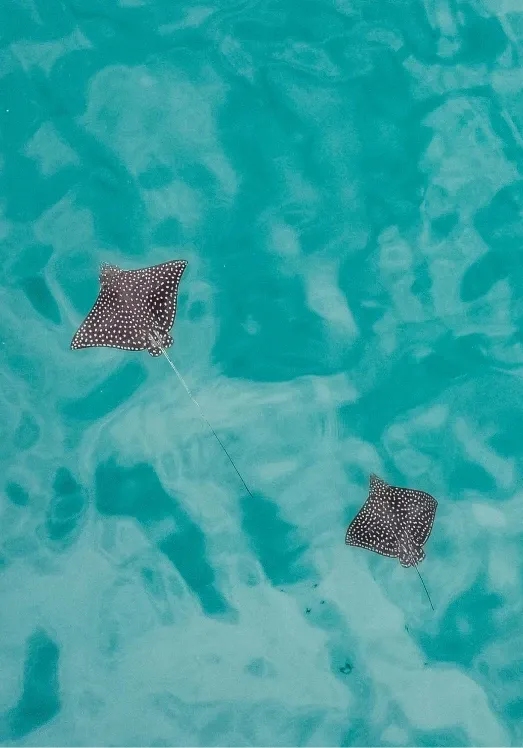
The effectiveness of this protection has been most visible at established dive sites. Manta ray populations at known aggregation areas including Raja Ampat, Komodo, and Nusa Penida have stabilised and in some cases shown signs of recovery since the fishing ban took effect. Individual identification studies using photo-identification of unique spot patterns on manta undersides have been running at several sites for over a decade, allowing scientists to track population health and individual life histories with increasing precision.
Best Places to Dive with Manta Rays in Indonesia
- Manta Sandy and Manta Ridge, Raja Ampat — year-round cleaning station encounters; reef mantas
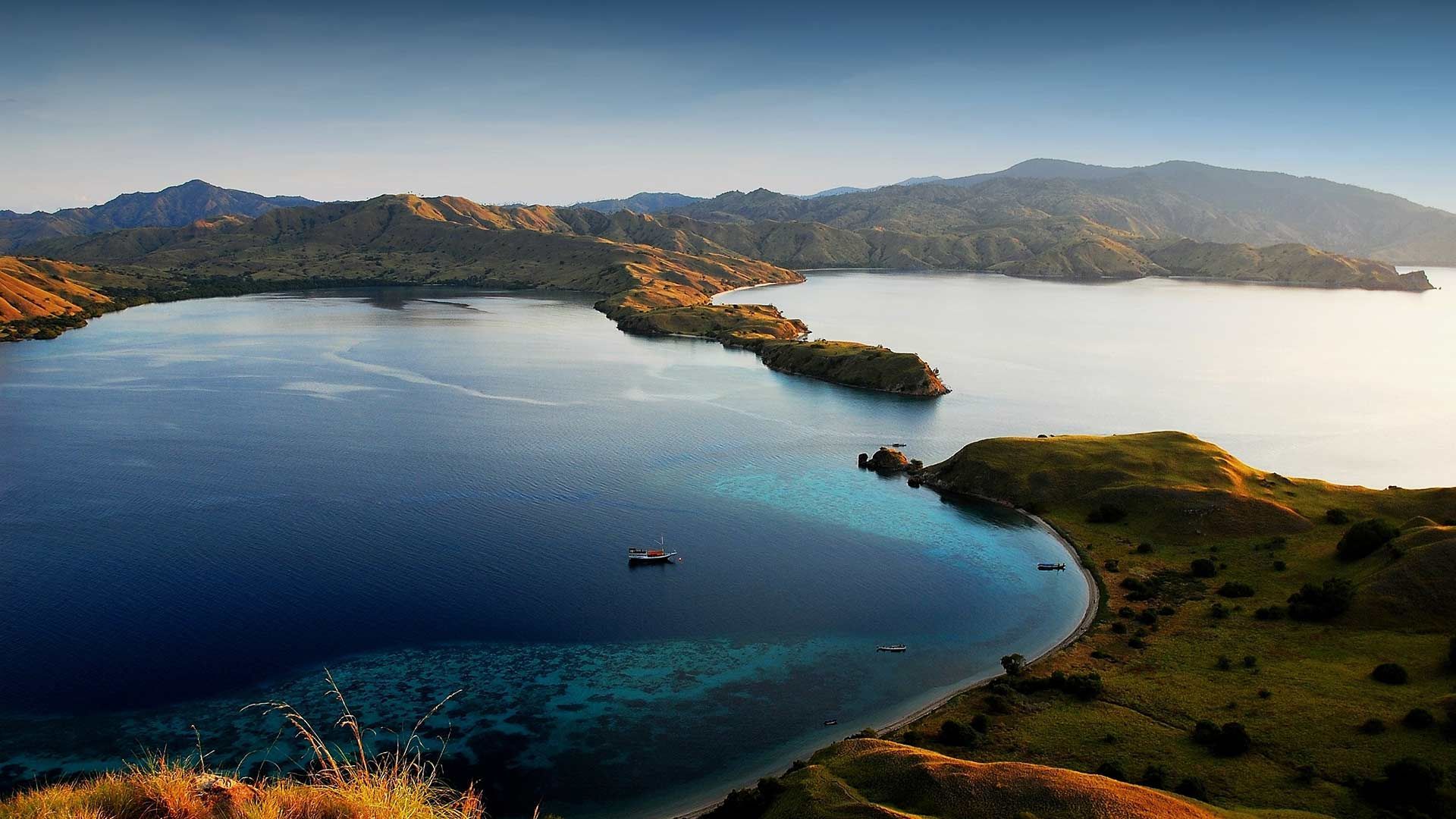
- Manta Alley, Komodo — feeding aggregations; both species possible; best June-August
- Manta Point, Nusa Penida (Bali) — reliable year-round; often multiple individuals simultaneously
- Magic Mountain, Misool (Raja Ampat) — cleaning station; oceanic mantas occasionally
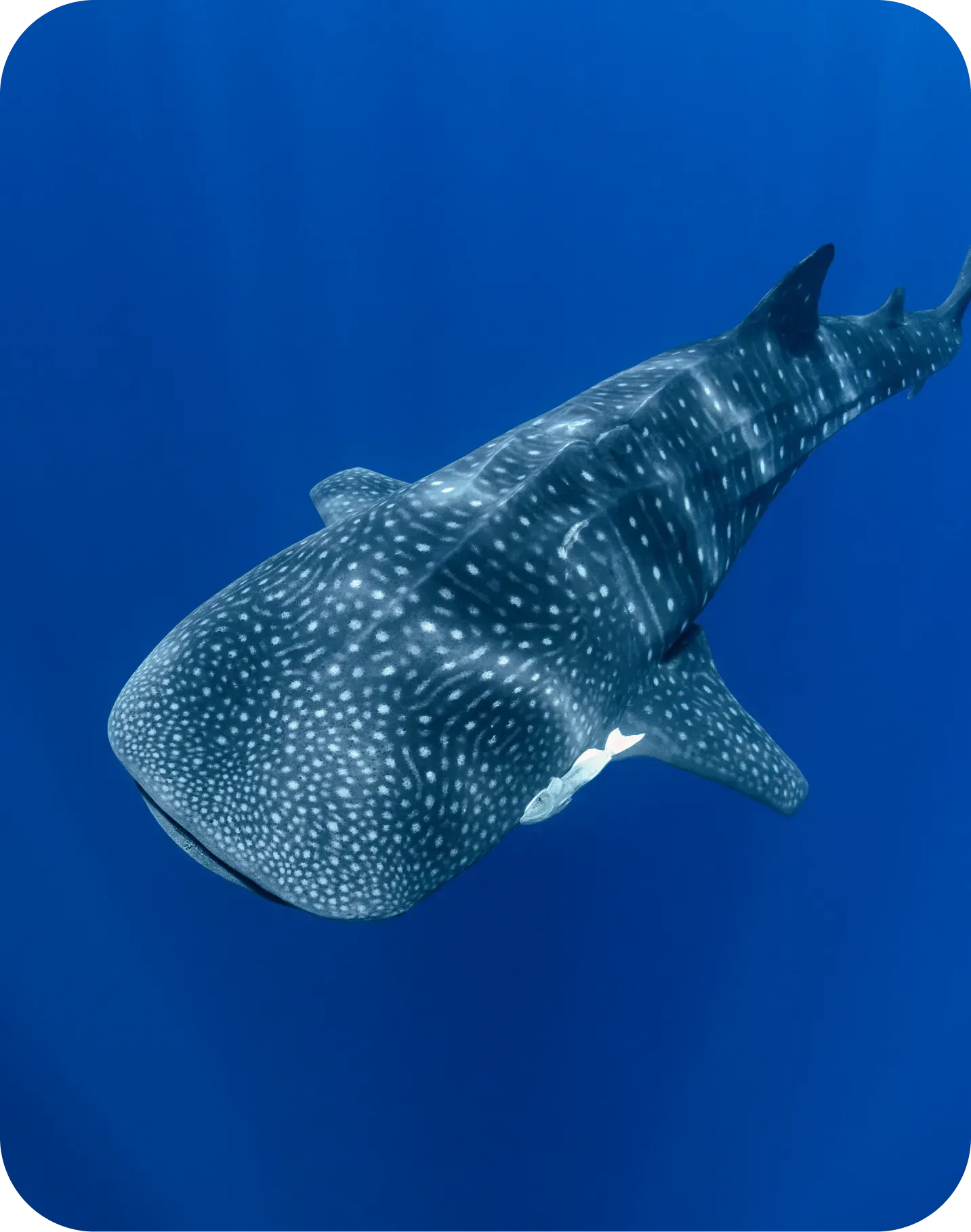
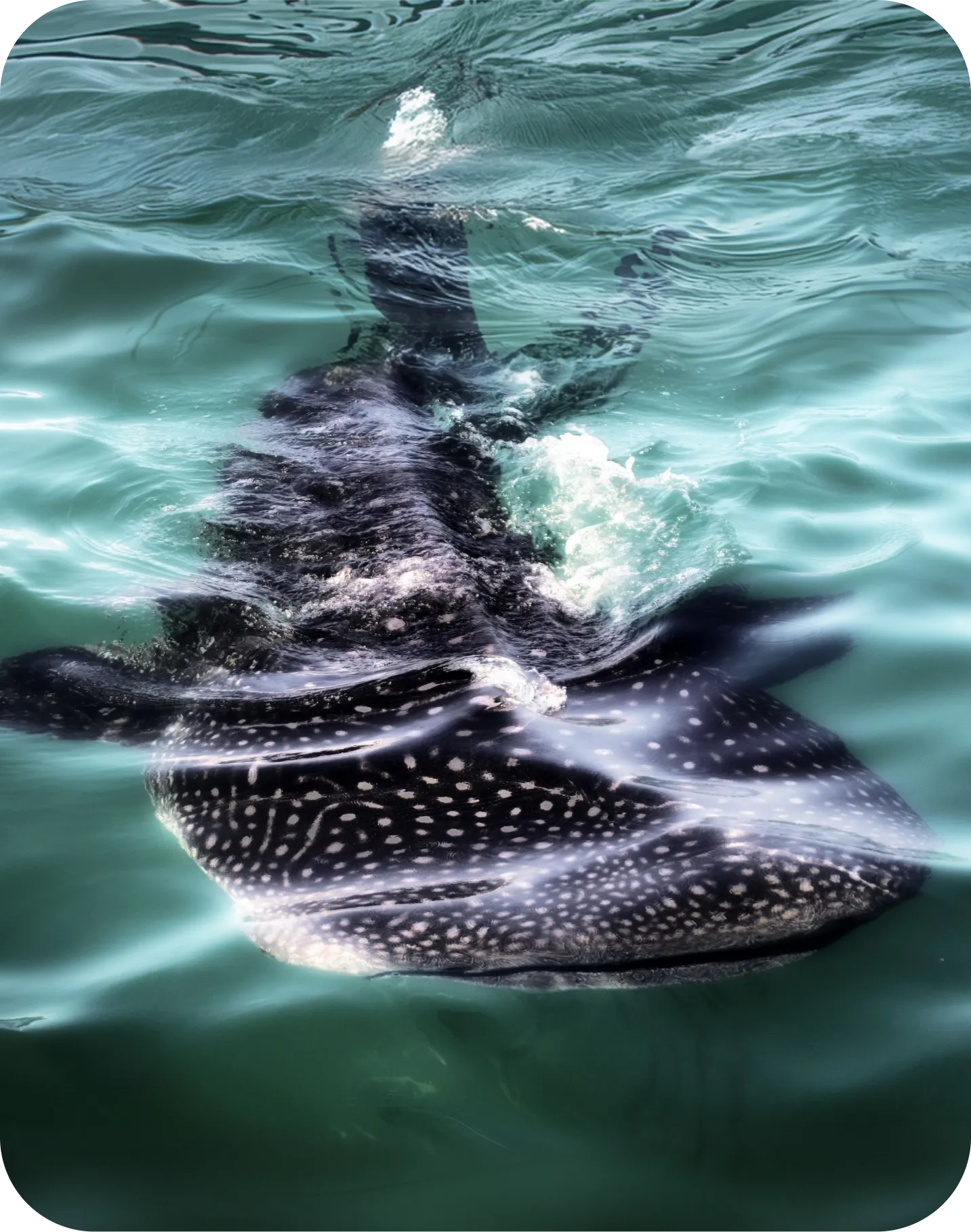
- Cenderawasih Bay — whale sharks AND manta rays; extraordinary aggregations
How to Dive with Manta Rays Responsibly
The ethical standard for manta ray diving is well-established and widely accepted within the responsible dive community. The key principles are:
- Never touch or attempt to touch a manta ray under any circumstances
- Do not approach closer than three metres from the animal's body
- At cleaning stations, remain stationary rather than swimming toward the mantas
- Never get between a manta and the cleaning station reef
- Avoid blocking the manta's direction of travel
- Keep group size small at cleaning stations — maximum six to eight divers per station
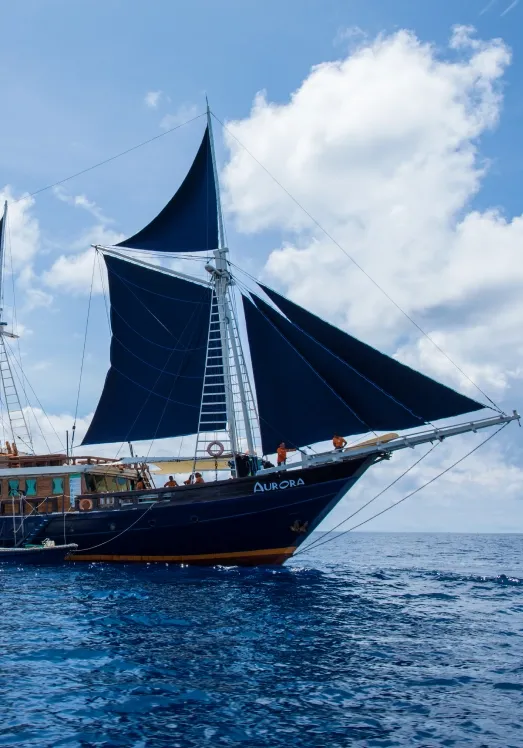
DUNE applies these standards without exception on all our Indonesian liveaboards. Our briefings before manta ray dives cover both the ecological context and the specific behavioural guidelines in detail.
Supporting Conservation Through Responsible Tourism
Every DUNE Indonesia booking includes a conservation contribution that funds specific protection programmes: cleaning station monitoring at Raja Ampat, the Manta Watch identification programme at Nusa Penida, and anti-poaching patrol support in the Banda Sea. These contributions are transparent, trackable, and result in measurable conservation outcomes.
When you choose DUNE for your Indonesia manta ray diving adventure, you are not just purchasing an extraordinary travel experience — you are actively contributing to the long-term protection of the animals you have come to see.
Contact DUNE to discover our manta ray diving programmes in Indonesia and ask about our conservation partnerships and commitments.