








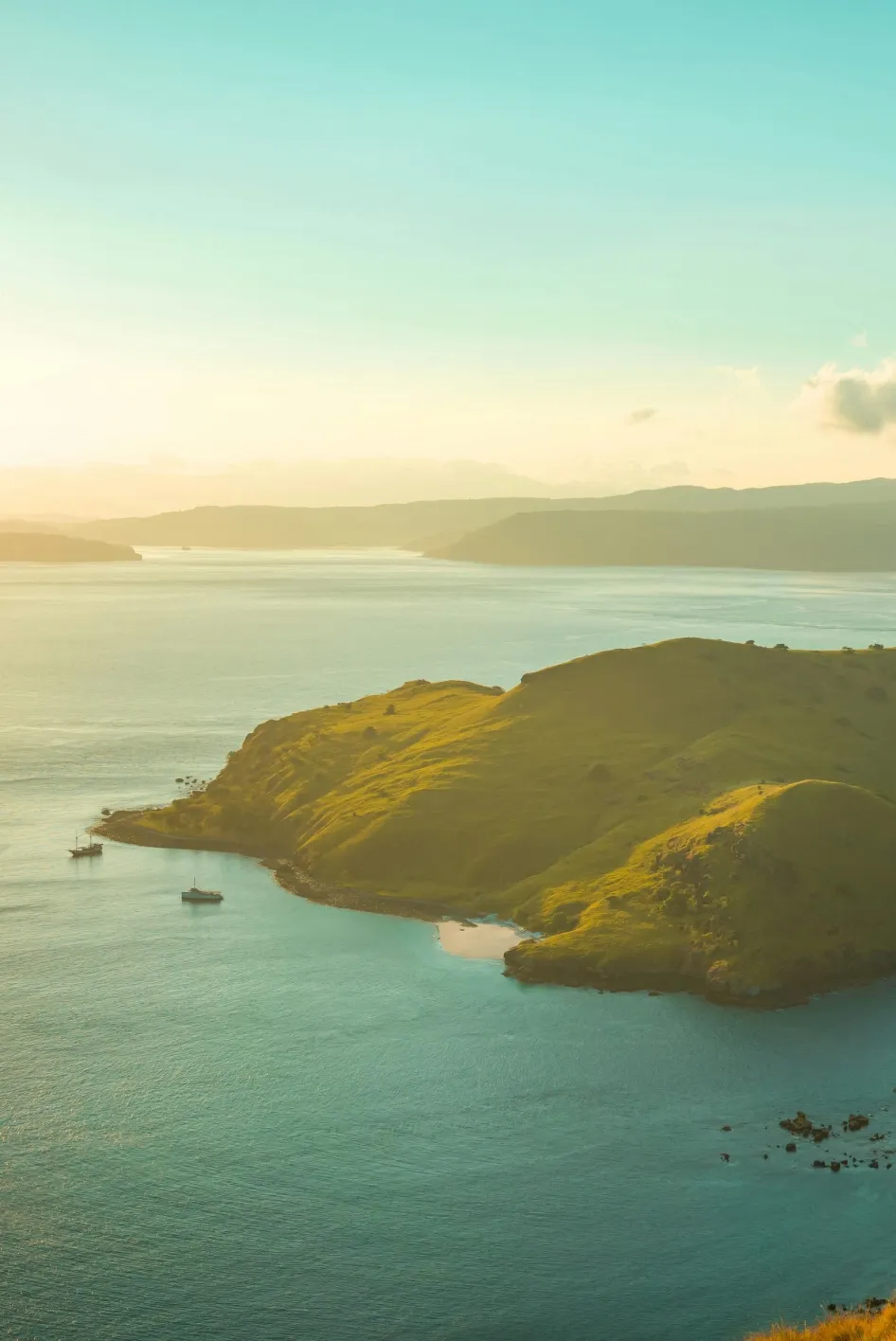
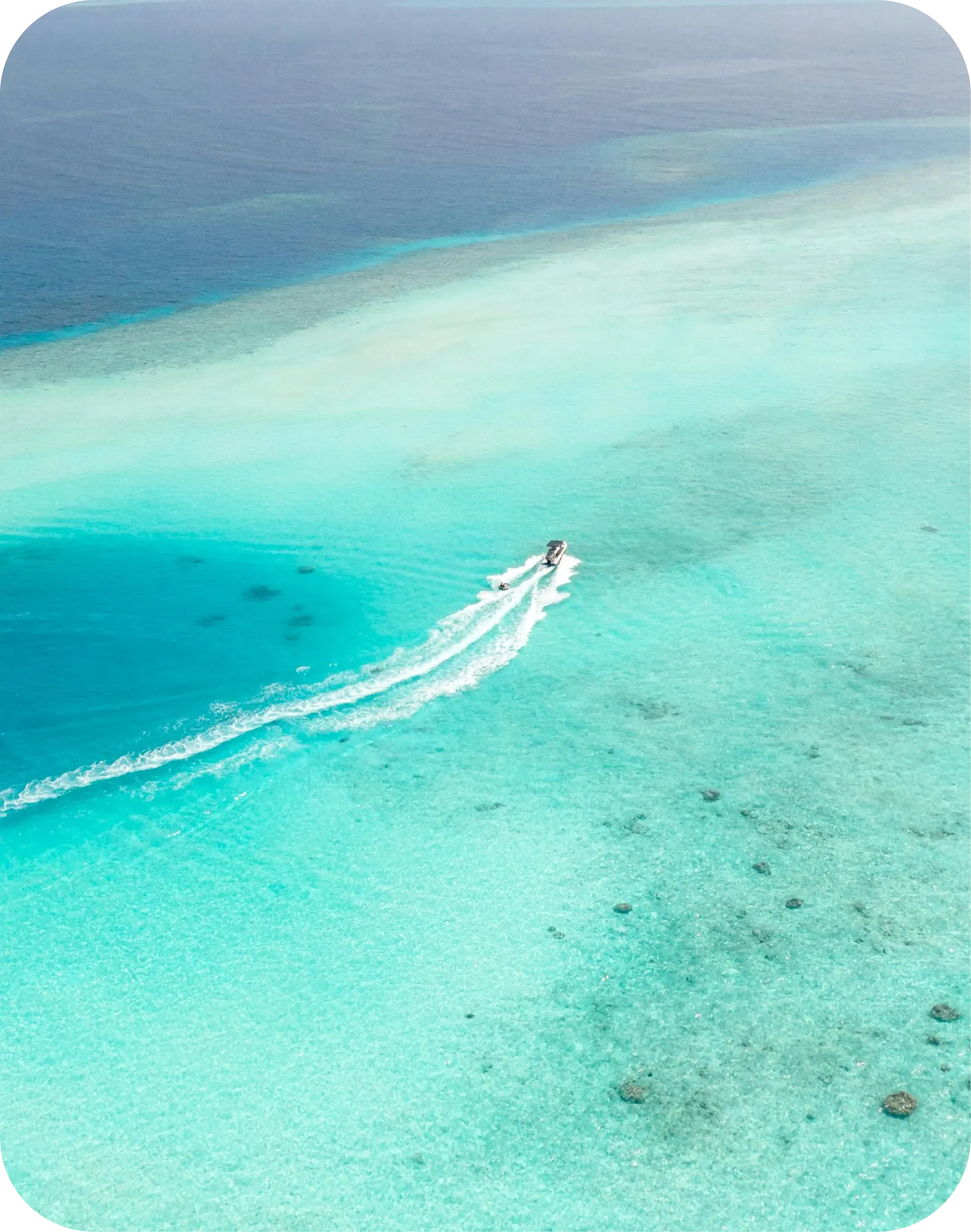
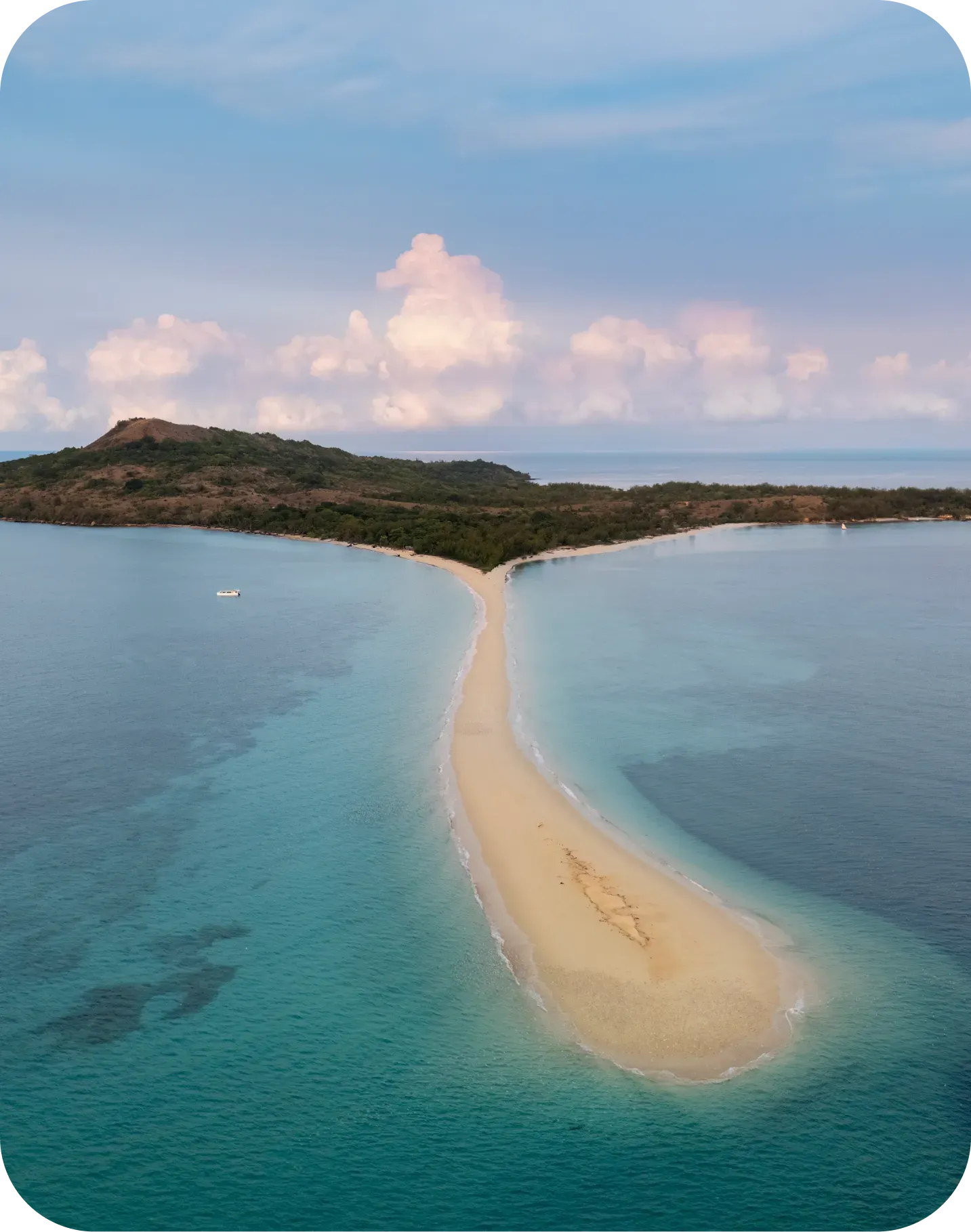




As the sun dips below the horizon, casting a golden hue across the turquoise waters, the Maldives emerges as a paradise for divers and marine enthusiasts alike. Renowned for its vibrant coral reefs and diverse marine life, this Indian Ocean archipelago is not just a dream destination for underwater exploration; it's also a leader in global marine conservation efforts. From protecting delicate ecosystems to conducting groundbreaking research on iconic species like mantas and sharks, the Maldives serves as a model for sustainable diving practices. In this article, we will dive deep into the world of conservation diving in the Maldives, exploring its initiatives, key dive sites, and how you can play an integral role in protecting this underwater paradise.
The Maldives: A Conservation Leader
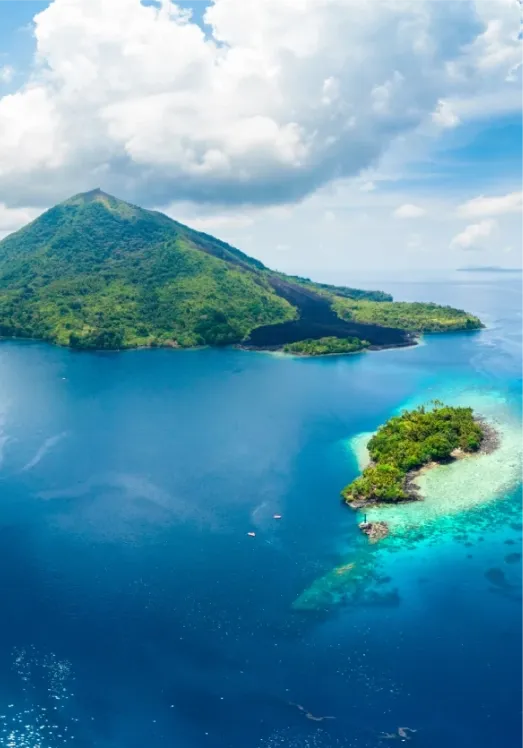
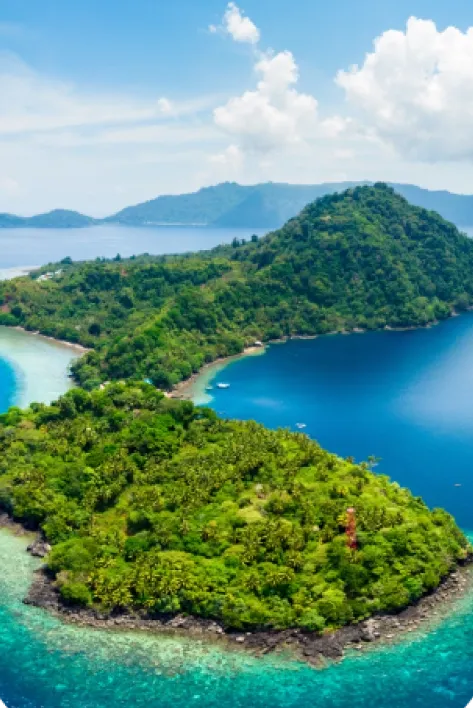
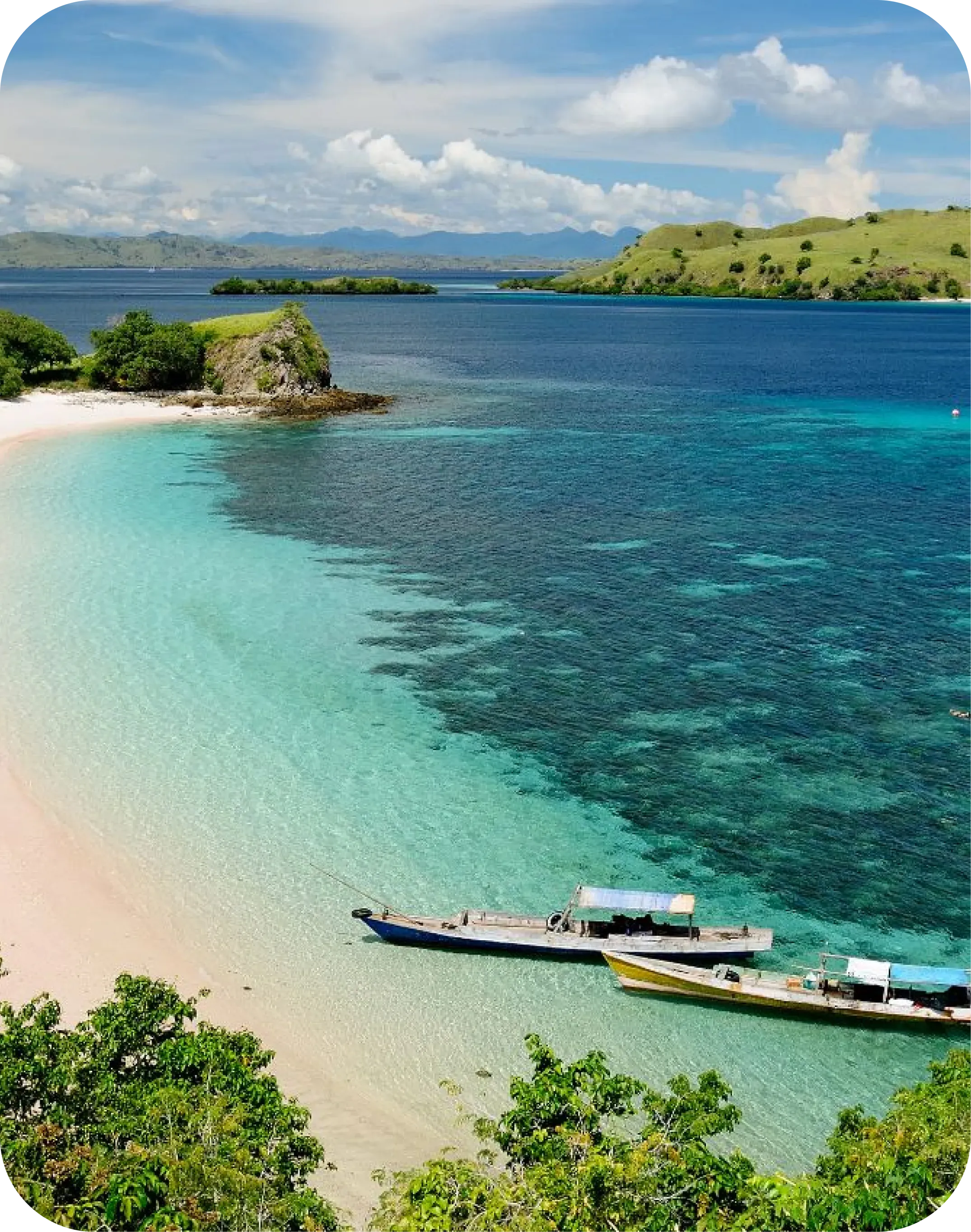
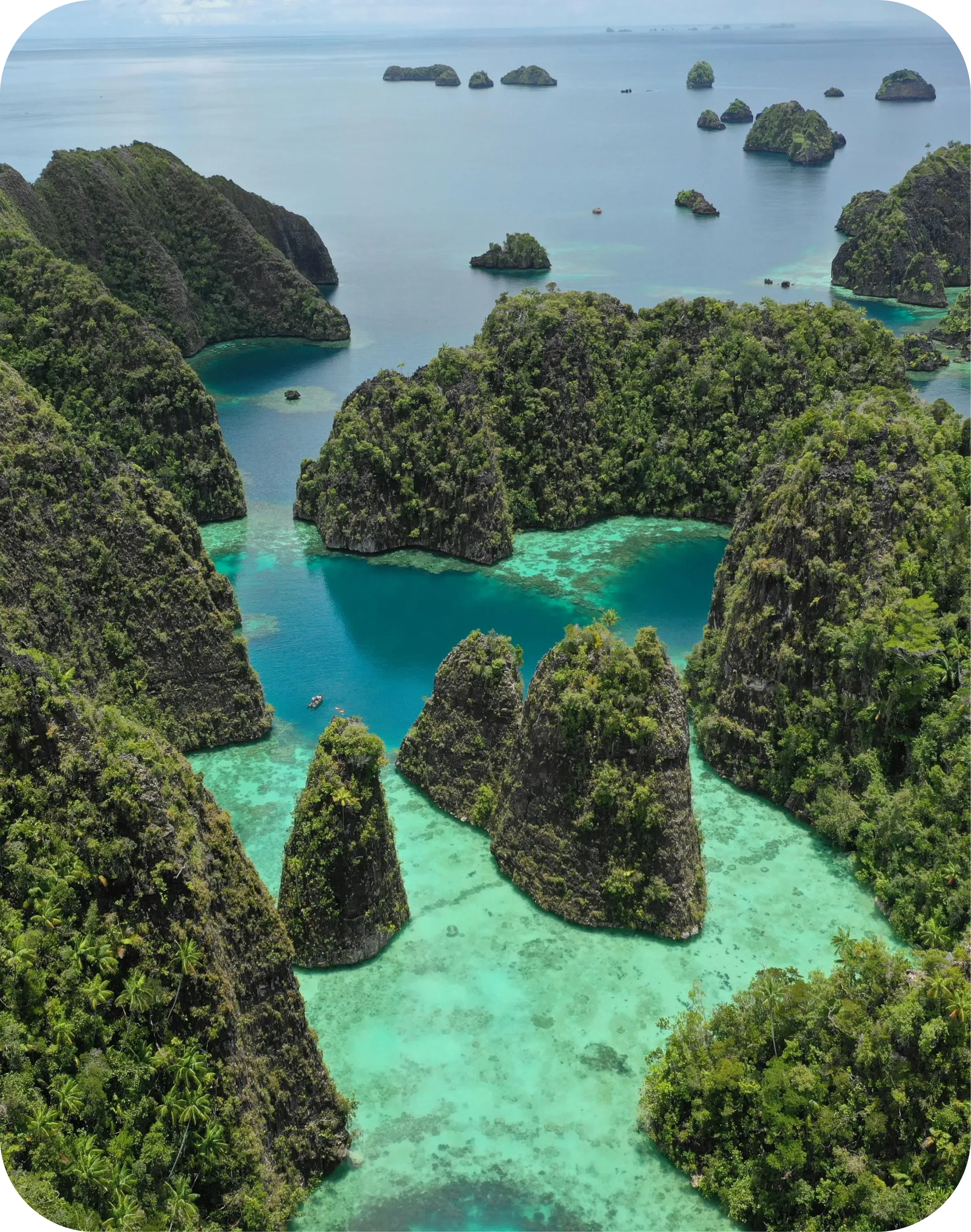
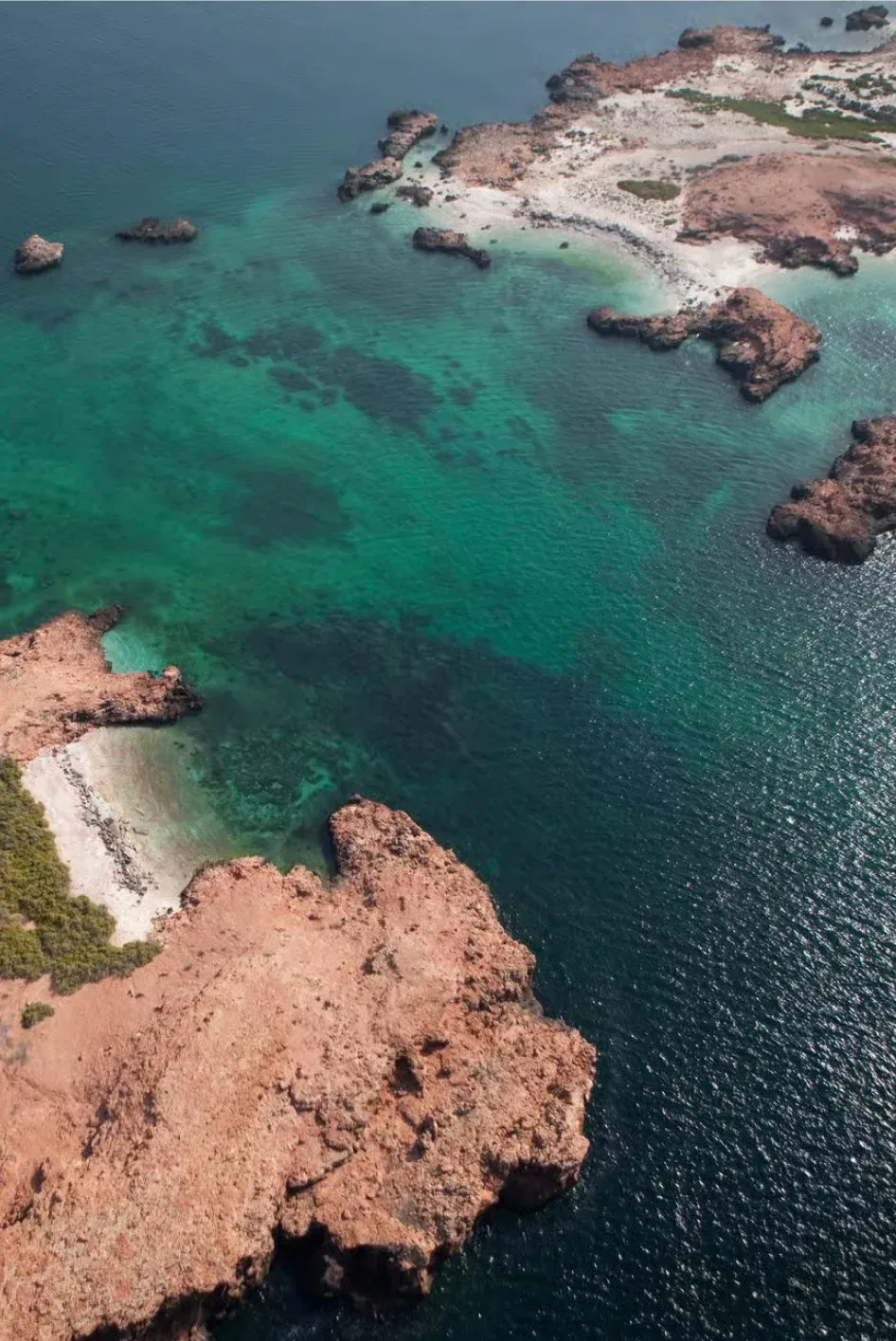
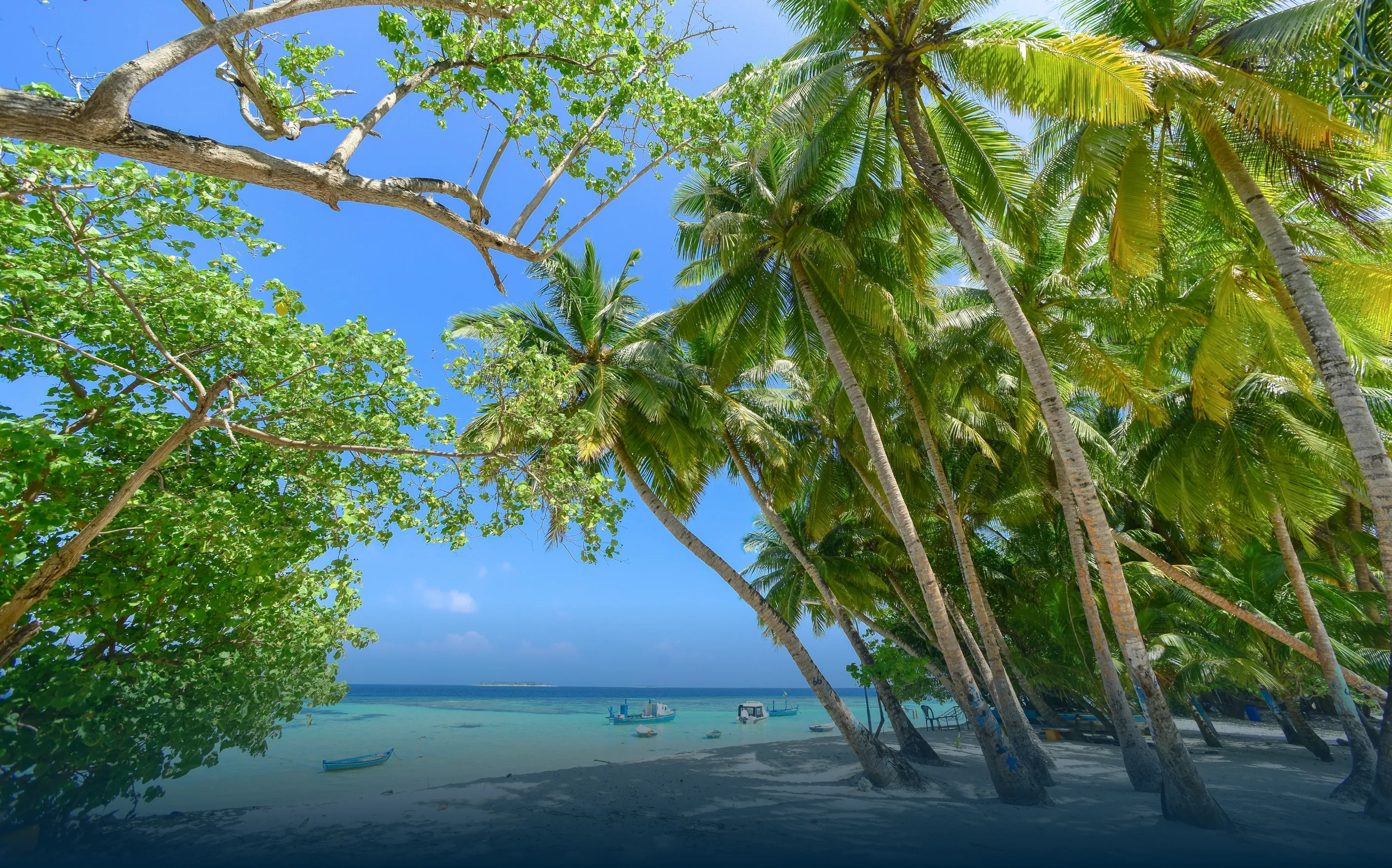
The Maldives is often celebrated for its breathtaking beauty, but it also stands out as a pioneer in marine conservation. With 26 atolls and over 1,000 coral islands, the country boasts some of the richest marine biodiversity in the world. The Maldivian government has implemented various protective measures, such as establishing marine protected areas (MPAs) and promoting sustainable tourism practices. These initiatives aim to preserve the delicate balance of marine ecosystems while allowing divers to experience the Maldives' wonders responsibly.
Reef Protection Initiatives
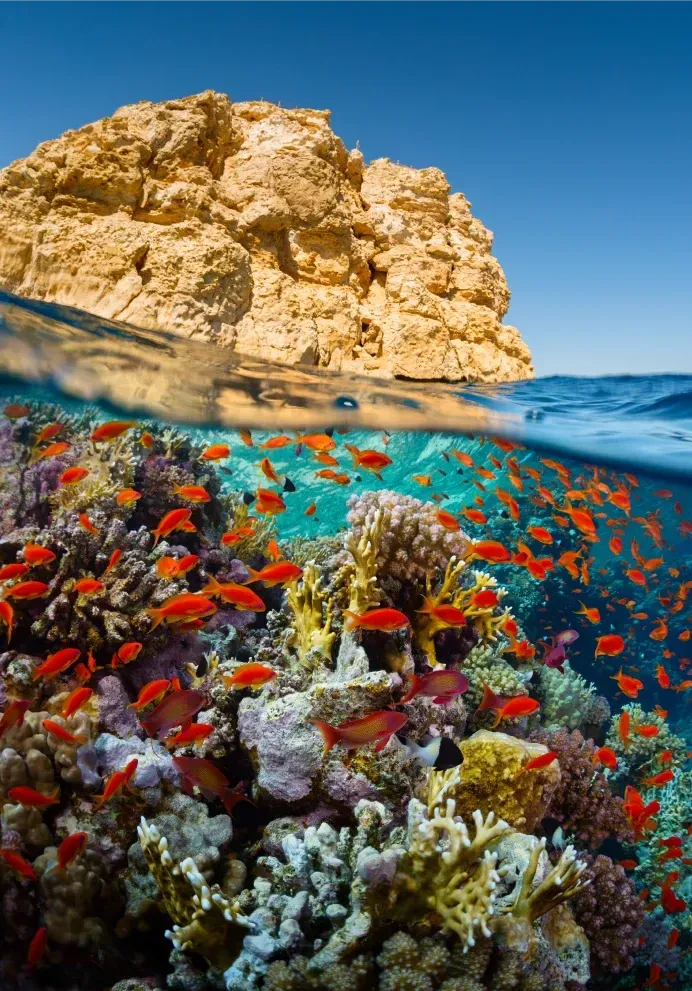
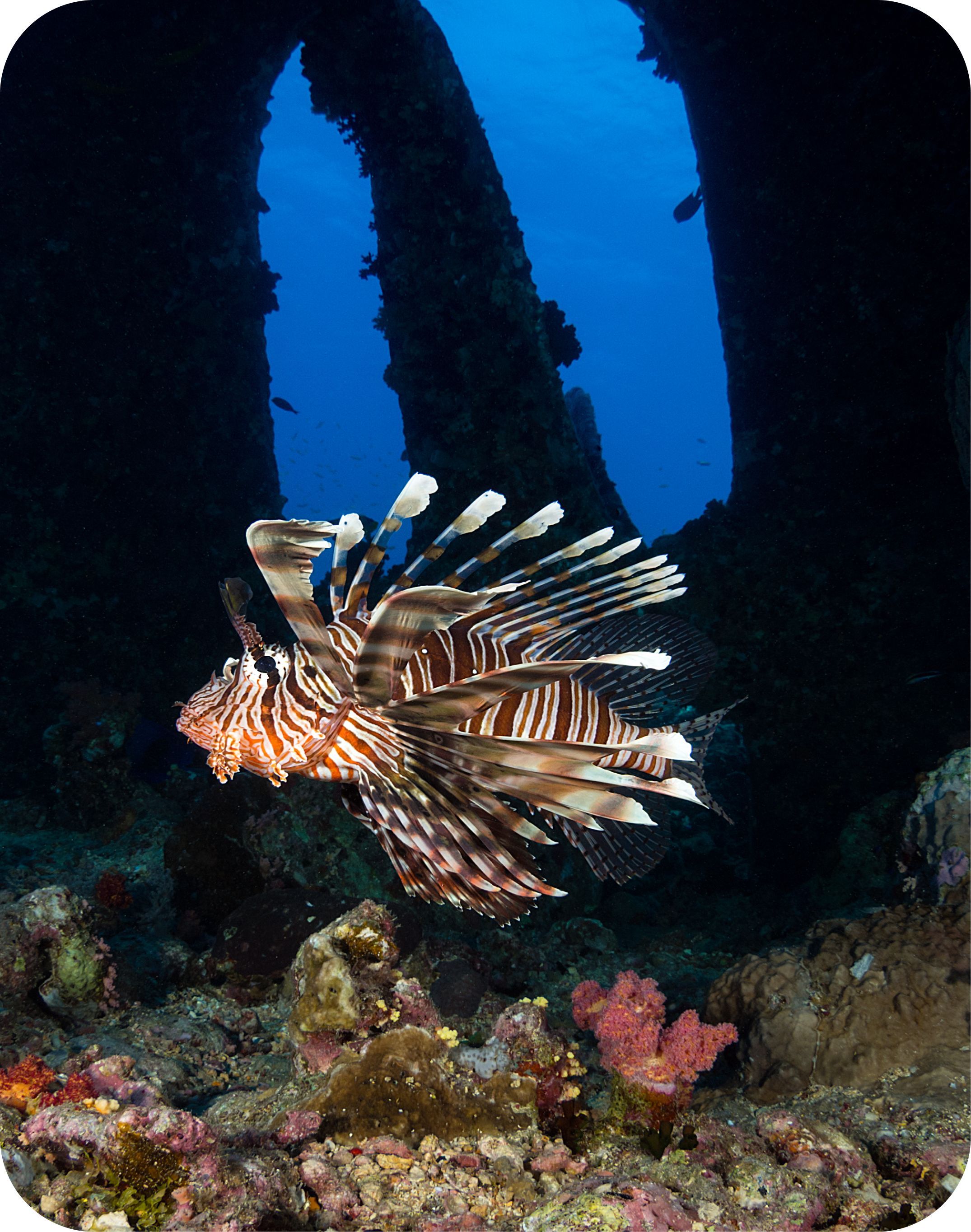
Coral reefs are vital to the health of our oceans, serving as habitats for countless marine species. Unfortunately, they are also highly vulnerable to climate change, pollution, and overfishing. In the Maldives, significant efforts are being made to rehabilitate and protect these essential ecosystems.
- Coral Restoration Projects: Organizations across the Maldives are actively involved in coral farming and restoration projects. Divers can participate by helping to plant coral fragments on damaged reefs, contributing to their recovery.
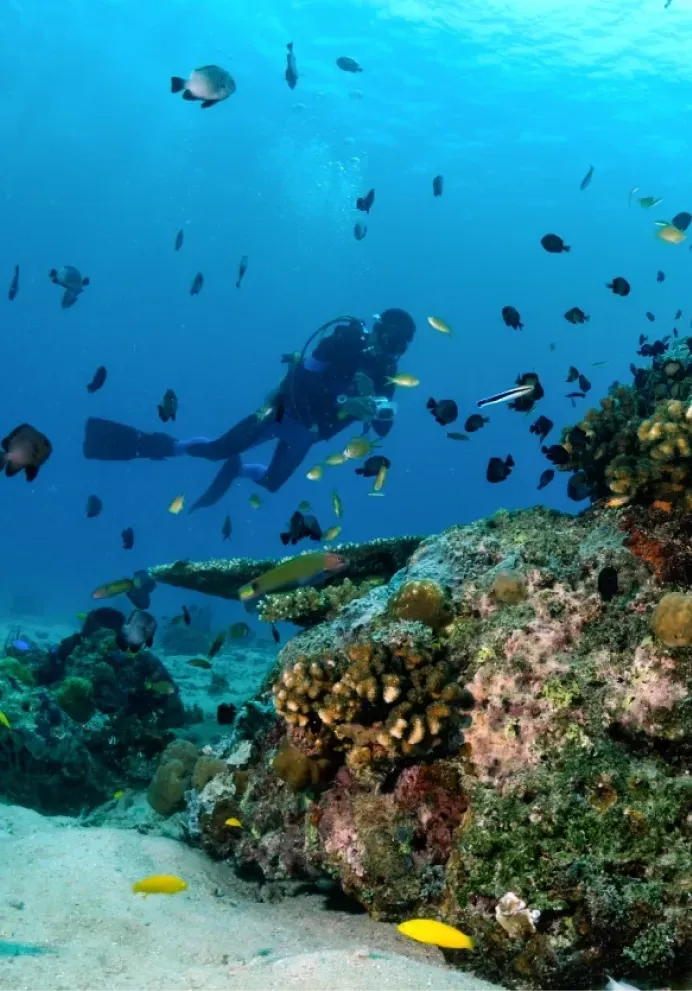
- Reef Monitoring: Several dive centers, including those partnered with DUNE, engage in reef monitoring programs, collecting data on coral health and marine species populations. This research is crucial for understanding the impacts of climate change and human activity.
- Artificial Reefs: Initiatives to create artificial reefs using sustainable materials help to enhance marine biodiversity and provide new habitats for marine life.
Manta Ray Conservation
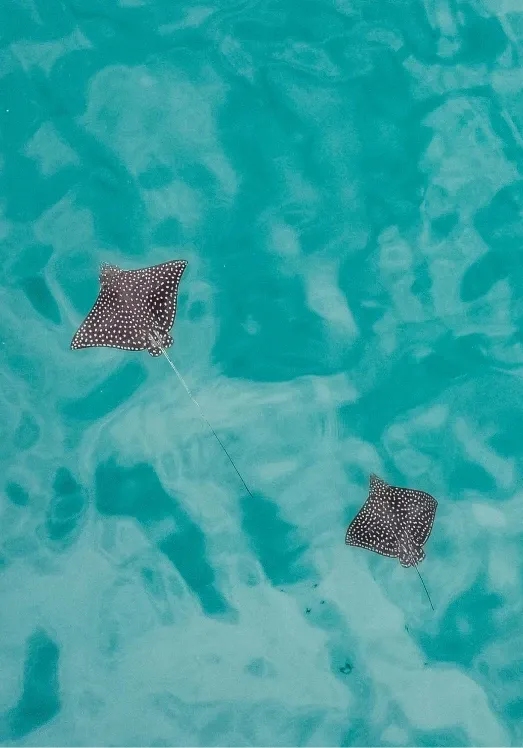
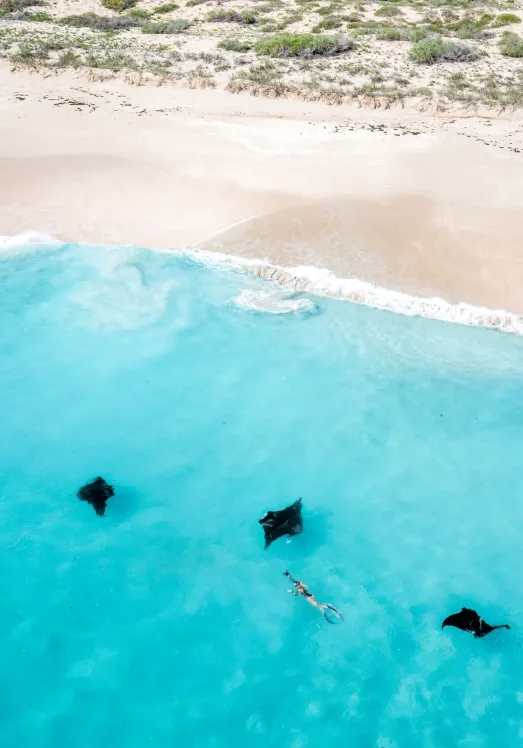
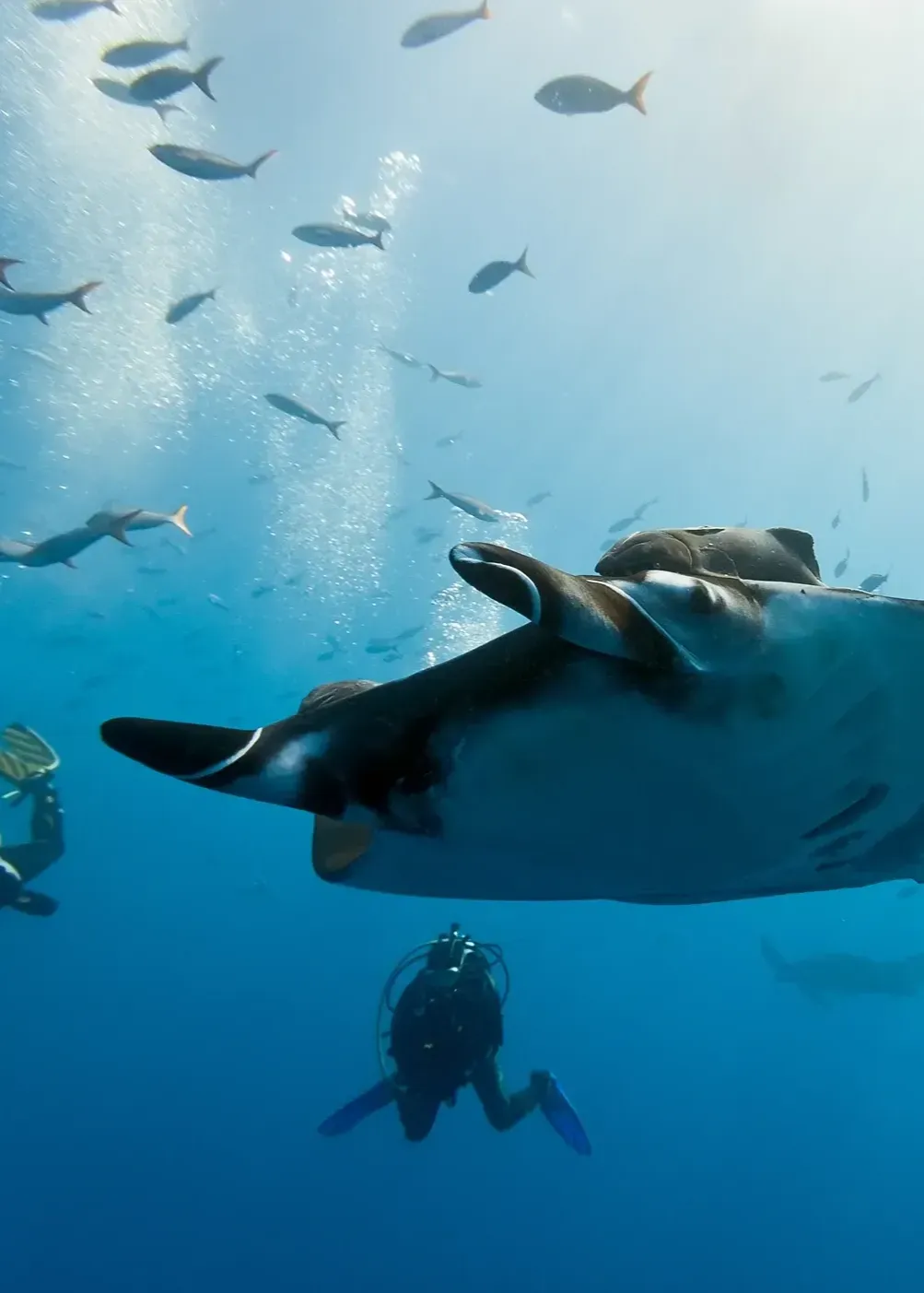
The Maldives is famous for its seasonal gatherings of manta rays, particularly in the Hanifaru Bay region of Baa Atoll, which has been designated a UNESCO Biosphere Reserve. These gentle giants are not only a highlight for divers but also play a crucial role in the marine ecosystem. Conservation efforts focused on these majestic creatures include:
- Research Expeditions: Scientists are conducting studies on manta ray populations, migration patterns, and breeding habits. Divers can support these initiatives by participating in research trips, offering valuable data that aids in conservation efforts.
- Responsible Diving Practices: DIVE operators promote guidelines to ensure that divers interact with mantas responsibly. This includes maintaining a safe distance, avoiding flash photography, and limiting the number of divers in the water at one time.
Shark Sanctuaries
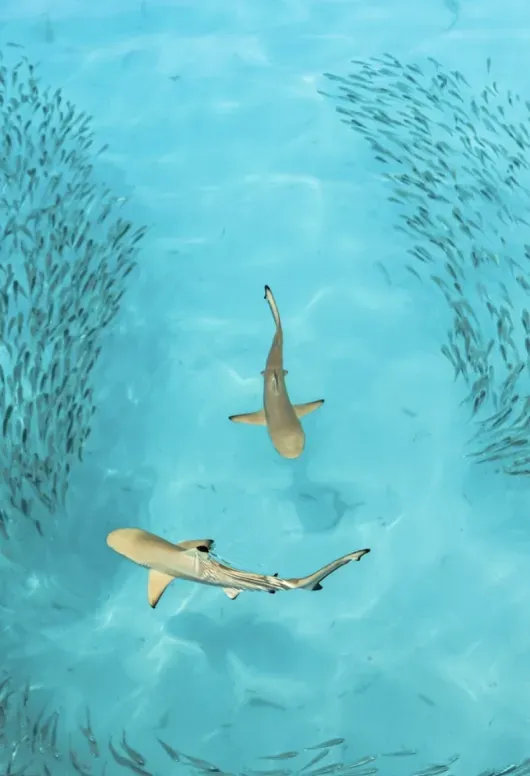
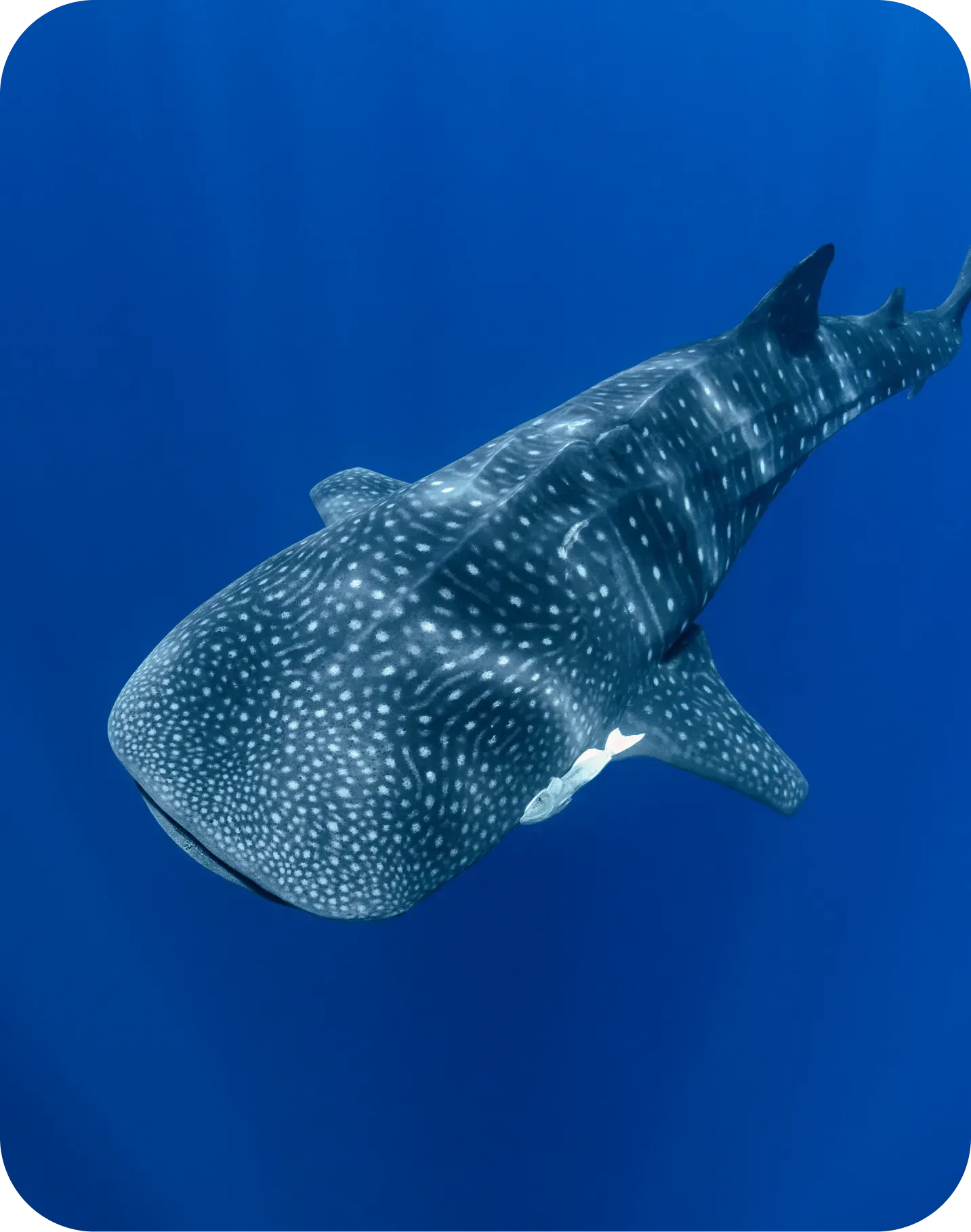
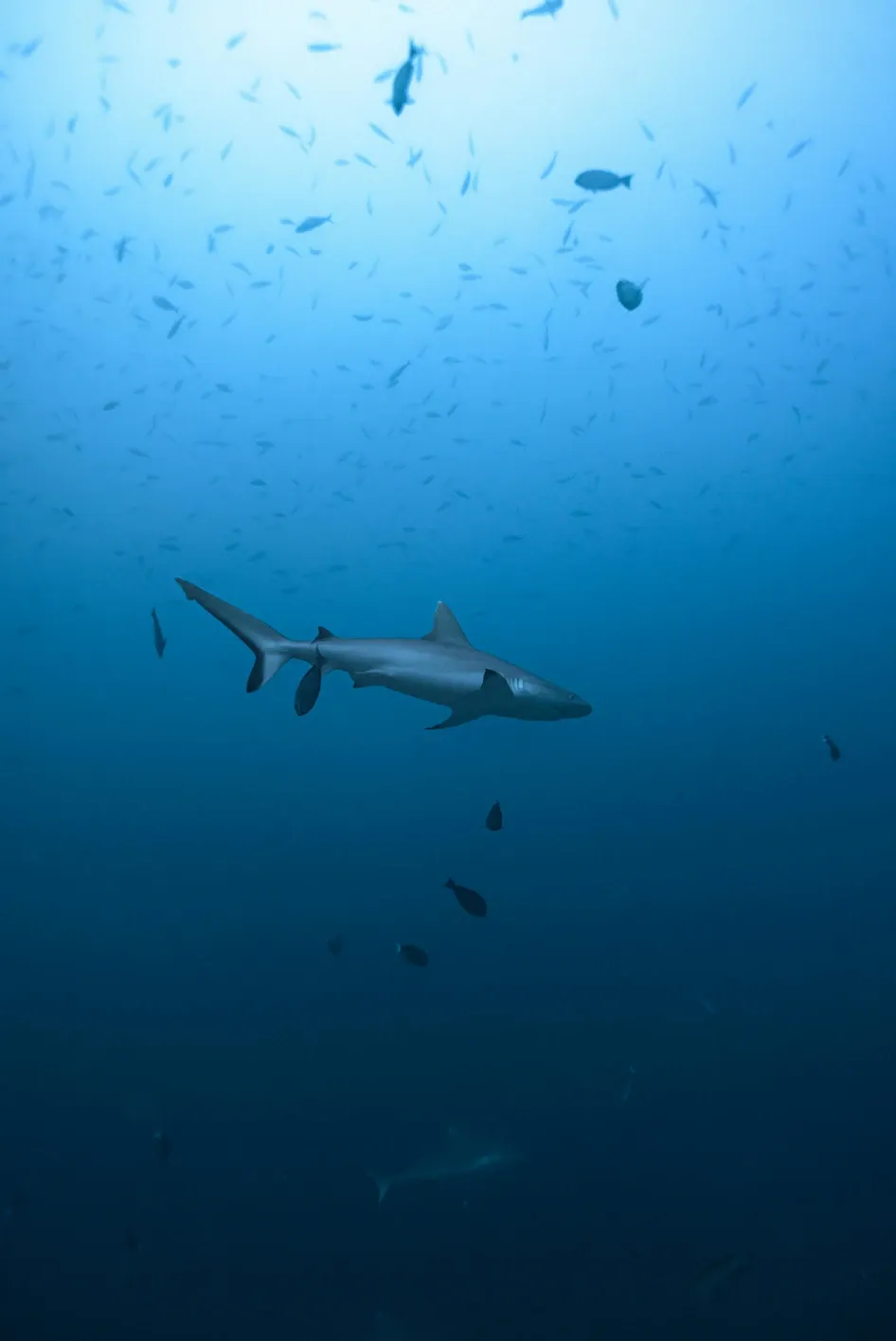
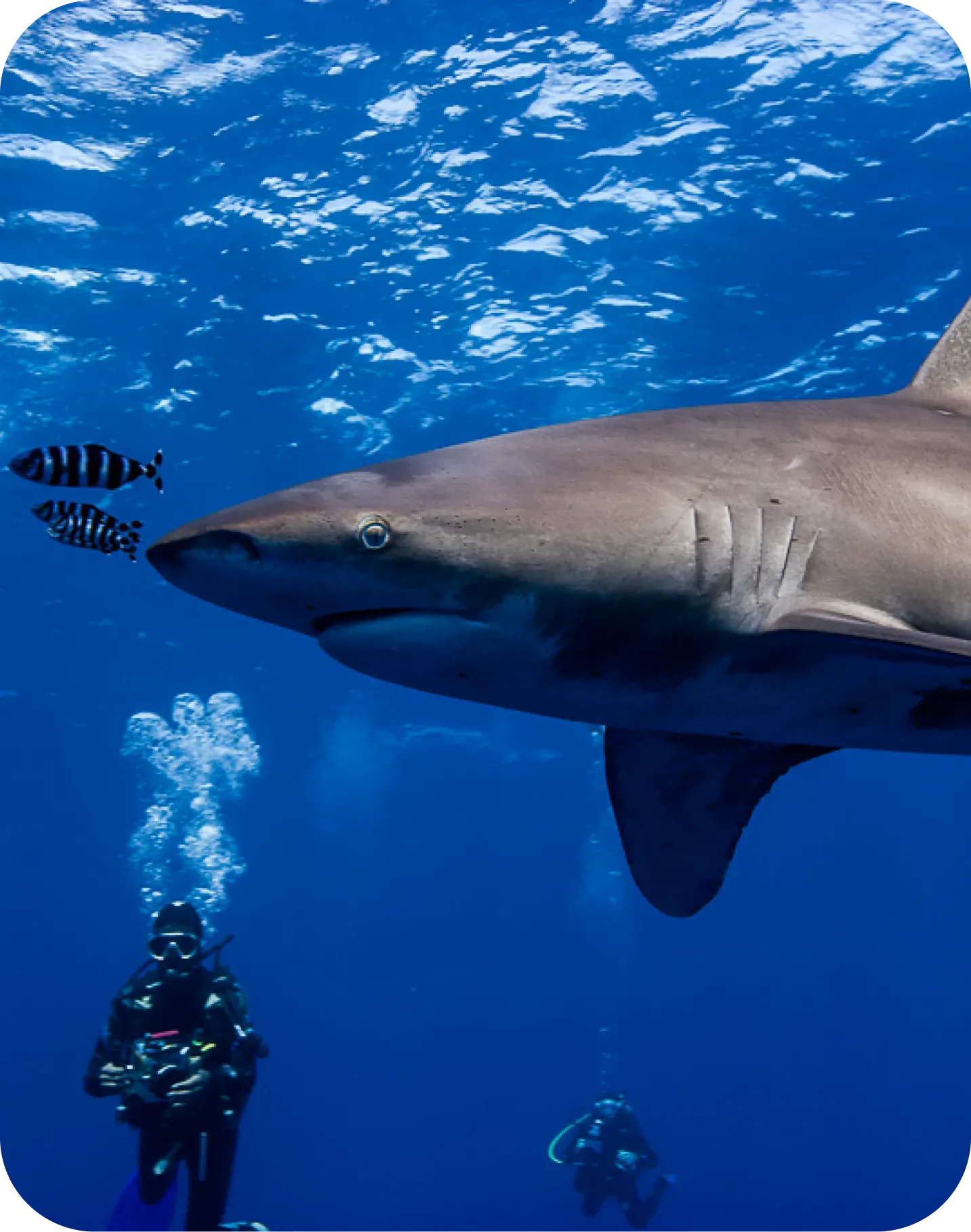
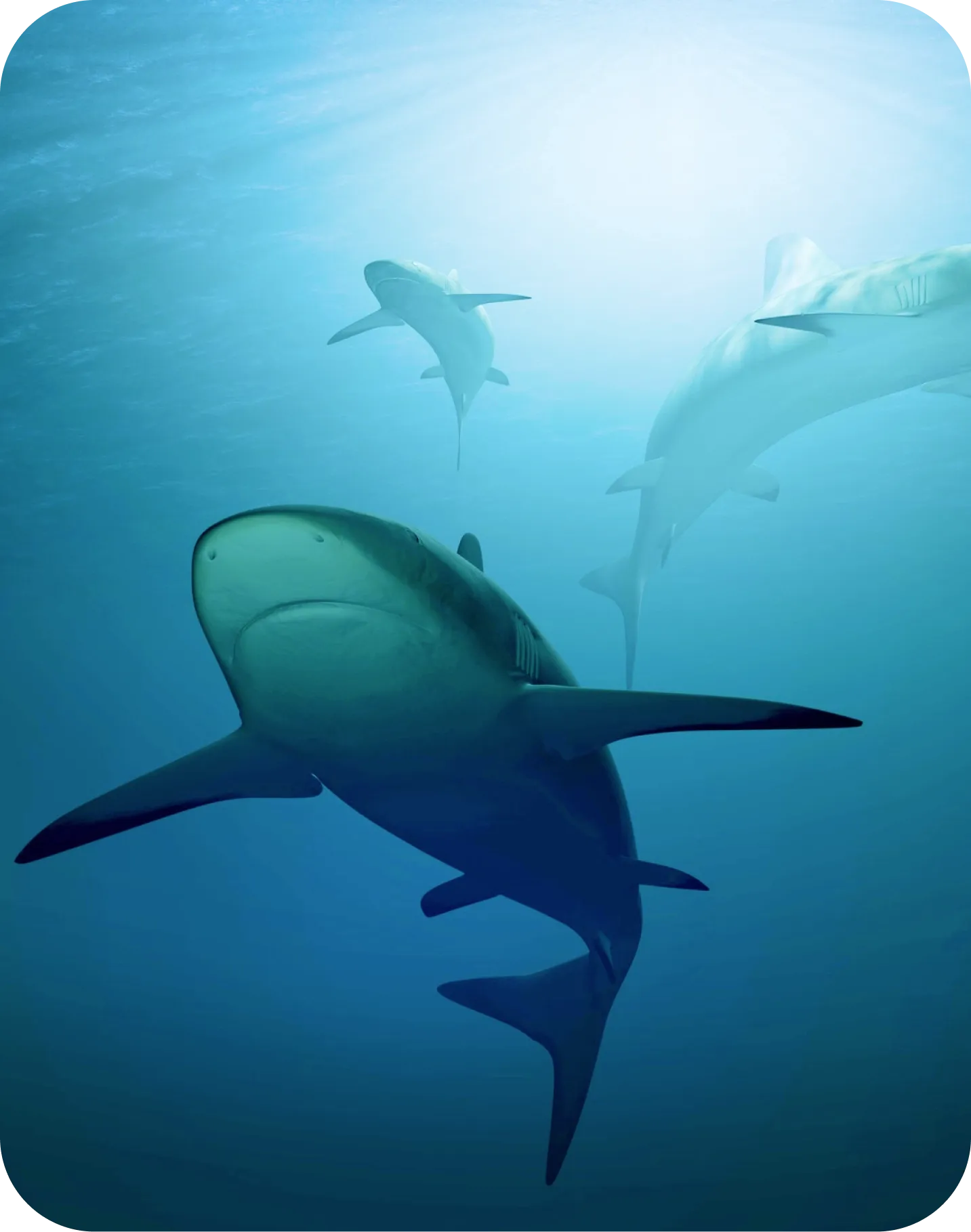
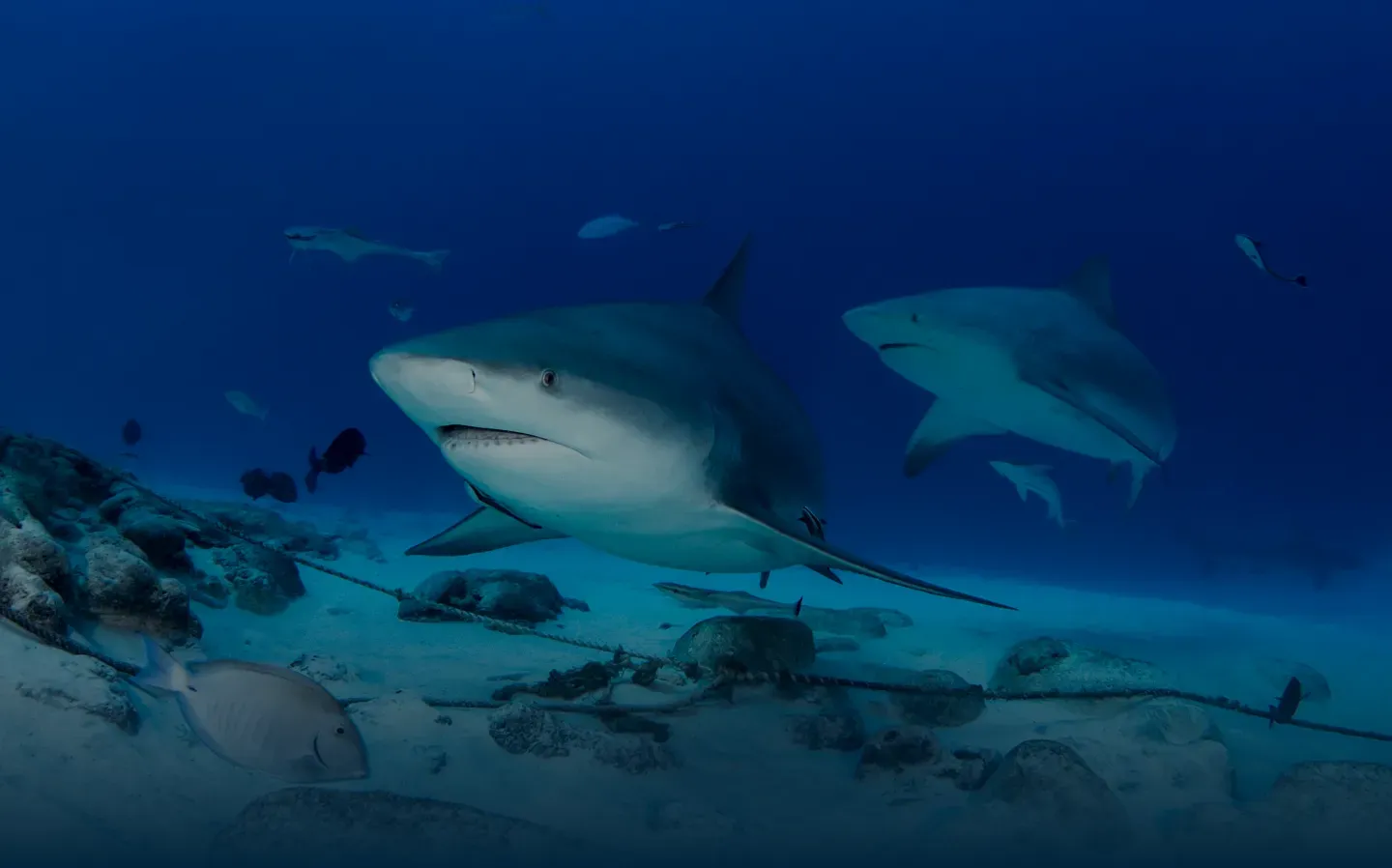
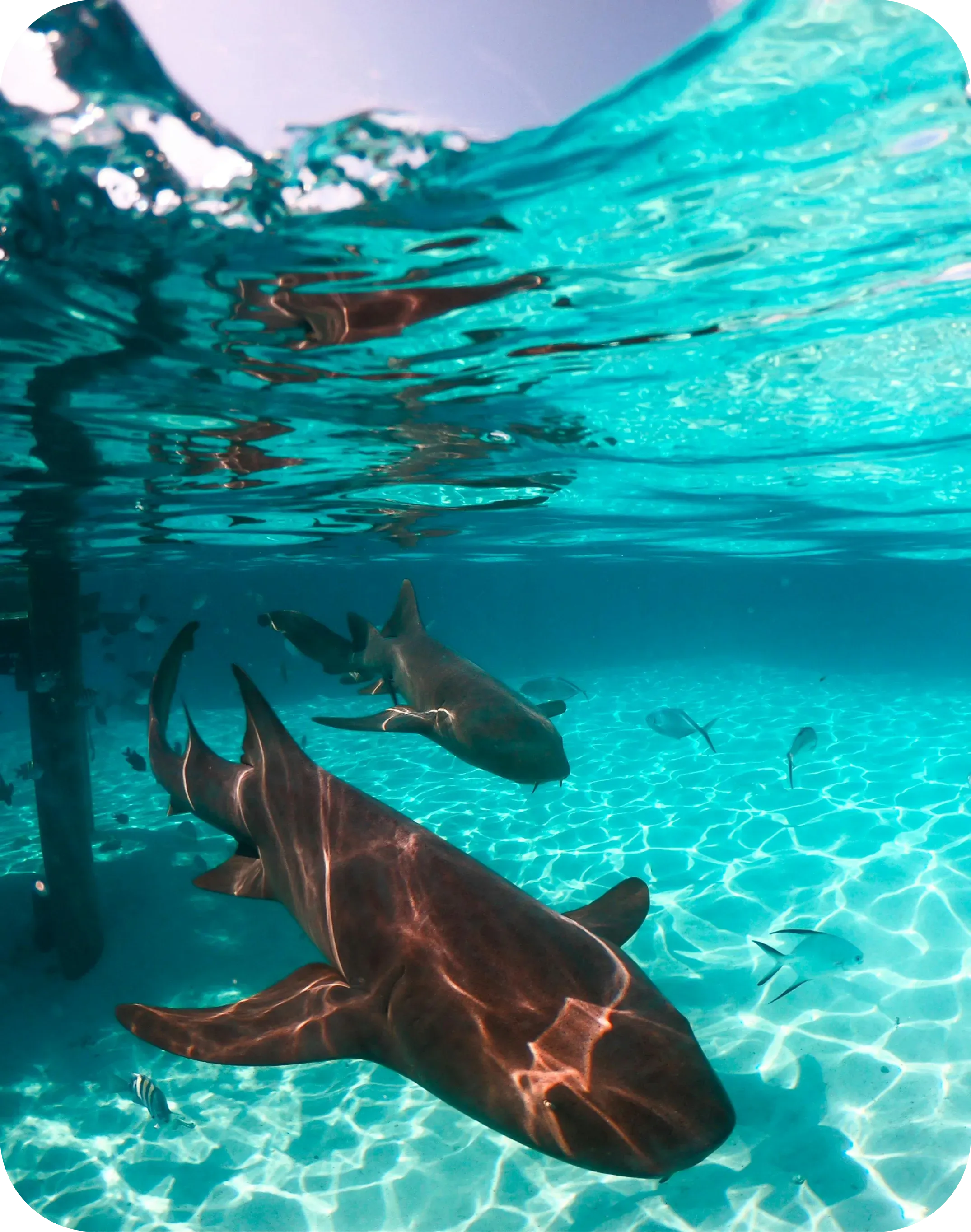
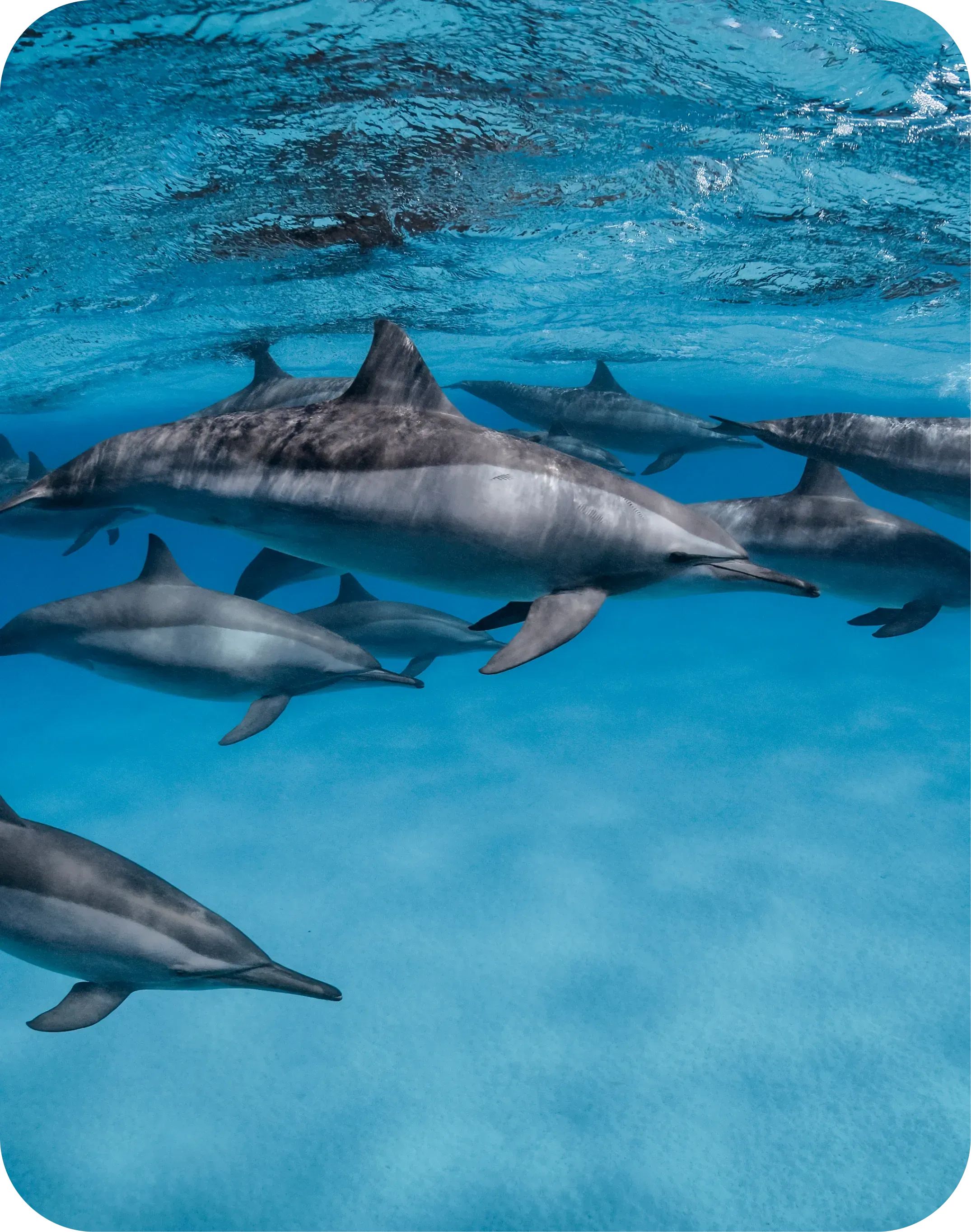
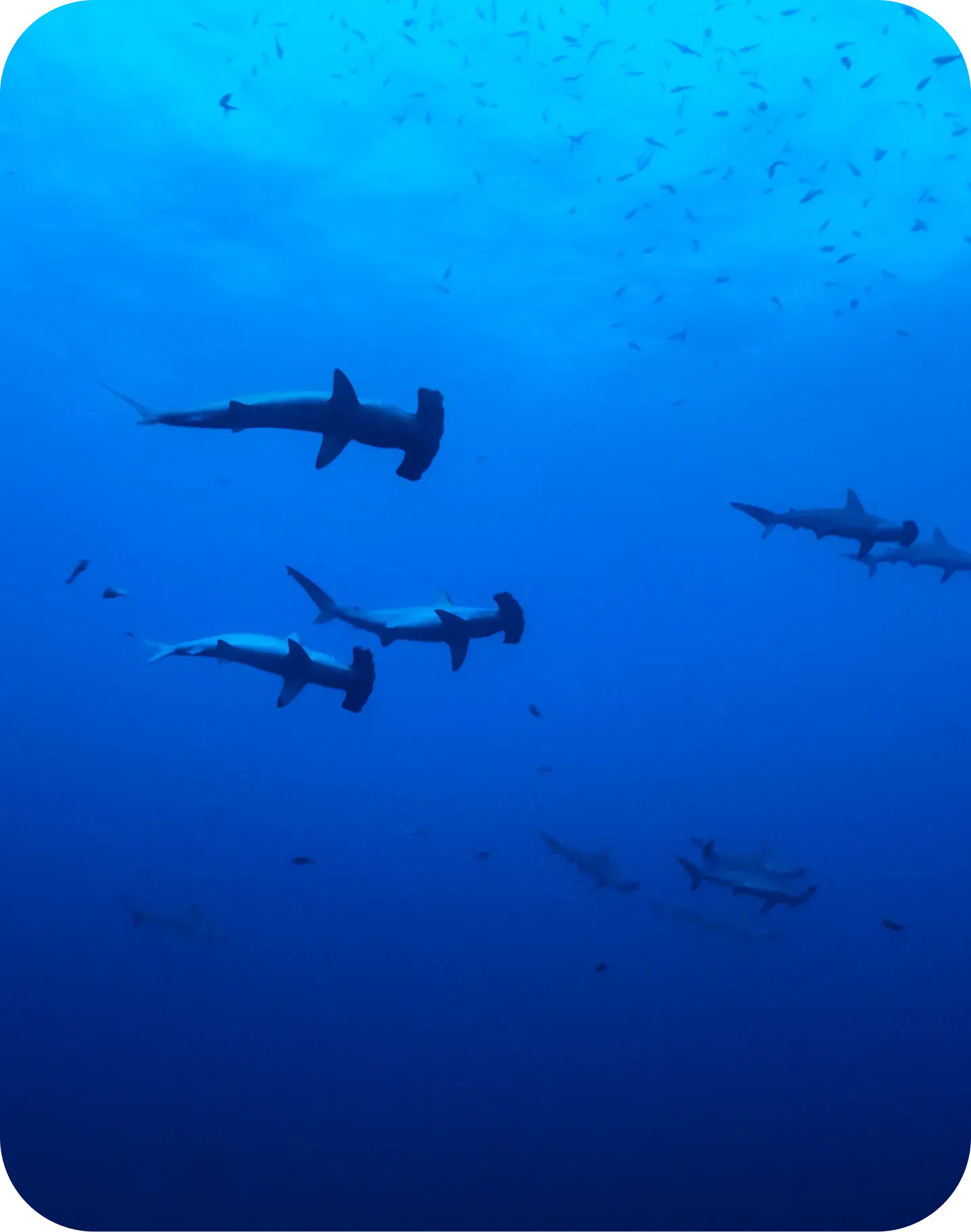
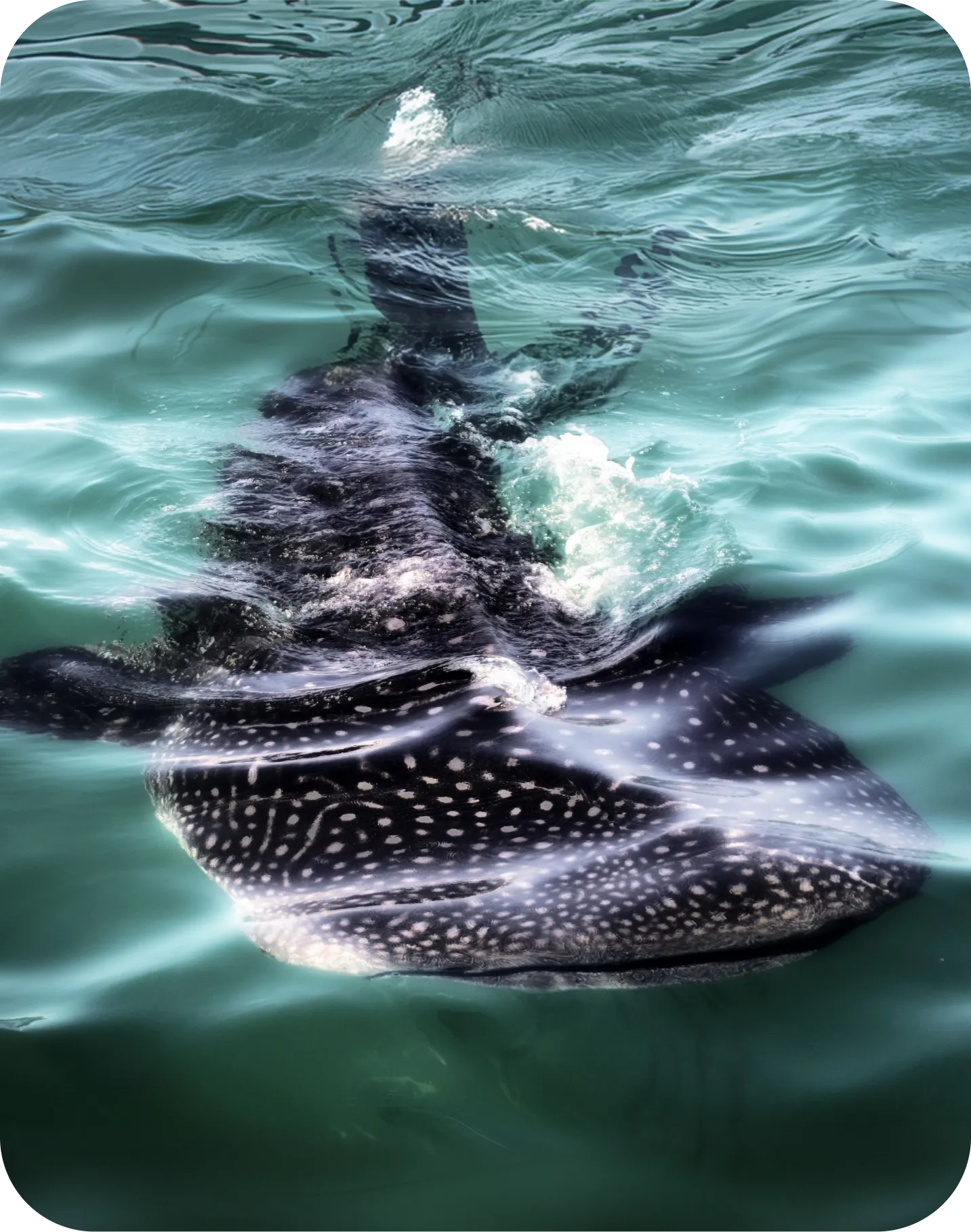
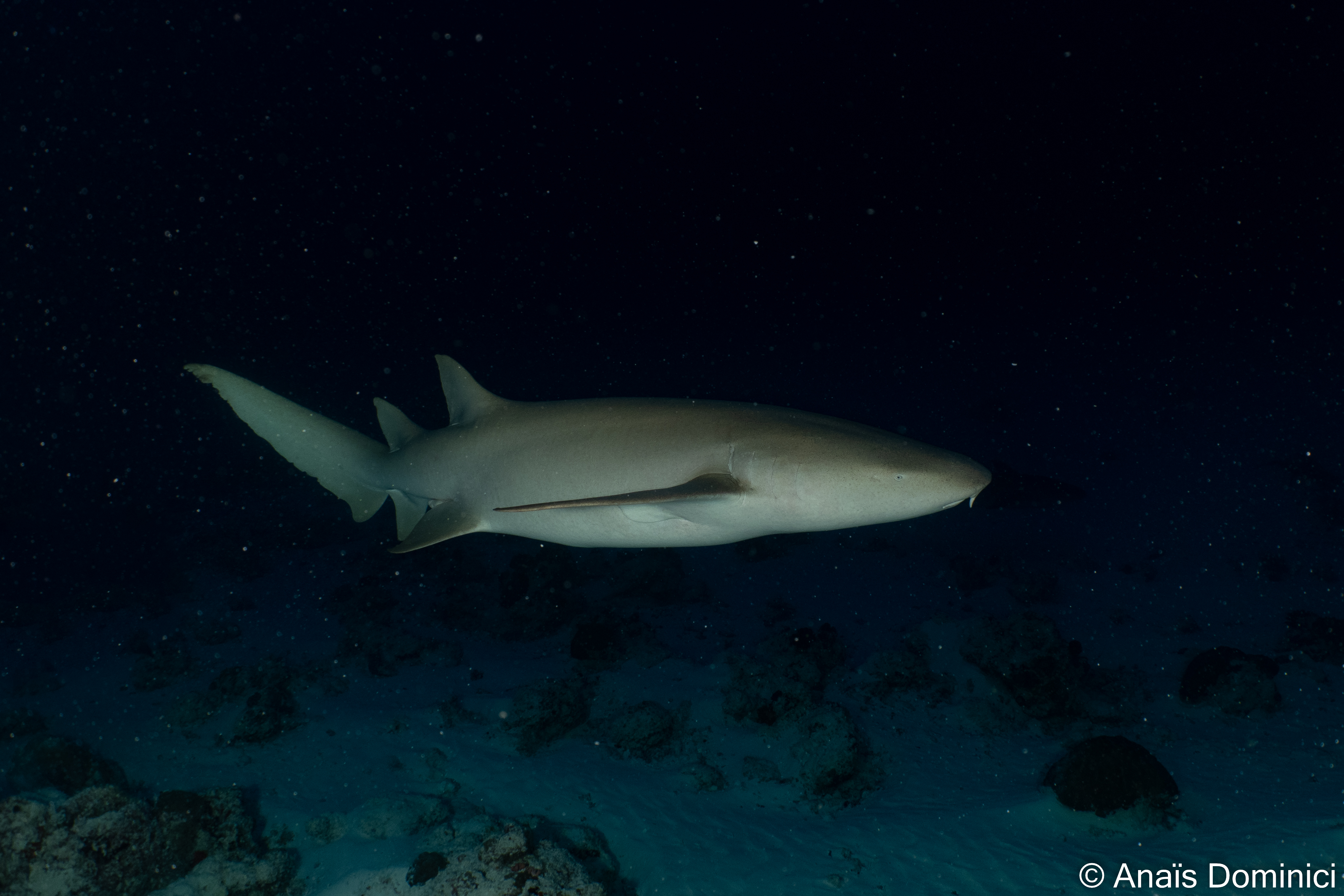
The Maldives has established itself as a shark sanctuary, banning the practice of shark fishing and promoting the protection of these fascinating creatures. With species such as the grey reef shark, whale shark, and hammerhead shark often spotted during dives, the Maldives is a prime location for shark enthusiasts. Conservation efforts here include:
- Shark Monitoring Programs: Organizations are tracking shark populations to gather data on their health and behaviors. Divers can contribute by reporting sightings and participating in citizen science initiatives.
- Shark Awareness Campaigns: Various NGOs and dive centers run educational programs to raise awareness about the importance of sharks in marine ecosystems and to combat myths surrounding these magnificent animals.
Eco-Friendly Diving Practices
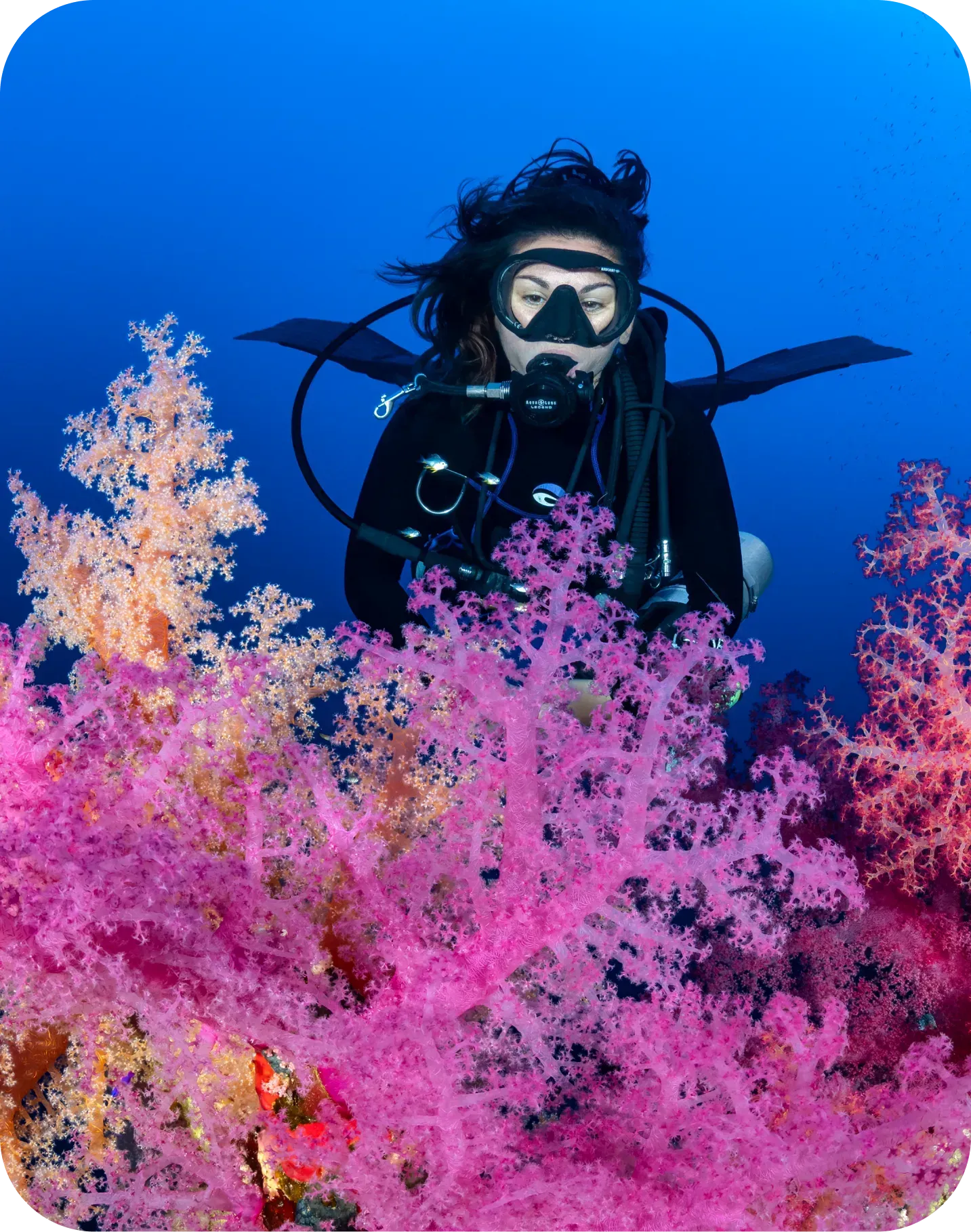
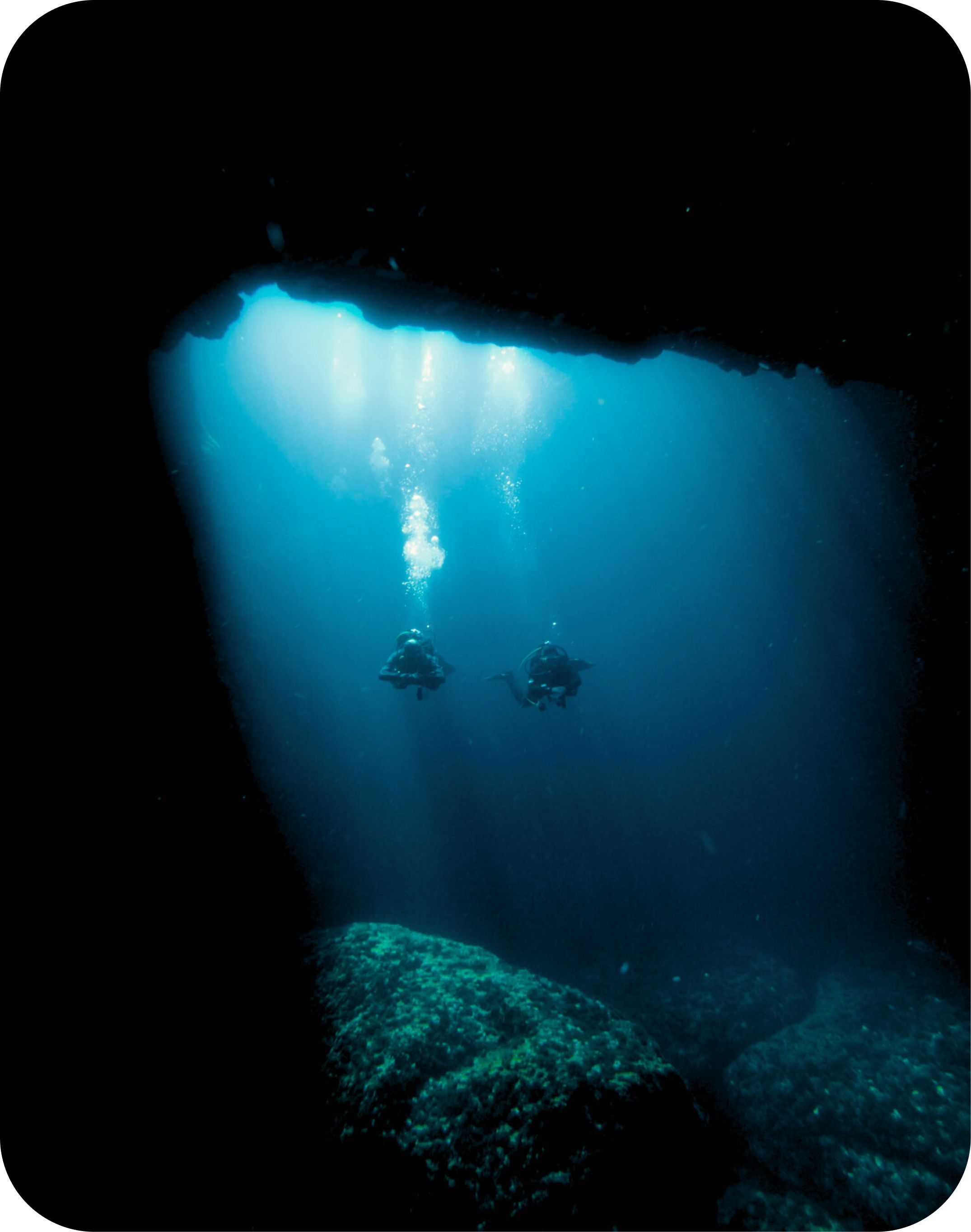
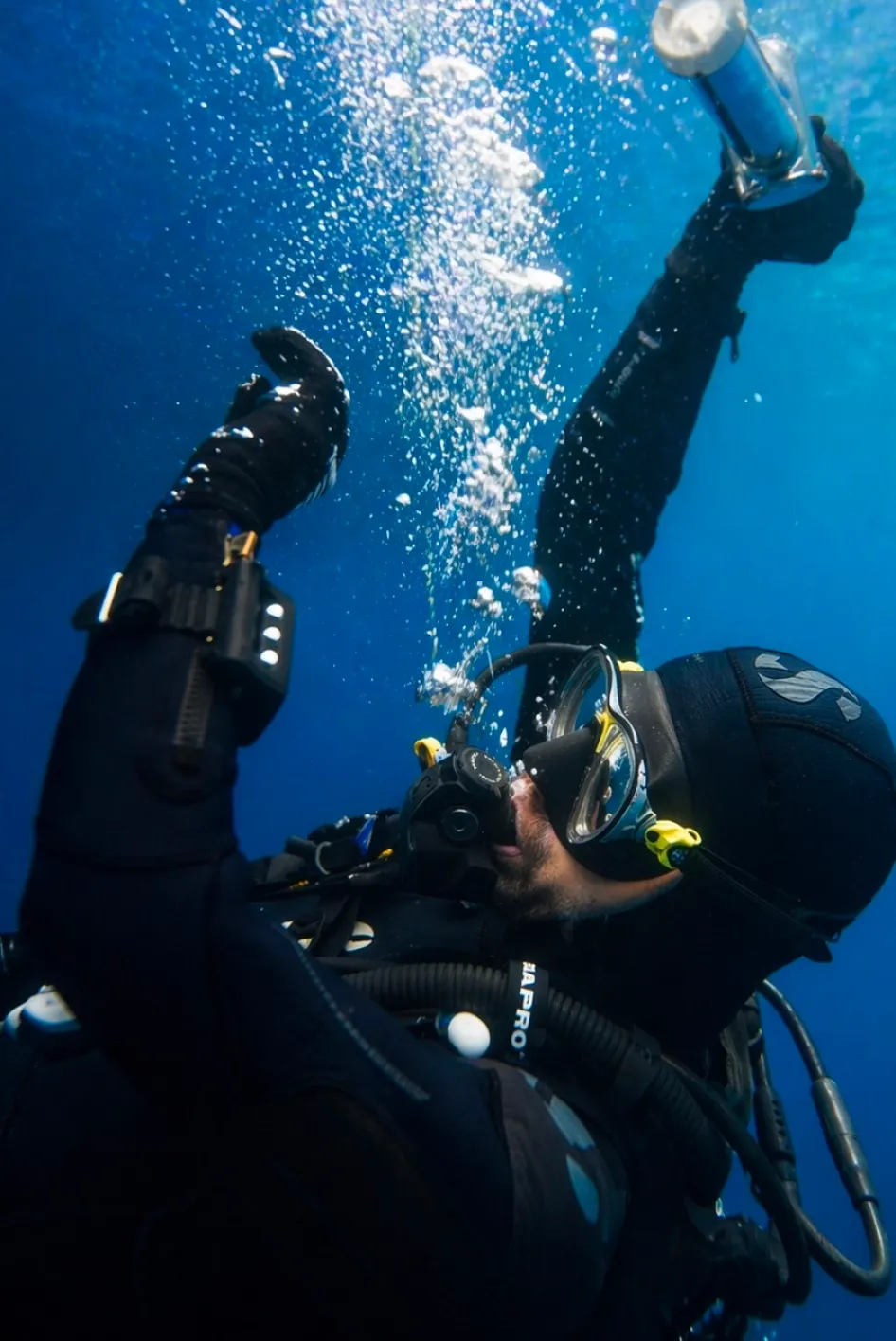
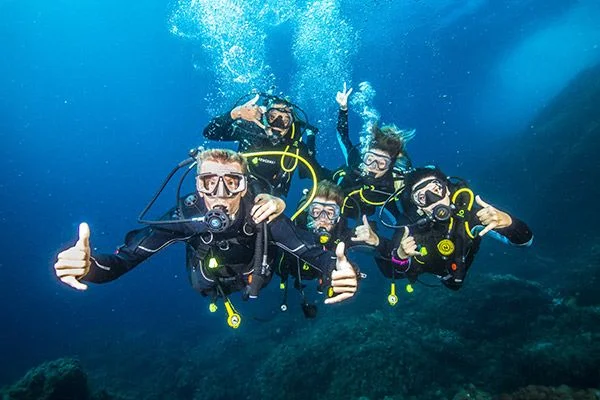
As divers, we have the power to protect the oceans we explore. By adopting eco-friendly diving practices, we can minimize our impact on marine environments. Here are some essential tips for responsible diving in the Maldives:
- Stay Off the Coral: Always maintain buoyancy control and avoid touching or standing on coral reefs to prevent damage.
- Use Reef-Safe Sunscreen: Conventional sunscreens can harm marine life. Opt for reef-safe alternatives to protect both your skin and the ocean.
- Follow Dive Site Guidelines: Respect local regulations and guidelines set by dive operators to ensure the preservation of marine habitats.
- Participate in Beach Clean-Ups: Join local initiatives to help keep the beaches and dive sites clean from debris and plastic waste.
Experience Conservation Diving with DUNE
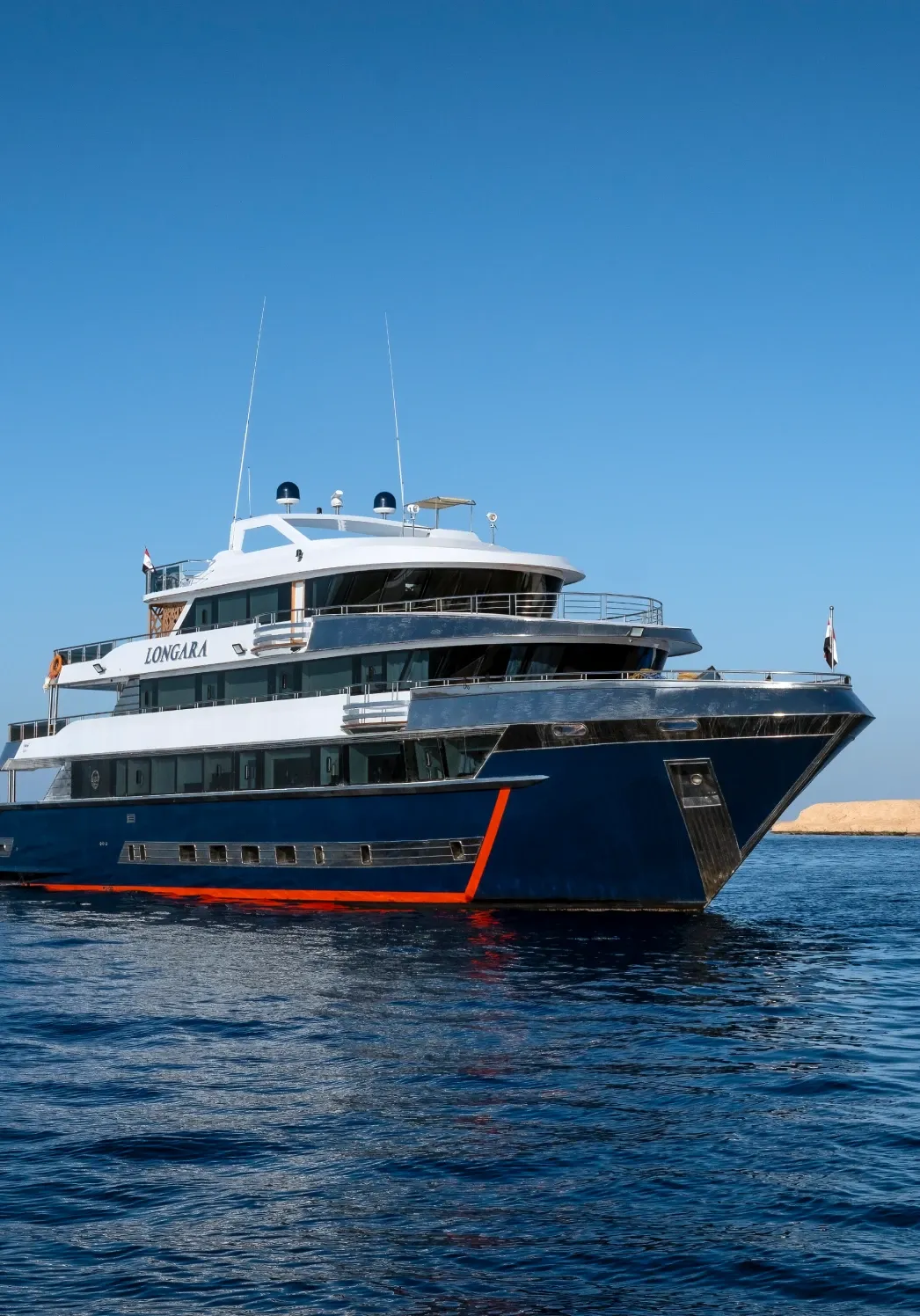
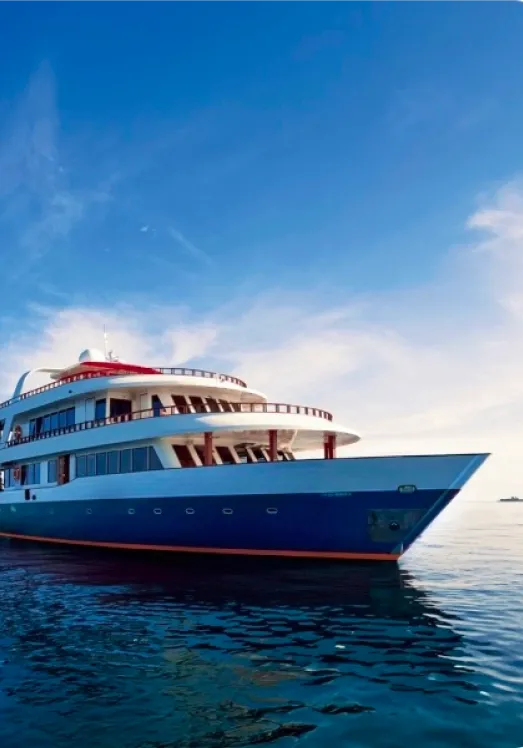
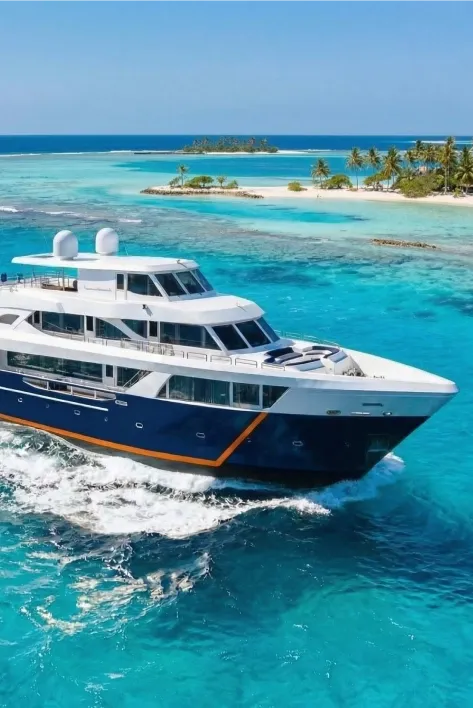
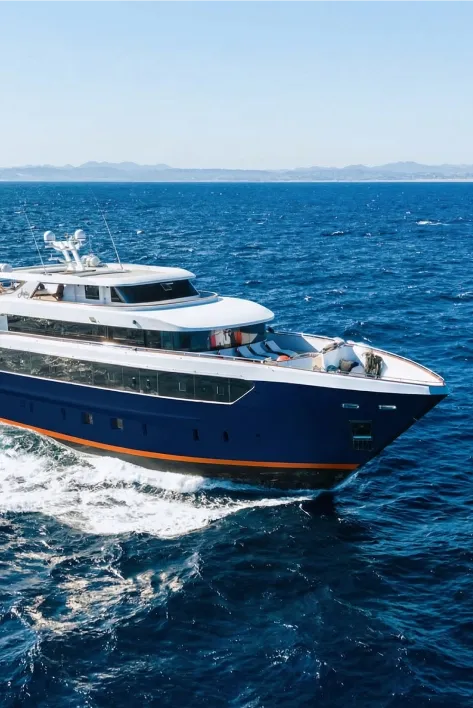
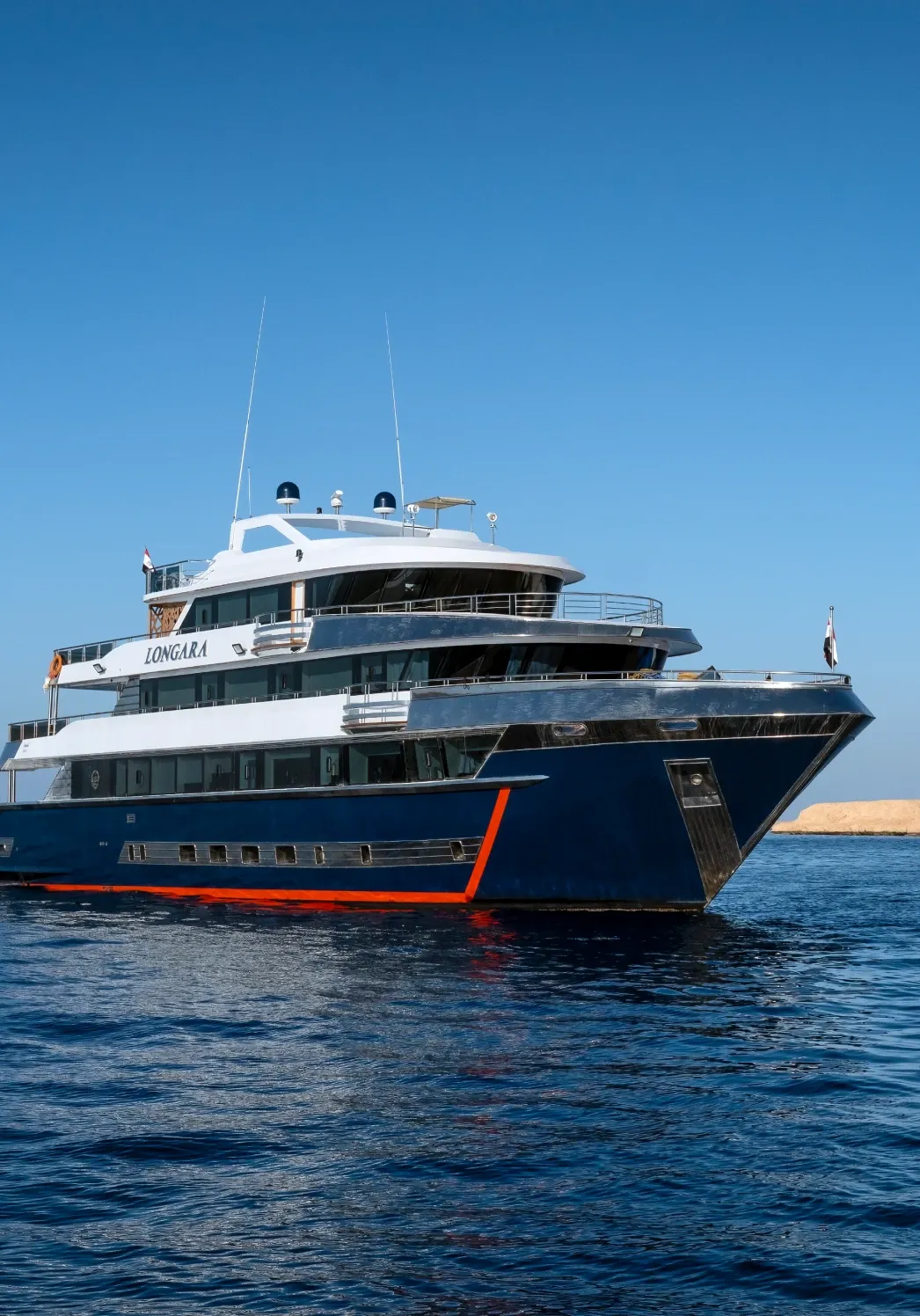
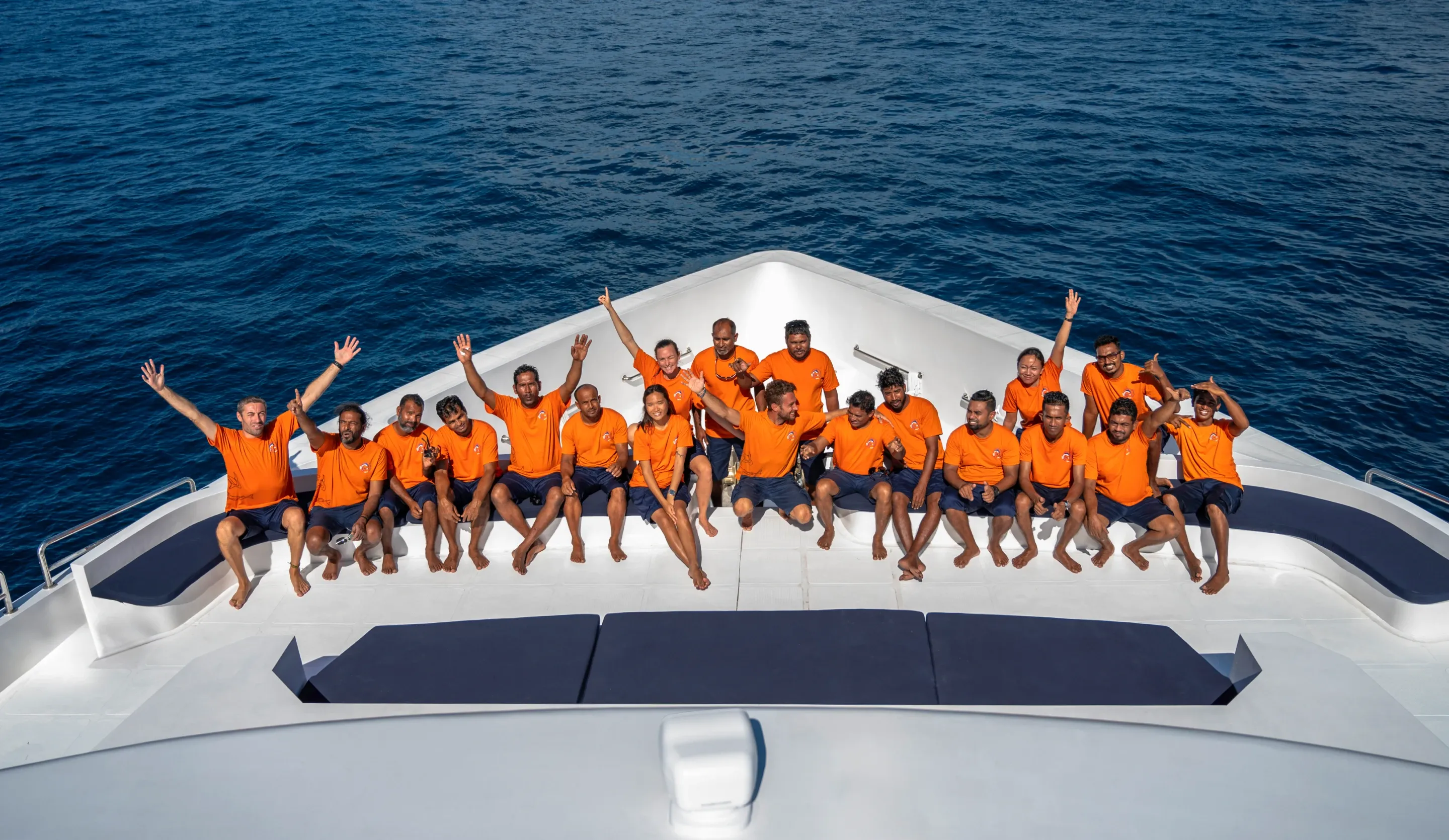
DUNE offers premium liveaboard cruises that not only provide exceptional diving experiences but also emphasize conservation and responsible tourism. Our itineraries include visits to key conservation sites in the Maldives, allowing divers of all levels—from Open Water to advanced—to immerse themselves in the captivating marine environment while contributing to its protection.
By choosing DUNE, you’ll have the opportunity to dive at world-renowned sites such as the stunning reefs of North Malé Atoll, the manta-rich waters of Baa Atoll, and the shark sanctuaries of South Ari Atoll. Experience the thrill of observing these magnificent marine creatures while knowing you’re part of a conservation movement dedicated to preserving the underwater beauty of the Maldives.
Join us in our mission to protect the oceans while enjoying the breathtaking dives that the Maldives has to offer. Explore DUNE’s Maldives liveaboard cruises at dune-world.com and embark on an unforgettable journey that combines adventure with conservation.