


























The Sharks You've Never Heard Of
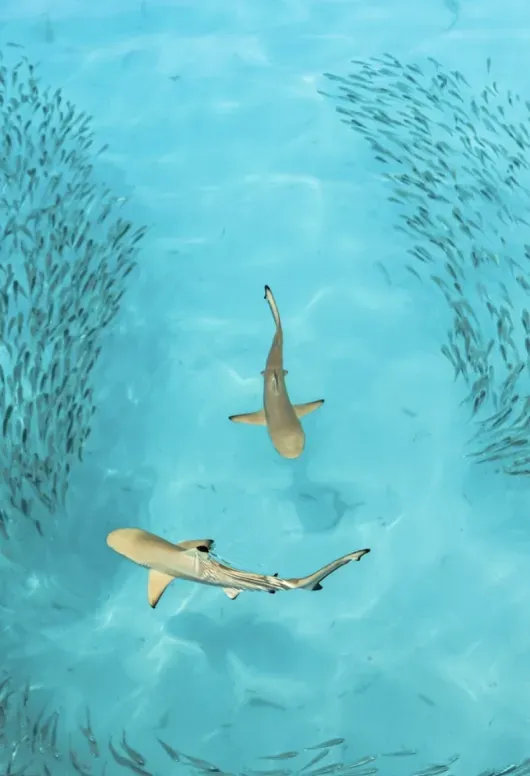
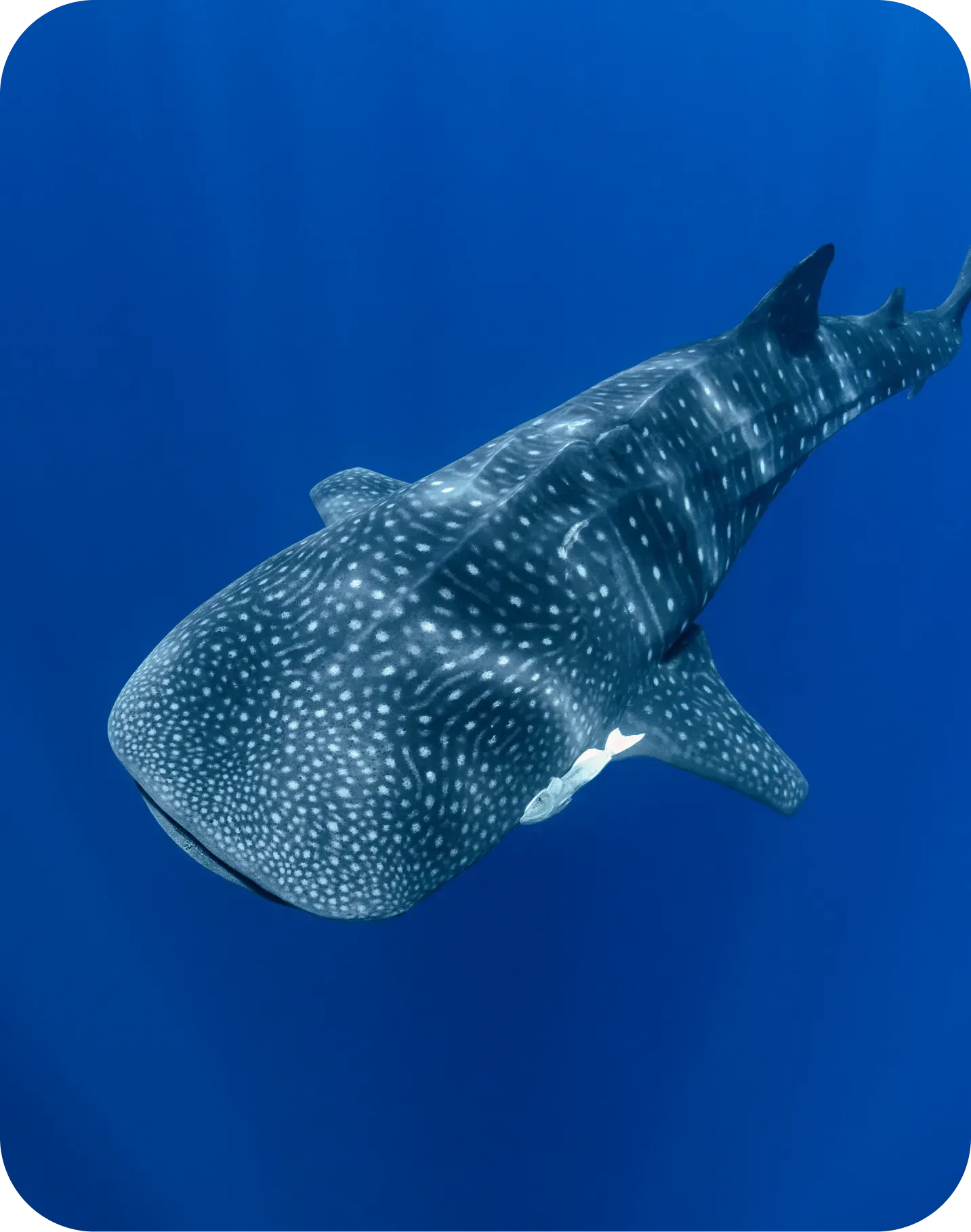
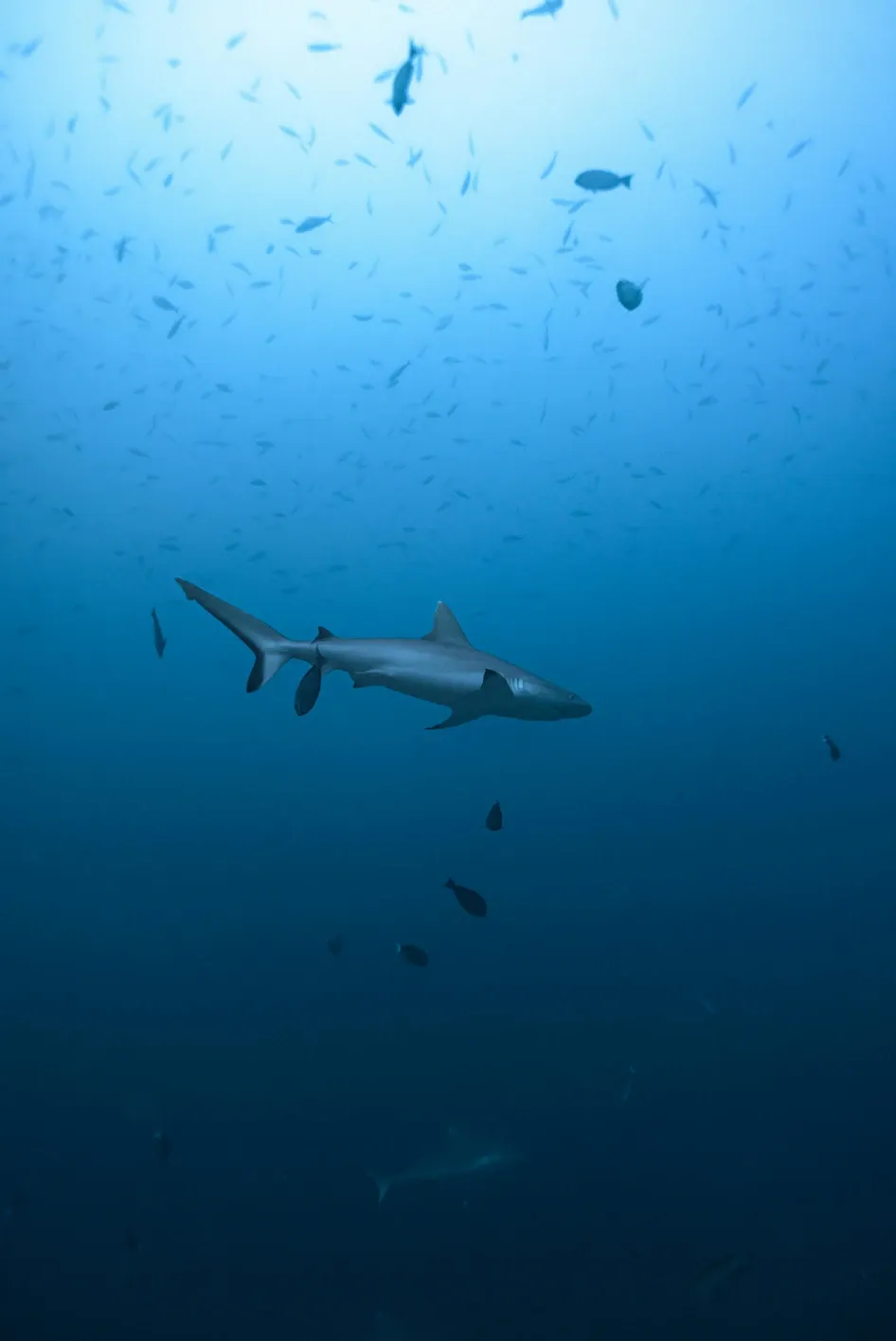
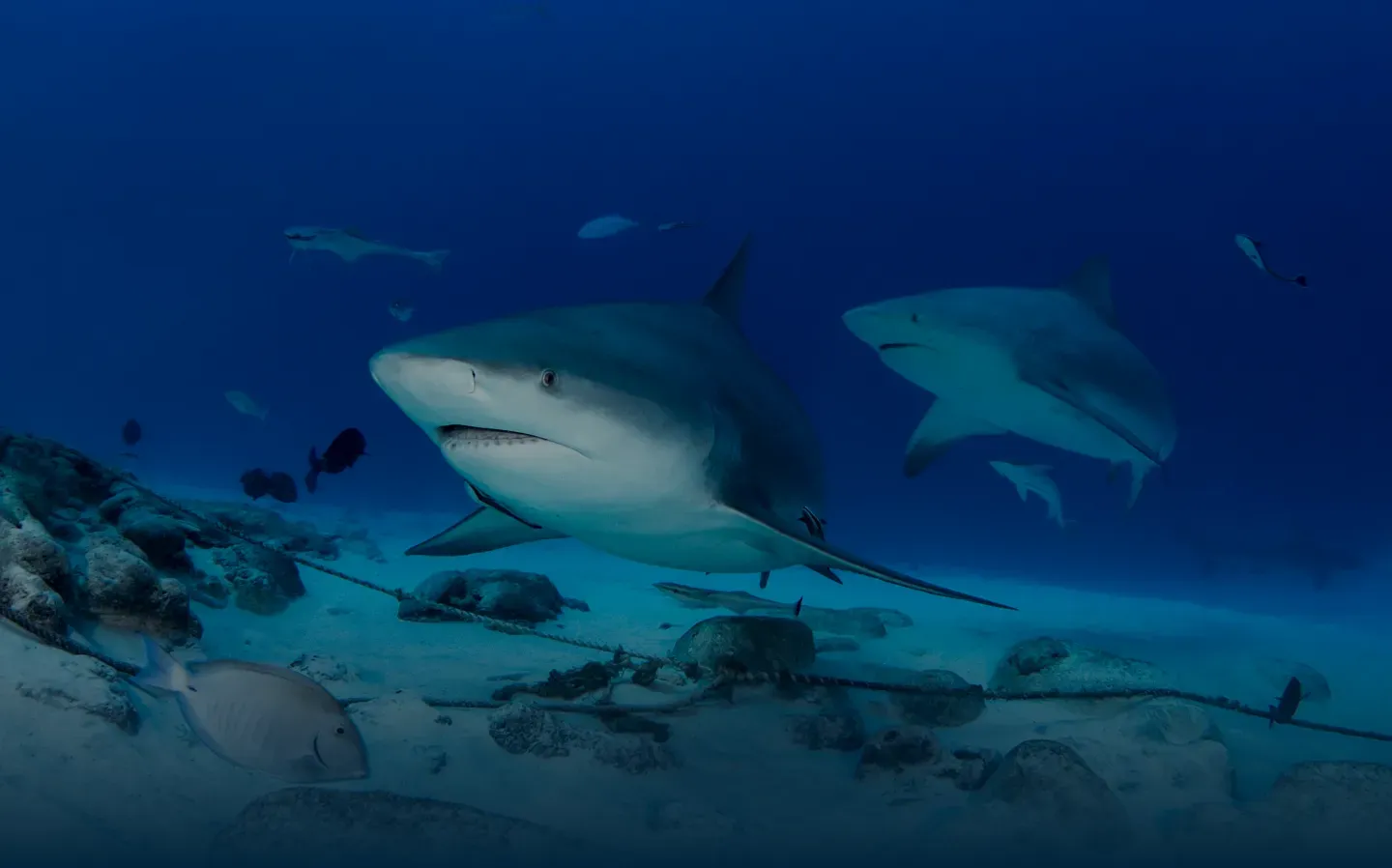
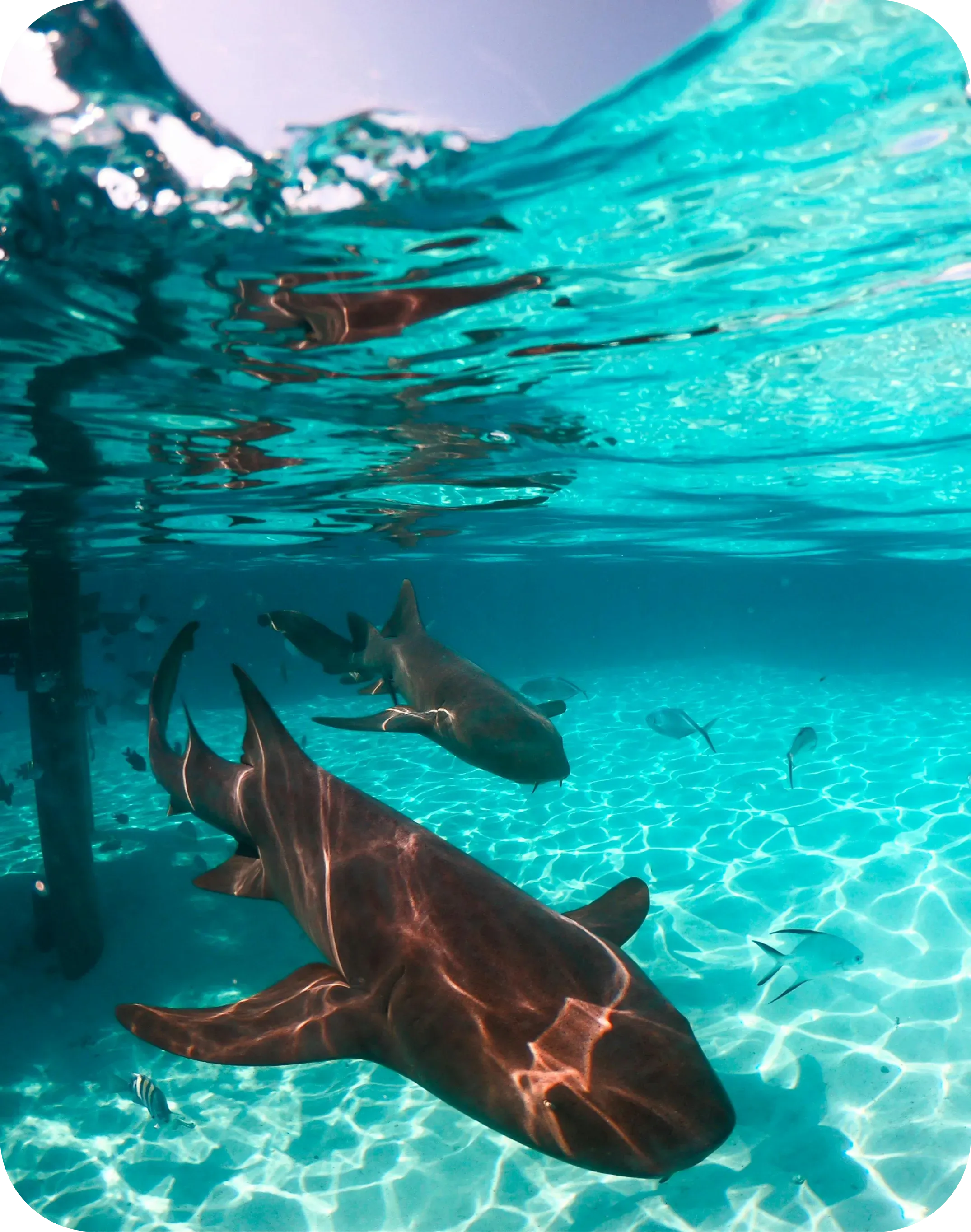
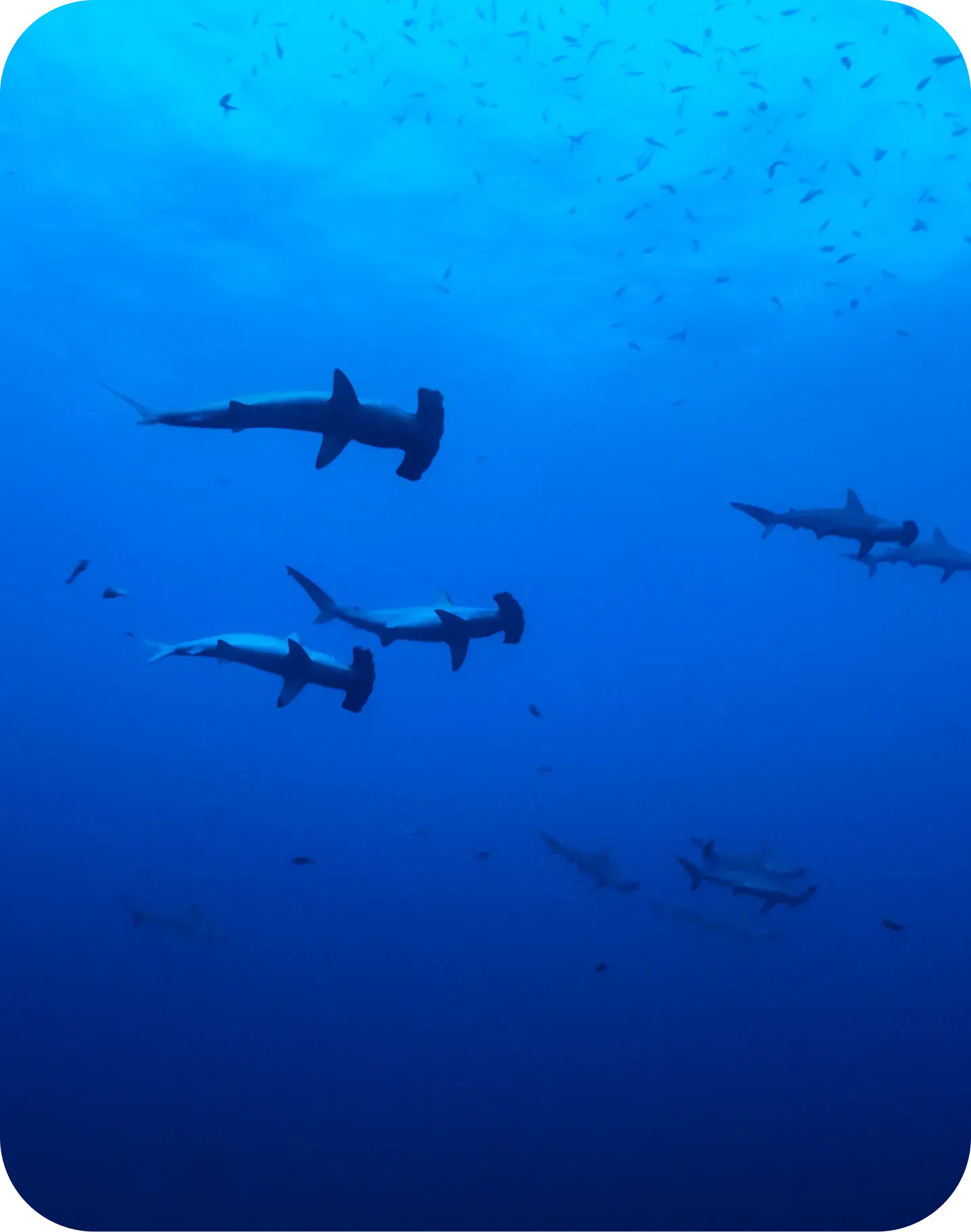
When most divers think of sharks, they imagine the streamlined, pelagic silhouettes of grey reef sharks cruising mid-water, or the imposing mass of a hammerhead against the blue. But some of the most extraordinary shark encounters in all of Indonesian diving involve animals that look nothing like a conventional shark, that rarely venture above the reef, and that may be sitting within arm's reach of the diver before they are even noticed.
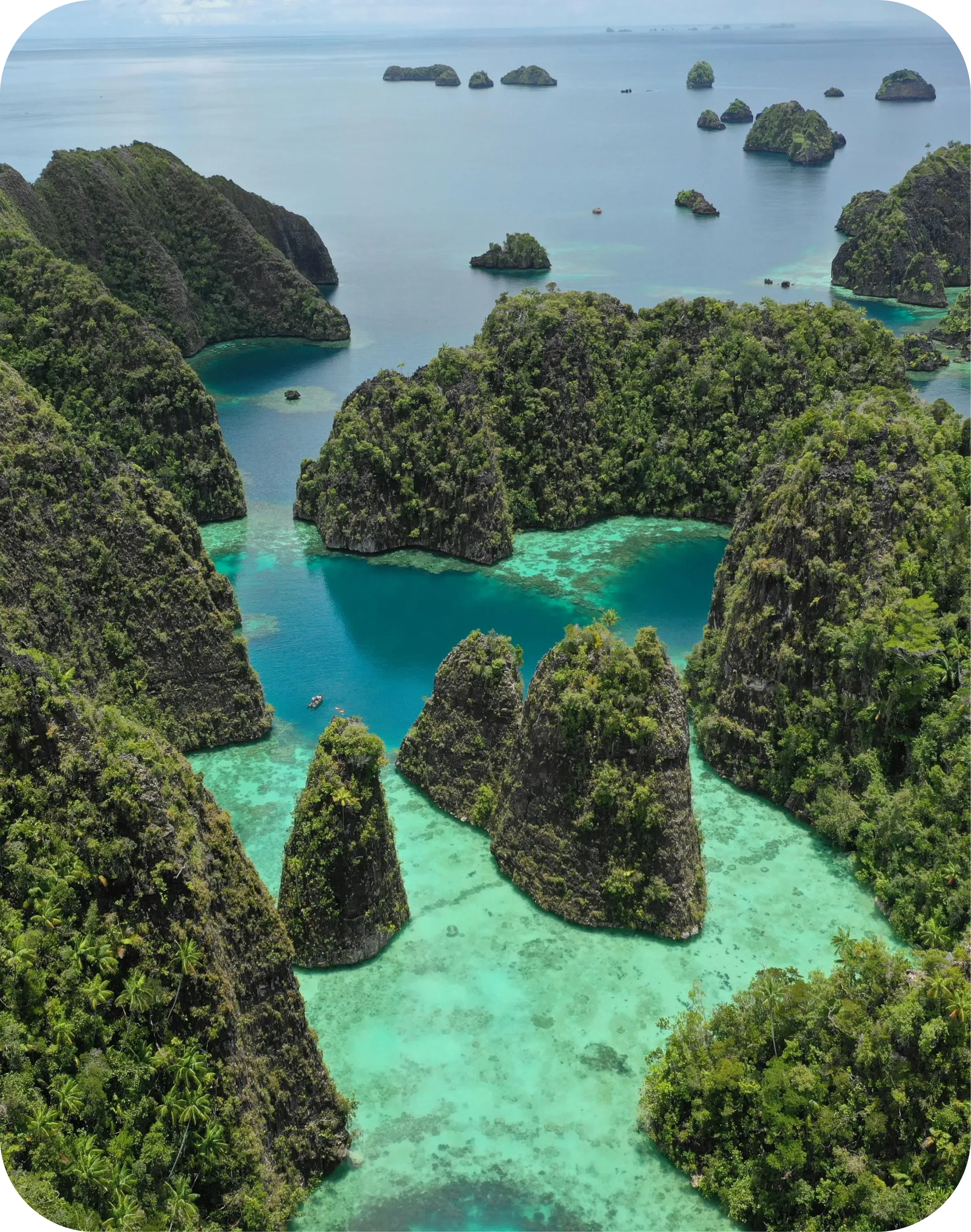
Raja Ampat is home to at least five species of carpet shark — a family that includes the wobbegong and epaulette sharks — and encountering these animals in their natural habitat is one of the defining experiences of diving in the Bird's Head Seascape. Their biology, behaviour, and evolutionary adaptations are as fascinating as anything the coral reef offers, and the images they produce for underwater photographers are genuinely unique.
Wobbegong Sharks: The Reef Ambush Predators
Wobbegong sharks are ambush predators of extraordinary capability, and their camouflage is among the finest available in the animal kingdom. The name "wobbegong" comes from an Australian Aboriginal word generally translated as "shaggy beard" — a reference to the elaborate dermal lobes and skin flaps around the head and body that, combined with a cryptic colouration precisely matched to the coral and rubble of the reef, render these animals effectively invisible until they move.
Raja Ampat is home to at least two wobbegong species of particular interest to divers. The tasselled wobbegong (Eucrossorhinus dasypogon) is one of the largest and most elaborately ornamented members of the family, with a fringe of branching dermal lobes around its head that create an extraordinary textural match to the soft coral and encrusted rock it lies on. The spotted wobbegong (Orectolobus maculatus) is found throughout the Indo-Pacific but reaches impressive sizes in Raja Ampat's nutrient-rich waters.
- Typical length: 1.0–1.8 metres for most encountered species
- Diet: fish, cephalopods, and crustaceans ambushed from the reef surface
- Activity: primarily nocturnal, but often inactive and visible during daylight
- Best sites: Sardine Reef, Arborek, rubble areas throughout the archipelago
The Walking Shark: One of Evolution's Most Remarkable Innovations
If wobbegongs are impressive, the epaulette sharks of Raja Ampat represent something even more extraordinary in evolutionary terms. These small carpet sharks — typically forty to seventy centimetres in length — have developed the ability to use their paired pectoral and pelvic fins to haul themselves across exposed reef flats at low tide, surviving out of the water for extended periods and actively hunting crabs and small fish in the inter-tidal zone that no other shark can reach.
The formal scientific designation of these animals — the genus Hemiscyllium — encompasses several species, and Raja Ampat is home to at least two that are considered endemic to the Bird's Head Seascape. The epaulette shark (Hemiscyllium ocellatum) was the first documented walking shark, described from Australian reef populations. The Raja Ampat variant, Hemiscyllium galei, is a distinct species described only in 2008 that is found nowhere else in the world.
How Epaulette Sharks Walk
The biomechanics of walking shark locomotion are genuinely fascinating. The animal uses an alternating gait with its paired fins — right pectoral advances as left pectoral pulls, creating a sinuous movement across the reef surface that is clearly derived from the swimming undulation of its body but adapted for the solid substrate of the reef flat.
This locomotion is not just a curiosity. It represents a genuine adaptive advantage in Raja Ampat's particular environment, where the extensive reef flats around Kri, Mansuar, and the Fam Islands are exposed for several hours during low spring tides. The walking sharks exploit this resource while all other reef predators are excluded, accessing prey populations of trapped reef fish and crustaceans that experience almost no predation pressure from any other species.
Where and When to Find Them
Epaulette sharks are most easily observed during the night dive hours and during low tide periods when they are actively hunting on exposed reef flats. The shallow reef margins around Arborek village, Kri Island, and Mansuar are particularly productive, and experienced local guides know specific locations where these animals have established foraging routes that they follow on a nightly basis.
Wobbegongs are simpler to locate — they require no timing expertise, just slow, careful observation of the reef substrate during any daylight or night dive. Experienced divers with good buoyancy and the patience to hover motionlessly and scan the reef surface methodically will encounter wobbegongs on the vast majority of Raja Ampat dives. The challenge is not finding them but seeing them — their camouflage is so effective that many divers swim directly over resting wobbegongs without ever noticing them.
Photography of Carpet Sharks
Both wobbegongs and epaulette sharks offer extraordinary photographic subjects. The wobbegong's textural detail rewards close-focus wide-angle shooting — getting within thirty centimetres of a resting animal with a fisheye lens captures the full complexity of its camouflage detail and the character of its face (including the extraordinary eyes that appear to observe the photographer with wary intelligence).
Walking sharks are best photographed with a medium focal length (50-60mm equivalent) at near-neutral buoyancy above the reef flat. Evening light from the setting sun or the glow of a video light adds warmth to the image and catches the iridescent quality of the animal's skin pattern.
Conservation Significance
The endemic status of Raja Ampat's epaulette sharks makes them conservation priorities of global significance. These animals exist nowhere else on Earth — any population collapse would be irreversible. The reef flat habitats they depend on are relatively robust within Raja Ampat's marine protected area network, but climate-driven changes to coral structure and inter-tidal habitat quality represent long-term threats that continue to be monitored by conservation researchers.
DUNE's guides brief guests on the specific conservation status of these endemic species and on the behavioural ethics that apply when observing walking sharks in particular — specifically, never obstructing an animal on a foraging route, maintaining a minimum distance of two metres from active feeding behaviour, and not using flash photography within one metre of the animal.
Meet Raja Ampat's Extraordinary Sharks with DUNE
Encountering wobbegong and epaulette sharks in their natural habitat is among the most memorable wildlife experiences that Raja Ampat offers, and one that requires the kind of site-specific knowledge that only comes from years of diving these waters. DUNE's guides will position you at the right locations, at the right times, for encounters that most Raja Ampat visitors never experience.
Contact DUNE to discuss our Raja Ampat wildlife diving programmes and ask about dedicated shark and endemic species focus itineraries.