







The Story of the USAT Liberty
The USAT Liberty was an American cargo ship torpedoed by a Japanese submarine on January 11, 1942, in the Lombok Strait during the opening months of World War II in the Pacific. Badly damaged but still afloat, she was beached at Tulamben on Bali's northeast coast while attempts were made to salvage her cargo. Those salvage efforts were eventually abandoned, and the Liberty remained grounded on the beach for over two decades.
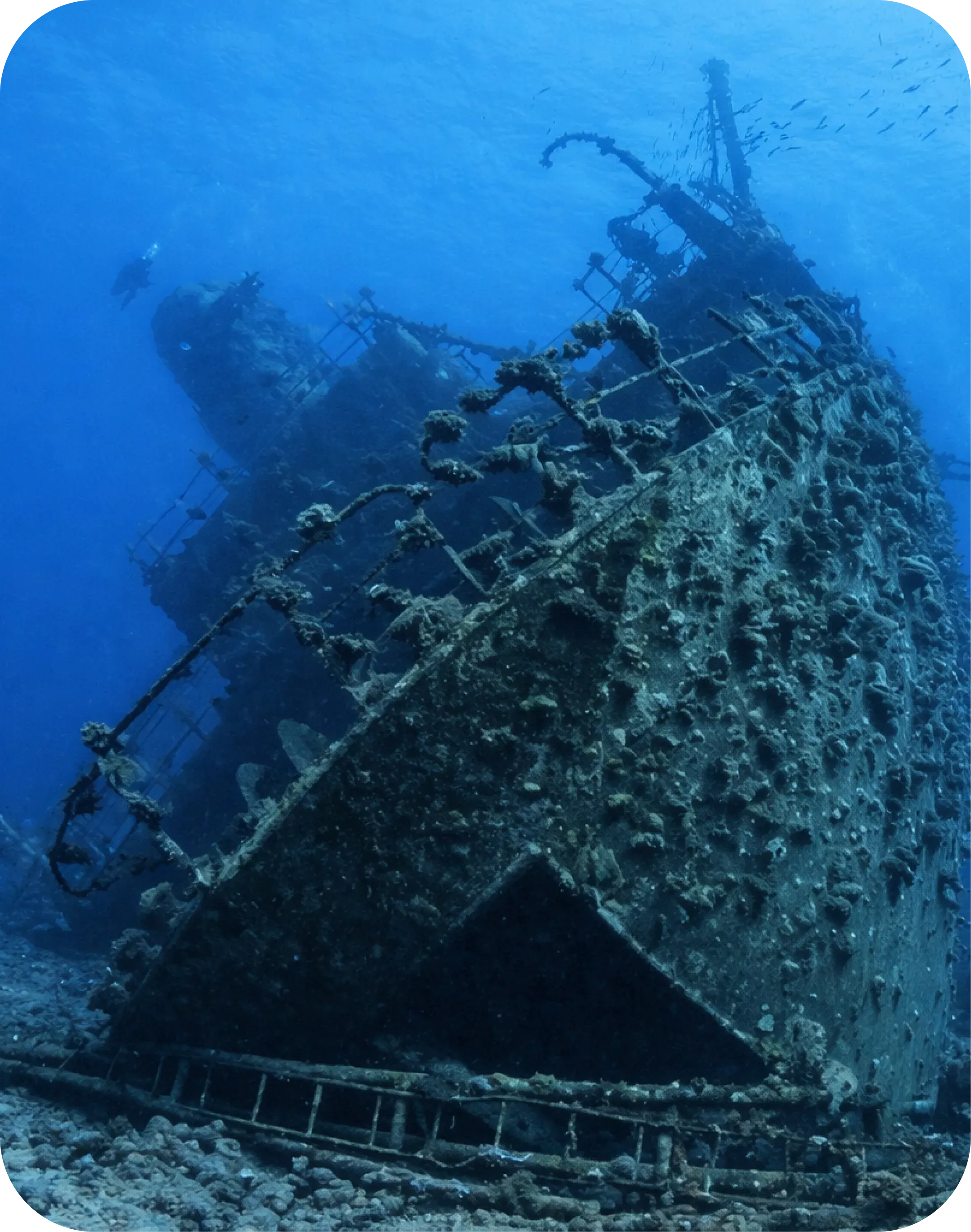
In 1963, the eruption of Mount Agung — Bali's sacred volcano — sent the Liberty sliding into the sea, where she now rests on a sloping black sand bottom between three and thirty metres depth, just forty metres from the shore. This geological accident transformed a rusting beached hulk into one of the most accessible and densely inhabited artificial reefs in the world.
Today, the USAT Liberty is arguably the most famous dive site in Bali and one of the most visited wreck dives in all of Asia. Shore-accessible and requiring no boat, the dive can be conducted at any skill level from beginner to advanced technical diver exploring the deeper sections of the hull.
What Makes the Liberty So Special?
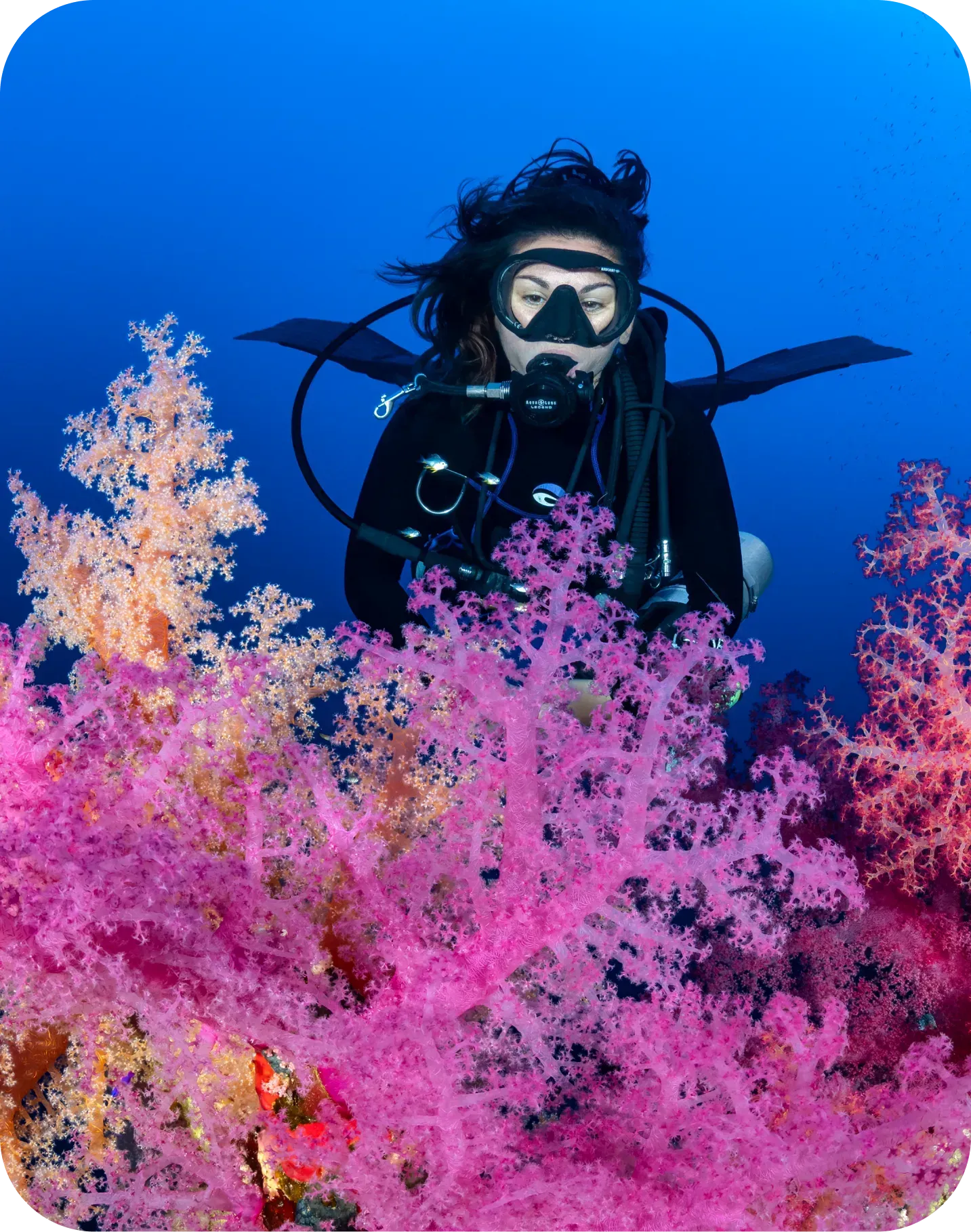
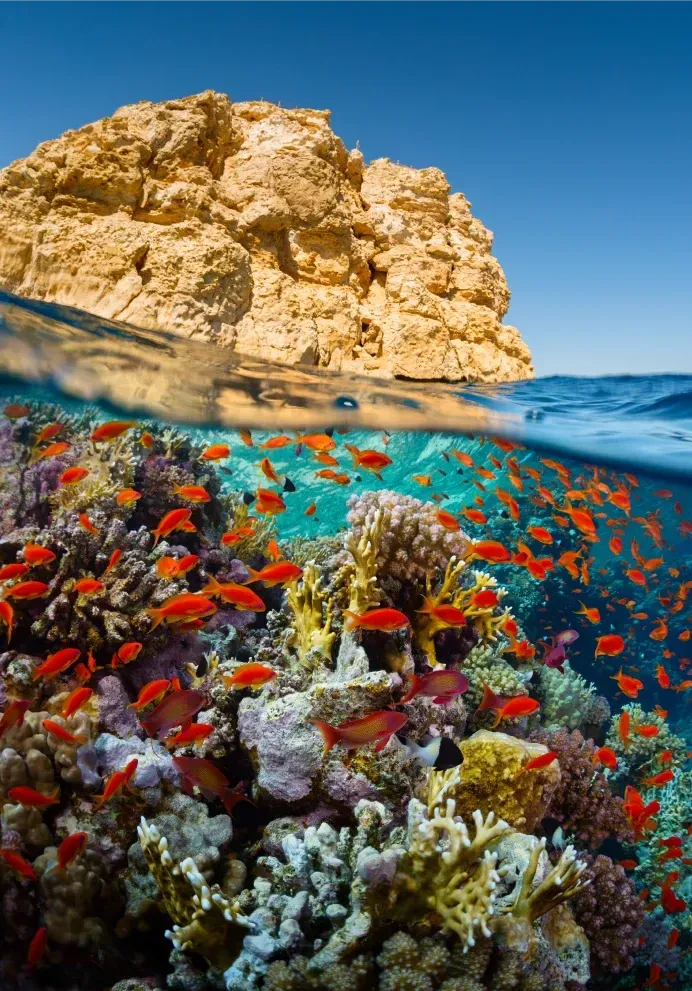
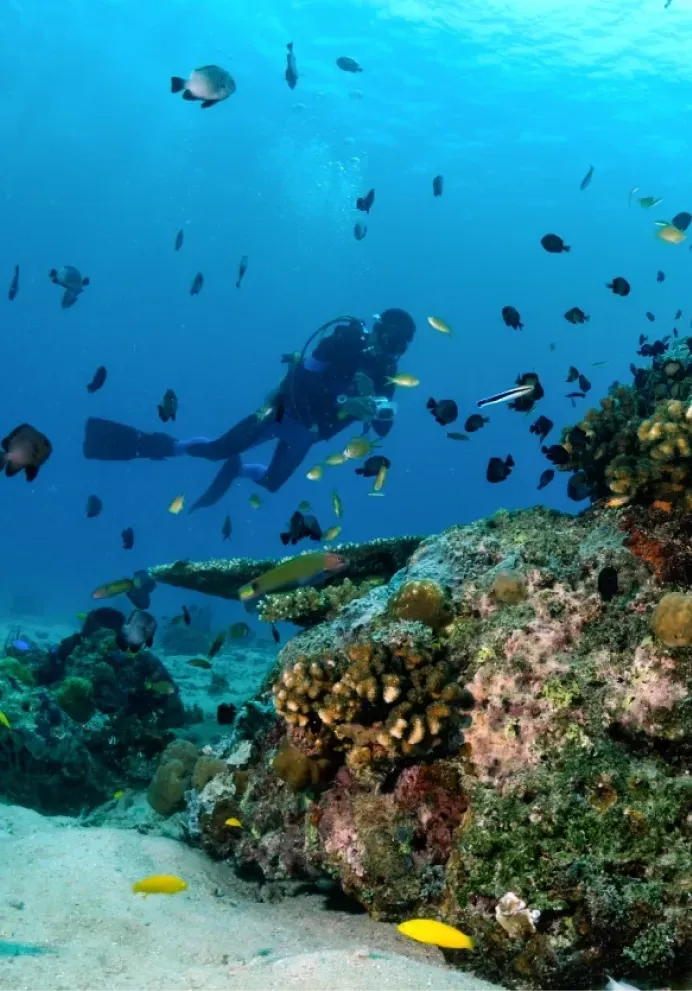
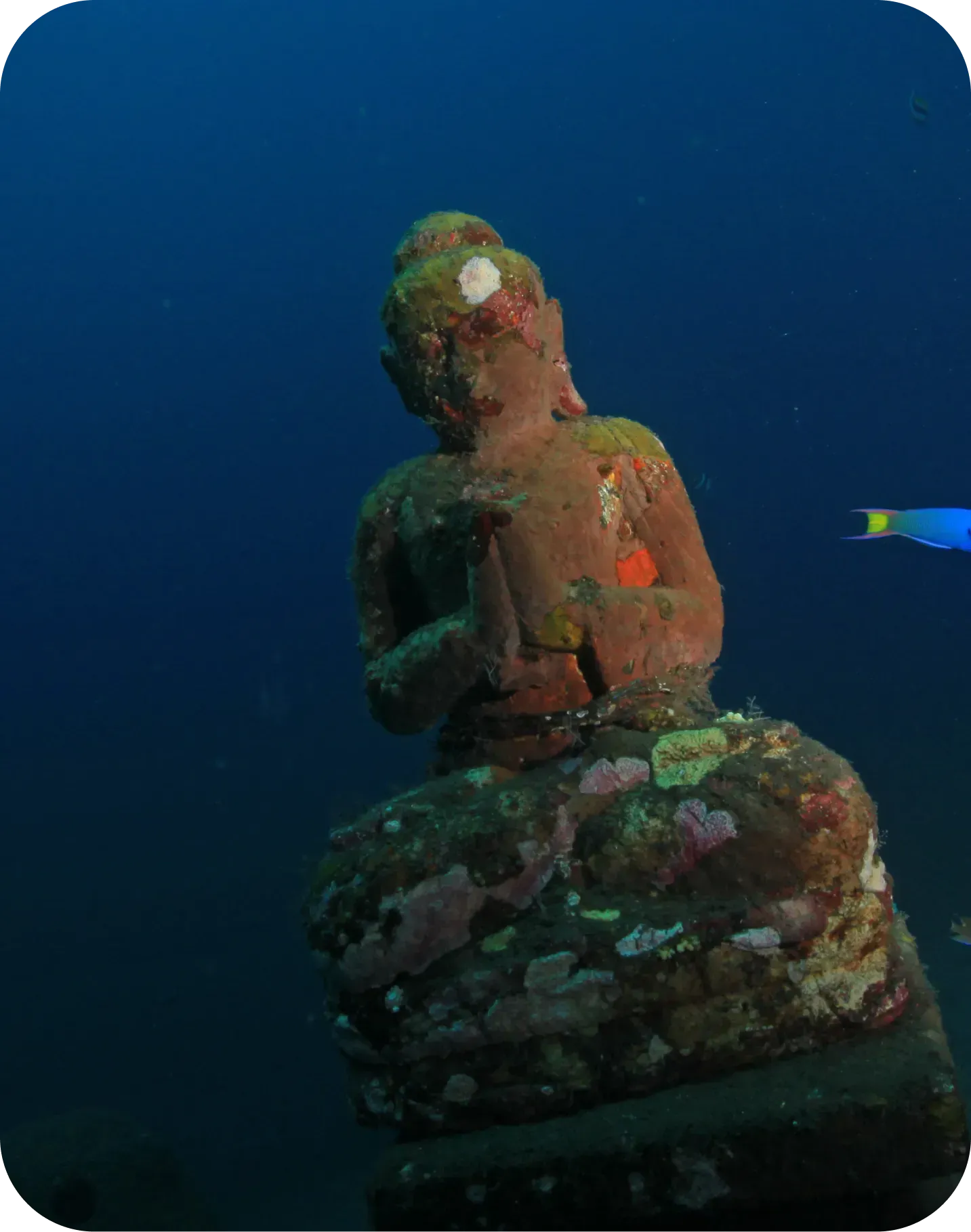
What sets the USAT Liberty apart from most wreck dives is the extraordinary density of marine life that has colonised the hull over six decades of submersion. The ship is not merely an interesting historical artefact underwater — it has become a living reef, every surface encrusted with hard and soft corals, sea fans, and sponges that attract an astonishing diversity of fish and invertebrate life.
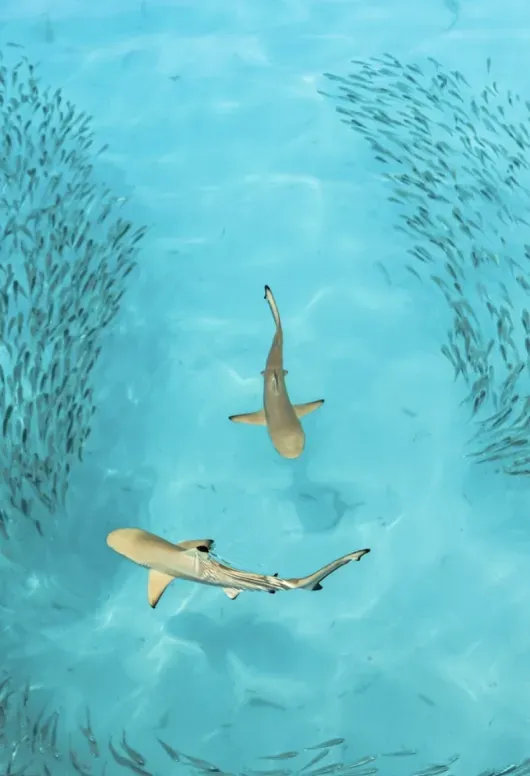
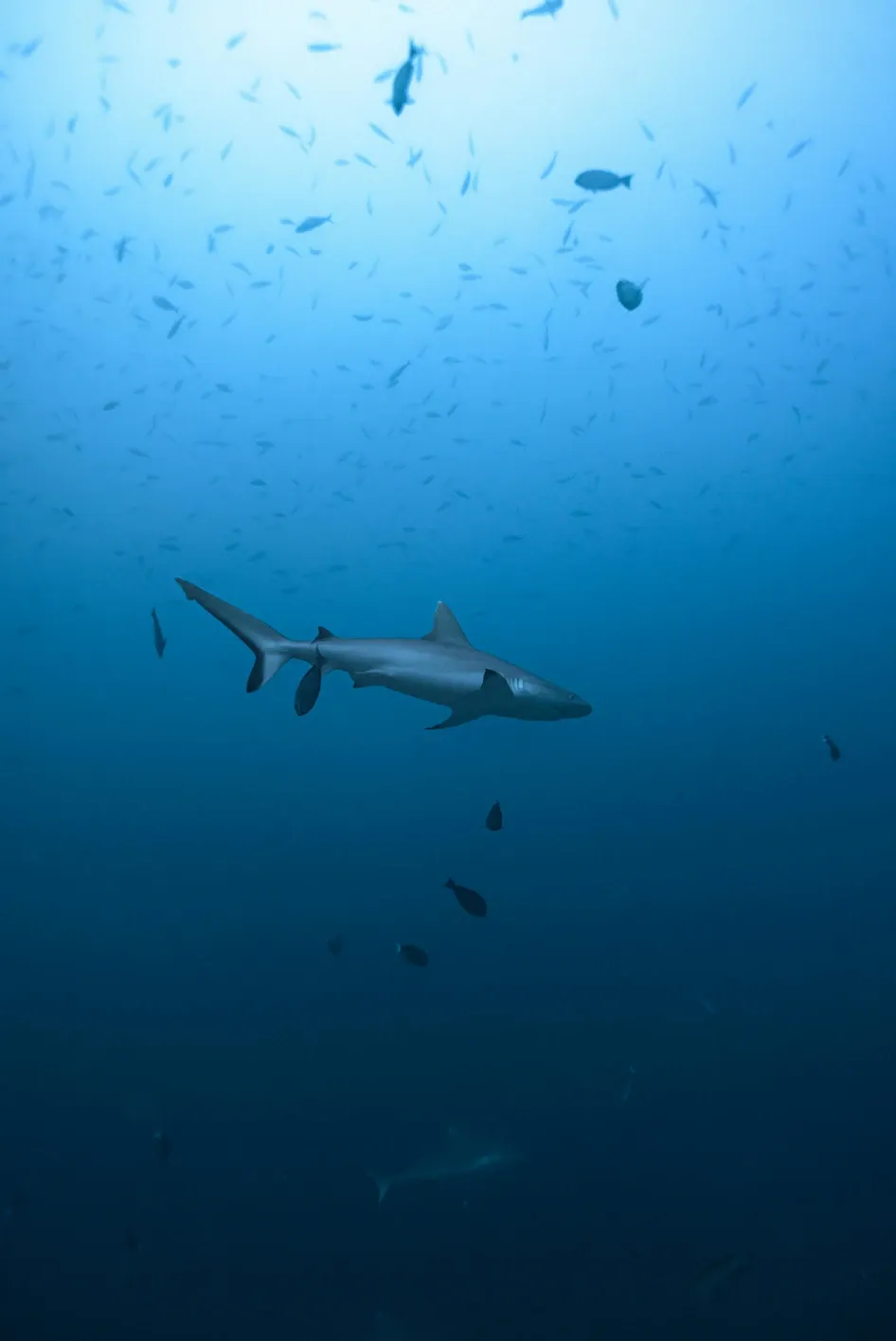
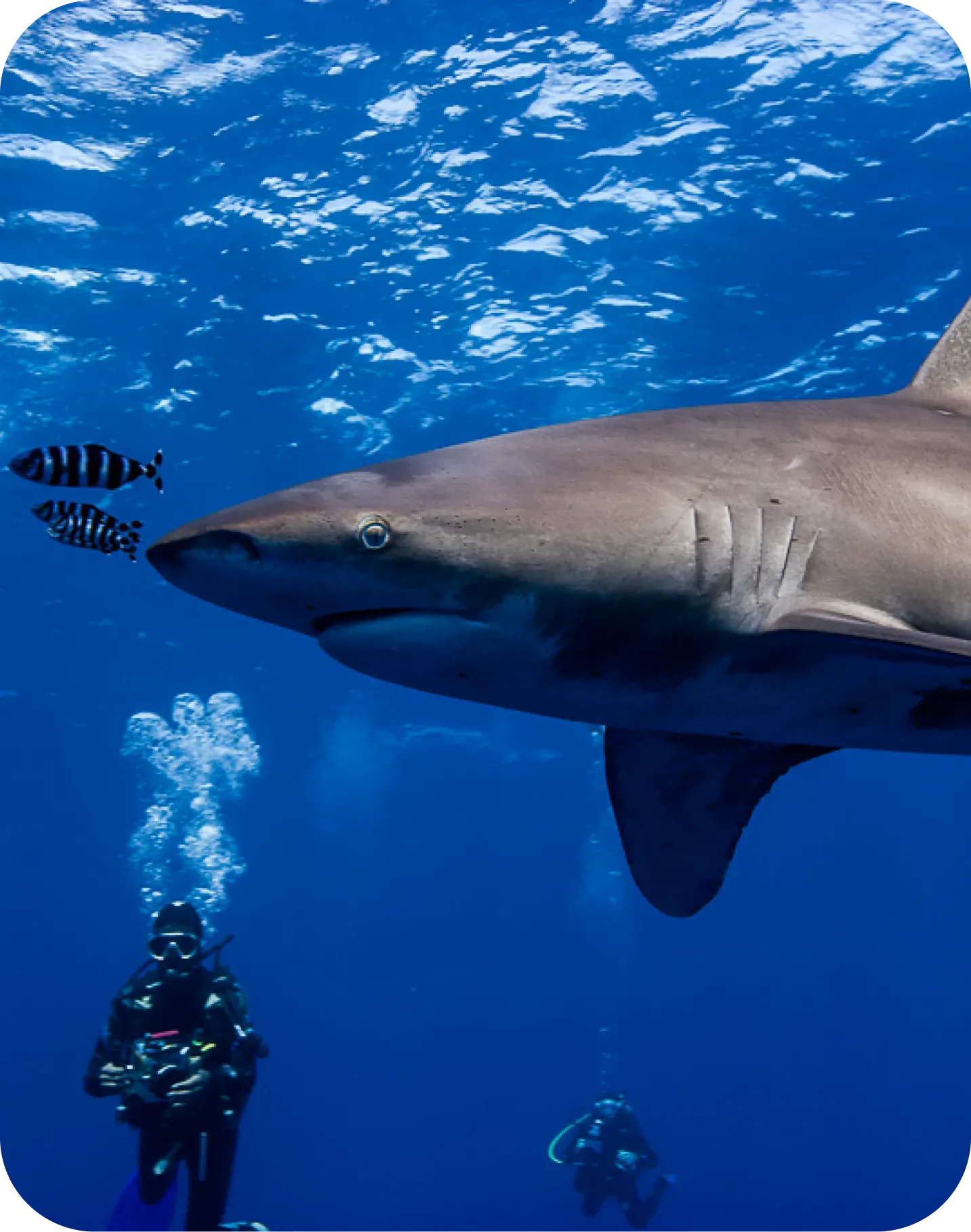
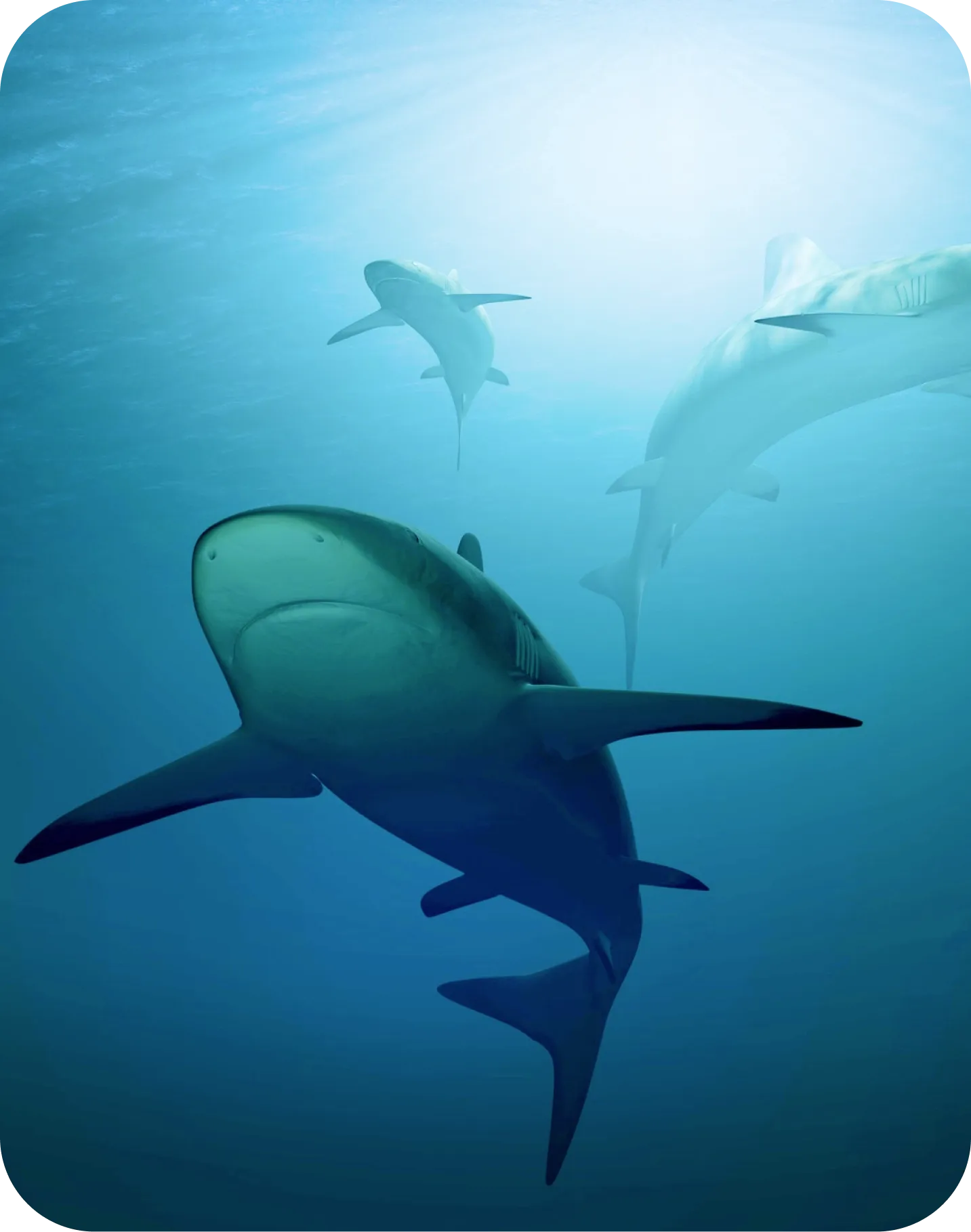
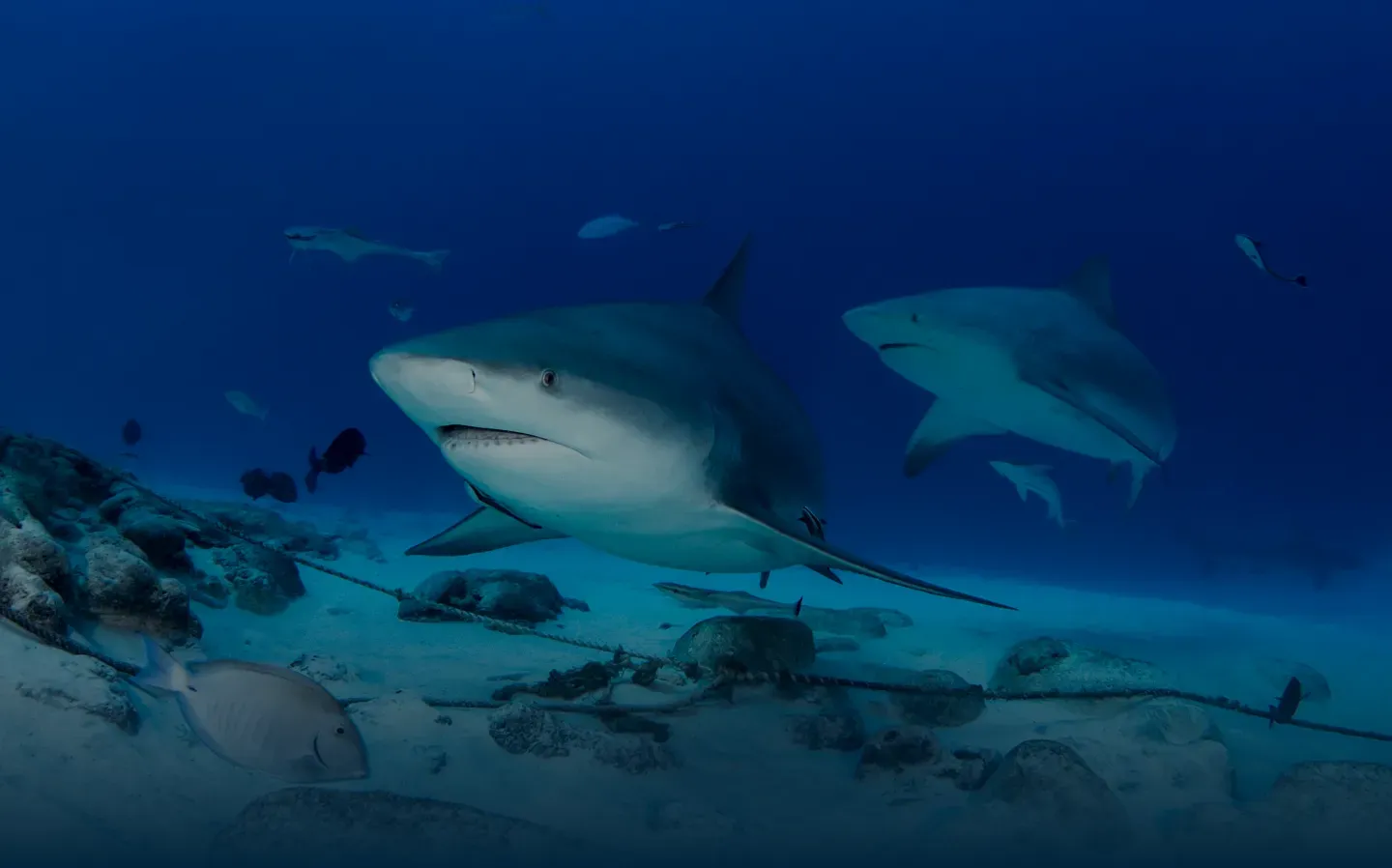
A single dive on the Liberty can yield encounters with dozens of species. Large schools of bumphead parrotfish — some of the most impressive fish you will ever see underwater — shelter in the bow section. Giant trevally patrol the midships area. Black-tip reef sharks are regularly seen in the deeper sections. And throughout the wreck, the holes, crevices, and collapsed sections hide an almost unbelievable variety of macro subjects: nudibranchs, ghost pipefish, frogfish of multiple colour morphs, and the ever-present cleaner shrimp attending to their fish clients at established cleaning stations.
- Bumphead parrotfish schools (often 50+ individuals)
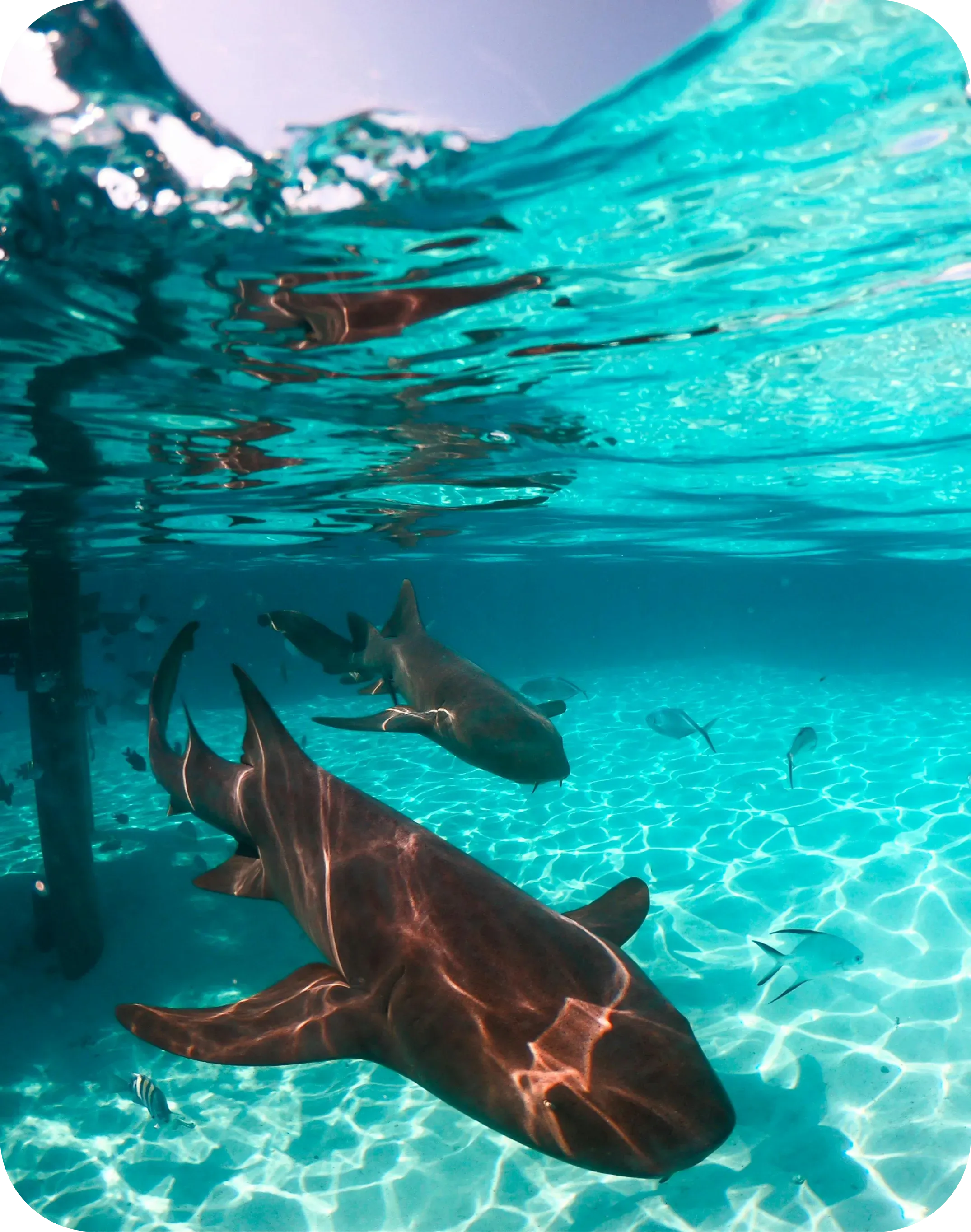
- Black-tip and white-tip reef sharks
- Giant moray eels
- Numerous frogfish species and colour morphs
- Ghost pipefish and ornate ghost pipefish
- Diverse nudibranch species
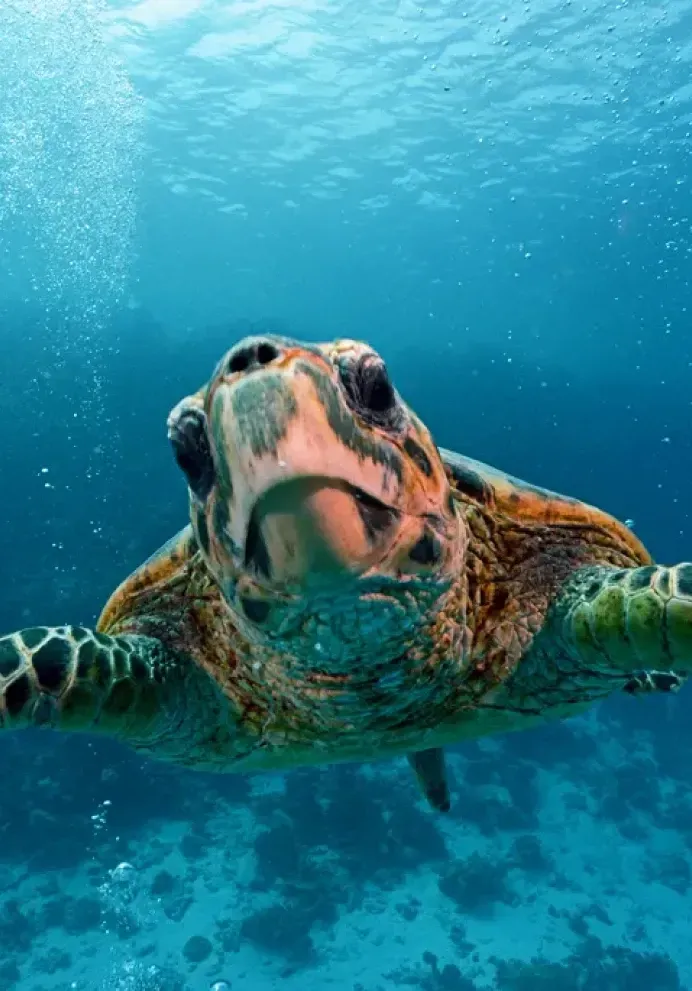
- Hawksbill turtles
Why It's Perfect for Beginner Divers
The Liberty is one of the most beginner-friendly wreck dives in the world for several important reasons. The shallowest section of the wreck begins at just three metres depth, allowing open water certified divers to explore the upper hull structure in conditions that closely resemble a standard reef dive. The wreck is entirely open — there is no penetration required to see the best of the site, and the visibility is generally good throughout the year.
The shore entry, while involving a brief wade across sharp volcanic rocks (reef shoes or boots are essential), means there is no boat to board and no current-timing to master. Simply enter the water, fin the short distance to the wreck, and descend at your own pace. The absence of significant current at Tulamben makes buoyancy control and navigation straightforward, ideal conditions for newer divers to build confidence and experience.
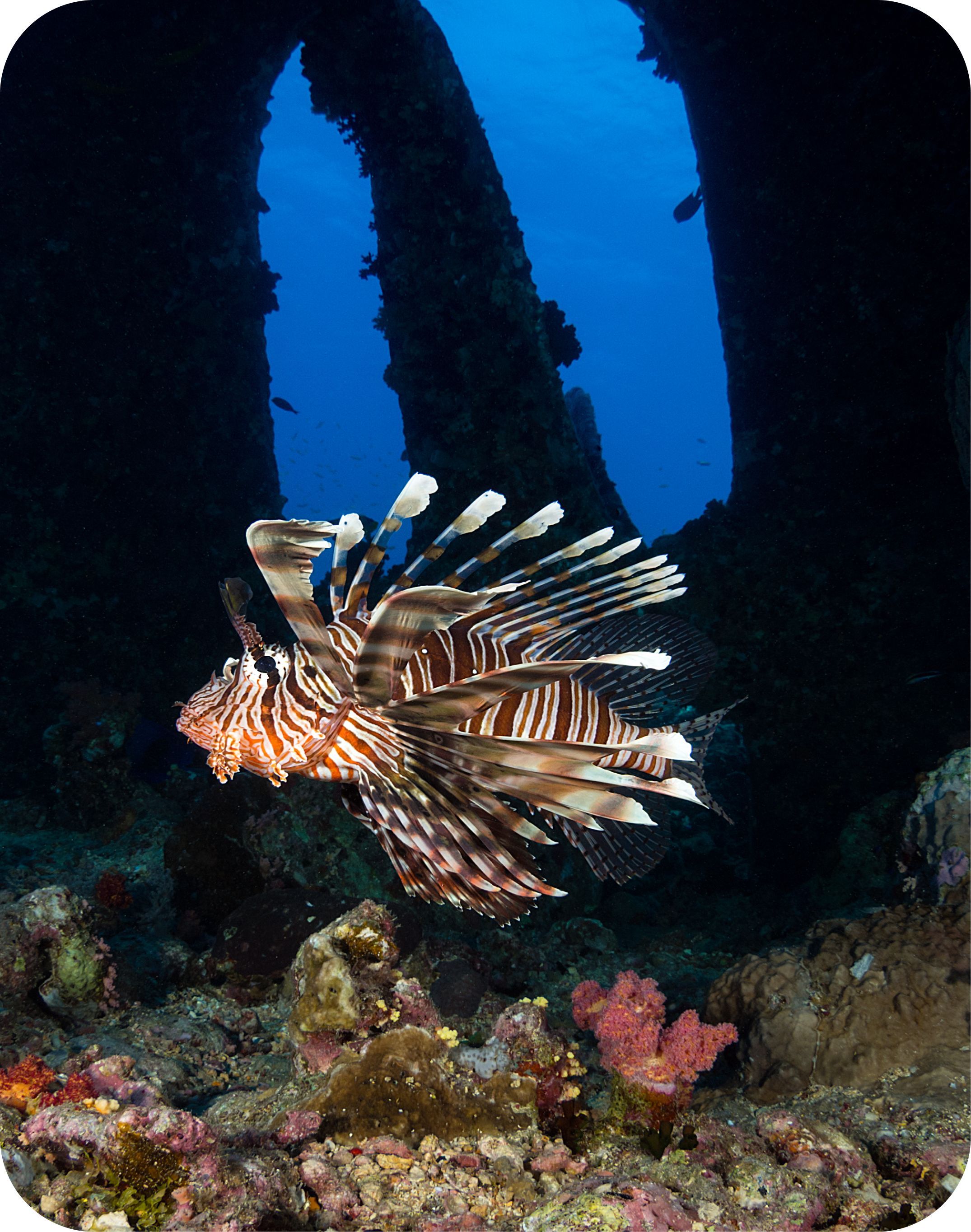
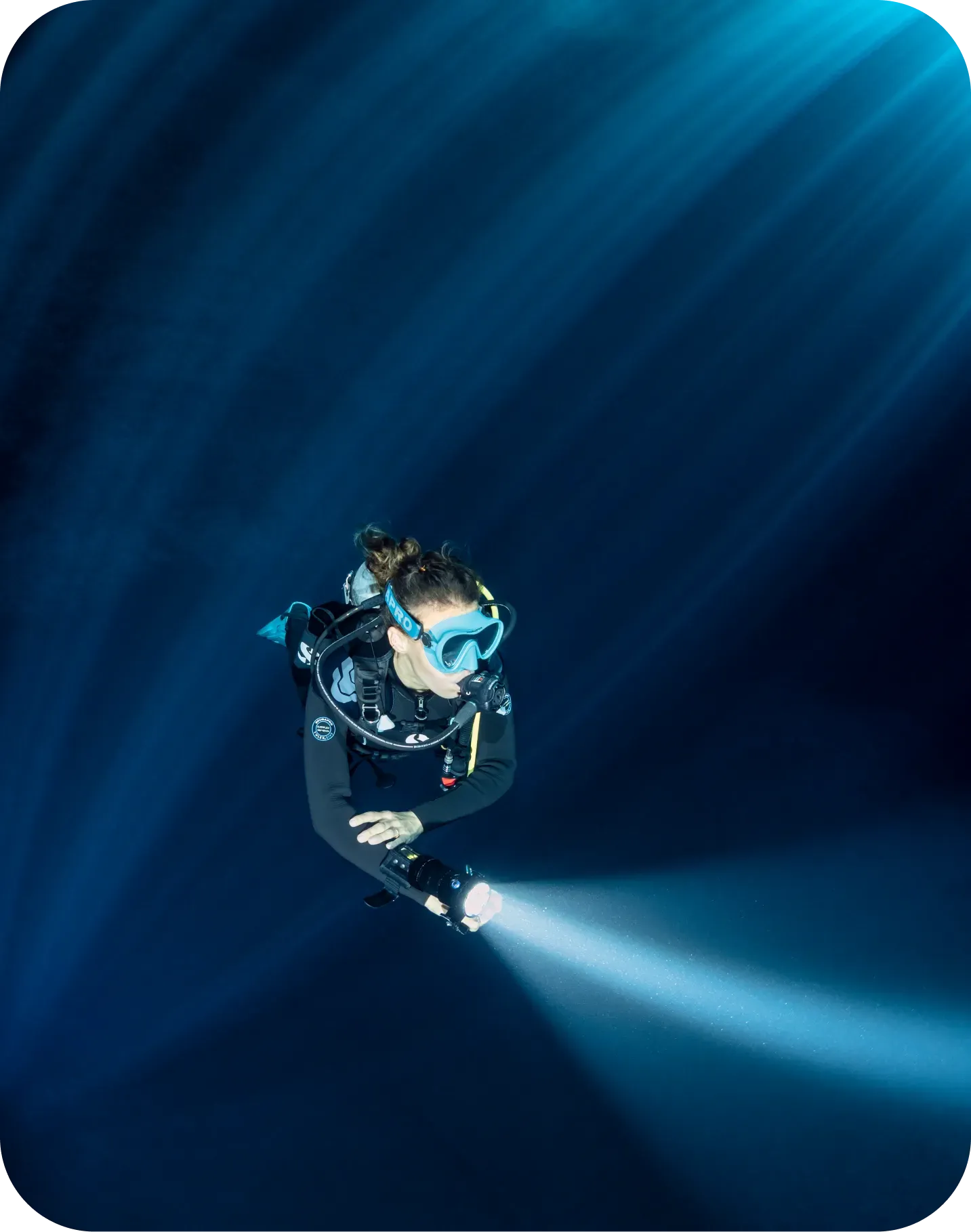
Night dives on the Liberty are an entirely different experience and are considered among the best in Asia. The wreck transforms after dark into a feeding ground of extraordinary activity: mandarin fish emerge to perform their mating displays on the shallow reef next to the wreck, while hunting squid, Spanish dancer nudibranchs, and hunting lionfish add drama to every torch beam.
Practical Dive Information
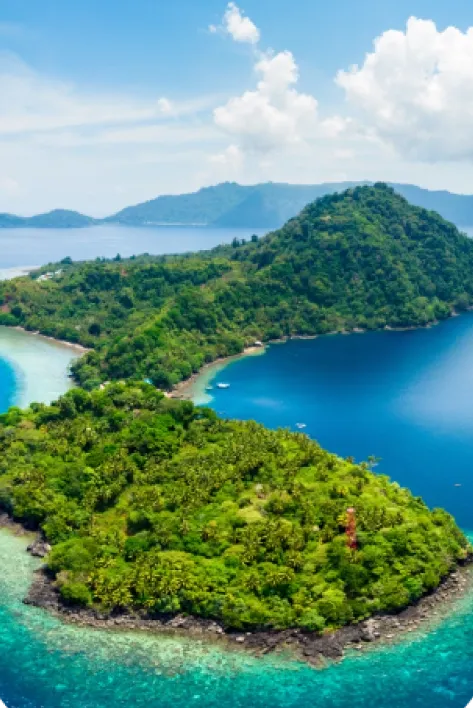
Tulamben is a small fishing village on Bali's northeast coast, approximately two and a half hours by road from Kuta and Seminyak, and around two hours from Ubud. The road journey through the volcanic landscape of eastern Bali is itself a remarkable experience. Most divers staying in the Tulamben area choose accommodations within a short walk of the beach entry point.
- Depth range: 3–30 metres (recreational depths throughout)
- Entry: Shore entry, wading across volcanic rock beach
- Visibility: 10–25 metres typically
- Current: Generally mild; occasional gentle drift
- Water temperature: 26–29°C year-round
- Best time: April to November for best visibility
- Certification required: Open Water minimum; all levels welcome
Beyond the Liberty: Tulamben's Other Dive Sites
Tulamben is far more than a single-wreck destination. The Tulamben Drop-Off, also known as the Wall, begins just a short swim from the Liberty and offers a spectacular vertical reef descending from five to more than forty metres. The Wall is festooned with soft corals and sea fans, patrolled by white-tip sharks, and offers consistently excellent macro photography opportunities in the shallower sections.
The Coral Garden at Tulamben is a gently sloping reef ideal for relaxed, multi-species diving. Resident turtles graze on the abundant algae, and the site's sandy patches and rubble zones are excellent for spotting cryptic species including the extraordinary mimic octopus and blue-ringed octopus (observe from a safe distance).
Batu Kelebit, a small rocky outcrop known as the Emerald Garden, is a short boat ride from Tulamben and offers pristine coral formations in shallower water, ideal for snorkelling as well as diving.
Bali Diving: More Than Just Tulamben
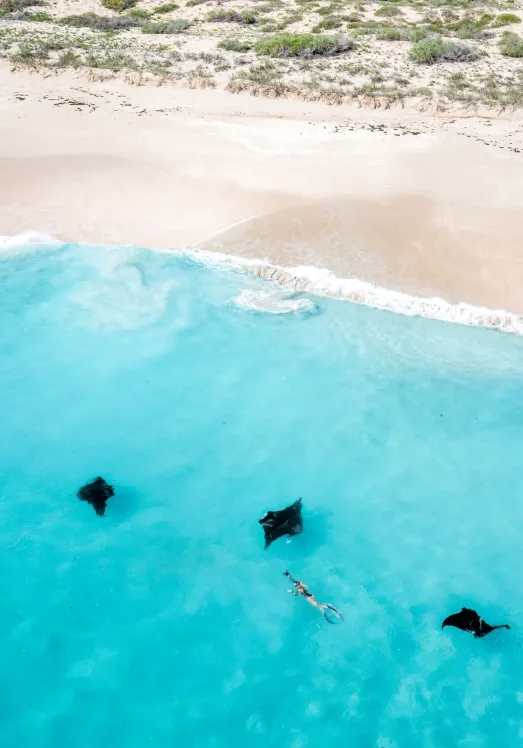
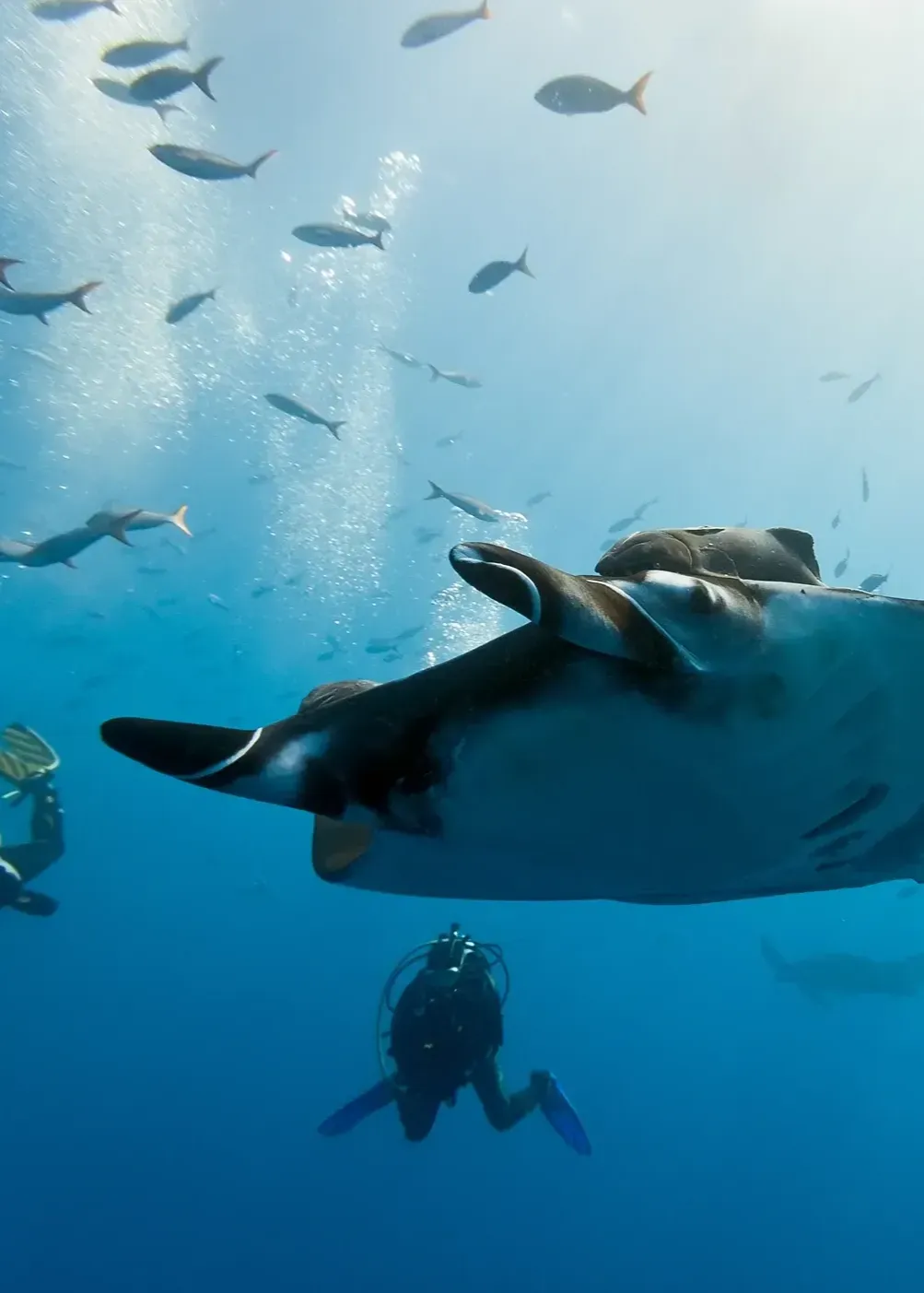
While the USAT Liberty dominates Bali's diving reputation, the island offers a surprisingly diverse range of diving experiences beyond Tulamben. Nusa Penida, a rugged island twenty minutes by fast boat from Sanur, is home to Manta Point — one of the most reliable manta ray sites in all of Indonesia — and the Crystal Bay dive site, famous for sightings of the extraordinary Mola mola (ocean sunfish) between August and October.
The sunfish season at Crystal Bay draws divers from around the world to witness these extraordinary animals — essentially a giant swimming head with fins — being cleaned by reef fish at depth. The water during Mola mola season can be cold (as low as 18°C), but the experience is unforgettable.
Plan Your Bali Diving Trip with DUNE
DUNE creates bespoke Bali diving programmes that combine the iconic USAT Liberty with the best of what this extraordinary island has to offer above and below the water. Whether you are a first-time diver looking to complete your certification on one of Asia's most famous wrecks, or an experienced photographer hunting for frogfish and nudibranchs on the black sand slopes of Tulamben, our team will build the perfect itinerary for your level and interests.
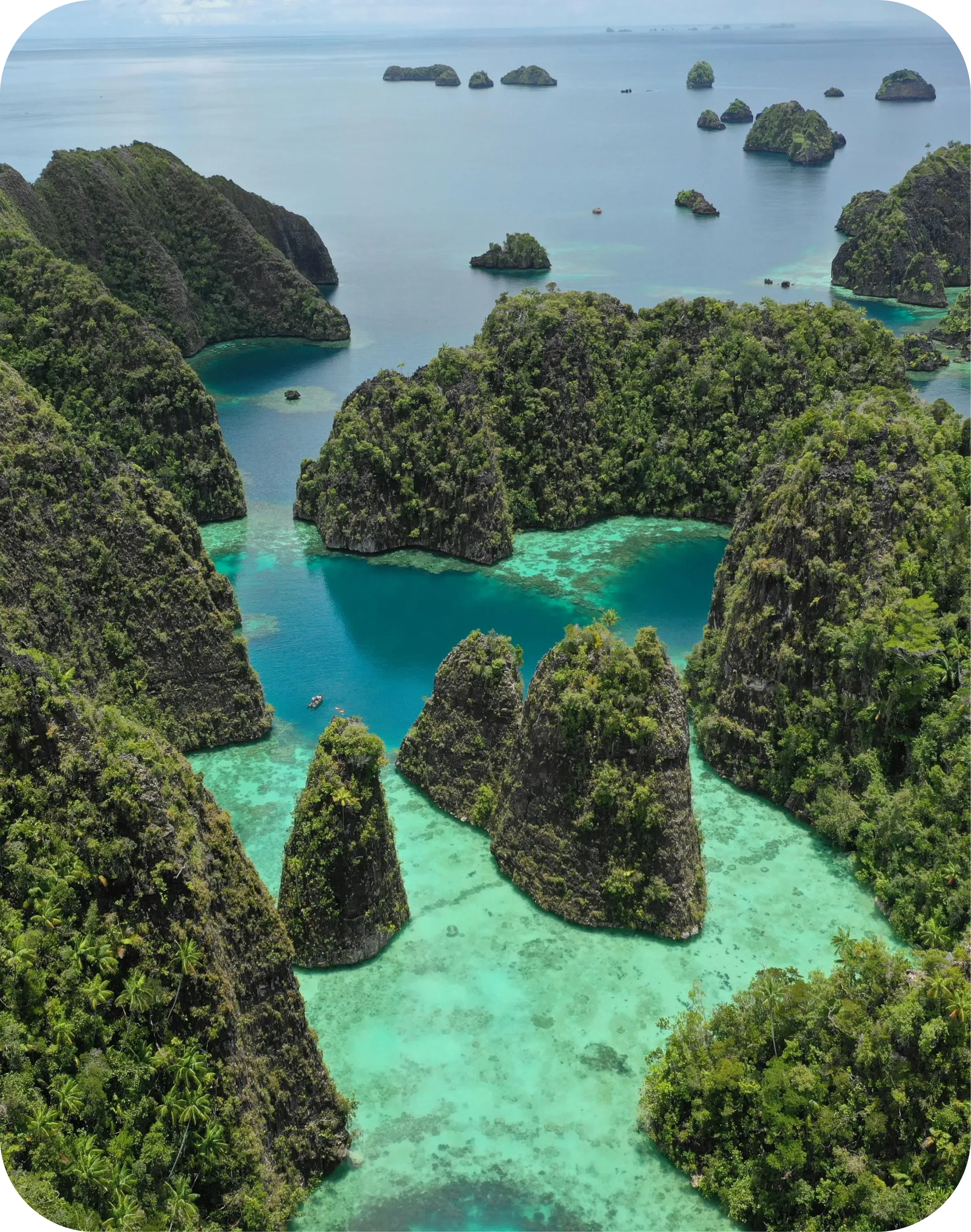
Contact DUNE now to discover our Bali diving programmes, including dedicated wreck diving weeks, underwater photography workshops, and combined Bali and Komodo or Bali and Raja Ampat expeditions.