

















Understanding Red Sea Diving Conditions
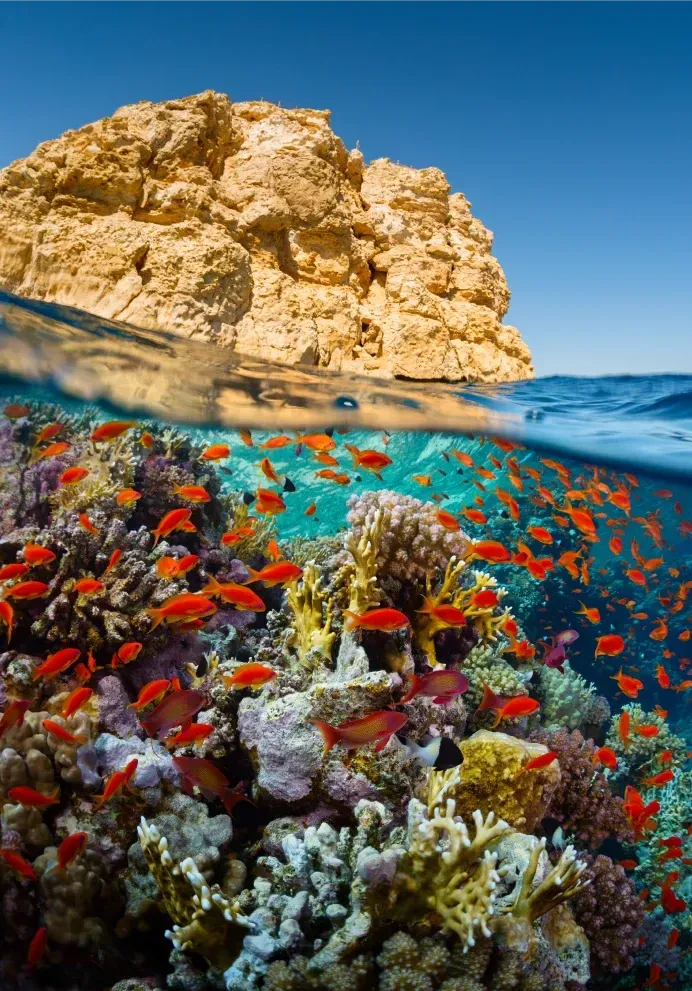
The Red Sea is renowned for its breathtaking underwater landscapes, teeming with vibrant marine life and stunning coral reefs. As divers, it is essential to be well-informed about the diving conditions you can expect during your trip. Understanding visibility, water temperatures, currents, and seasonal variations will help you plan your diving adventure effectively. In this guide, we will delve into these aspects, offering insights tailored for divers of all levels.
Visibility: A Crystal-Clear Experience
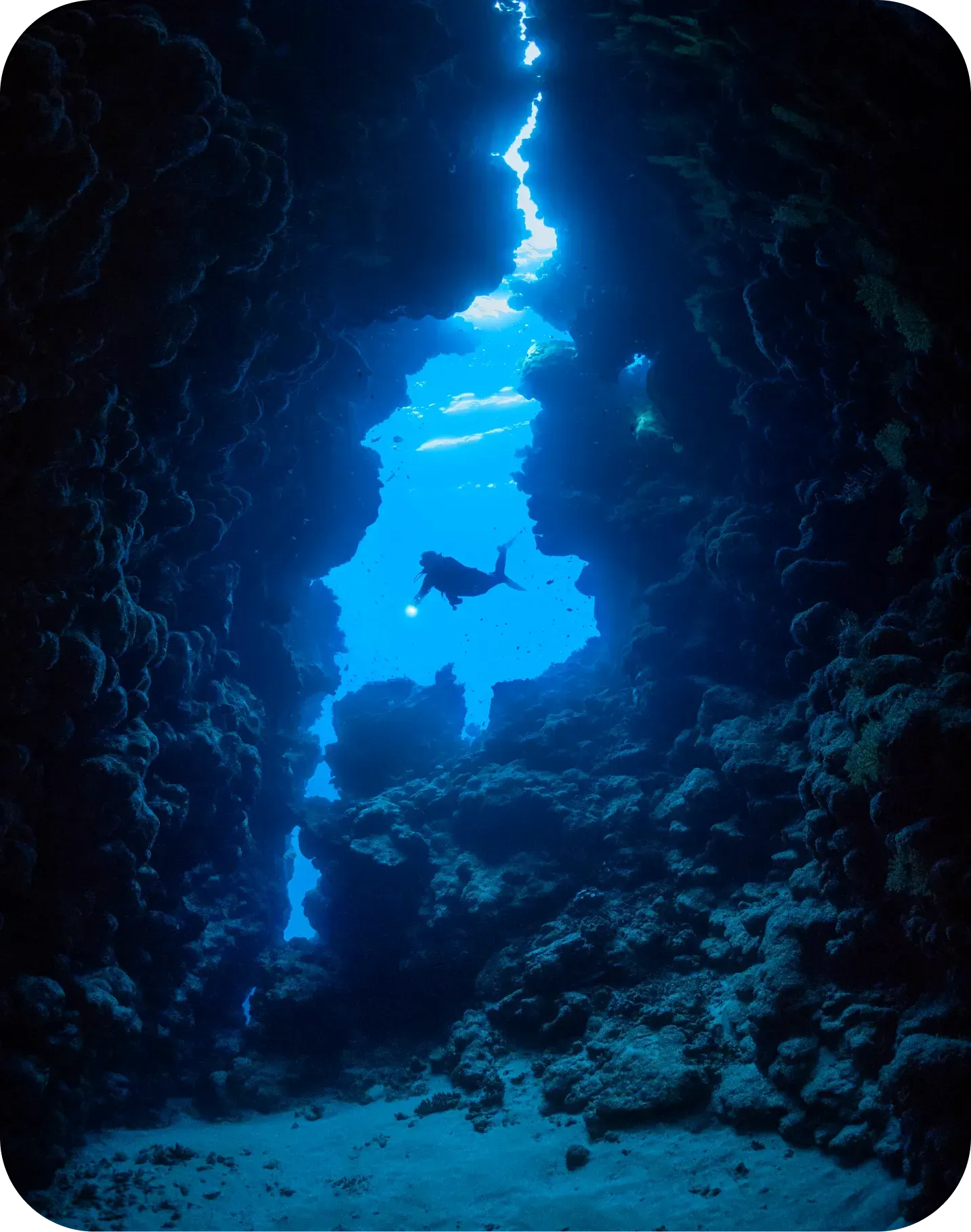
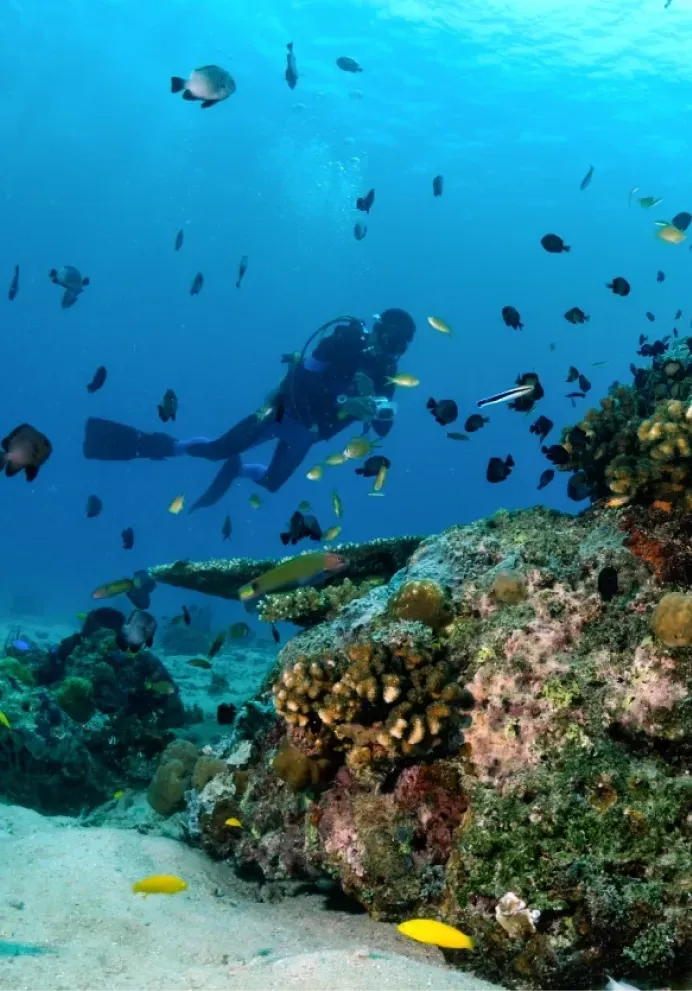
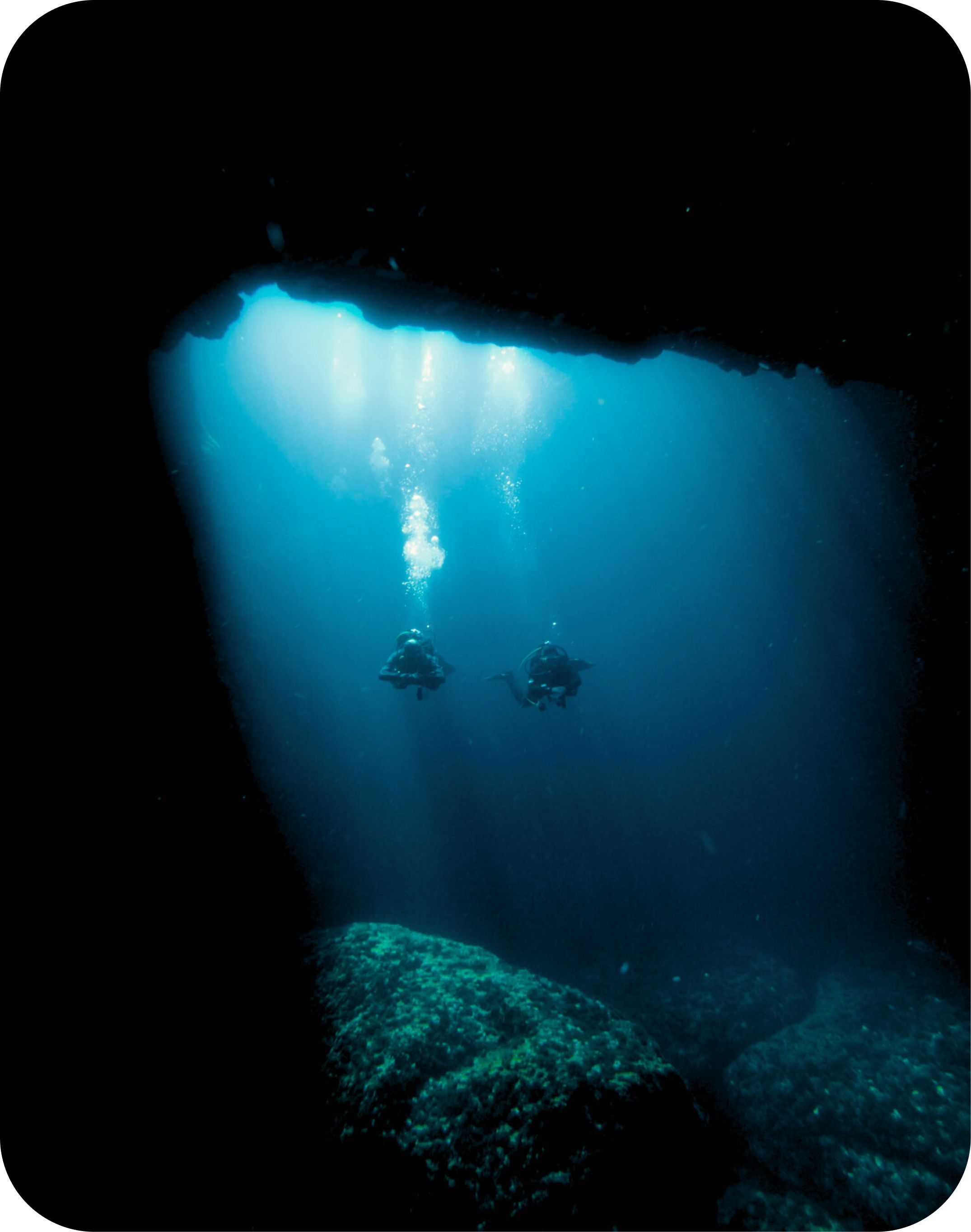
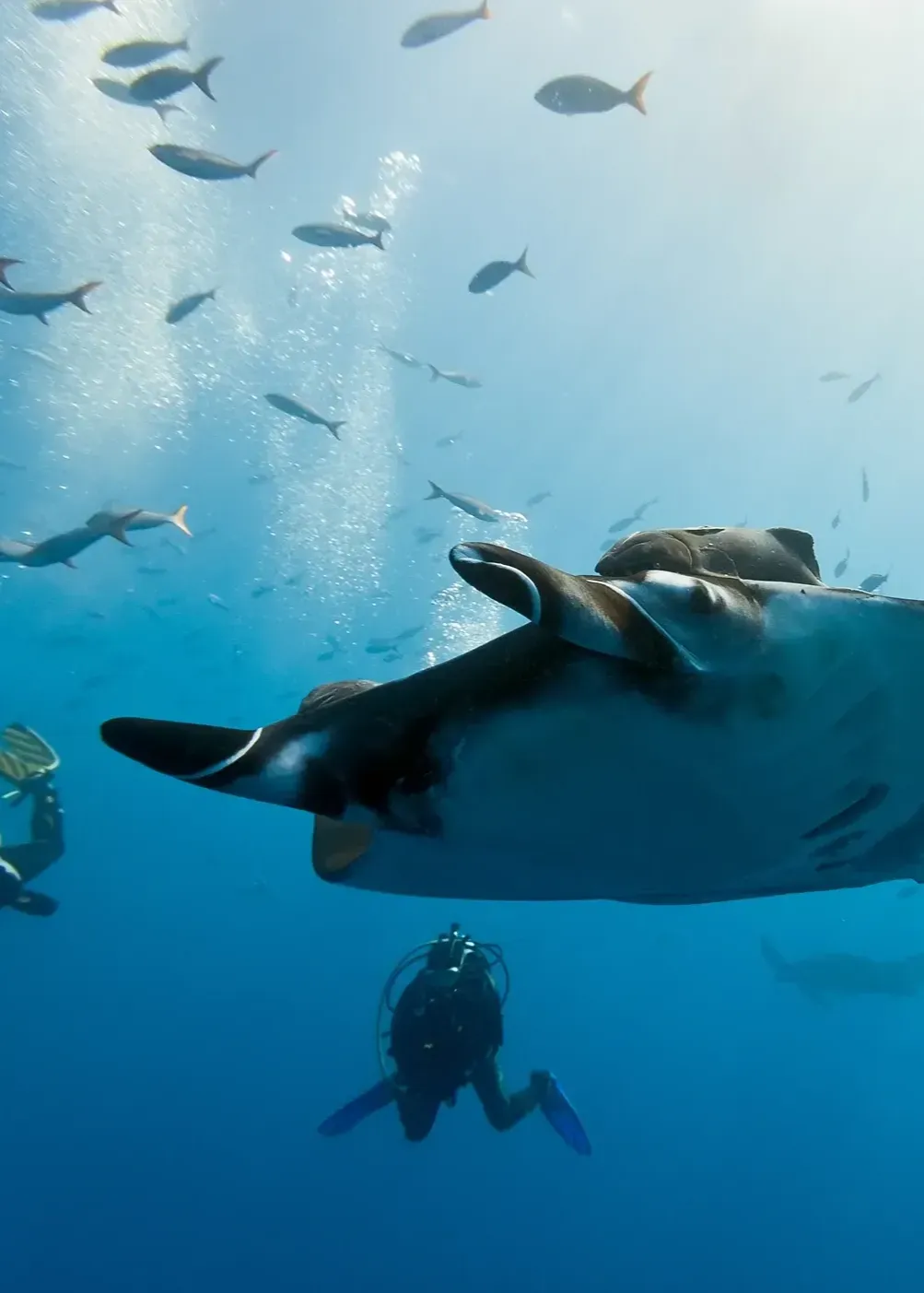
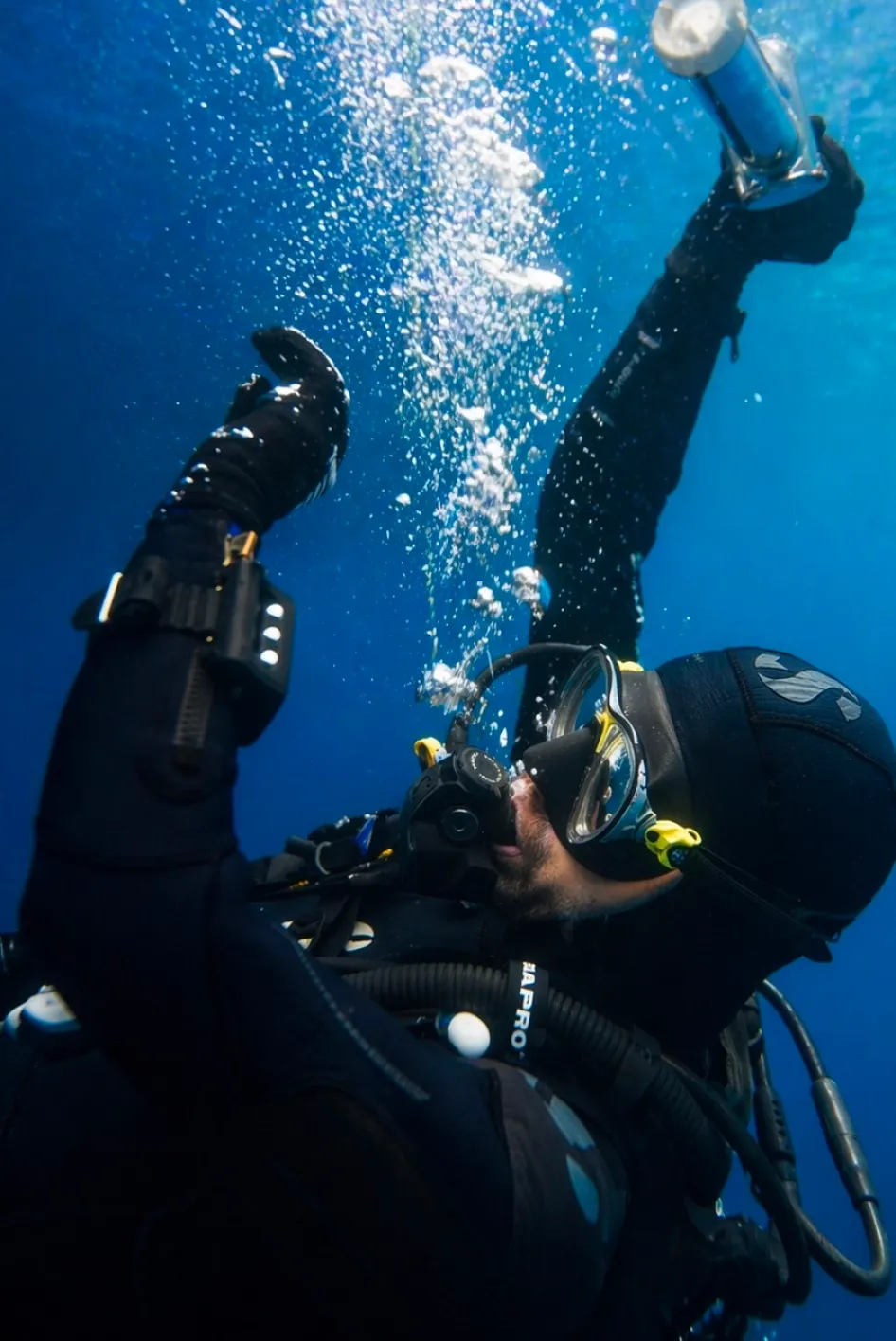
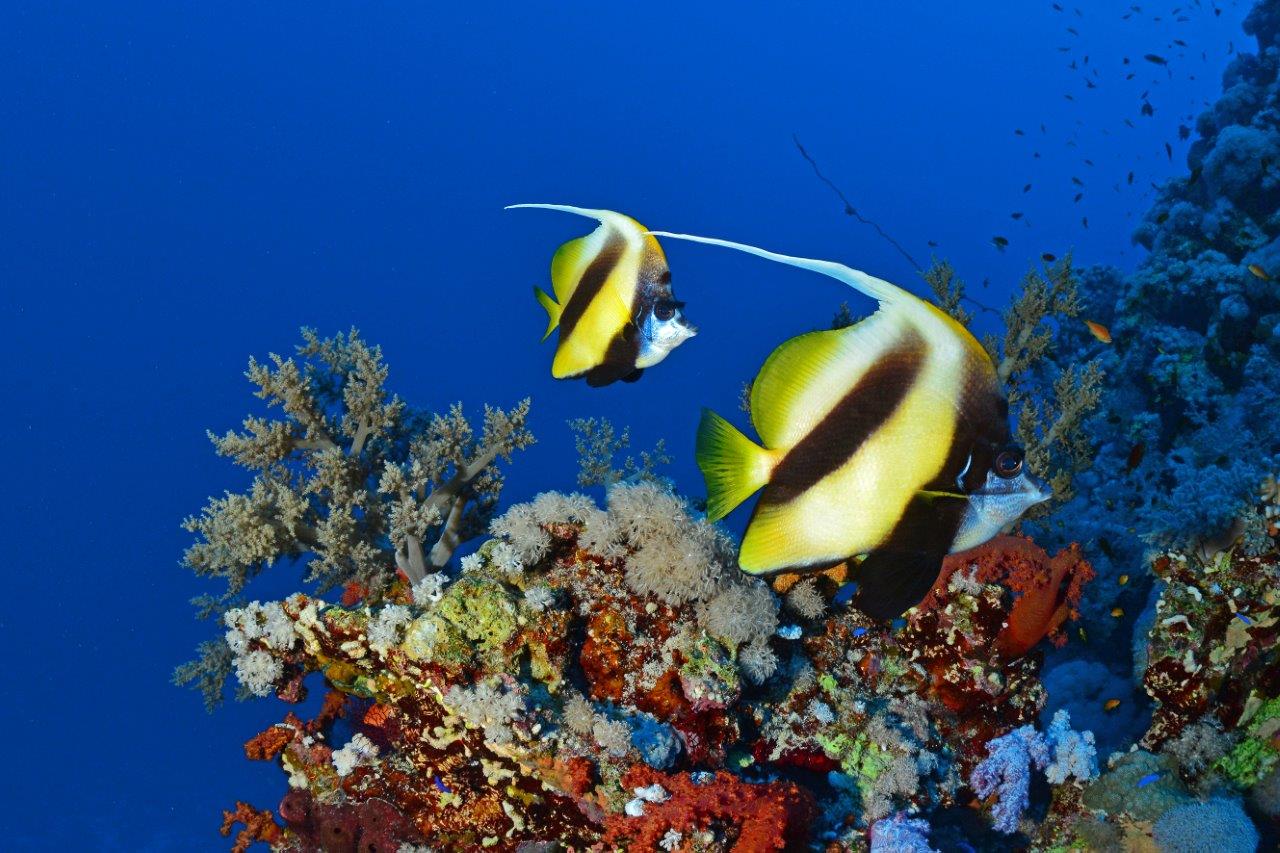
One of the most notable features of diving in the Red Sea is its exceptional visibility. Generally, visibility ranges from an impressive 20 to 40 metres, with some sites even boasting beyond 40 metres during optimal conditions. This extraordinary clarity allows divers to appreciate the intricate details of coral formations and observe fish behaviour from a distance.
Several factors can influence visibility:
- Seasonal Changes: The best visibility is typically found from April to November, coinciding with warmer water temperatures and calmer weather conditions.
- Weather Conditions: Wind and surface waves can stir up sediment, reducing visibility temporarily. Thus, diving early in the morning often yields the best conditions.
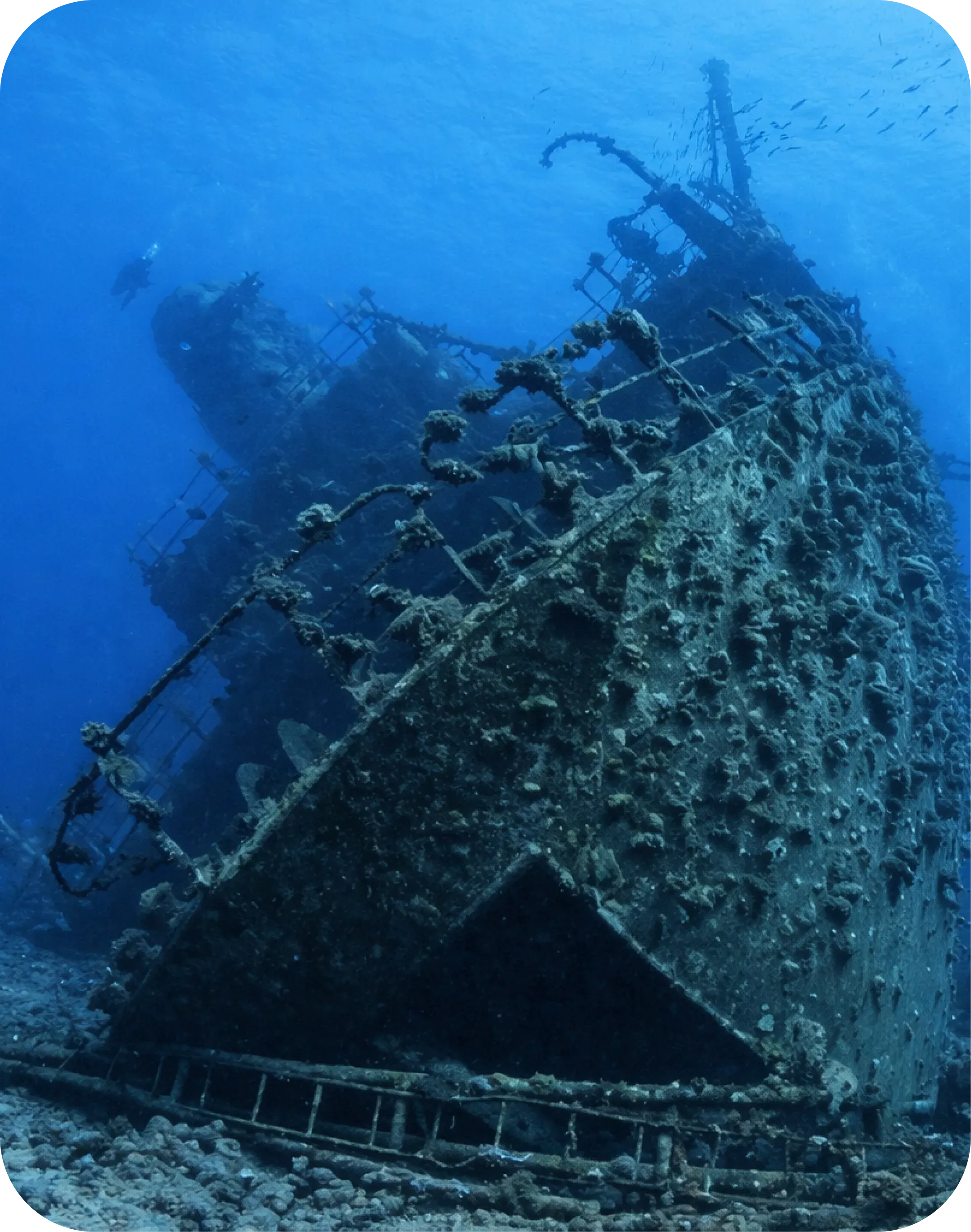
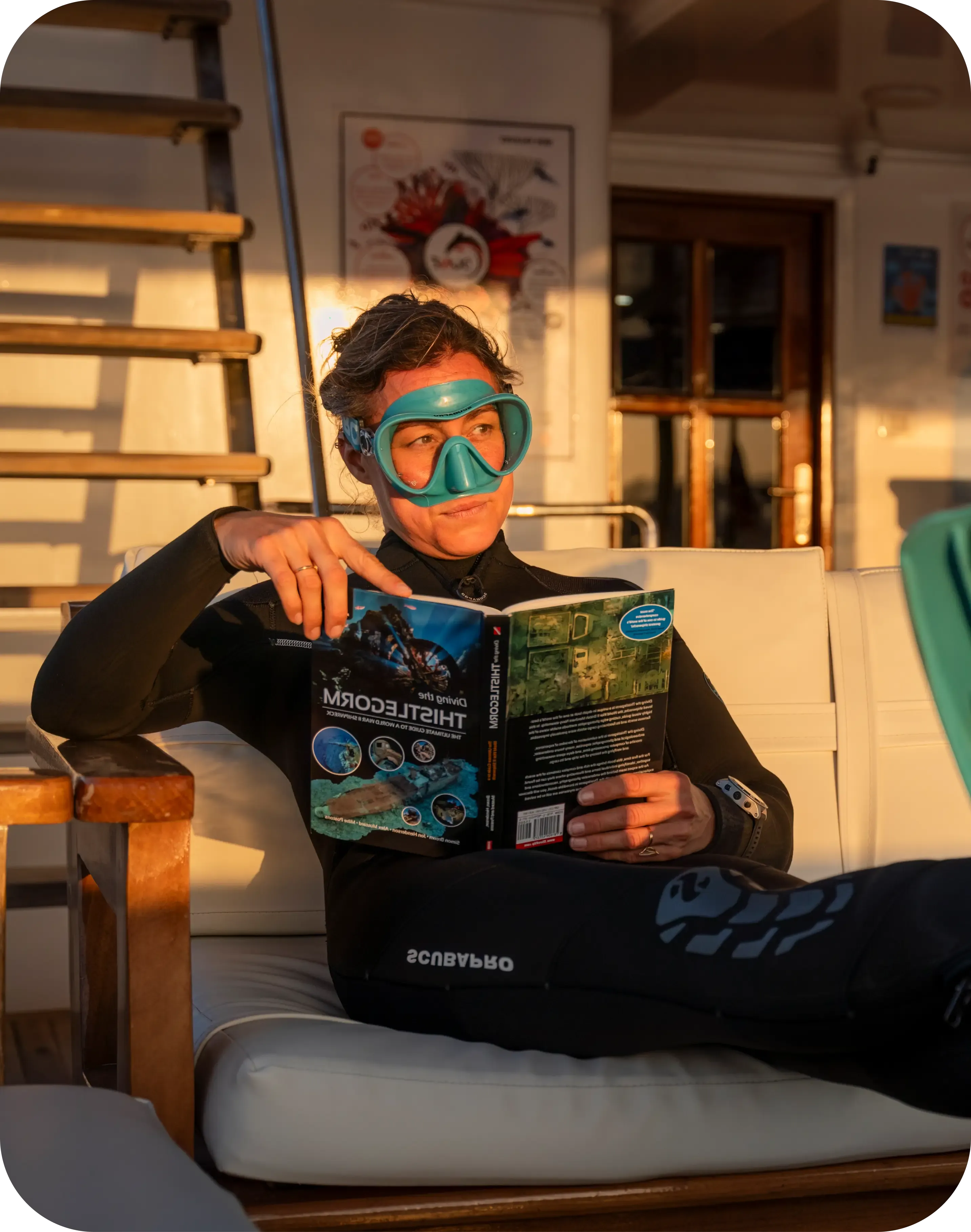
- Site Selection: Certain dive sites, such as the famous Blue Hole and the Thistlegorm wreck, are celebrated for their consistent visibility.
When planning your dives, be sure to keep an eye on weather updates and consult your DUNE dive guide for recommendations on the best sites based on current visibility trends.
Water Temperatures: A Year-Round Guide
Understanding water temperatures is crucial for selecting the appropriate wetsuit for your dive. The Red Sea's temperature range varies throughout the year, with notable fluctuations between seasons. Here’s a breakdown of the average water temperatures by month:
- January: 21°C - 23°C
- February: 21°C - 23°C
- March: 22°C - 24°C
- April: 23°C - 26°C
- May: 25°C - 28°C
- June: 26°C - 29°C
- July: 28°C - 30°C
- August: 28°C - 30°C
- September: 27°C - 29°C
- October: 25°C - 28°C
- November: 23°C - 26°C
- December: 21°C - 24°C
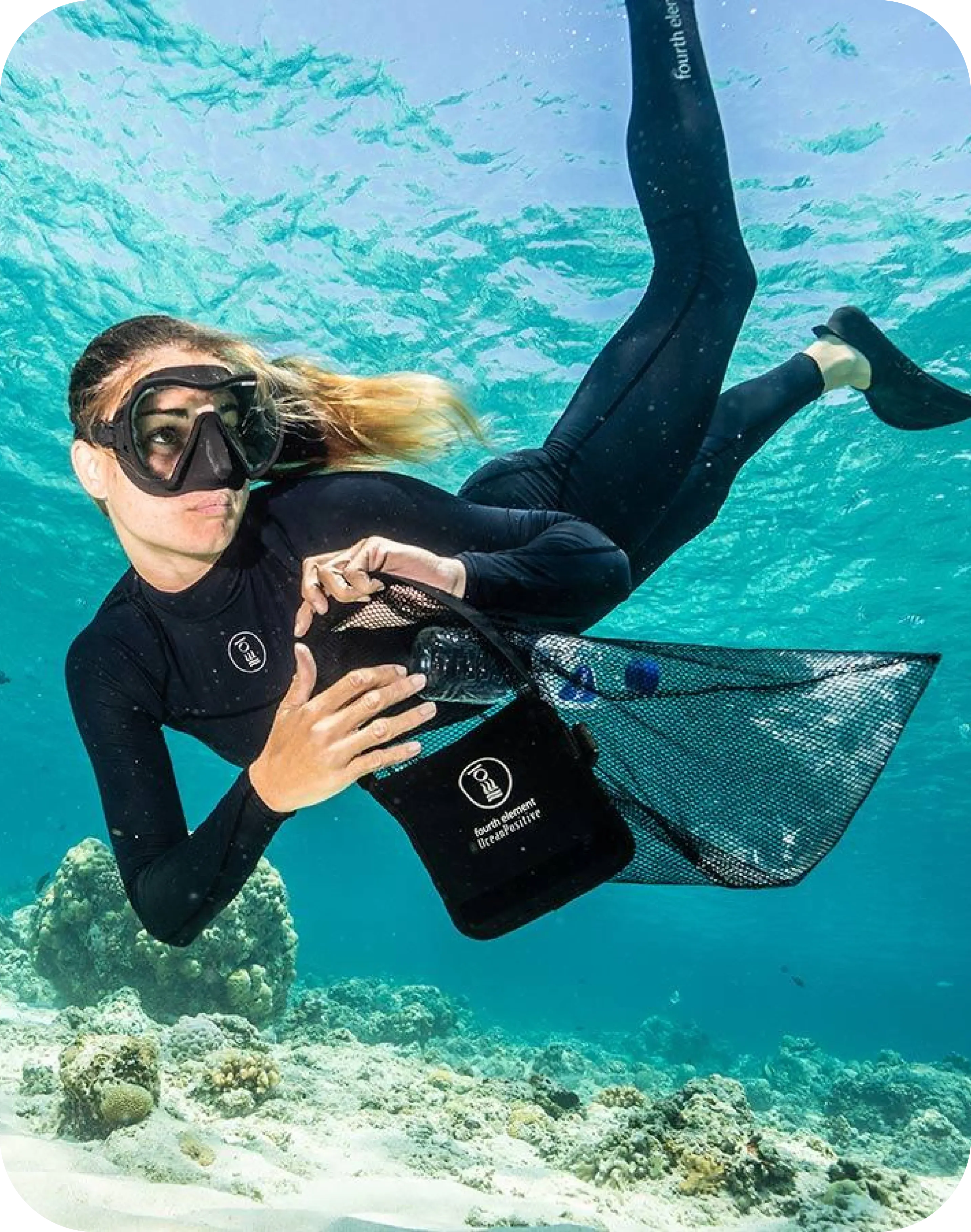
As the temperatures rise in the summer months, many divers prefer to use a shorty wetsuit or a thin full wetsuit (3mm thickness). Conversely, during the cooler winter months, a thicker wetsuit (5mm) is advisable to maintain comfort during your dives.
Currents and Thermoclines: Navigating the Underwater Landscape
The Red Sea is home to a variety of current patterns, which can significantly impact your diving experience. Understanding these currents will enhance your safety and enjoyment while diving:
- Gentle Currents: Many sites, such as Ras Mohammed National Park, feature gentle currents ideal for leisurely diving.
- Strong Currents: Certain areas, particularly during tidal changes, can experience strong currents. Dive sites like Sharm El Sheikh and Daedalus Reef are known for their robust currents, making them suitable for more experienced divers.
- Surge: Surge can occur at specific sites, especially those with openings to the sea. This phenomenon can cause noticeable movement underwater, so it’s essential to be aware of these factors and dive accordingly.
Additionally, thermoclines can present divers with varying temperature layers within the water column. These temperature gradients can affect visibility and the behaviour of marine life. Experienced divers often enjoy the thrill of navigating through thermoclines, where they may encounter different species depending on the temperature.
Above-Water Weather and Wind Patterns
The above-water weather conditions can also influence your diving experience. The Red Sea enjoys a predominantly sunny climate, but wind patterns, particularly from November to March, can create choppy surface conditions. Understanding these weather patterns is crucial for selecting the right time to dive:
- November to March: These months can experience stronger winds, especially the north winds, leading to more challenging surface conditions. However, diving is still excellent during this time, particularly in sheltered sites.
- April to October: Warmer temperatures and calmer winds create ideal diving conditions, making this period the peak season for diving in the Red Sea.
It’s advisable to check local weather forecasts before your diving trips and stay in communication with your DUNE crew for any adjustments to your itinerary based on current weather conditions.
Wetsuit Guide: Choosing the Right Gear
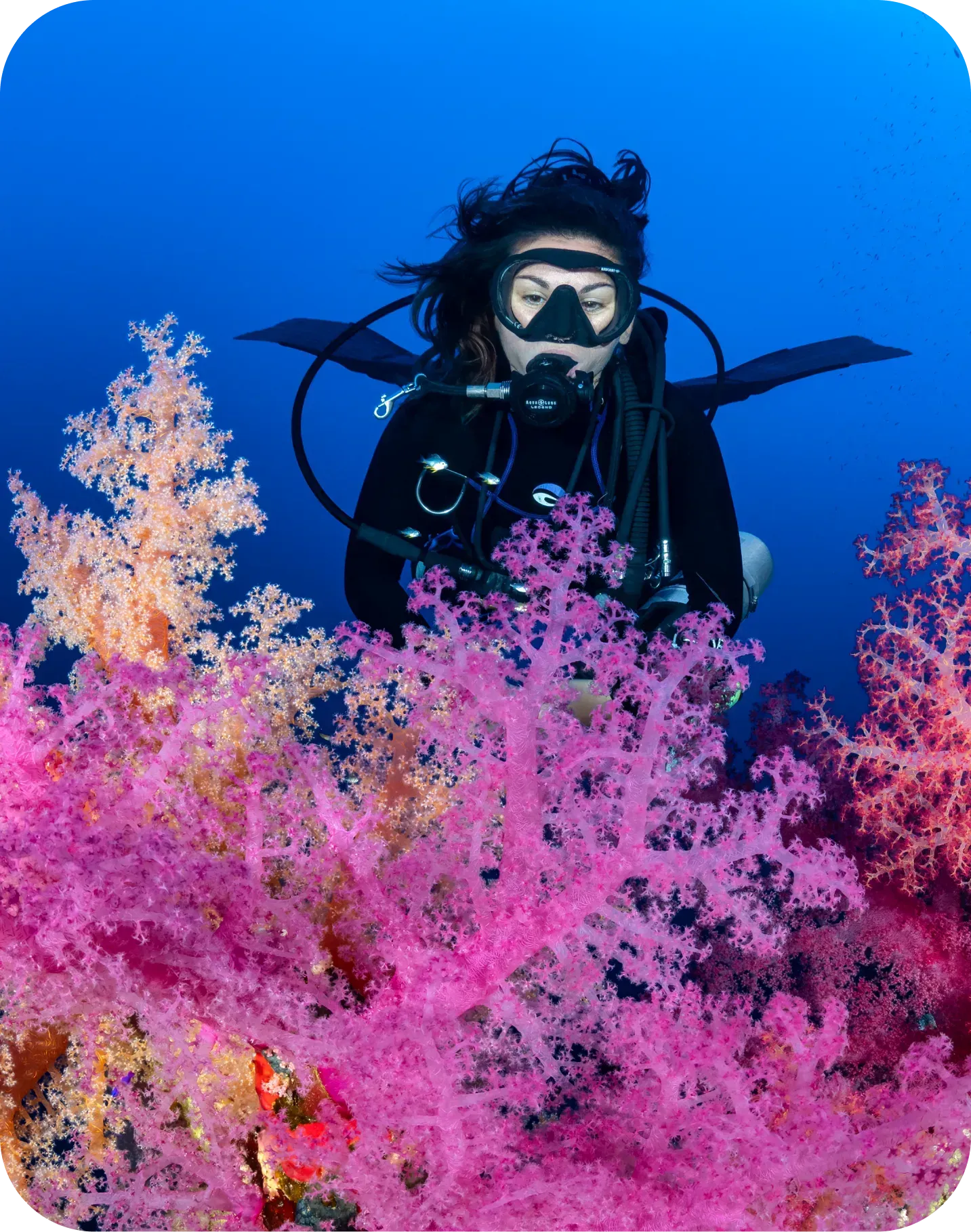
Equipping yourself with the right wetsuit is essential for a comfortable diving experience in the Red Sea. Here’s a quick guide to help you choose the appropriate wetsuit based on the season and water temperature:
- Winter (December - March): A 5mm full wetsuit is recommended for cooler temperatures.
- Spring (April - June): A 3mm full wetsuit or a shorty is suitable as the waters warm up.
- Summer (July - September): A 3mm shorty is often sufficient due to higher water temperatures.
- Autumn (October - November): A 3mm full wetsuit is advisable as temperatures begin to dip.
Additionally, consider bringing accessories such as hoods and gloves for added warmth during cooler months. DUNE offers a range of rental gear, ensuring you have the best equipment for your adventure.
DUNE’s Adaptability to Conditions
As a premium diving agency, DUNE is committed to providing an exceptional diving experience tailored to local conditions. Our experienced dive guides continuously monitor weather and diving conditions, allowing us to adapt our itineraries accordingly. This flexibility ensures that you dive at the best sites with optimal conditions, enhancing your overall experience.
Whether it’s changing dive sites due to currents, selecting the best time of day for visibility, or adjusting itineraries based on weather forecasts, DUNE prioritises your safety and enjoyment. Our expert team is dedicated to making your diving experience unforgettable, regardless of the conditions.
Experience the Red Sea with DUNE
Diving in the Red Sea presents an unparalleled opportunity to explore one of the world’s most vibrant underwater ecosystems. With its stunning visibility, favourable temperatures, and rich marine biodiversity, it’s no wonder that this region attracts divers from around the globe. Understanding the diving conditions will empower you to make the most of your adventure.
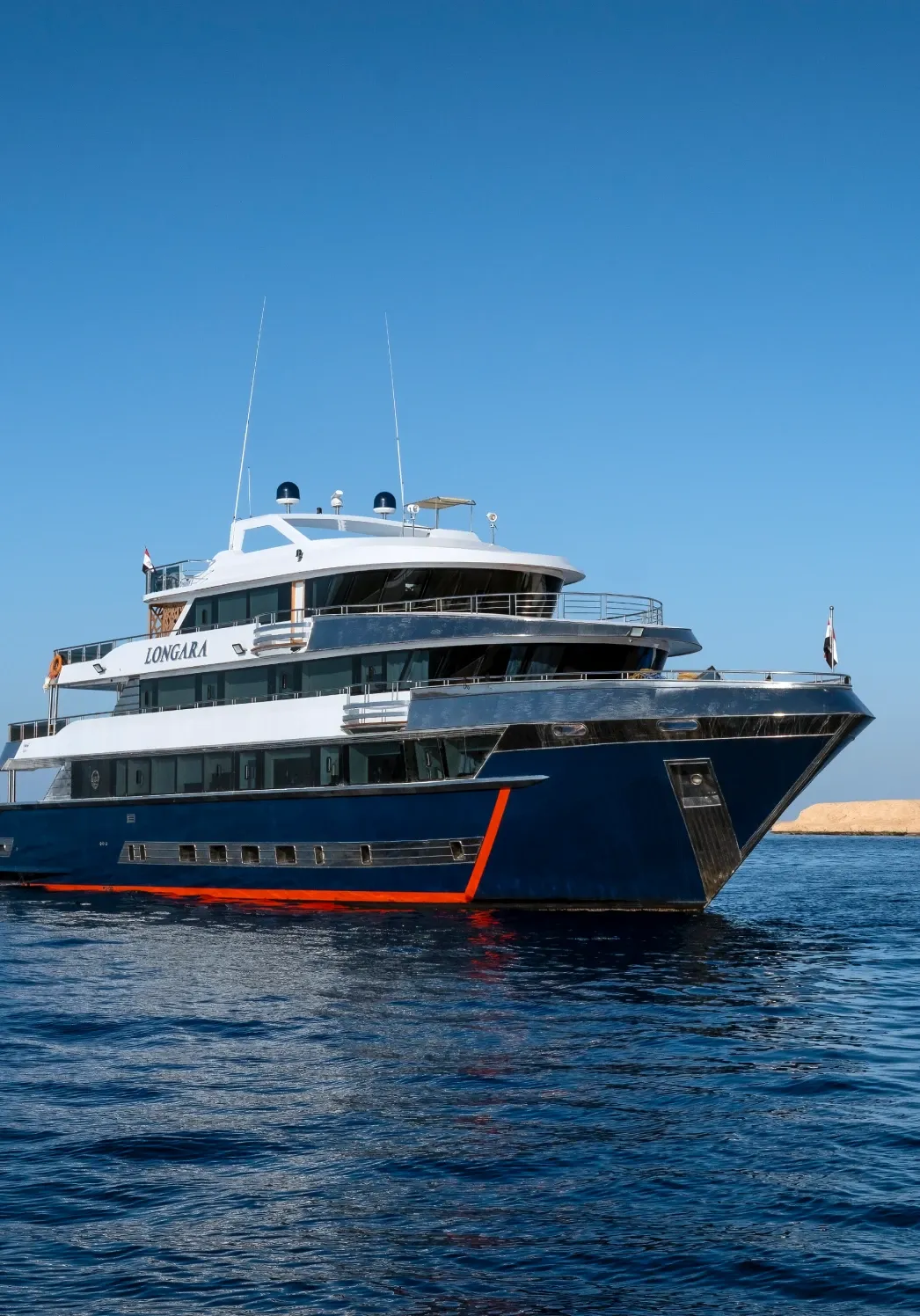
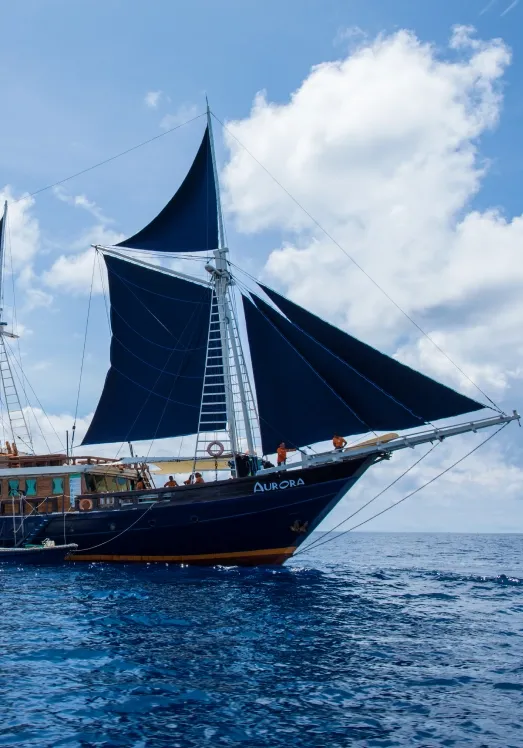
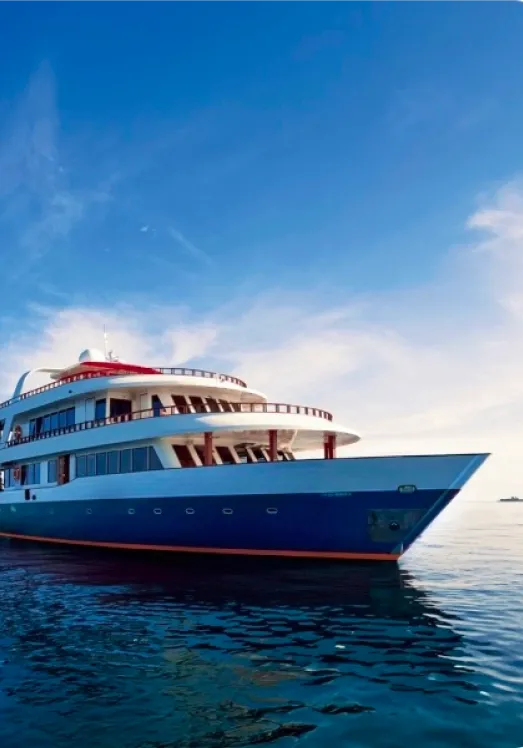
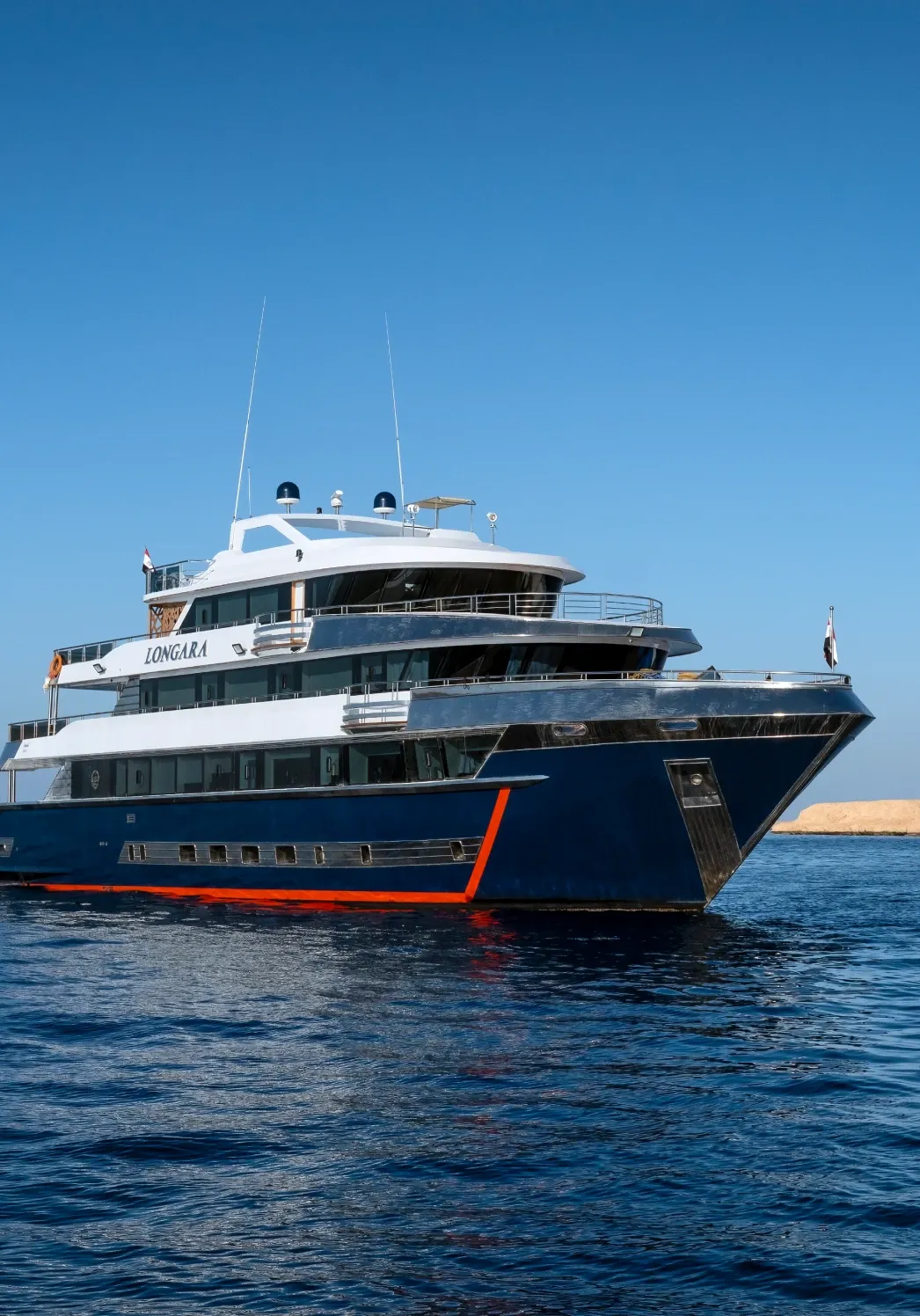
Ready to embark on the diving trip of a lifetime? Join DUNE and experience the magic of the Red Sea. Our fleet of luxury liveaboards is designed to offer you the comfort and expertise you deserve. Visit dune-world.com to learn more about our trips and start planning your unforgettable diving journey today!