






































Starting Your Indonesia Dive Trip Planning
Planning a diving trip to Indonesia involves more moving parts than almost any other dive travel destination, and the quality of your advance preparation will significantly influence the quality of your experience. Indonesia is an extraordinary country to visit, but its geographic complexity, infrastructure variability, and the site-specific nature of its best diving make careful planning genuinely important rather than merely advisable.
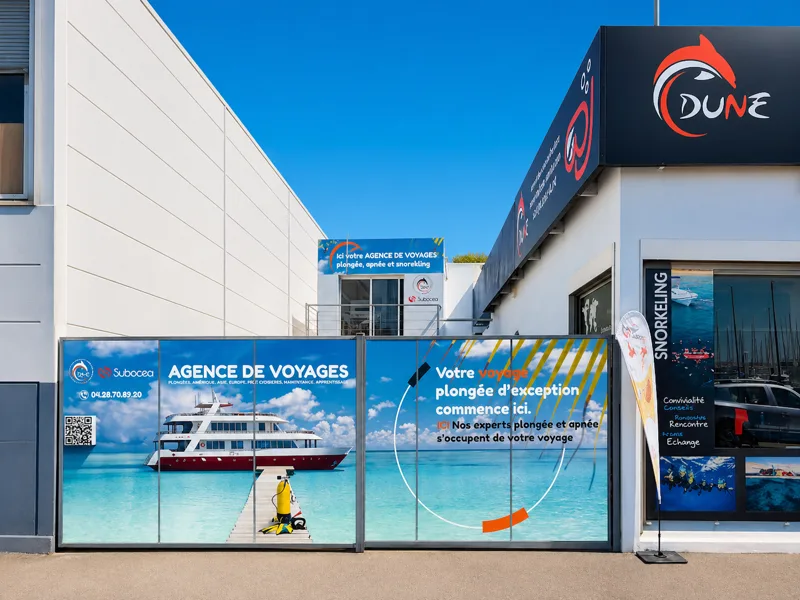
DUNE has been organising Indonesian diving expeditions for over twenty-five years, and this guide reflects our accumulated experience of what matters, what can wait, and what first-time visitors typically overlook. Read it carefully, then speak to our team — because every Indonesian diving trip ultimately benefits from personalised advice that accounts for your specific profile, interests, and circumstances.
Flights and Entry Points
The entry point for your Indonesian dive trip depends entirely on your destination. The four main gateways for diving are Bali (Ngurah Rai Airport, DPS), Sorong (for Raja Ampat), Labuan Bajo (for Komodo), and Ambon (for the Banda Sea and Maluku region). Each has different flight connection options from European and American airports.
- Bali — direct flights from major European and Asian hubs; well-connected
- Sorong — connect via Jakarta or Makassar; multiple daily connections
- Labuan Bajo — connect via Bali or Makassar (Garuda, Lion Air, TransNusa)
- Ambon — connect via Makassar or Jakarta; fewer daily options
Allow sufficient transit time at connecting airports — Indonesian domestic flights have variable punctuality, and missed connections in Makassar or Jakarta can cascade into significant schedule disruption. DUNE always recommends arriving in the departure port at least one full day before your liveaboard embarkation.
Visas and Entry Requirements
Citizens of most European Union countries, the United States, United Kingdom, and Australia currently receive a free visa on arrival (VOA) valid for thirty days, extendable once for an additional thirty days at immigration offices. The VOA is available at all major international airports and many seaports, and requires a return ticket and evidence of sufficient funds for the visit.
Visa regulations change periodically — always verify current requirements with the Indonesian embassy or consulate in your home country before travel, particularly if your trip extends beyond thirty days or involves special circumstances such as journalism or scientific research.
Health and Medical Preparation
Indonesia requires specific health preparation that goes beyond the standard travel vaccinations. Consult your GP or travel health clinic at least six to eight weeks before departure to allow time for vaccination courses to complete. Recommended vaccinations include:
- Hepatitis A and B (combined course if not previously vaccinated)
- Typhoid (particularly for remote destinations)
- Rabies (strongly recommended for remote diving destinations)
- Japanese encephalitis (for rural areas and extended stays)
- Standard travel vaccinations (tetanus/diphtheria, MMR if not current)
Malaria prophylaxis is recommended for some Indonesian regions, particularly Papua (Raja Ampat), remote Maluku, and rural Flores. Consult your travel health specialist about appropriate prophylaxis for your specific destinations and any contra-indications for divers.
Dive Insurance: Non-Negotiable
Dive accident insurance is not optional for Indonesian diving — it is an absolute requirement that DUNE insists upon for all participants on our programmes. Recompression facilities in Indonesia, while improving, are geographically limited: the nearest chamber to Raja Ampat is in Sorong, to Komodo in Bali, and to the Banda Sea in Ambon. Evacuation from a remote dive site to a recompression facility can take many hours, and the costs of evacuation, treatment, and medical care can be catastrophic without appropriate insurance.
DAN (Divers Alert Network) provides the diving community's gold standard insurance product, with worldwide emergency response coordination, evacuation coverage, and recompression treatment coverage. PADI also offers dive insurance products through its member programme. Whatever provider you choose, ensure that your policy specifically covers hyperbaric treatment and emergency evacuation by air.
Packing for an Indonesian Liveaboard
Packing for an Indonesian liveaboard requires balancing completeness with the practical constraints of shared cabin space on a boat. Most experienced liveaboard travellers use a soft duffel bag rather than a rigid suitcase — it compresses and stores more efficiently in a cabin locker.
- Wetsuit — 3mm for warmer southern sites; 5mm for Komodo and other current-exposed sites
- Fins, mask, and snorkel — bring your own; rental quality varies
- Regulator — strongly recommended to bring your own; tank valves are DIN or A-clamp depending on operator
- BCD — optional; most vessels have rental BCDs of acceptable quality
- Dive computer — bring your own with adequate battery life
- SMB and reel — mandatory; always carry your own regardless of what the vessel provides
- Reef shoes — essential for shore entries at Tulamben and similar sites
- Polarised sunglasses — essential for topside protection
- High-SPF sunscreen — reef-safe formula strongly preferred
- Seasickness medication — consult your physician for appropriate prescription
Money and Local Logistics
The Indonesian Rupiah is the national currency, and cash (in Rupiah) is often the only accepted payment method at smaller businesses, local markets, and in remote areas. ATMs are available at all major airports and in most town centres, but ATM networks can be unreliable in smaller towns like Labuan Bajo and Sorong. Withdraw sufficient Rupiah on arrival or in larger cities before heading to your departure port.
Credit cards are accepted at larger hotels, restaurants in tourist centres, and some dive operators, but should not be relied upon as the primary payment method outside Bali. Most liveaboard balances are settled in US Dollars or Euros in addition to Rupiah.
DUNE Takes Care of the Details
The logistical complexity of an Indonesian diving expedition is one of the primary reasons that experienced divers choose DUNE rather than attempting to arrange everything independently. Our team manages your complete journey from European airports to the dive deck: international flights, domestic connections, accommodation before and after the liveaboard, port transfers, visa assistance, health briefings, and every detail in between.
When you arrive at your liveaboard embarkation point, everything is arranged, confirmed, and ready. Your task is simply to dive.
Contact DUNE today to begin planning your Indonesia diving expedition. Tell us your destination preferences, dates, and experience level, and we will design the complete trip — logistics included.