












Why Night Diving Changes Everything
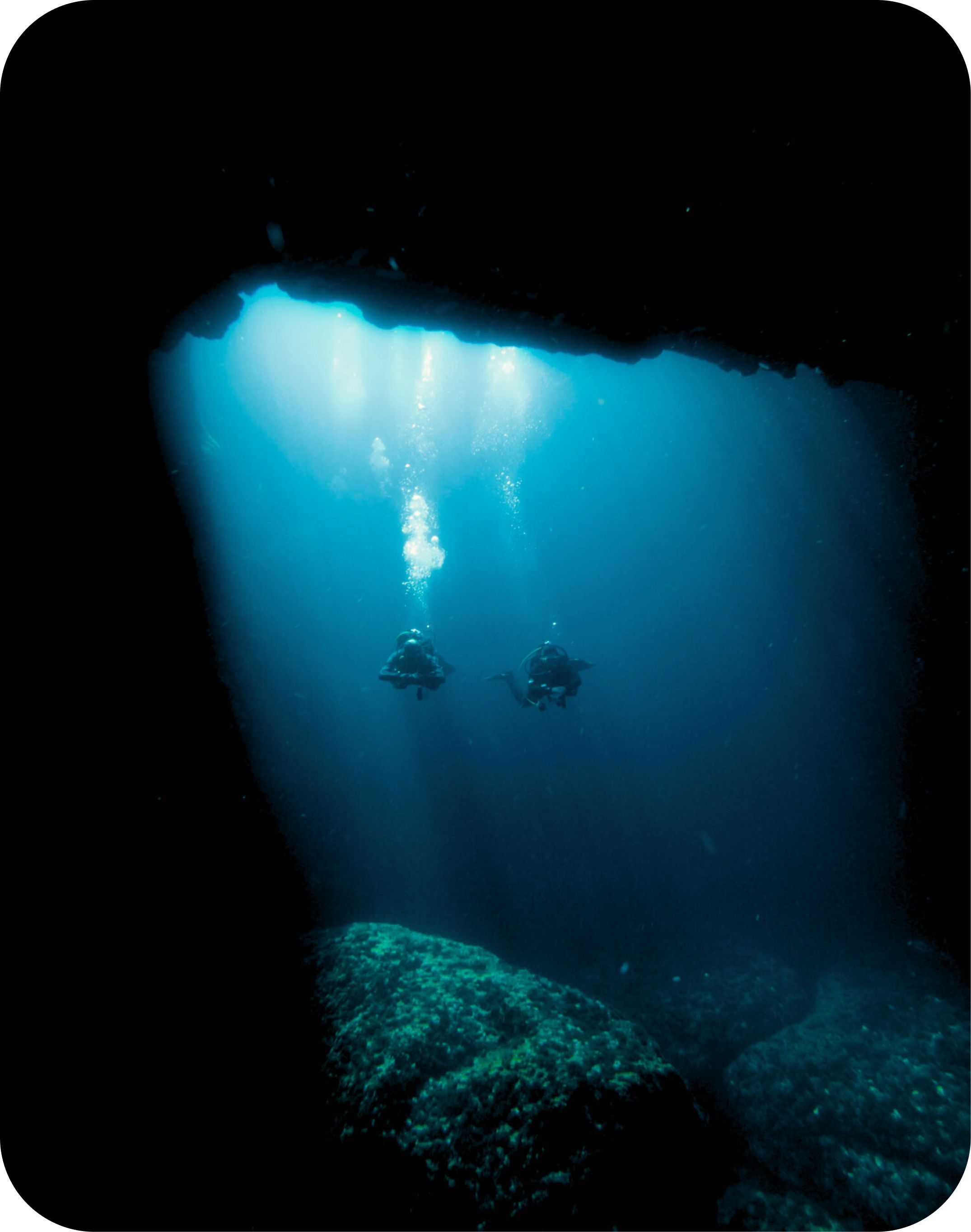
The reef you see during daylight hours is only half the story. When the sun drops below the horizon and the diurnal fish retreat to their shelters, a completely different community of animals emerges to hunt, feed, reproduce, and communicate in the darkness. Indonesia's reefs are rich in nocturnal life, and the best night diving in the Indonesian archipelago rivals the finest daylight diving anywhere in the world for sheer spectacle and biological interest.
Night diving in Indonesia is also where some of the most extraordinary behavioural events available to recreational divers take place. The mandarin fish mating display, the hunting technique of the flamboyant cuttlefish, the Spanish dancer nudibranch's extraordinary swimming performance, and the emergence of an entirely different reef fish community from the coral shelters they occupied all day — these experiences are available only after dark, and they are genuinely transformative.
Mandarin Fish: The Dusk Ritual
The mandarin fish (Synchiropus splendidus) is widely considered the most colourful fish in the ocean. Its skin is covered in a mosaic of electric blue, orange, and green psychedelic patterns that have no equivalent in the natural world, and its courtship display at dusk — a spiralling ascent by paired male and female, during which gametes are released — is one of the most sought-after wildlife encounters in all of diving.
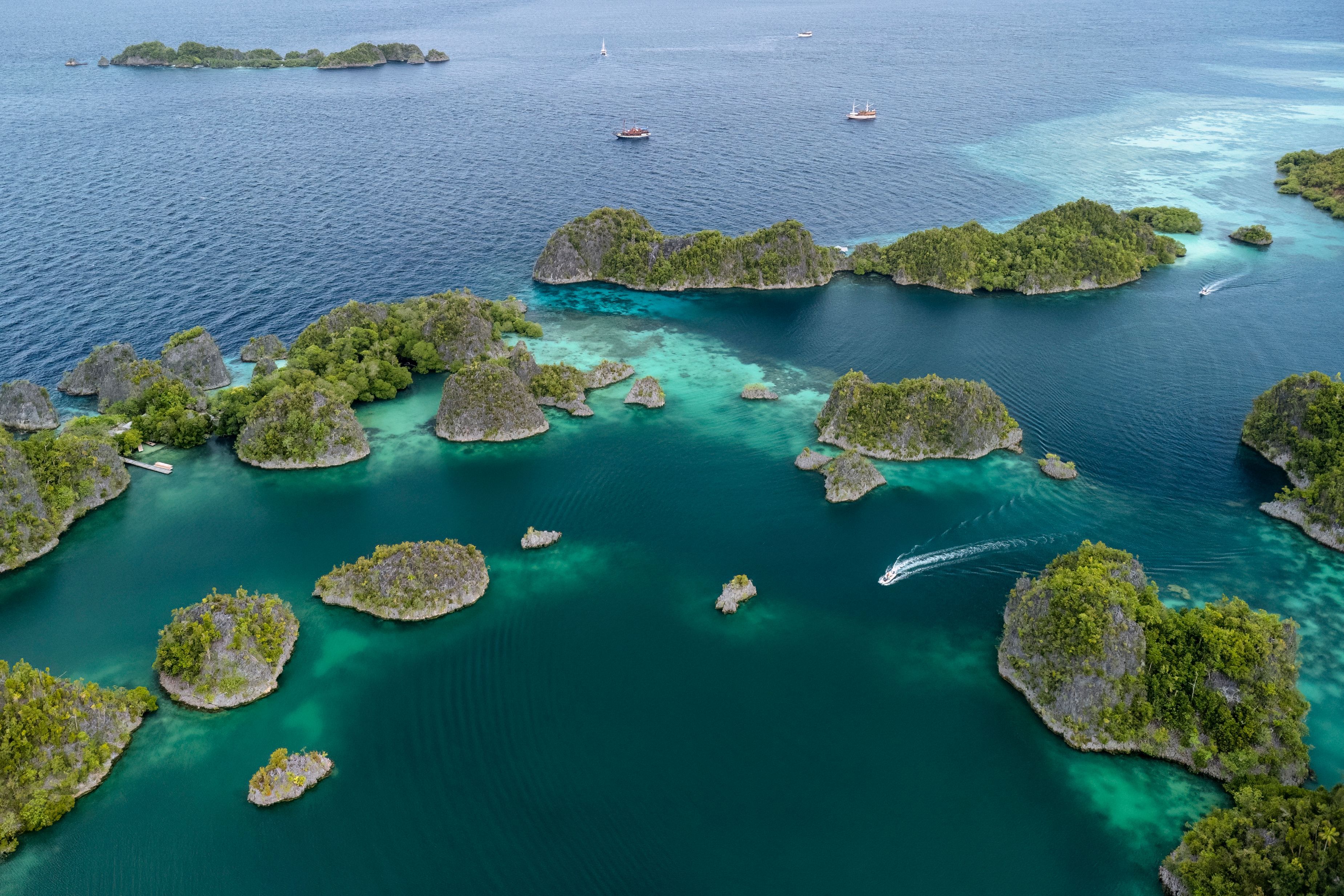
In Indonesia, mandarin fish mating displays occur reliably on shallow rubble reef patches throughout the archipelago. The best-known sites include the rubble zones around Arborek and Yenbuba in Raja Ampat, shallow reefs around Bunaken in North Sulawesi, and specific sites around the Gili Islands near Lombok. The display occurs at a very specific and narrow window — typically the fifteen minutes immediately following sunset — and requires advance scouting of the correct reef patch, positioning before the display begins, and absolute stillness during the event itself.
The Arborek Jetty Night Dive: Raja Ampat's Finest
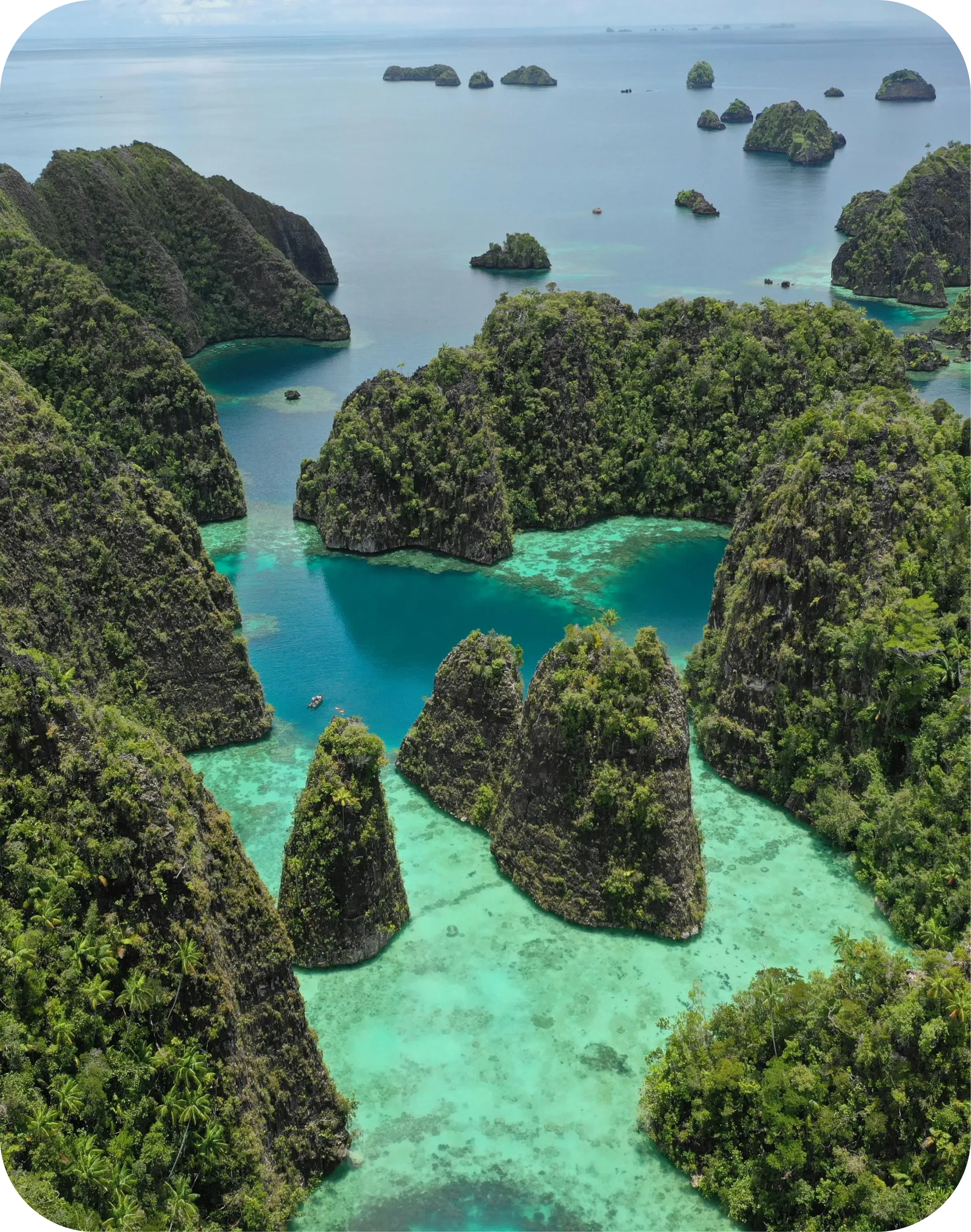
The jetty at Arborek village in Raja Ampat is one of the finest night dive sites in Indonesia, offering a concentration of macro life that would take multiple daylight dives across a wide reef area to match. The lights of the jetty attract plankton, the plankton attracts small fish, and the small fish attract a cascade of predators that creates a miniature ecosystem beneath the wooden structure.
Ghost pipefish in multiple species drift near the jetty pilings. Ornate ghost pipefish with their elaborate fin arrangements hover near crinoids. Hunting squid move in coordinated groups through the water column, their chromatophores rippling with colour changes that appear to coordinate the hunt. Frogfish, previously invisible during daylight, are revealed by torchlight in improbable positions on the encrusted pilings.
USAT Liberty Night Dive: Tulamben's After-Dark World
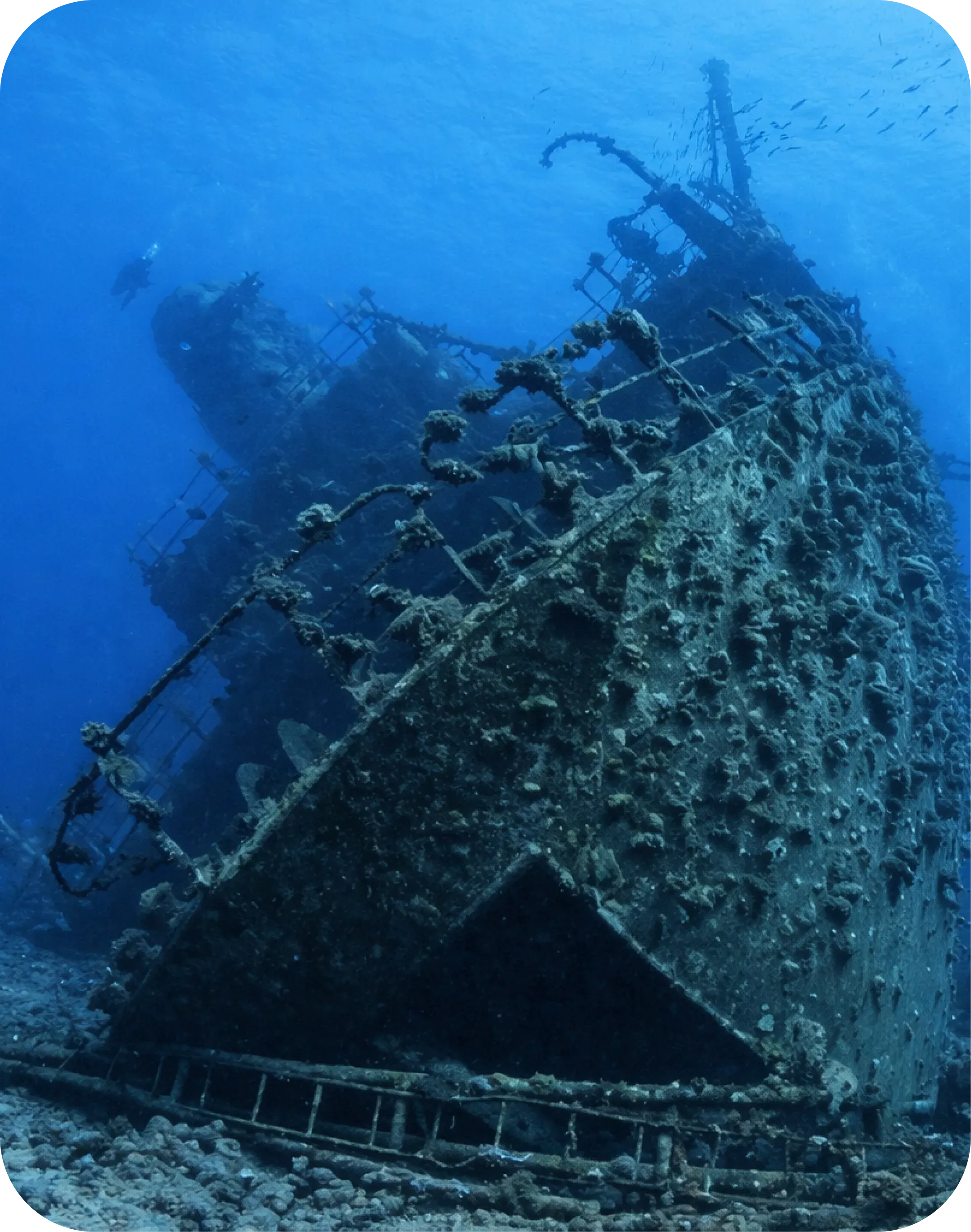
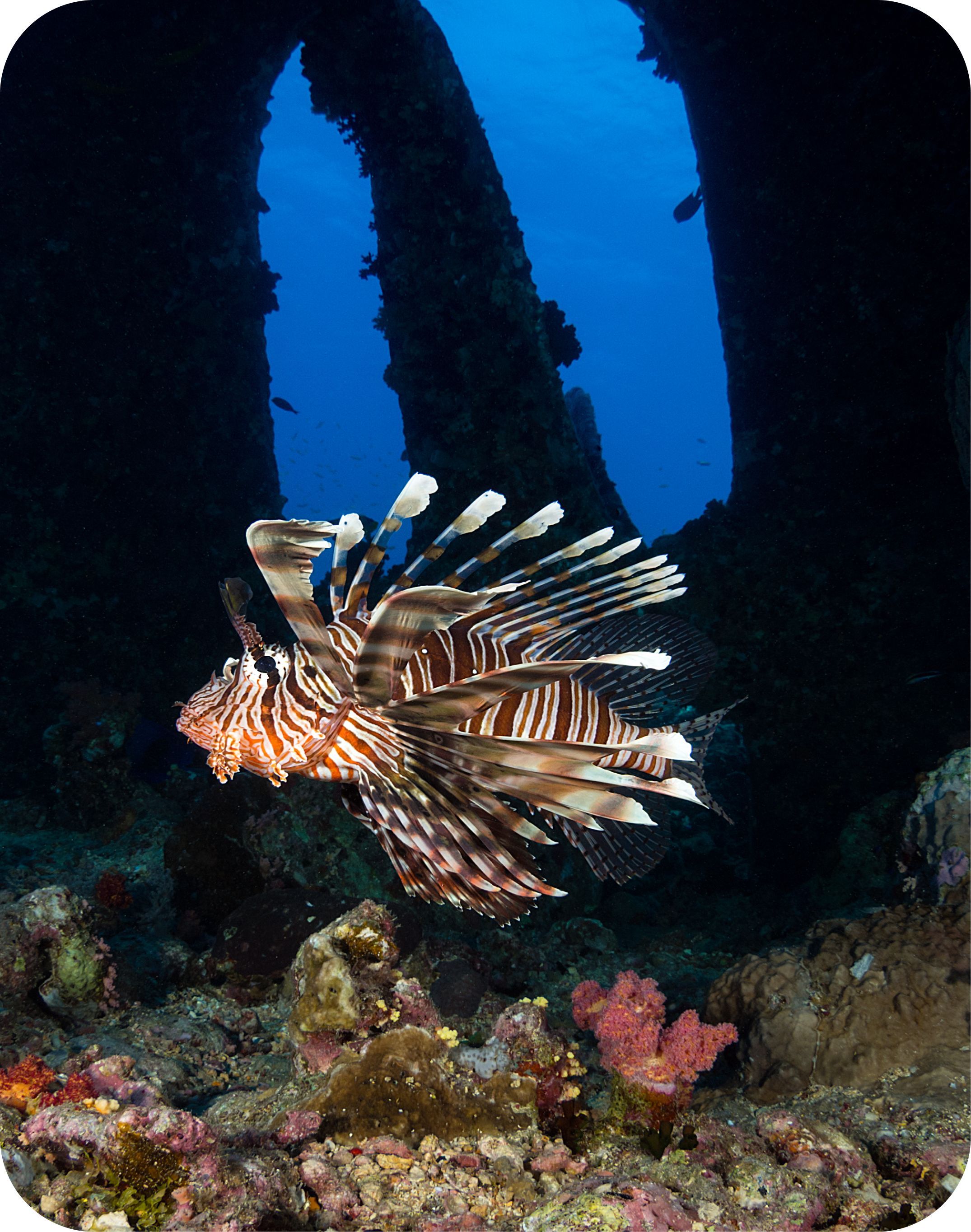
The USAT Liberty at Tulamben undergoes a complete character change after dark. The diurnal fish that animate the wreck during daylight hours are replaced by an entirely different community — hunting lionfish move methodically across the hull using their pectoral fins to herd small fish, moray eels emerge from their crevice shelters to hunt actively along the wreck edges, and enormous schools of glassfish that appear to float motionlessly during the day scatter in panic at each sweep of a diver's torch.
The night dive experience on the Liberty is significantly more dramatic than the daylight version for experienced divers. The darkness focuses attention, the torch beam reveals individual animals in detail that broad daylight obscures, and the sense of navigating a ship that was alive above the surface eighty years ago is heightened by the intimacy of night and the absolute blackness beyond each pool of light.
Spanish Dancer Nudibranchs
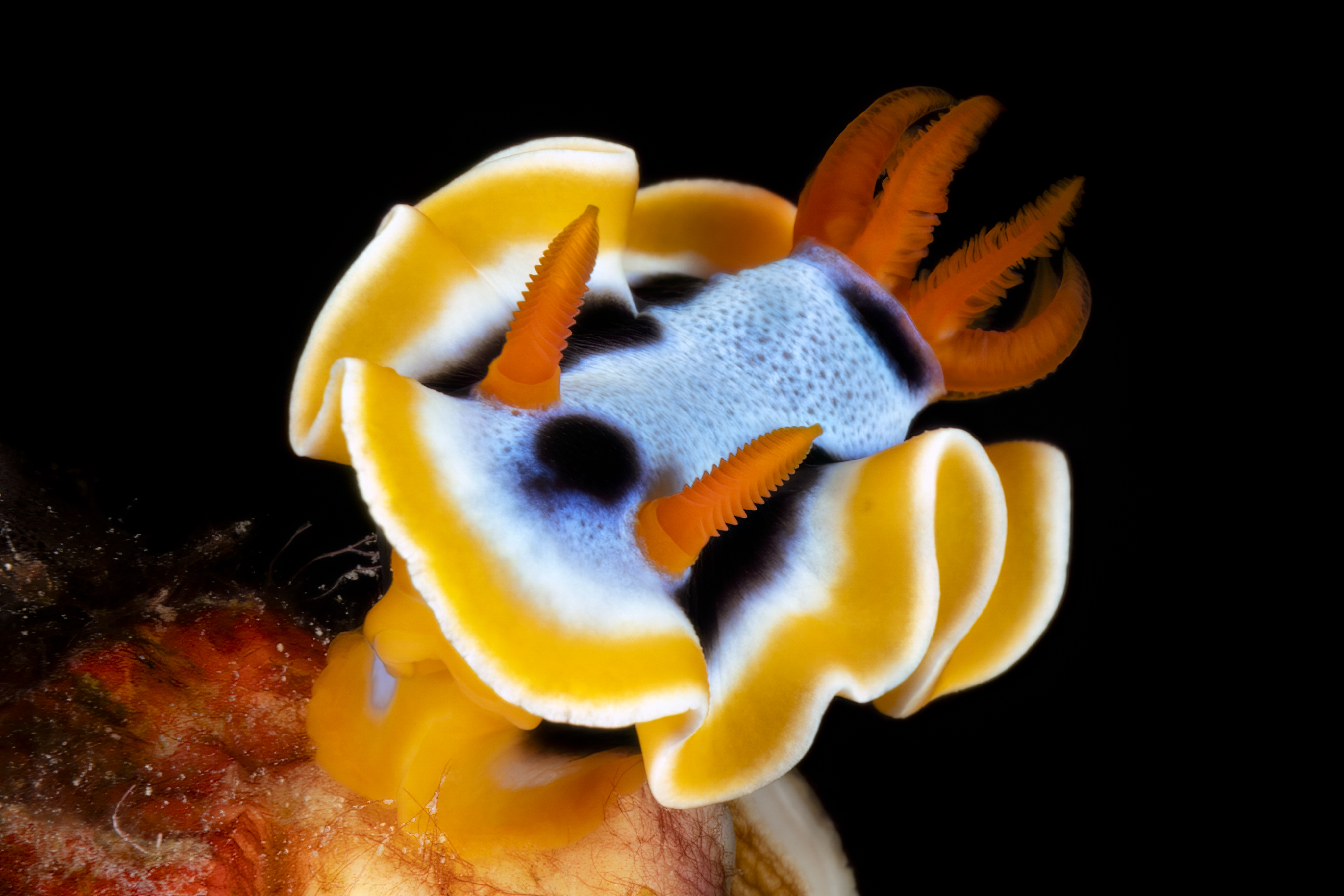
The Spanish dancer nudibranch (Hexabranchus sanguineus) is the largest nudibranch in the world, reaching up to sixty centimetres in length, and its swimming behaviour — an undulating, rippling motion that creates the effect of a flamenco dancer's skirt — is one of the most spectacular displays available on any night dive. Spanish dancers are found throughout Indonesia's tropical reefs and emerge to swim actively at night, making them a routine highlight of any dedicated night diving programme.
Photography of swimming Spanish dancers requires a specific approach. The animal moves unpredictably, often at mid-water depths that make buoyancy control challenging. Wide-angle lenses capture the full display but require proximity that can alarm the animal; macro lenses allow detail shots of the gill plumes but miss the context of the swimming motion. The best images are often taken with a medium-range lens that balances detail and context while allowing enough distance to avoid disturbing the animal.
Komodo Night Dives: The Unexpected Reward
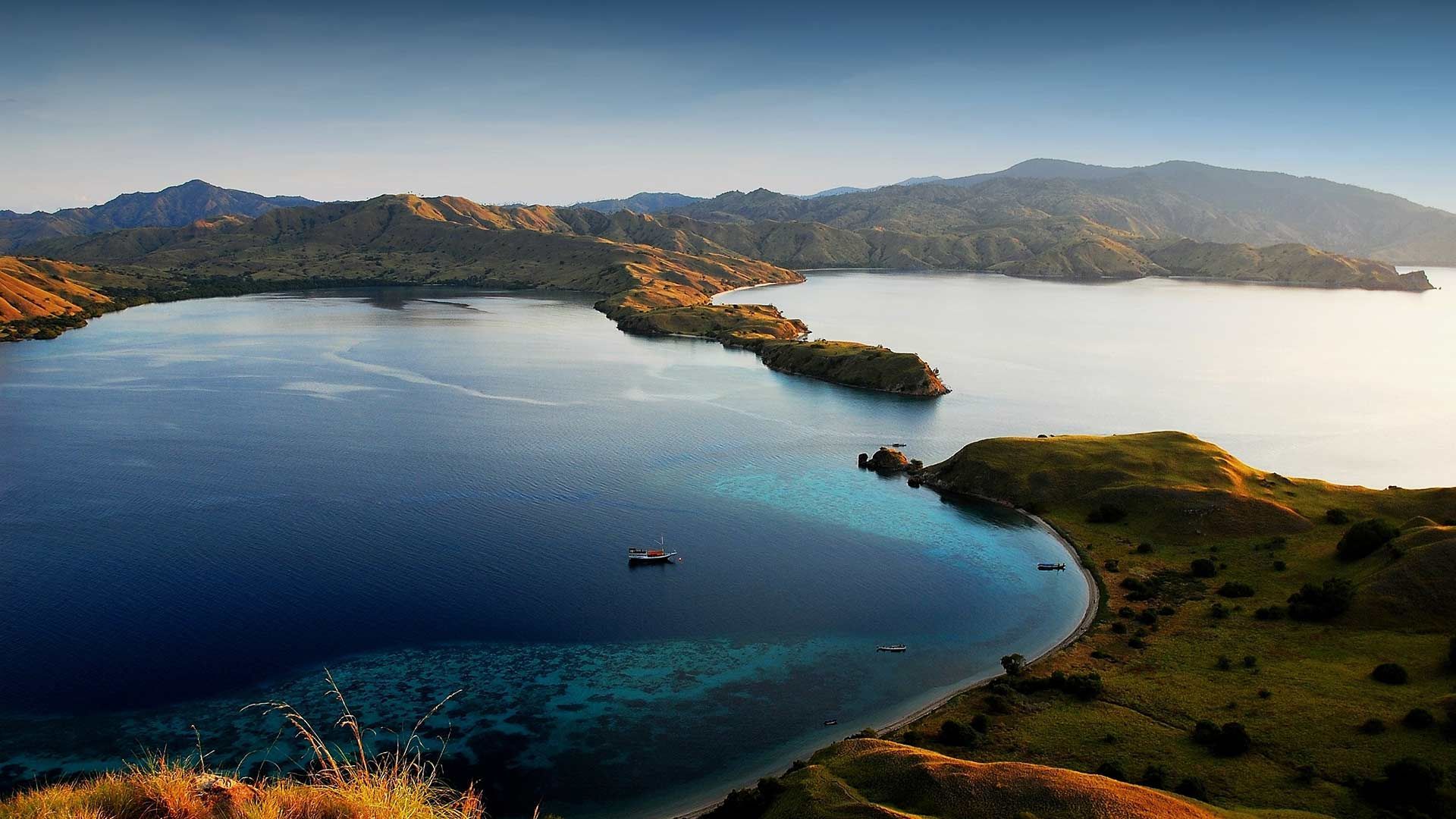
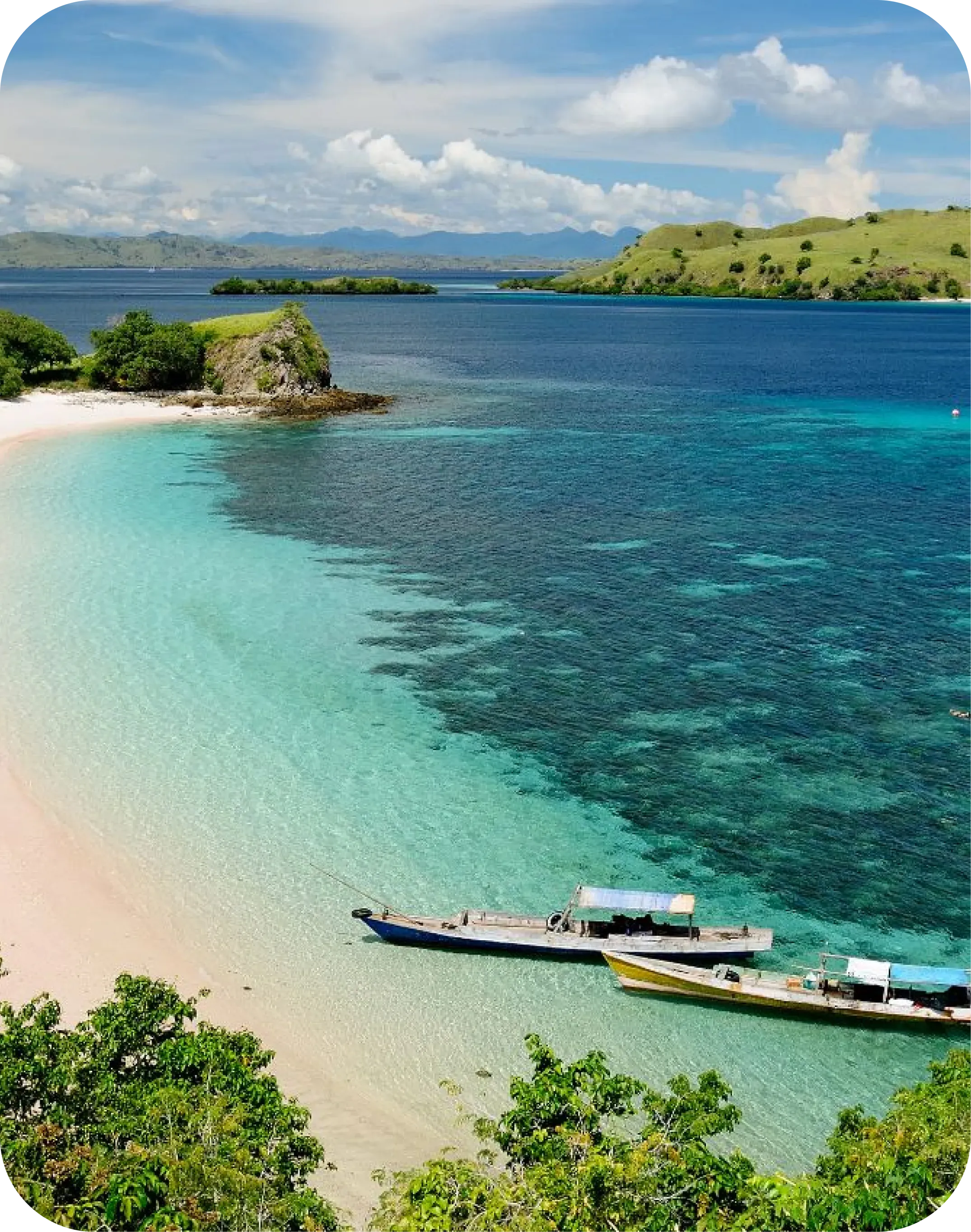
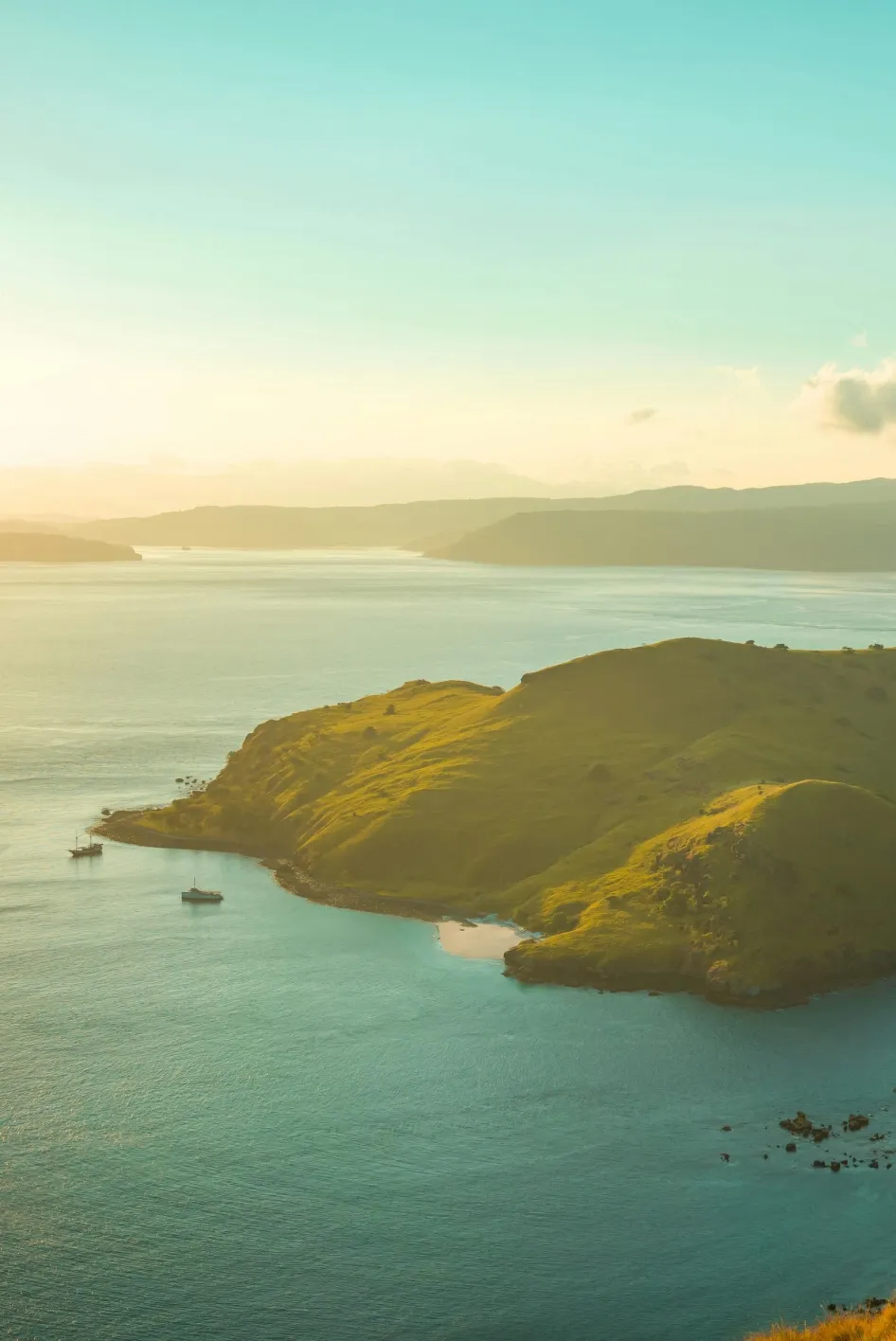
Most divers associate Komodo with aggressive daylight drift dives rather than gentle night diving, but Komodo's sheltered bays and shallower sites offer excellent night diving that is qualitatively different from the pelagic excitement of daytime diving. The bay at Gili Lawa Darat, the sheltered reef at Pink Beach, and the sandy patches around Tatawa offer productive night diving on a scale that supplements rather than competes with the dramatic daytime sites.
Essential Night Diving Equipment for Indonesia
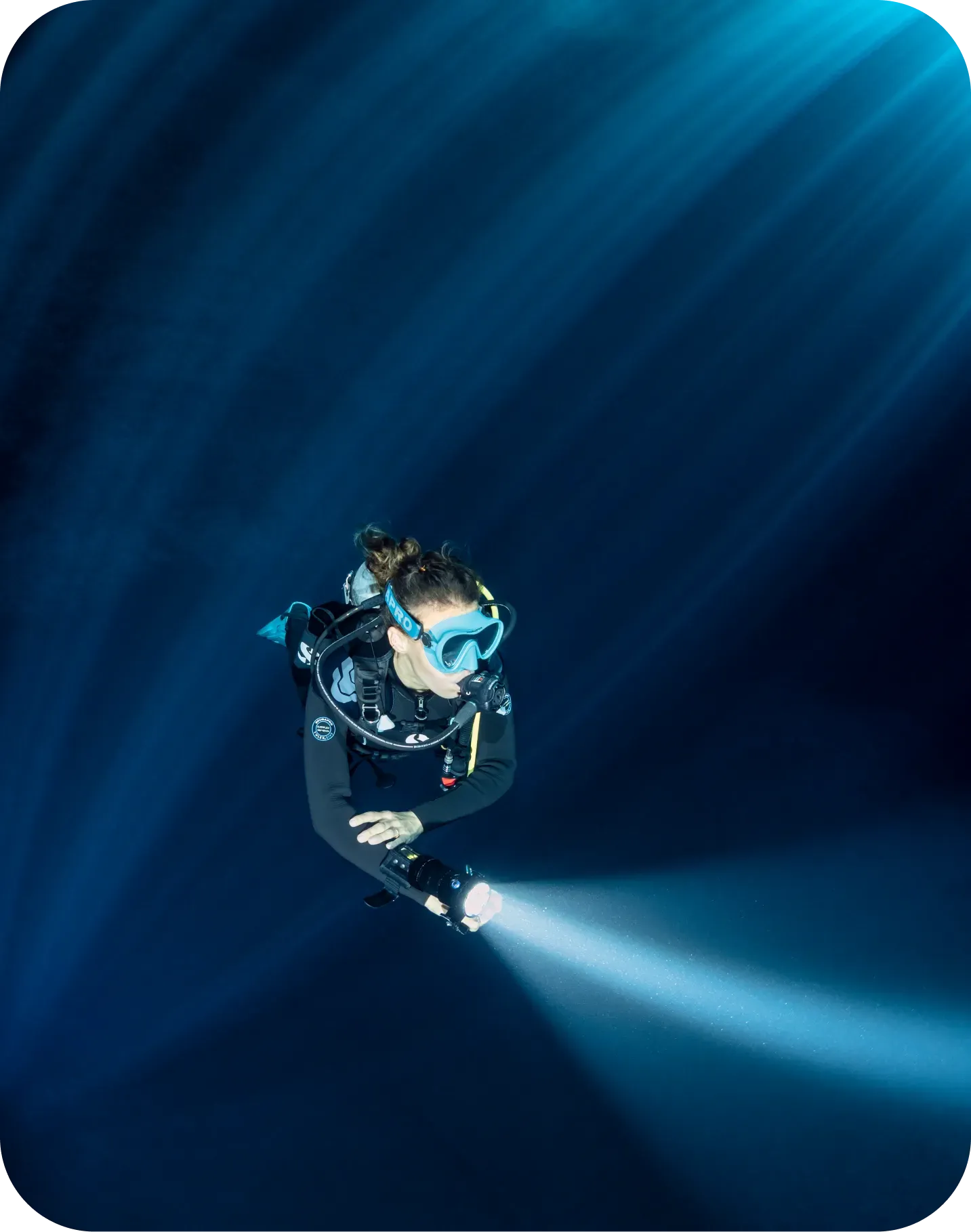
- Primary torch — minimum 1000 lumens; rechargeable canister light for long night dives
- Backup torch — compact but powerful; always carry a second light
- Tank light or cyalume — essential for surface visibility and diver identification
- SMB — mandatory for night ascents in any Indonesian dive site
- Compass — navigation is significantly more demanding at night
- Dive computer with backlight — readable in complete darkness
Discover Indonesia's Night World with DUNE
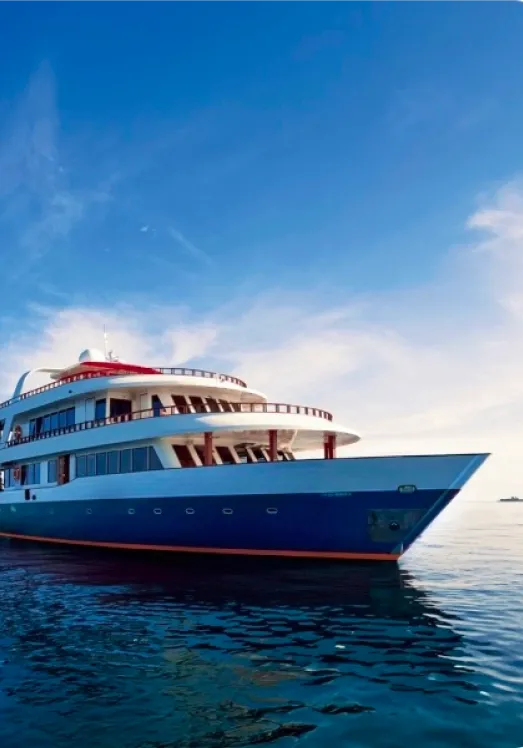
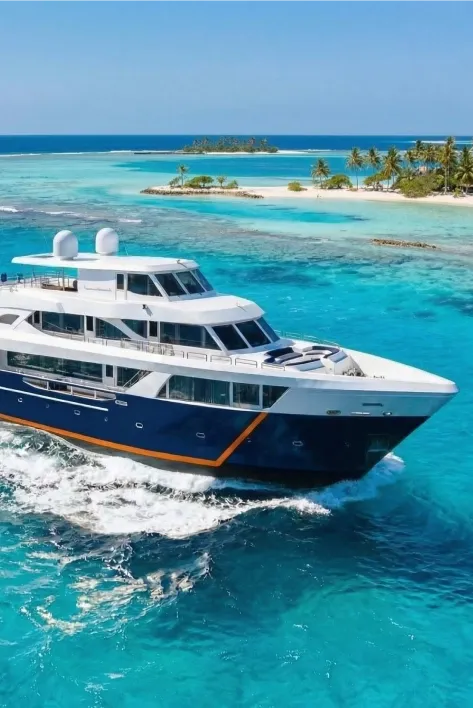
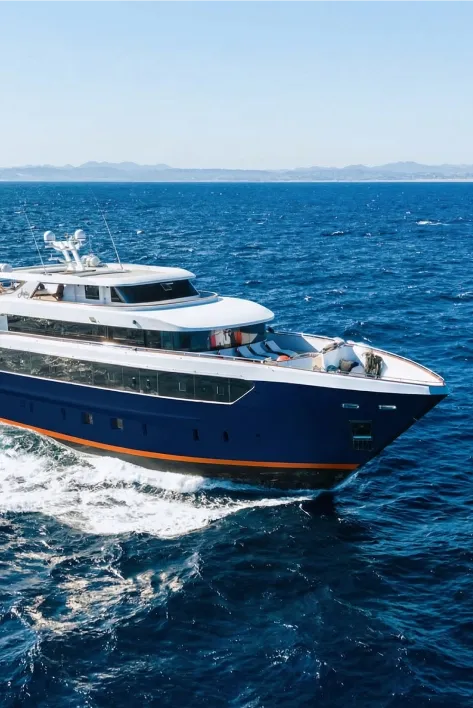
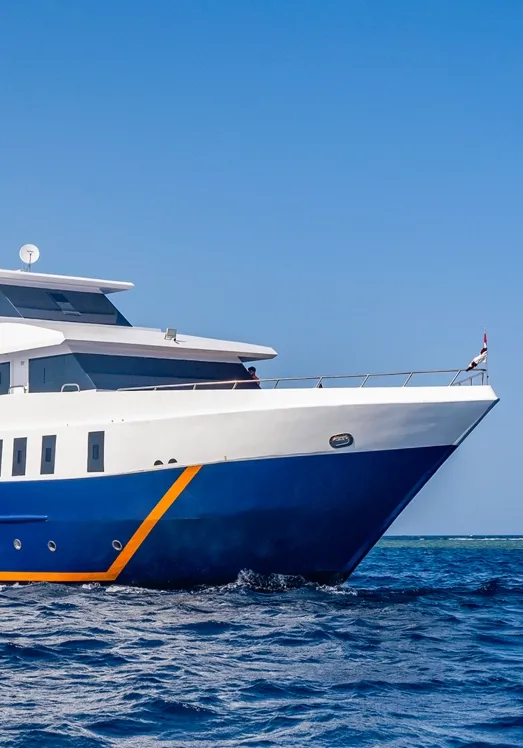
DUNE's Indonesia liveaboard programmes include dedicated night dives at the sites best suited to nocturnal exploration, with guides who know the specific reef patches, timing, and technique that deliver the best encounters. Our night dive briefings go beyond the standard safety review to include a genuine ecological context for what you will see — so that every torch beam becomes an introduction to a story rather than simply an illuminated subject.
Contact DUNE to learn more about our Indonesia night diving programmes and ask about our dedicated night photography workshops.