




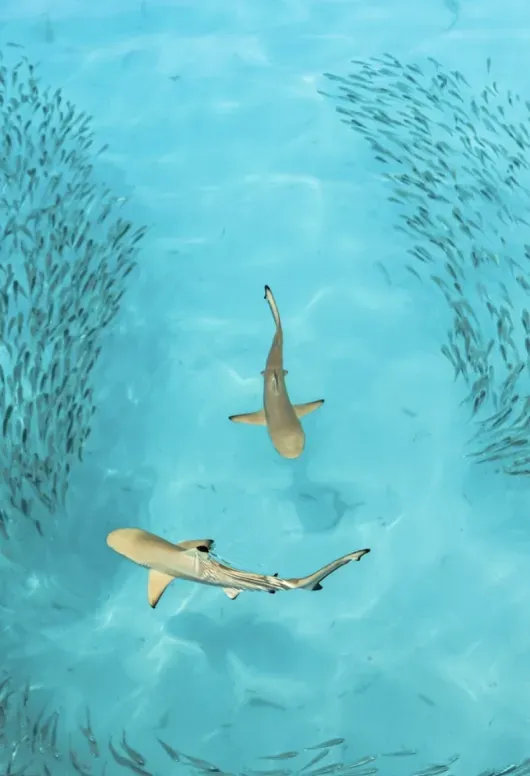
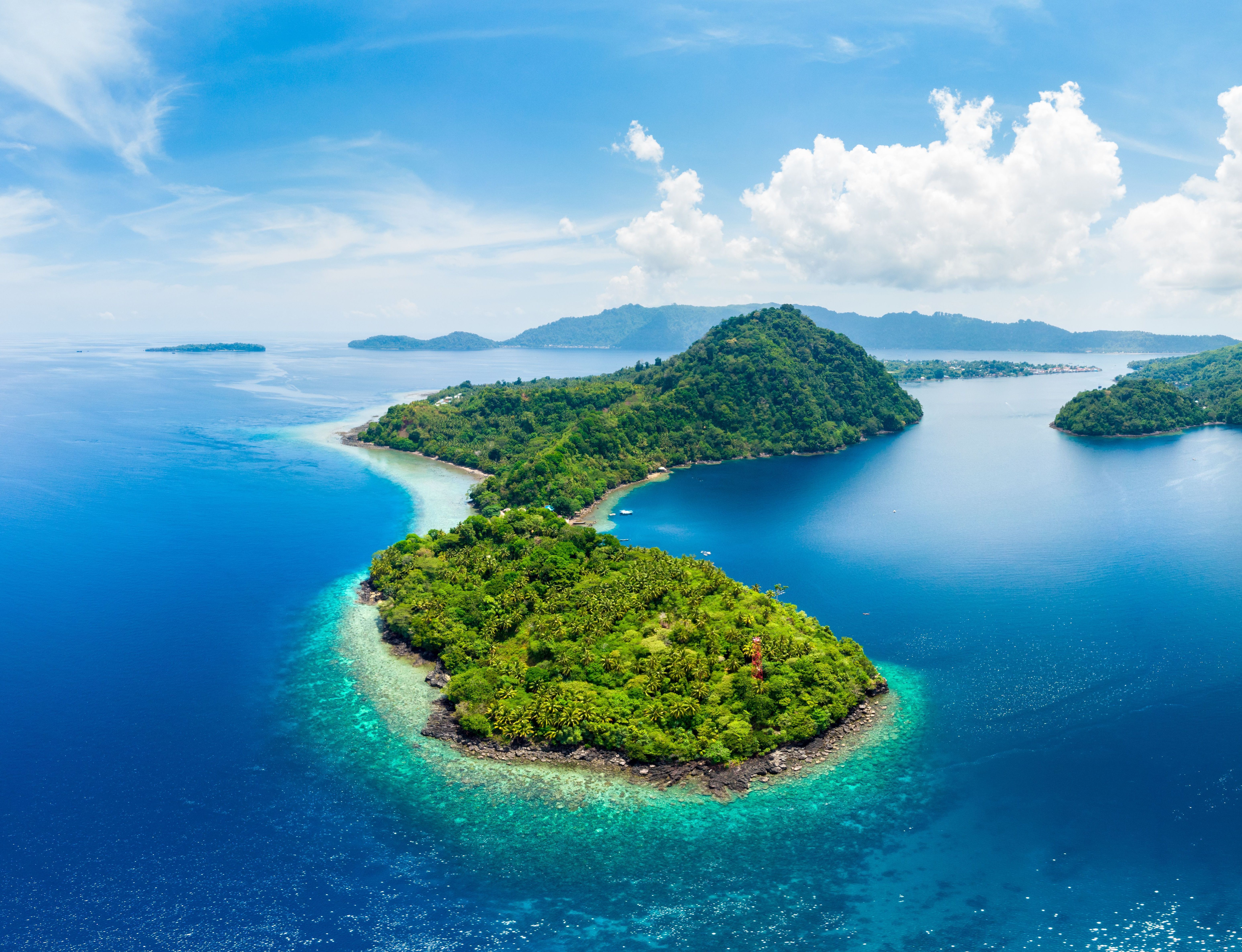
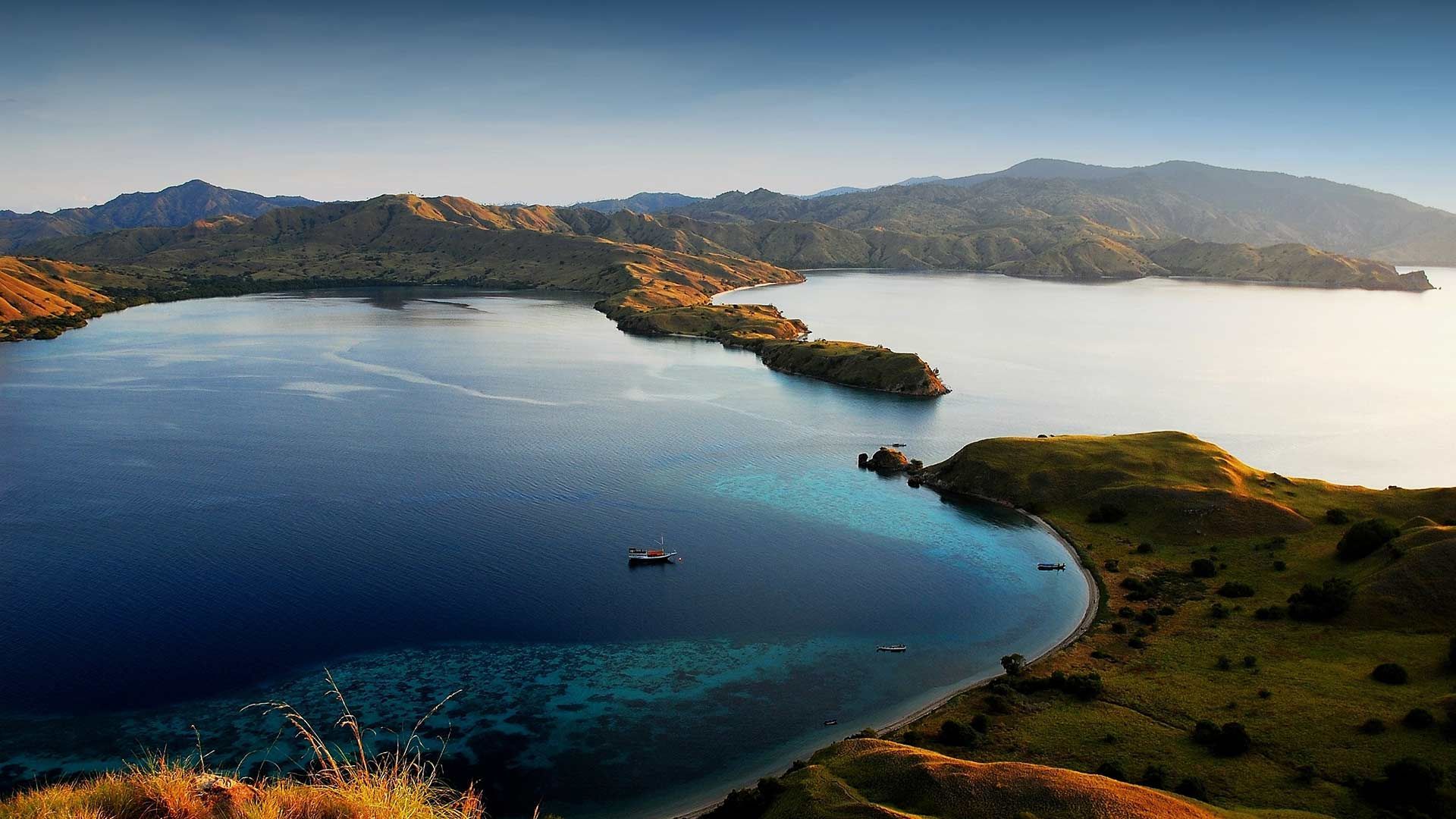
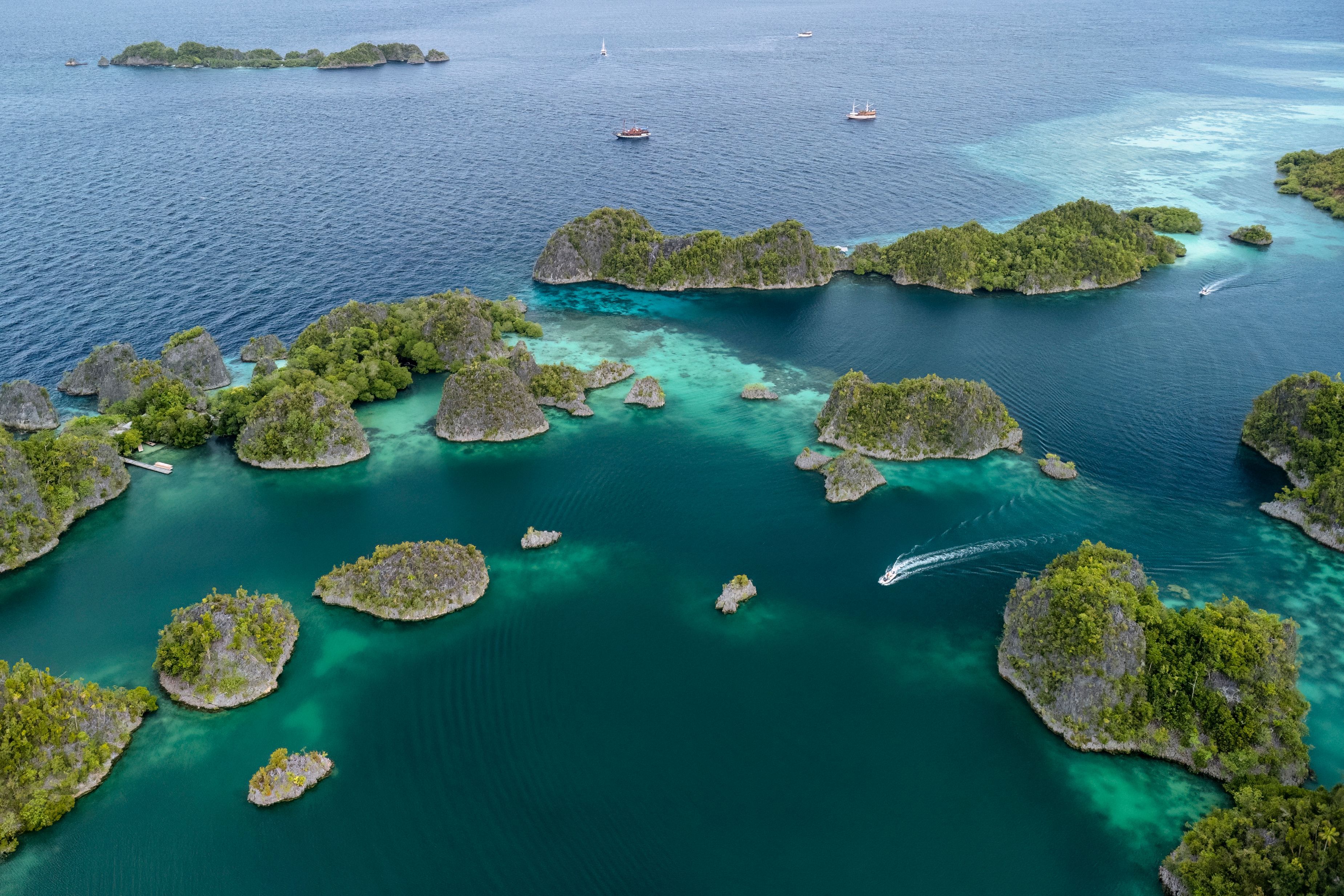


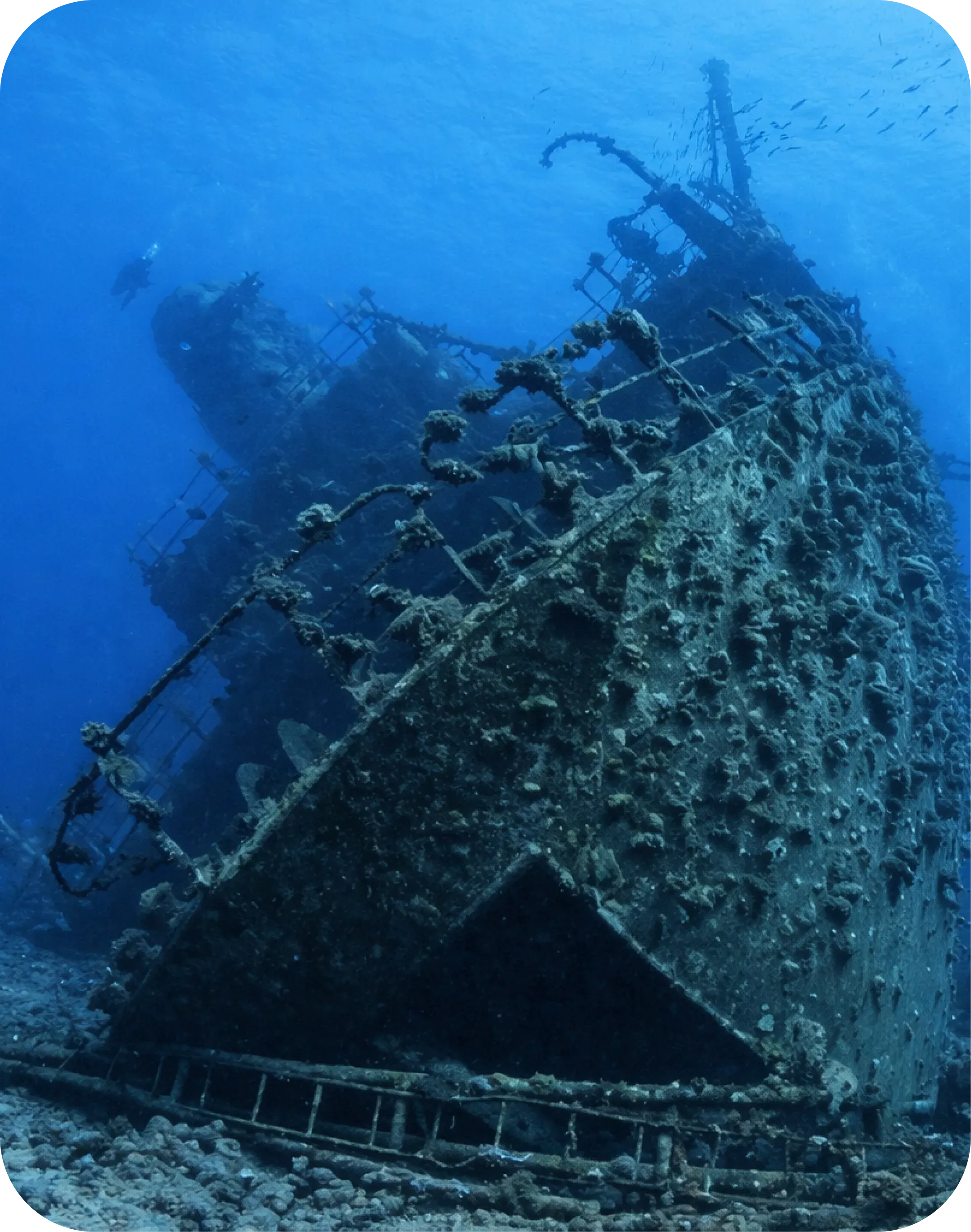
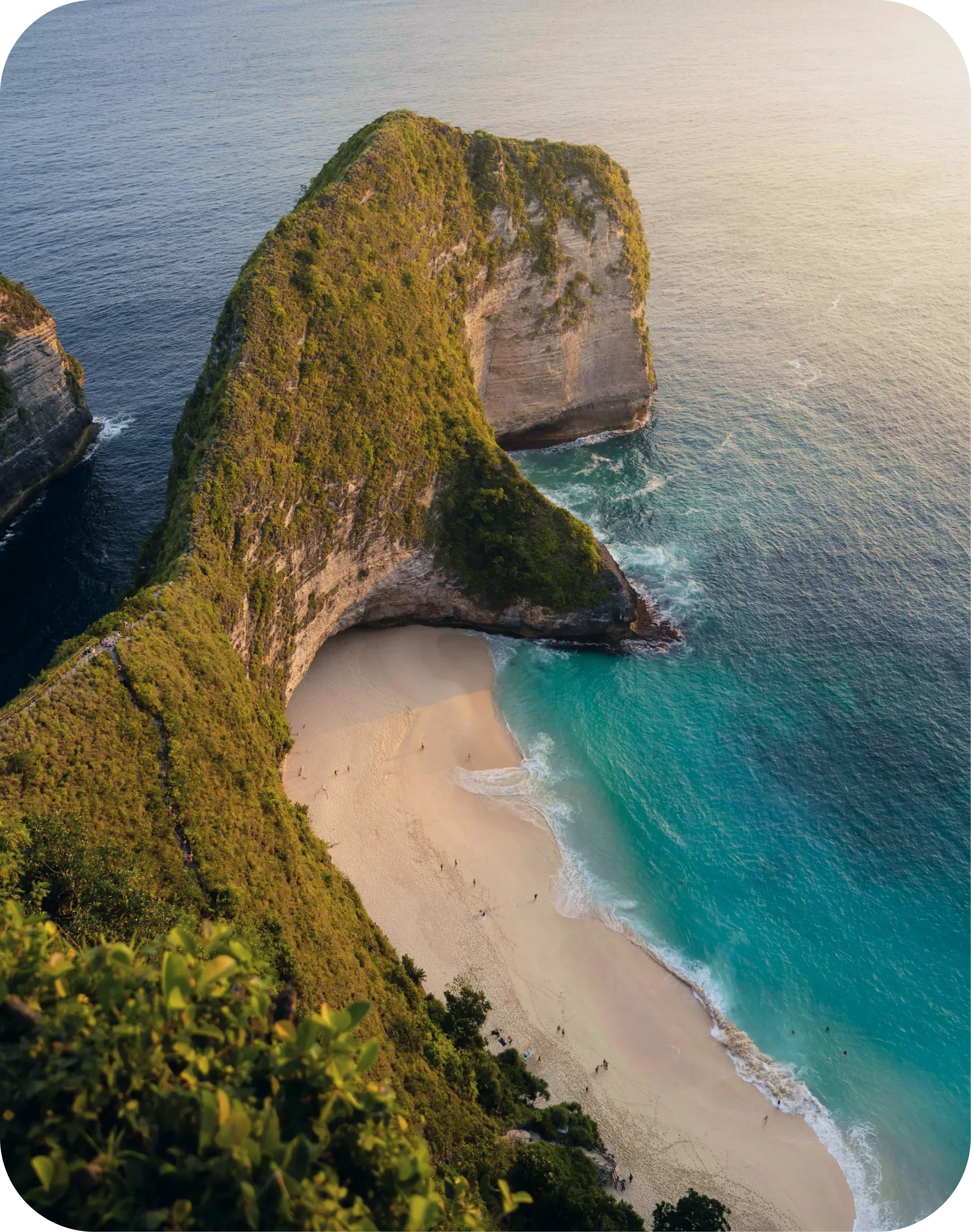

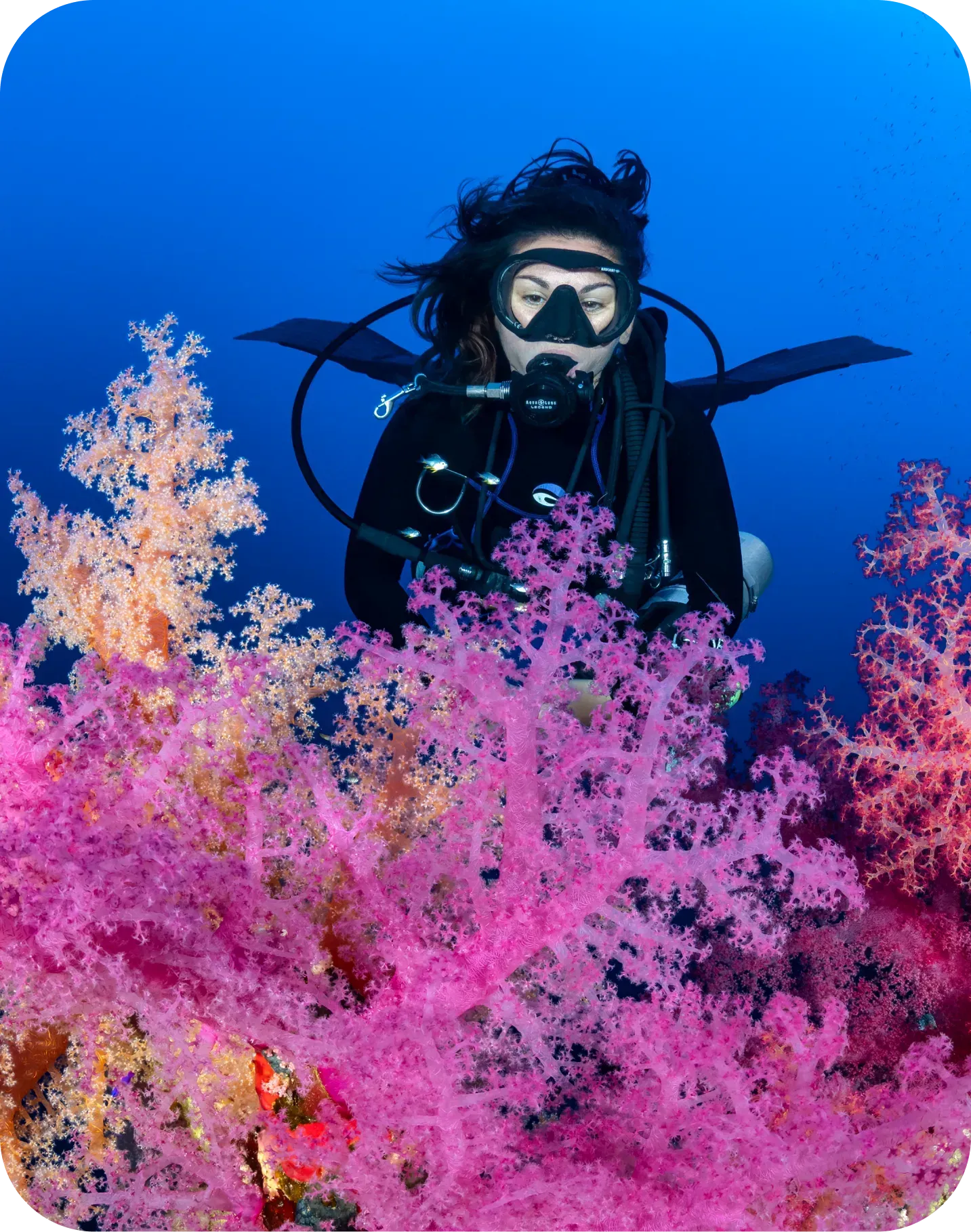
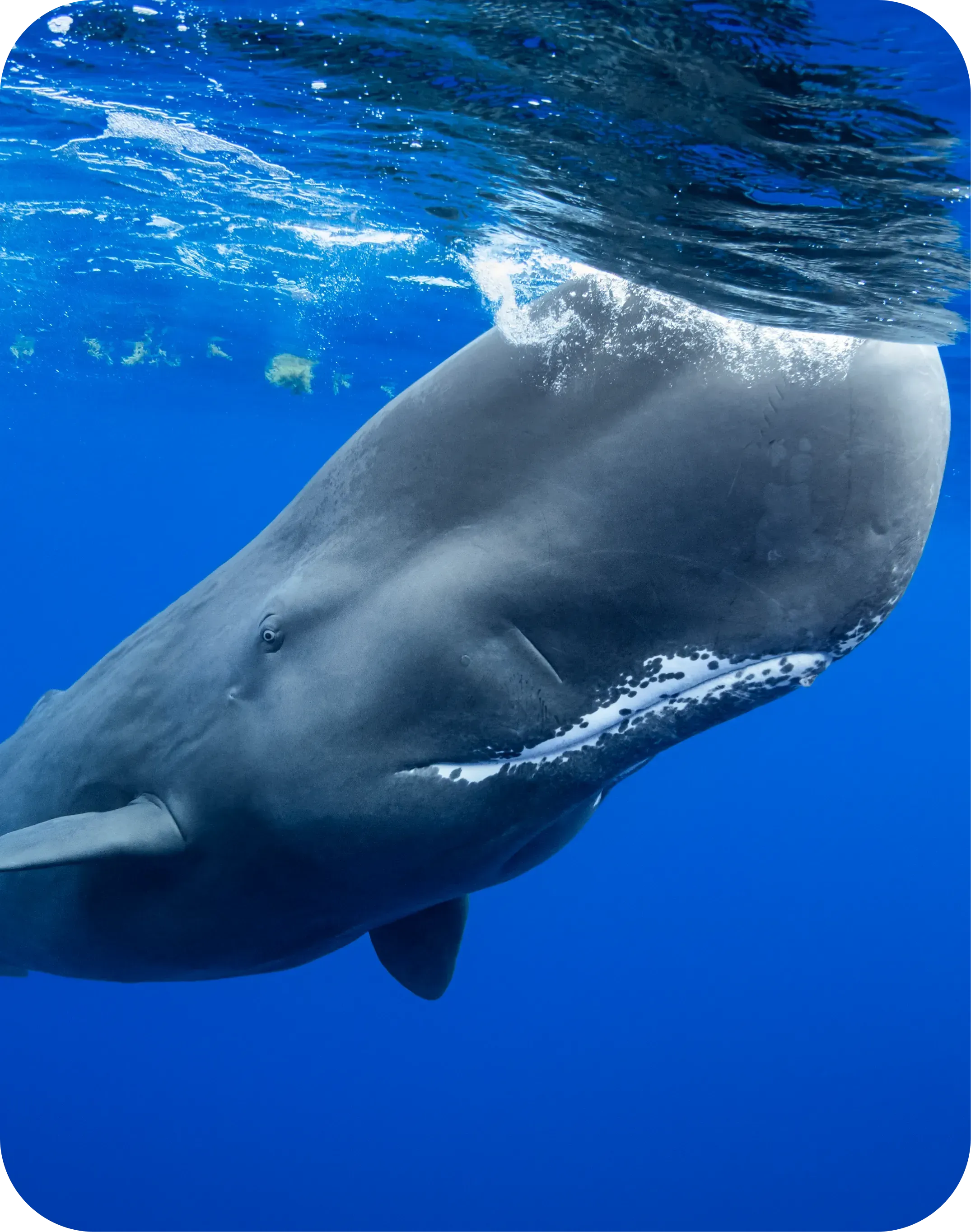

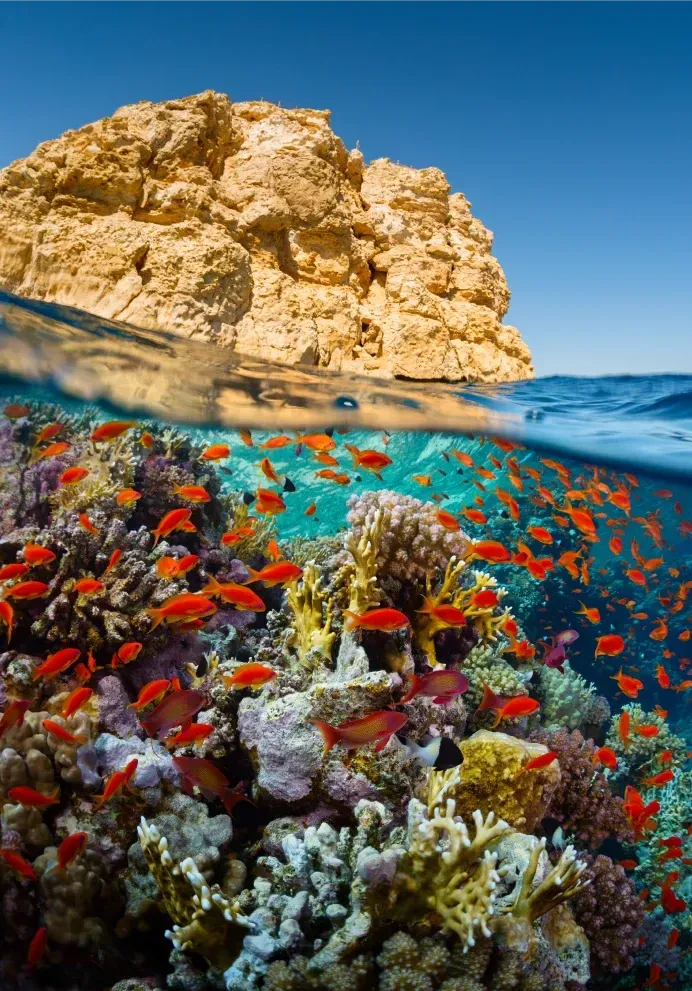
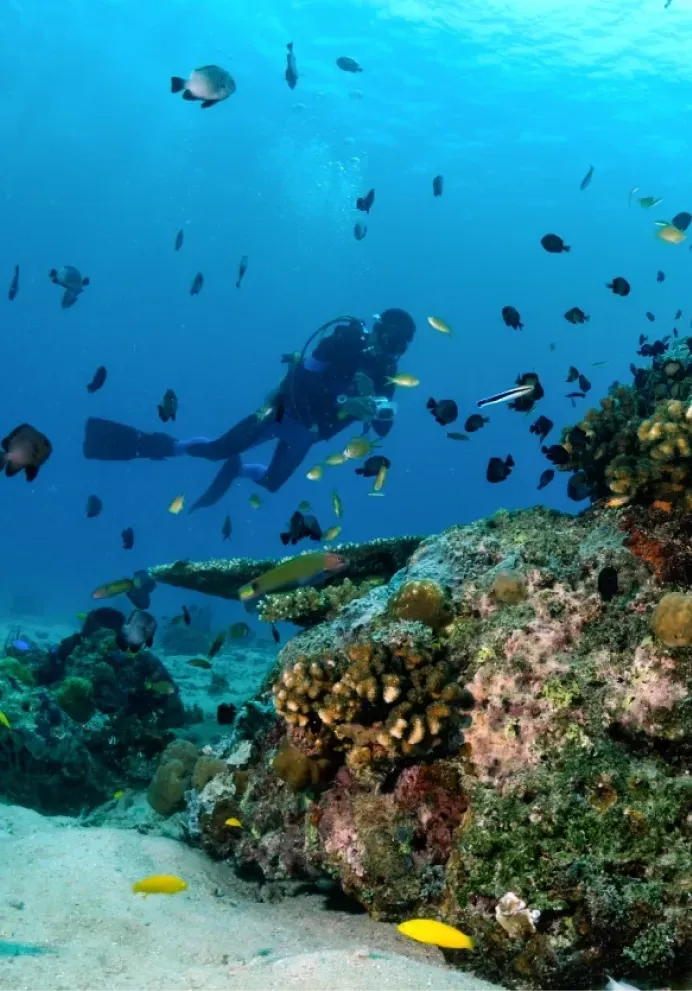
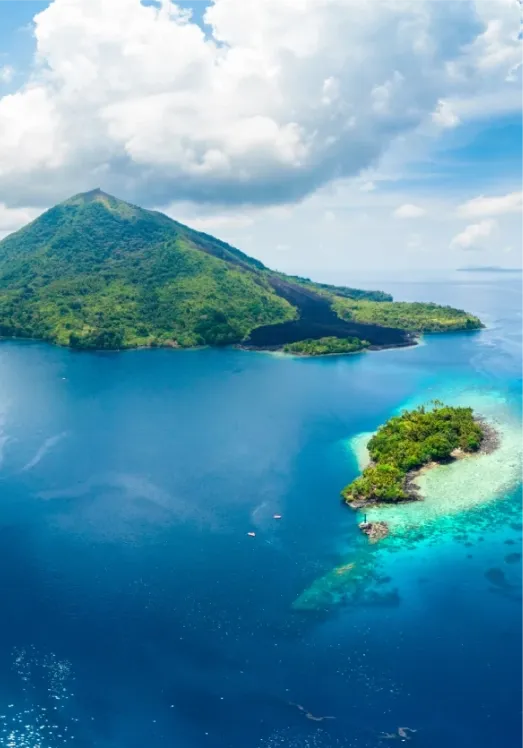
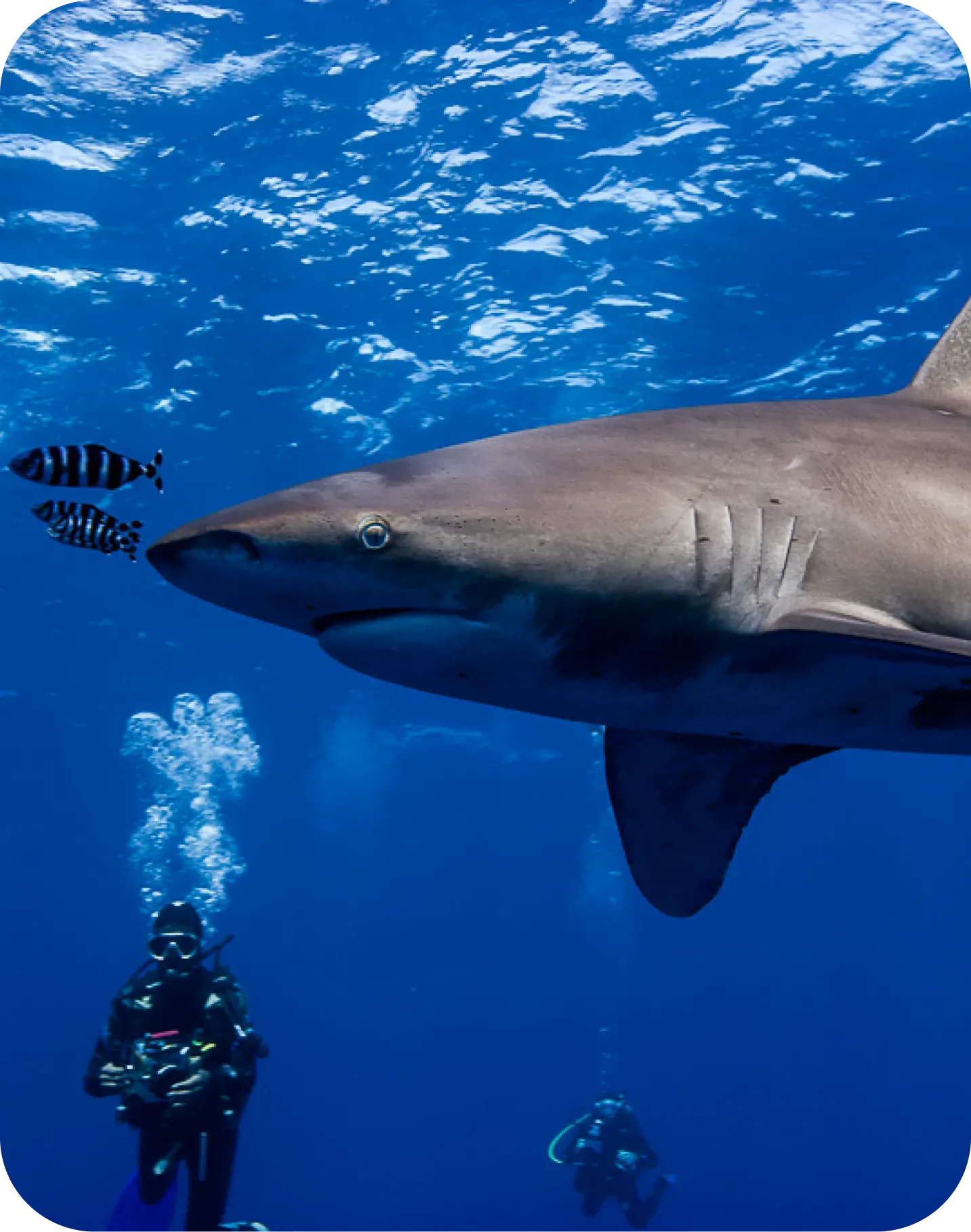

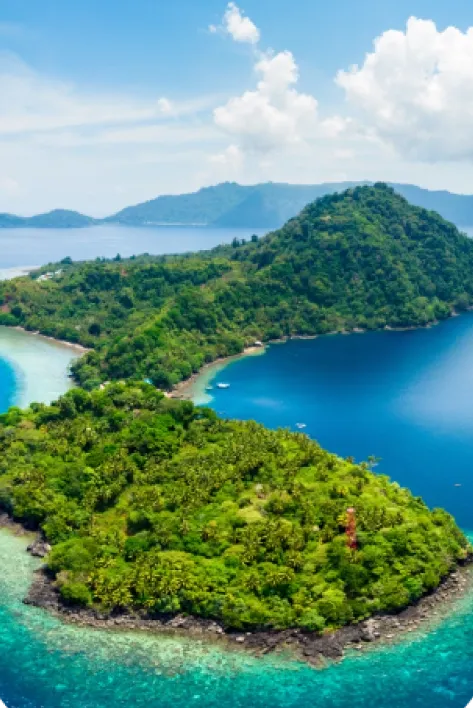
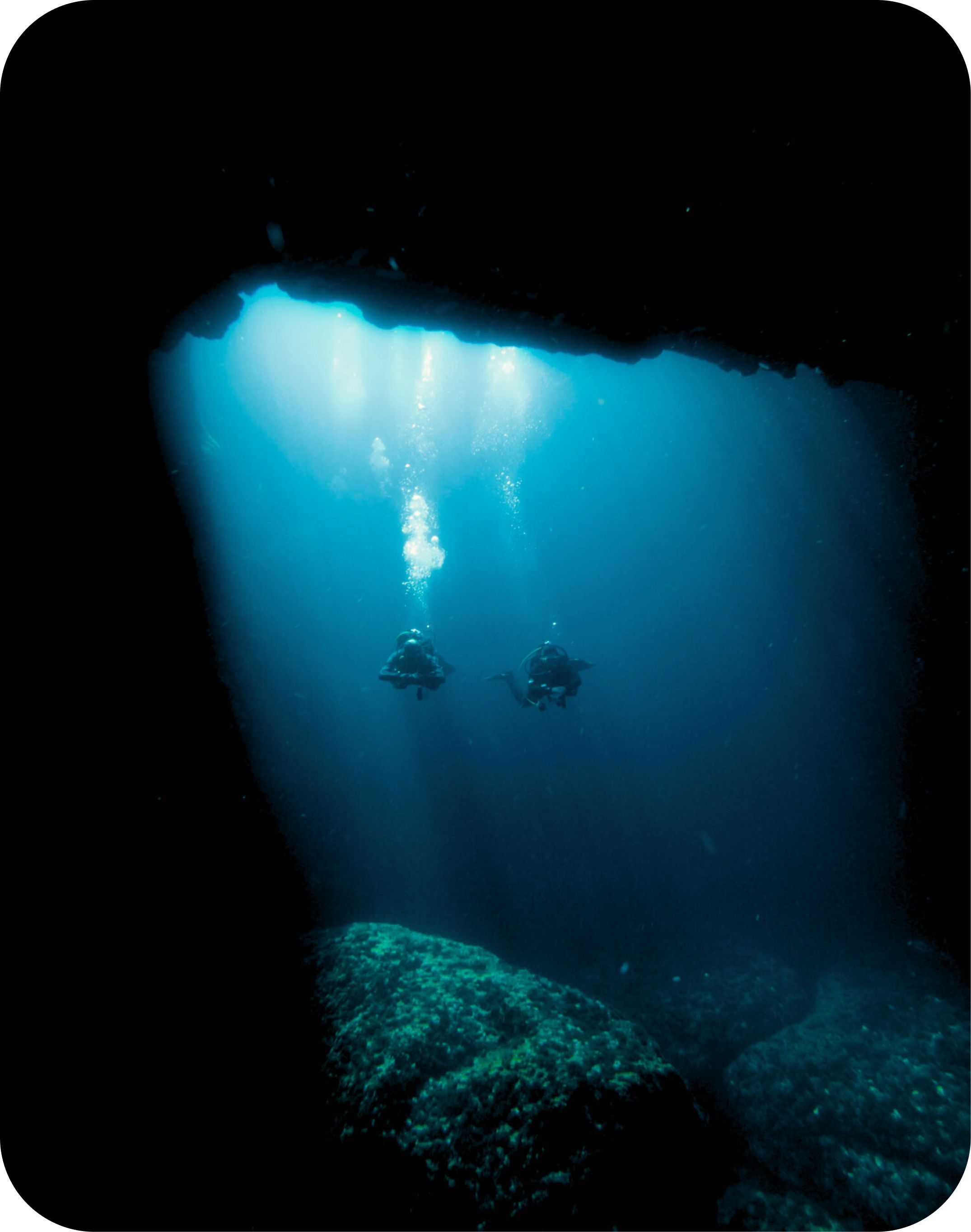
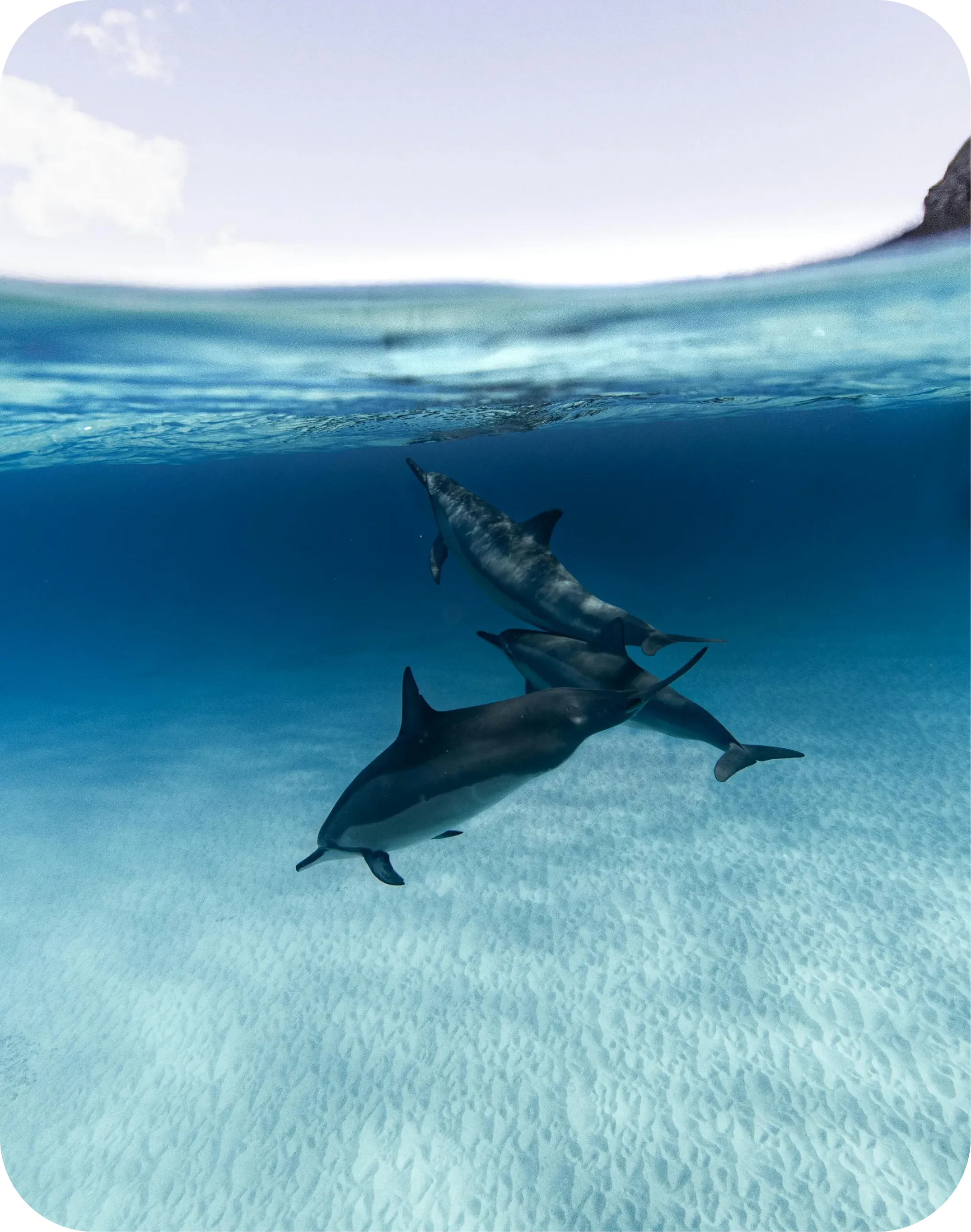
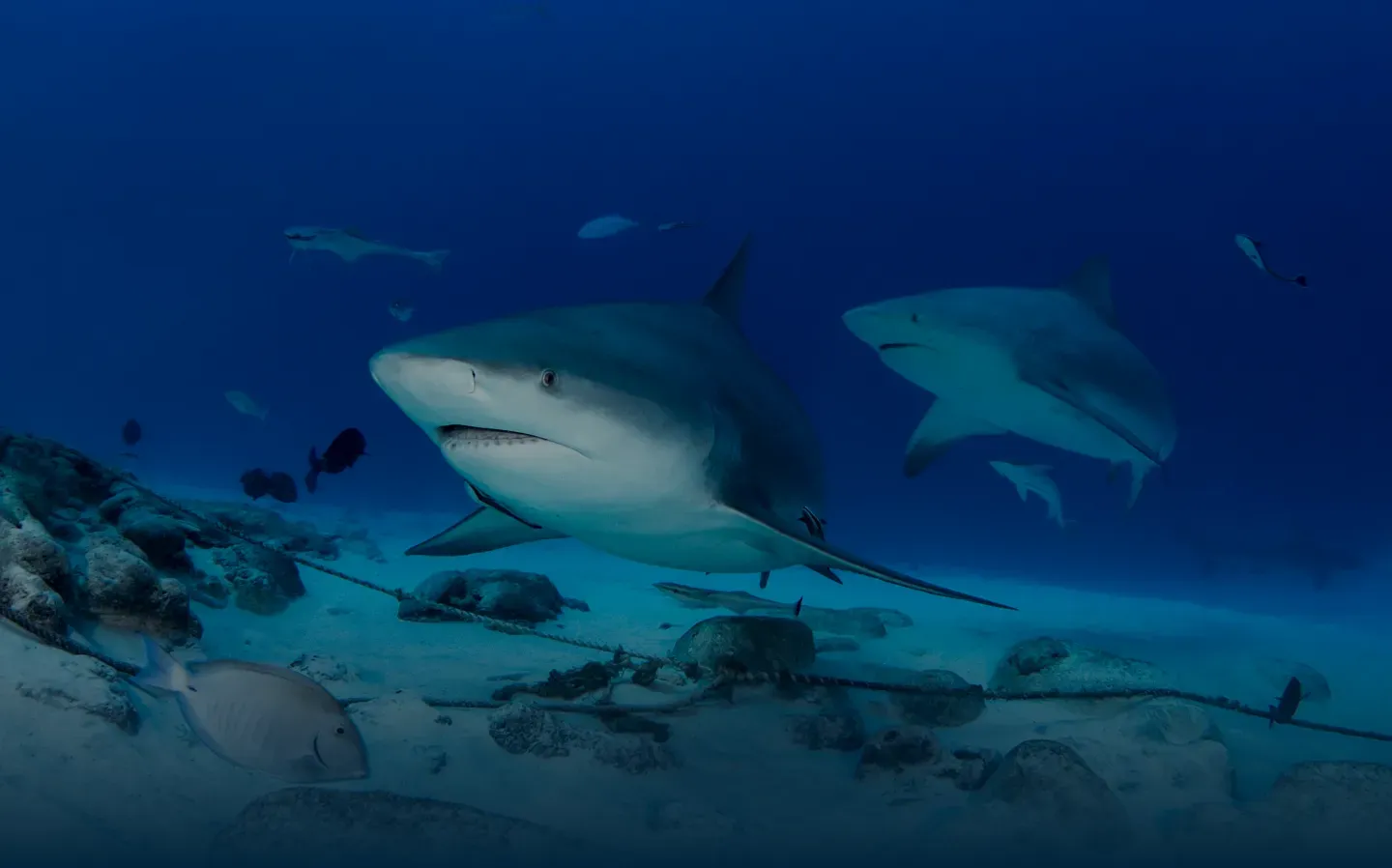
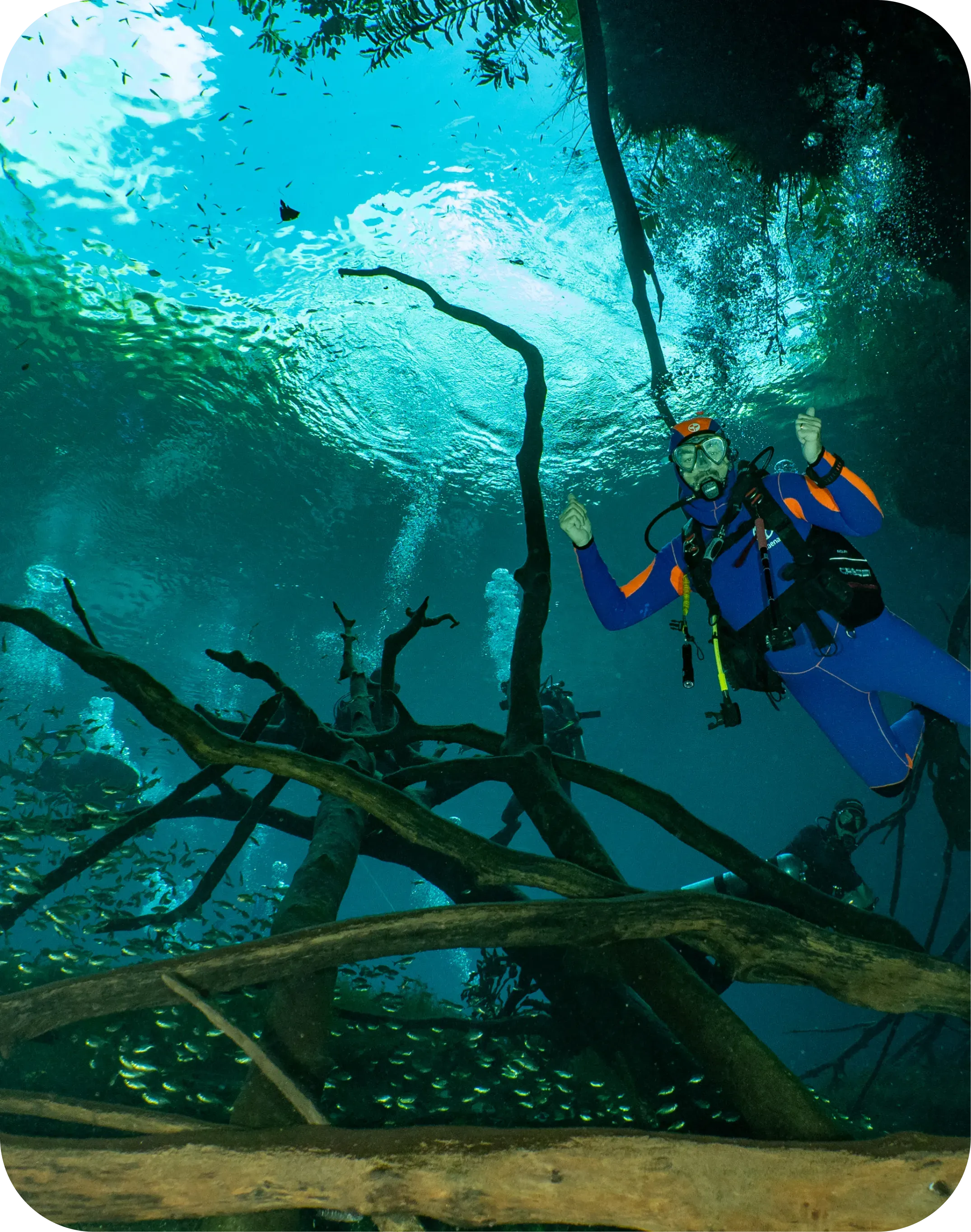

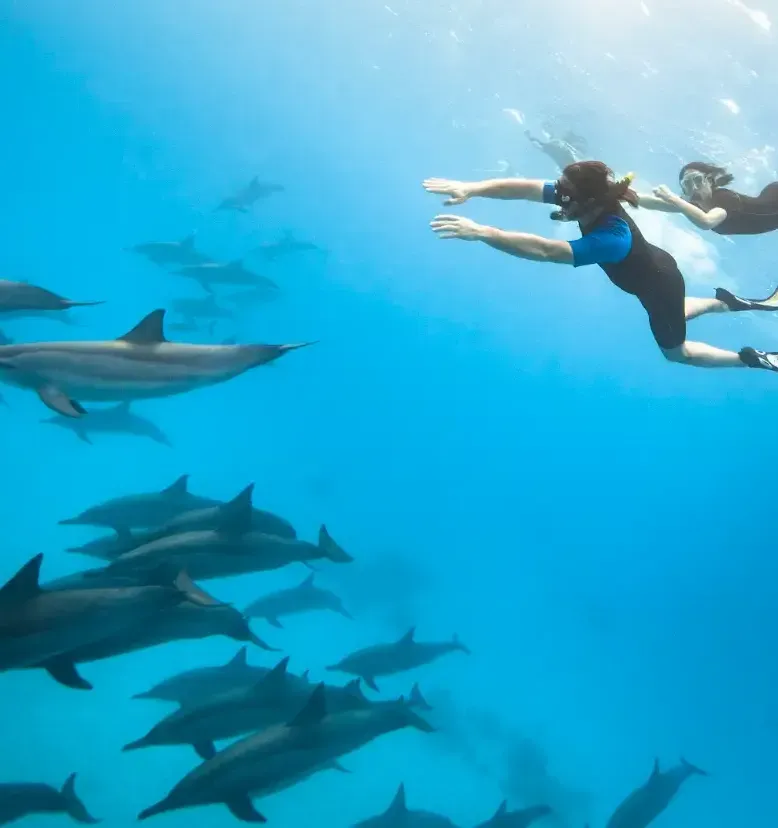
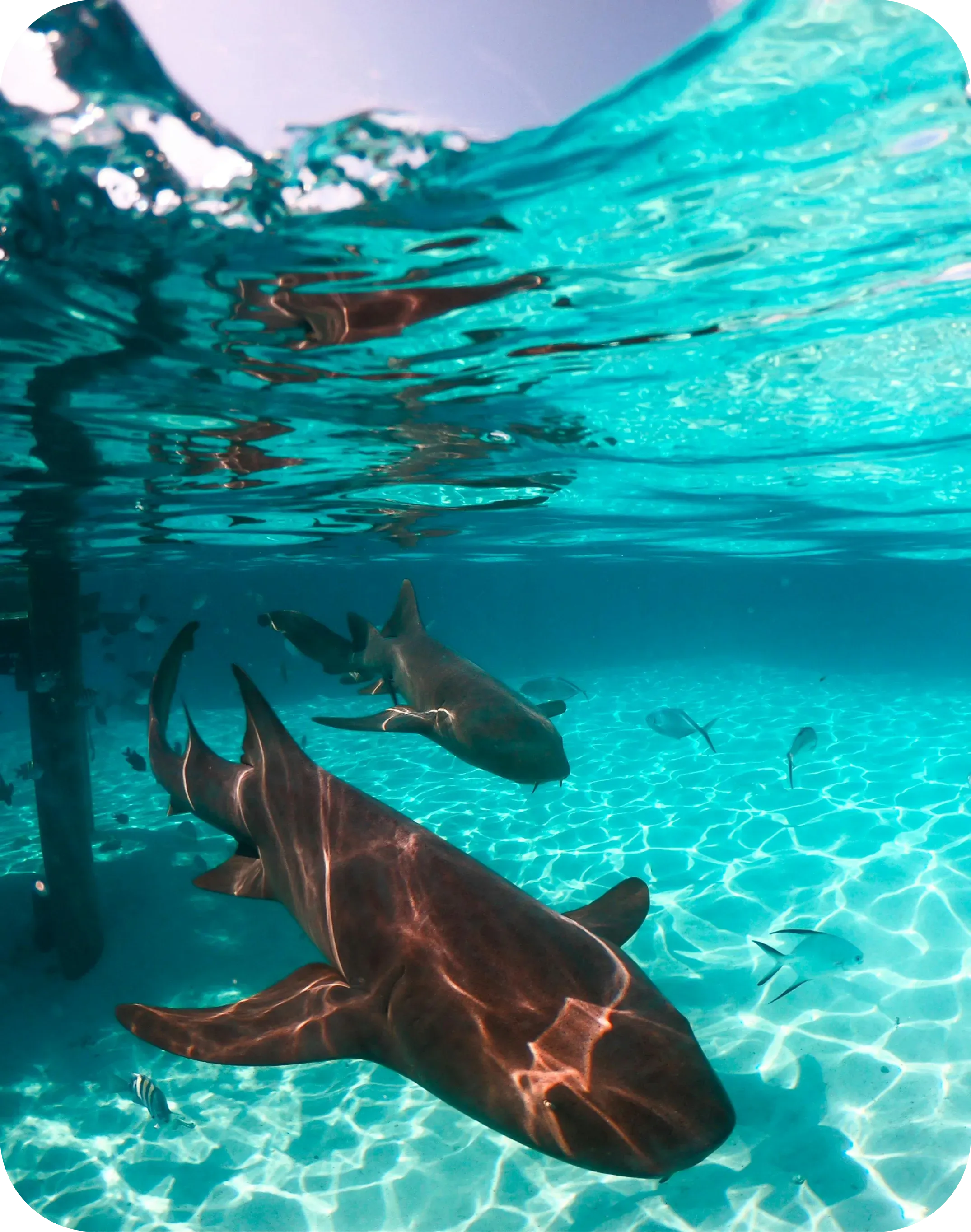
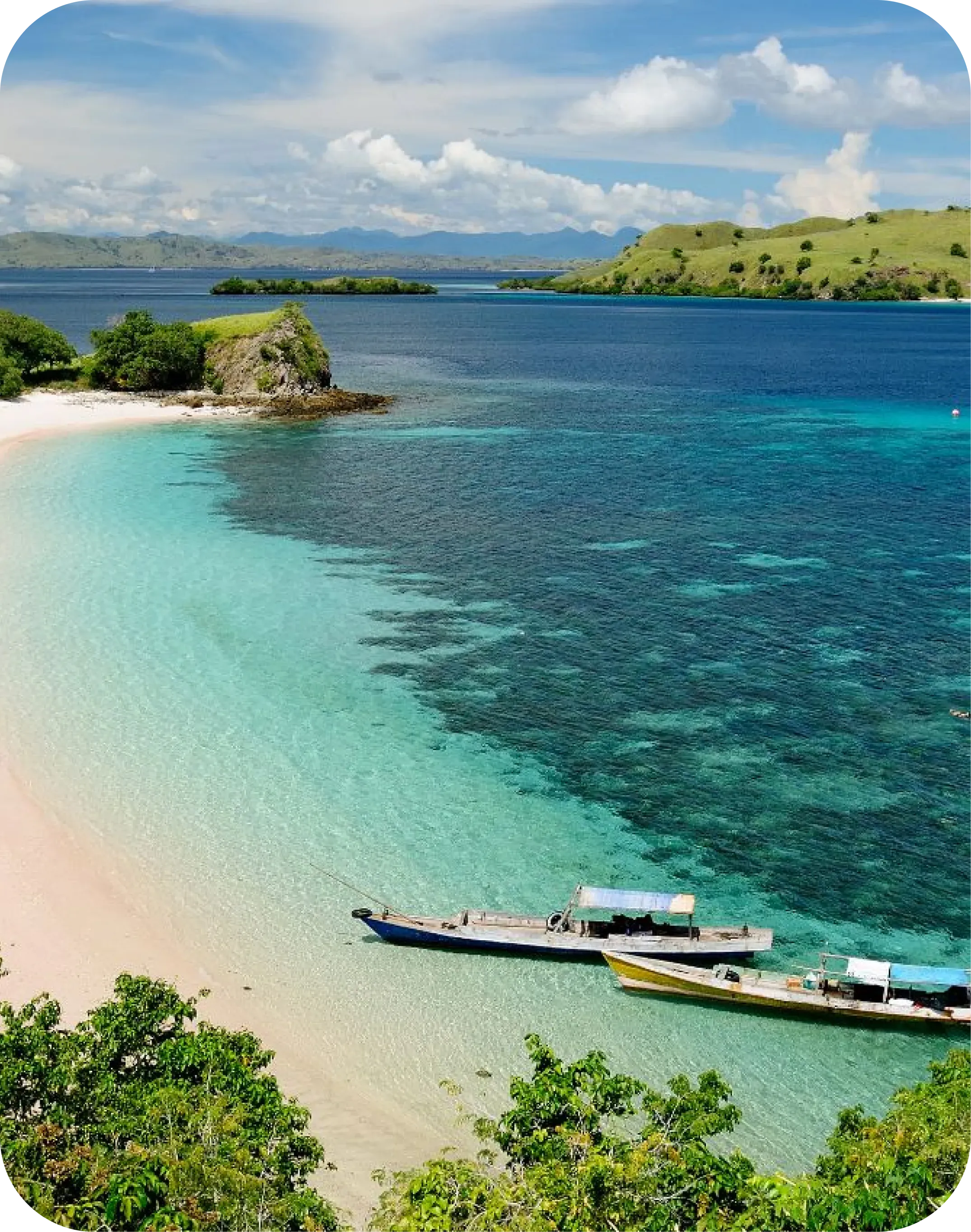
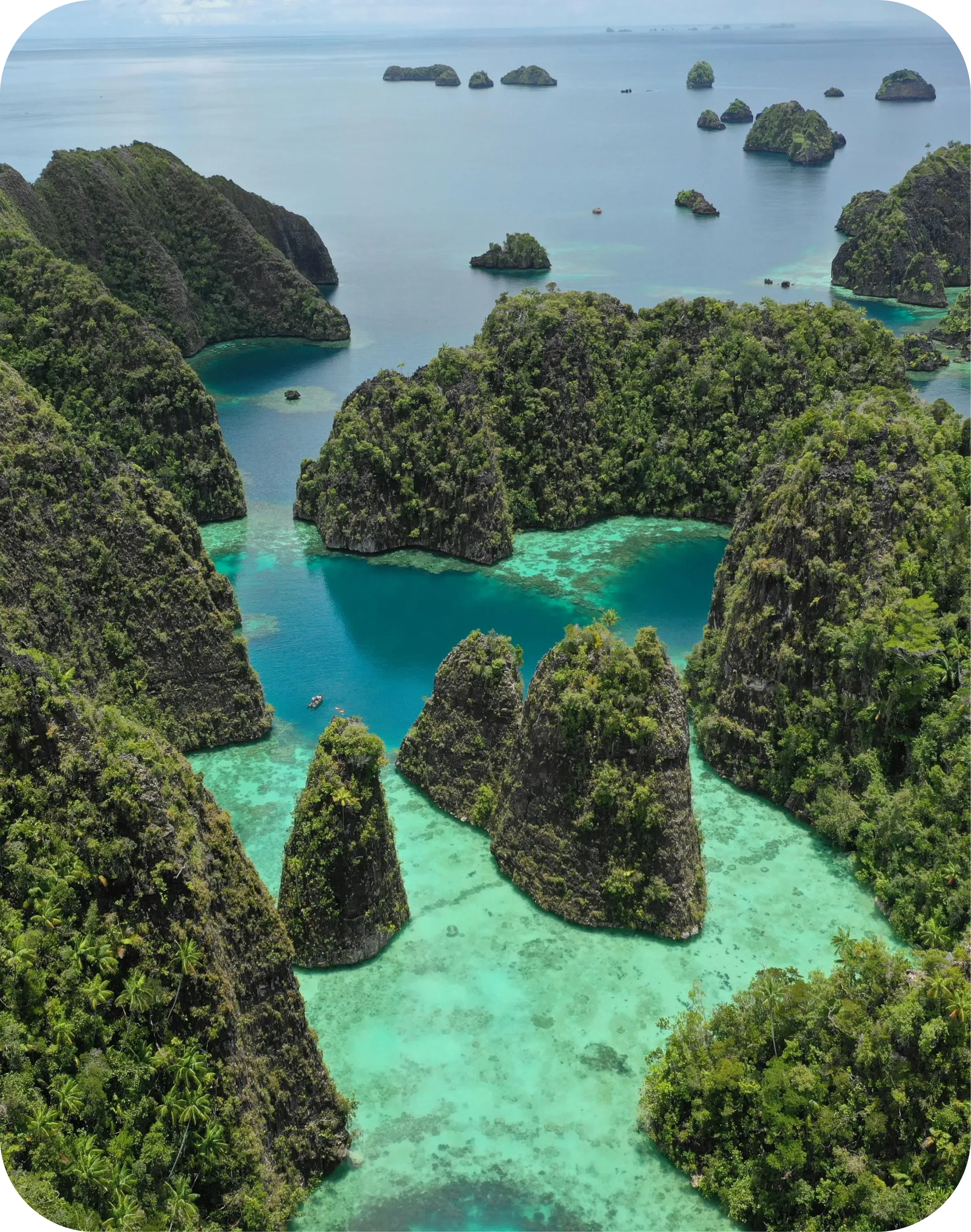
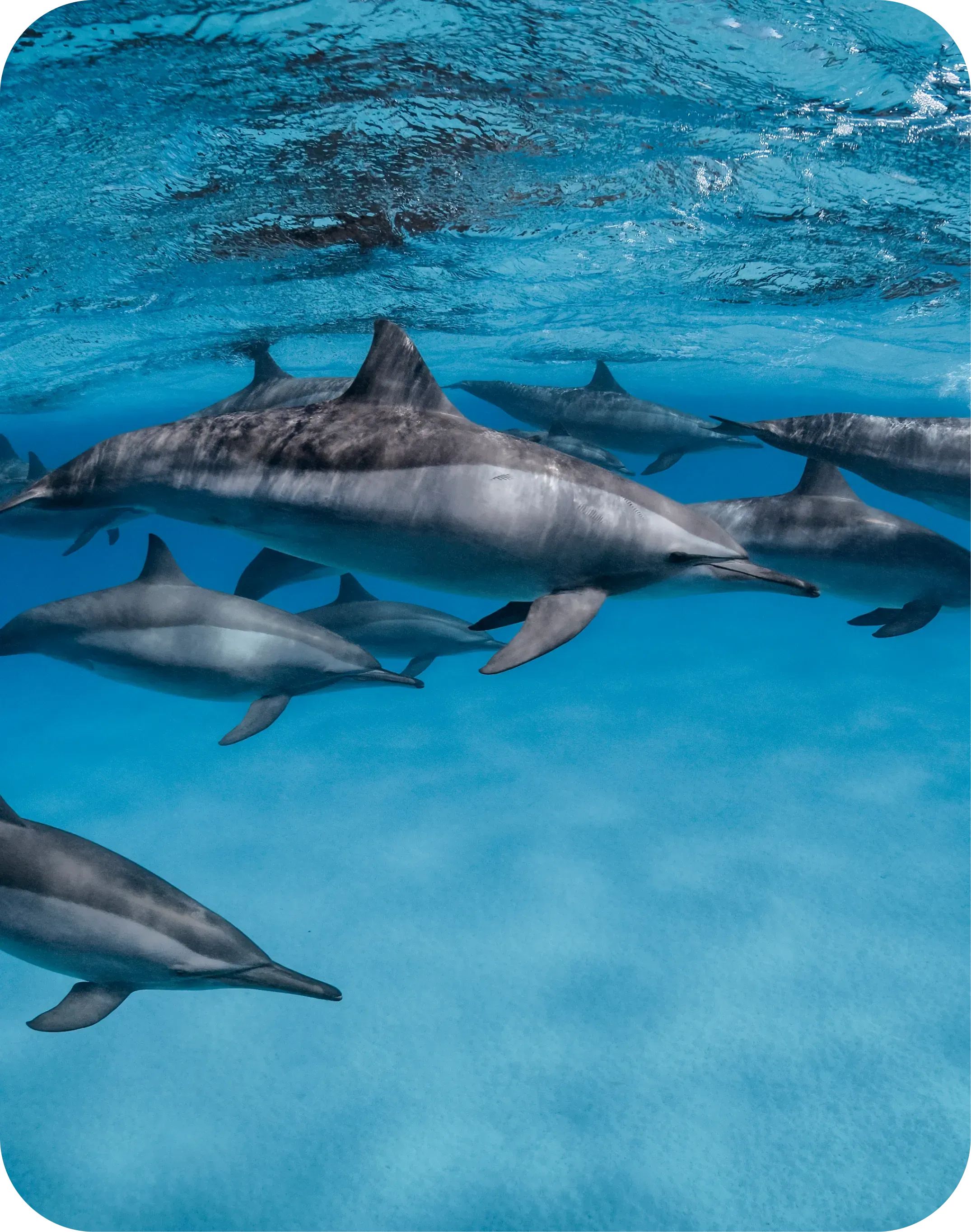
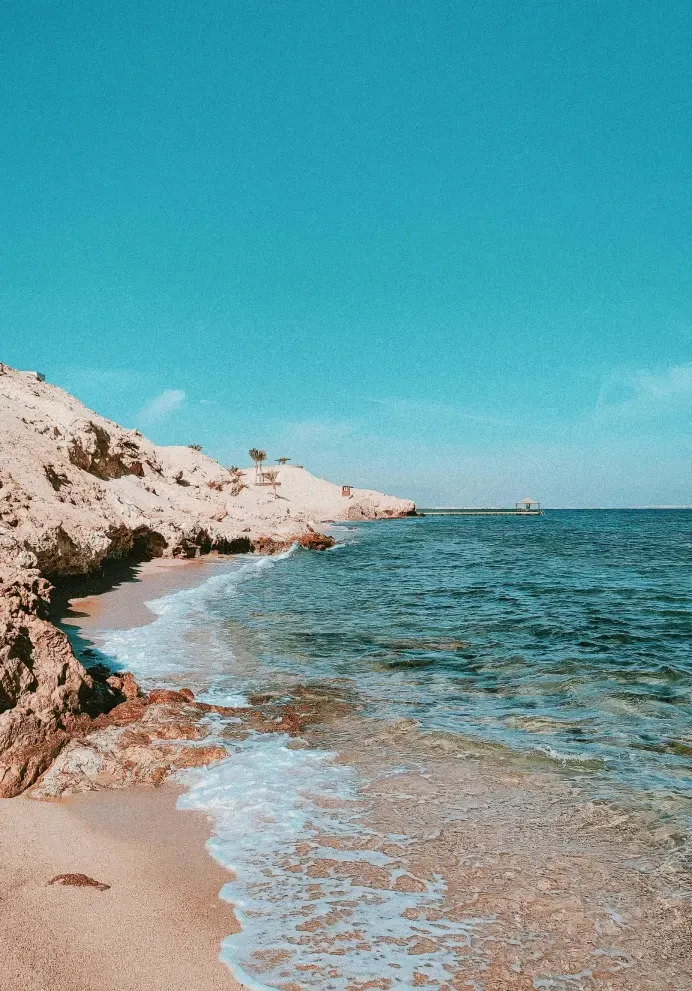



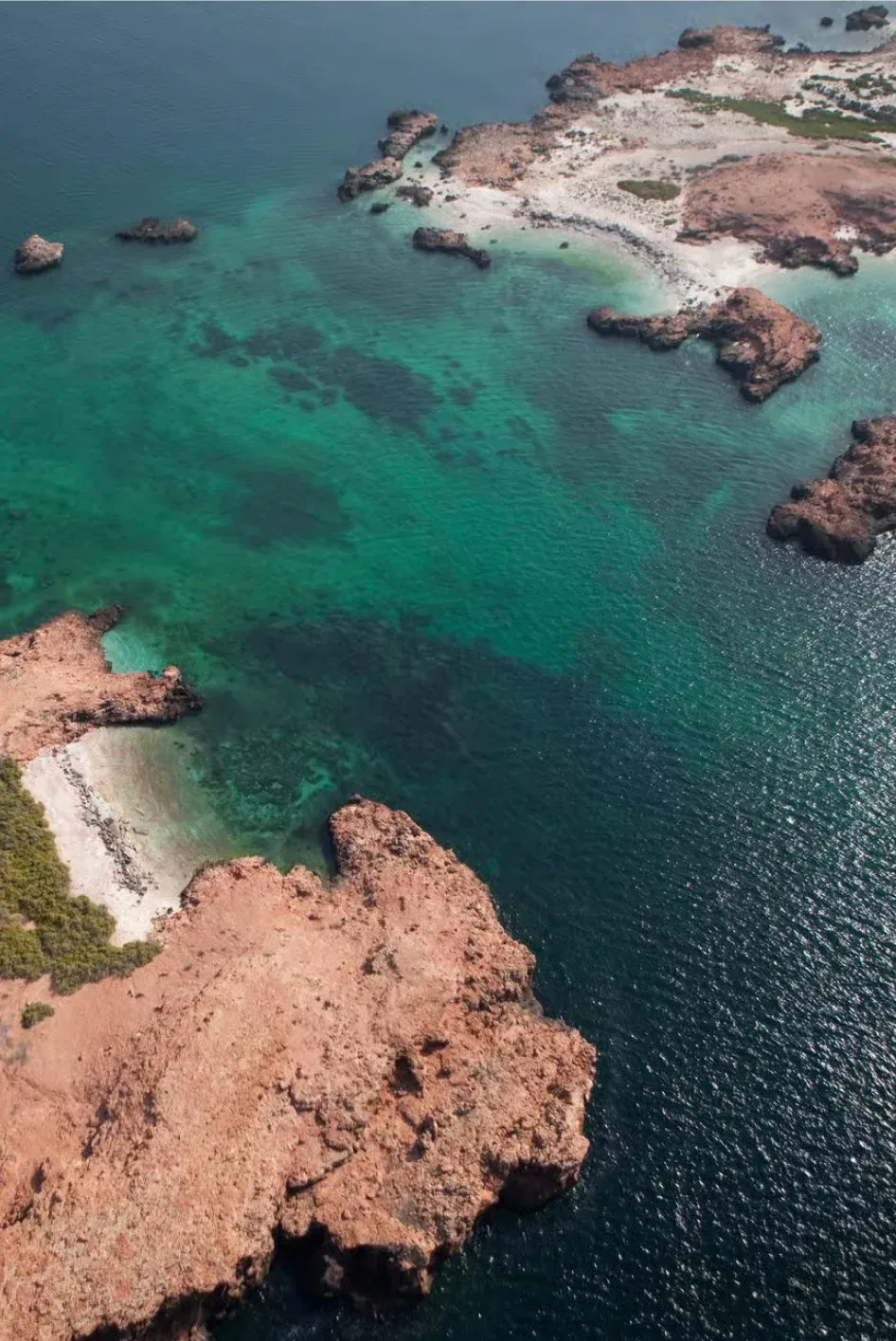



The Maldives, with its turquoise waters, vibrant coral reefs, and diverse marine life, is a diver's paradise. Whether you're a novice just starting your diving adventure or an experienced diver seeking thrilling underwater experiences, understanding the certification requirements for diving in the Maldives is essential. In this guide, we’ll explore the different dive certifications you may need, from the PADI Open Water course to the Divemaster level, and what to expect at some of the most popular dive sites across this stunning archipelago.
Understanding Dive Certifications
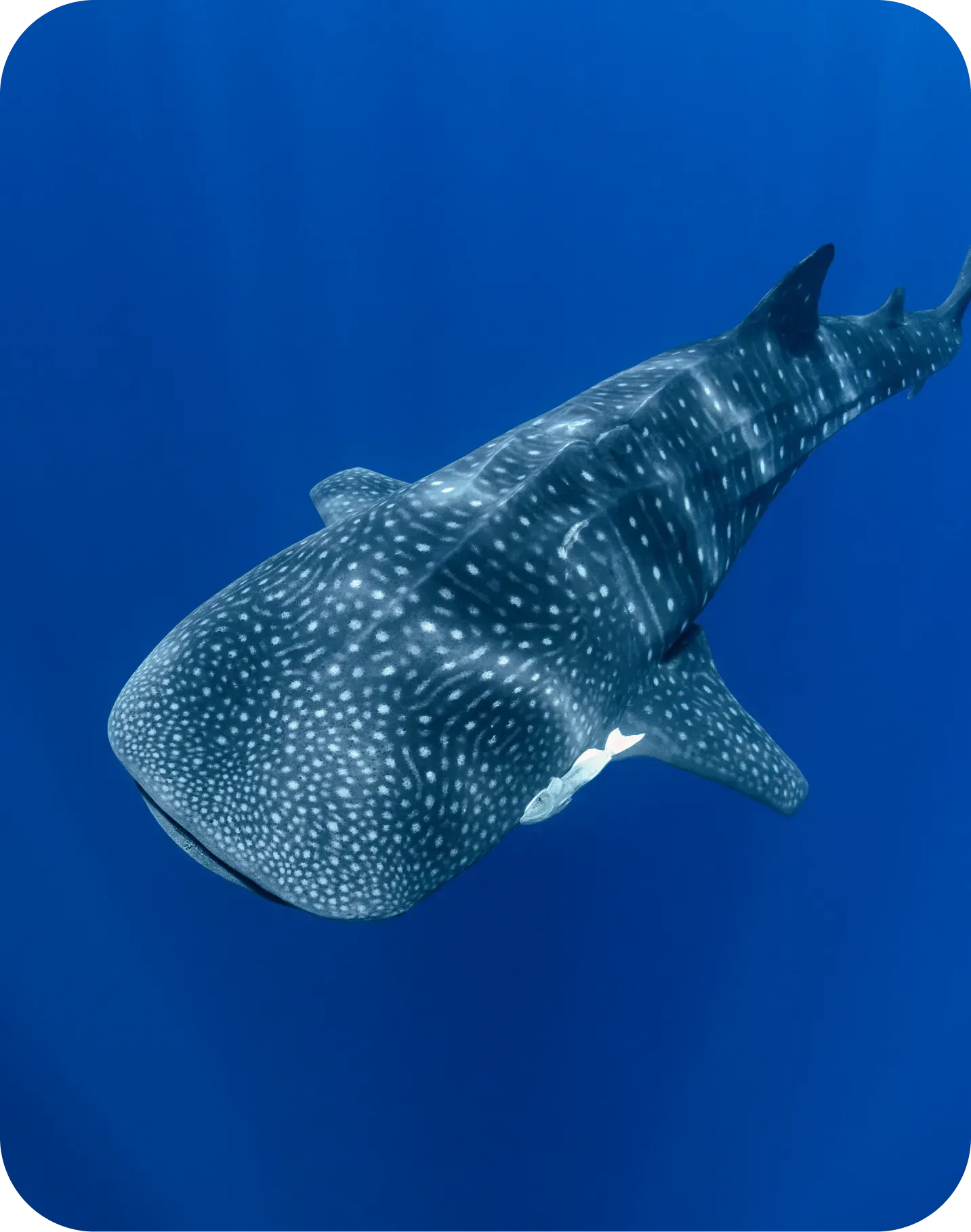
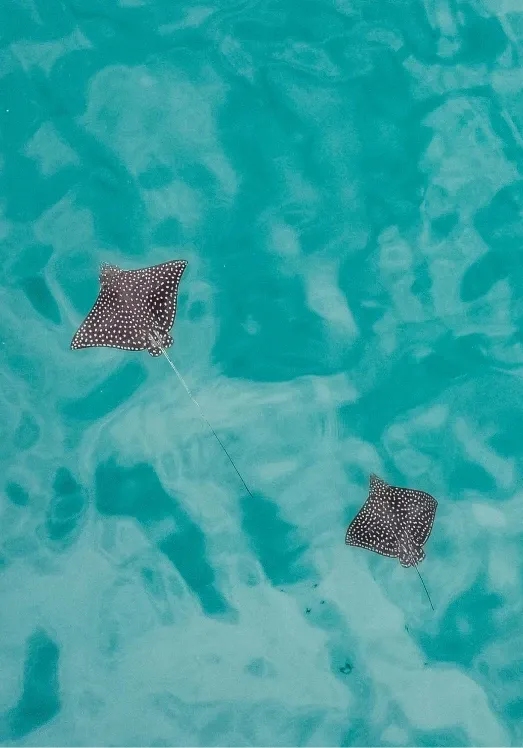
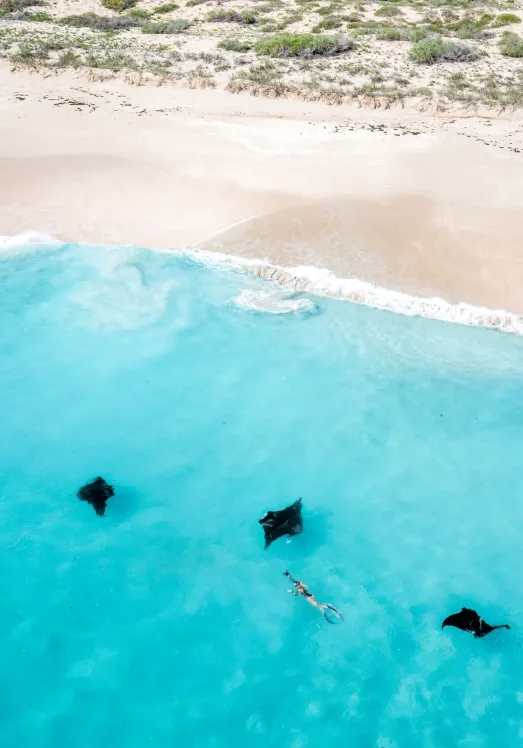
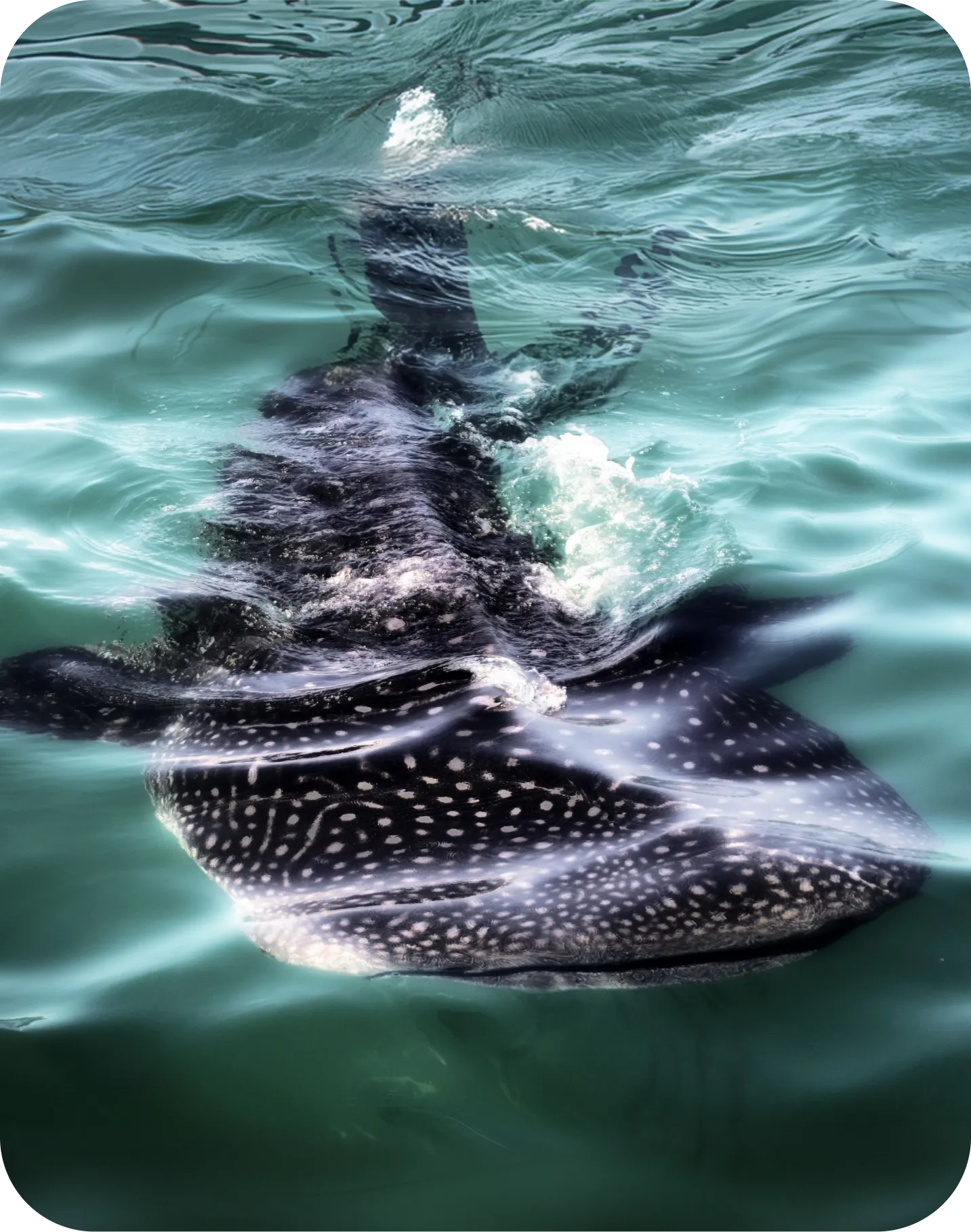
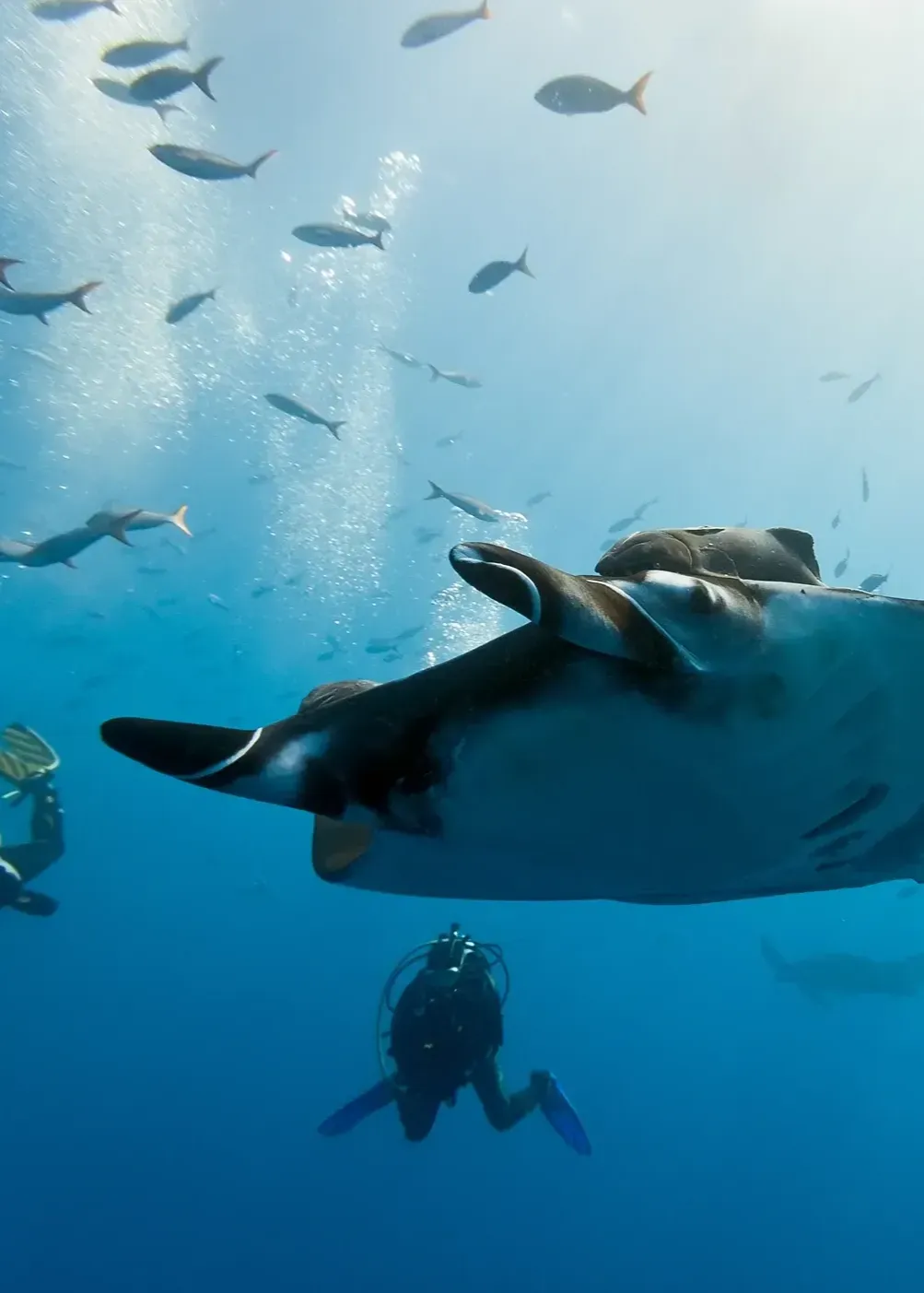
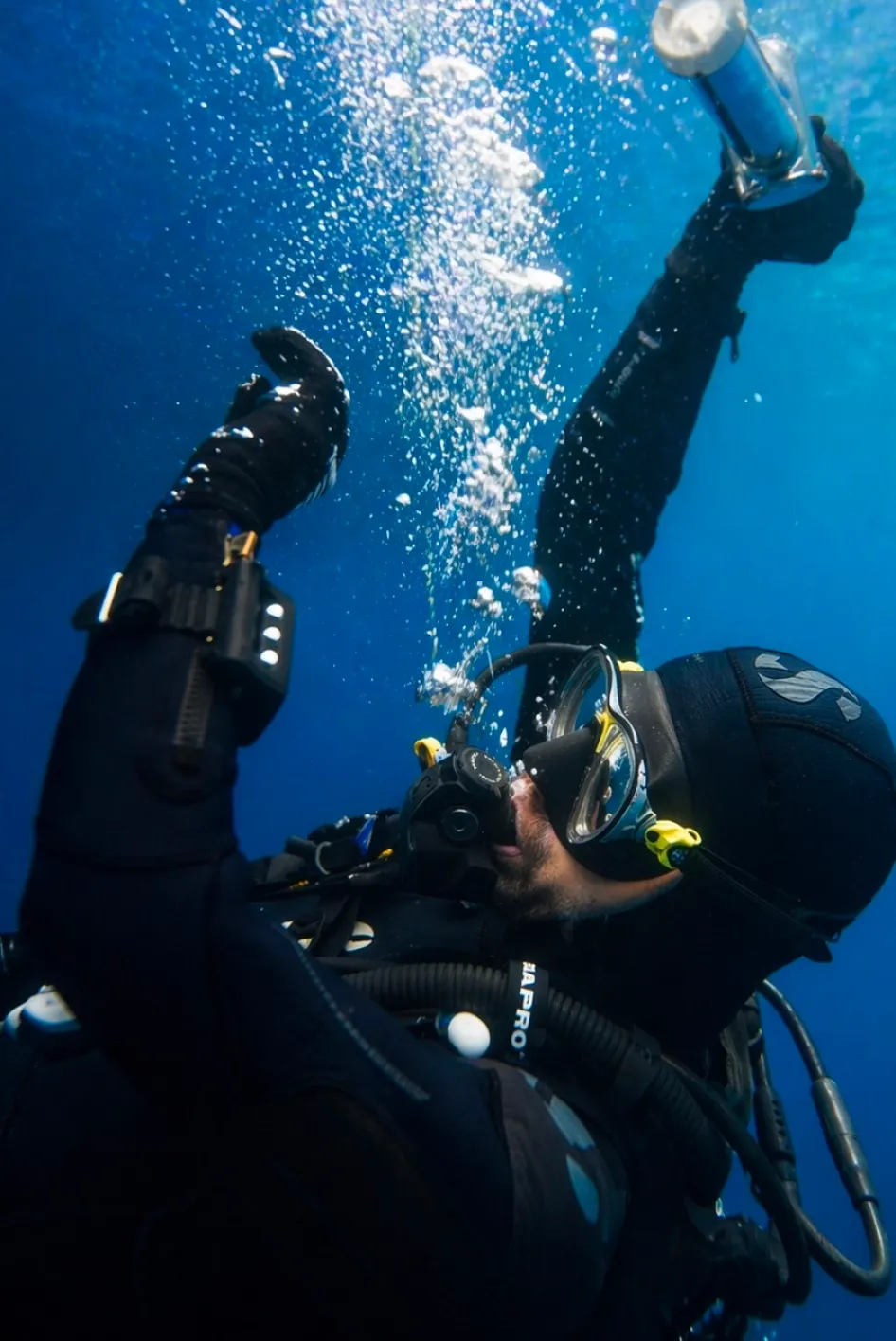
Diving in the Maldives is a mesmerizing experience, but it's crucial to ensure that you have the appropriate certification for the type of diving you wish to do. The Maldives is renowned for its rich marine biodiversity, featuring everything from vibrant coral gardens to majestic manta rays and whale sharks. With a range of dive sites available, the certification you hold will determine the depth and type of dives you can safely undertake.
Here’s a breakdown of the main certifications recognized in the Maldives:
- PADI Open Water Diver: This is the most popular entry-level certification for divers. It allows you to dive independently with a buddy to a maximum depth of 18 meters (60 feet).
- PADI Advanced Open Water Diver: This certification builds on the Open Water Diver course and allows you to dive to a maximum depth of 30 meters (100 feet). It includes various specialty dives, such as deep diving and navigation.
- PADI Rescue Diver: Although not required, this certification is highly recommended. It teaches essential skills in helping others and managing diving emergencies.
- PADI Divemaster: This professional-level certification allows you to lead dives and assist instructors. It’s ideal for those looking to take their diving experience to the next level.
Requirements for Diving in the Maldives
While the Maldives is generally accessible for divers at all levels, certain dive sites may have specific requirements. Here’s what you need to know:
- Minimum Certification: Most dive operators require a minimum of Open Water certification for guided dives. Advanced certifications are often necessary for deeper or more challenging sites.
- Logbook: Divers are usually asked to present their dive logbook to verify experience and previous dives.
- Dive Insurance: It is recommended (and sometimes required) to have dive insurance that covers medical emergencies and evacuation.
- Health Considerations: A medical clearance may be necessary for those with pre-existing conditions. Always check with your dive operator before your trip.
Recommended Dive Sites for Various Certification Levels
The Maldives boasts some of the world's most iconic dive sites, each with unique characteristics that cater to different experience levels. Here are a few highlights based on certification levels:
For Open Water Divers
- Maaya Thila: This site in the North Ari Atoll is perfect for beginners. Known for its gentle currents, divers can explore vibrant coral gardens and encounter colorful reef fish.
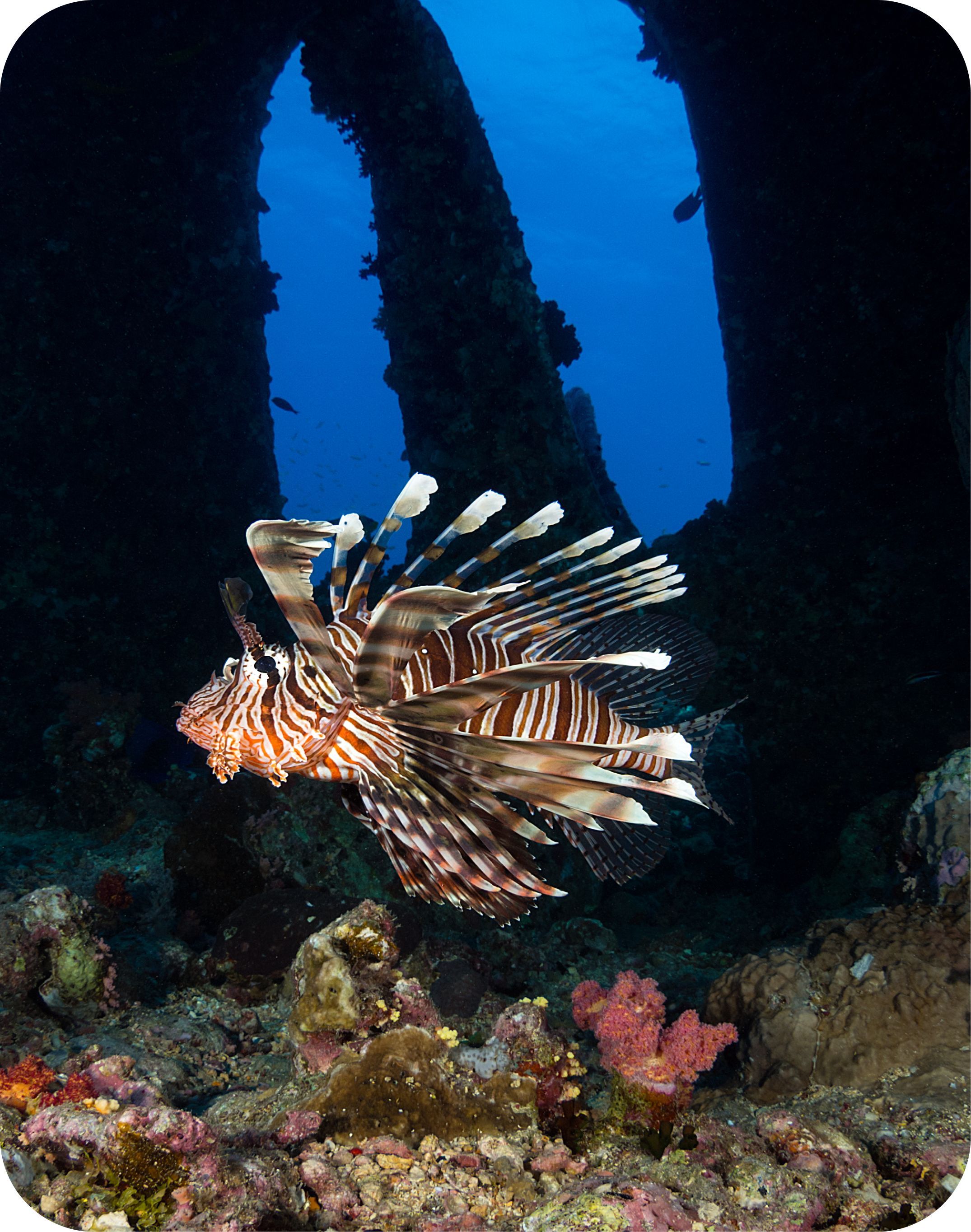
- Banana Reef: Located in the North Malé Atoll, this site is famous for its stunning underwater topography and abundant marine life, including parrotfish and lionfish.
For Advanced Divers
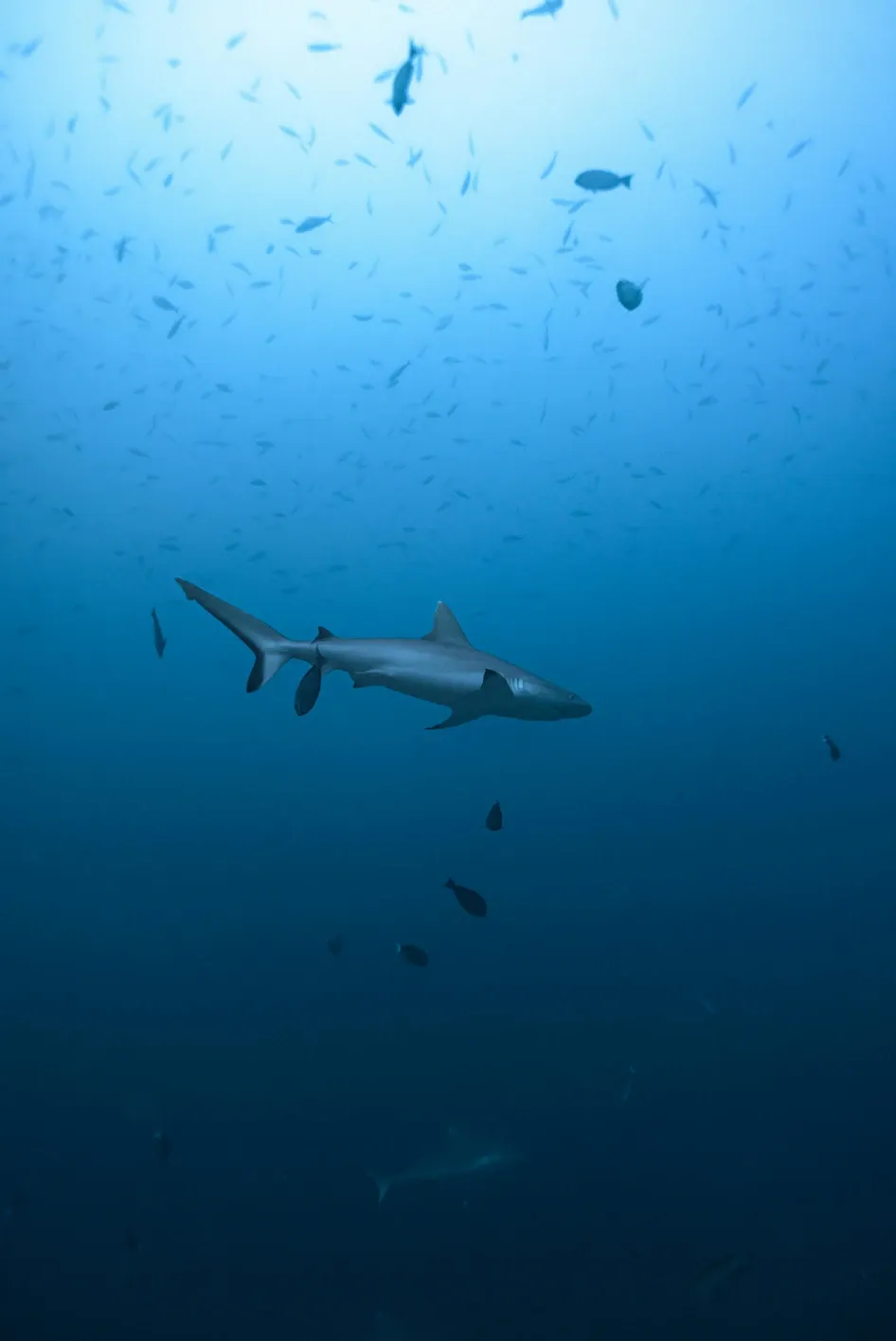
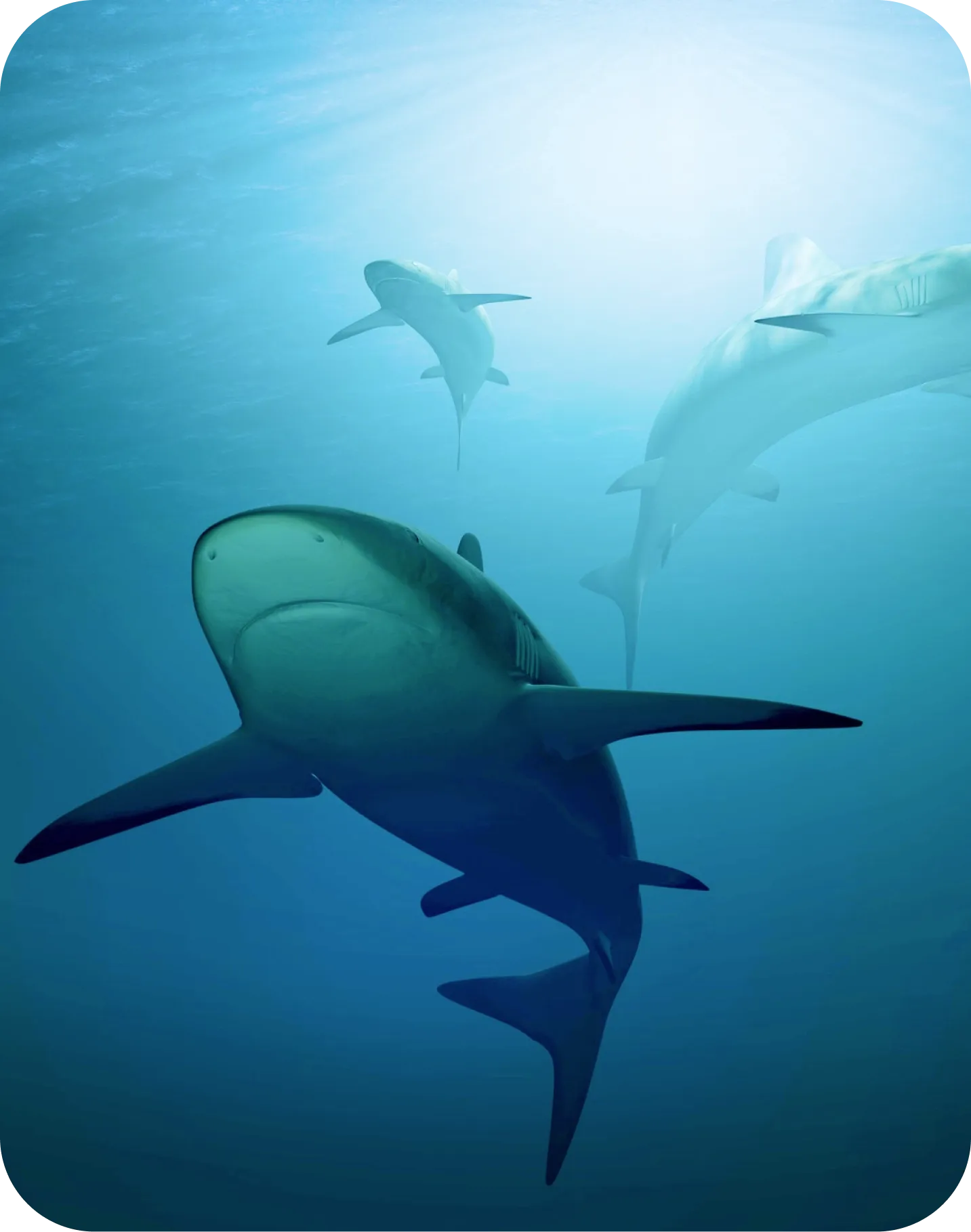
- Fotteyo Kandu: A must-visit for advanced divers, this channel dive offers the chance to see large pelagics like grey reef sharks and majestic manta rays.
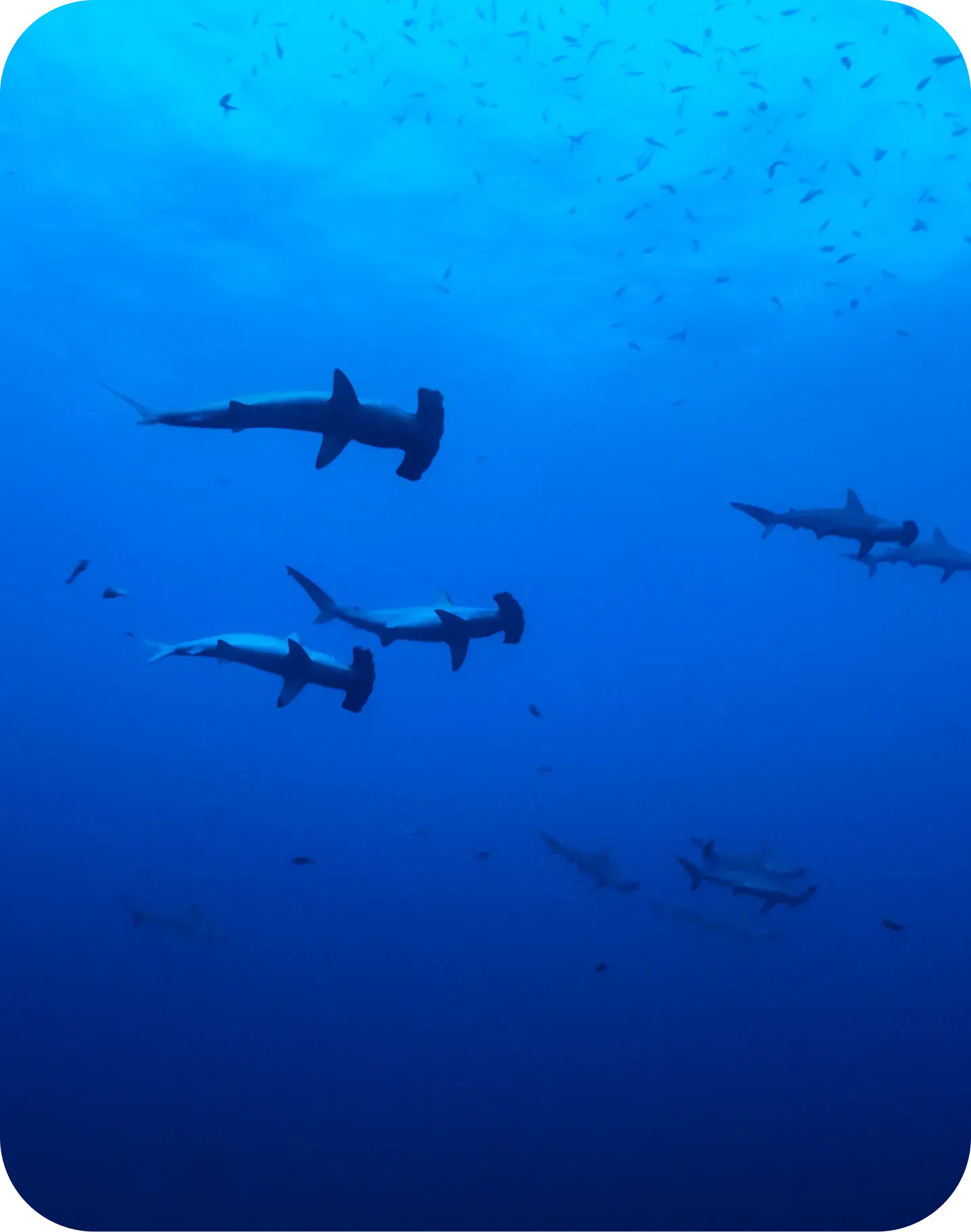
- Broken Rock: This site near the South Malé Atoll is known for strong currents and is ideal for experienced divers looking to spot turtles, barracudas, and even hammerhead sharks.
Special Considerations for Night Diving
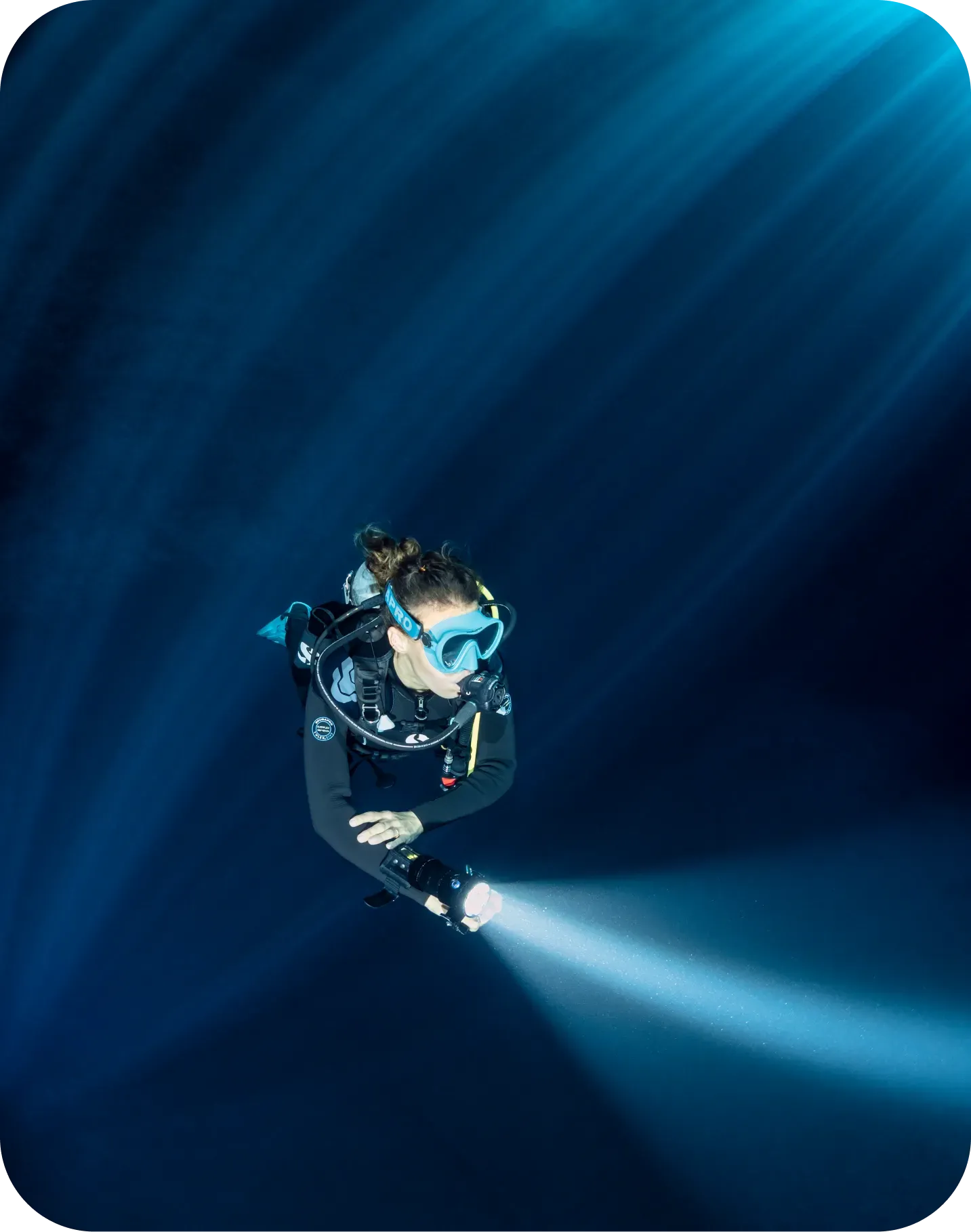
Night diving in the Maldives is a unique experience and requires an Advanced Open Water certification or higher due to the skills needed to navigate in low visibility. Night dives bring out a different array of marine life, such as nocturnal species like octopuses and lionfish. Ensure that you dive with a reputable operator, like DUNE, who offers guided night dives to ensure safety and an unforgettable experience.
Best Practices for Divers in the Maldives
To make the most of your diving adventure in the Maldives, consider these best practices:
- Stay Hydrated: The tropical climate can be dehydrating, so drink plenty of water before and after your dives.
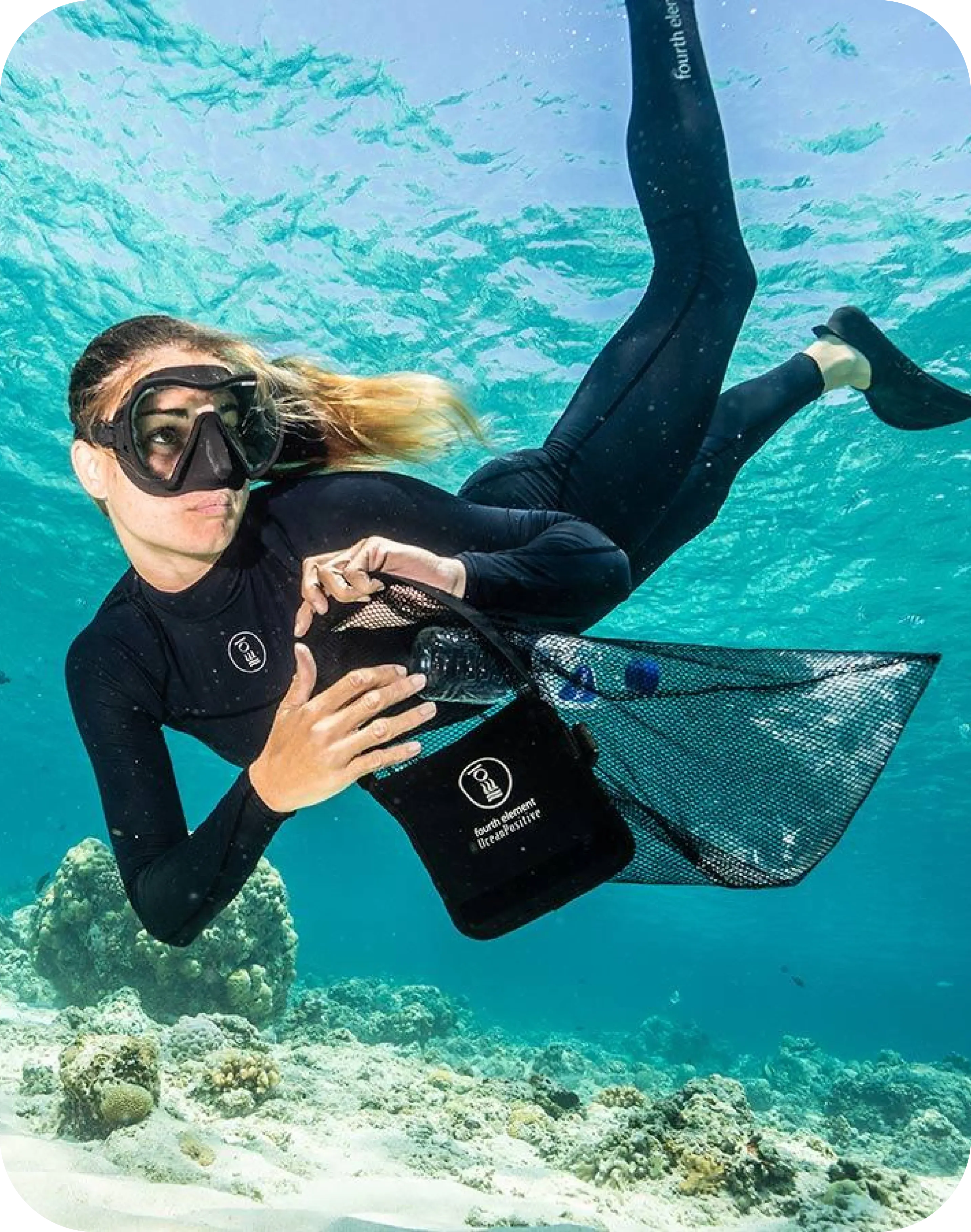
- Respect Marine Life: Remember to maintain a safe distance from all marine creatures. Avoid touching or disturbing coral reefs.
- Use Eco-Friendly Sunscreen: Protect your skin without harming the marine environment by using reef-safe sunscreen.
- Follow Dive Guidelines: Always adhere to the safety protocols set by your dive instructor or guide.
Conclusion: Dive into the Maldives with DUNE
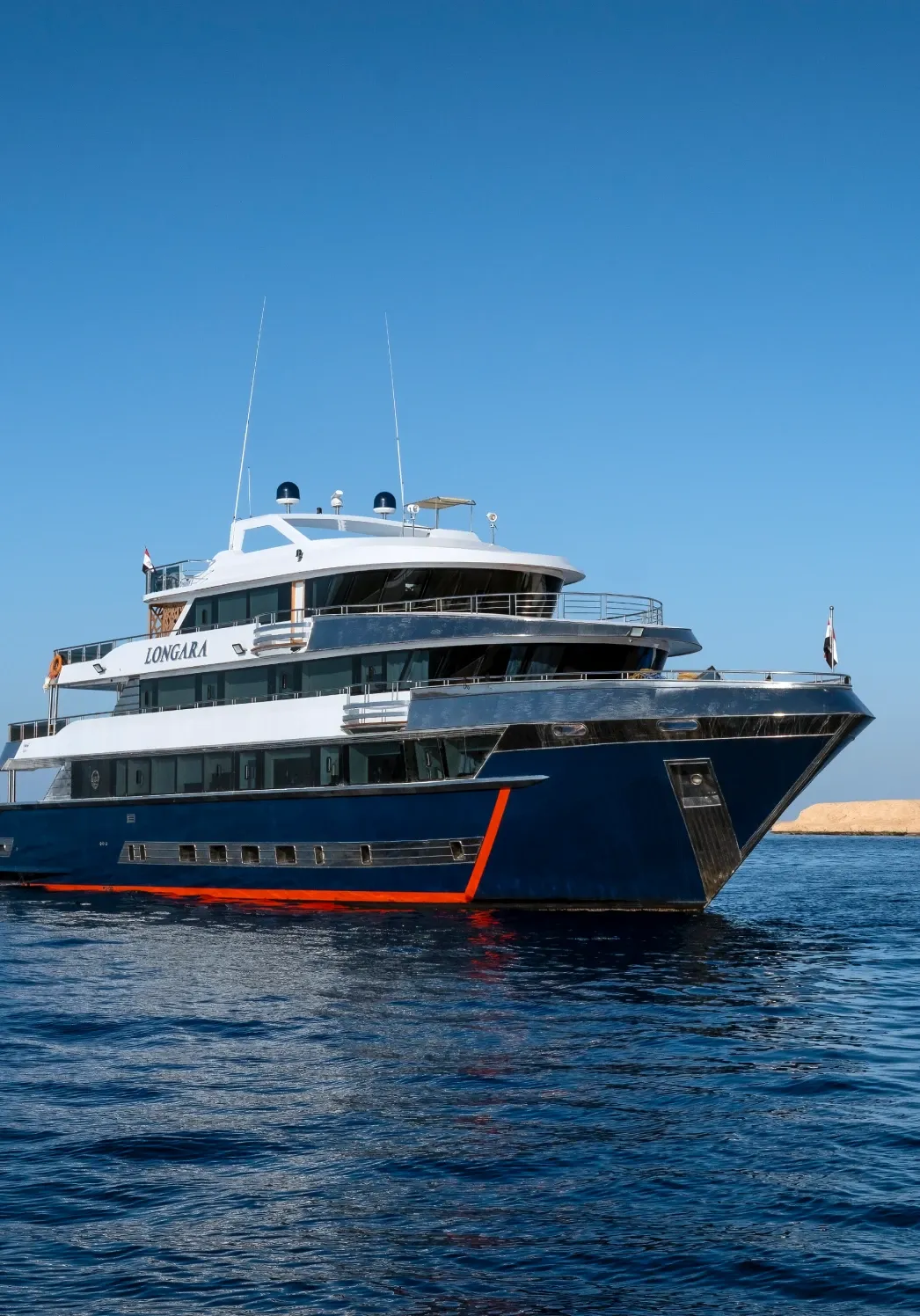
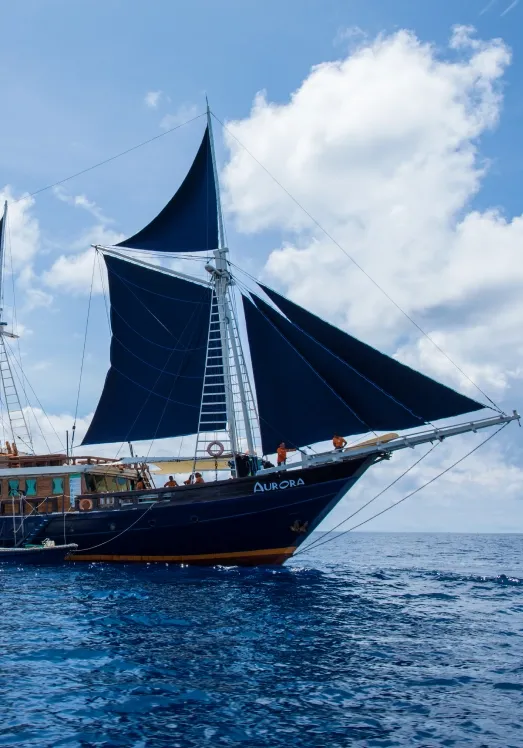
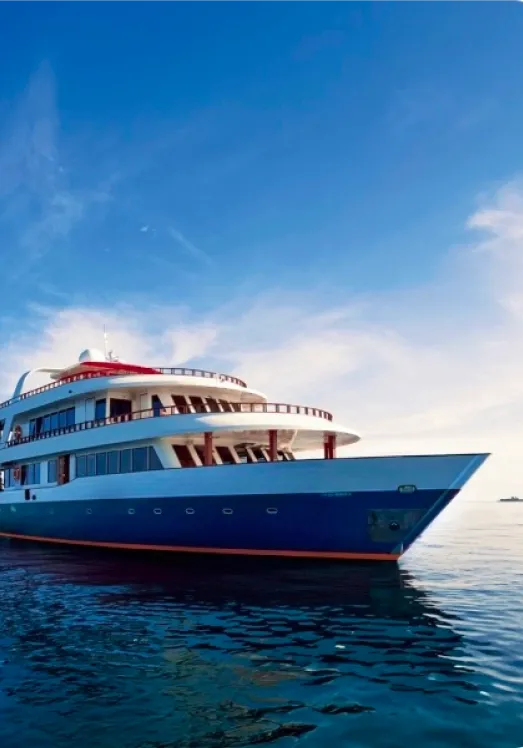
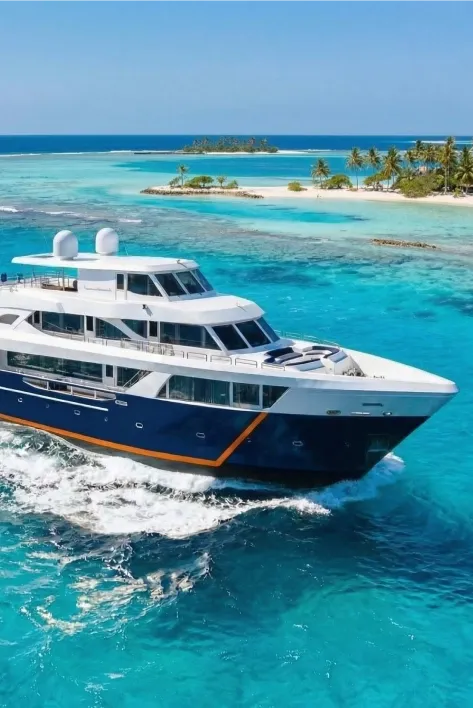
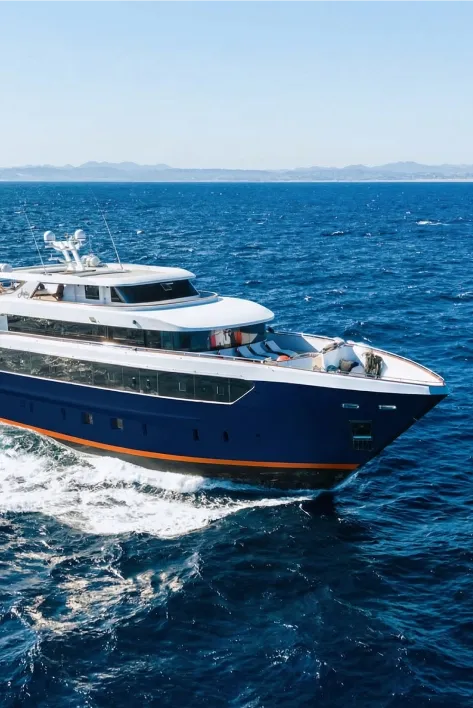
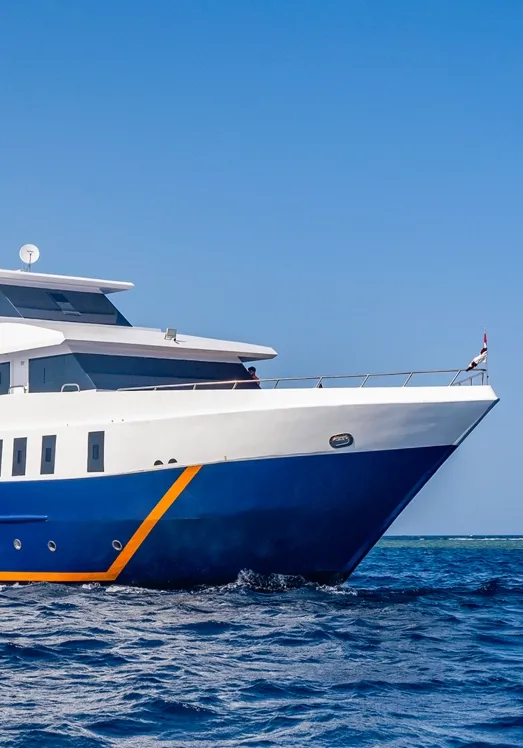
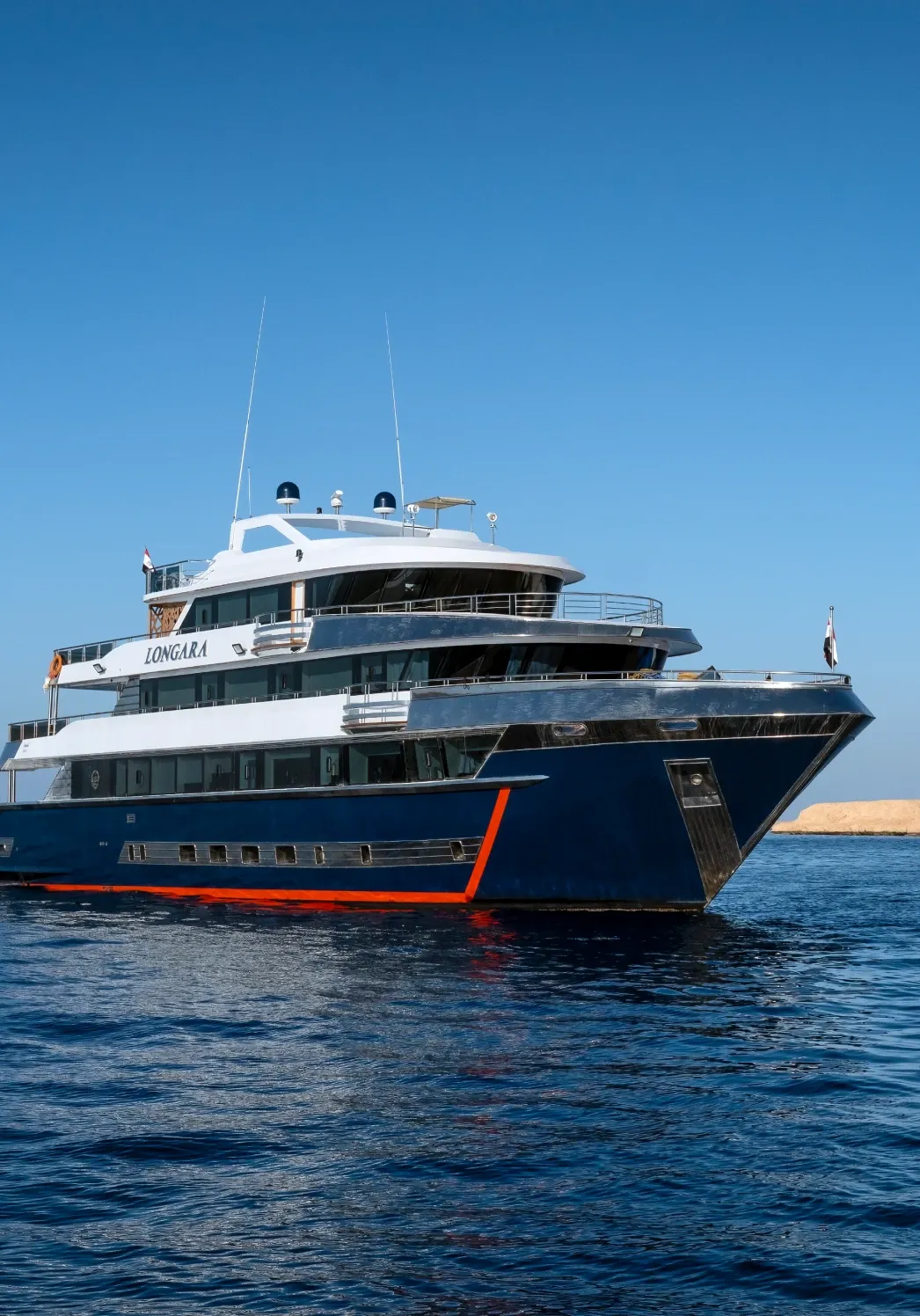
The Maldives offers a stunning array of diving opportunities, suitable for divers of all experience levels. Whether you're just beginning your underwater journey or are an expert ready to explore the depths, understanding the certification requirements is key to a safe and enjoyable experience. With its breathtaking dive sites and diverse marine life, the Maldives calls to every diver's spirit. Don't miss out on the chance to explore this underwater paradise. Visit DUNE at dune-world.com to discover our premium liveaboard cruises in the Maldives and take the plunge into an unforgettable diving adventure!