








Madagascar: Africa's Hidden Diving Paradise
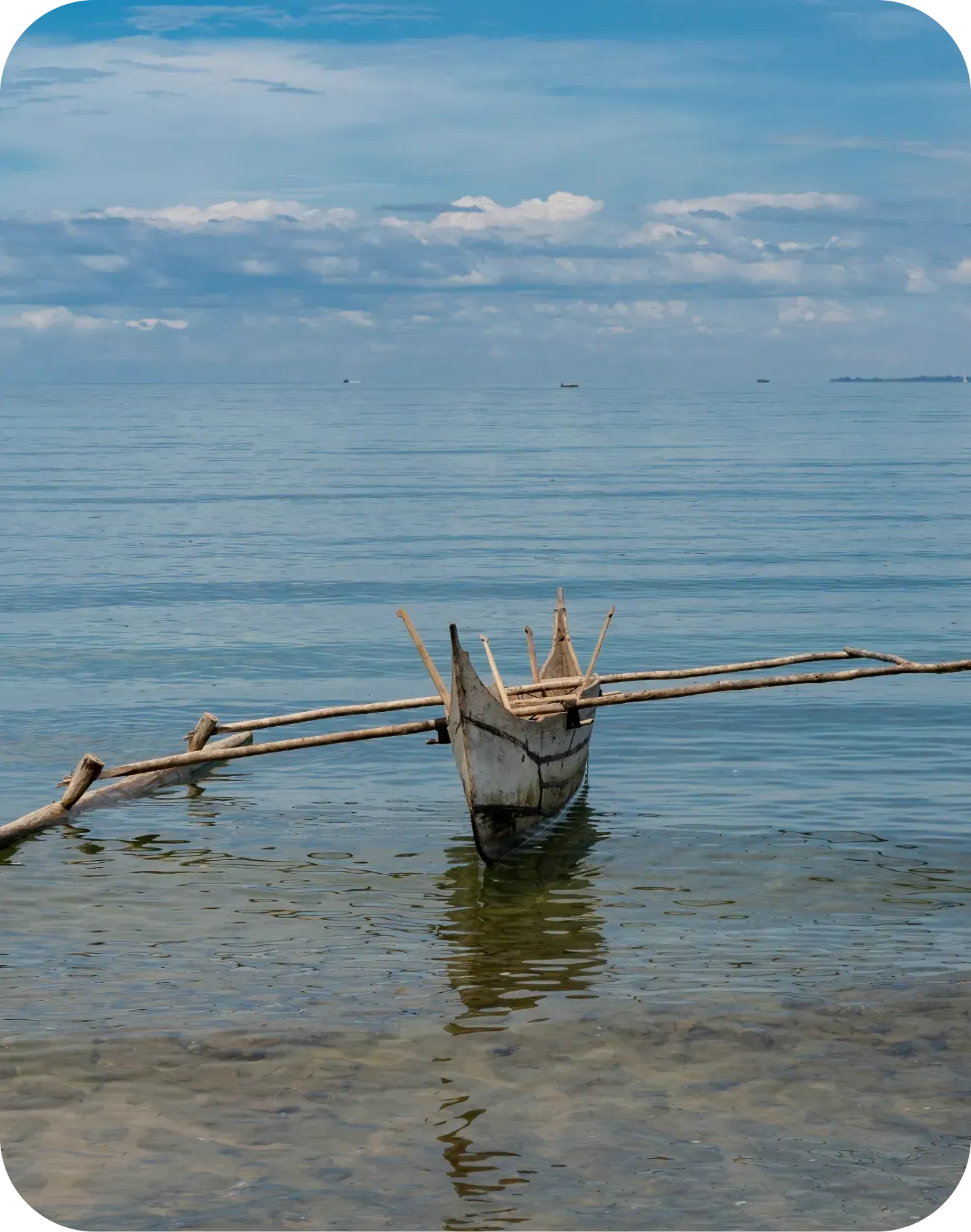
Madagascar is one of the world's last great diving frontiers. Separated from the African mainland for over 165 million years, this island nation has developed a marine ecosystem of extraordinary diversity found nowhere else on Earth. For divers seeking something truly special, Madagascar's waters offer encounters with rare species, pristine coral reefs, and dramatic underwater topography that rivals the most celebrated dive destinations in the Indian Ocean.
DUNE has been organising premium diving expeditions to Madagascar since the agency's earliest days. Our expert team has spent years mapping the finest dive sites around Nosy Be and the surrounding archipelago, and our exclusive local partnerships ensure that every DUNE client experiences the very best this destination has to offer.
Nosy Be: The Gateway to Madagascar's Diving
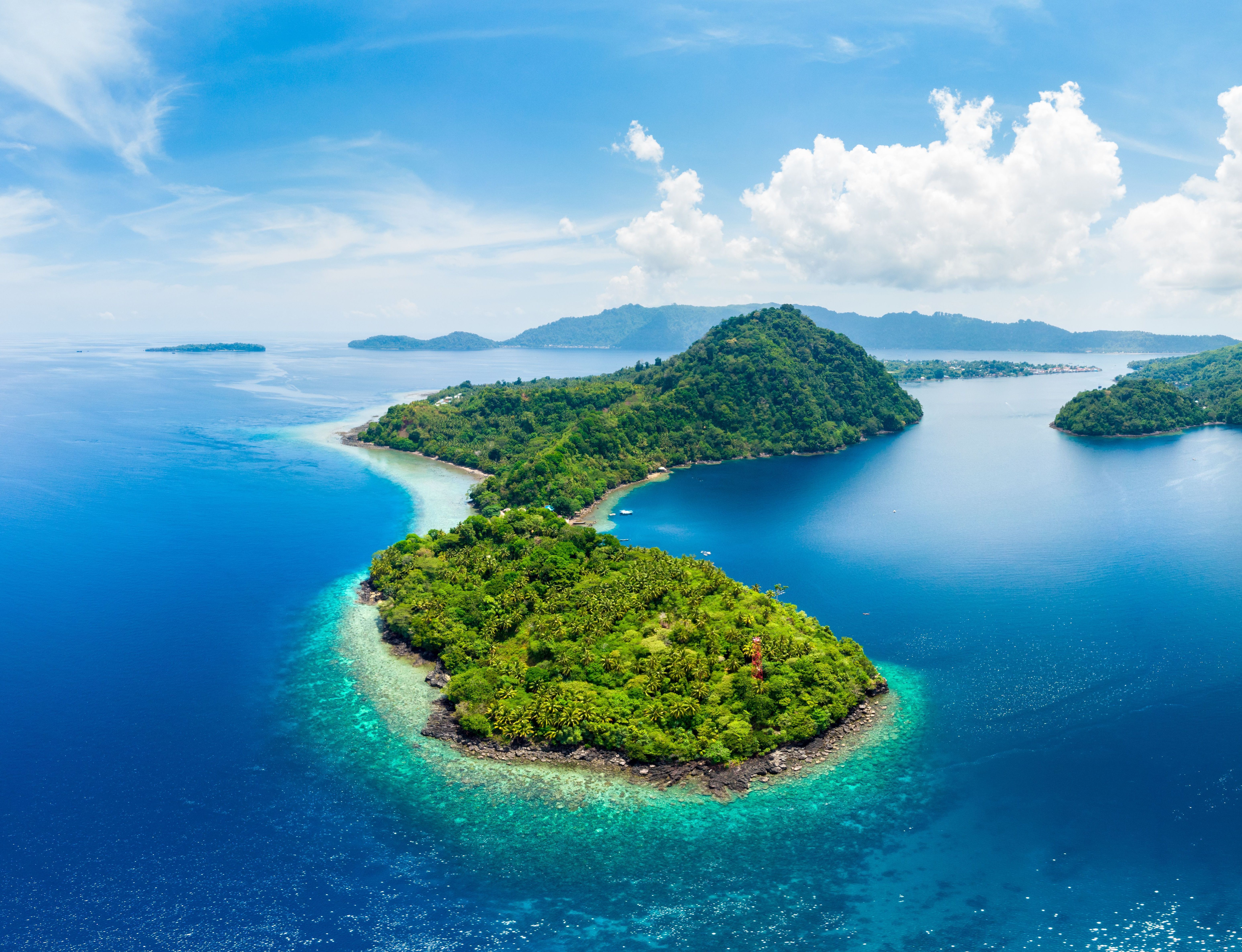
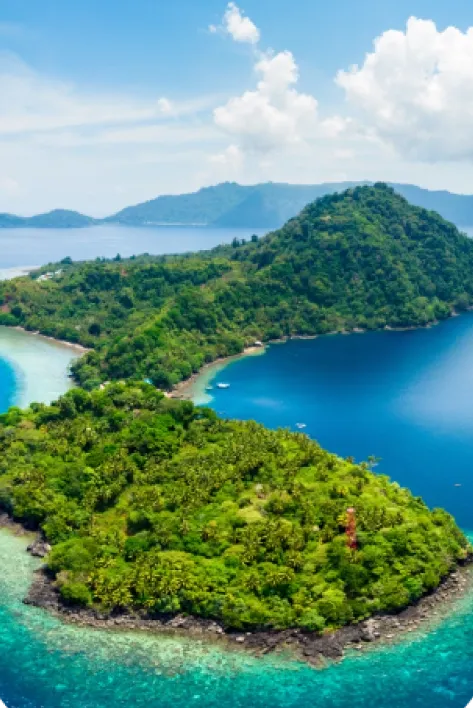
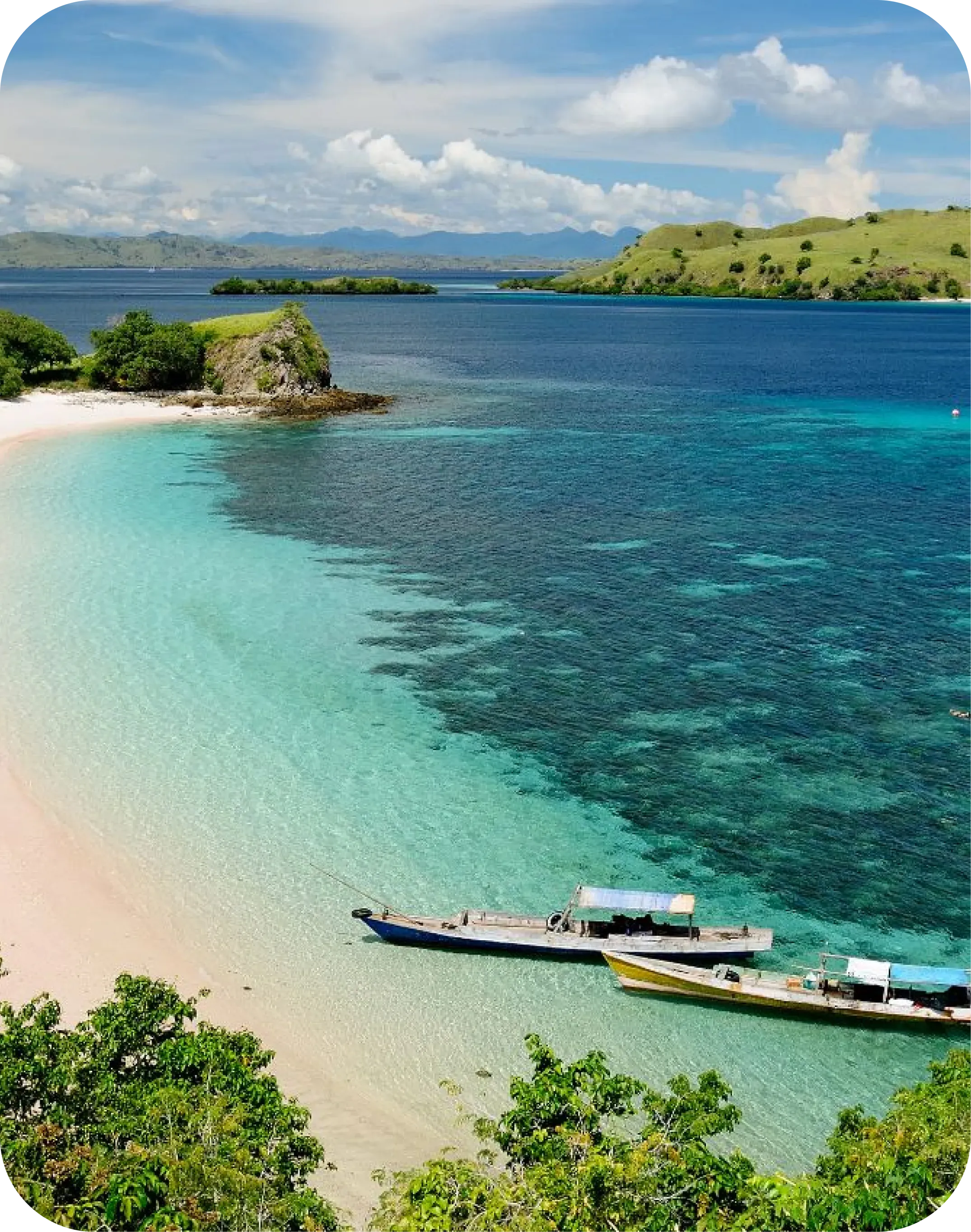
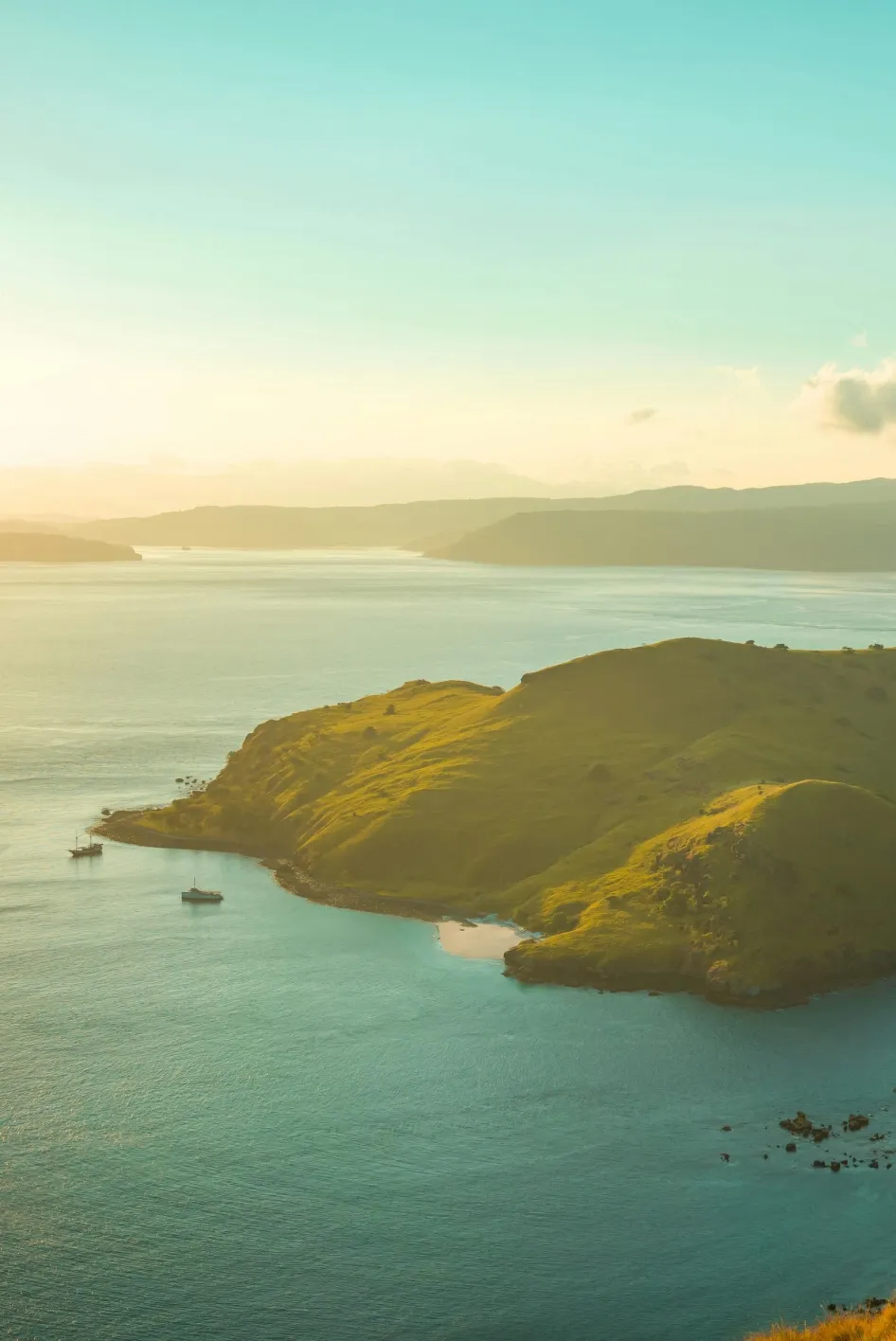
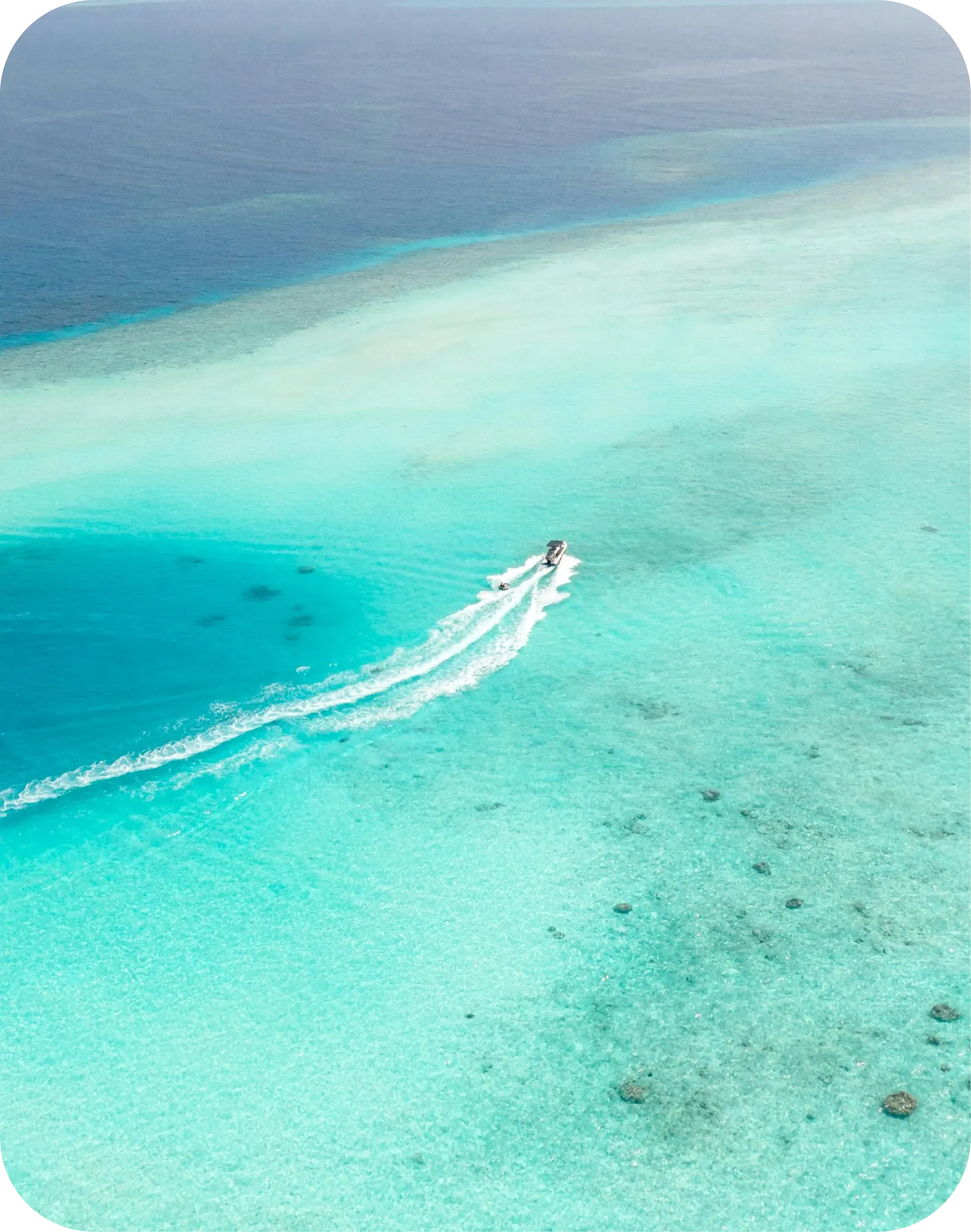
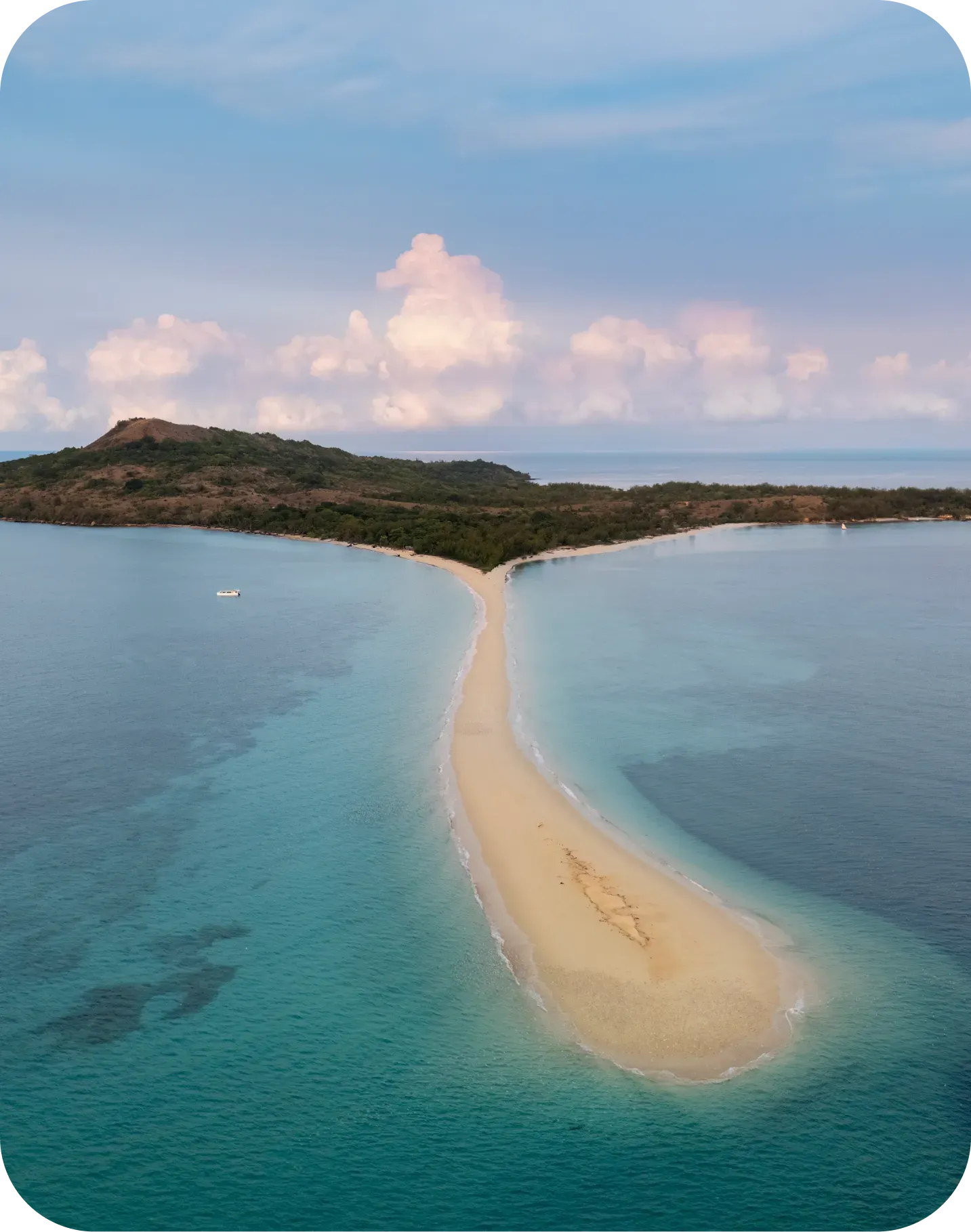
Nosy Be — literally "Big Island" in Malagasy — is the primary hub for diving operations in northwest Madagascar. Positioned in the Mozambique Channel, Nosy Be benefits from warm Indian Ocean currents that sustain an exceptionally diverse marine ecosystem. Water temperatures range between 24°C and 30°C year-round, making Madagascar a comfortable diving destination in any season.
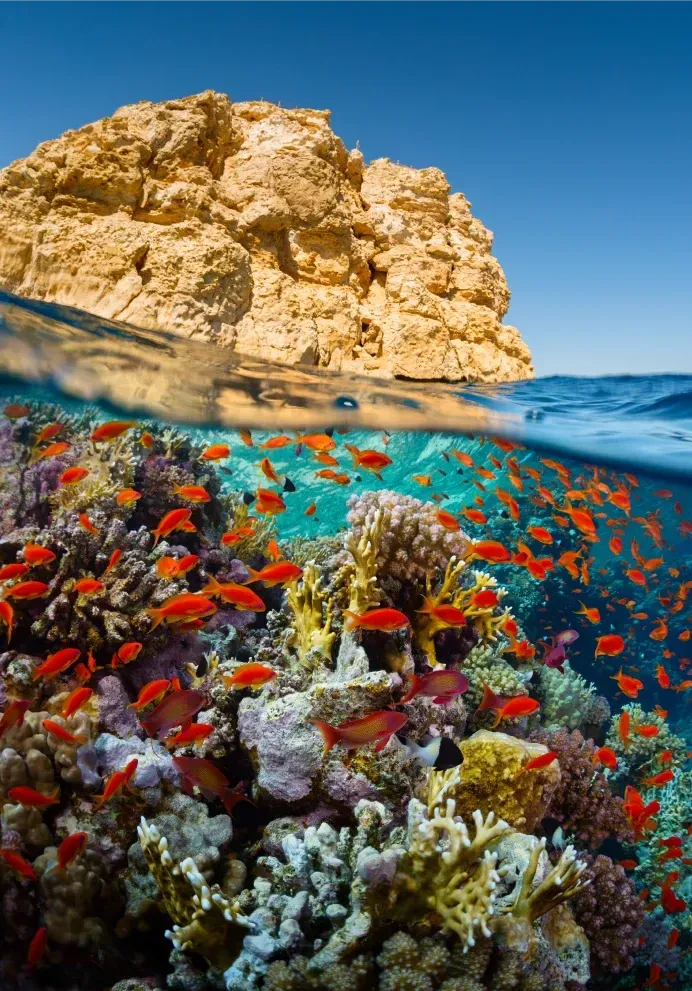
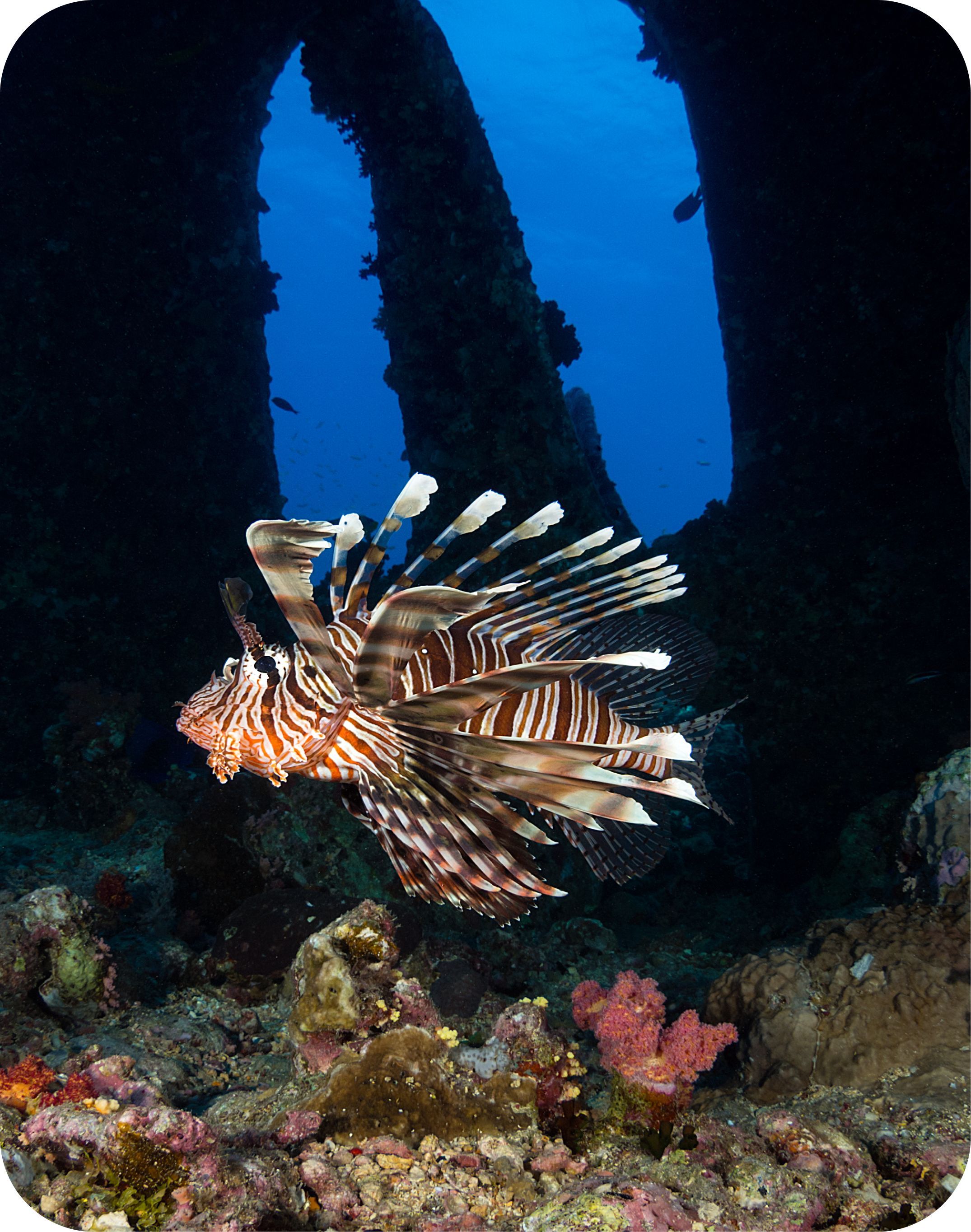
- Nosy Sakatia: Small island off Nosy Be's western coast with some of the most accessible and visually stunning coral gardens in Madagascar. Lionfish, moray eels, octopus, and vast schools of fusiliers inhabit these richly textured reefs.
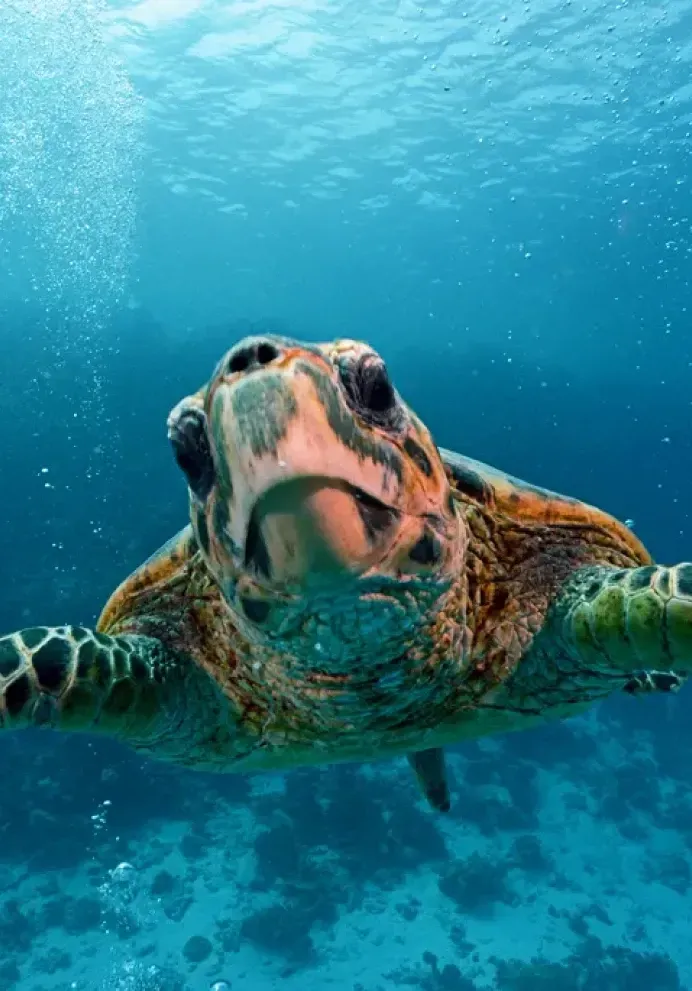
- Nosy Tanikely Marine Reserve: A fully protected marine park with exceptional water clarity often exceeding 30 metres. Hawksbill sea turtles are resident here and encounters are almost guaranteed.
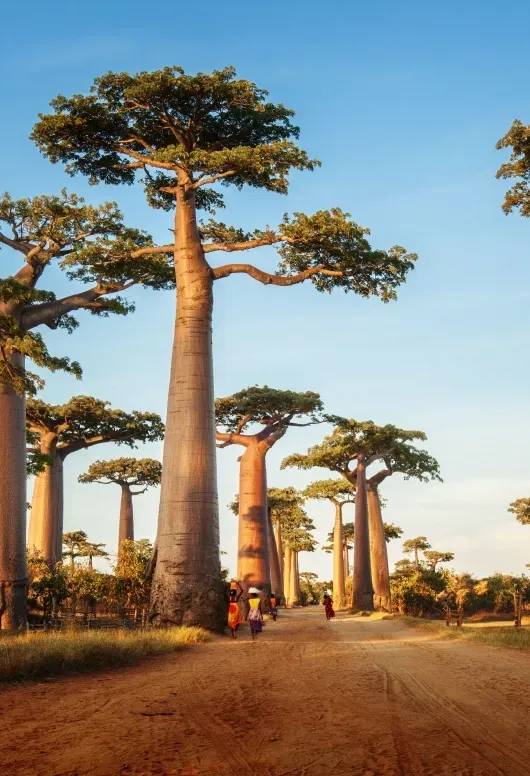
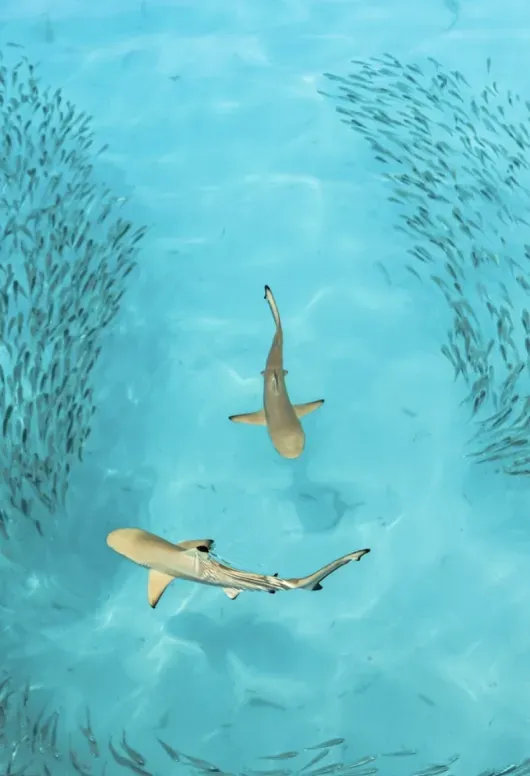
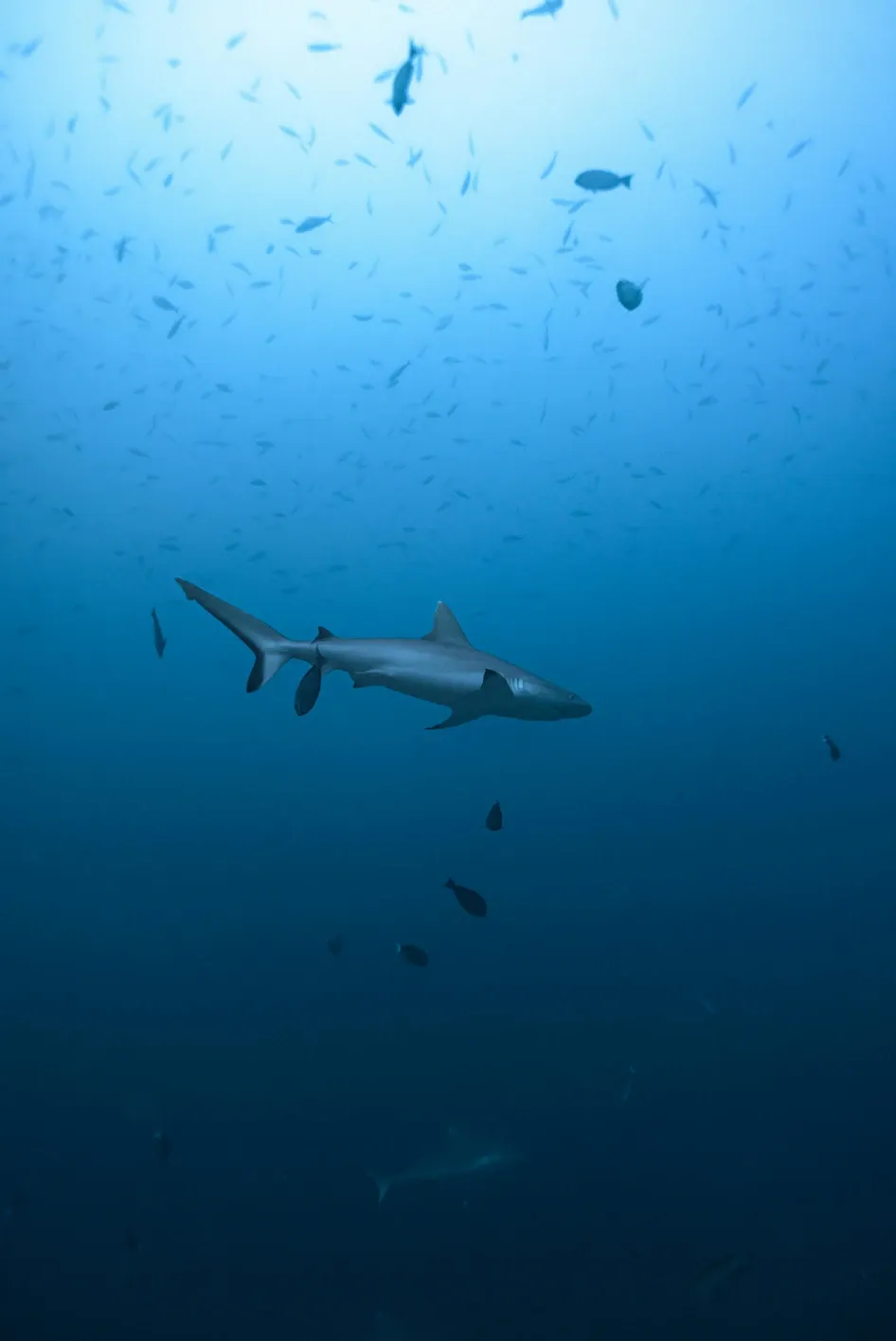
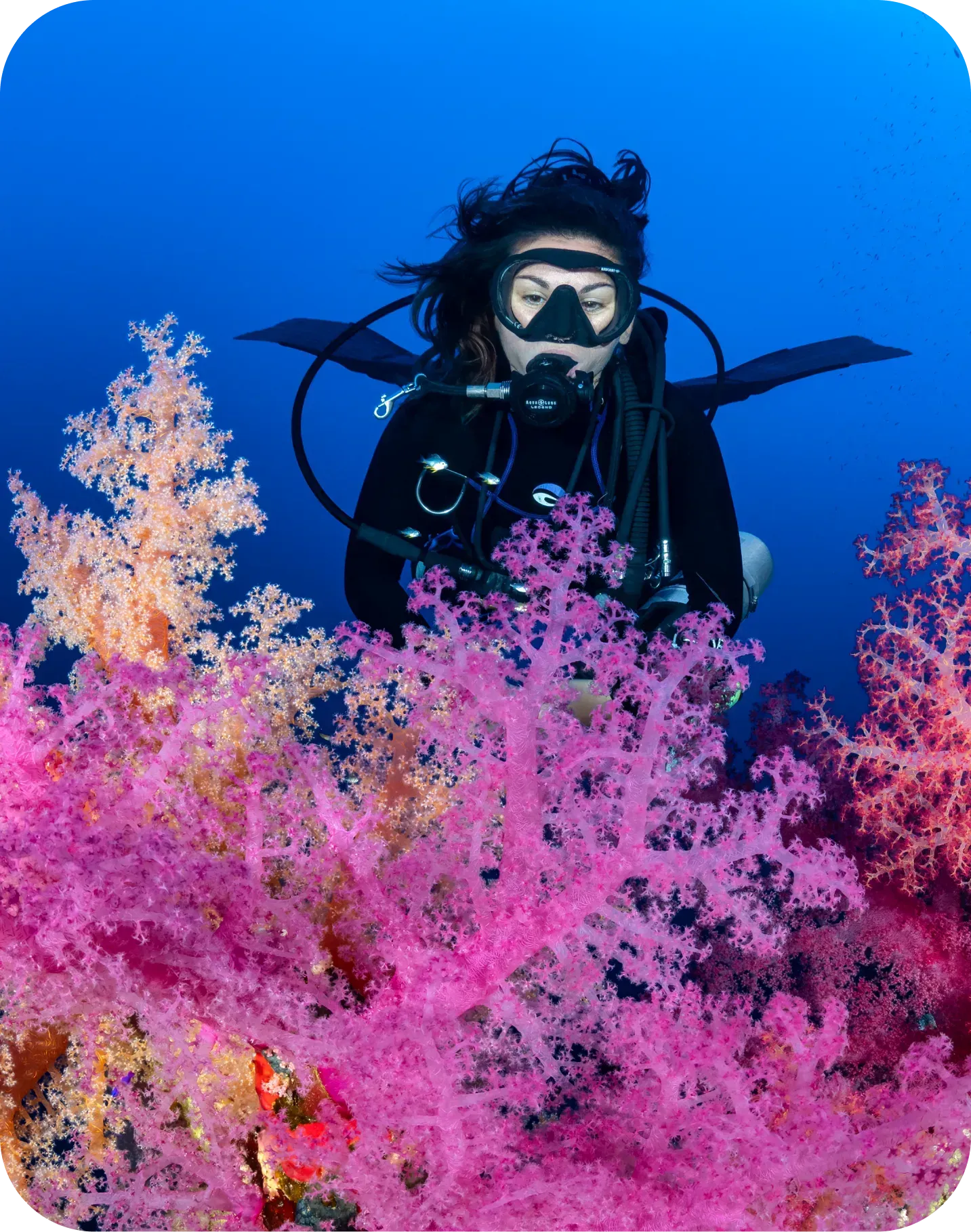
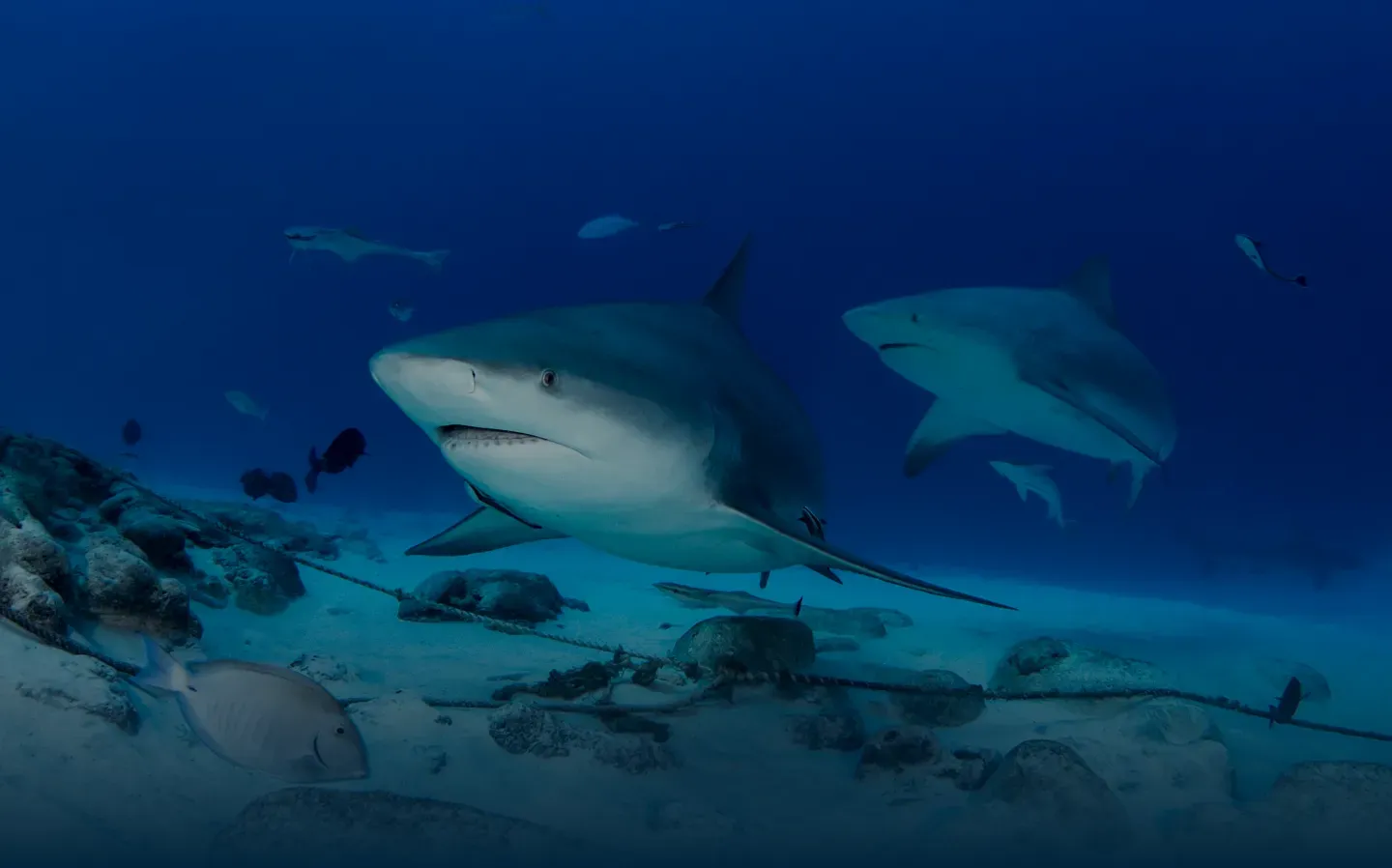
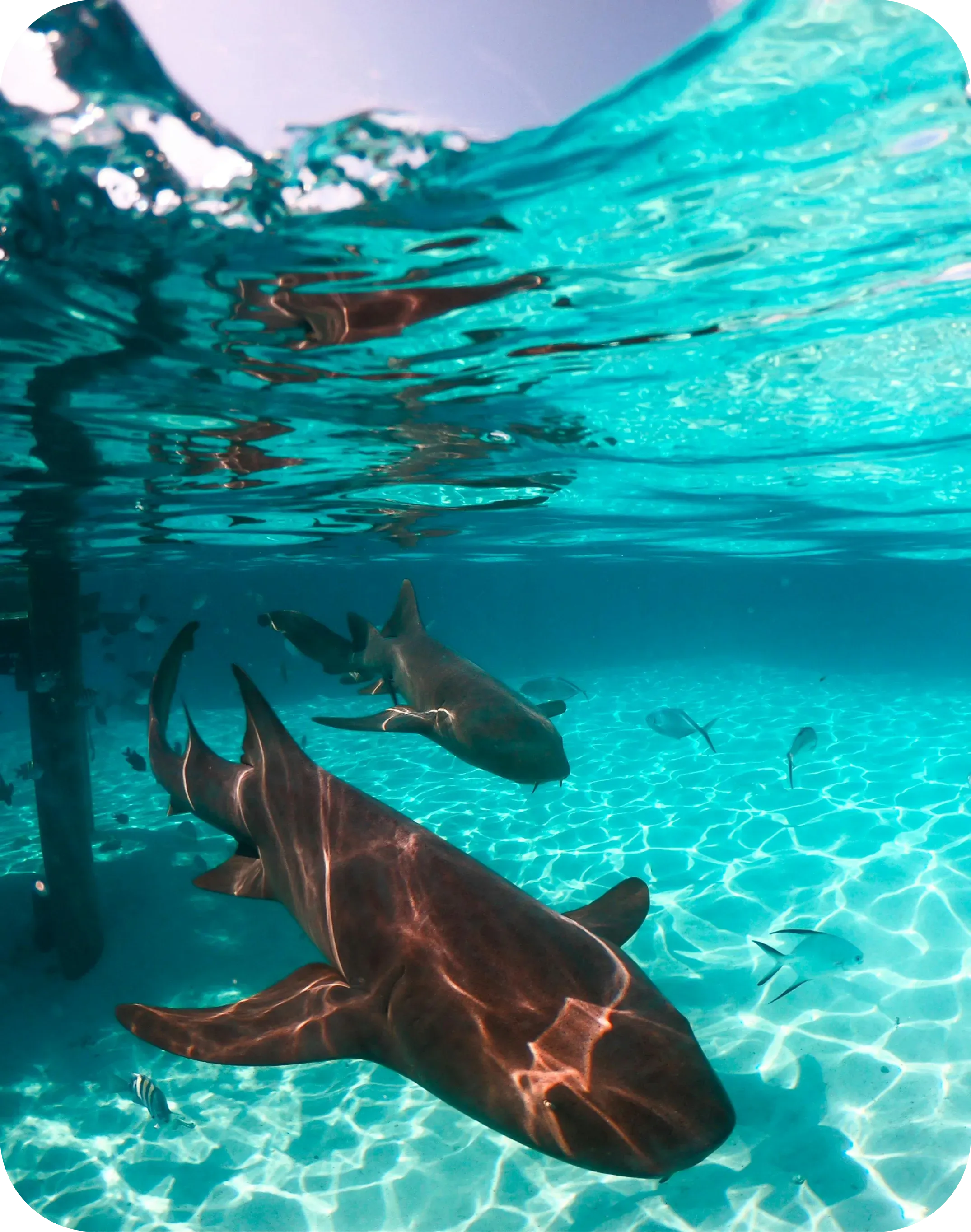
- The Baobab Dive Site: Named for Madagascar's iconic trees, this site features dramatic formations draped in soft corals and black coral trees, with regular visits from white-tip reef sharks.
The Mitsio Archipelago: Advanced Diving Frontier
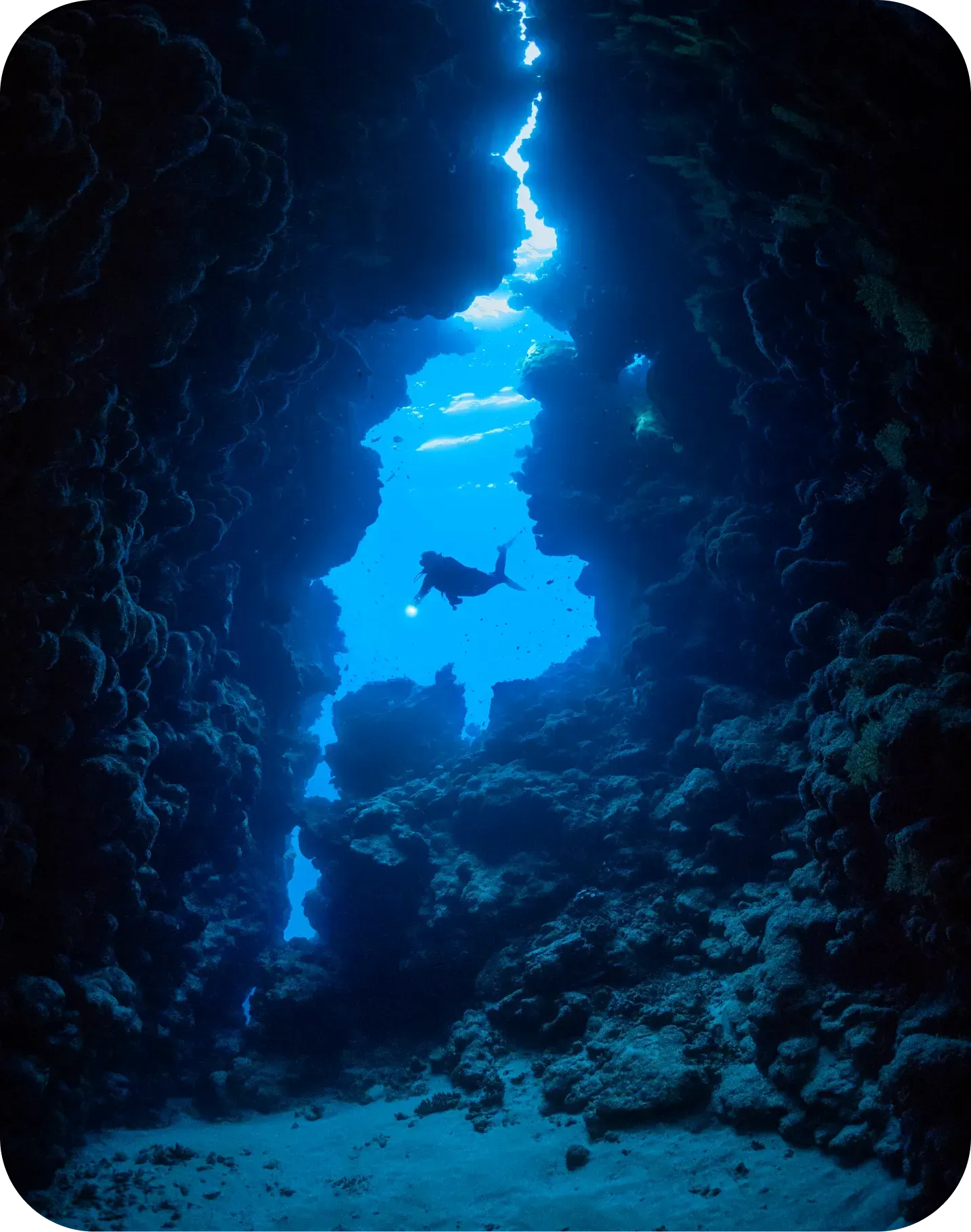
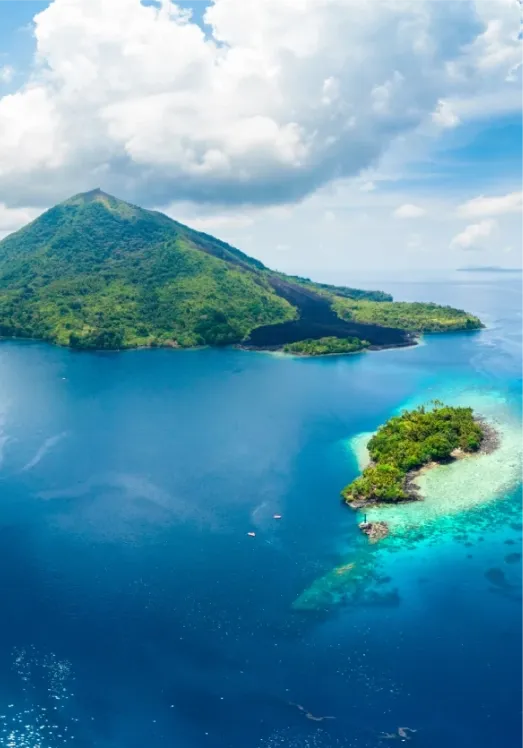
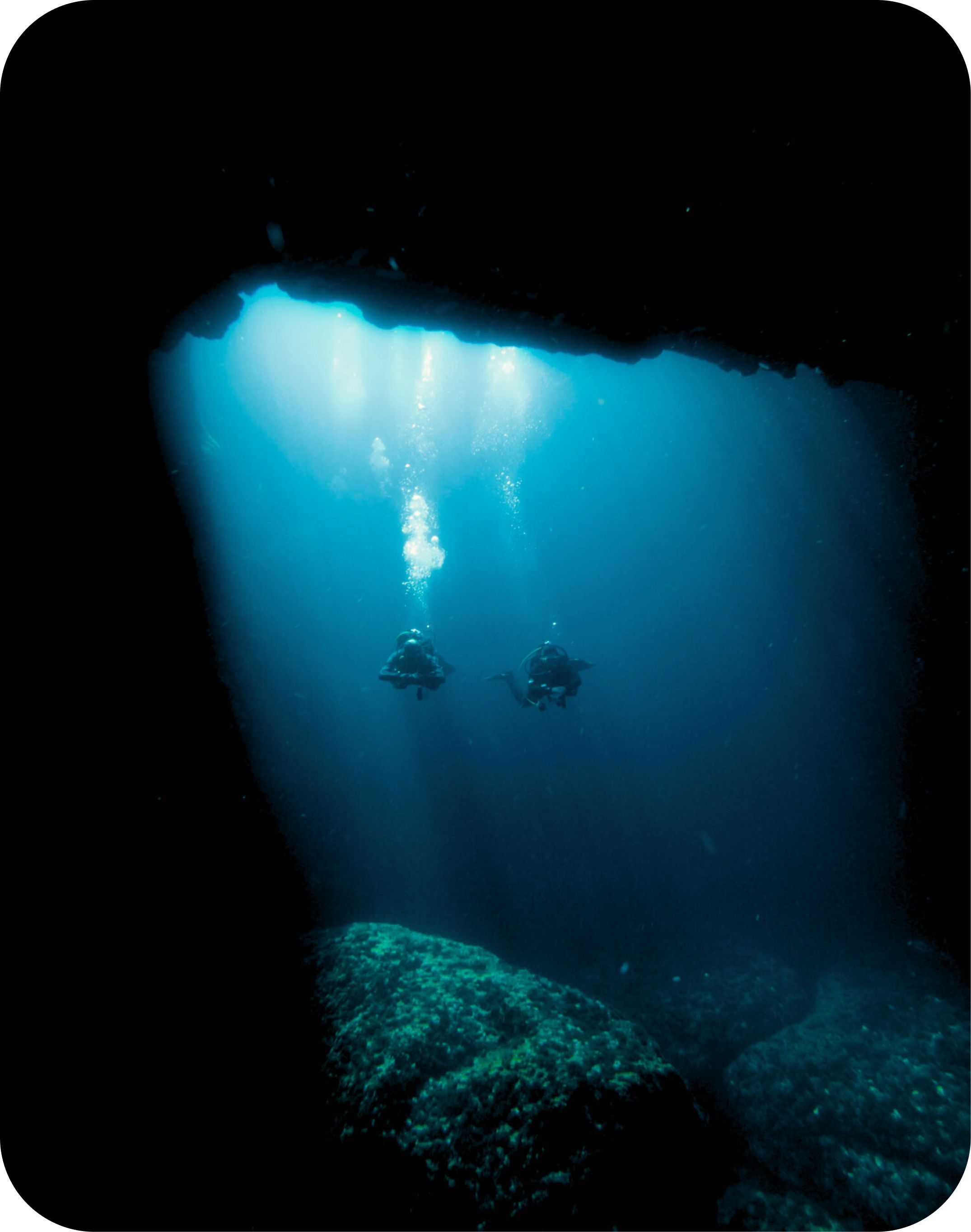
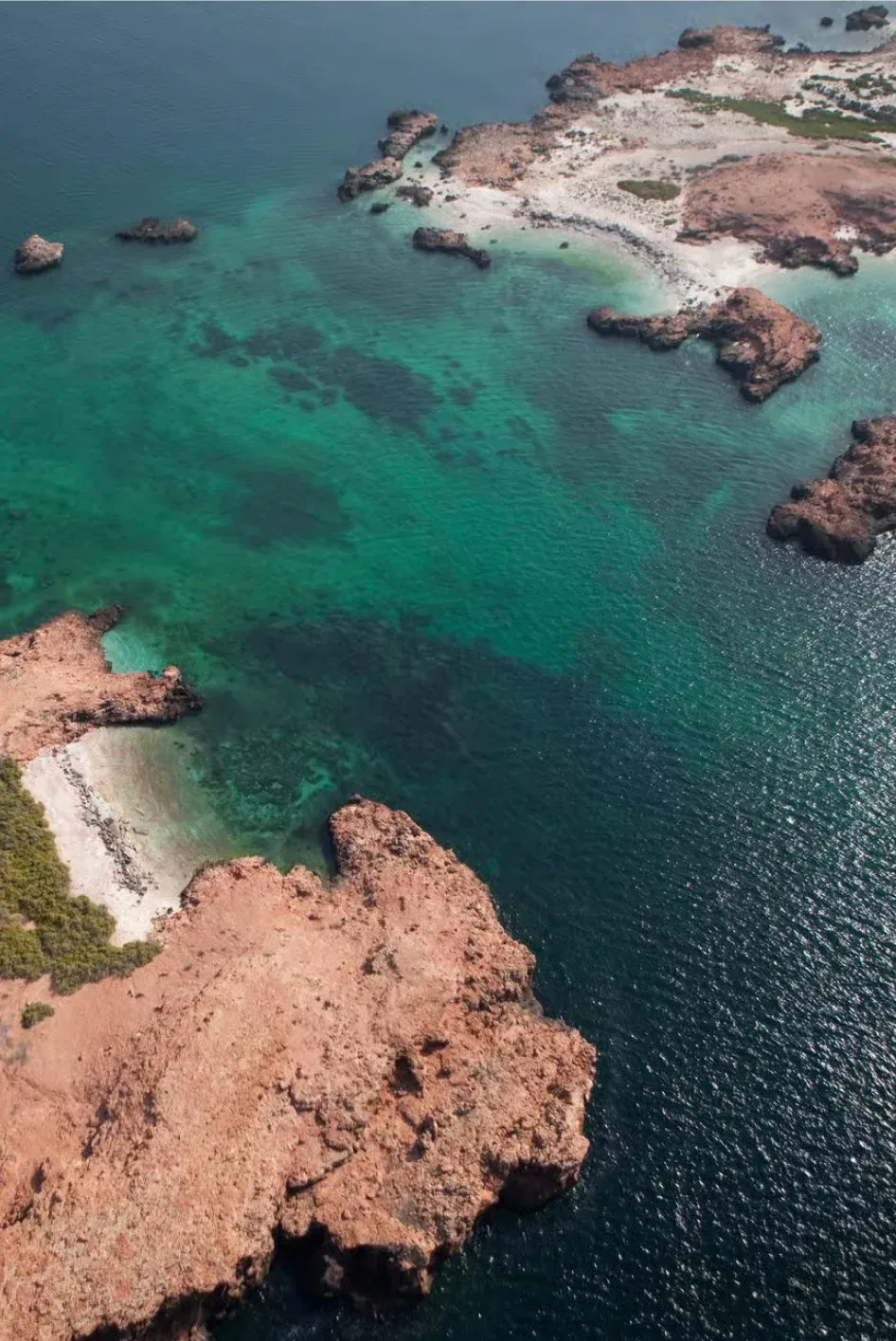
For divers ready to venture further offshore, the Mitsio Archipelago north of Nosy Be represents the pinnacle of Madagascar diving. Accessible only by liveaboard, these remote volcanic islands feature cathedral caves, open-ocean drift dives, and spectacular encounters with large pelagic species.
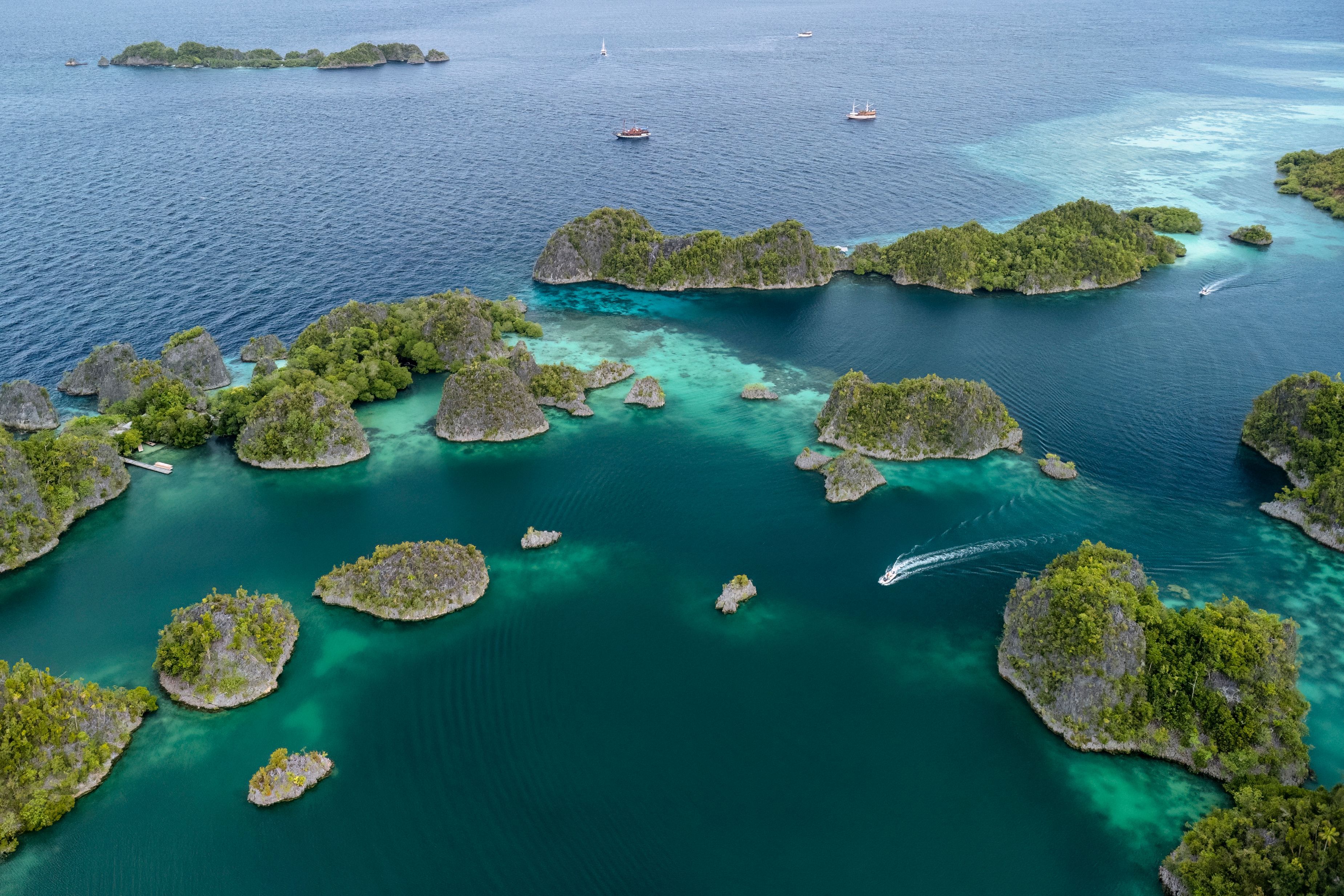
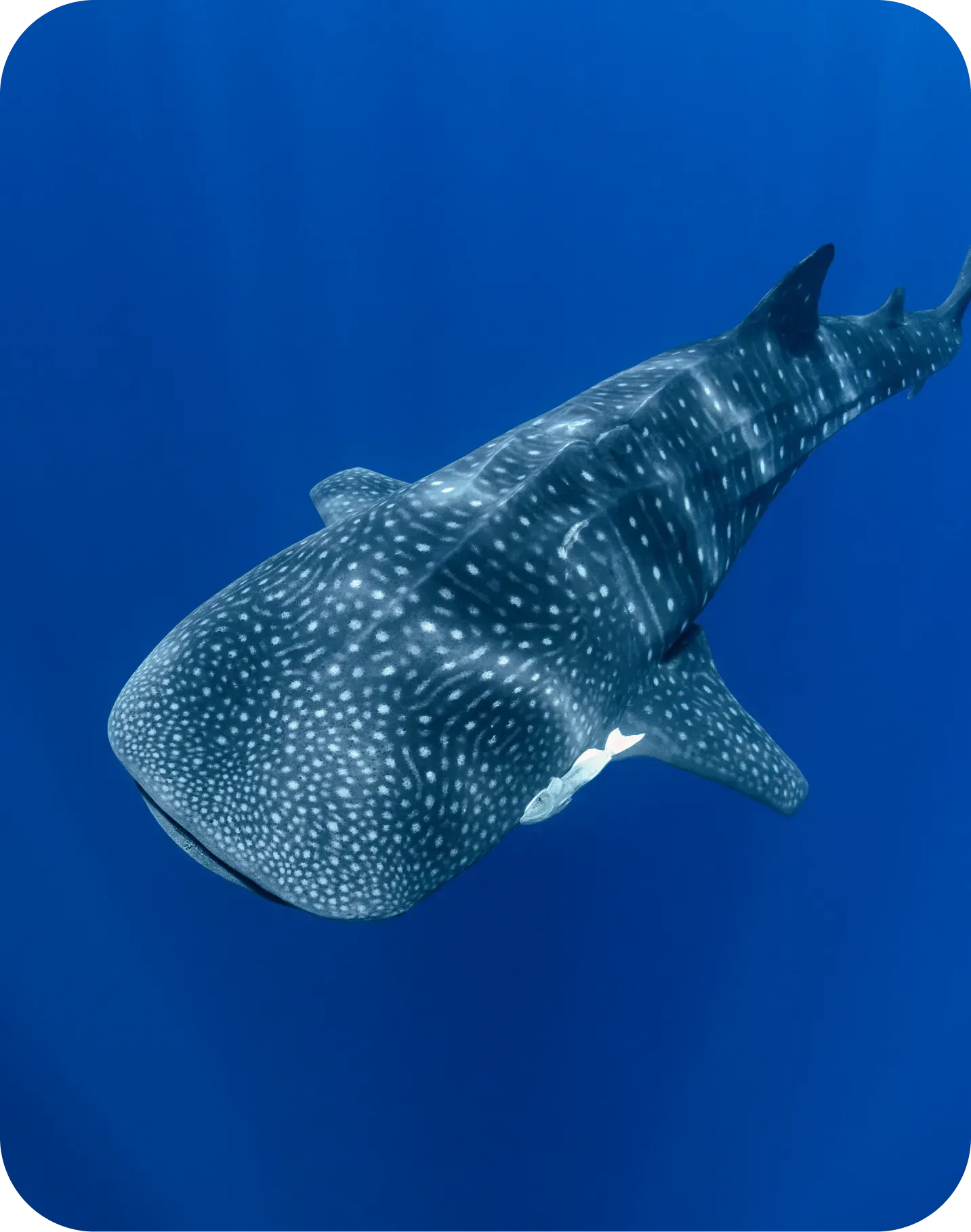
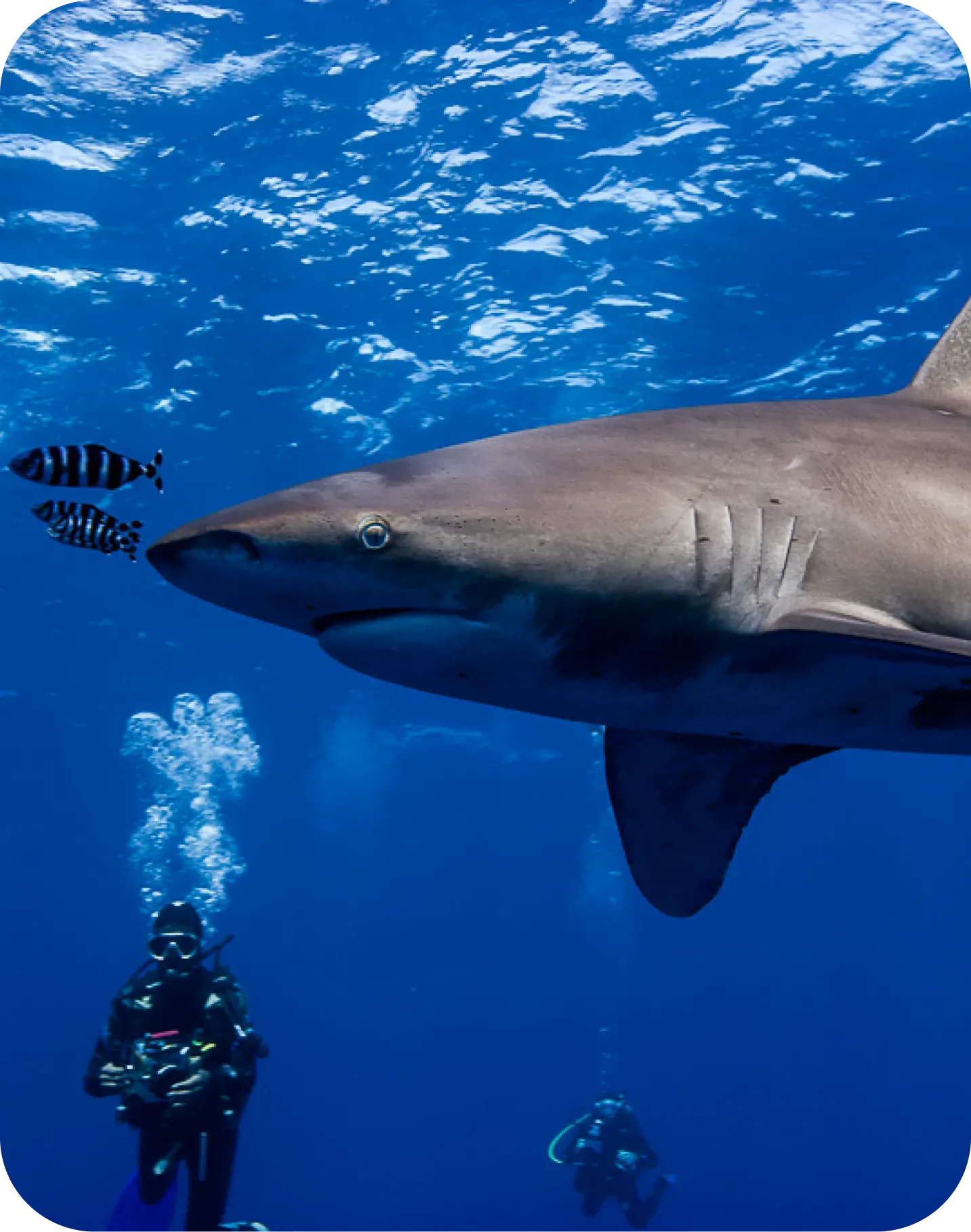
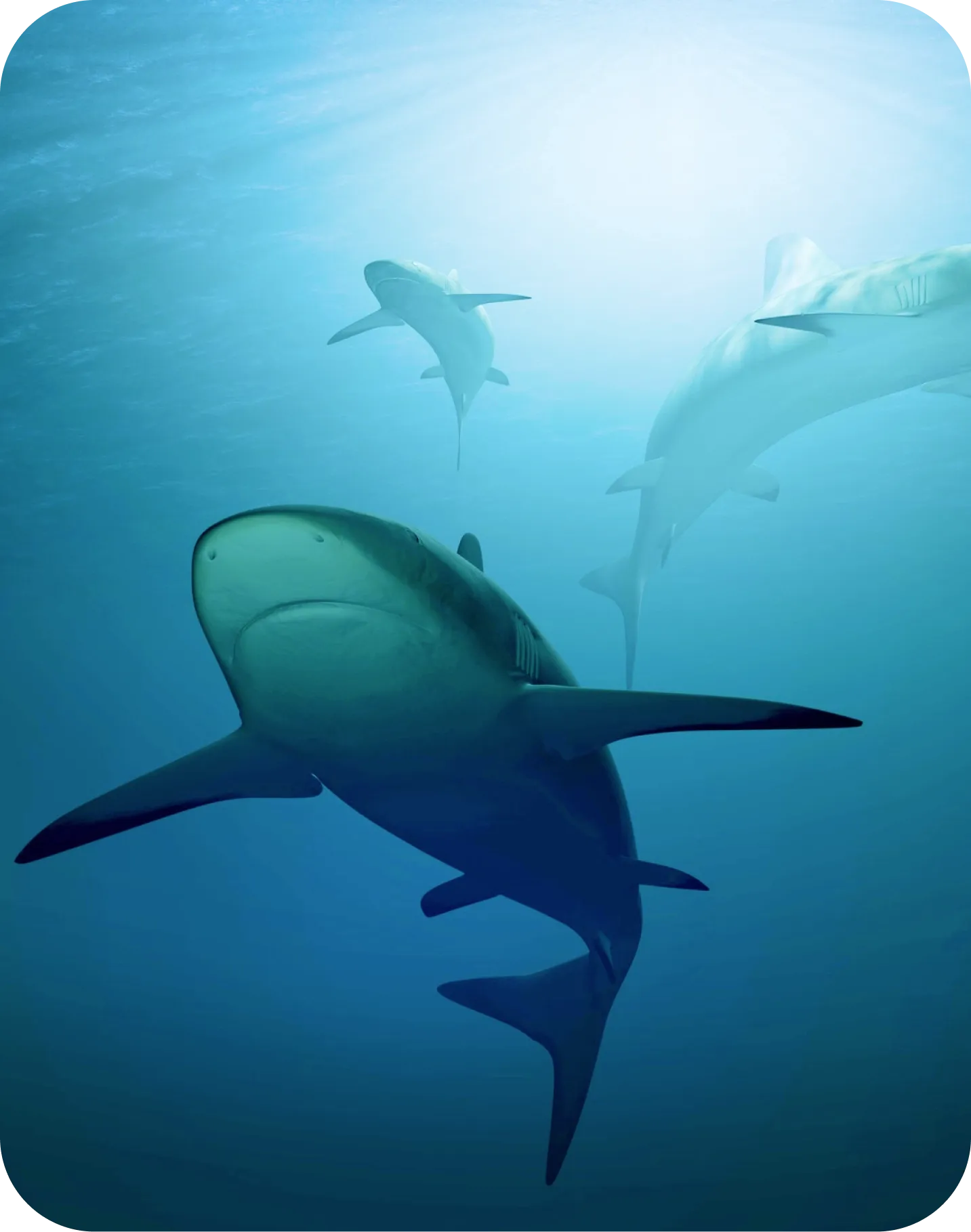
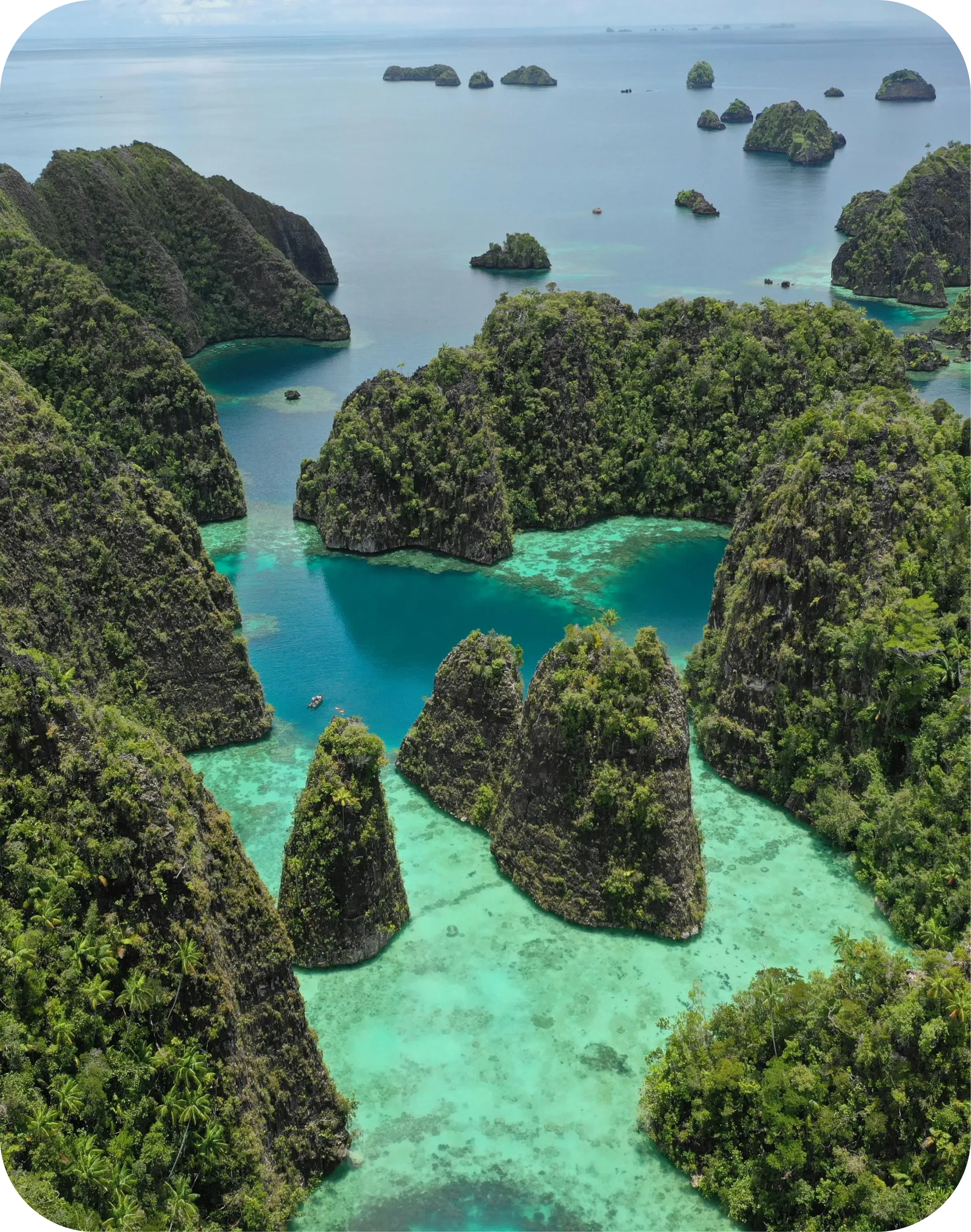
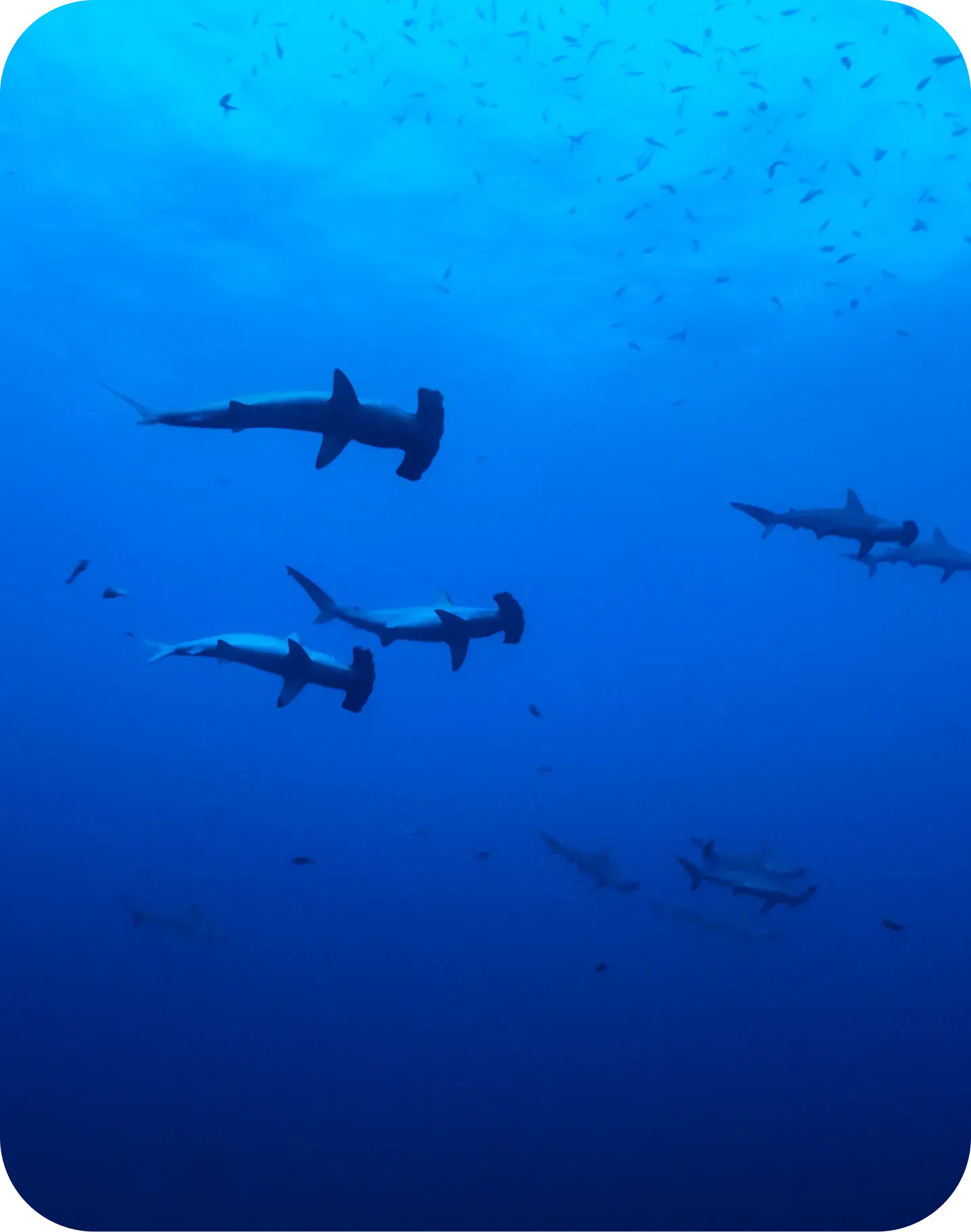
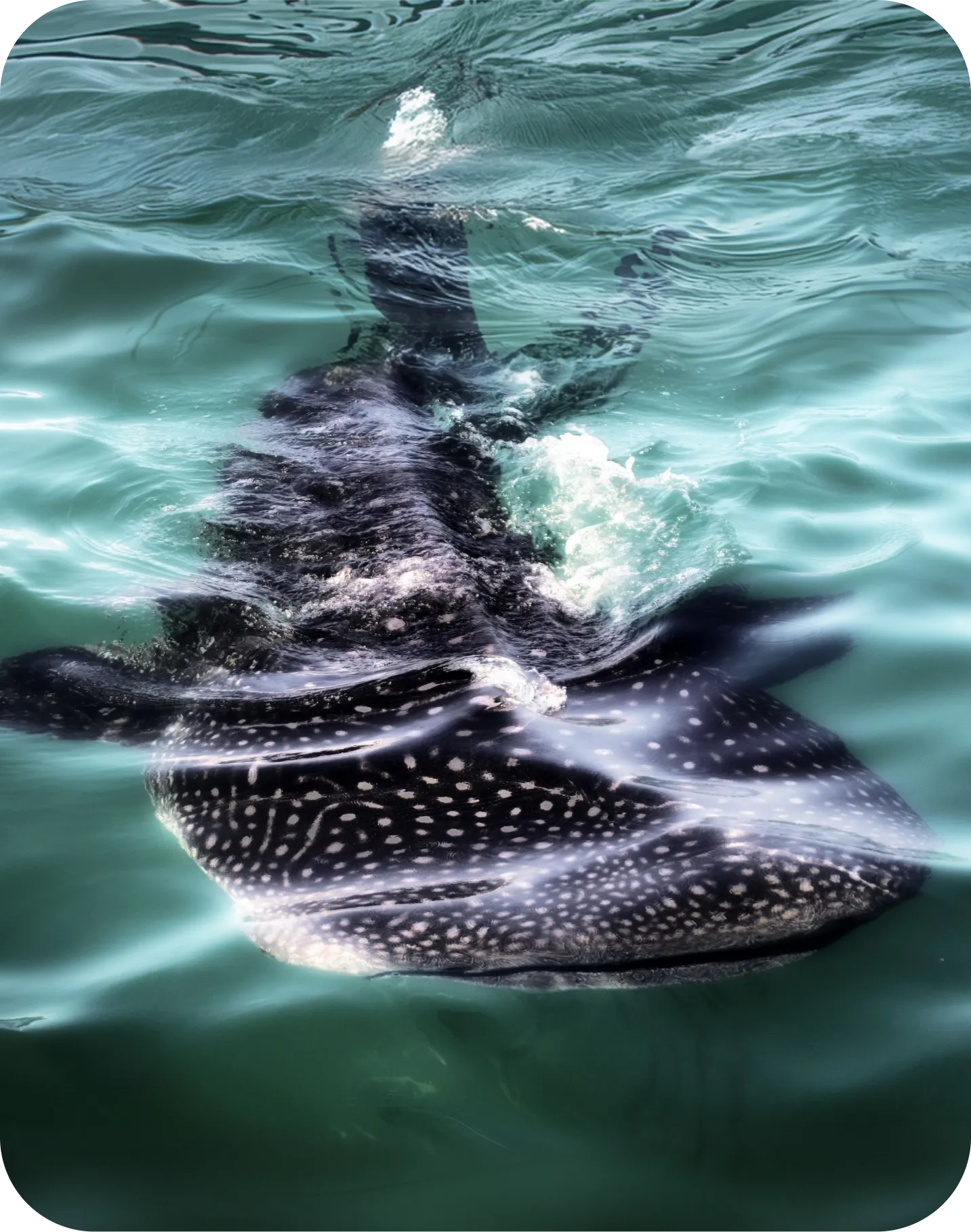
The Four Brothers — four volcanic pinnacles rising from the deep — is the most celebrated site in the Mitsio group. The underwater pillars are carpeted with gorgonian fans and black coral bushes, and the surrounding current-swept waters regularly host whale sharks, silvertip sharks, and enormous schools of barracuda and rainbow runners.
Best Season for Diving in Madagascar
- May to December (Dry Season): Optimal diving conditions — minimal rainfall, excellent visibility, calm seas, and the best whale shark opportunities.
- June to September (Peak): Maximum whale shark concentrations. DUNE prioritises this window for clients whose primary goal is swimming alongside these gentle giants.
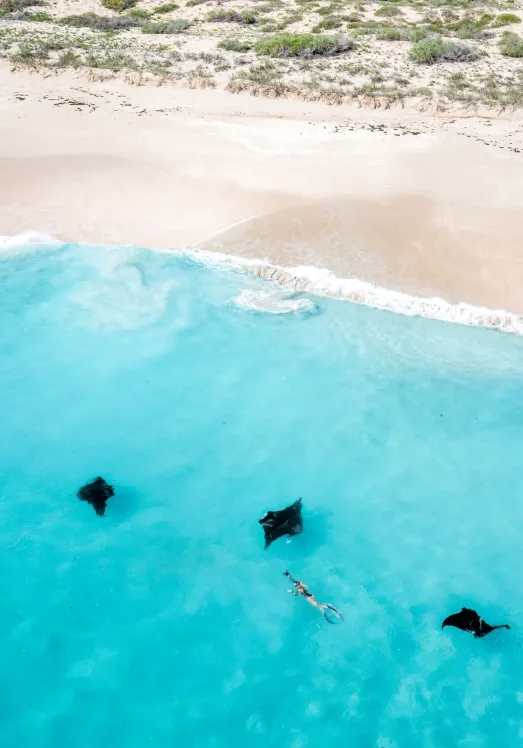
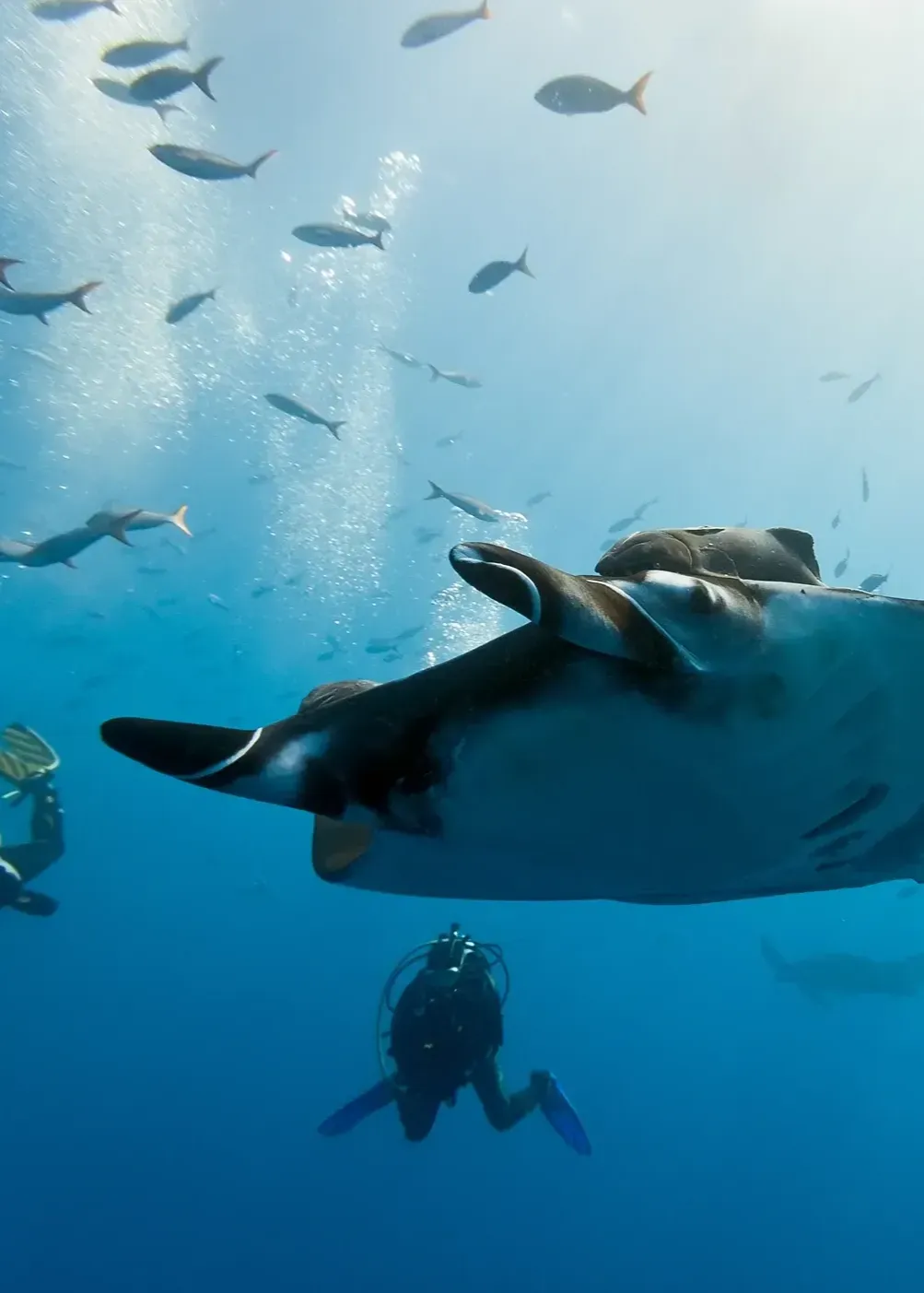
- October to December: Warming waters attract manta rays; humpback whale sightings increase significantly.
- January to April (Wet Season): Reduced visibility and rough seas. Not recommended for first-time visitors.
Madagascar's Extraordinary Marine Life
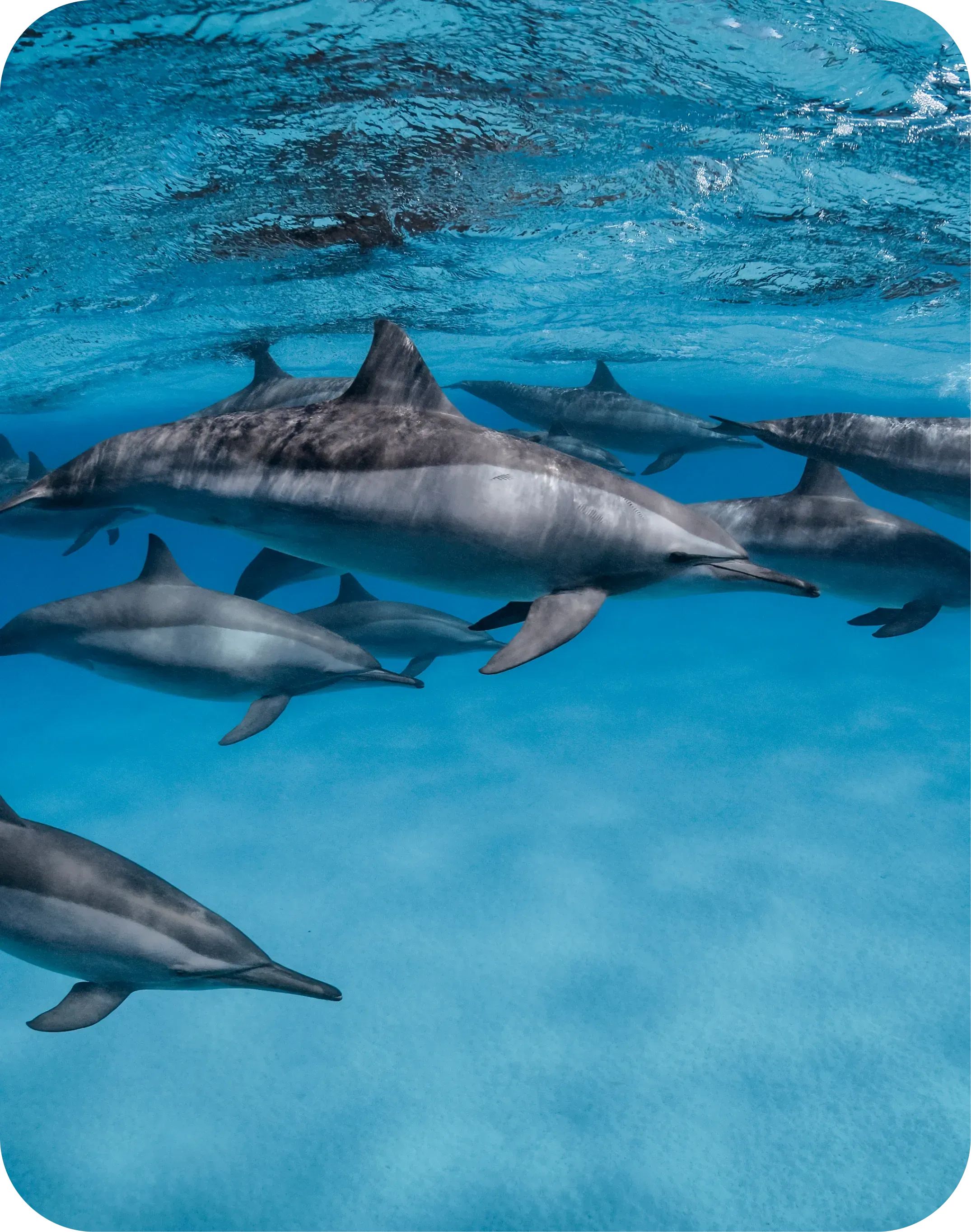
What distinguishes Madagascar from other Indian Ocean destinations is its unparalleled biodiversity. The Radama Islands and Mitsio Archipelago are recognised as critical whale shark aggregation sites. Unlike the crowded encounters of more popular destinations, Madagascar's remoteness ensures intimate, unhurried interactions with these gentle giants.
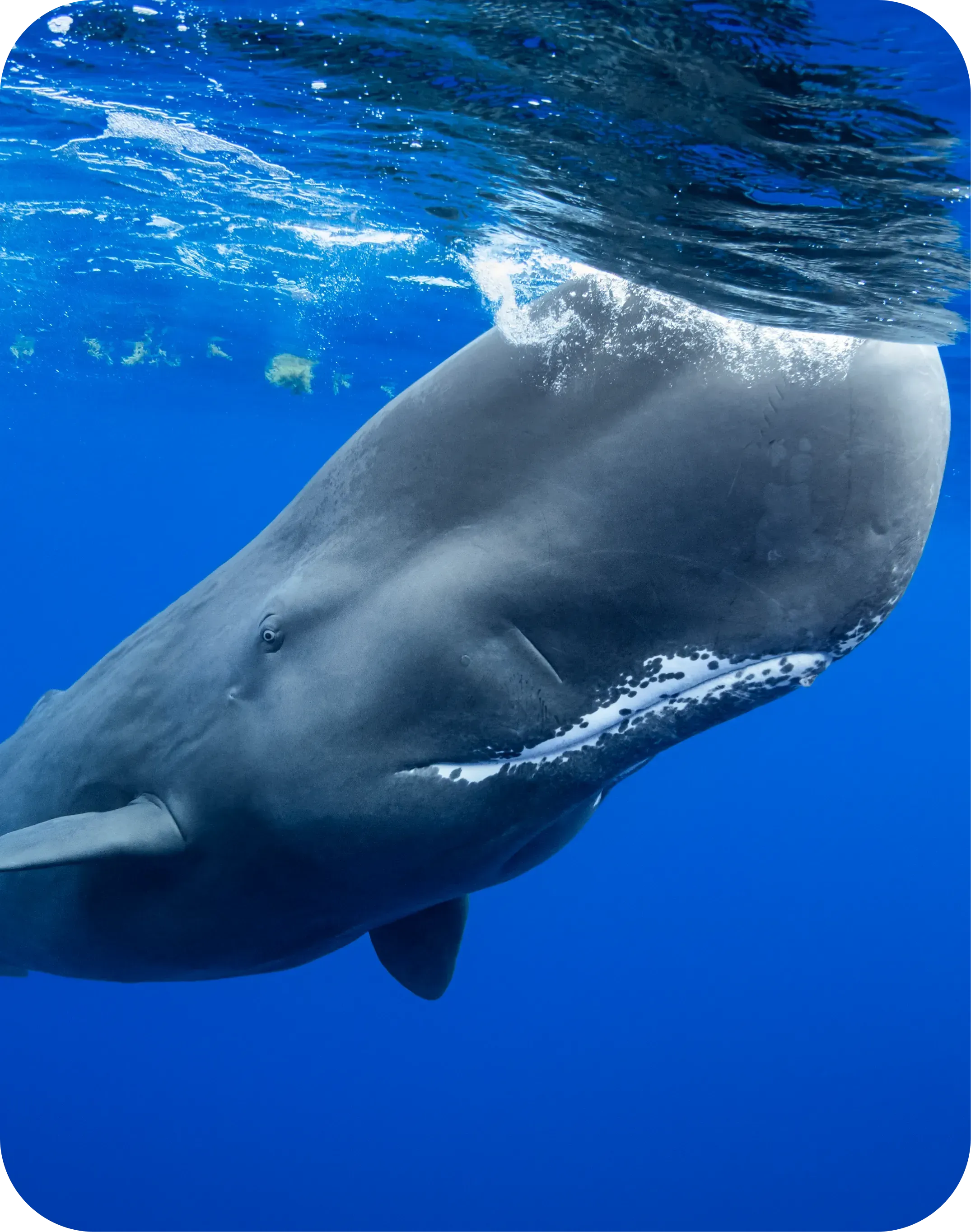
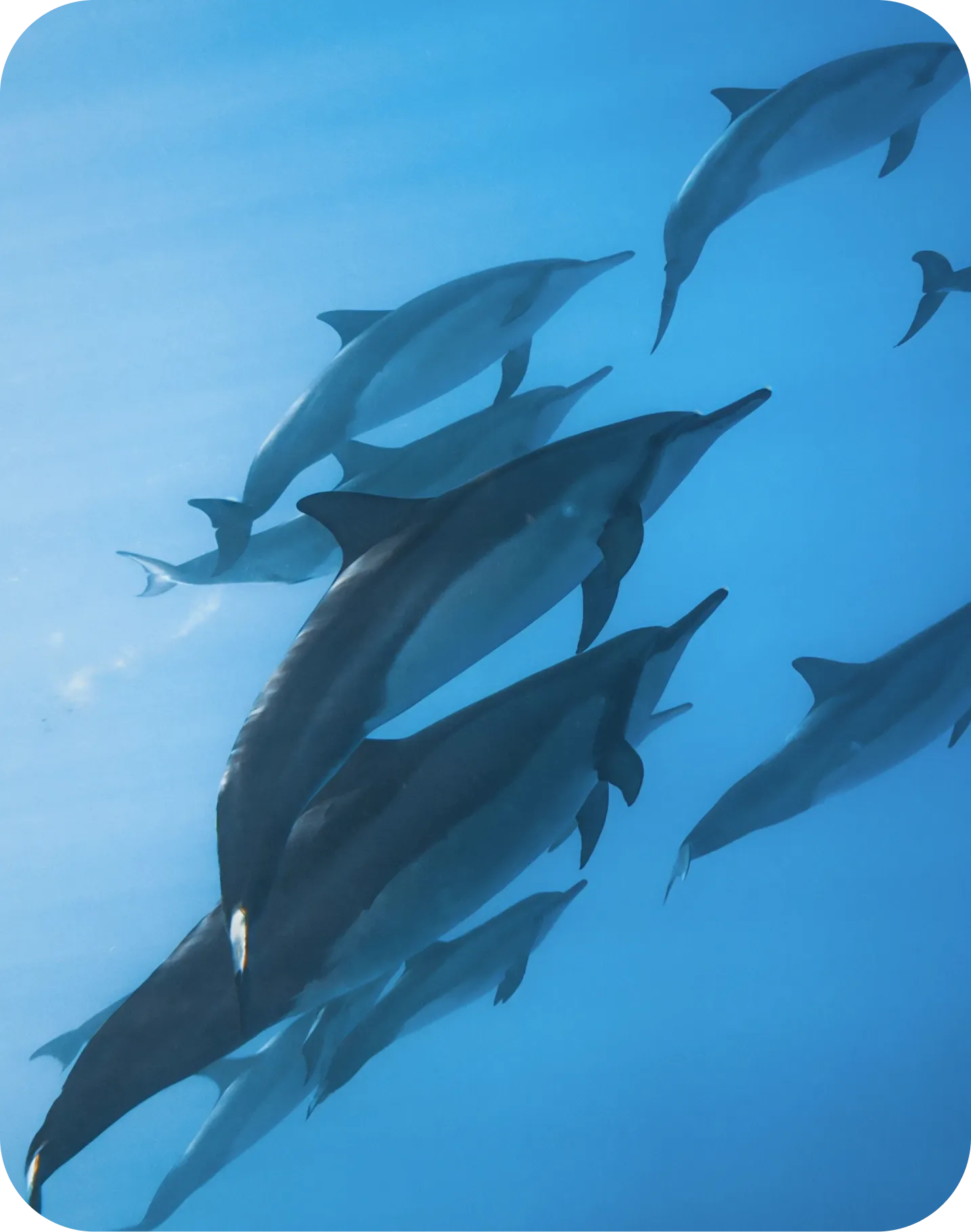
Humpback whales migrate through Madagascar's waters between June and September, and divers frequently hear their haunting songs reverberating through the water column. Dugong, sea turtles, and over 500 species of reef fish complete a marine portrait that is simply breathtaking.
Diving Levels and Requirements
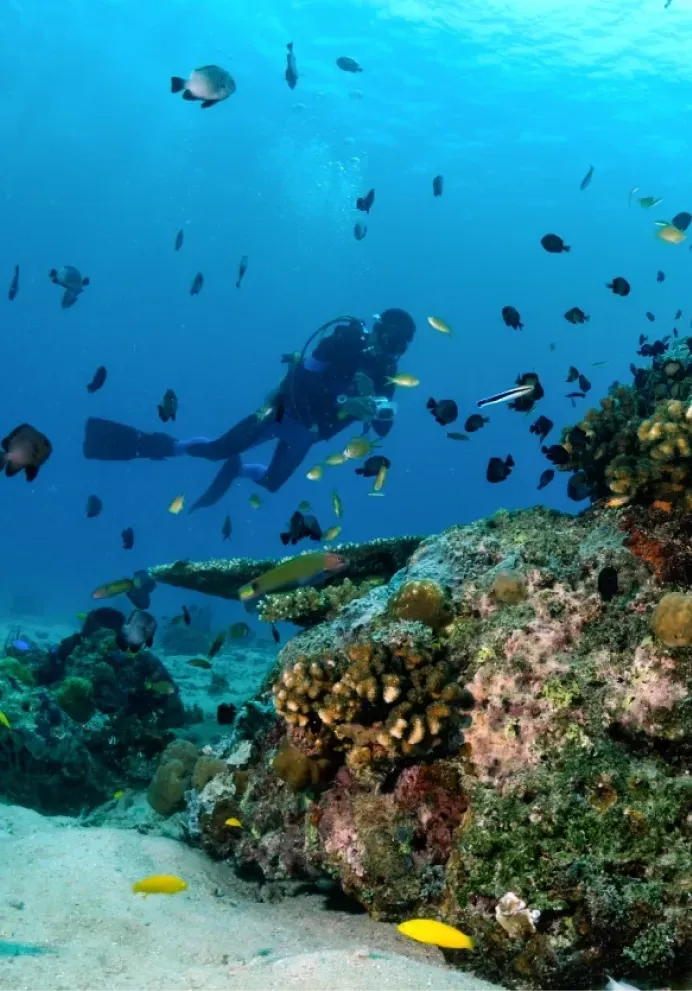
- Beginners: Nosy Sakatia and Nosy Tanikely Marine Reserve offer calm, shallow reefs — perfect introductory dives.
- Intermediate divers: The main Nosy Be sites provide more challenging profiles with occasional currents and depths to 25 metres.
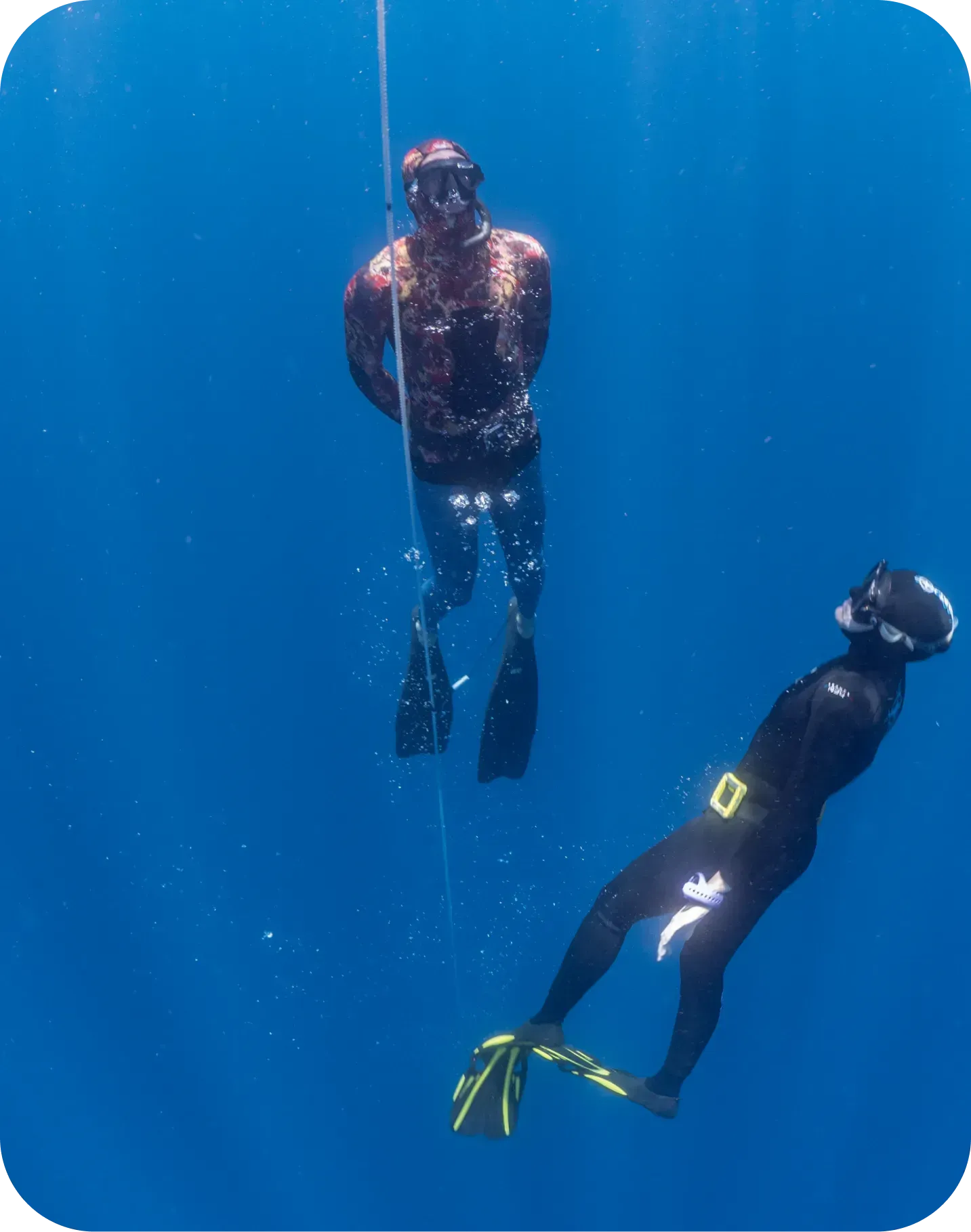
- Advanced divers: The deep walls and open-water dives of the Mitsio Archipelago demand solid buoyancy control and experience in current-swept environments.
Liveaboard vs. Land-Based Diving
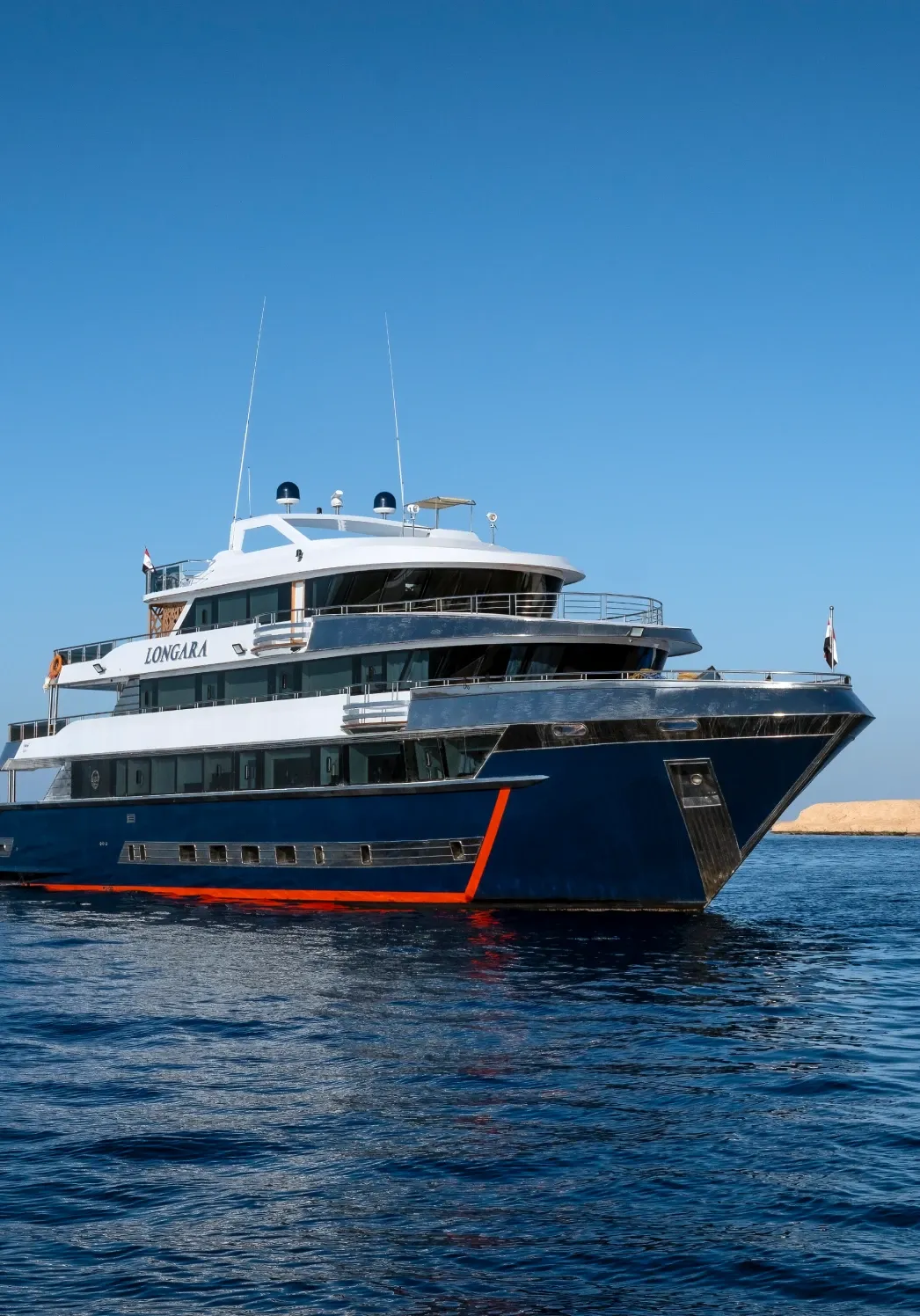
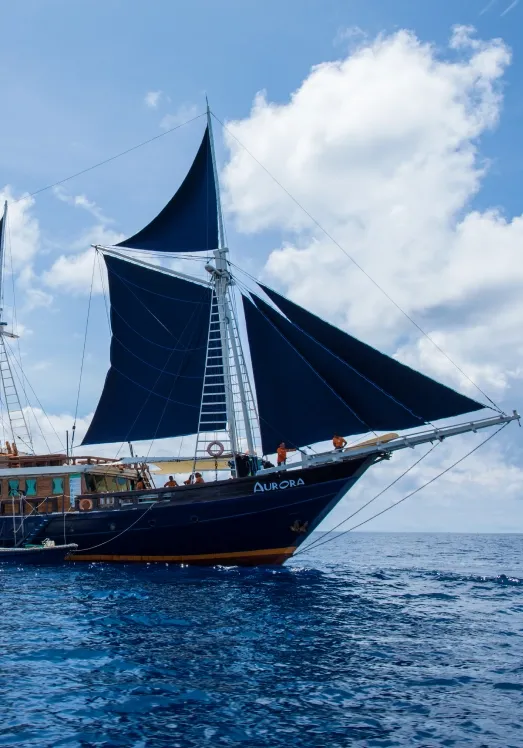
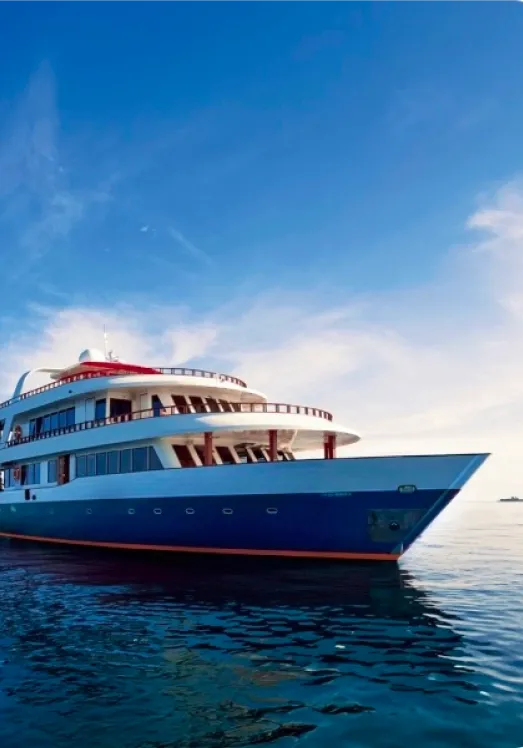
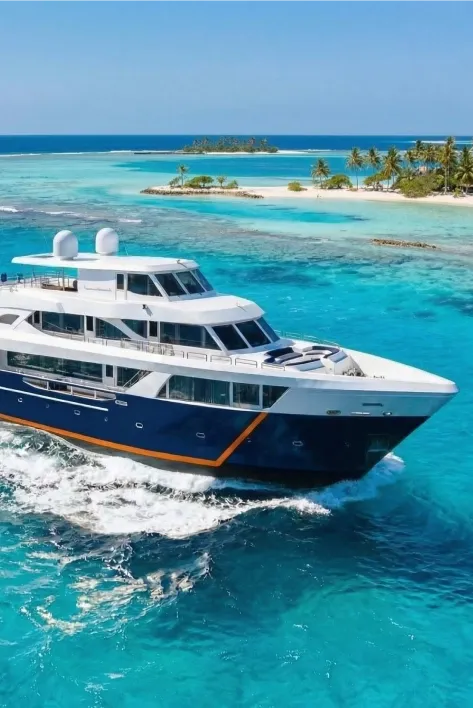
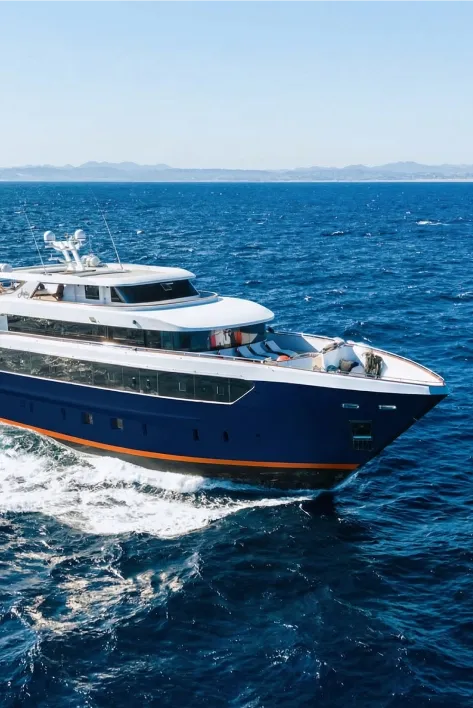
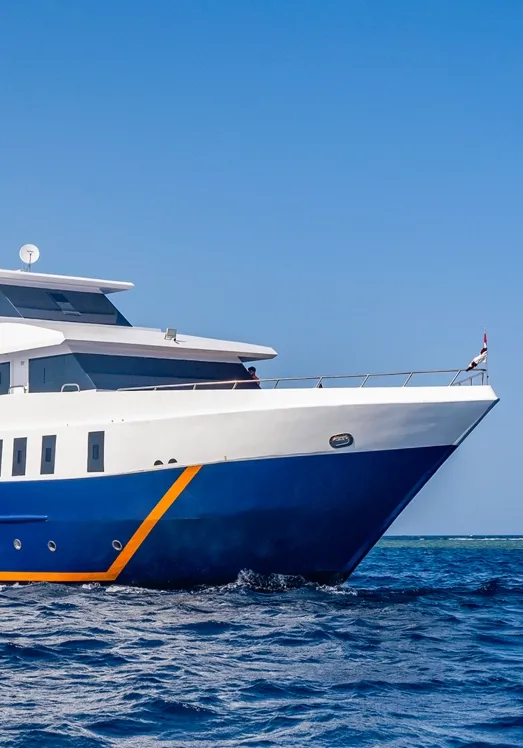
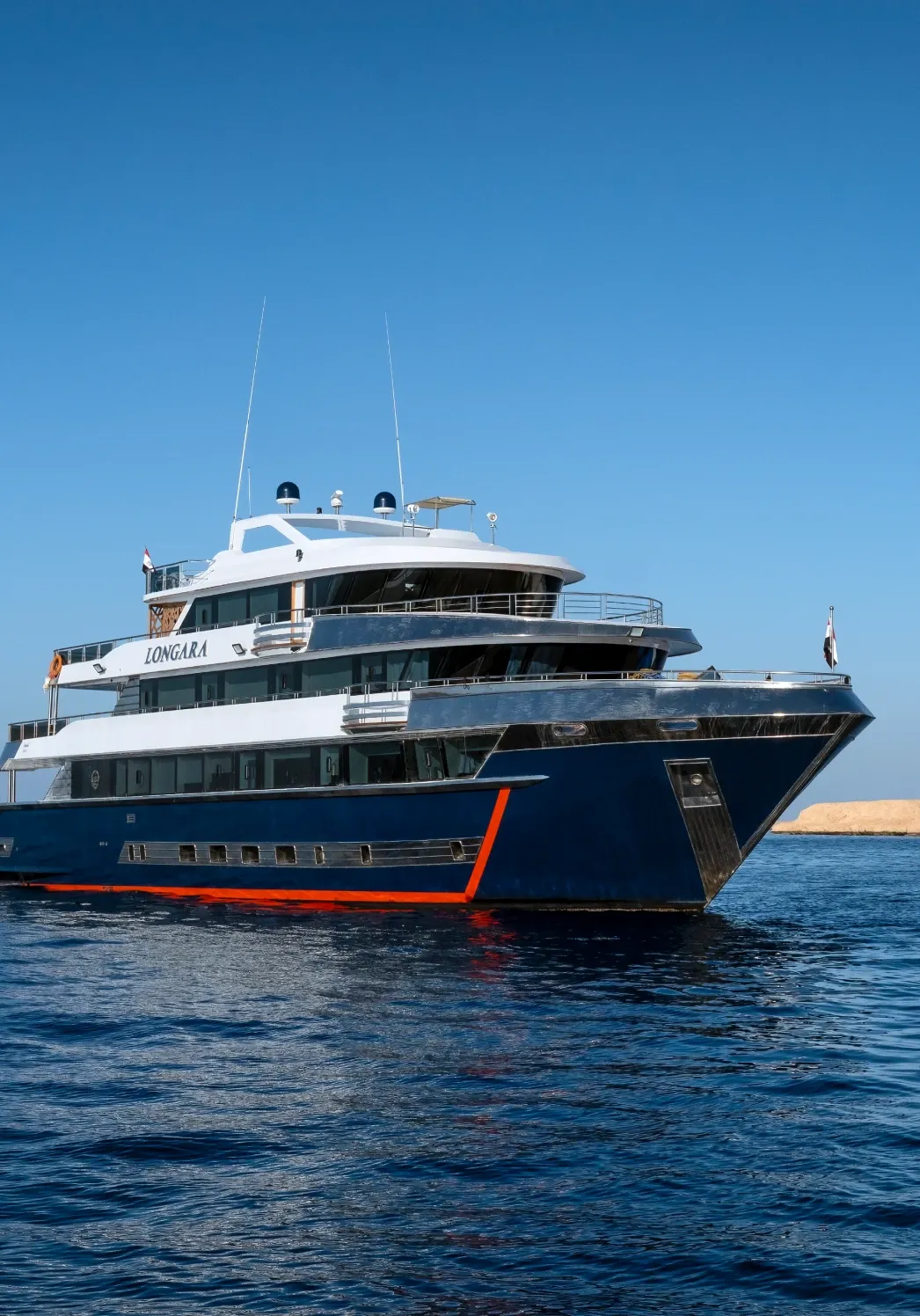
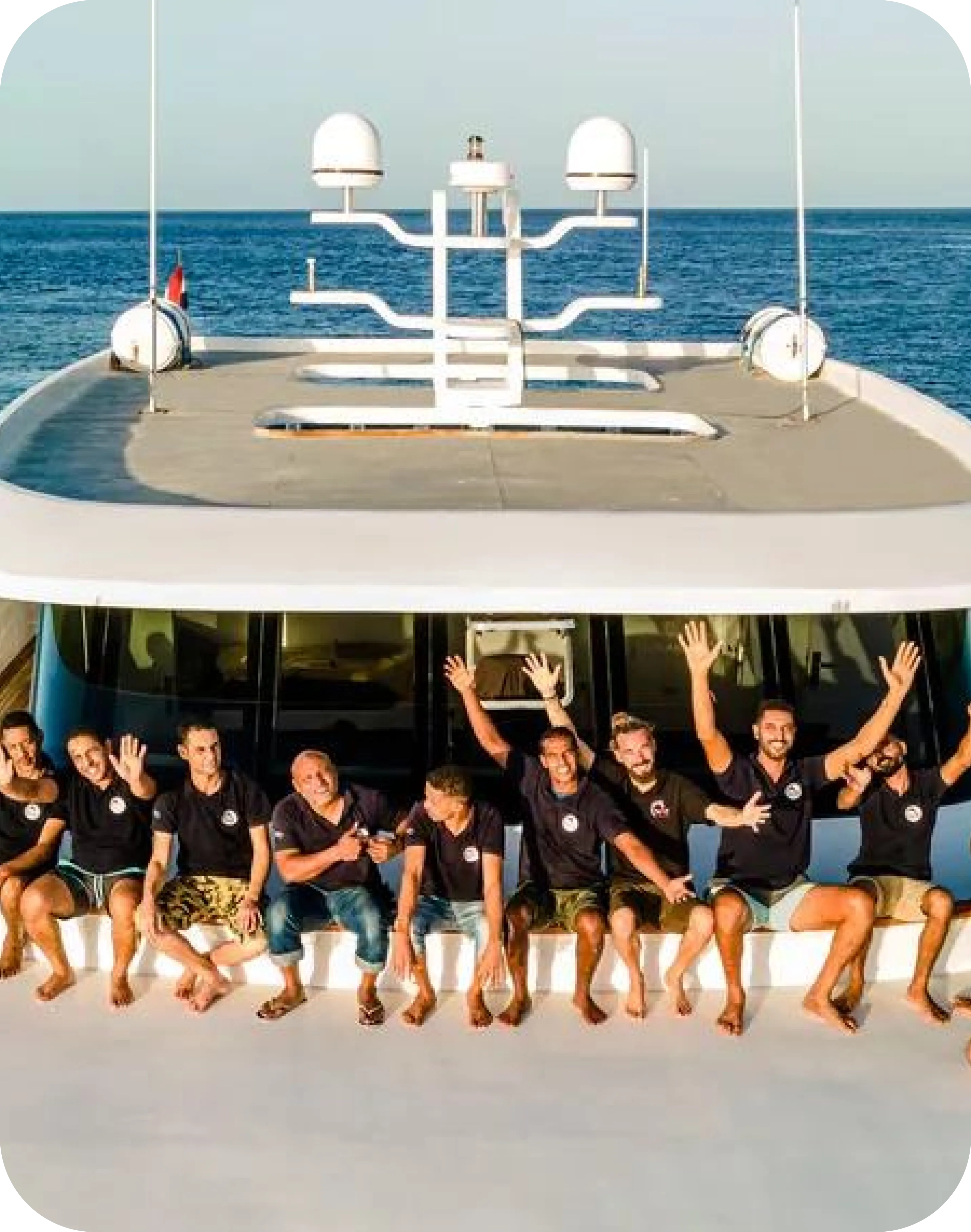
Land-based diving from Nosy Be resorts provides comfort and excellent local access. For the truly remote sites of the Mitsio Archipelago and open-water whale shark zones, a liveaboard is essential — and this is where DUNE truly excels. We curate premium liveaboard experiences aboard carefully vetted vessels, combining expert dive guiding with genuine comfort and exceptional cuisine.
Plan Your Madagascar Expedition with DUNE
Since 1998, DUNE has been the leading French specialist in premium diving travel. Our Madagascar programs represent decades of accumulated expertise and exclusive local partnerships. Whether you dream of your first whale shark encounter, wish to explore endemic reef species, or simply want to experience one of the Indian Ocean's last great marine wildernesses, DUNE has the perfect program for you.
Visit dune-world.com today to discover our Madagascar diving expeditions and request your personalised itinerary.