






Why Indonesia Is a Photographer's Paradise
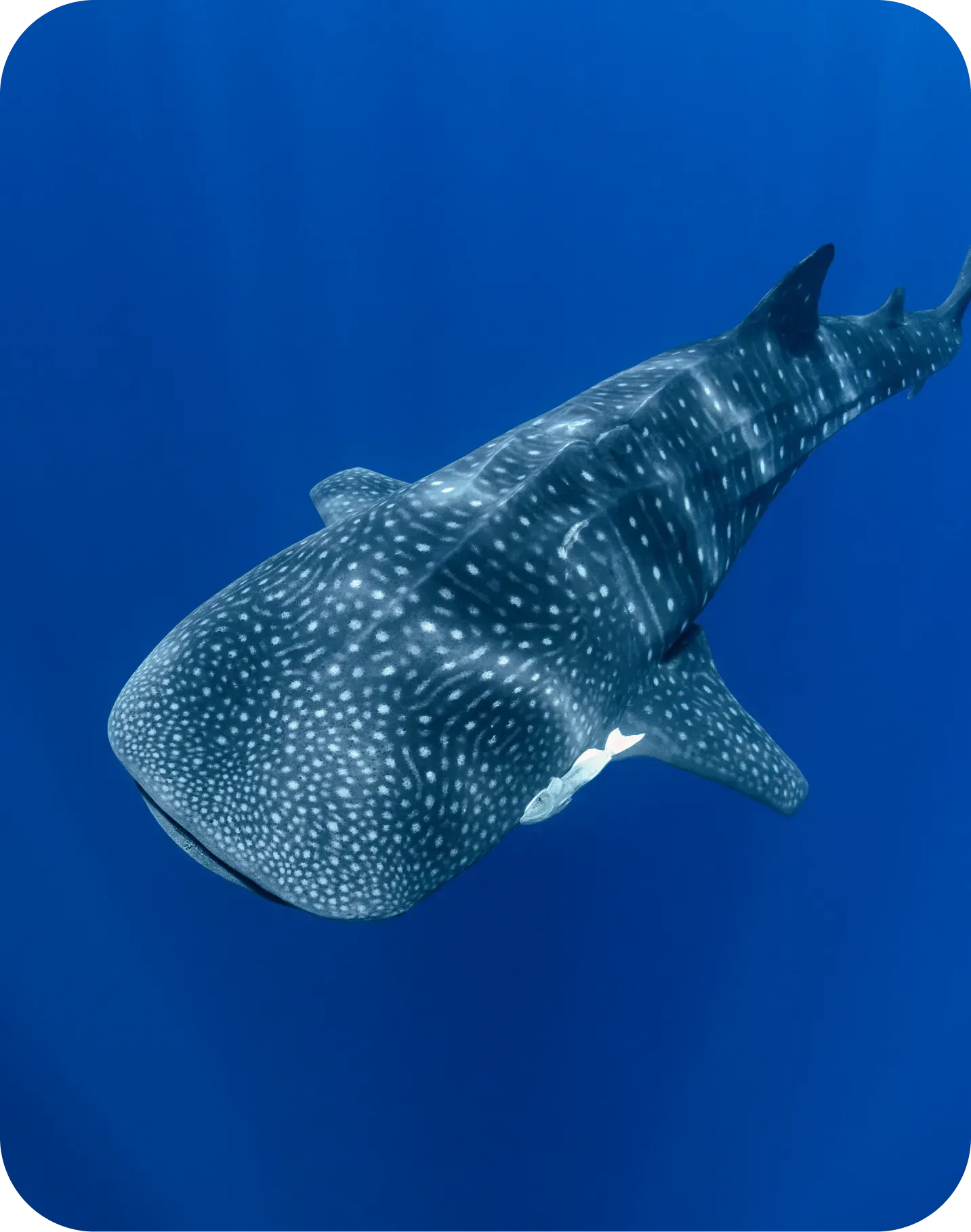
Indonesia is, without serious competition, the finest underwater photography destination in the world. The combination of extraordinary marine biodiversity, the full range of photographic subjects from wide-angle reefs to super-macro invertebrates, and the quality of light available in tropical waters at the right time of day creates opportunities that photographers from every other diving destination dream about.
The challenge of Indonesian underwater photography is not finding subjects — it is making choices. Every dive in Raja Ampat presents dozens of photographic opportunities simultaneously, and the discipline of focusing on one subject, approach, or composition rather than frantically recording everything is the first skill that separates good Indonesian underwater photography from mediocre snapshots.
Equipment for Indonesian Waters
Indonesia's diverse environments demand a versatile photographic toolkit. The ideal setup for an Indonesian liveaboard includes at minimum two lens configurations: a wide-angle system for reef landscapes, manta rays, and schools of fish, and a macro system for the extraordinary micro-world that inhabits every square metre of Indonesian reef.
- Wide-angle — rectilinear 10-17mm fisheye or 12-24mm wide zoom for reef and pelagic work
- Macro — 60mm or 100mm macro; super-macro dioptre (+15) for pygmy seahorses and tiny subjects
- Strobes — dual strobes for even lighting; at least one strobe arm with flex-arm system
- Video light — a secondary video light adds fill for macro and is excellent for colourful reef work
- Tray and arms — rigid aluminium tray with dual arms for strobe positioning control
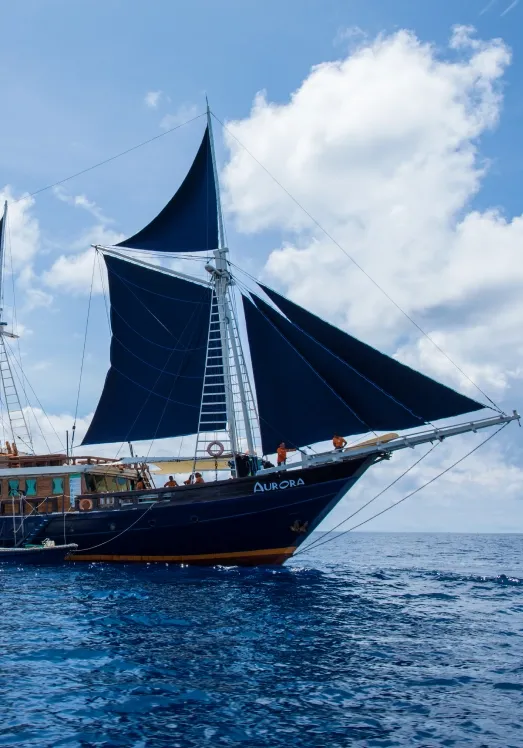
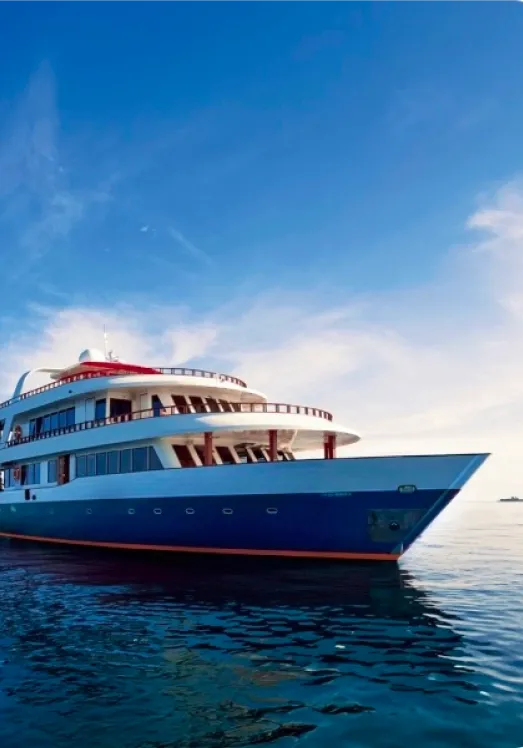
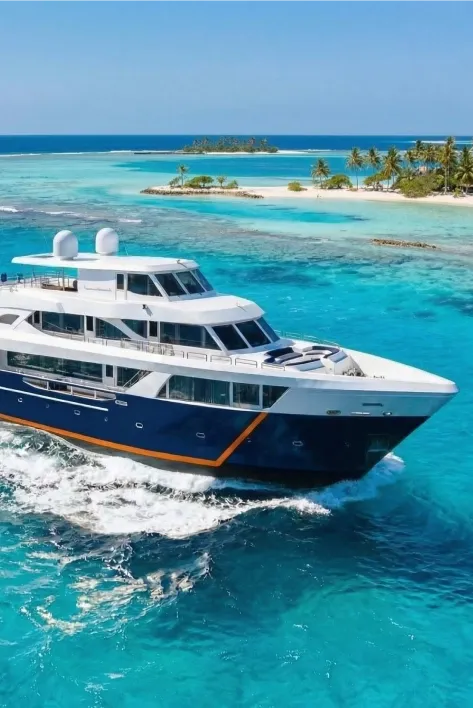
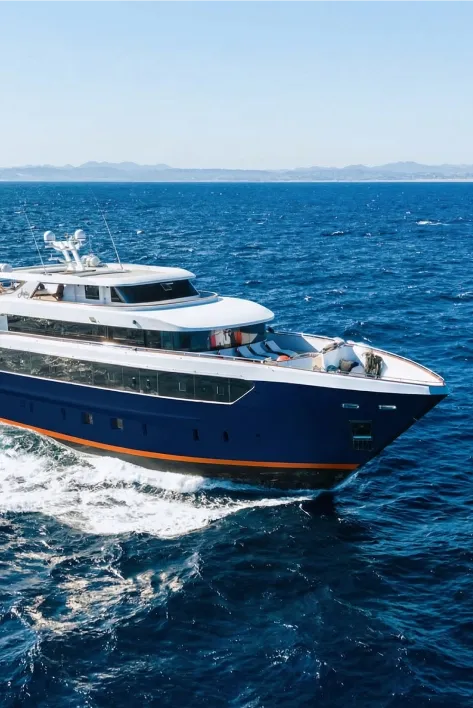
Many dedicated underwater photographers bring two camera systems on Indonesian liveaboards, swapping between wide and macro configurations between dives. DUNE's partner vessels all have dedicated camera tables with fresh water rinse tanks and drying space, making this approach practical.
Wide-Angle Reef Photography in Raja Ampat
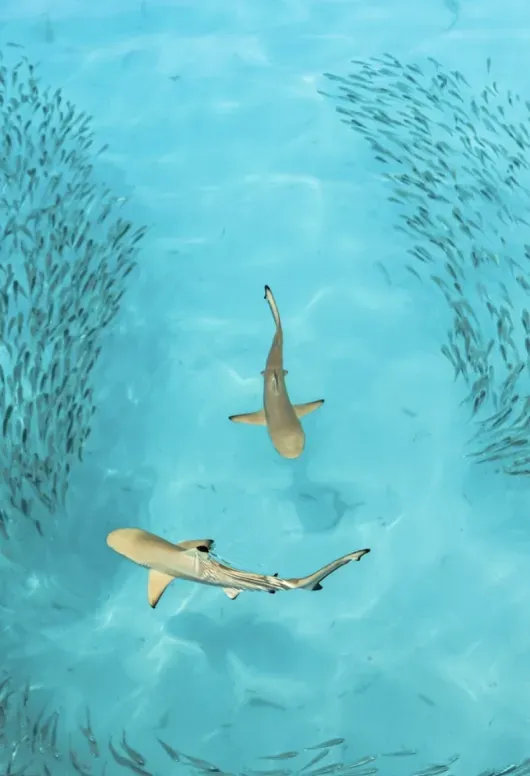
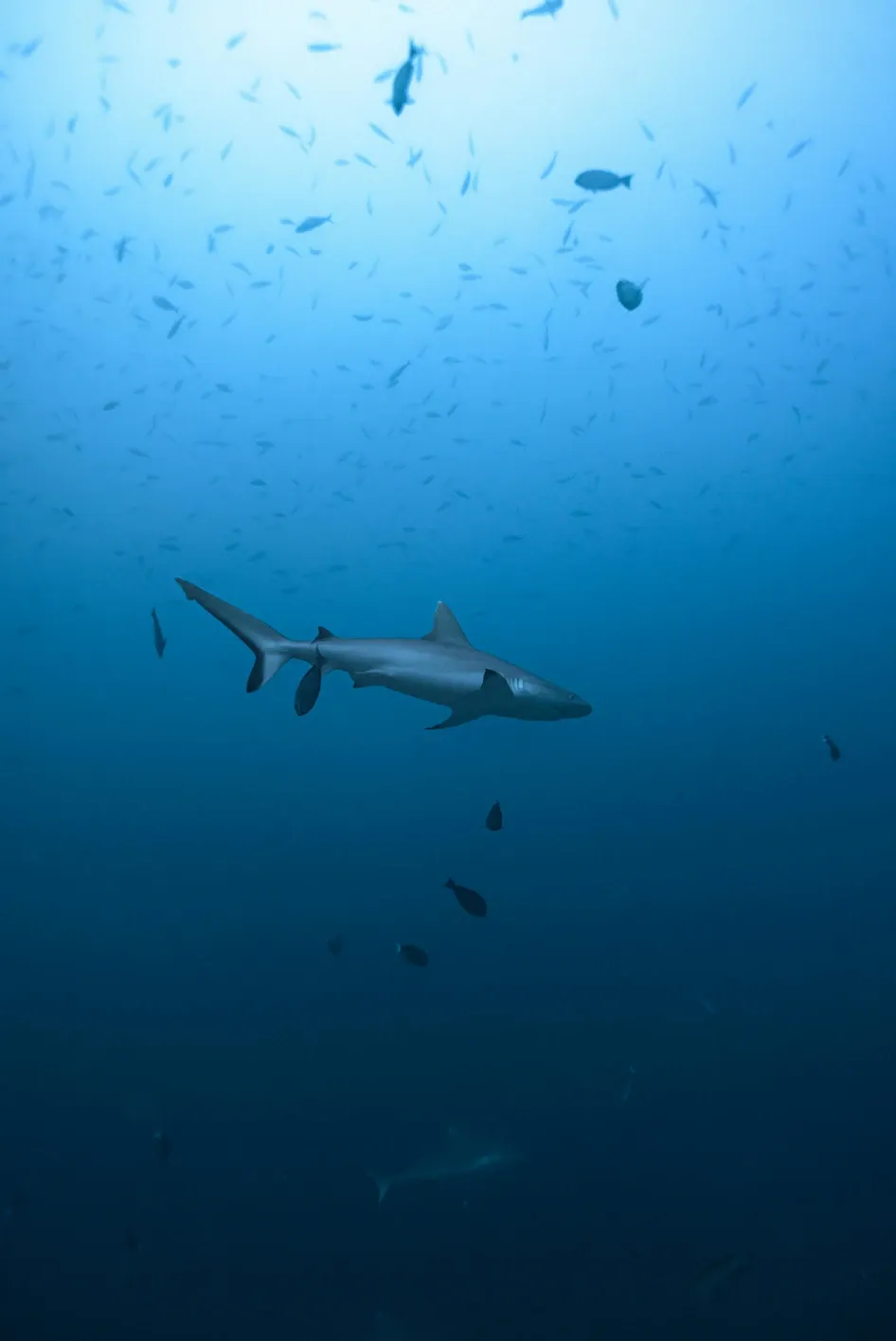
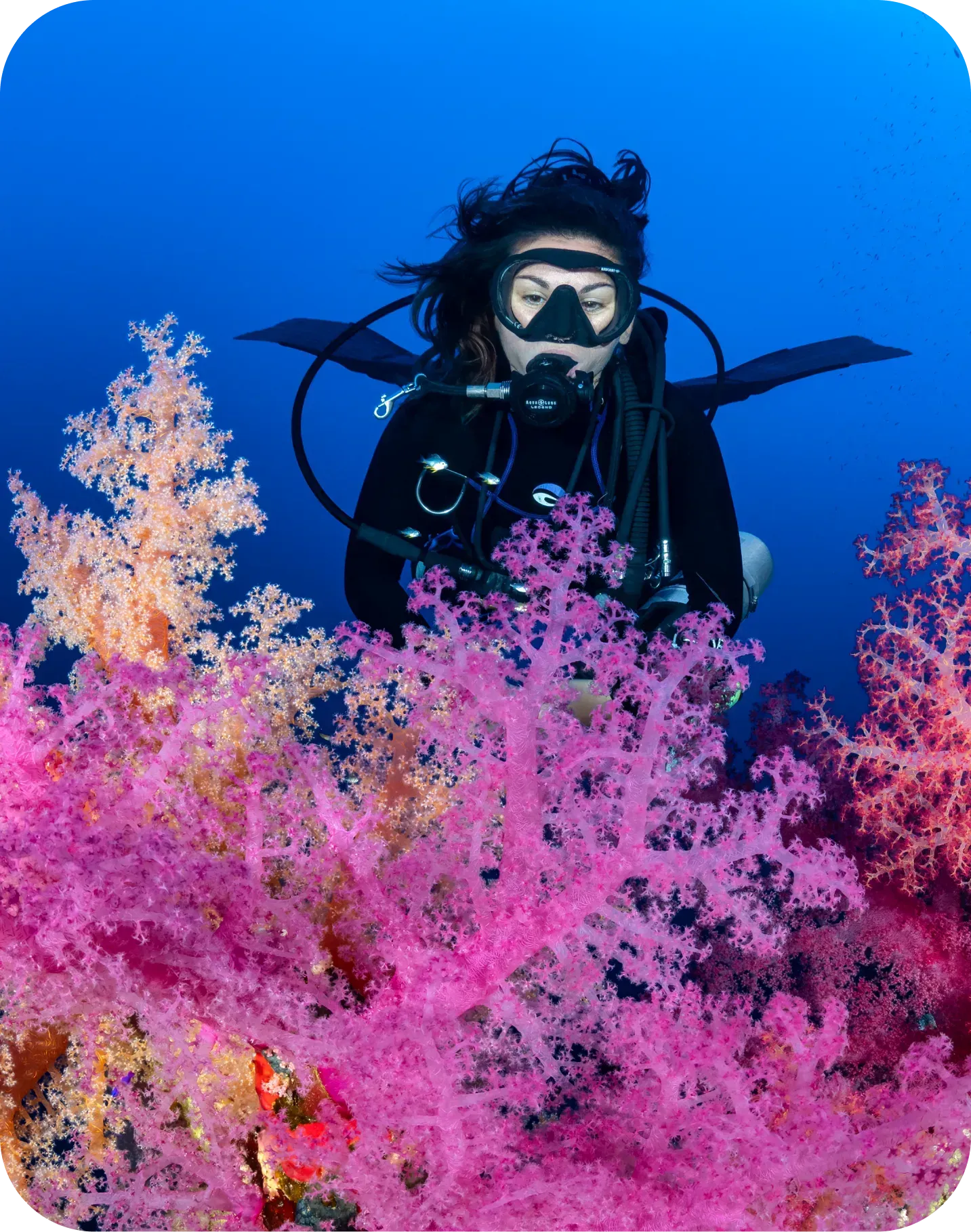
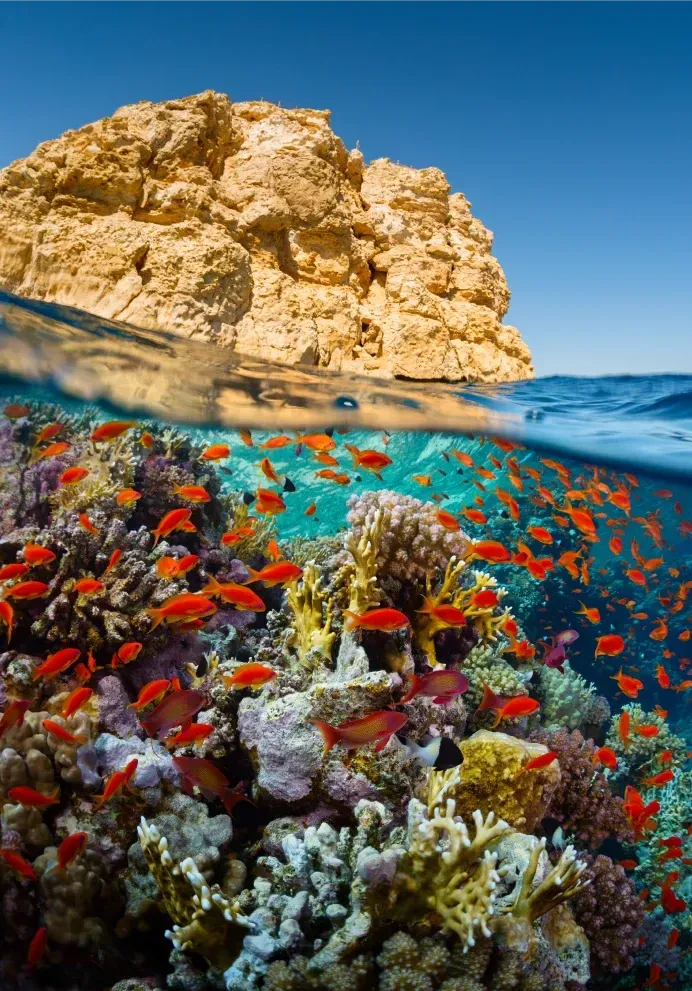
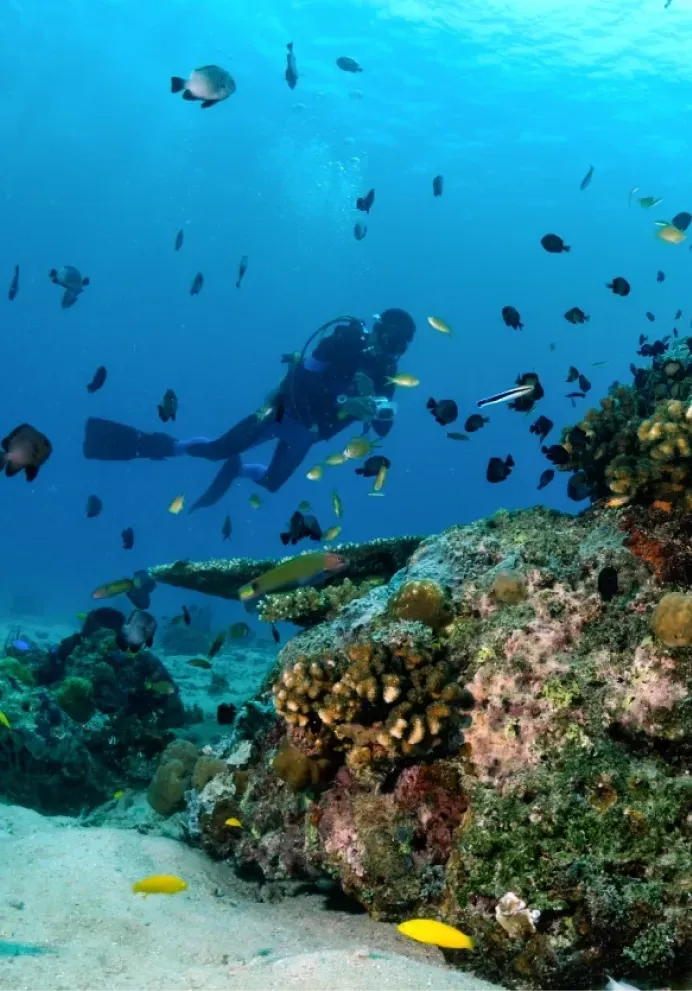
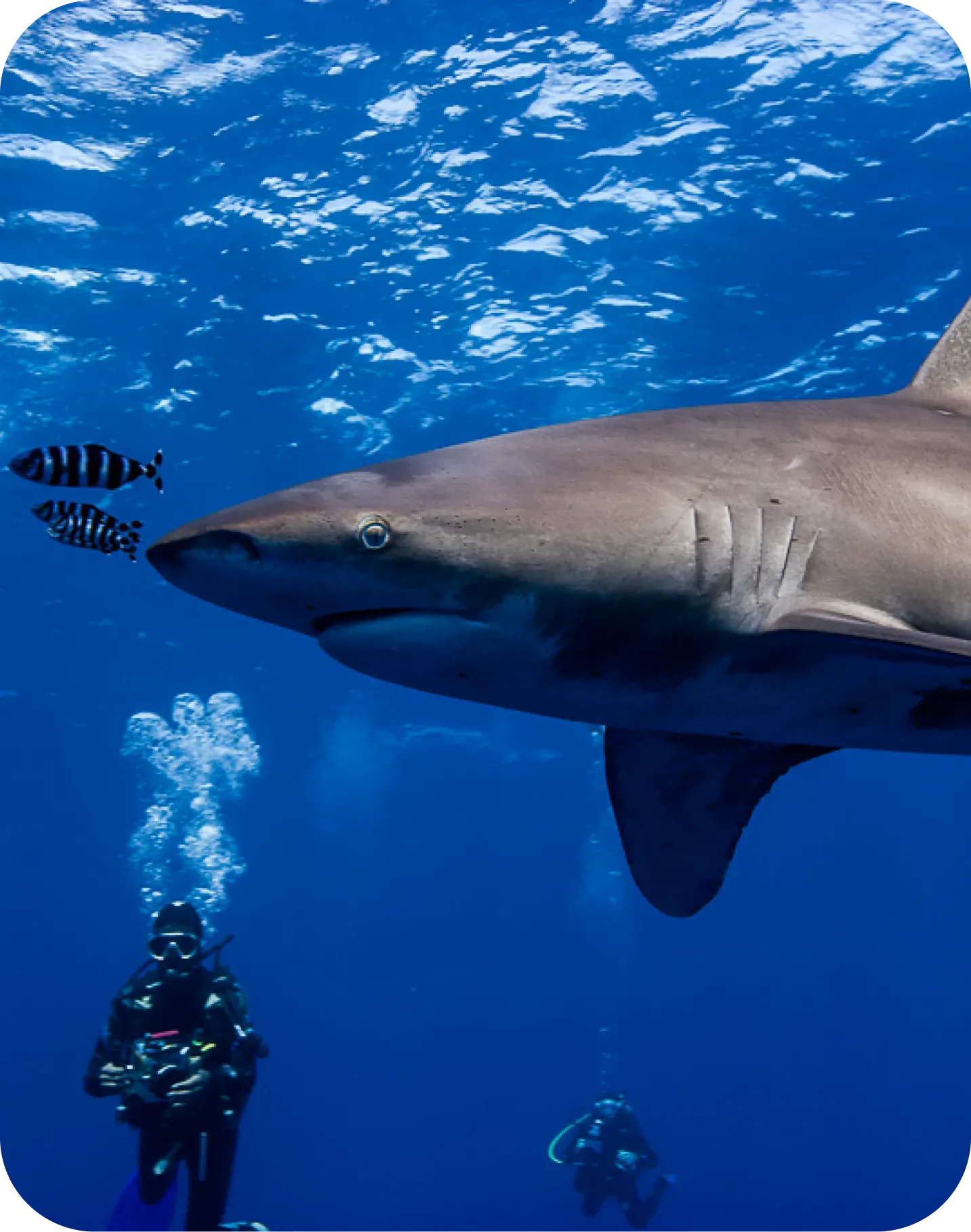
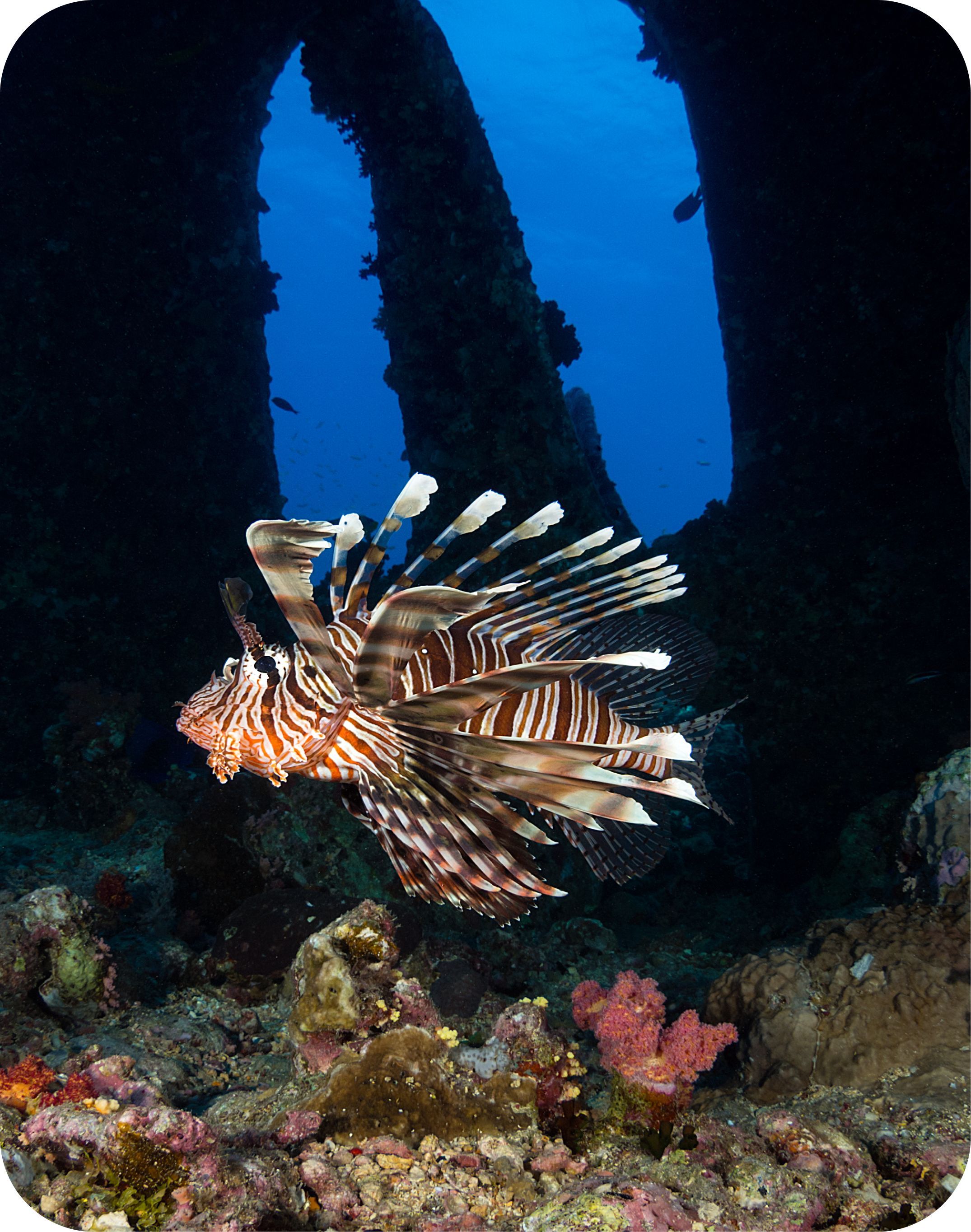
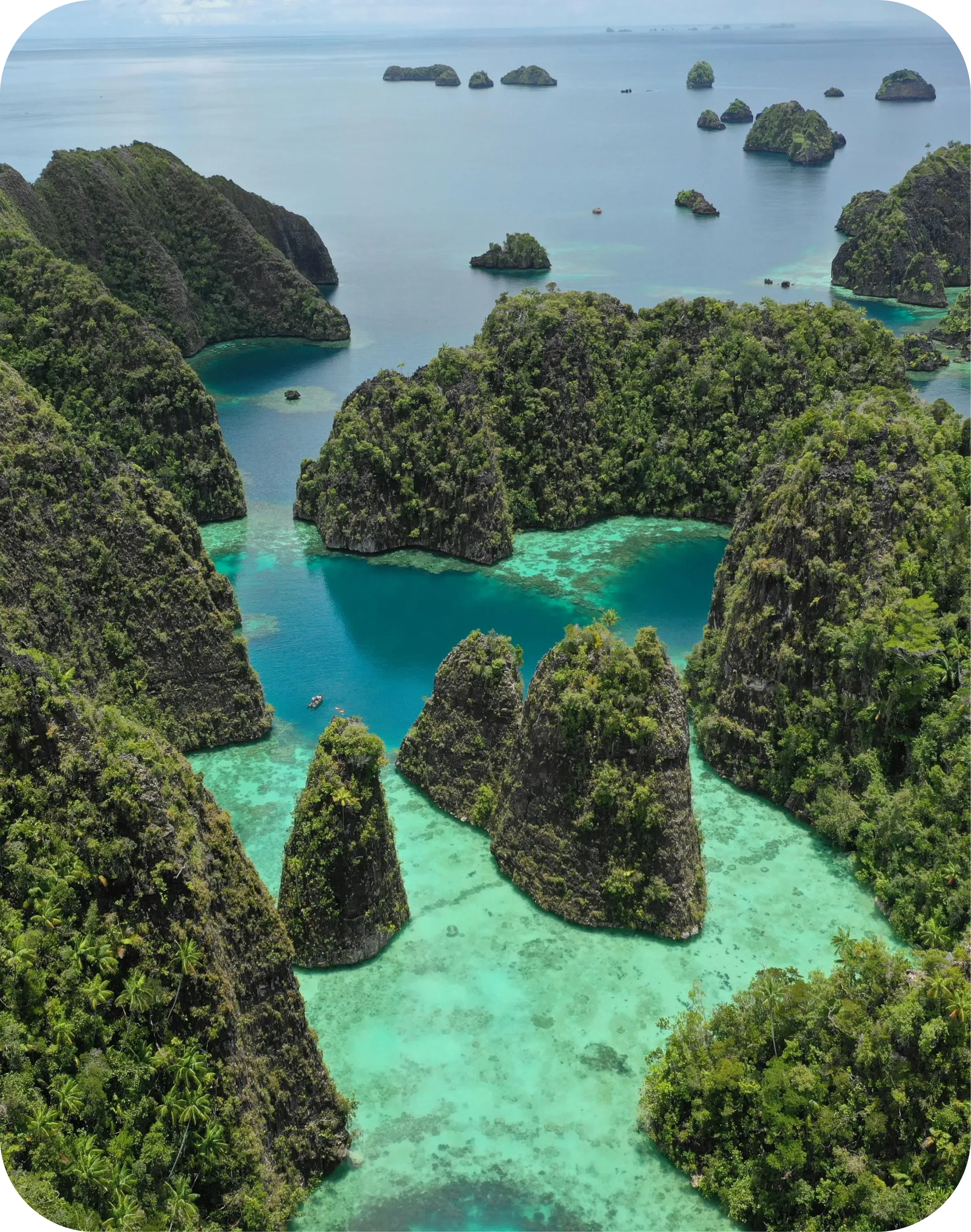
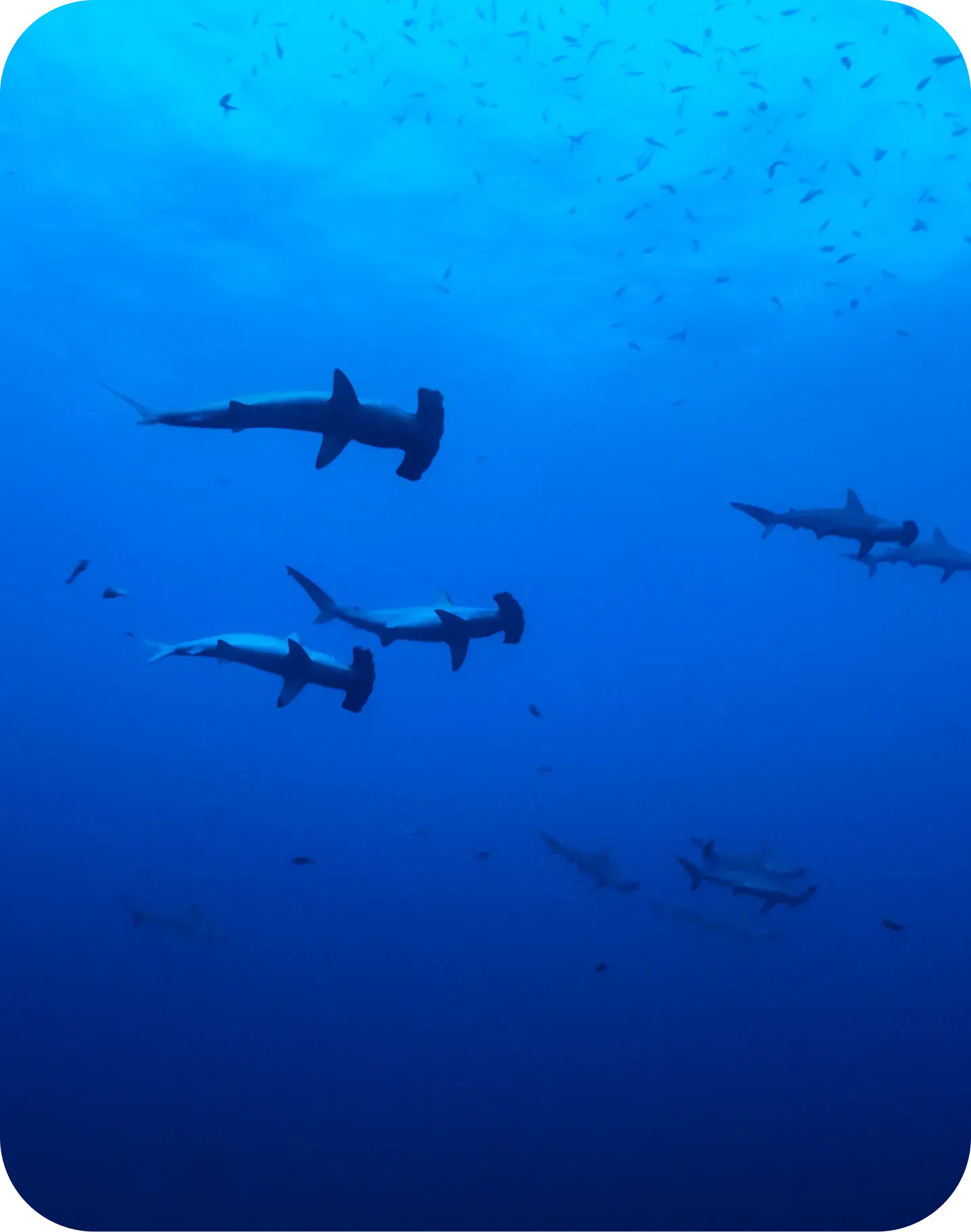
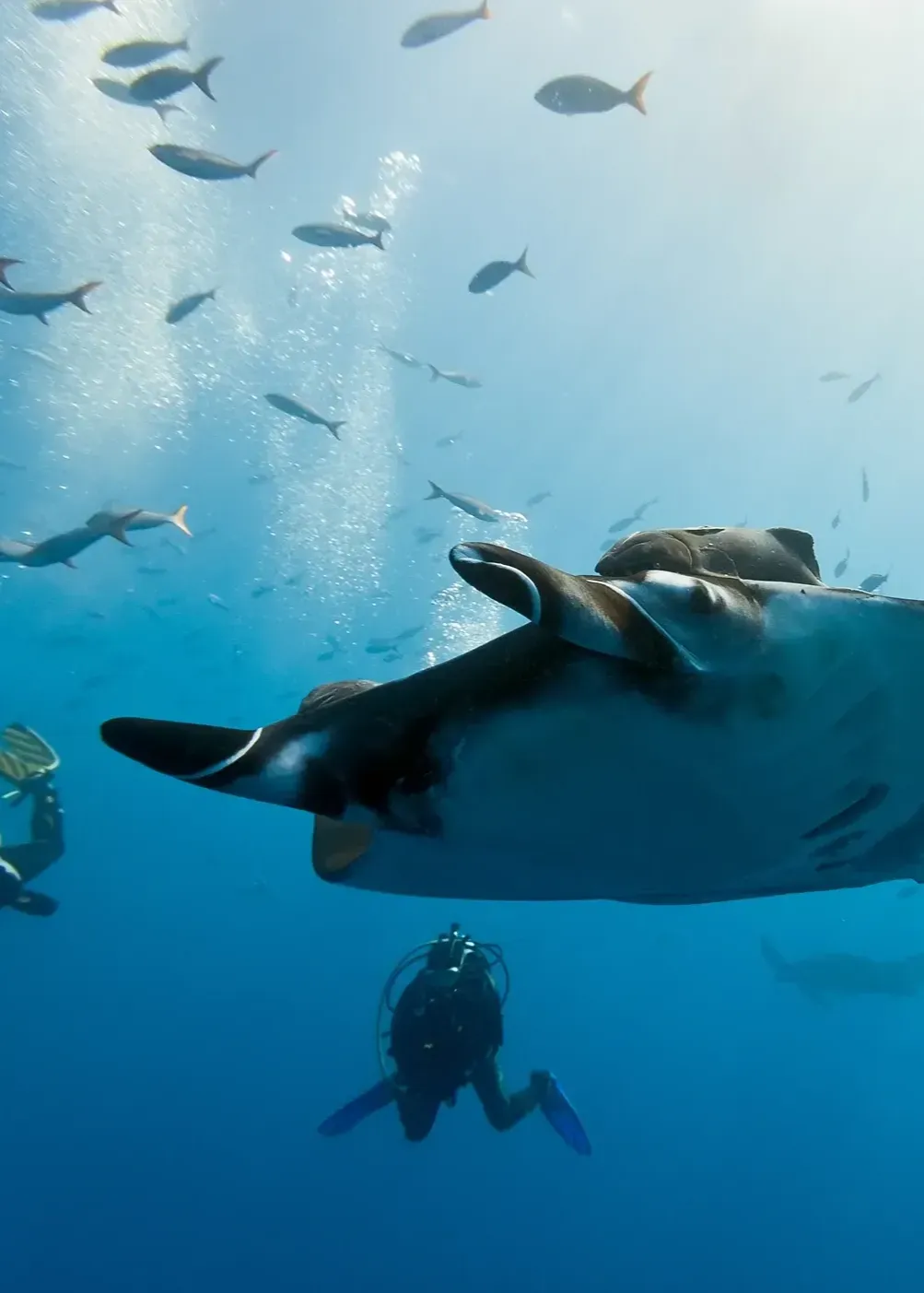
The signature wide-angle image from Raja Ampat — a coral-encrusted reef structure in the foreground, schooling fish in the mid-ground, and the blue water column extending to infinity behind — requires combining natural light from above with strobe fill from below. The goal is to balance the ambient exposure of the blue water background with the strobe exposure of the foreground subject, creating an image that is simultaneously lit and three-dimensional.
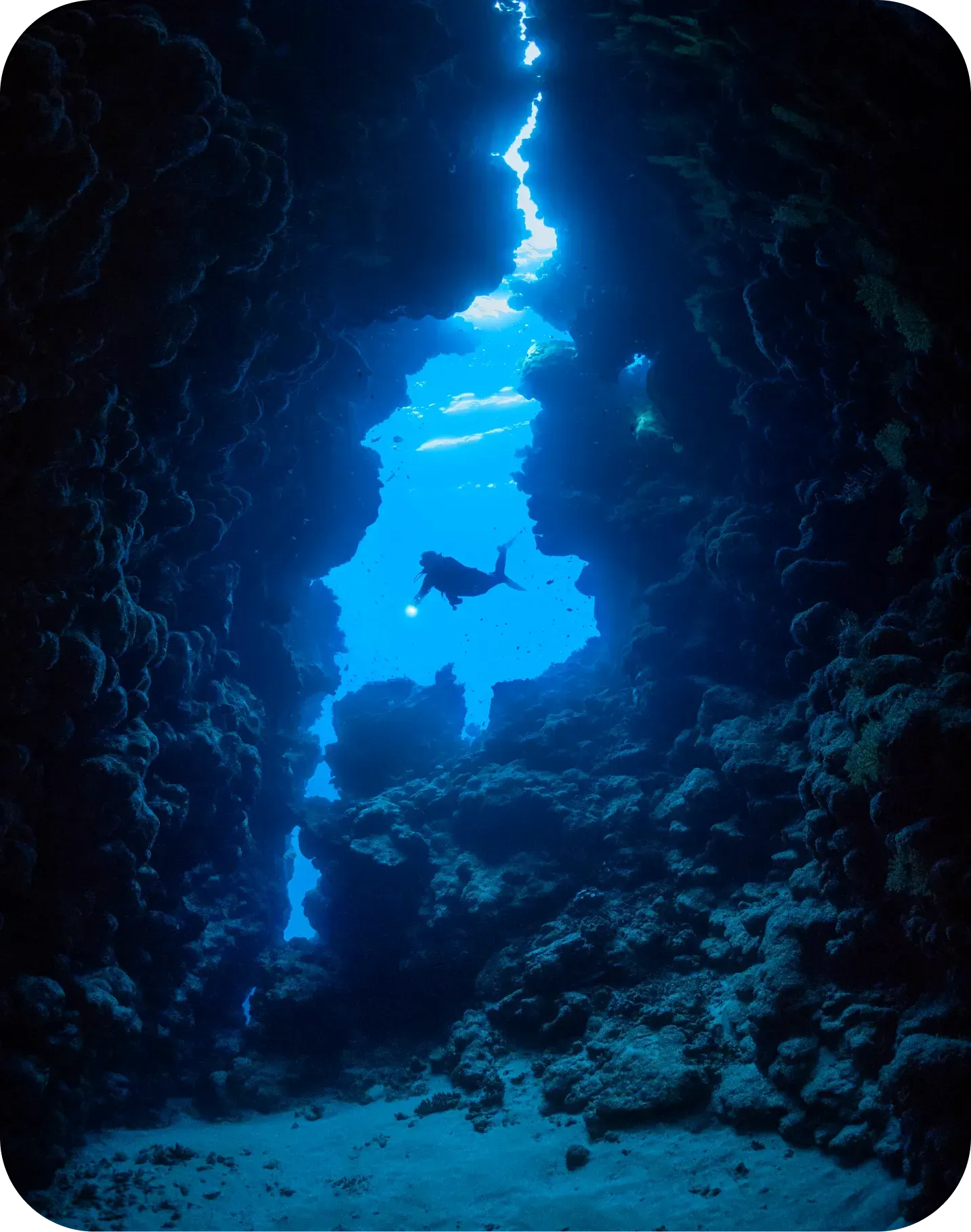
The best light for this style of shooting is typically 9:00 to 11:00 AM, when the sun angle is high enough to penetrate the water column and the quality of light has a crisp, clear character. The steep reef walls and overhangs of sites like Batu Bolong and Cape Kri provide natural framing for wide-angle compositions, and the density of fish life means that patient positioning almost always produces a naturally composed image without the need to artificially arrange subjects.
Macro Photography in Bali and Ambon
For dedicated macro photographers, the black sand slopes of Tulamben, Amed, and the legendary Lembeh Strait in North Sulawesi represent the pinnacle of Indonesian muck diving. These environments — volcanic black sand, rubble, algae, and seagrass patches — harbour an extraordinary diversity of cryptic and camouflaged species that are nowhere near as photogenic as Raja Ampat's coral reefs but are, if anything, even more interesting to photograph.
The key to productive macro sessions on black sand is systematic, slow searching. Moving across the substrate quickly produces nothing — the animals are stationary and camouflaged, and rushing past them means missing them entirely. The most productive approach is to select a small area of five to ten square metres and spend the entire dive searching it at centimetre scale, turning over rubble (gently and carefully), examining the underside of dead coral heads, and looking for behavioural cues — subtle movements of a fin, the gentle pulsing of a frogfish's lure — that reveal hidden subjects.
Drift Dive Photography in Komodo
Shooting in Komodo's currents is one of the most technically demanding forms of underwater photography and requires specific adaptations to both technique and equipment configuration. The most important principle is streamlining: in strong current, any surface that acts as a sail — a large dome port, wide strobe arms extended perpendicular to the current — creates drag that destabilises the photographer and makes precise framing impossible.
- Use a compact dome port rather than a large 8-inch dome for current dives
- Reduce strobe arm extension to minimum necessary for the subject
- Pre-set focus mode and exposure compensation before entering the water
- Focus on faster shutter speeds to compensate for involuntary movement
- Frame wide and crop in post — attempting tight crops in current leads to missed shots
Night Photography: When Indonesia Truly Dazzles
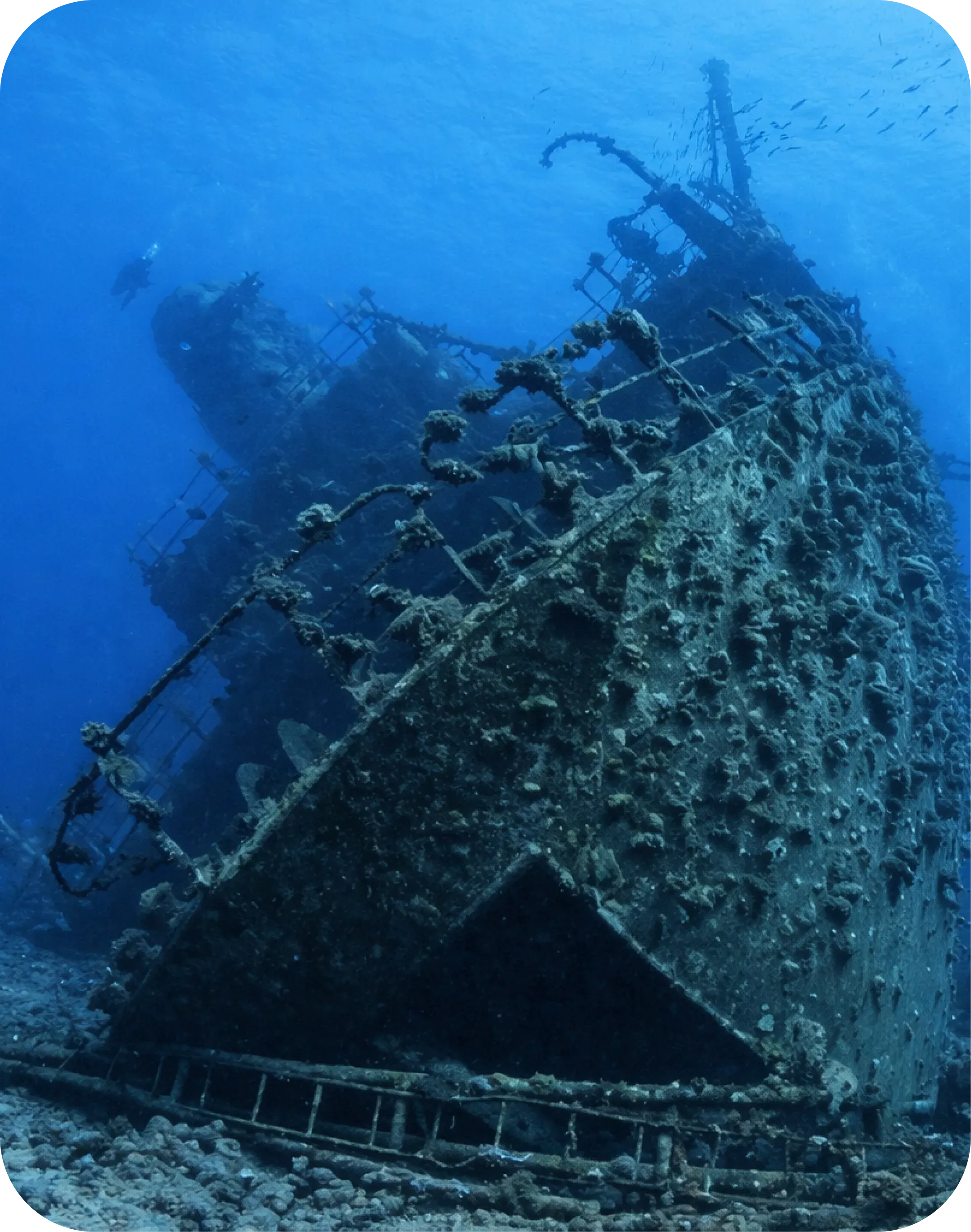
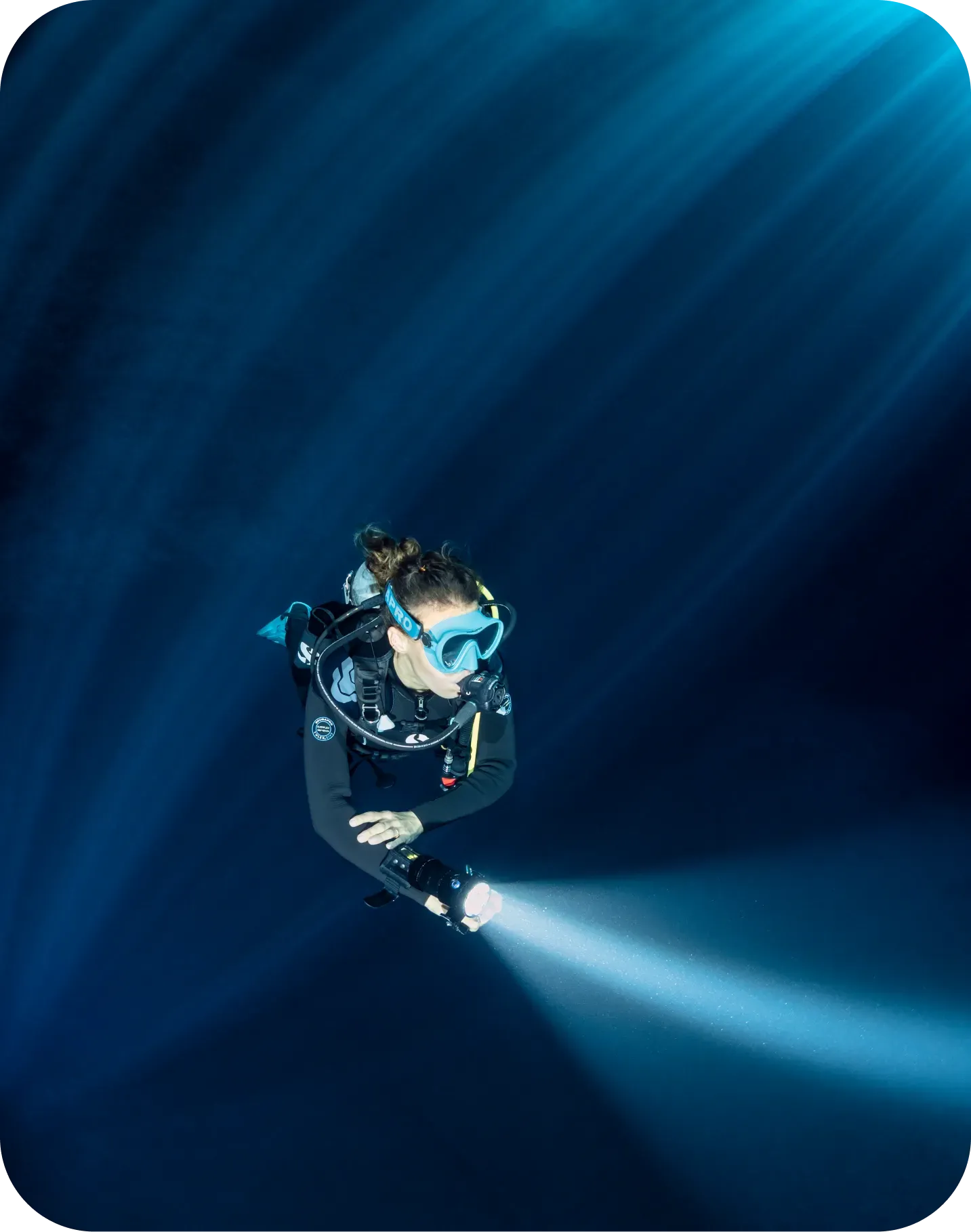
Some of Indonesia's most extraordinary photographic subjects are only available after dark. The USAT Liberty at Tulamben transforms at night into a spectacle of hunting squid and feeding fish. The mandarin fish mating display, performed every evening at sunset on shallow rubble reefs around Sulawesi and throughout Indonesia, is one of the most sought-after and technically demanding subjects in all of underwater photography.
Mandarin fish (Synchiropus splendidus) are among the most vividly coloured fish in the ocean, and their mating display — a brief, swirling ascent by a male and female, during which eggs and sperm are released simultaneously — lasts barely three seconds. Capturing this event requires precise timing, pre-focussed equipment, and a position established at the right reef patch before the display begins at dusk. DUNE's guides know the specific locations and timing of mandarin fish populations at each destination.
Post-Processing for Indonesian Underwater Images
Raw file capture is essential for Indonesian underwater photography. The dynamic range challenges of balancing strobe-lit foregrounds with ambient backgrounds, the white balance corrections required for images taken at depth, and the noise management needed for ISO-elevated night images all demand the flexibility that raw processing provides.
A workflow centred on Lightroom or Capture One, with supplementary processing in Photoshop for complex masking and colour grading, covers the vast majority of post-processing needs for underwater images. DUNE's photography workshop leaders teach a streamlined post-processing workflow that produces consistently excellent results without requiring hours of computer time for each image.
Photography Workshops and Dedicated Trips with DUNE
DUNE organises dedicated underwater photography workshops in Raja Ampat, Bali, and Komodo, led by professional underwater photographers with competition-winning portfolios and extensive teaching experience. These workshops combine the best available diving with structured teaching sessions, personalised feedback on your images, and post-processing instruction tailored to your equipment and skill level.
Ask DUNE about our upcoming photography workshop schedule and let us help you take your underwater photography to the next level in the world's finest photographic playground.