








































The Elegance of the Thresher Shark
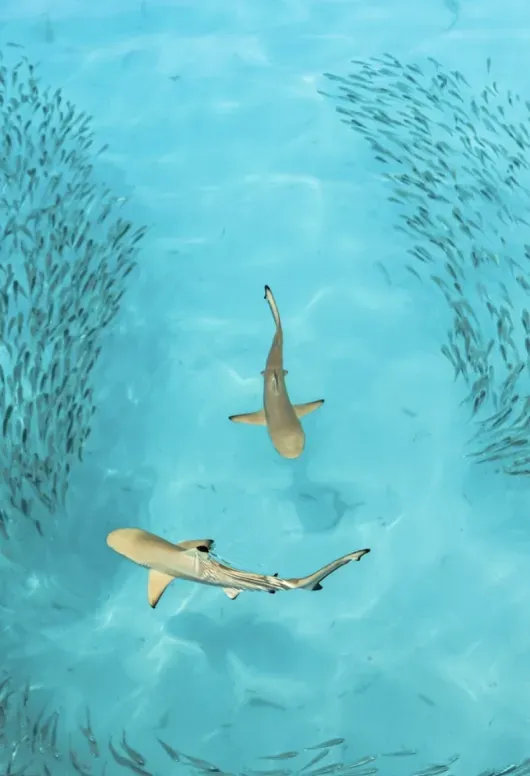
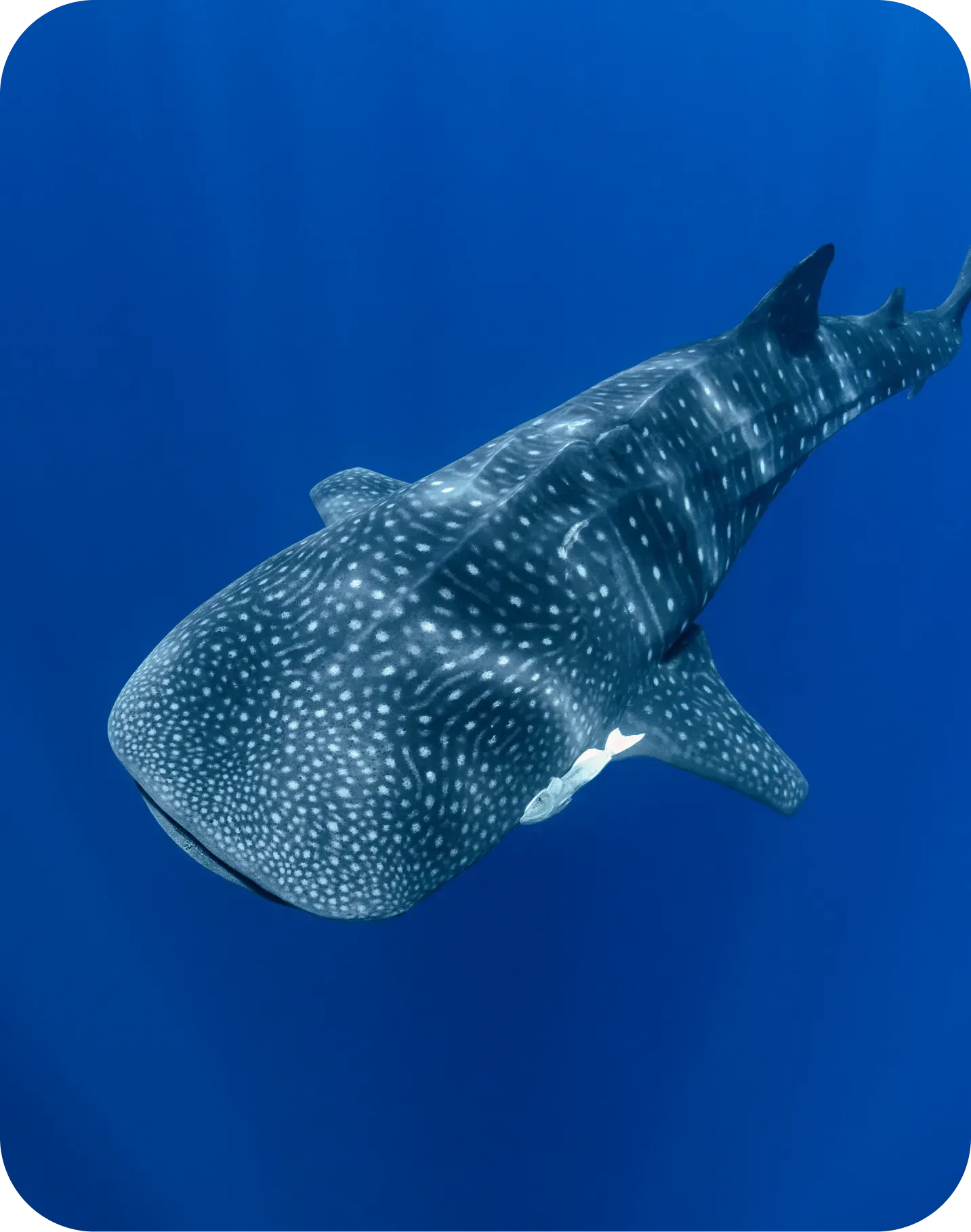
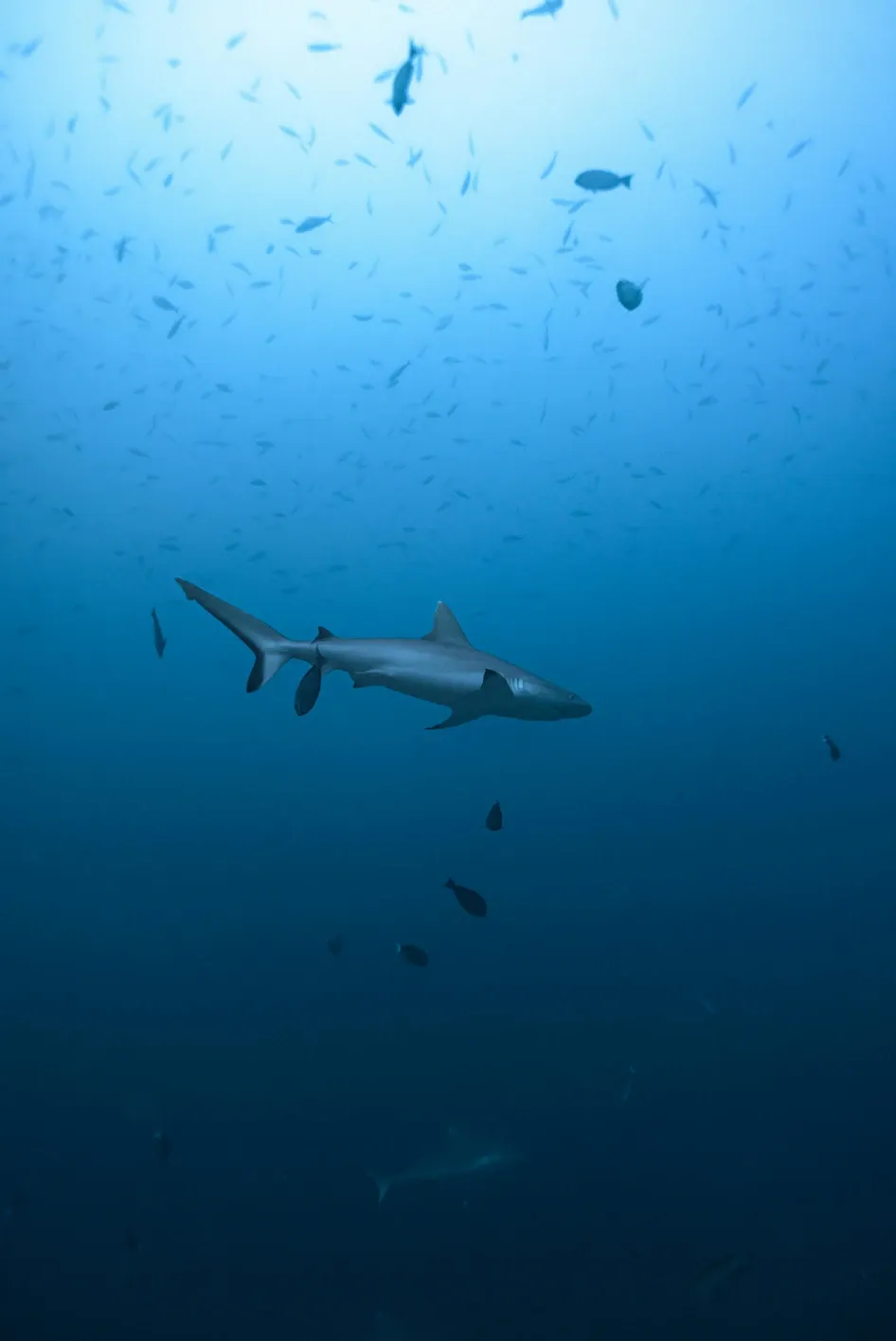
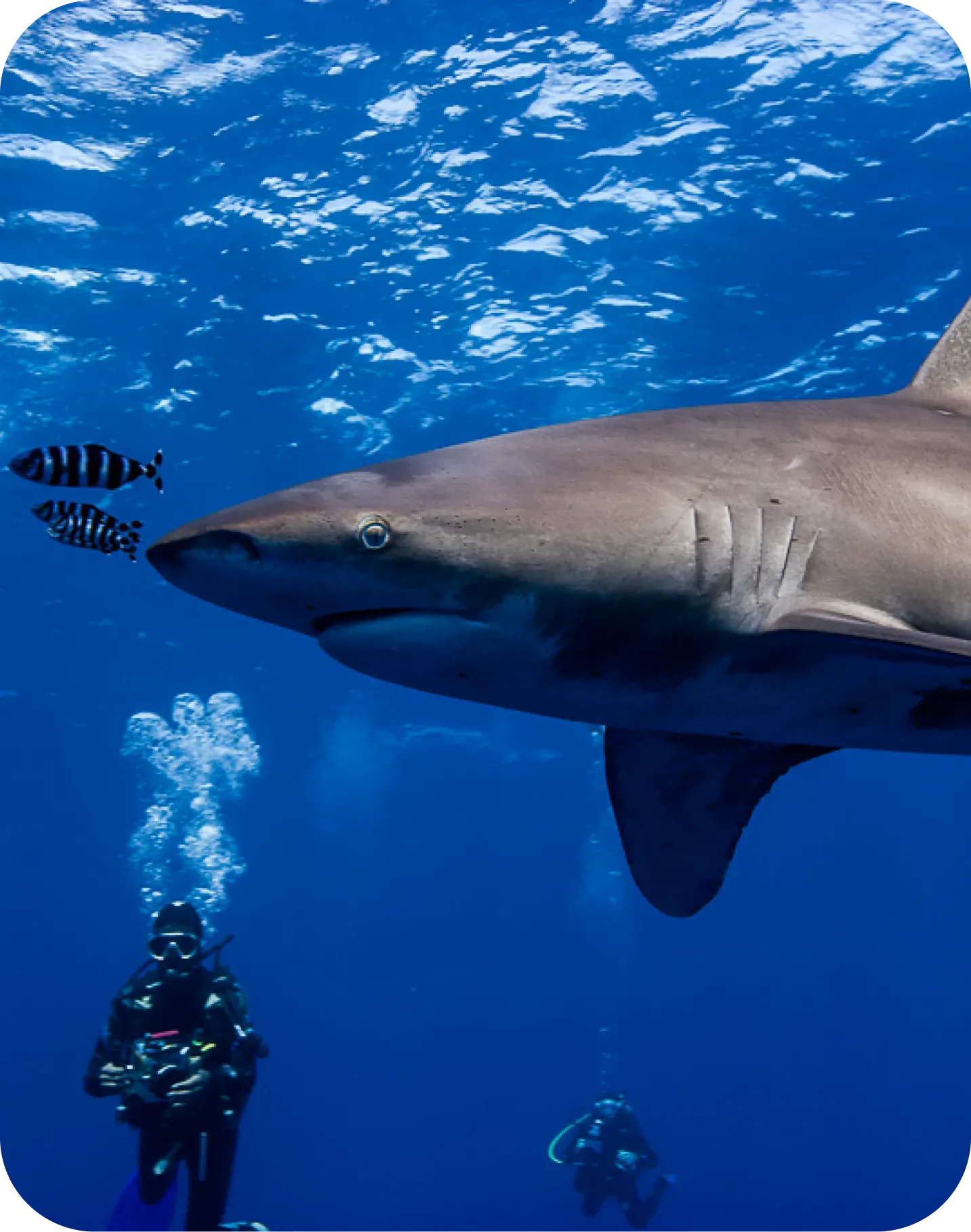
Of all the pelagic sharks that divers seek out around the world, few generate as much passion and anticipation as the thresher shark. The extraordinary anatomy of this animal — particularly the elongated upper lobe of the caudal fin, which can equal or exceed the body length — creates a silhouette so distinctive and graceful that even a brief sighting at distance is an unforgettable experience.
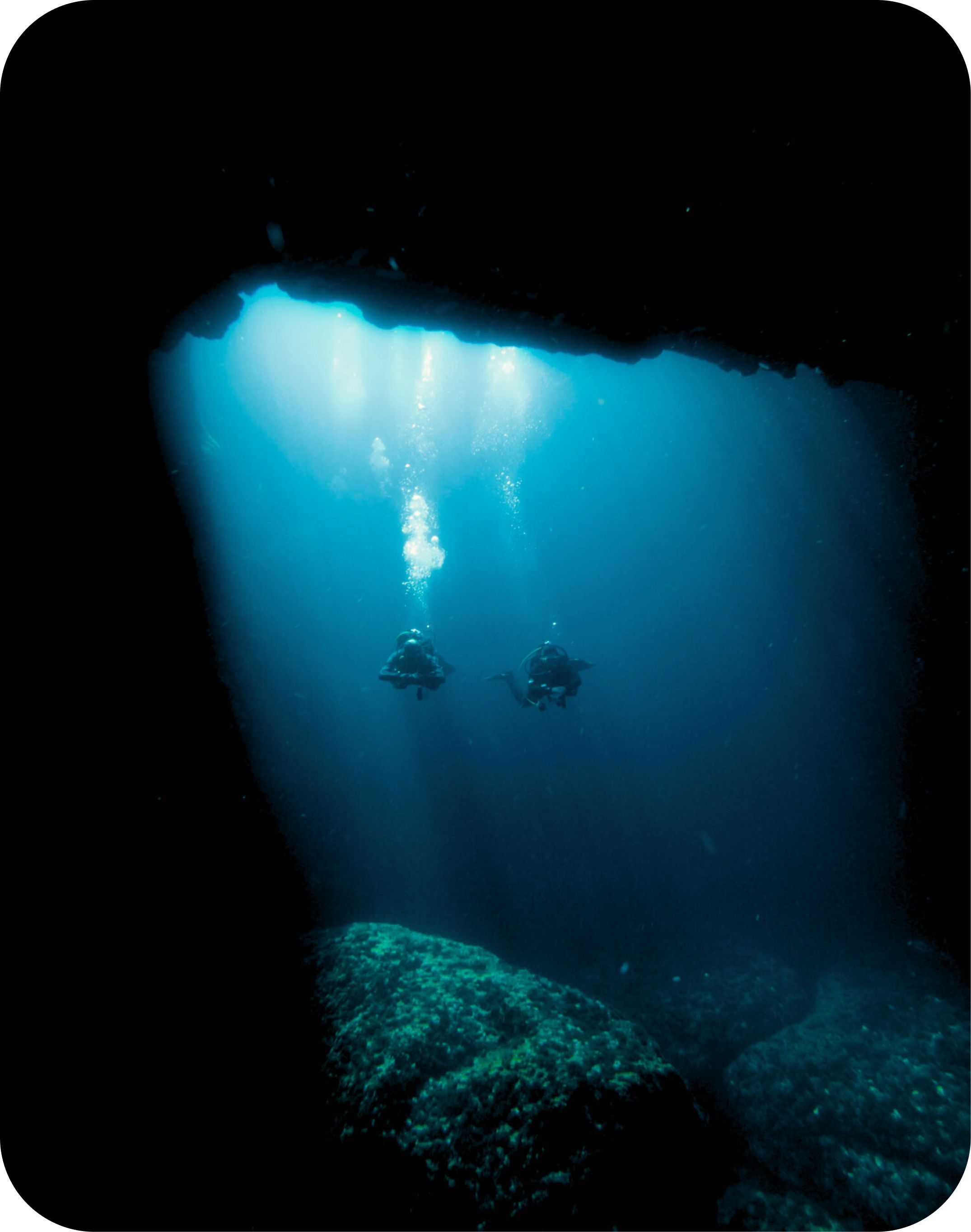
Thresher sharks are open-ocean predators that descend to reef and seamount cleaning stations in the early morning hours, arriving before full daylight and departing as the light strengthens. This behavioural window — typically between 5:30 and 8:00 AM — is what makes thresher shark diving so atmospheric and demanding. Divers must arrive at depth in darkness or pre-dawn light, settle at the cleaning station, and wait in patient silence for animals that operate on their own schedule.
The reward for that patience is one of the most elegant encounters available in recreational diving: a thresher hovering motionless above the cleaning station as small cleaner wrasse attend to its parasites, its extraordinary tail suspended above it in the water column, its skin marbled with silver and white in the diffuse early light.
Malapascua: The Classic Thresher Destination
Malapascua, a small island off the northern tip of Cebu in the Philippines, has been the most famous thresher shark diving destination in the world for over thirty years. The cleaning station at Monad Shoal — a submerged plateau at twenty-five metres depth — has been visited by divers seeking thresher sharks since the late 1980s, and the encounters here are reliably available year-round in a way that no other destination can quite match.
The Monad Shoal threshers are pelagic thresher sharks (Alopias pelagicus), the most commonly encountered of the three thresher species. Multiple individuals attend the cleaning station on most mornings, and on peak days, divers may see four to six sharks during a single dive. The proximity of the encounters — threshers will sometimes pass within three to four metres of stationary divers — makes Malapascua the benchmark for accessible thresher photography.
Alor: Indonesia's Thresher Frontier
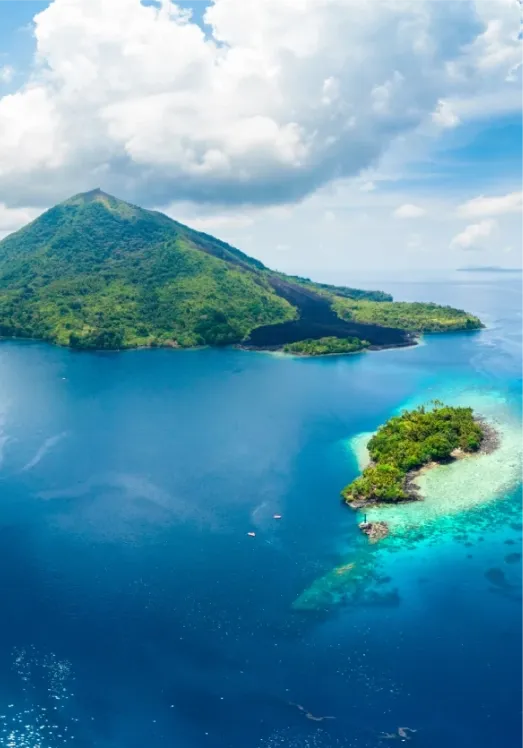
While Malapascua dominates the thresher shark conversation, Alor in eastern Indonesia offers encounters that rival and in some ways exceed those of the Philippine benchmark. The volcanic seamounts around Alor are cleaning stations for thresher sharks that appear to be larger than their Malapascua counterparts on average, and the additional context of extraordinary macro diving and the remote wilderness environment of eastern Indonesia makes an Alor thresher encounter feel genuinely special.
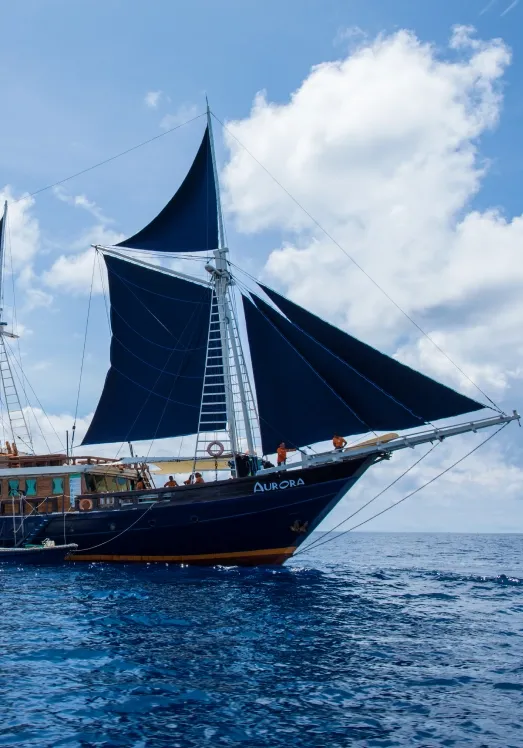
The best thresher sites around Alor include seamounts off the north coast of the island that are accessible by liveaboard and require early morning dives. Unlike Malapascua, where the site has been extensively developed for day-trip diving, Alor's thresher seamounts see very few divers and the animals have not been habituated to large groups. This makes for less predictable but more intimate encounters — when a thresher appears at an Alor seamount, it is in full open-ocean behaviour rather than habituated attendance.
Three Species of Thresher Shark
Three species of thresher shark are recognised by science, and divers in the Indo-Pacific may encounter any of them, though pelagic thresher encounters are most common.
- Pelagic thresher (Alopias pelagicus) — the most commonly seen at cleaning stations; slender, large eyes, found throughout the Indo-Pacific
- Common thresher (Alopias vulpinus) — the largest species, found in temperate and tropical oceans worldwide; rarely seen by divers
- Bigeye thresher (Alopias superciliosus) — characterised by enormous eyes adapted for deep-water hunting; occasionally seen at depth in the Indo-Pacific
Diving Technique for Thresher Encounters
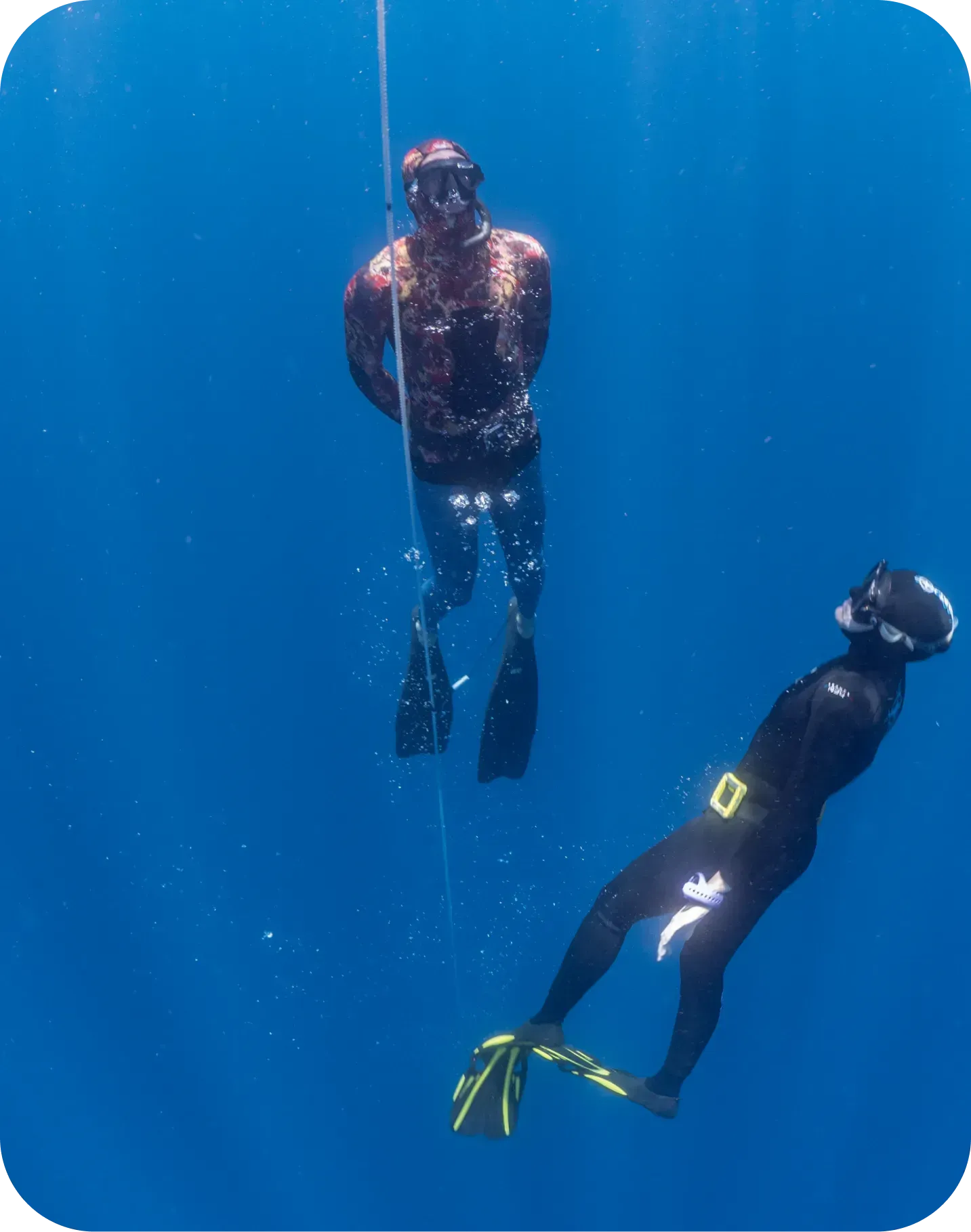
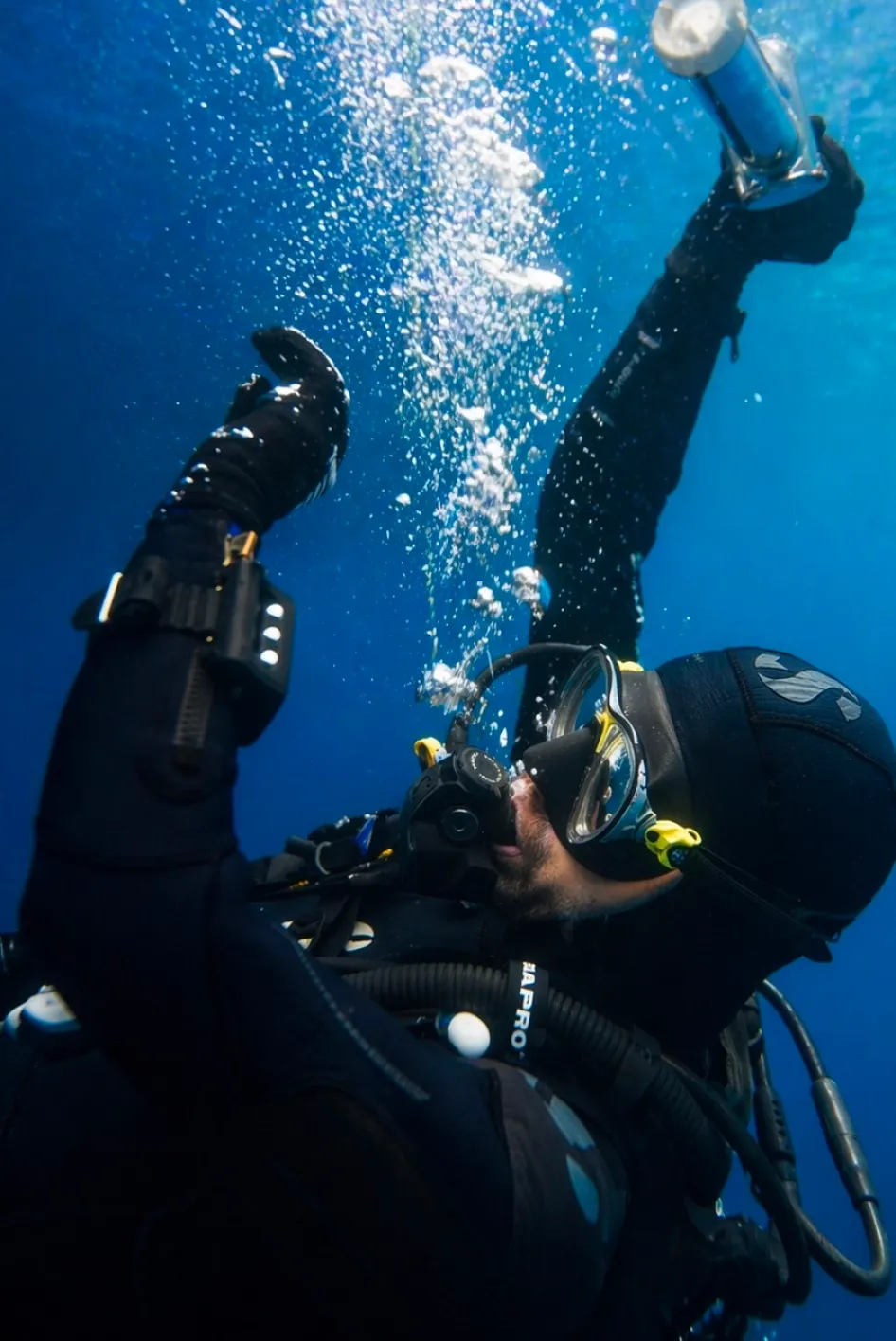
Successful thresher shark diving requires specific technique and discipline that differs from general reef diving. The most important principle is absolute stillness — any movement from divers approaching or repositioning during a thresher visit will cause the shark to abort its cleaning session and retreat to open water. This is not an animal that tolerates disturbance.
- Arrive at the cleaning station before dawn and settle quietly on the bottom
- Position yourself in the lee of a coral structure to reduce silhouette
- Control your breathing — reduce bubble frequency to minimum
- Do not approach the shark; allow it to come to the cleaning station
- Torch lights should be avoided; use ambient light only at the station
Photography at thresher sites requires pre-focussed wide-angle setups — there is rarely time to adjust settings once a shark appears. Manual white balance settings for the blue water conditions, pre-set exposure compensation, and a reliable autofocus system all contribute to consistent results.
Conservation Status and Threats
All three species of thresher shark are classified as Vulnerable or Endangered on the IUCN Red List. Threshers are highly valued in the shark fin trade, and their tendency to aggregate at predictable cleaning stations makes them vulnerable to targeted fishing. The development of marine protected areas around known cleaning stations — like those protecting Monad Shoal at Malapascua — is critical to the long-term survival of these populations.
DUNE is committed to shark conservation advocacy and works exclusively with operators who refuse to serve shark fin products and who actively support local marine protection initiatives. When you book a thresher shark diving expedition with DUNE, part of your investment contributes to the conservation programmes that protect these extraordinary animals.
Book Your Thresher Shark Diving with DUNE
Whether you choose Malapascua for its reliability and accessibility or Alor for its wilderness character and additional diving riches, DUNE can plan the perfect thresher shark diving expedition for your experience level and interests. Our team has extensive first-hand knowledge of both destinations and can advise on optimal seasons, specific seamount locations, and the dive technique that maximises your chances of a memorable encounter.
Contact DUNE today to discuss your thresher shark diving plans and let us design the expedition of a lifetime.