










Exploring the Biodiversity of the Red Sea Coral Reefs
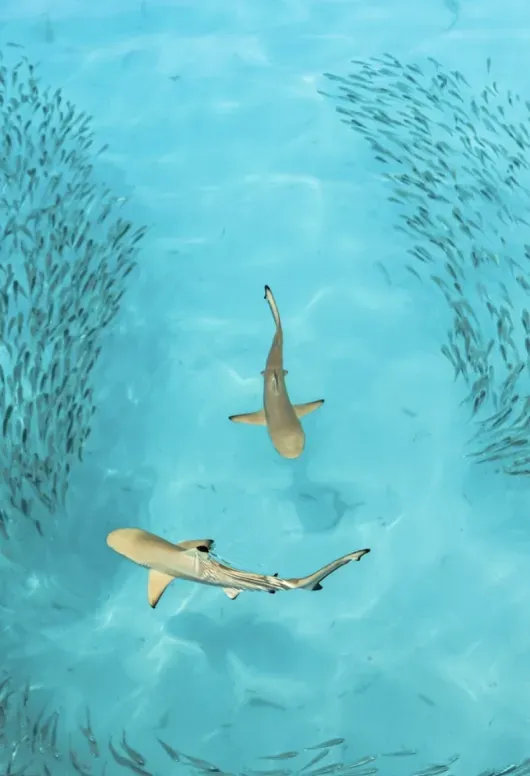
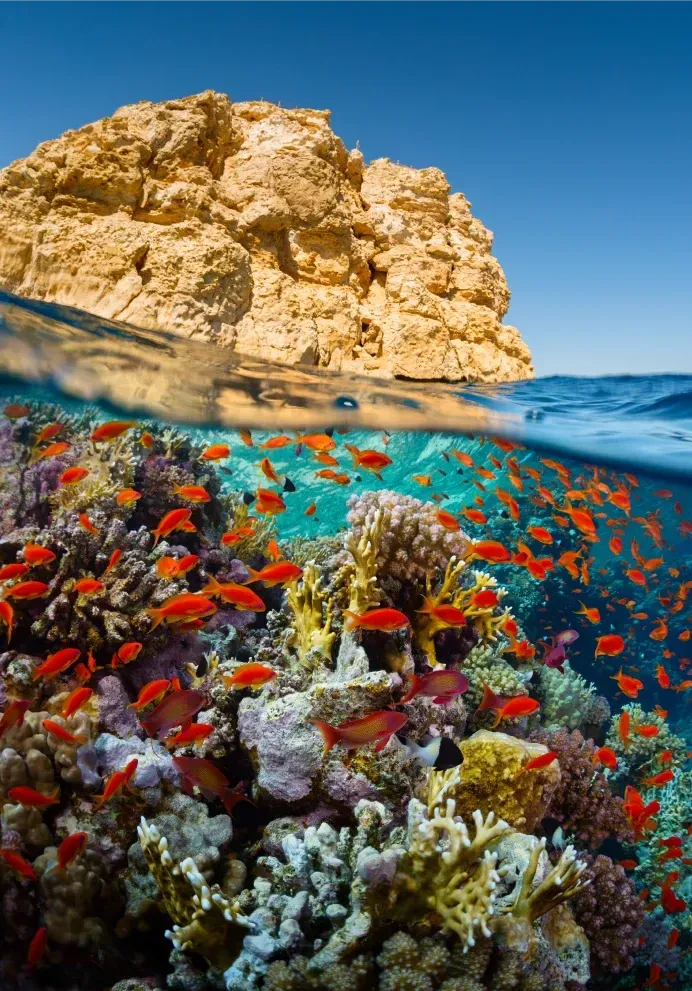
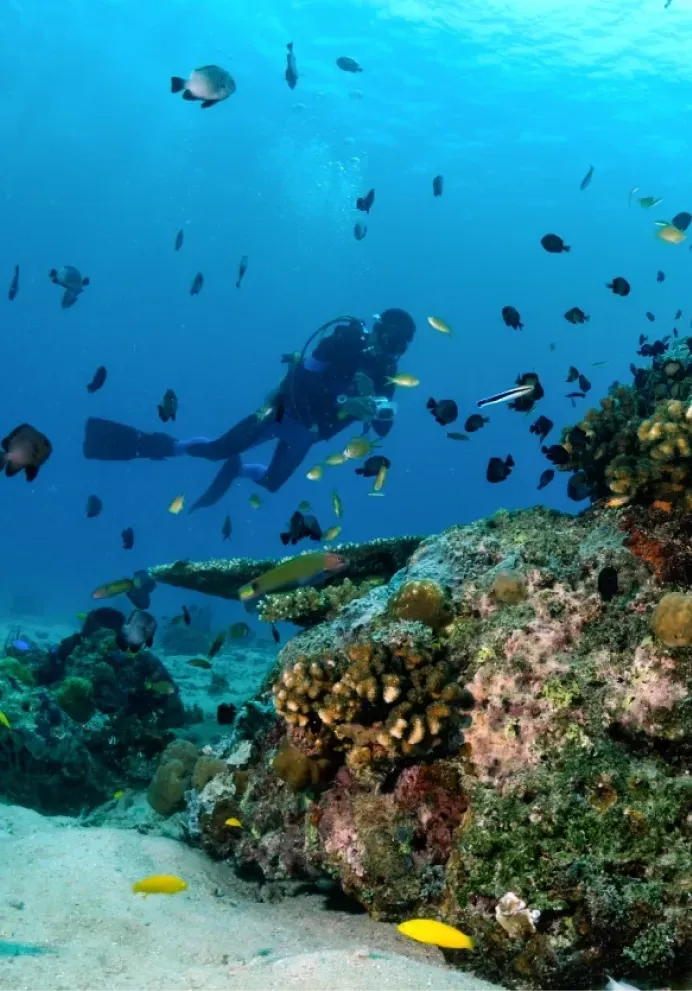
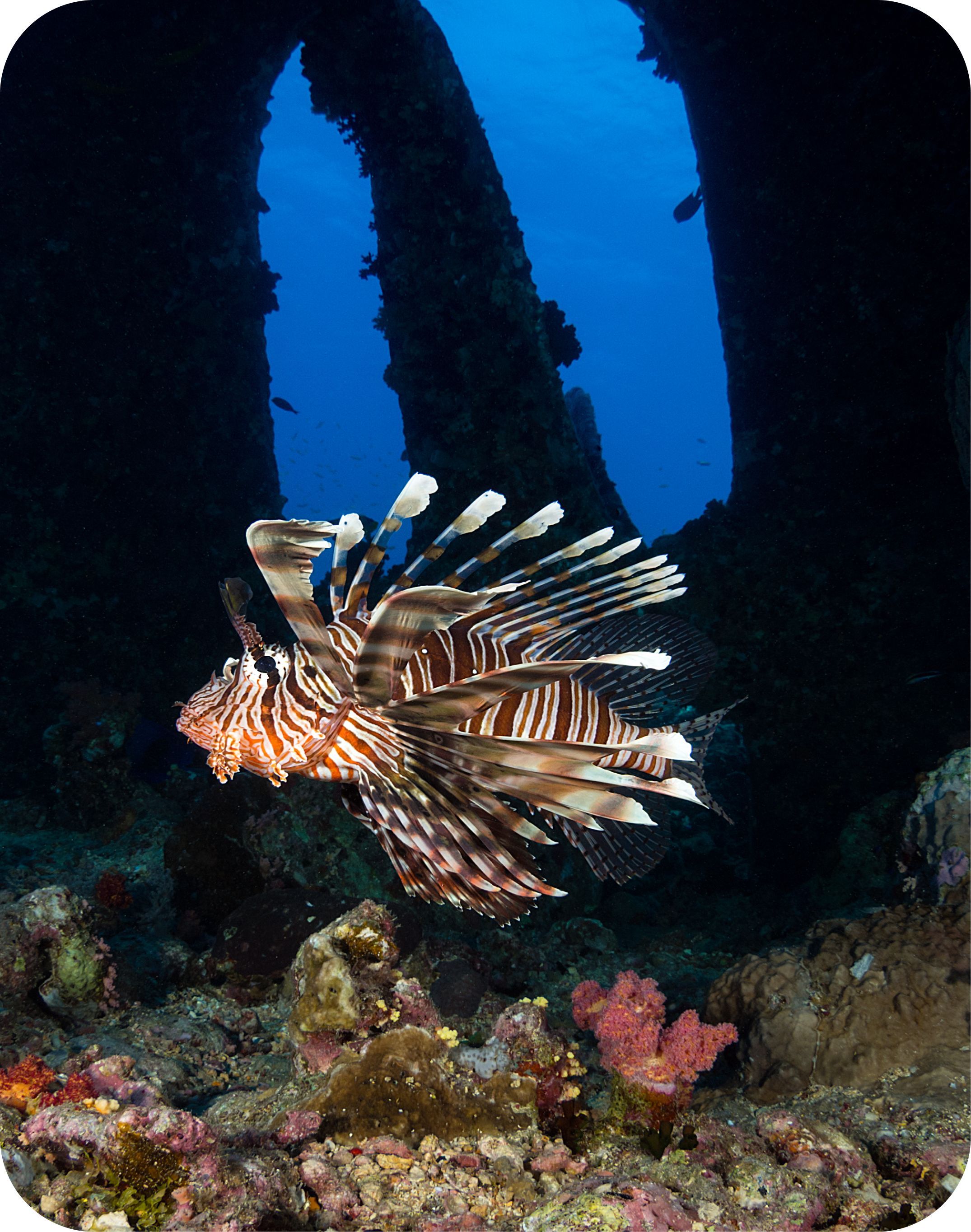
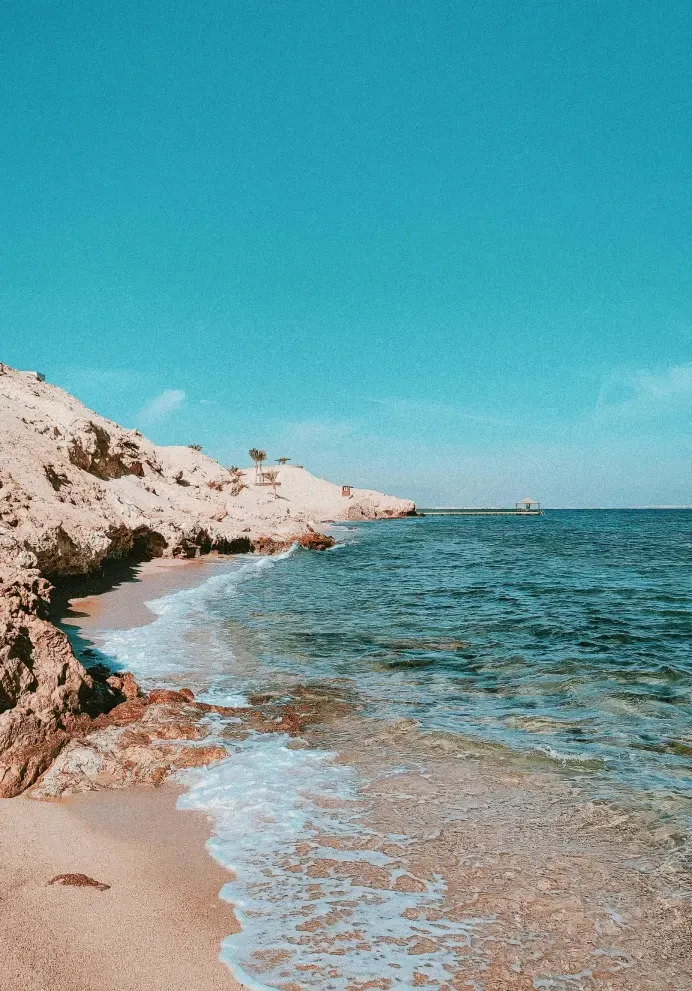
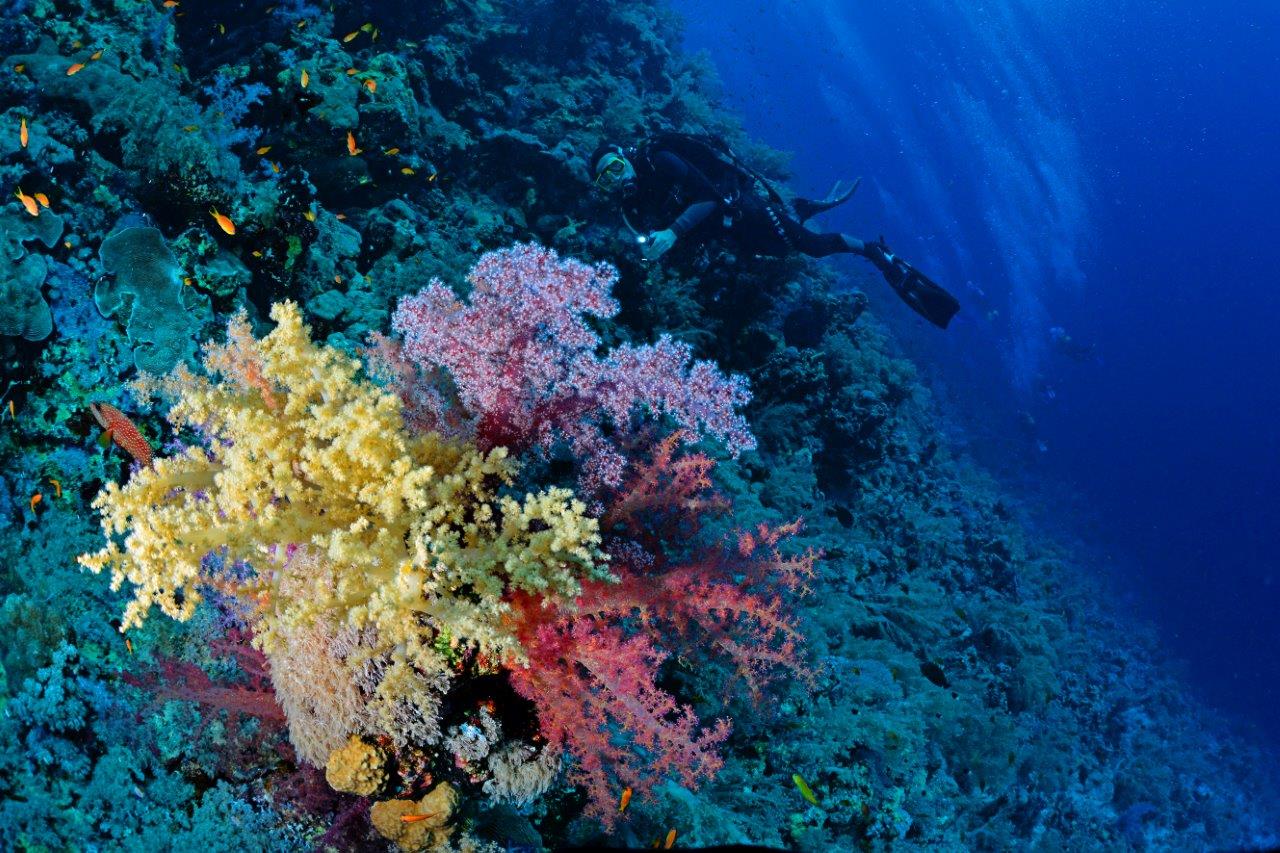
The Red Sea is renowned for its rich biodiversity, home to over 300 species of coral and more than 1,200 species of fish. This unique marine environment offers divers a glimpse into a vibrant underwater world teeming with life. The coral reefs serve not only as a stunning backdrop for diving adventures but also as critical habitats for countless marine species.
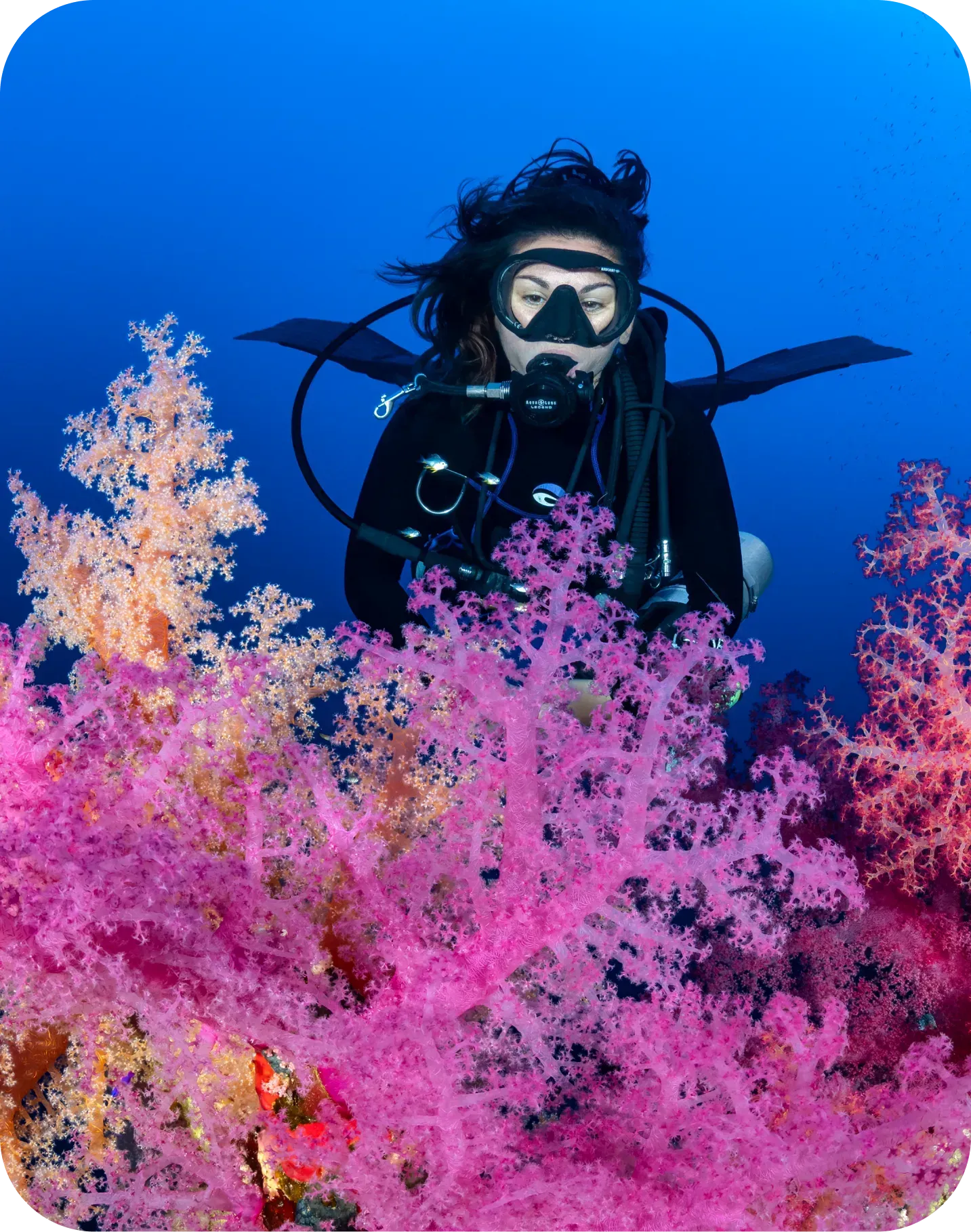
Among the various types of corals, the distinctions between hard and soft corals are notable. Hard corals, also known as stony corals, are primarily responsible for building the reef structure. They form intricate calcareous skeletons that provide stability and habitat for other marine life. Soft corals, on the other hand, do not produce a hard skeleton but are equally crucial for the ecosystem. They sway gracefully with the current, creating a stunning visual display while providing shelter and food for various creatures.
Key Reef Formations and Their Inhabitants
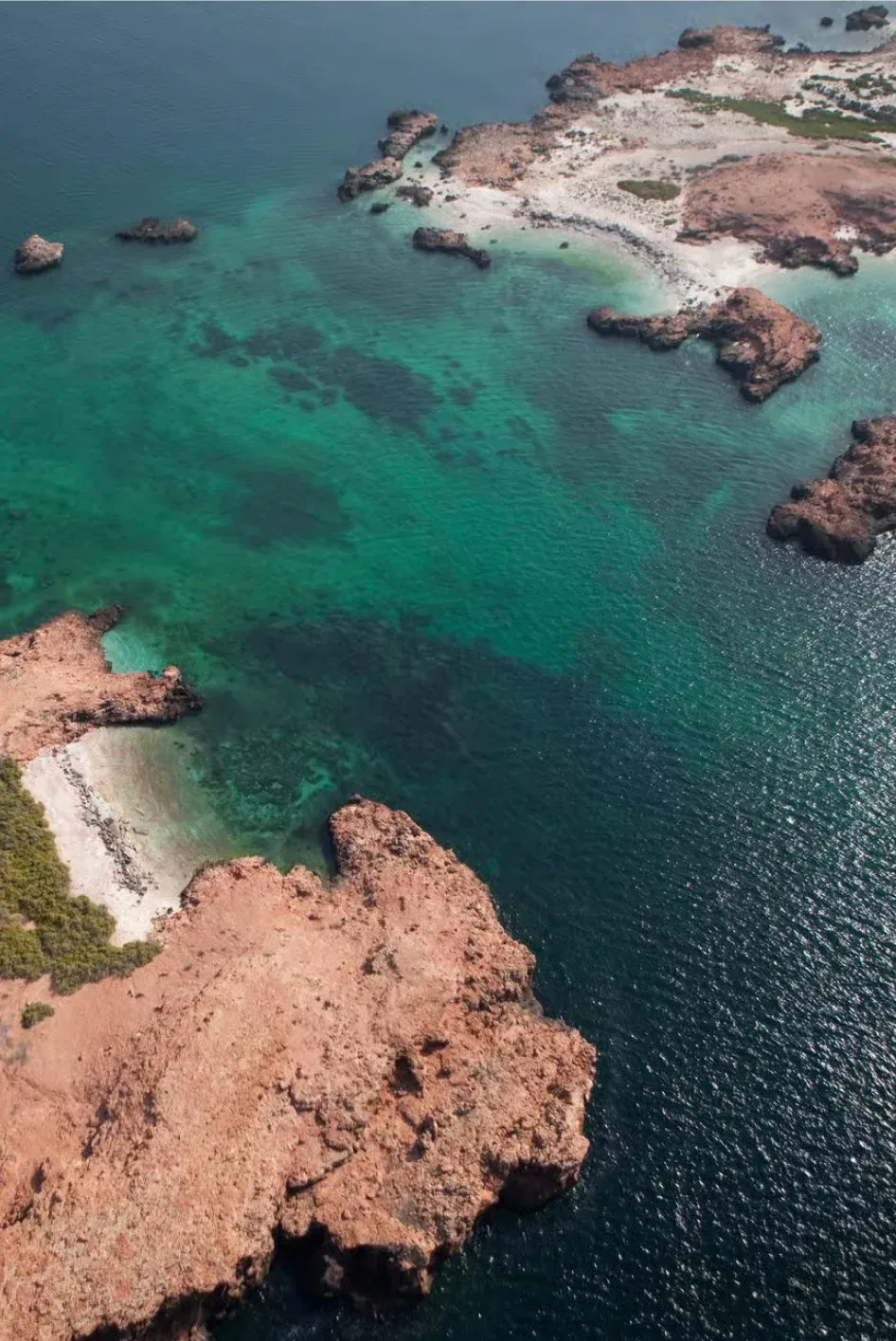
The coral formations in the Red Sea are among the most spectacular on the planet. From bustling reef slopes to tranquil lagoons, each formation offers a unique diving experience. Some of the most notable formations include:
- Fringing Reefs: These reefs are directly attached to the shore and are often characterised by a shallow lagoon. They support a diverse array of marine life and are easily accessible for divers.
- Barrier Reefs: Situated further offshore, barrier reefs form a protective barrier between the open sea and the coastline. They are often larger and more complex, providing habitats for a wider variety of species.
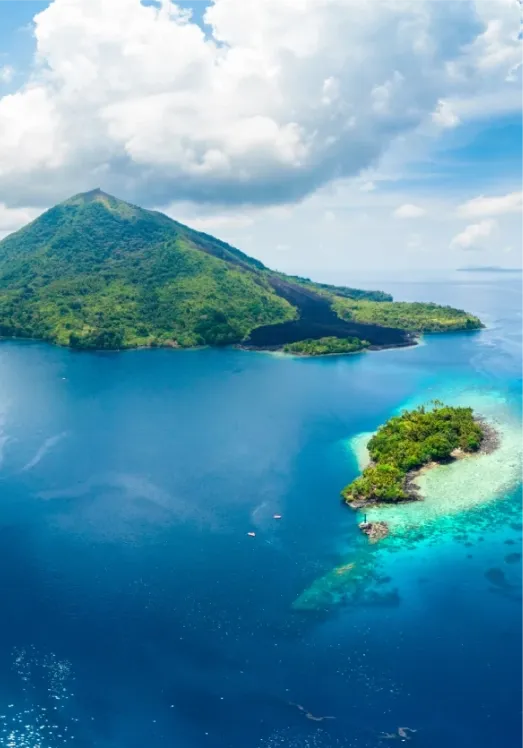
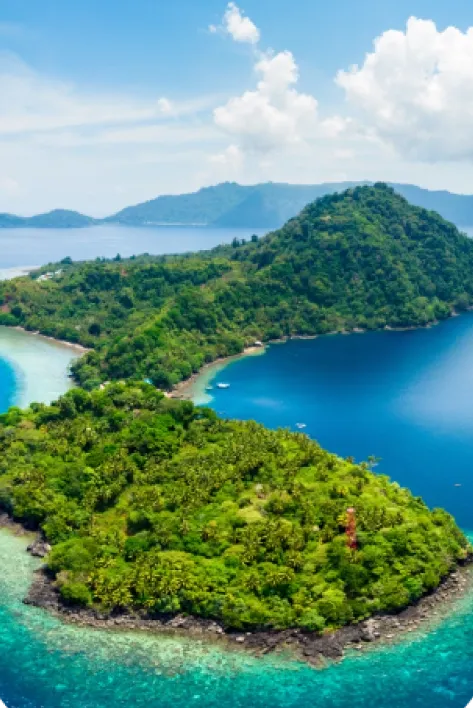
- Atolls: Circular coral reefs that encircle a lagoon, atolls are formed as volcanic islands subside. These formations are typically rich in biodiversity and can be some of the most pristine diving locations.
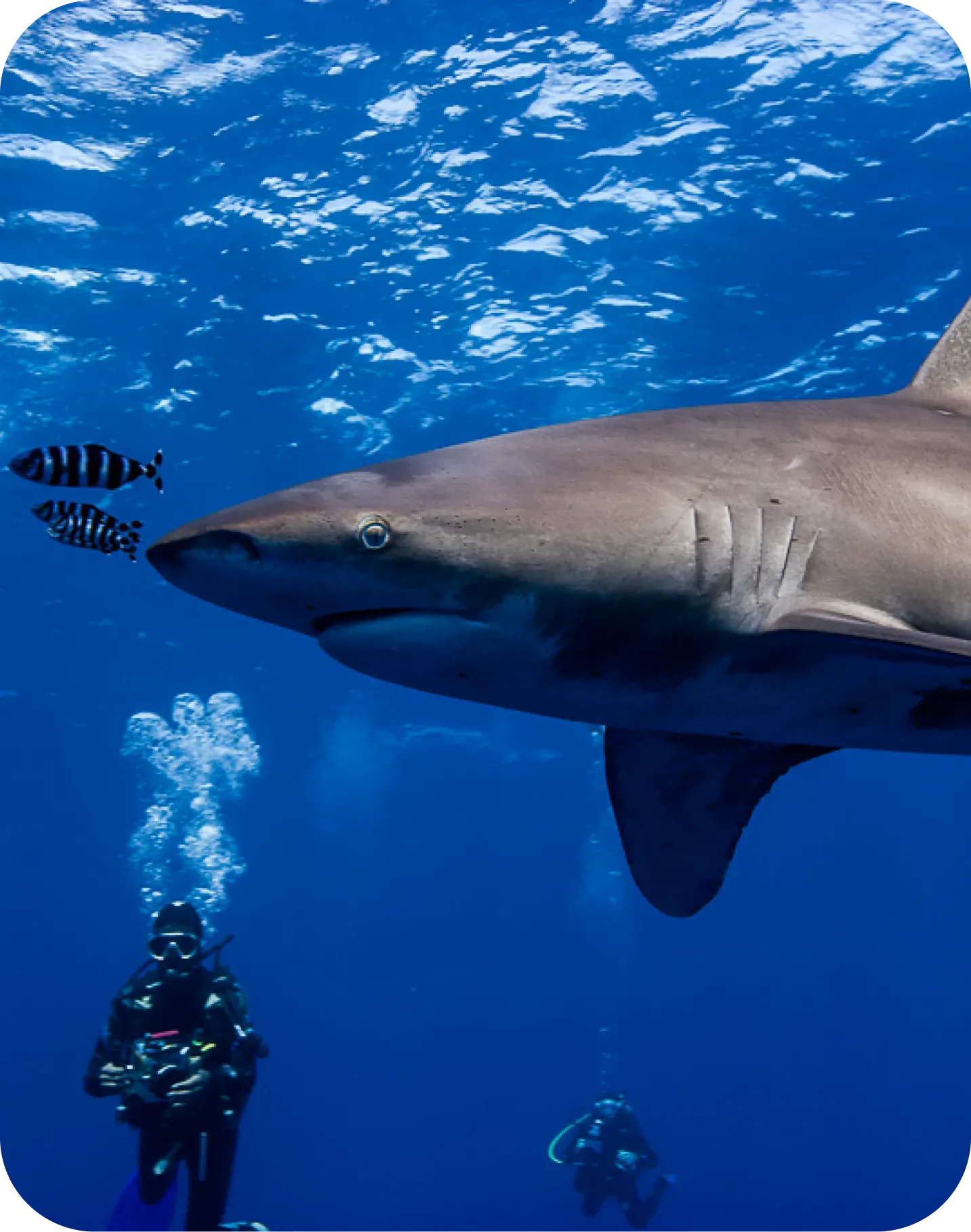
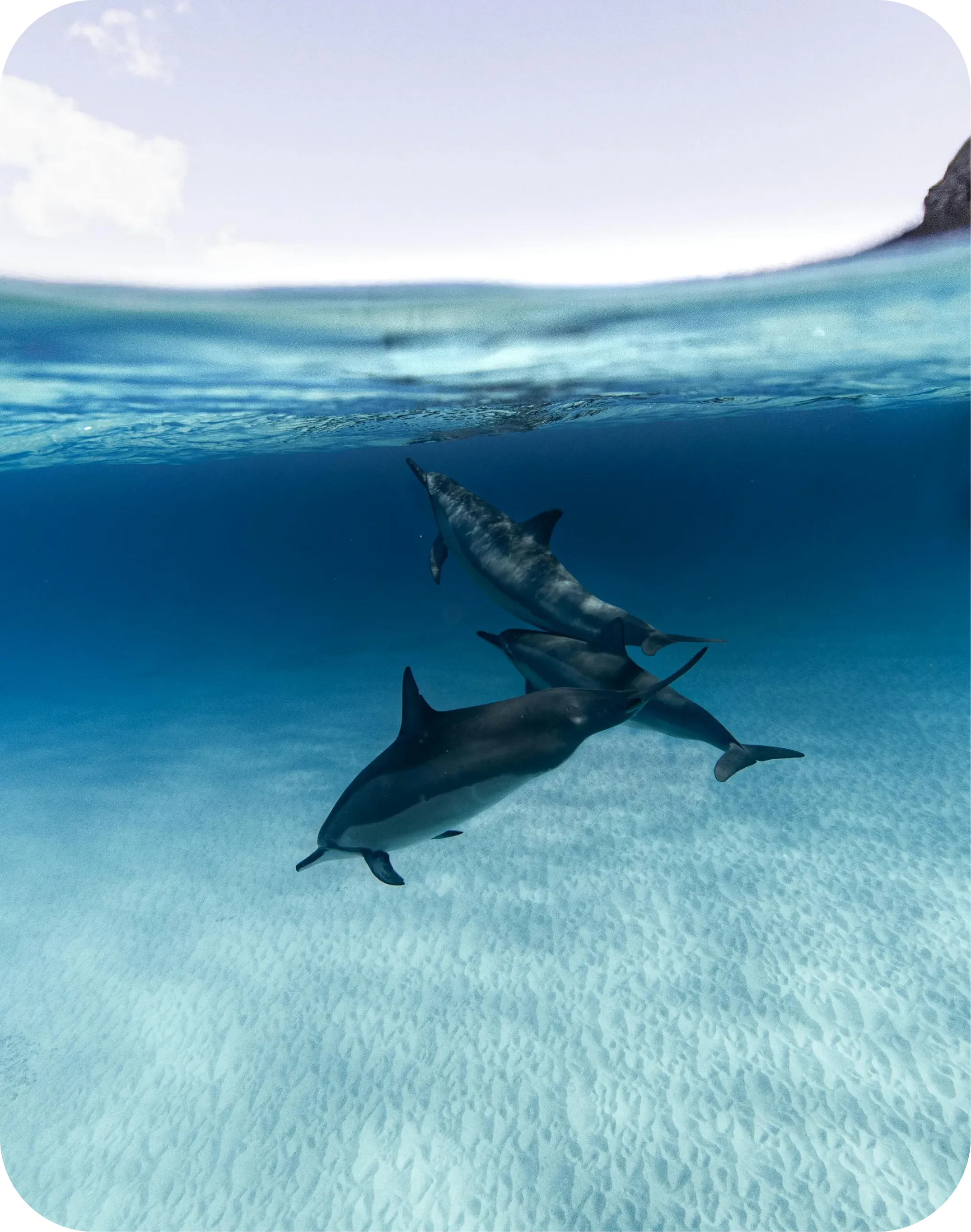
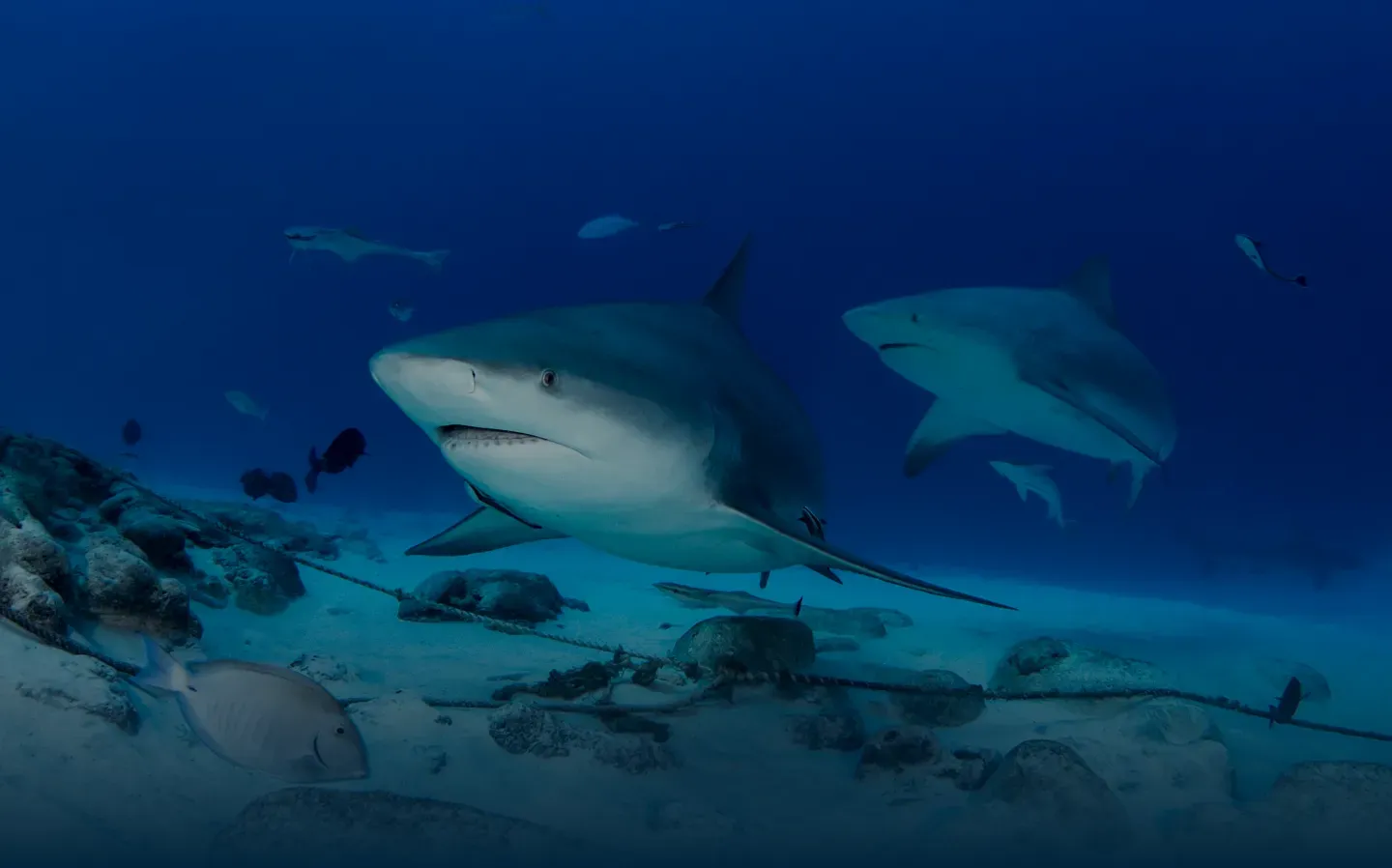
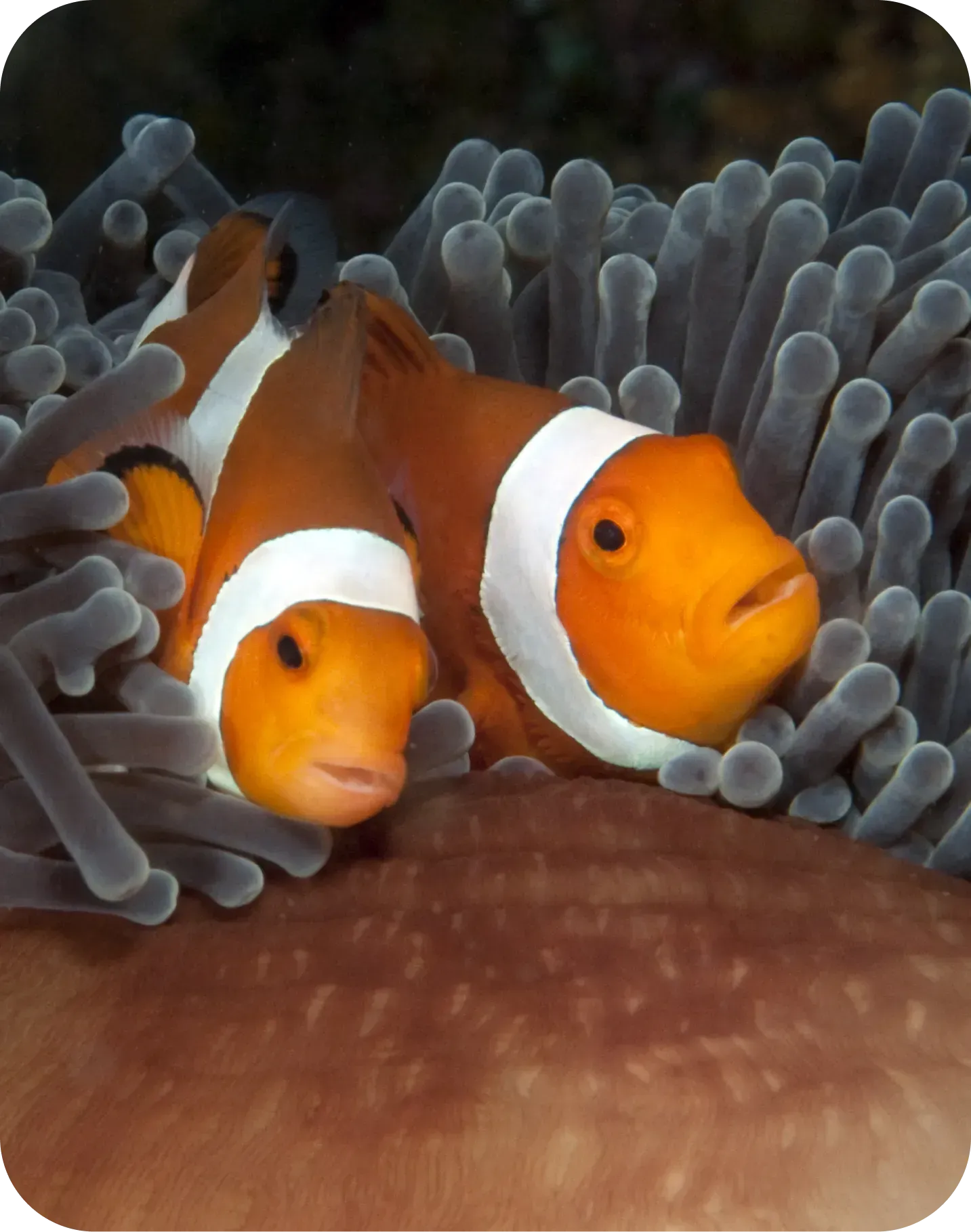
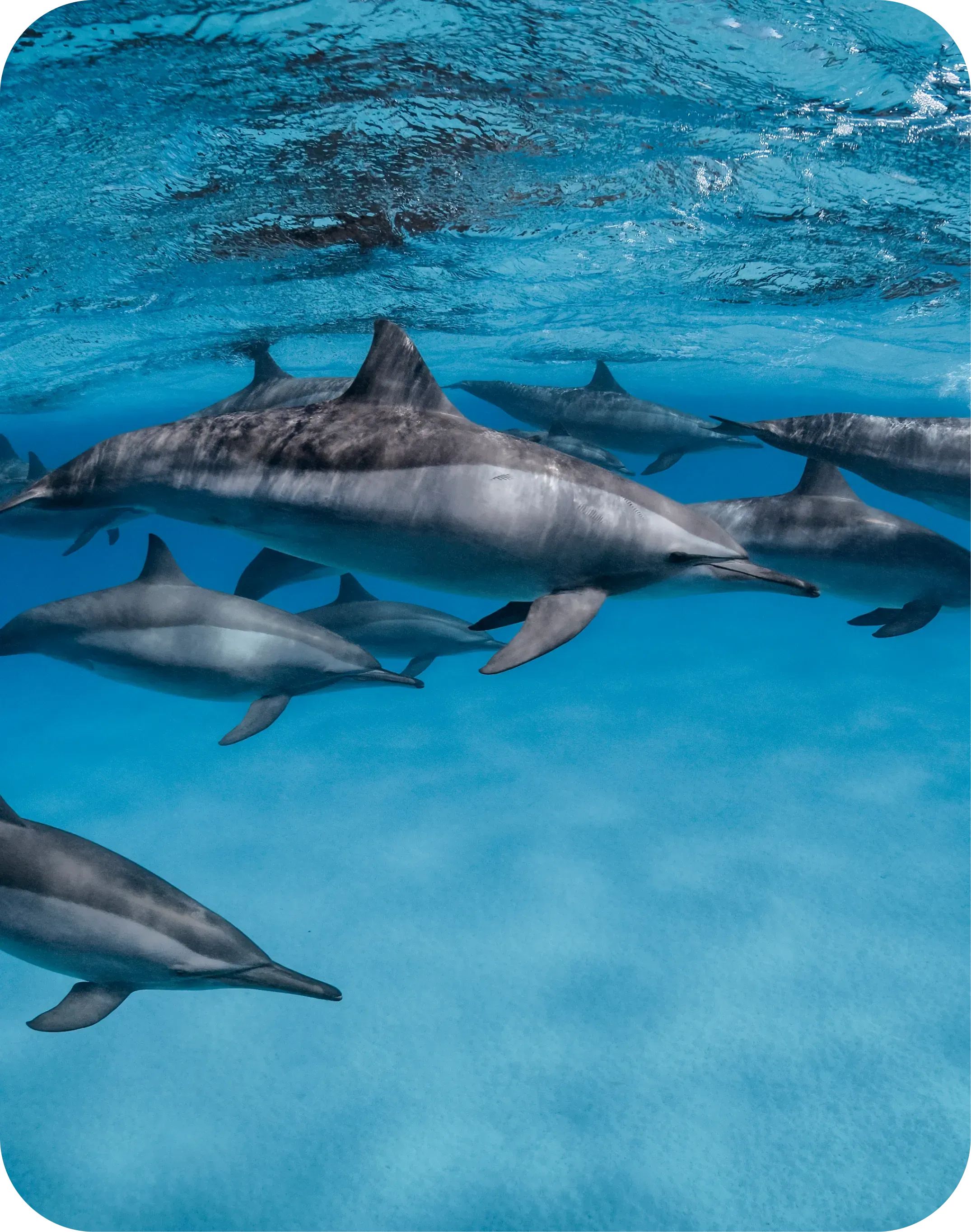
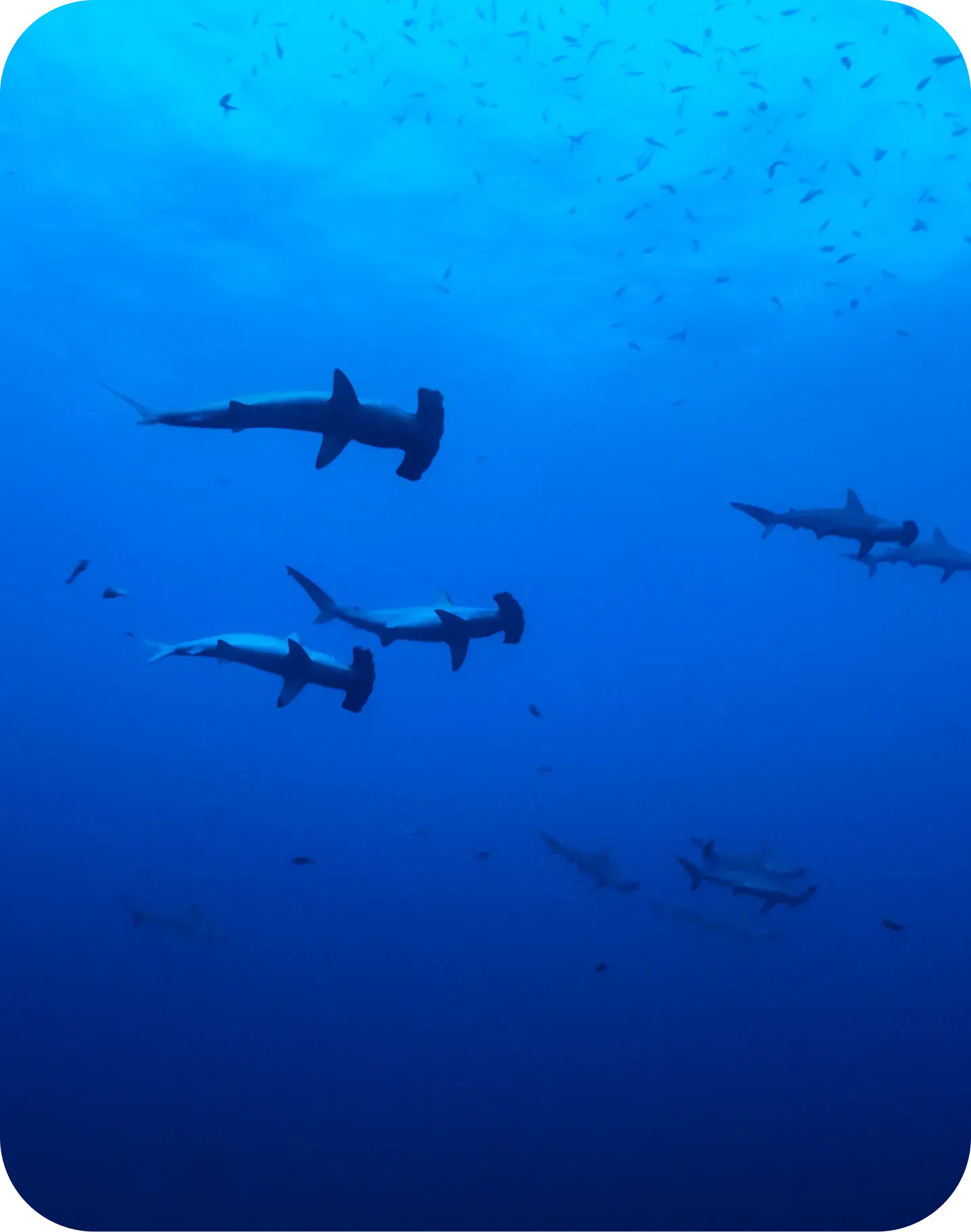
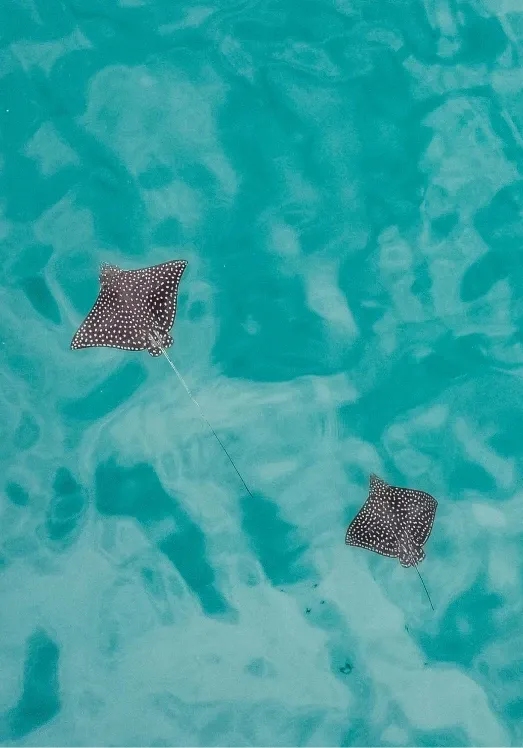
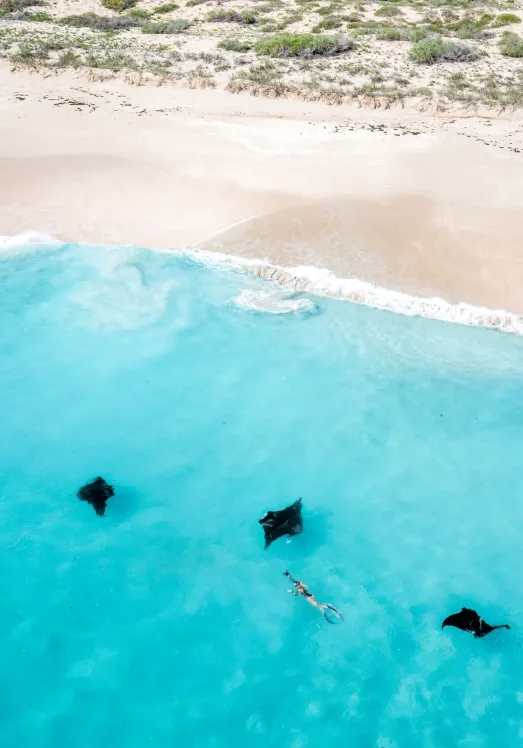
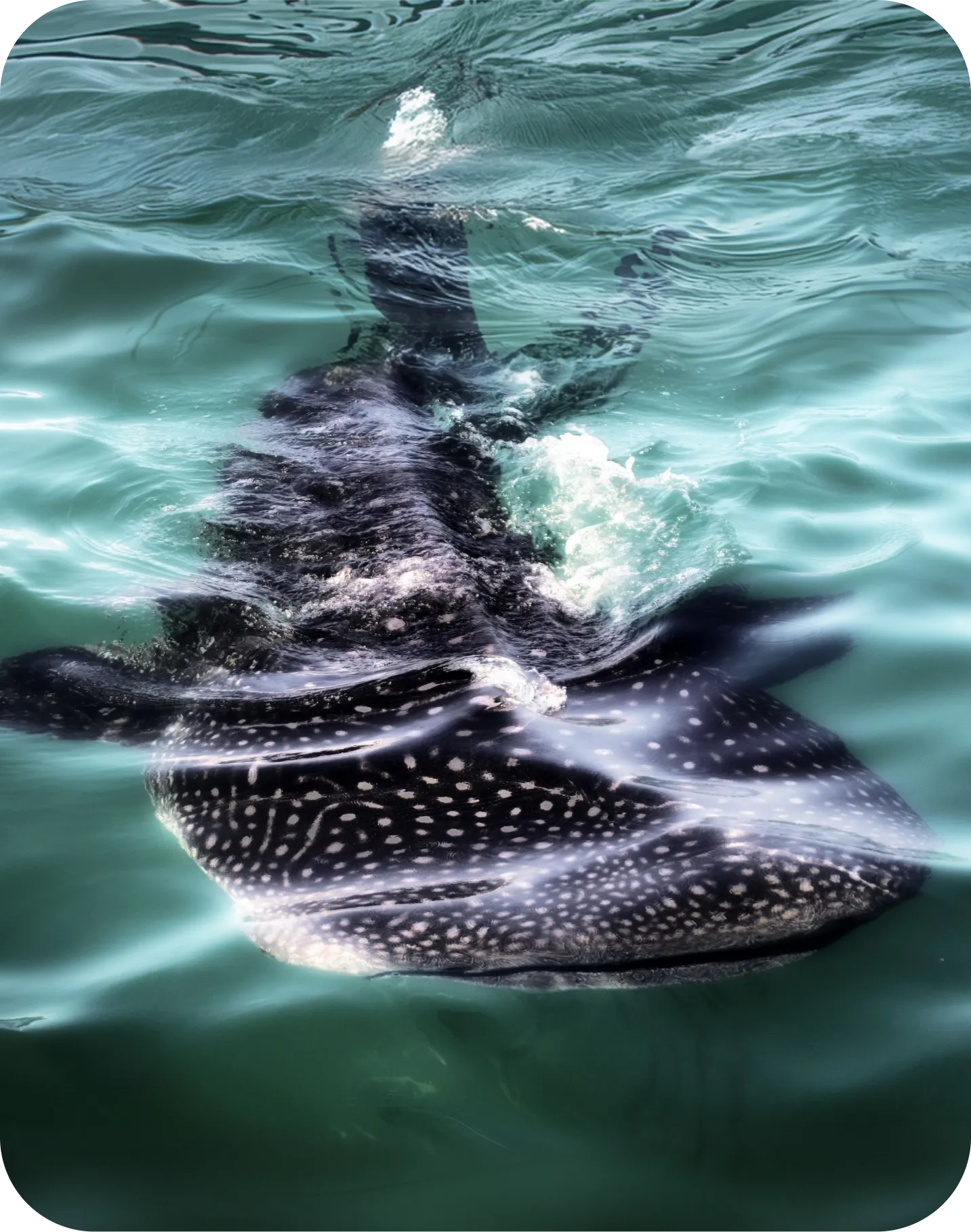
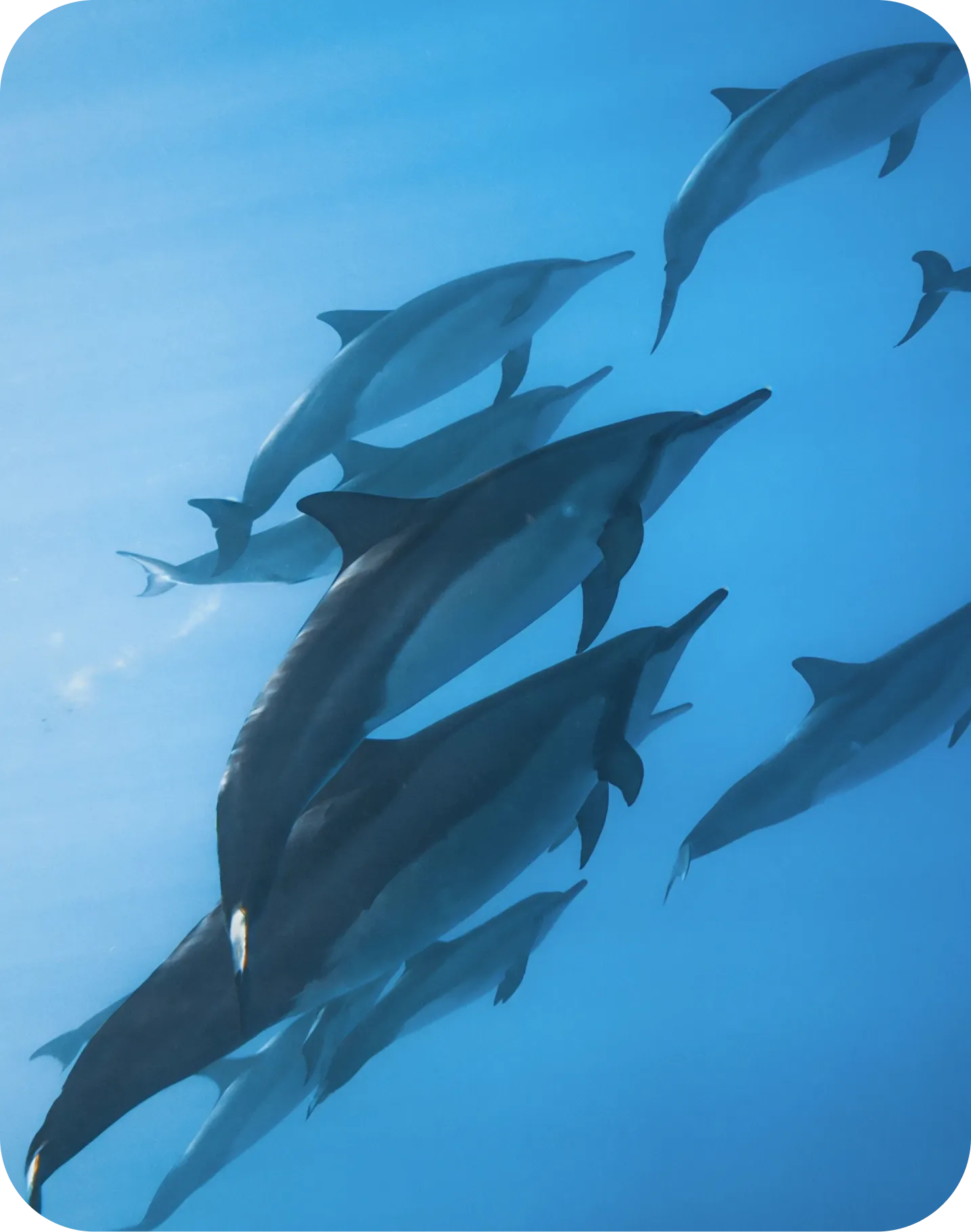
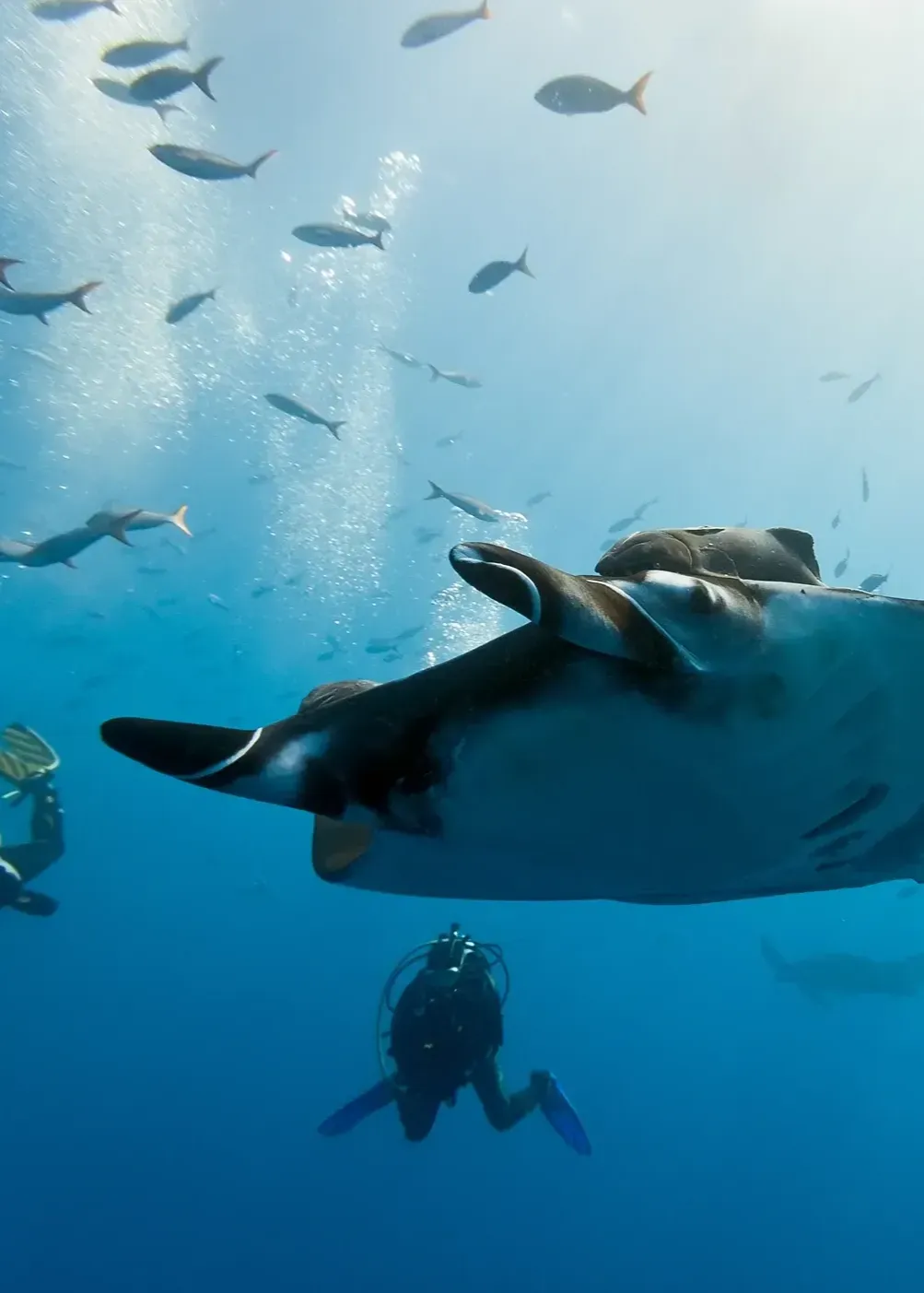
Each of these formations plays host to an astonishing variety of marine life. Divers can encounter everything from vibrant clownfish darting among anemones to majestic manta rays gliding gracefully through the water.
Endemic Species: A Treasure Trove for Divers
The Red Sea is home to numerous endemic species, including unique varieties of fish and corals that are not found anywhere else in the world. One such example is the mesmerizing Napoleon Wrasse, easily recognised by its large size and distinctive hump. Other notable species include the Red Sea Clownfish and the Emperor Angelfish, both of which add to the vibrant tapestry of life beneath the waves.
These endemic species contribute significantly to the overall biodiversity of the region, making the Red Sea a prime destination for divers eager to witness these remarkable creatures in their natural habitat.
The Threats Facing Coral Reefs
Despite their beauty and ecological importance, the coral reefs of the Red Sea are under significant threat from various factors. One of the most pressing issues is coral bleaching, a phenomenon caused by rising sea temperatures and environmental stressors. When corals are stressed, they expel the symbiotic algae that provide them with colour and nourishment, leading to a stark white appearance and, ultimately, death if conditions do not improve.
Climate change is a major driver of these rising temperatures, with projections indicating that without significant intervention, coral reefs worldwide could decline by more than 70% by 2050. Other threats include:
- Pollution: Runoff from coastal development, agriculture, and tourism can introduce harmful substances into the marine environment, leading to degradation of coral health.
- Overfishing: Unsustainable fishing practices disrupt marine ecosystems and can lead to the decline of key species necessary for reef health.
- Coastal Development: Expanding urban areas can lead to habitat destruction and increased sedimentation, which smothers corals and reduces their ability to thrive.
Protected Areas: Safeguarding the Red Sea's Treasures
In recognition of the threats faced by coral reefs, several areas within the Red Sea have been designated as protected zones. Ras Mohamed National Park is a prime example, renowned for its stunning coral gardens and vibrant marine life. This park not only offers divers a chance to explore some of the best-preserved reefs in the region but also plays a crucial role in conservation efforts.
Protected areas like Ras Mohamed help to mitigate the impacts of human activity on fragile ecosystems. By limiting fishing and other potentially harmful practices, these zones provide a refuge for marine life, allowing populations to recover and thrive.
Responsible Diving Practices: Protecting the Underwater World
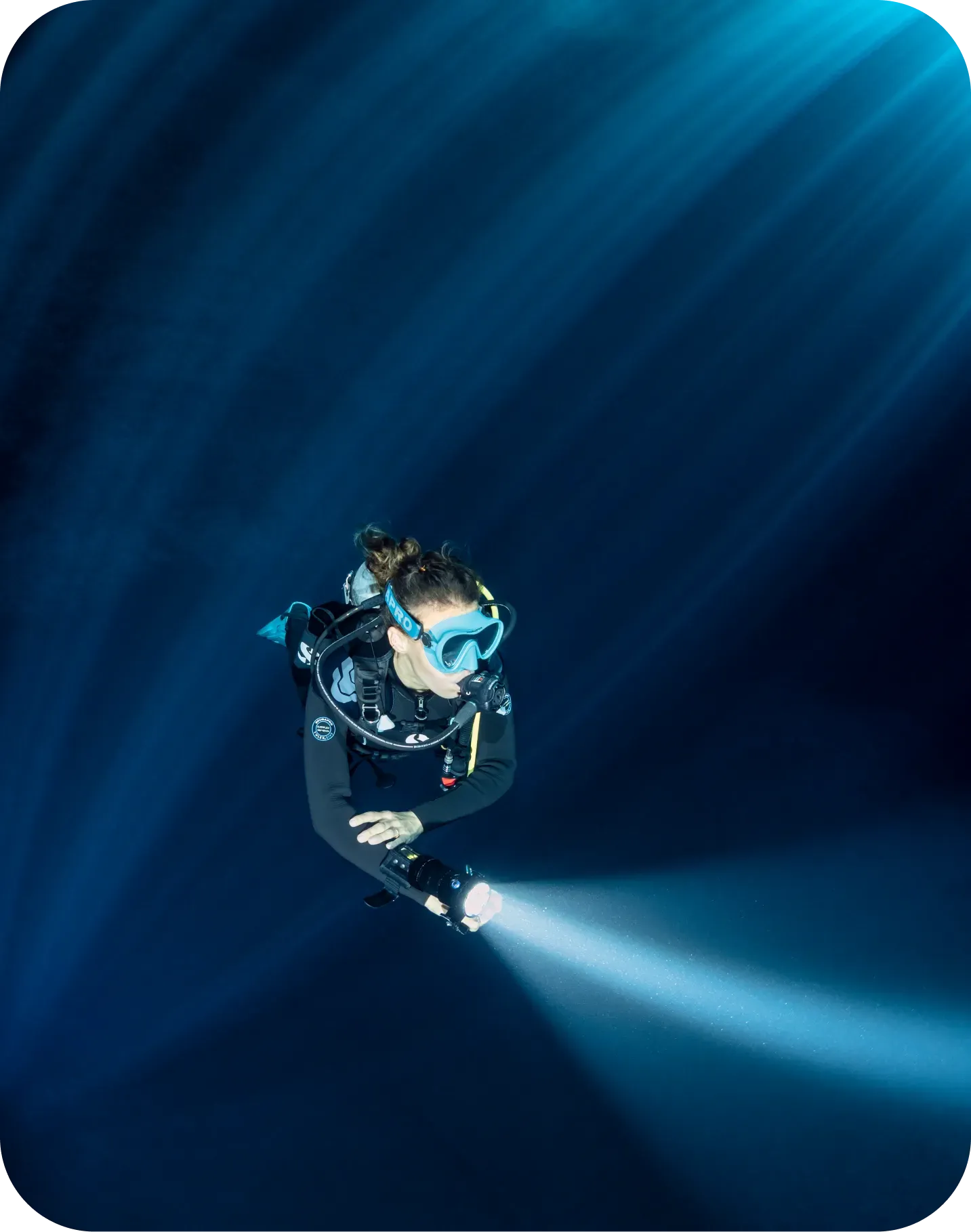
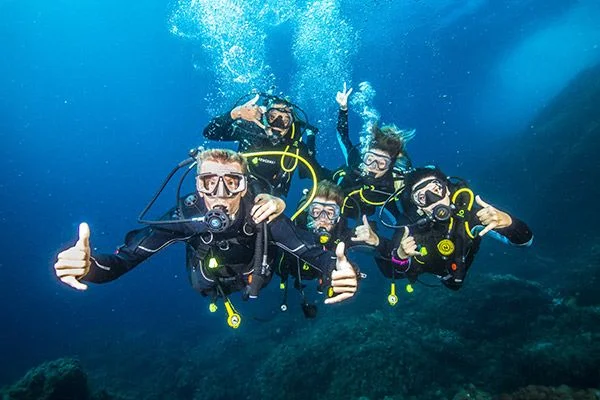
As divers, we have a critical role to play in the preservation of coral reefs. By adopting responsible diving practices, we can help minimise our impact on these delicate ecosystems. Here are some essential practices to consider:
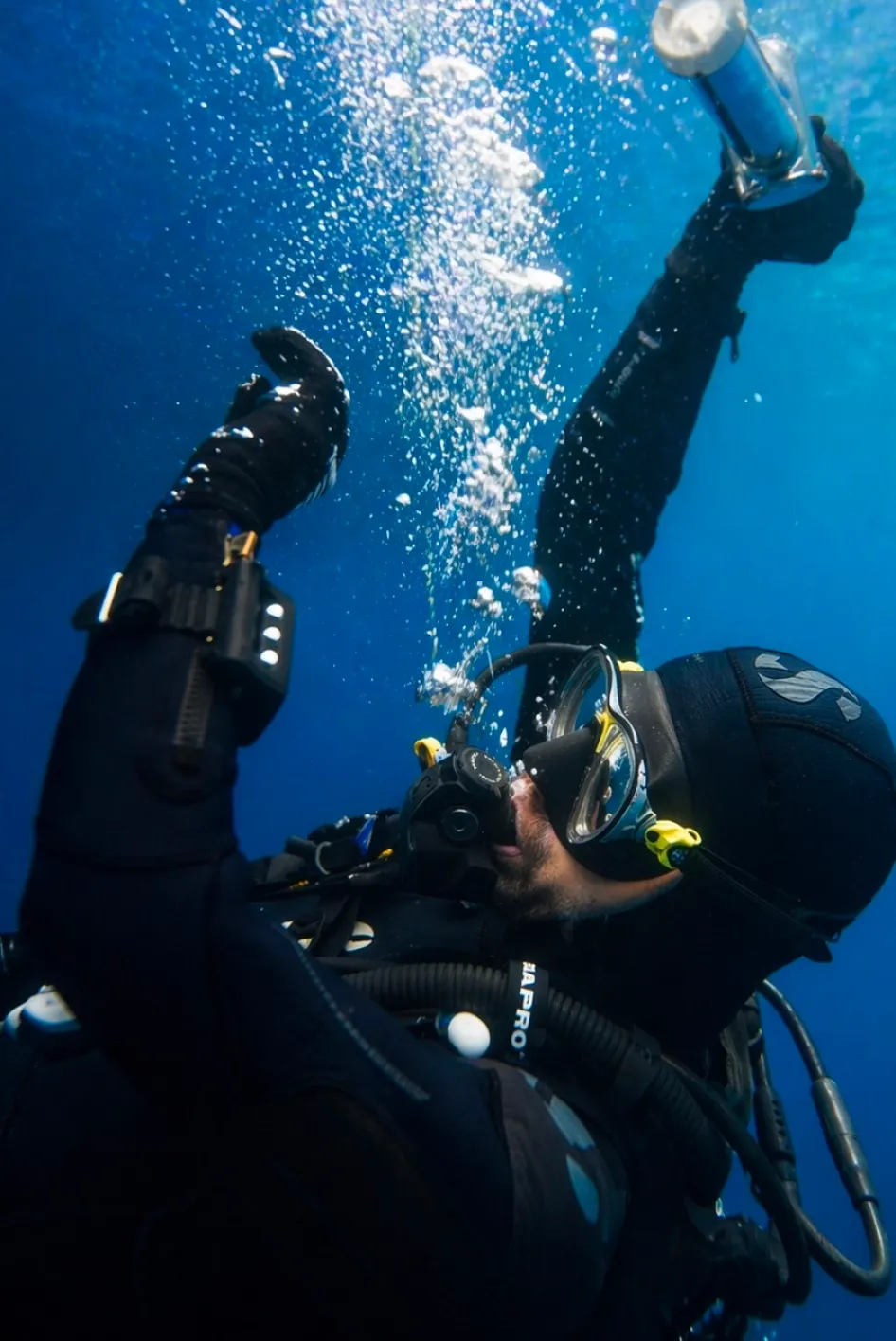
- Maintain Buoyancy Control: Poor buoyancy can lead to accidental contact with corals, causing damage. Practising buoyancy control will help you hover above the reef without disturbing it.
- Avoid Touching Coral: Coral is fragile, and even light contact can harm it. Make a conscious effort to keep your hands and equipment away from the reef.
- Choose Eco-Friendly Operators: Opt for diving companies that prioritise sustainability and conservation efforts, like DUNE, which is committed to protecting marine environments.
- Educate Yourself and Others: Understanding the marine environment and its challenges can empower you to advocate for its protection. Share your knowledge with fellow divers and encourage them to adopt responsible practices.
DUNE's Commitment to Sustainability
DUNE is proud to be at the forefront of sustainable diving practices in the Red Sea. Since our inception in 1998, we have dedicated ourselves to not only providing exceptional diving experiences but also ensuring the protection of the precious marine ecosystems we explore.
Our commitment to sustainability includes:
- Environmental Education: We provide our divers with information on local marine life and conservation efforts, fostering a deeper appreciation for the underwater world.
- Support for Conservation Initiatives: DUNE actively participates in and supports various conservation projects aimed at protecting coral reefs and marine biodiversity.
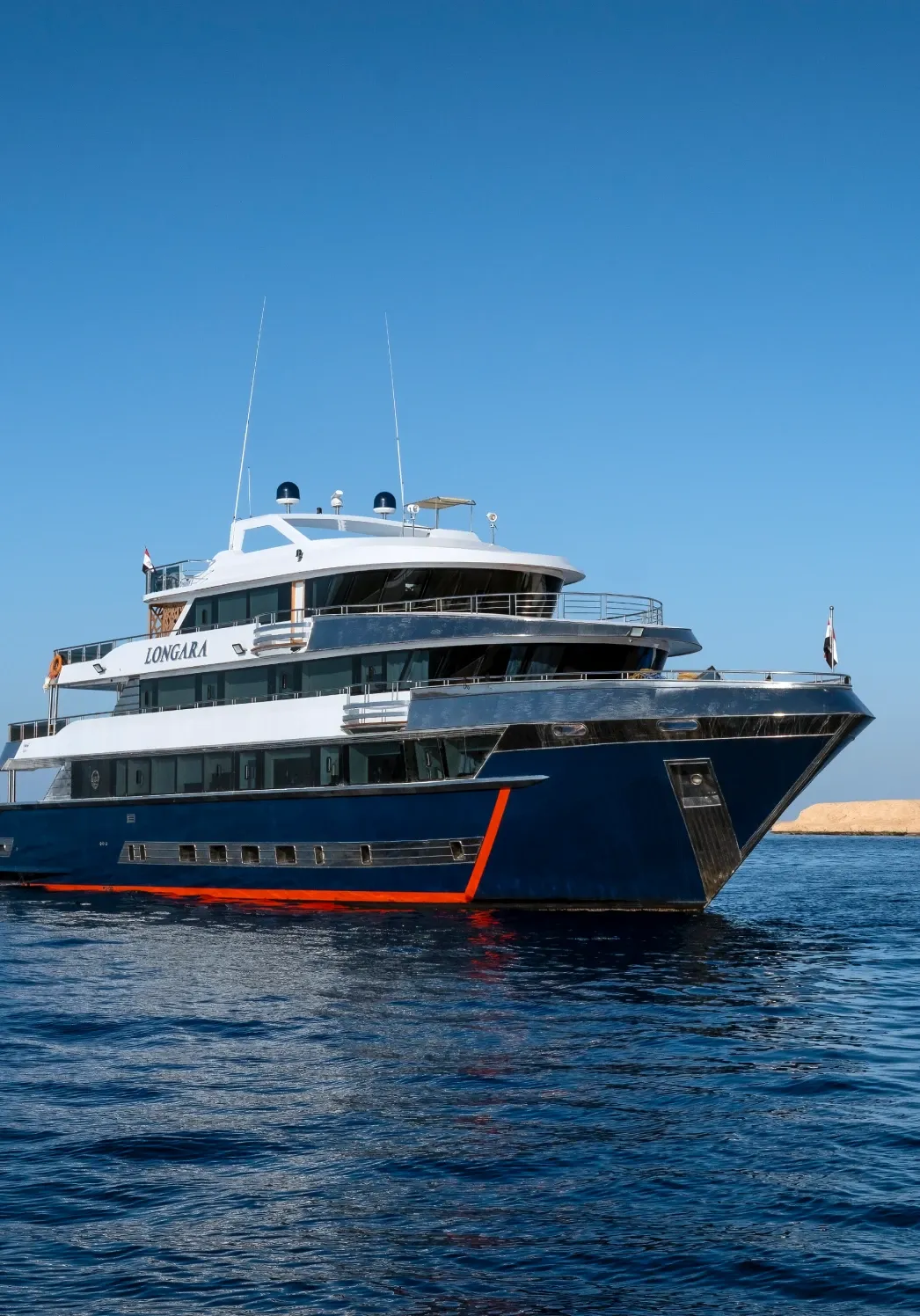
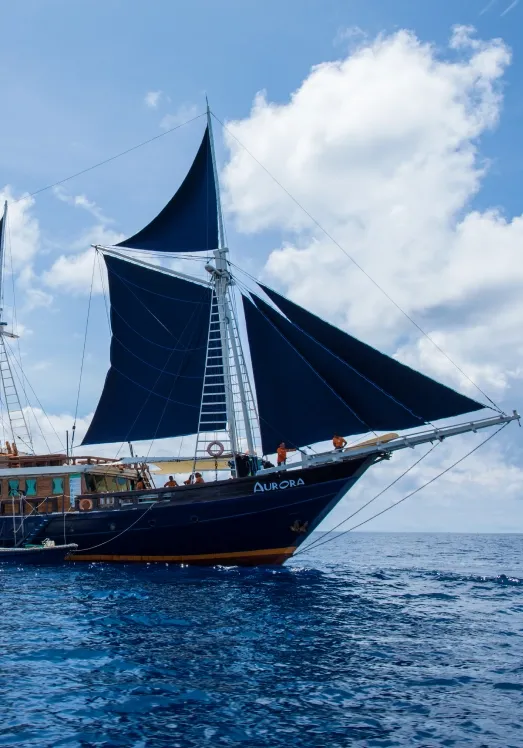
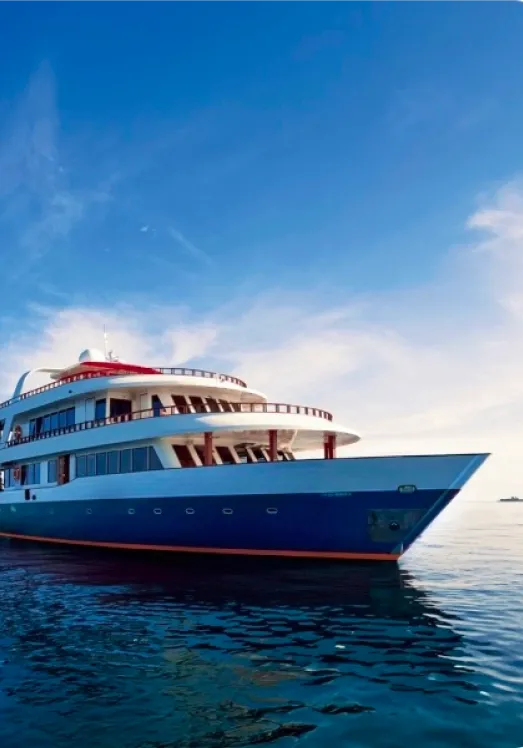
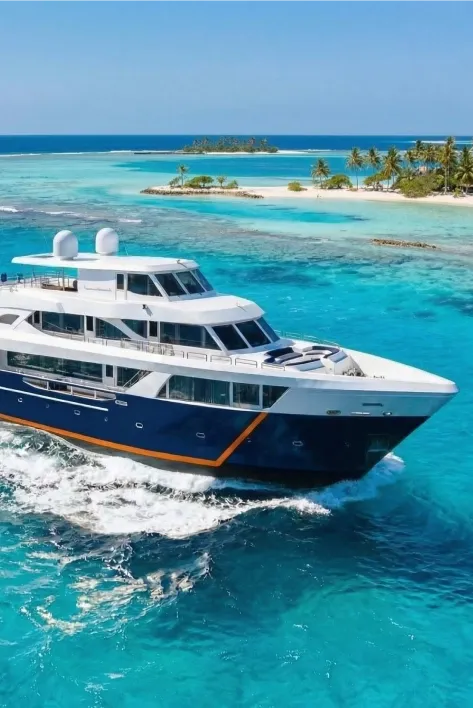
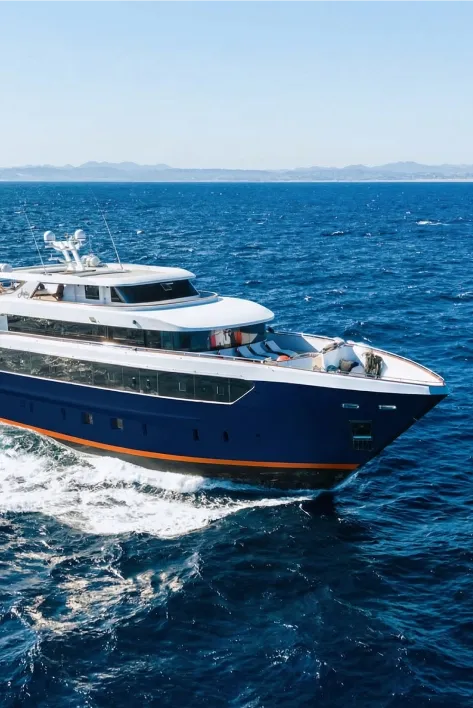
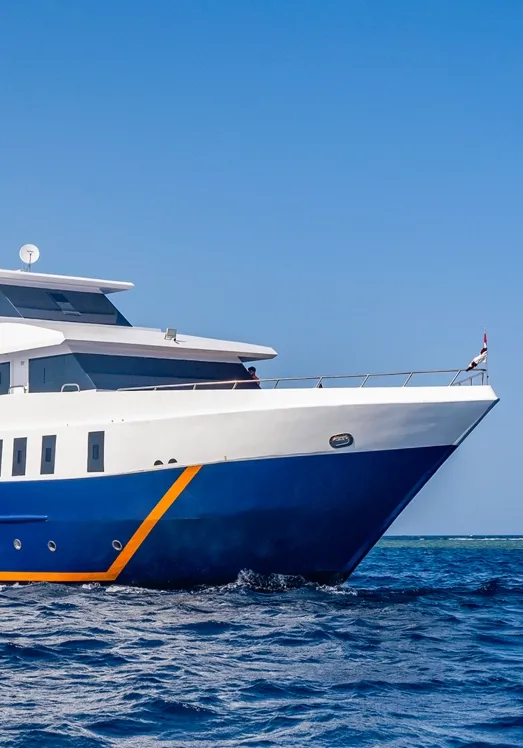
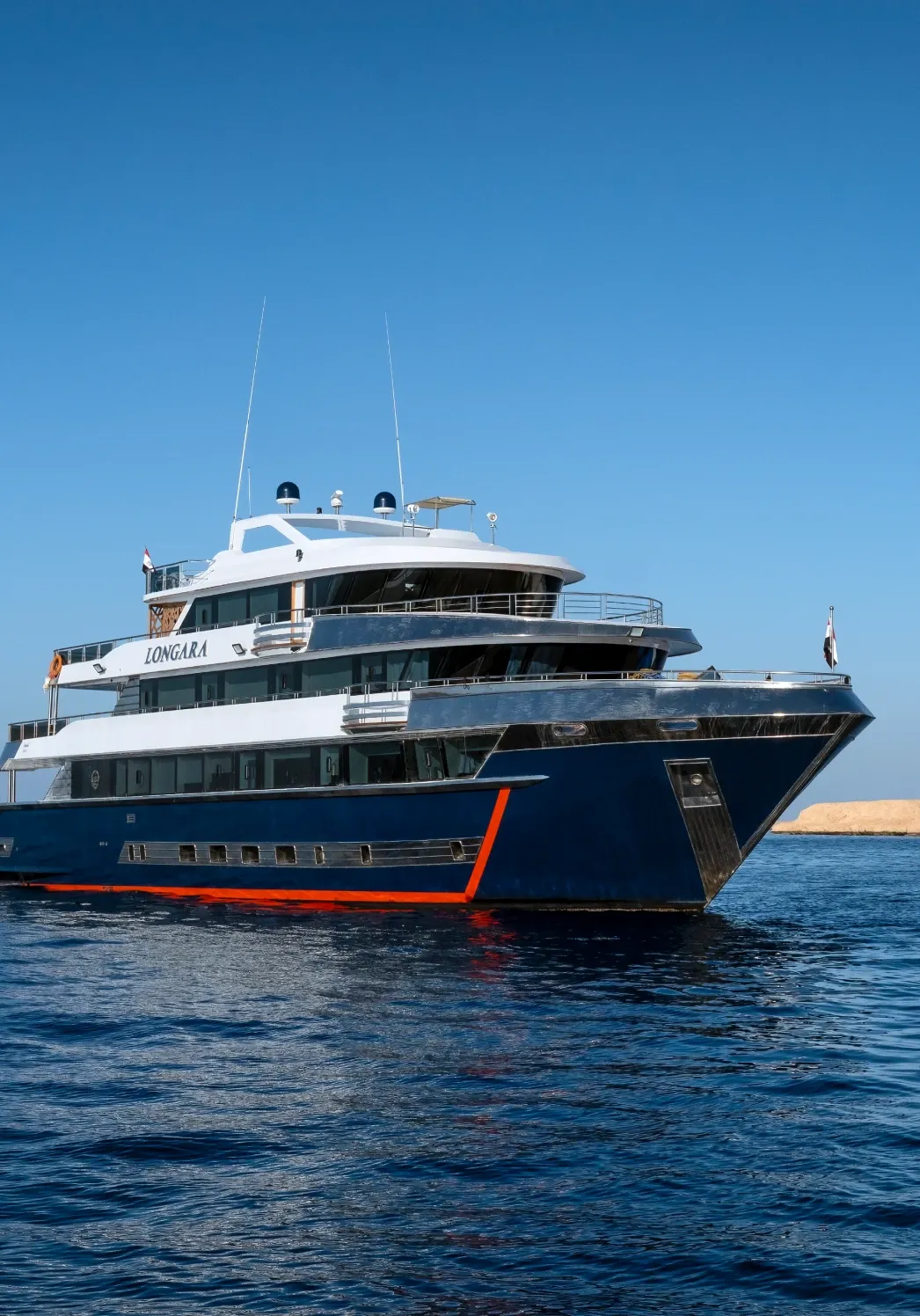
- Responsible Operations: Our liveaboard diving cruises are designed with sustainability in mind, minimising waste and utilising eco-friendly practices wherever possible.
Discover the Wonders of the Red Sea with DUNE
The Red Sea's coral reefs are a breathtaking testament to the beauty and diversity of our planet's marine ecosystems. By diving responsibly and supporting conservation efforts, we can ensure that future generations can continue to experience the magic of these underwater wonderlands.
Join us at DUNE and embark on an unforgettable diving adventure. Explore the stunning reefs of the Red Sea aboard our luxurious liveaboards, where you can witness the incredible biodiversity while contributing to the preservation of these vital ecosystems. Visit dune-world.com to learn more about our diving cruises and how you can make a difference while enjoying the underwater paradise of the Red Sea.