










Into the Underground: Mexico's Cenote World
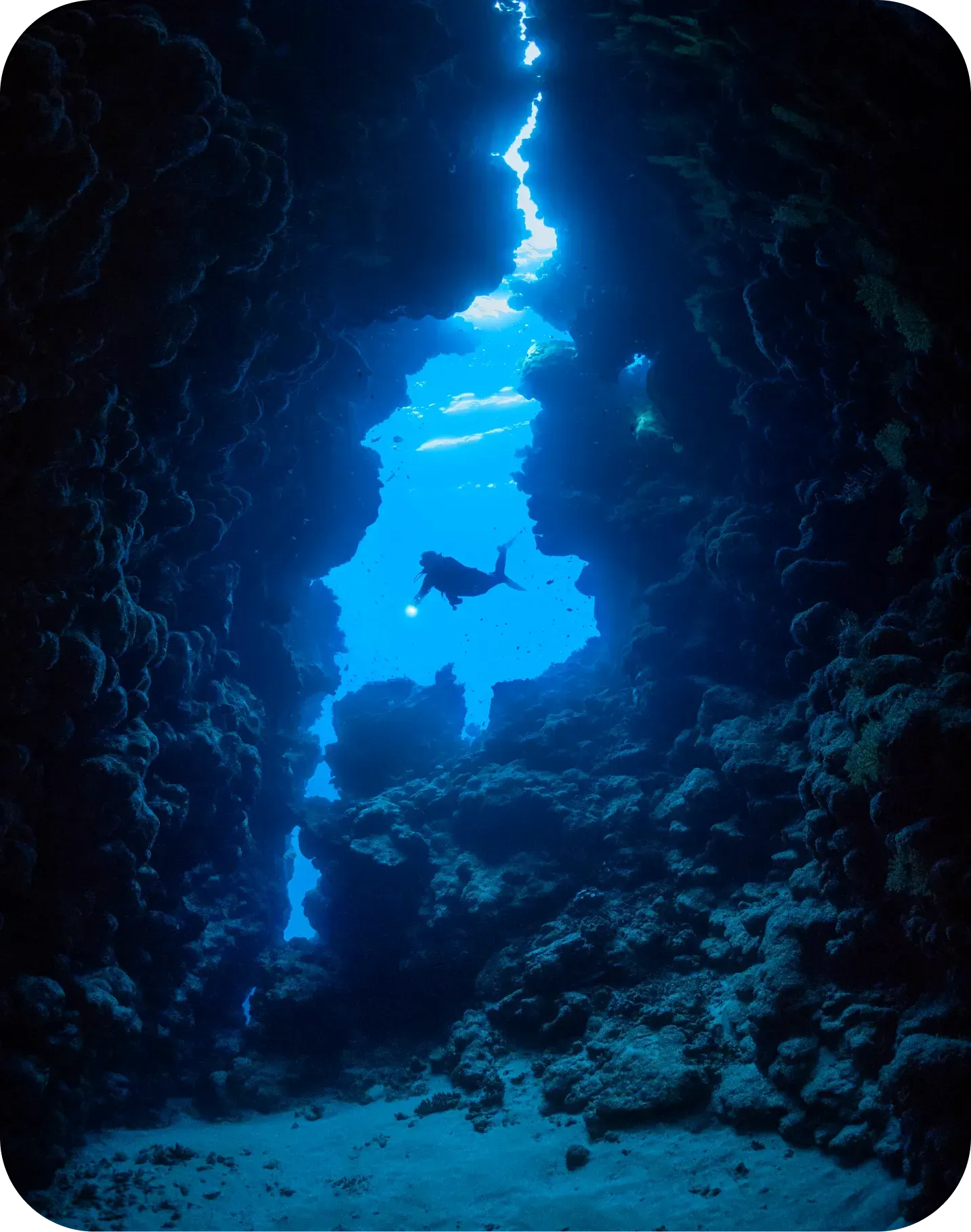
Beneath the flat limestone plains of Mexico's Yucatan Peninsula lies one of the world's most extraordinary diving environments: the cenote system. Ancient collapsed sinkholes and underground river systems stretching for hundreds of kilometres, the cenotes of the Yucatan have created a diving experience unlike anything available anywhere else on Earth — a hauntingly beautiful, cathedral-like world of permanent crystal clarity, dramatic light effects, and geological formations millions of years in the making.
DUNE includes cenote diving in our Mexico programs and has guided hundreds of divers through this remarkable underground world. Here is everything you need to know.
What is a Cenote?
The word "cenote" derives from the Mayan "ts'onot," meaning "sacred well." Cenotes are natural sinkholes created when the roof of an underground cave collapses, exposing the freshwater cave system below. Beneath the Yucatan Peninsula runs the world's longest known underwater cave system — the Sistema Dos Ojos network stretches for over 82 kilometres. For the ancient Maya, cenotes were the primary source of fresh water and portals to the underworld Xibalba. Significant Mayan artefacts and ceremonial objects have been recovered from cenote depths.
Why Cenote Diving is Extraordinary
- Crystal clarity: Cenote water is filtered through limestone over centuries, producing visibility that regularly exceeds 100 metres in main passages. The water is so clear it is barely perceptible — the sensation is of flying rather than swimming.
- Halocline layers: Where freshwater meets saltwater intrusion from the Caribbean, a halocline creates a shimmering, mercury-like visual distortion producing extraordinary photographic effects.
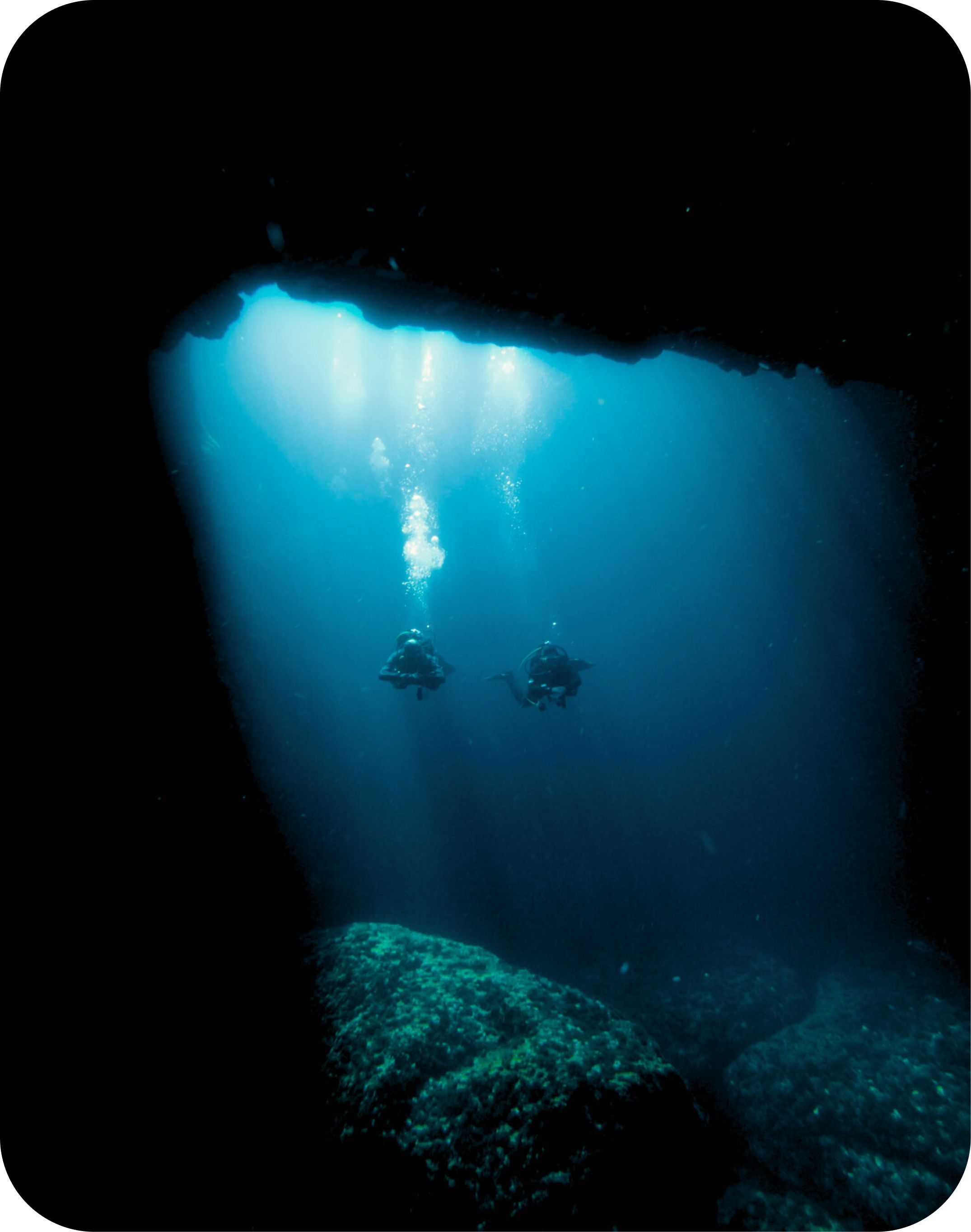
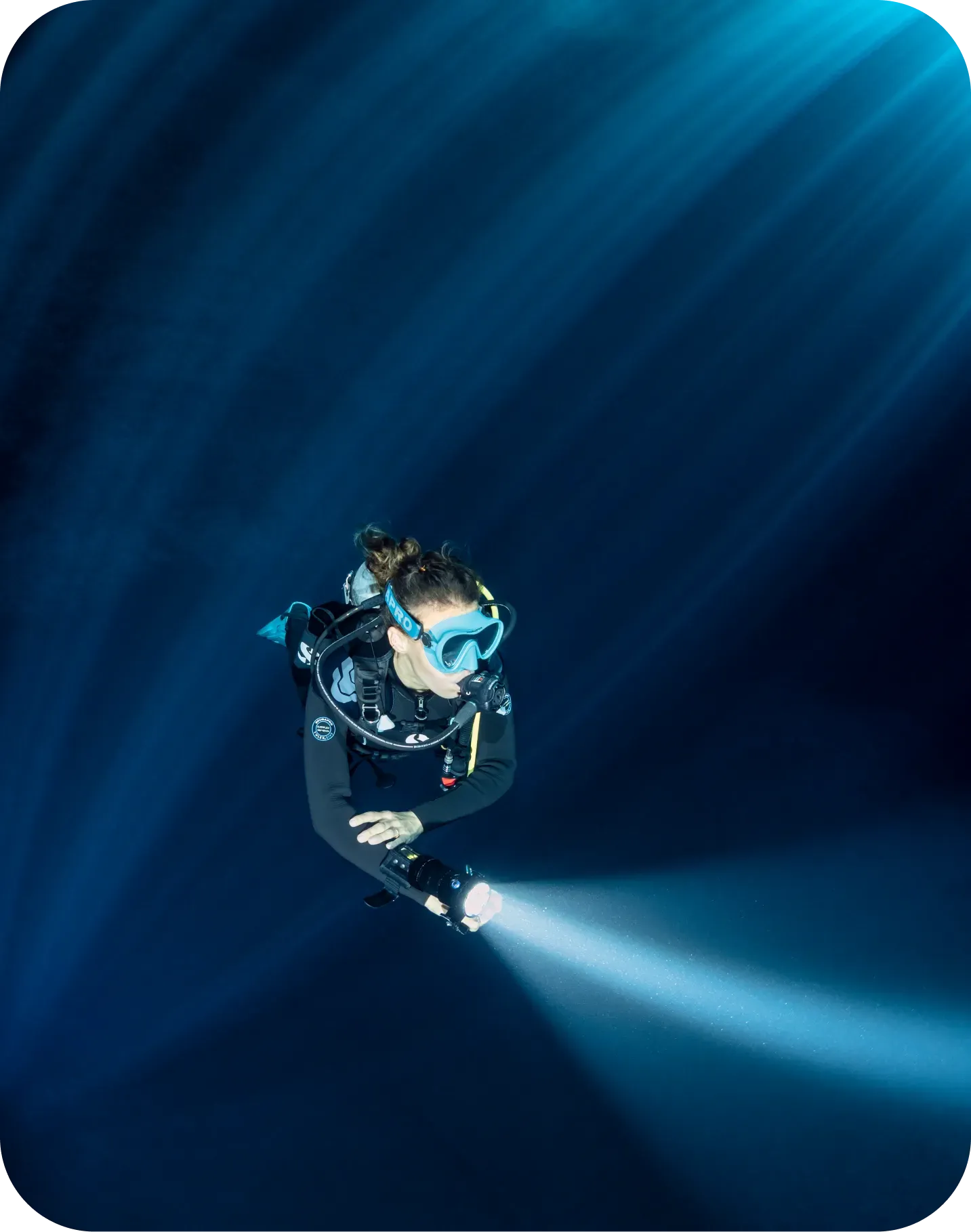
- Light shafts: In open cenotes, shafts of tropical sunlight penetrate the water column at certain times of day, creating dramatic theatrical lighting of extraordinary beauty.
- Geological formations: Stalactites and stalagmites formed over millions of years hang throughout the passages, creating a subterranean landscape of breath-taking beauty.
Top Cenotes for Diving
- Dos Ojos (Two Eyes): Two open caverns connected by passages — one of the most spectacular cenote systems. The Barbie Line passage offers a beautiful open-overhead swim through formations and halocline layers.
- The Pit (Aktun Ha): One of the deepest open cenotes, dropping to over 120 metres. The hydrogen sulfide layer at depth creates a misty cloud producing extraordinary visual effects from above.
- Gran Cenote: A beautiful open system with cavern passages, open swimming pools, and excellent natural light — one of the most photogenic cenotes in the Yucatan.
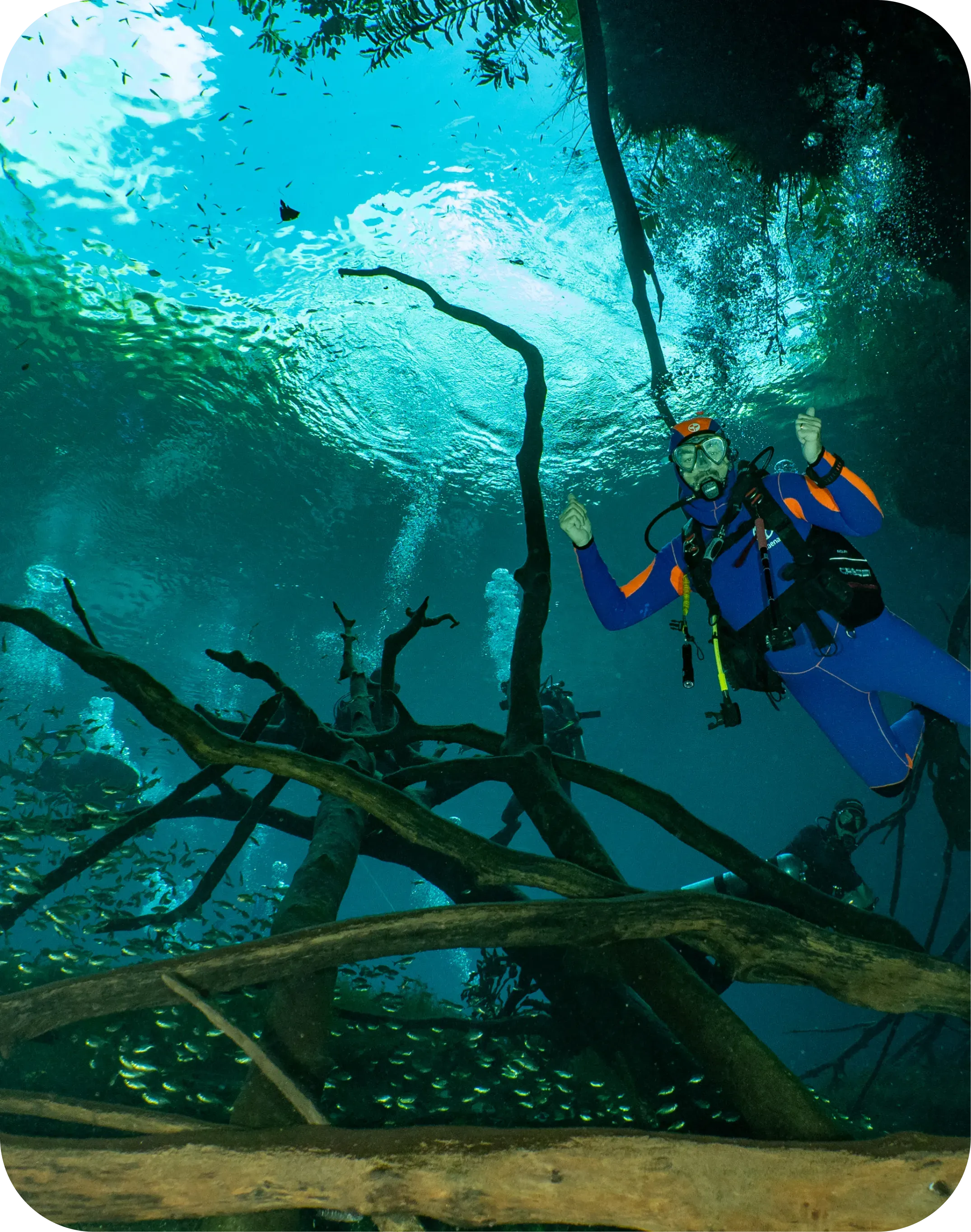
- Cenote Angelita: Famous for its eerie "river" — a hydrogen sulfide cloud at 30 metres that mimics a river surface, with dead trees rising through the "water."
- Chac Mool: A semi-open system with two interconnected caverns offering beautiful light play and dramatic halocline effects — a favourite for underwater photographers.
Cenote Diving: Cavern vs. Cave
- Cavern diving: Staying within 40 metres of the surface, always within sight of the natural light source. Accessible to all Open Water-certified divers with appropriate guidance. Most cenote experiences available to recreational divers fall into this category.
- Cave diving: Venturing beyond the cavern zone into overhead environments. Requires specific cave diving training and certification.
DUNE works with certified cavern and cave diving instructors for all our Yucatan cenote programs, ensuring each diver accesses the most appropriate level safely.
Best Time for Cenote Diving
The underground nature of cenote diving means conditions are remarkably consistent year-round. Water temperature remains a constant 24-25°C regardless of season. The dry season (November to April) is generally preferred for surface logistics, while the wet season (May to October) has no impact on cenote visibility whatsoever.
Combining Cenotes with Caribbean Reef Diving
DUNE's Mexico programs combine cenote diving with Caribbean reef diving for a complete experience. The contrast between the ethereal underground world and the vibrant Caribbean reef system makes for an extraordinarily varied and memorable trip. Playa del Carmen and Tulum serve as excellent bases for both environments.
Plan Your Cenote Adventure with DUNE
Cenote diving is one of those experiences that genuinely cannot be adequately described in words or images. You simply have to dive one. DUNE's expert-guided Mexico programs ensure you experience the finest cenotes in the safest and most rewarding possible context.
Visit dune-world.com to explore our Mexico cenote programs and begin planning your underground adventure.