
























Malta: The Mediterranean's Diving Capital
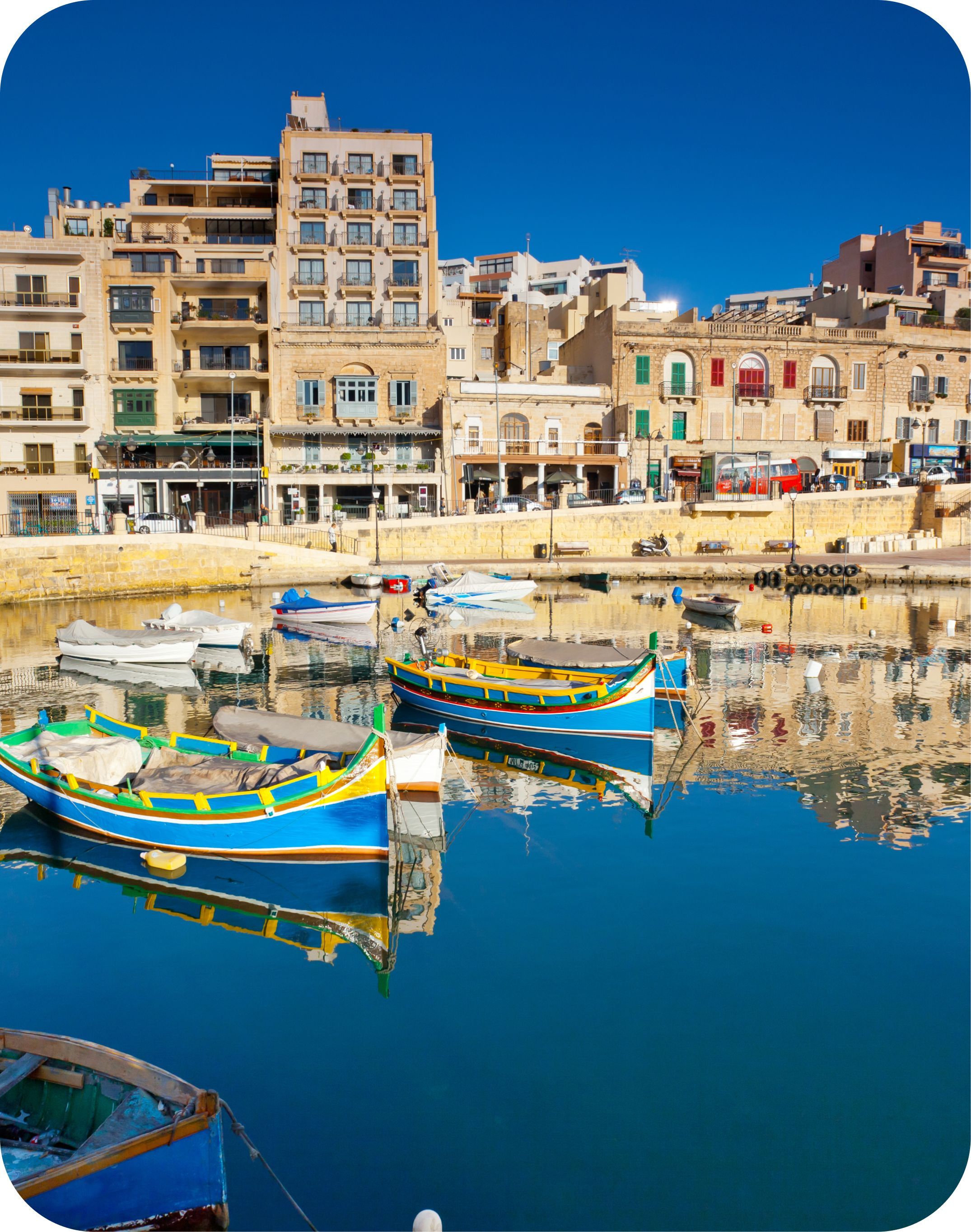
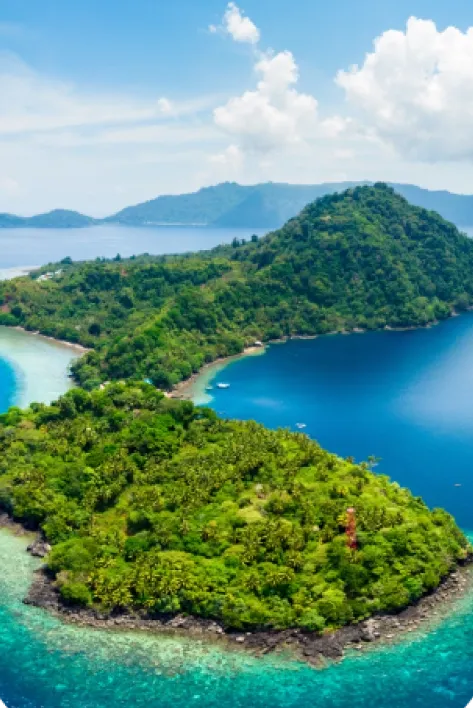
Malta may be one of Europe's smallest nations, but it punches far above its weight as a diving destination. Positioned at the heart of the Mediterranean, this tiny archipelago combines extraordinary historical significance with exceptional water clarity, dramatic underwater topography, and a diversity of marine life that consistently surprises even experienced divers.
DUNE has long recognised Malta as one of Europe's most compelling dive destinations, and our Malta programs consistently receive outstanding feedback from clients who arrive expecting a convenient European option and leave having experienced something genuinely extraordinary.
Why Malta is Different
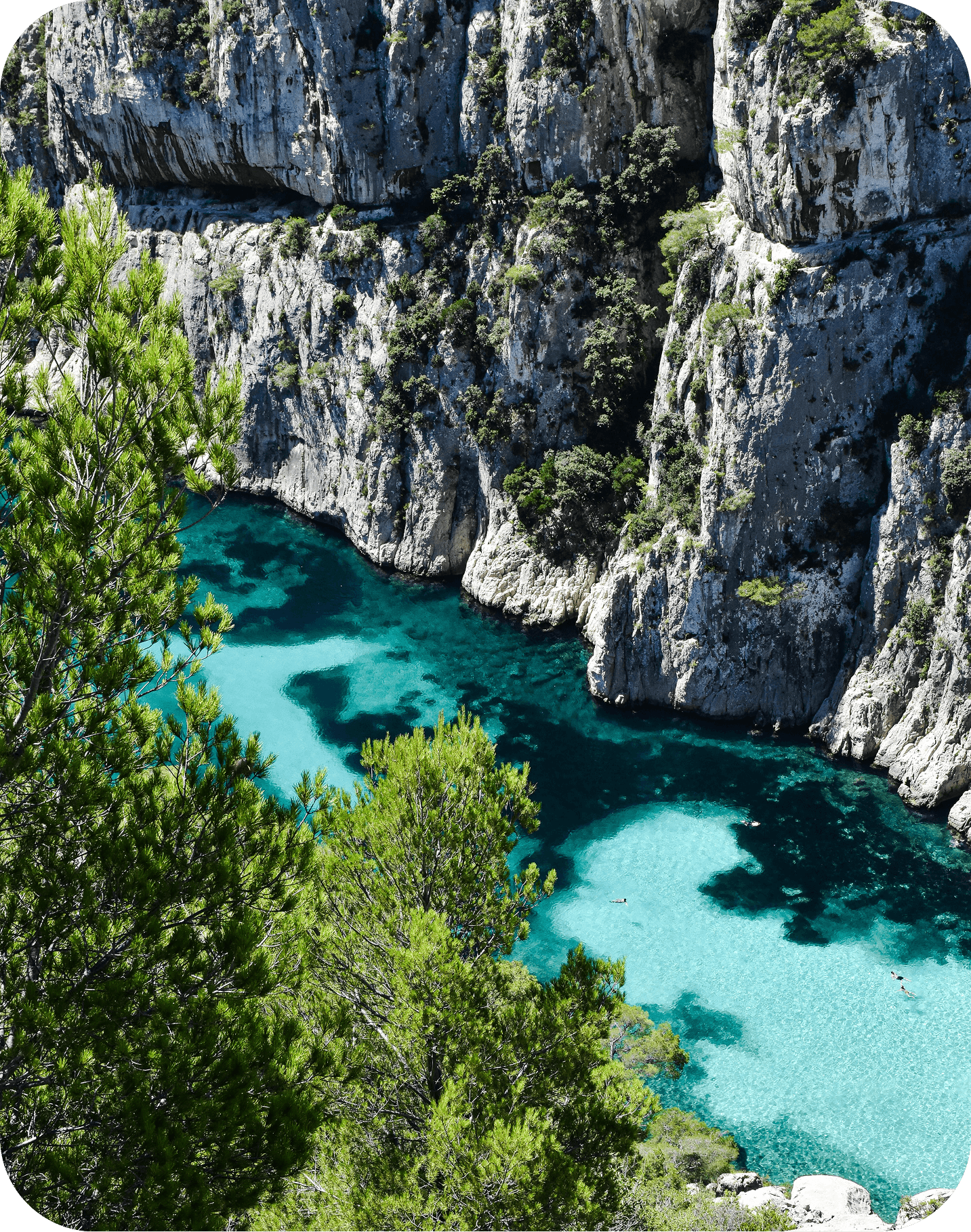
- Visibility: Malta's waters are justifiably famous for their clarity — 20-30 metres is routine, and 40+ metres is possible at offshore sites on exceptional days. The absence of major rivers means no silt runoff.
- History: Malta has been a strategic maritime crossroads for 7,000 years. Phoenician, Roman, Arab, French, and British presences have all left underwater marks accessible to divers today.
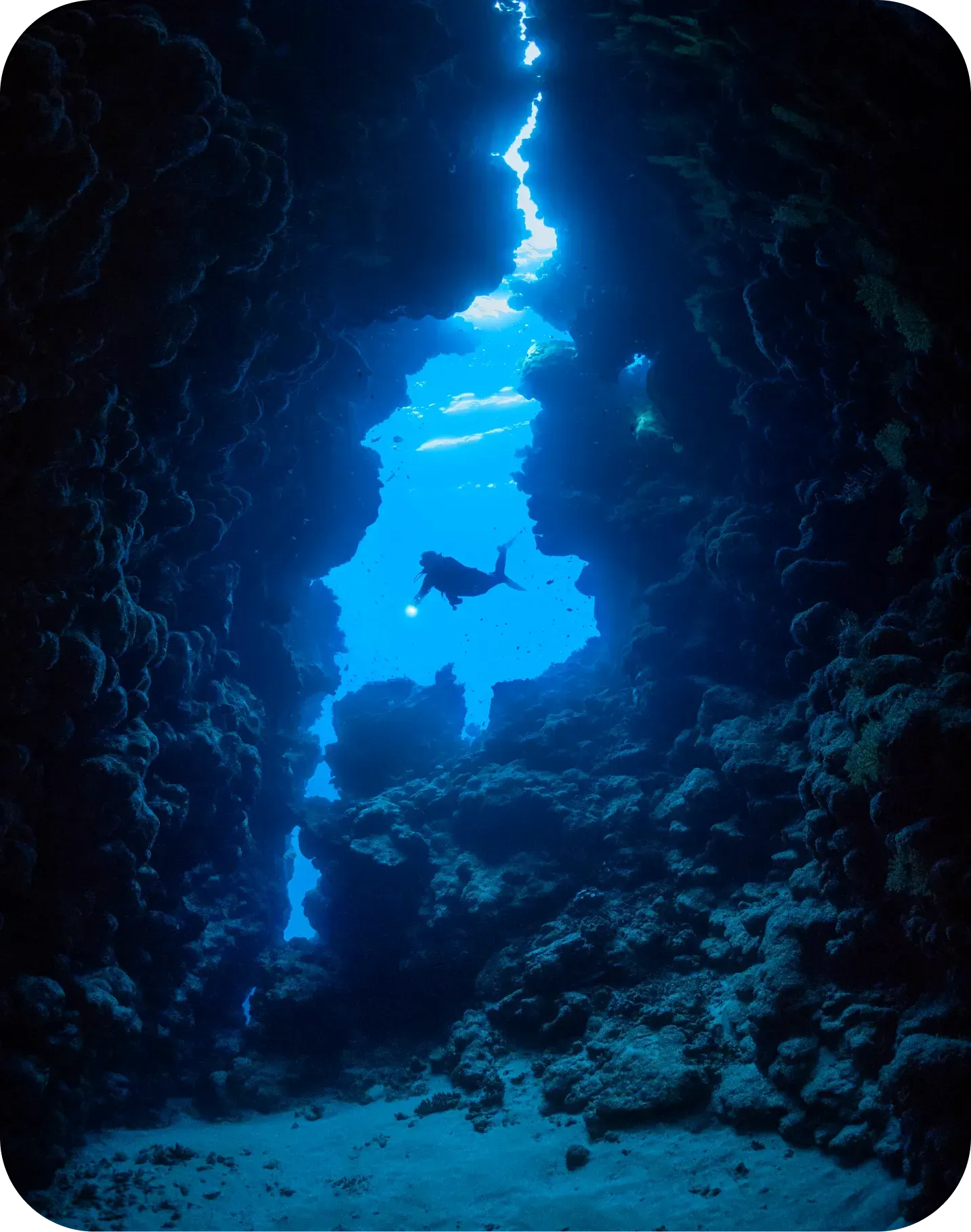
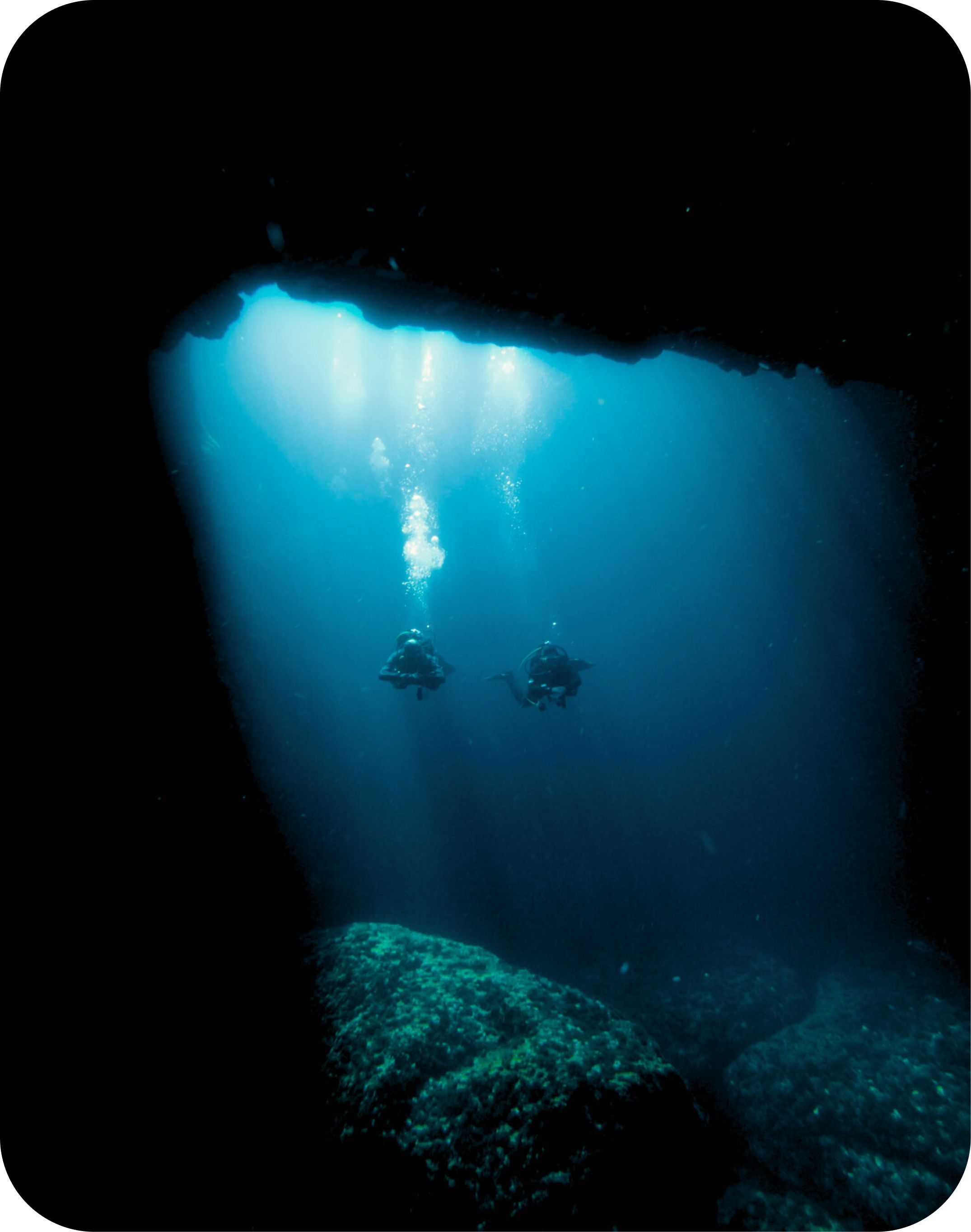
- Topography: The limestone geology creates a spectacular underwater landscape of walls, arches, tunnels, caves, and caverns unlike anything else in the Mediterranean.
- Accessibility: Easy direct flights from most European cities, no exotic health requirements, and excellent dive infrastructure make Malta one of the most accessible quality diving destinations in the world.
Malta's Signature Wrecks
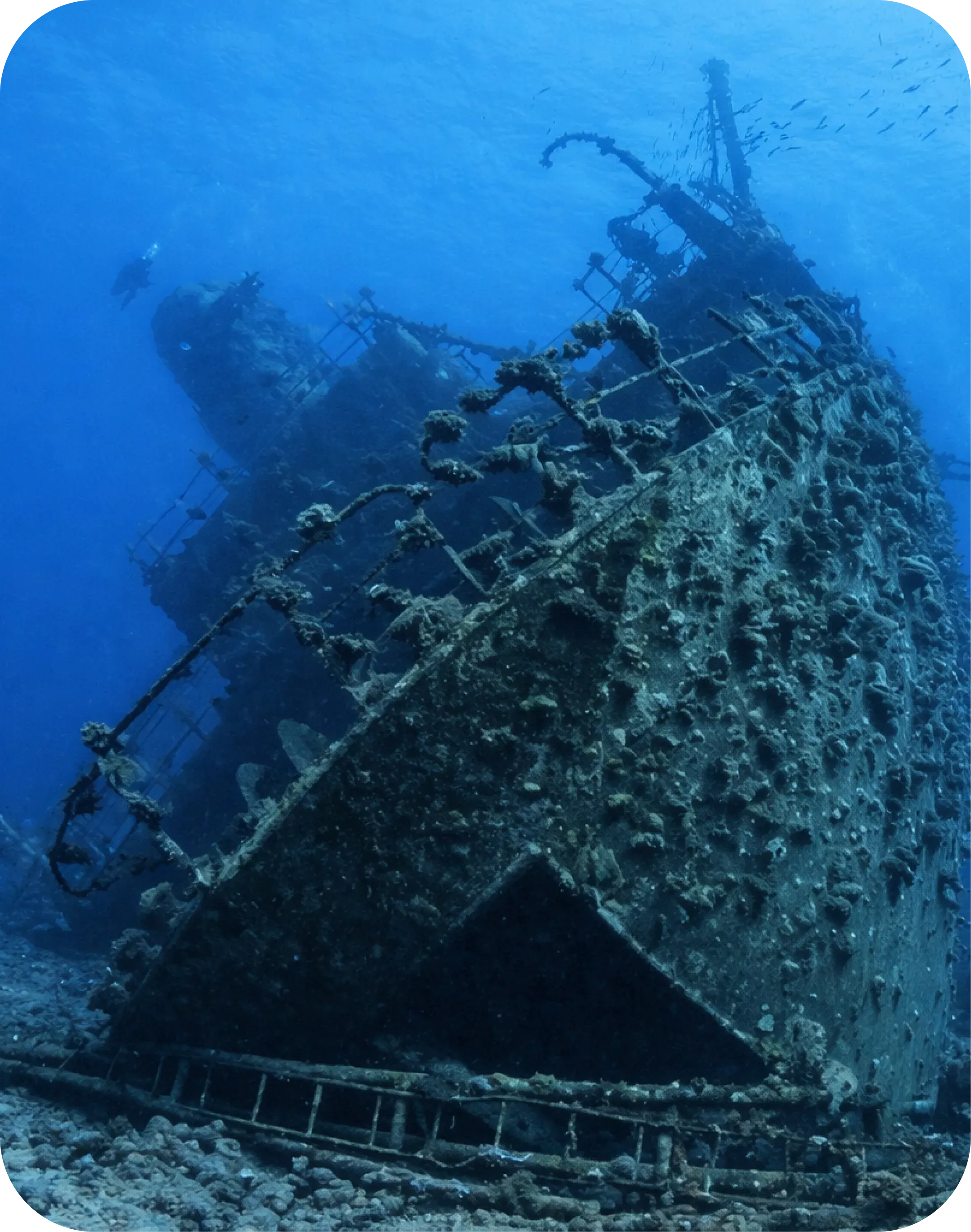
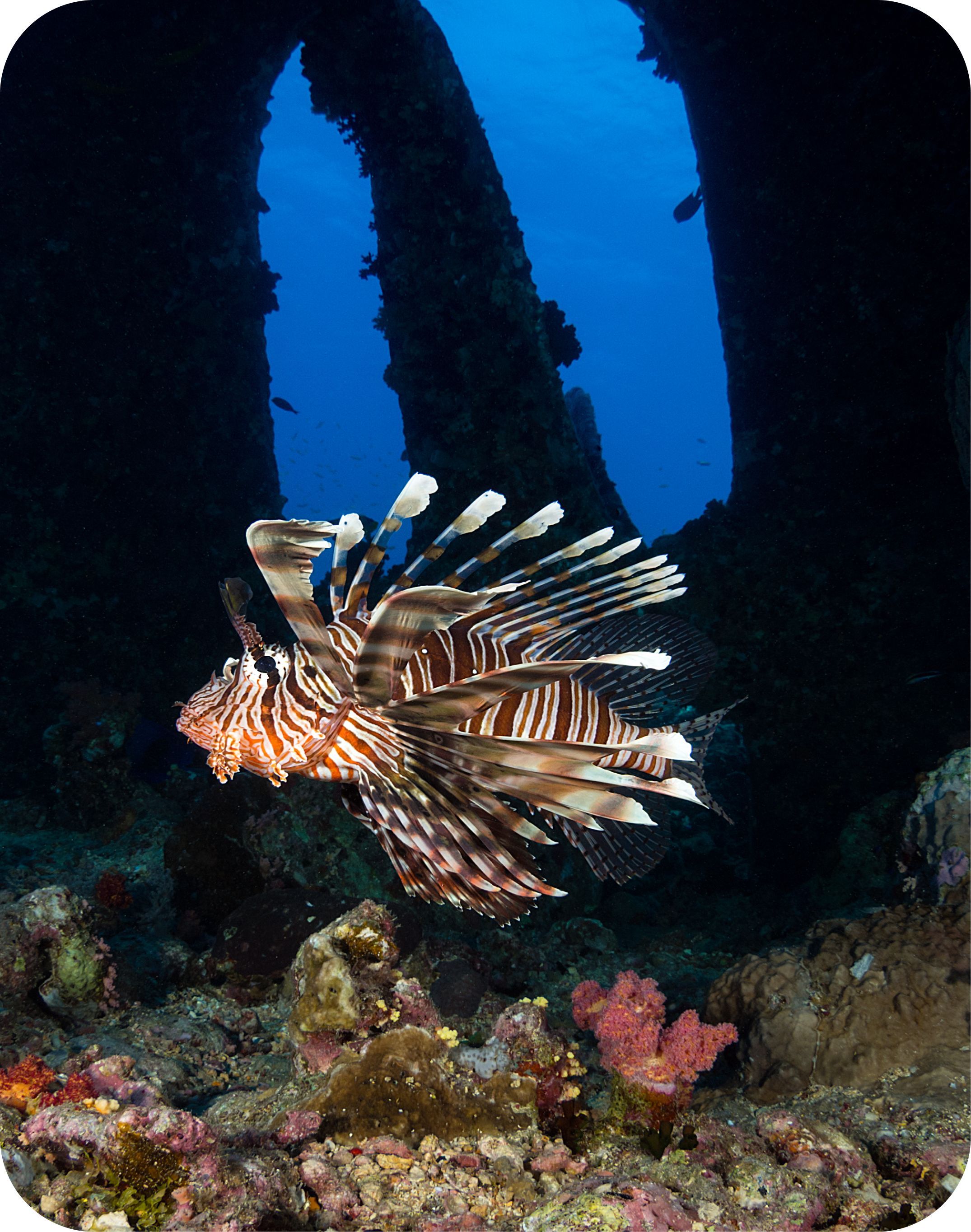
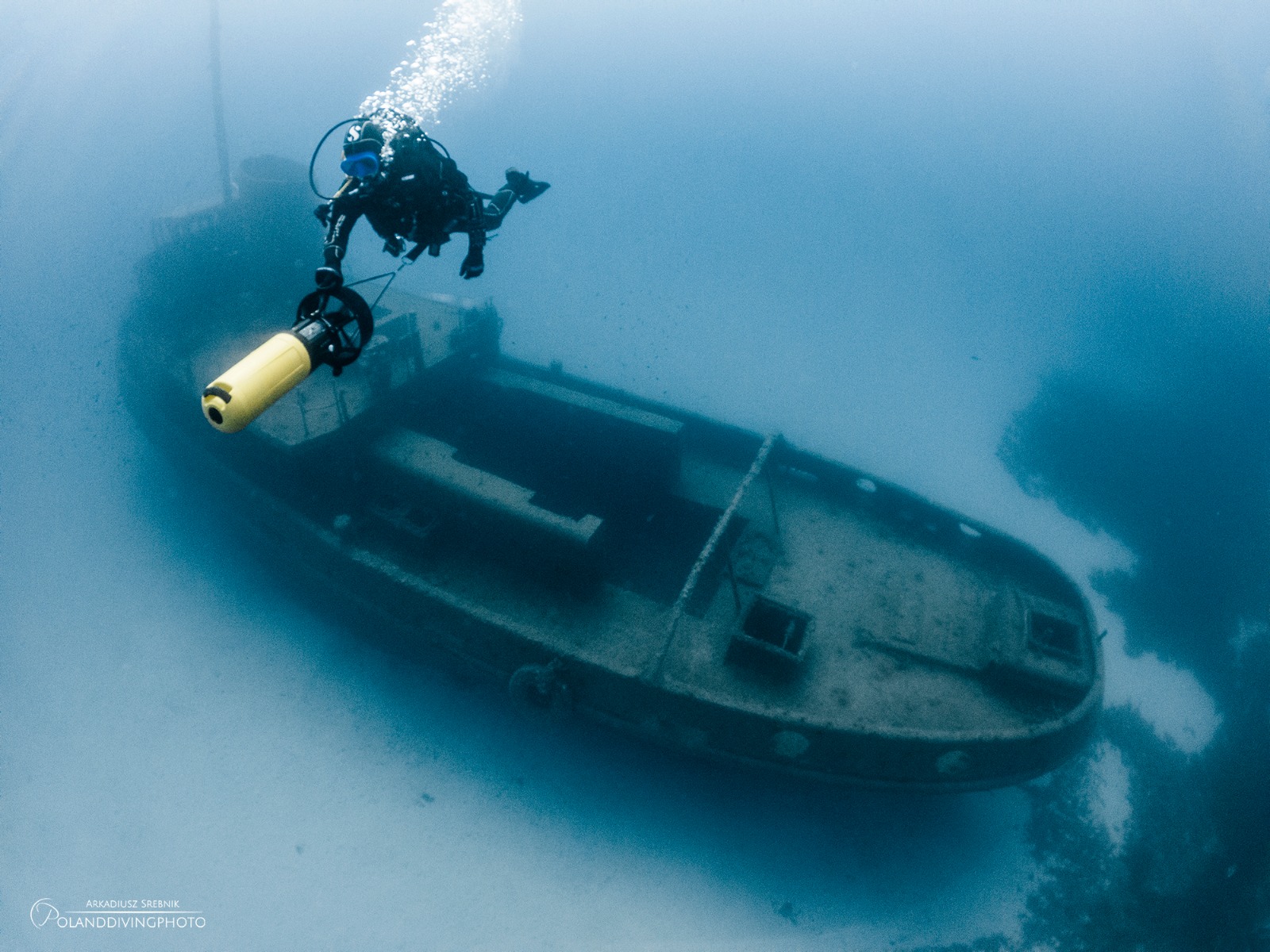
- HMS Maori (1942): A British destroyer sunk in Valletta's Grand Harbour during WWII. Now resting at 14-17 metres, it is one of Europe's most celebrated accessible wreck dives — remarkably intact and teeming with marine life.
- Um El Faroud (1998): A 115-metre Libyan oil tanker sunk deliberately as an artificial reef. Now at 30-36 metres, it is Malta's most technically challenging and arguably most impressive wreck.
- MV Karwela: A converted passenger ferry sunk in 2006 in Gozo, sitting upright at 43 metres with large sections accessible to penetration divers.
Caves and Caverns
- The Blue Grotto: A series of sea caves on Malta's southern coast with remarkable light effects and multiple diving options.
- The Inland Sea, Gozo: A landlocked pool connected to the open sea by a 100-metre tunnel — one of the Mediterranean's most theatrical diving experiences.
- Reqqa Point, Gozo: Wall diving dropping to 60 metres with multiple cave entrances rich in nudibranchs, seahorses, and octopus.
Wall Diving: Malta's Vertical Wilderness
- Cirkewwa: Malta's most popular dive site. The Cirkewwa arch at 8-12 metres leads to a spectacular wall with resident bream, amberjack, and occasional barracuda shoals.
- Ras Il-Hobz: A dramatic wall dropping to 60+ metres, notable for large sponge communities and resident moray eels.
Gozo: Malta's Diving Island
Just 25 minutes by ferry from Malta, Gozo offers an even more concentrated diving experience. The famous Blue Hole — a vertical cylindrical shaft opening to the sea at 20 metres — connects to a spectacular arch and open wall beyond, and is beloved by divers worldwide.
Marine Life in Malta
- Resident octopus populations at virtually every site
- Moray eels, conger eels, and grouper in wreck penetrations
- Seahorses at several sheltered sites
- Rich nudibranch diversity for macro enthusiasts
- Shoals of amberjack, barracuda, and bream at external walls
- Splendid toadfish and other Mediterranean specialities
Plan Your Malta Diving Trip with DUNE
DUNE's Malta programs combine expert-guided wreck, cave, and wall diving with comfortable accommodation and flexibility to explore both Malta island and Gozo. Whether you are a novice drawn by accessible history, an experienced wreck diver targeting the Um El Faroud, or a technical diver seeking deeper historical sites, DUNE has the perfect Malta itinerary.
Visit dune-world.com to discover DUNE's Malta diving programs and book your Mediterranean adventure.