


The Carnatic and Giannis D: Diving Egypt's Most Historic Wrecks
The Red Sea is a treasure trove for divers, renowned for its stunning coral reefs, vibrant marine life, and, most notably, its shipwrecks. Among these submerged relics, the Carnatic and Giannis D stand out, offering a blend of history and underwater adventure that captivates divers from around the globe. Both wrecks are located near Abu Nuhas, a site famous for its collection of wrecks, making them essential stops on any diving itinerary in Egypt.
The Historic Carnatic Wreck
The Carnatic, a merchant ship launched in 1869, was part of the renowned P&O shipping line. Tragically, it met its fate on 13th August 1881 when it struck the northern side of Abu Nuhas, leading to its sinking. The wreck lies at a depth of approximately 30 metres and has become a sanctuary for divers keen on exploring its historical significance and the beauty of its marine environment.
Over the years, the Carnatic has transformed into an artificial reef, adorned with soft corals and teeming with colourful marine life. Divers will be greeted by a vibrant display of coral formations that have made the wreck their home. The ship is particularly famous for its preserved wine bottles, which remain scattered around the wreck, serving as reminders of the ship's storied past.
Diving the Carnatic
Diving the Carnatic offers a unique opportunity to immerse oneself in history while enjoying the wonders of the underwater world. The wreck is accessible to divers of various skill levels, although it is recommended that those with advanced Open Water certification or higher take the plunge due to its depth and potential currents.
- Depth: 30 metres (98 feet)
- Visibility: Typically ranges from 15 to 30 metres
- Marine Life: Expect to encounter napoleon fish, nemo, and a variety of tropical fish.
When planning your dive, remember that currents can be unpredictable. Make sure to dive with a reputable operator like DUNE, who can provide you with the necessary guidance and equipment. Photographers will find the Carnatic particularly rewarding, as the soft corals and marine life create a stunning backdrop for underwater photography.
The Giannis D: A Greek Cargo Ship
Another gem in the Red Sea is the Giannis D, a Greek cargo ship that sank in 1983 after running aground on the same reef as the Carnatic. The wreck lies at depths ranging from 15 to 30 metres, making it one of the most dived wrecks in the area and a favourite among divers of various experience levels. The Giannis D has become a captivating underwater playground, with its structure largely intact and its holds filled with intriguing cargo remnants.
The wreck is an impressive sight, stretching over 100 metres in length. Its bow is at a depth of 15 metres, gradually descending towards the stern, which rests at about 30 metres. This variance in depth allows divers to explore different sections of the ship, each revealing unique aspects of its history.
Diving the Giannis D
With its vast structure and rich marine life, diving the Giannis D is an experience not to be missed. The wreck has become an artificial reef, attracting a plethora of marine species. Divers can expect to see schools of fish, including snapper, barracuda, and even the occasional turtle. The Giannis D is also home to an array of corals that have flourished in the aftermath of the wreck.
- Depth: 15 to 30 metres (49 to 98 feet)
- Visibility: Generally excellent, ranging from 15 to 30 metres
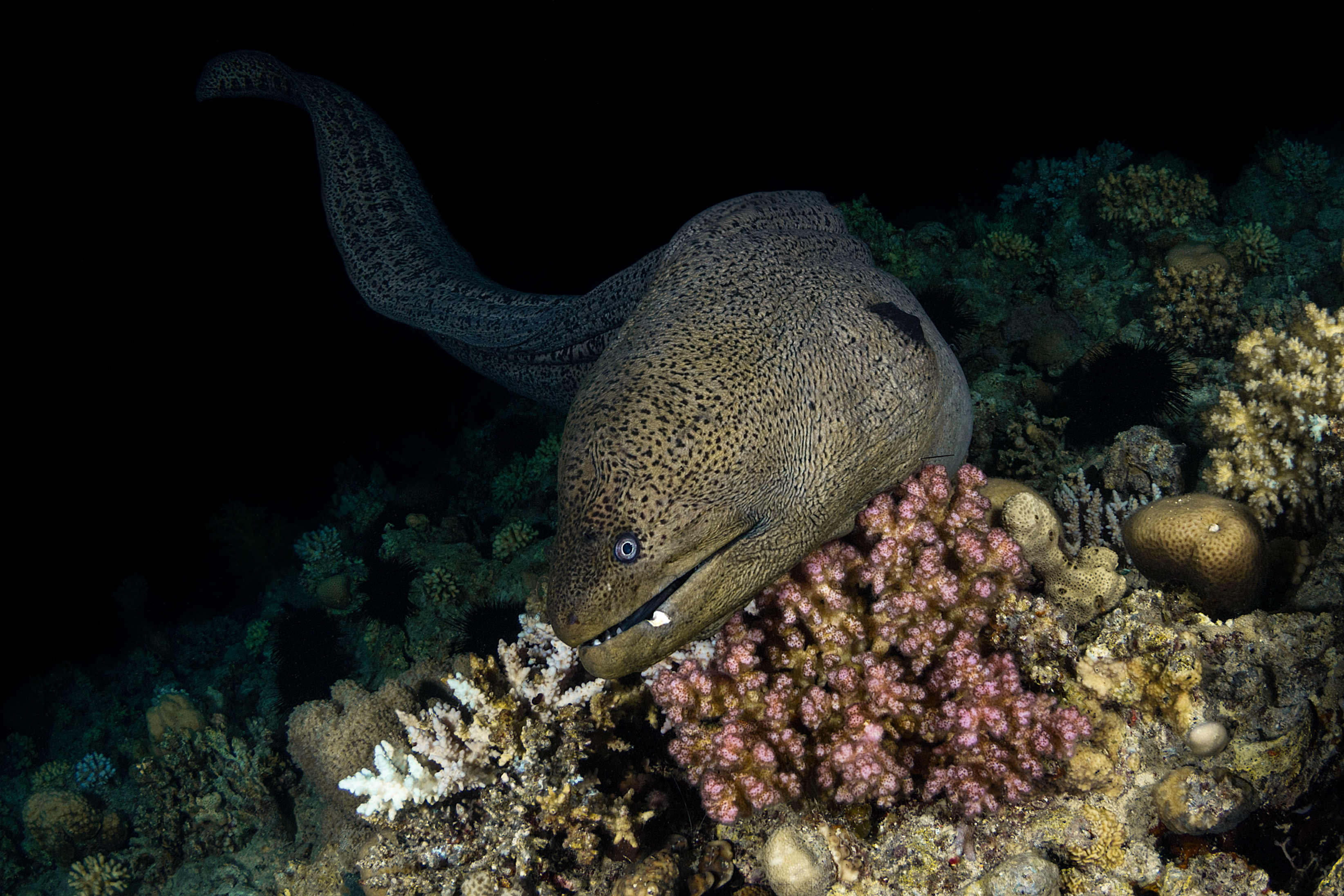
- Marine Life: Expect to encounter moray eels, lionfish, and various pelagic species.
Due to its relatively shallow depth at the bow, the Giannis D is suitable for divers with a PADI Open Water certification or higher, allowing a wider range of enthusiasts to experience this remarkable site. However, as with all dives in the Red Sea, it is essential to dive with a knowledgeable operator to ensure safety and a fulfilling experience.
Photography Tips for Wreck Diving
Both the Carnatic and Giannis D offer fantastic opportunities for underwater photography. To capture the splendour of these wrecks, consider the following tips:
- Lighting: Use a strobe or external flash to illuminate the wreck and highlight the colours of the marine life.
- Wide-Angle Lenses: These are ideal for capturing the entire wreck and its surroundings, providing a sense of scale and context.
- Stability: Use a tripod or stabiliser to avoid blurry images, especially in low-light conditions.
- Composition: Experiment with different angles and perspectives to create dynamic images that showcase the wreck's features.
Remember to respect the marine environment while photographing; avoid touching or disturbing delicate corals and marine life.
The Importance of Wreck Certification
For divers keen on exploring wrecks like the Carnatic and Giannis D, obtaining a wreck diving certification can enhance the experience. Certification courses, such as those offered by PADI, typically cover essential knowledge and skills, including:
- Understanding the history and significance of wrecks
- Safe penetration techniques for entering wrecks
- Emergency procedures and buoyancy control in confined spaces
Having this certification not only enhances your skills but also allows for a deeper appreciation of the history and marine life associated with these remarkable underwater sites.
Why Choose DUNE for Your Wreck Diving Adventure
As a premium diving agency with over two decades of experience, DUNE offers unparalleled expertise in liveaboard diving in Egypt. Our fleet, which includes the luxurious Black Manta, Longara, Aurora, and Silky, provides divers with the opportunity to explore the finest wrecks and dive sites in the Red Sea.
DUNE’s commitment to safety, sustainability, and exceptional service ensures that your diving experience is not only memorable but also responsible. Our knowledgeable dive guides are well-versed in the local marine environment and the history of the wrecks, offering insights that enhance your adventure.
Plan Your Diving Expedition
The Carnatic and Giannis D are just two examples of the many incredible wrecks awaiting exploration in the Red Sea. With their rich histories and abundant marine life, these sites are must-dives for any wreck enthusiast. Whether you're a seasoned diver or just starting your underwater journey, the allure of these wrecks is undeniable.
Did you know that the best way to explore these sites is through a liveaboard experience? DUNE offers tailored itineraries that maximise your diving time while ensuring comfort and luxury aboard our vessels.
Embrace the adventure and dive into the history of the Red Sea. Visit dune-world.com today to learn more about our diving trips, book your spot, and prepare for an unforgettable journey into the depths of Egypt’s most historic wrecks.