


Bali as a Diving Destination
Bali's diving reputation rests almost entirely on the USAT Liberty wreck at Tulamben, and this is understandable — it is genuinely one of the world's finest accessible wrecks and deserves its fame. But reducing Bali diving to a single wreck is like describing Paris as a tower. The island offers a range of diving environments that competes seriously with far more celebrated Indonesian destinations, and divers who venture beyond Tulamben almost invariably leave wanting to return.
The key insight about Bali diving is that the island's diverse geography — exposed north-east coast, sheltered internal seas, offshore islands, and submerged seamounts — creates completely different oceanographic conditions at dive sites that are sometimes less than thirty kilometres apart. Planning a Bali diving trip that samples several of these distinct environments delivers an experience that is both varied and consistently surprising.
Nusa Penida: Manta Rays and Mola Mola
Nusa Penida, the largest of the three Nusa islands (with Nusa Lembongan and Nusa Ceningan), is approximately twenty minutes by fast boat from Sanur on Bali's south-east coast. The waters around Nusa Penida are swept by powerful currents from the open Indian Ocean and are characterised by cold upwellings, reduced water temperatures, and extraordinary concentrations of pelagic life.
Manta Point, on Nusa Penida's south-west coast, is one of the most reliable manta ray sites in all of Indonesia. Reef mantas are present year-round, with peak concentrations from March to October when the plankton blooms that attract feeding mantas are most intense. The site operates as both a cleaning station and a feeding ground, giving divers the opportunity to witness both the meditative hovering behaviour of cleaning and the dynamic barrel-rolling of active feeding within a single dive.
Crystal Bay, also at Nusa Penida, is famous for something even rarer: the ocean sunfish (Mola mola). These extraordinary creatures — among the heaviest bony fish in the ocean, with maximum weights exceeding two tonnes — visit the cleaning stations at Crystal Bay from August to October during the cold-water upwelling season. The experience of watching a Mola mola being cleaned by surgeonfish at depth, its enormous flat disc visible from twenty metres away, is genuinely unlike anything else available in recreational diving.
Amed: Relaxed Reef Diving on the East Coast
Amed is a string of small fishing villages on Bali's north-east coast, twenty kilometres south of Tulamben. The diving here is less dramatic than Tulamben's Liberty wreck but offers a more relaxed, exploratory character that suits multi-day diving holidays focused on enjoying the underwater world rather than ticking off a specific bucket list.
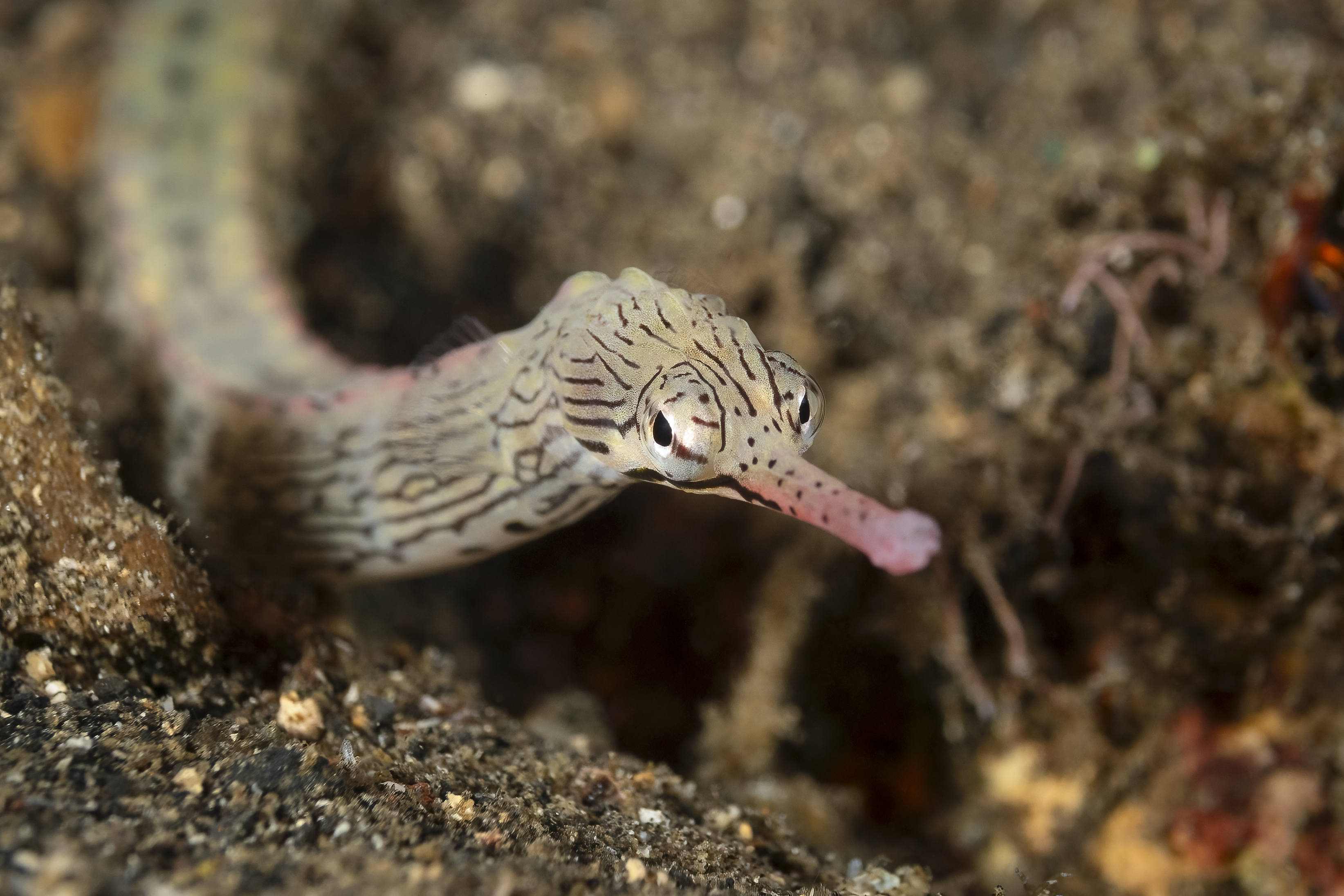
The Japanese Wreck at Amed — smaller and shallower than the Liberty — provides an accessible introduction to wreck diving in beautiful, clear water. The Pyramid site, a natural underwater rock formation, is a gathering point for schools of fish and resident turtles. Macro photography in the rubble and sand zones around Amed rewards patient searchers with frogfish, ghost pipefish, and a diversity of nudibranchs that rivals far more celebrated macro destinations.
Menjangan Island: Bali's Most Pristine Reef
Menjangan Island, part of Bali Barat National Park in the far north-west corner of the island, is often cited as Bali's best reef diving — a claim that is hard to dispute. The combination of its protected status, moderate diving pressure, and the clean nutrient-rich waters of the Bali Strait have produced reef communities that are significantly healthier than most of Bali's more accessible sites.
The walls around Menjangan descend dramatically from the surface to sixty metres and beyond, draped in soft corals and populated by a diverse fish community that includes several species rarely seen at Bali's other sites. The garden eels that populate the sandy bottom between the wall and deeper water are hypnotic in their synchronised behaviour. Above the wall, the shallow reef terrace offers excellent wide-angle photography in water so clear that natural light photography is practical to ten metres.
Padang Bai: Gateway to the East
Padang Bai, on Bali's east coast, is both the departure point for ferry services to Lombok and Gili and a legitimate diving destination in its own right. The bay and its surrounding waters offer a diverse range of sites — the Blue Lagoon bay for relaxed reef diving, the Bias Tugal site for current-swept walls, and the deeper seamounts beyond the bay entrance for advanced divers seeking pelagic encounters.
Padang Bai's primary draw for experienced divers is its accessibility to the Nusa Penida dive sites — the fast boats to Crystal Bay and Manta Point depart regularly from the harbour — and its reputation as a night diving venue. The Blue Lagoon transforms after dark into a spectacle of hunting octopus, sleeping parrotfish, and the occasional Spanish dancer nudibranch performing its extraordinary swimming display.
Combining Bali Diving Sites Effectively
The most effective Bali diving itineraries treat the island as a collection of distinct micro-destinations rather than as a single dive region. A well-planned week of Bali diving might combine two days at Tulamben for the Liberty and the Drop-Off, a day trip to Nusa Penida for manta rays, a night dive at Padang Bai, and a day of exploring the lesser-known sites around Amed — creating a comprehensive picture of Bali diving that goes far beyond any single destination.
DUNE designs bespoke Bali diving programmes that combine the island's best experiences into coherent itineraries tailored to your certification level, interests, and available time.
Plan Your Complete Bali Diving Experience with DUNE
Bali is a world-class diving destination in its own right — not merely a gateway to Indonesia's more remote sites. DUNE's Bali specialists can design programmes ranging from introductory certifications on the Liberty to advanced multi-site itineraries that reveal the full breadth of what this extraordinary island has to offer beneath its waters.
Contact DUNE to discuss your Bali diving plans and let us build an itinerary that goes far beyond the expected.