


Two Giants, Two Different Worlds
If there is a single question that DUNE's Indonesia specialists answer more often than any other, it is this: "Should I go to Raja Ampat or Komodo?" Both are iconic destinations, both appear on every serious diver's bucket list, and both offer experiences that are genuinely impossible to replicate anywhere else in the world. But they are also profoundly different in character, and understanding those differences is essential to choosing the destination that will deliver the experience you are seeking.
The short version: Raja Ampat is lush, intricate, and overwhelmingly rich with life. Komodo is raw, powerful, and elemental. Both will move you deeply. But they will do so in completely different ways, and your experience level, dive style, and personal temperament will determine which destination resonates more profoundly.
Raja Ampat: The Case For
Raja Ampat is the world's most biodiverse marine ecosystem by every scientific measure. Nothing else comes close. If your primary motivation for diving Indonesia is to witness the richest possible concentration of marine life — the full spectrum from tiny pygmy seahorses to manta rays and whale sharks, from nudibranchs to bumphead parrotfish schools — Raja Ampat is the correct choice without hesitation.
The reefs here are in a condition that is simply unavailable elsewhere. Sixty-plus years of serious marine protection, combined with the geographic isolation that has always limited human pressure on these sites, means that you dive in an ecosystem that functions at something approaching its pre-human carrying capacity. The experience is not just that there are more fish — it is that the reef itself, as a system, operates with an efficiency and productivity that has been stripped from virtually every other tropical diving destination in the world.
- Best for: biodiversity enthusiasts, marine biology interest, macro photography, first-time liveaboard
- Accessible from: Open Water Diver and above for most sites
- Best season: October–April for northern sites
- Typical itinerary: 7–14 nights liveaboard from Sorong
Komodo: The Case For
Komodo is an experience of physical forces operating at the scale of the ocean. The tidal currents that drive Komodo's extraordinary productivity are not a backdrop to the diving — they ARE the diving. Learning to move through these waters with skill and confidence, to read the current and use it rather than fight it, and to be rewarded with encounters that are only possible because of the ecological consequences of those same currents, is a deeply satisfying and genuinely educational experience.
The dragons above the waterline add a dimension to the Komodo experience that simply has no equivalent anywhere else in the world. Standing thirty metres from a three-metre Komodo dragon in its natural habitat — knowing that you are not at the top of the terrestrial food chain in this place — is a visceral reminder that Indonesia is a place of natural forces that continue to operate at a scale humans rarely encounter.
- Best for: experienced divers, drift diving enthusiasts, pelagic encounters, adventure seekers
- Accessible from: Advanced Open Water Diver and above; drift experience strongly recommended
- Best season: April–November for manta rays and optimal conditions
- Typical itinerary: 5–7 nights liveaboard from Labuan Bajo
Marine Life Comparison
Both destinations offer extraordinary marine life, but the character and context differ significantly:
- Manta rays — both excellent; Komodo's Manta Alley for feeding aggregations; Raja Ampat for cleaning station intimacy
- Reef sharks — both abundant; Komodo for grey reef shark density; Raja Ampat for variety
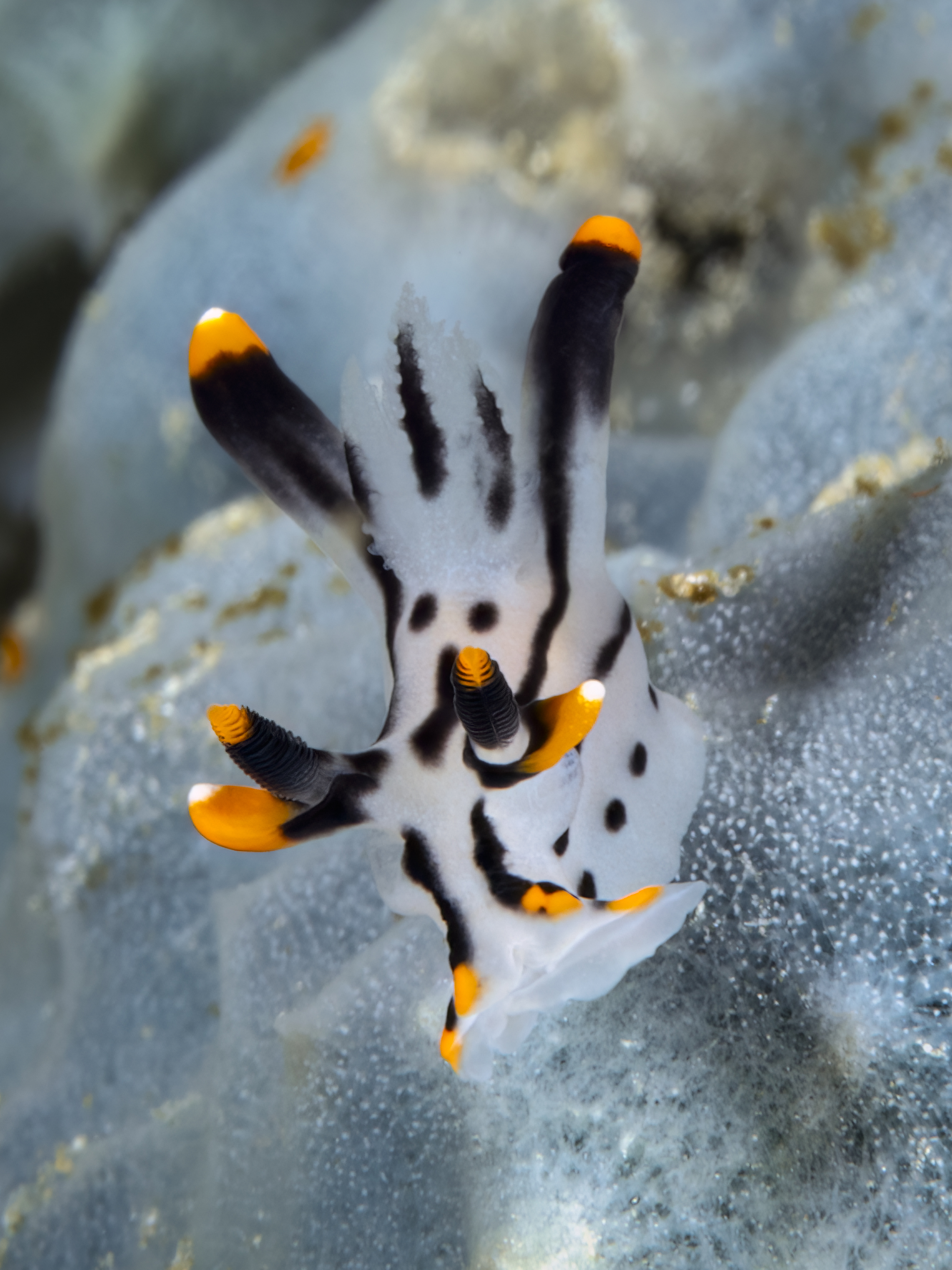
- Macro life — Raja Ampat decisively ahead; pygmy seahorses, nudibranchs, ghost pipefish
- Coral coverage — Raja Ampat marginally ahead; both exceptional
- Pelagic encounters — Komodo stronger for open-water encounters; Raja Ampat's Blue Magic competes
- Species diversity — Raja Ampat; not even close
The Difficulty Factor
This is perhaps the most practically important difference. Raja Ampat can be enjoyed meaningfully by Open Water divers — the cleaning station dives, the shallow reef gardens of Misool, and the many sites accessible in calm, clear conditions are not demanding. Komodo, by contrast, is fundamentally a drift diving destination, and the currents can be severe. A diver who is not confident in moving water will not enjoy Komodo — they will spend their dives fighting the current, stressed, and missing the very encounters the currents are generating.
DUNE recommends that first-time Indonesian liveaboard divers consider Raja Ampat as their introduction and progress to Komodo once they have accumulated the drift diving experience and current confidence that the park demands.
Why Not Both?
Many DUNE guests ultimately plan a combined Indonesia itinerary that includes both destinations, either on a single extended trip or across consecutive years. The two destinations complement each other beautifully — the intimacy and richness of Raja Ampat followed by the power and drama of Komodo, or vice versa — and experiencing both within a single trip reveals the extraordinary diversity of what Indonesia offers.
DUNE can design combined itineraries that make the logistics of visiting both destinations efficient and comfortable, including flight routing, accommodation between liveaboards, and timing to hit both destinations in their optimal seasonal windows.
Ask DUNE to Help You Choose
The Raja Ampat versus Komodo decision is one that DUNE's specialists have helped thousands of divers make over twenty-five years. There is no wrong answer — both destinations will enrich your life as a diver. But the right answer for your specific experience level, interests, and available time will make the difference between a great trip and a transformative one.
Contact DUNE to discuss your Indonesia options with a specialist who knows both destinations intimately and will give you an honest, personalised recommendation.