






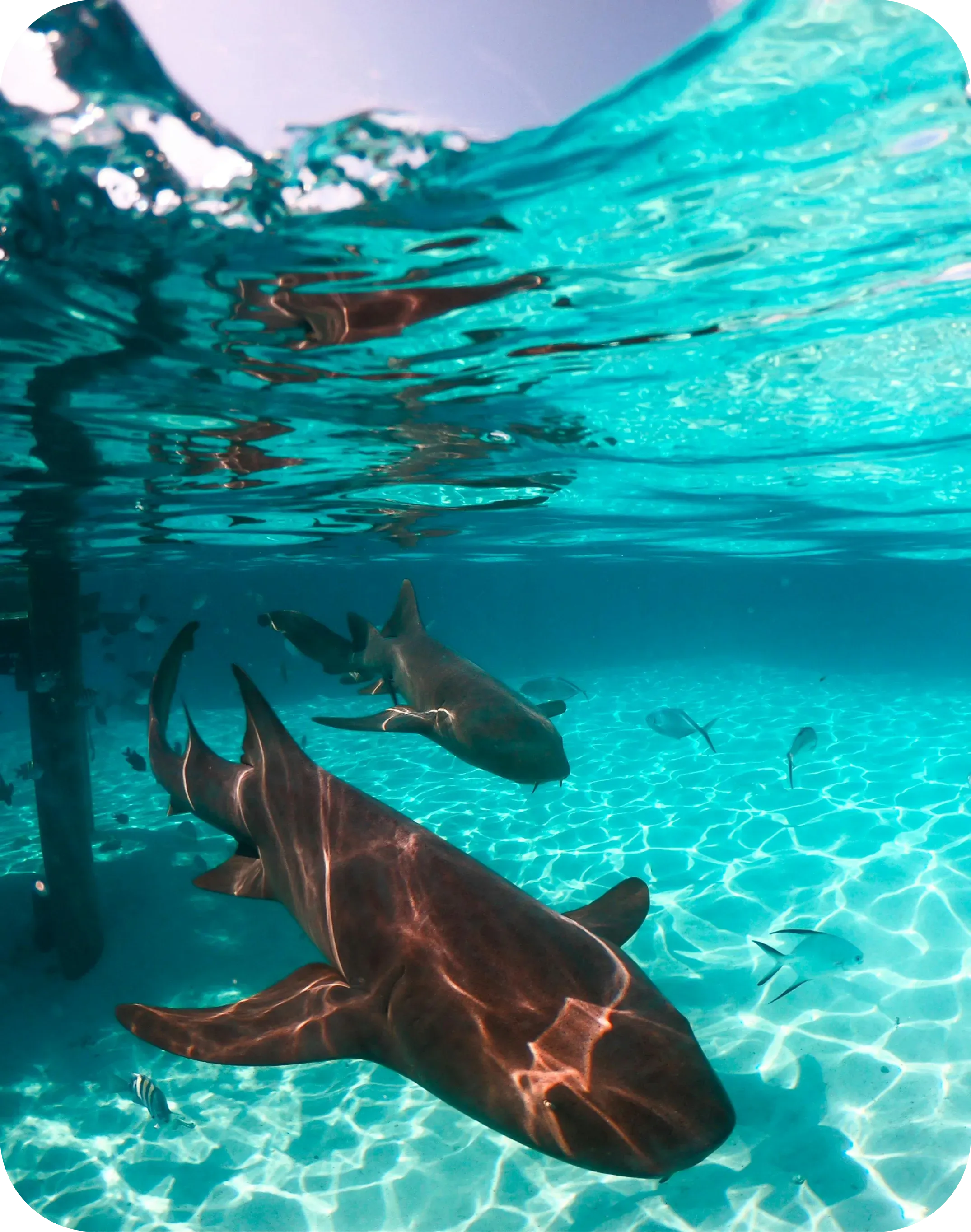
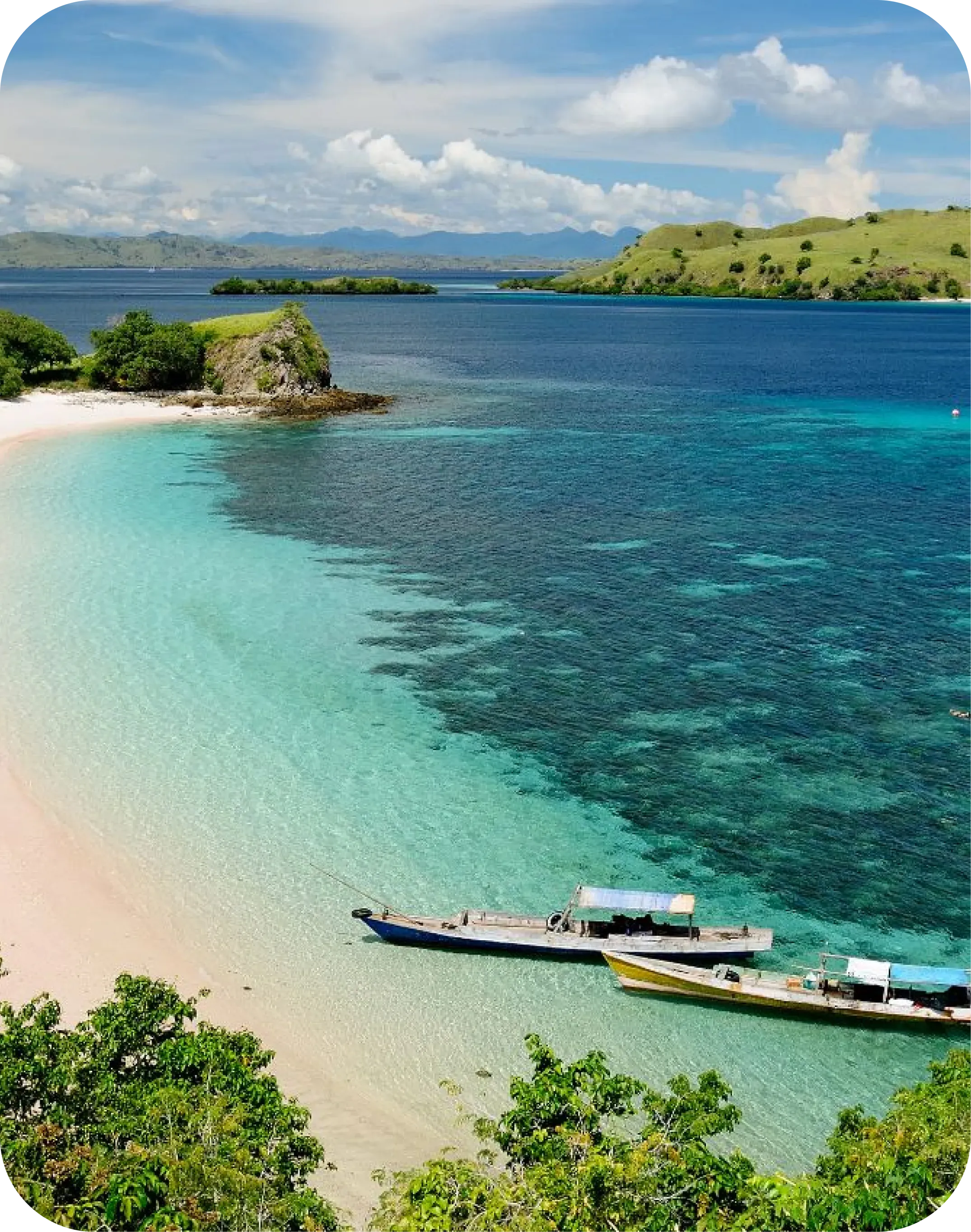
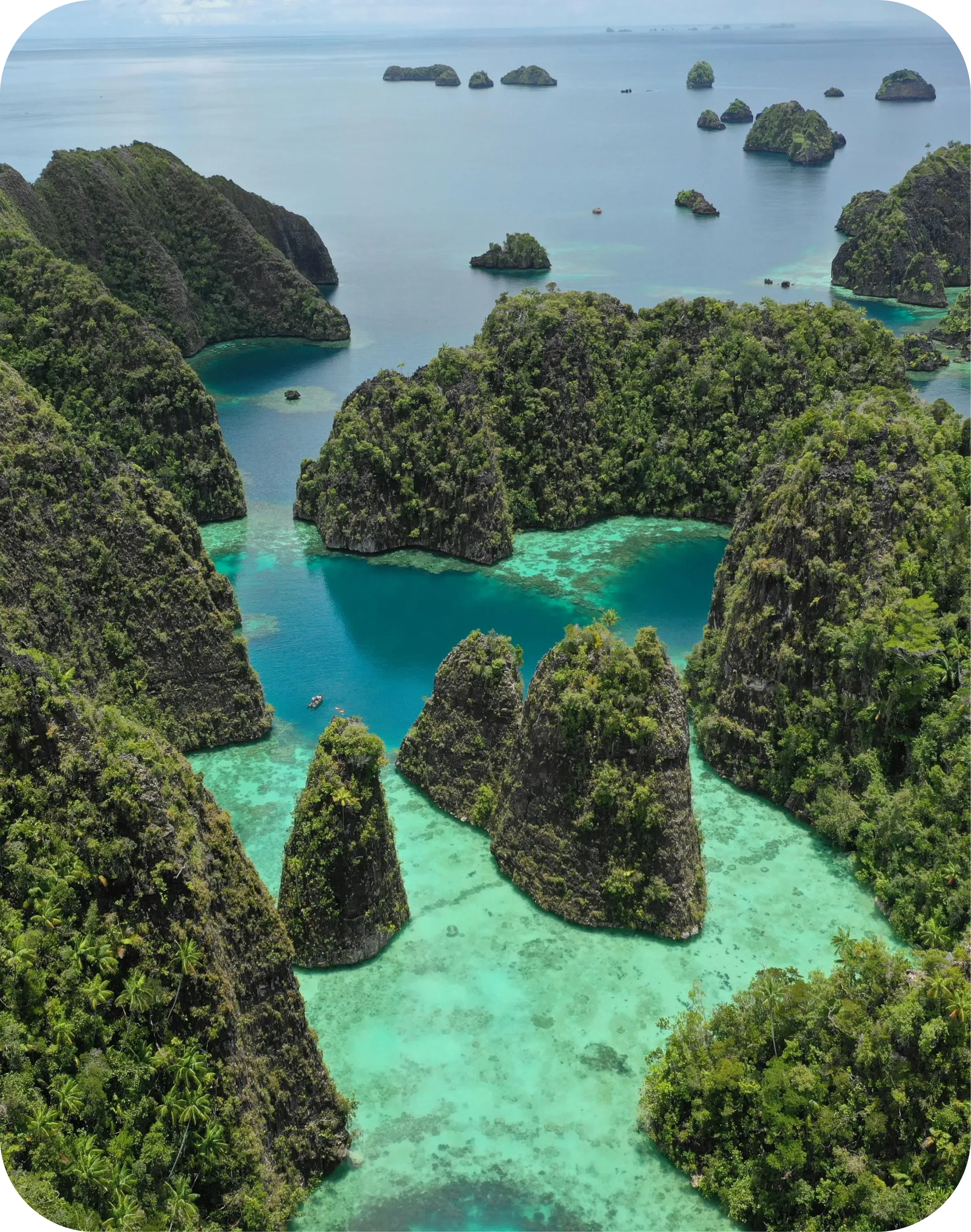
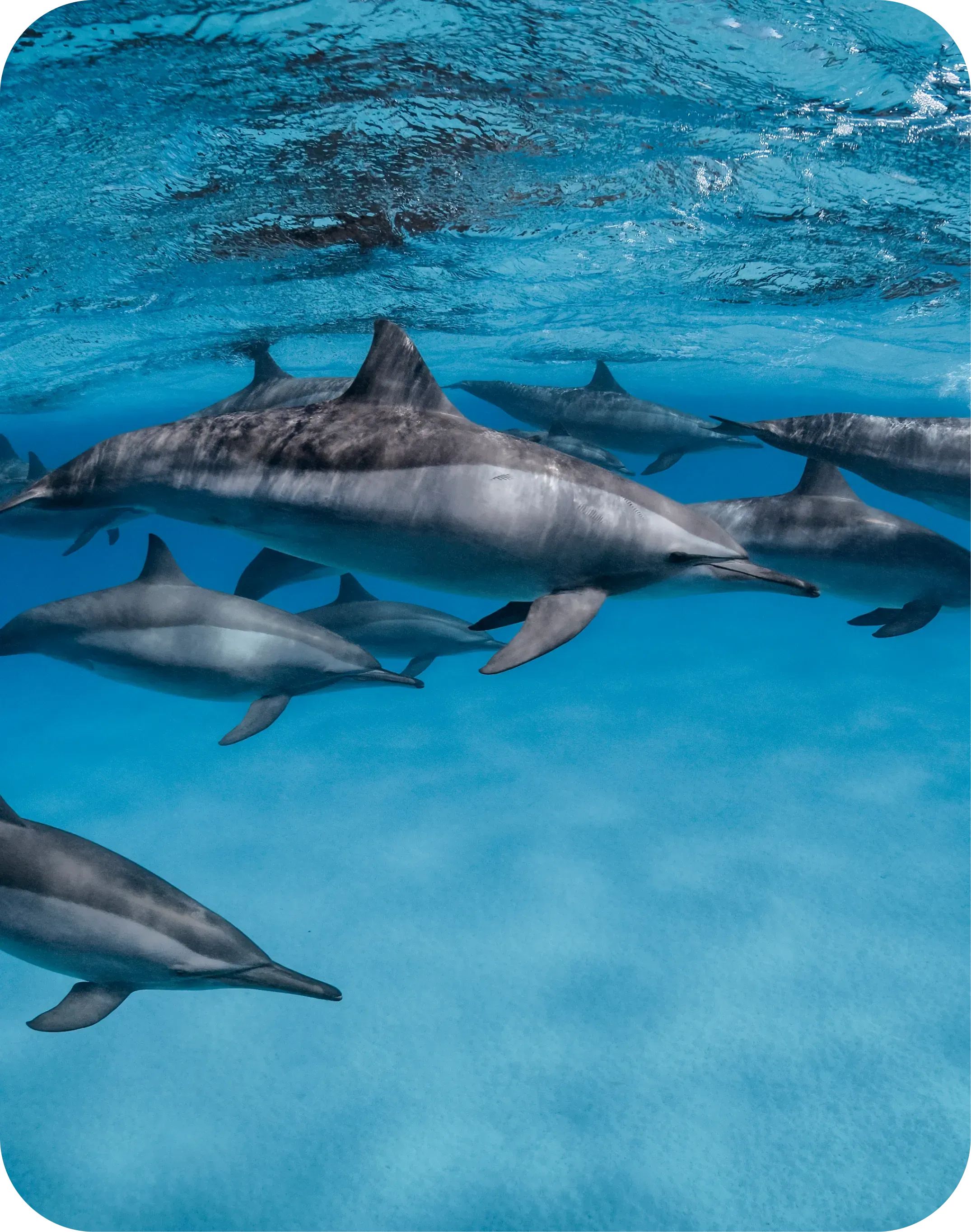



Making Madagascar Accessible: DUNE's Complete Planning Guide
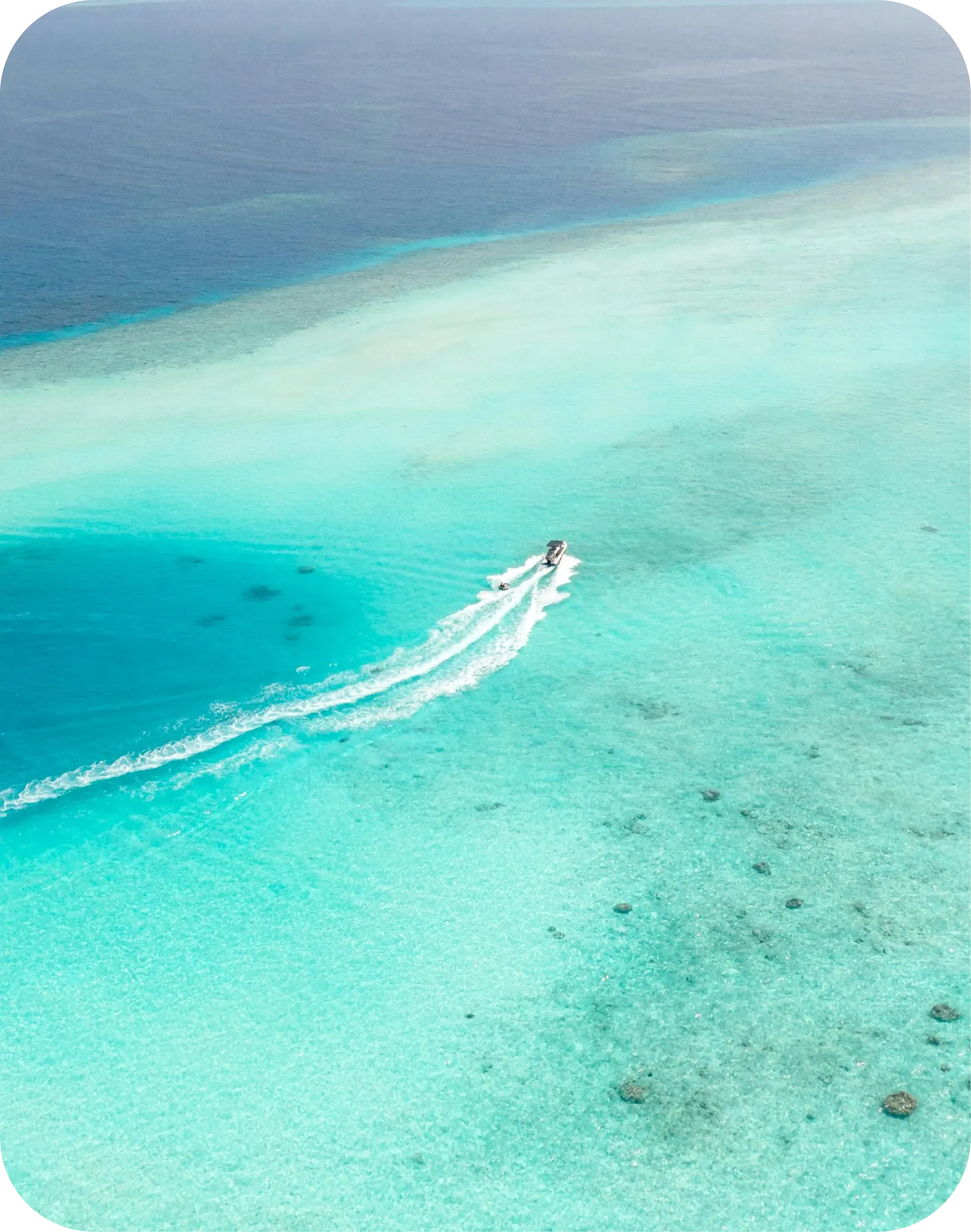
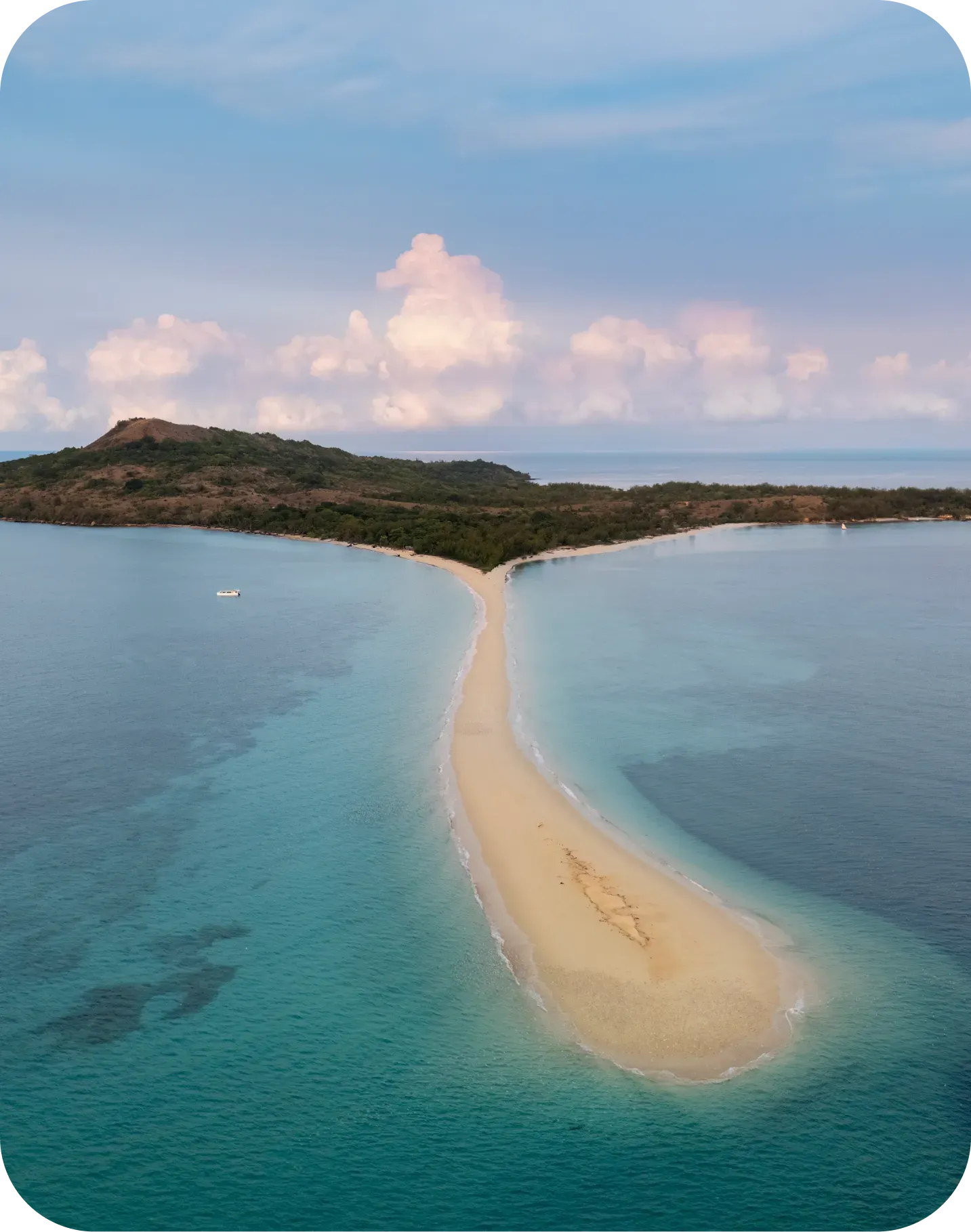
Madagascar is a genuinely rewarding but logistically complex destination. As a remote island nation with developing infrastructure and limited international connections, planning a successful diving expedition here requires experience, local knowledge, and trusted partnerships on the ground. Since 1998, DUNE has been building exactly that expertise, transforming what might seem like an intimidating challenge into a seamless adventure.
Best Time to Visit for Diving
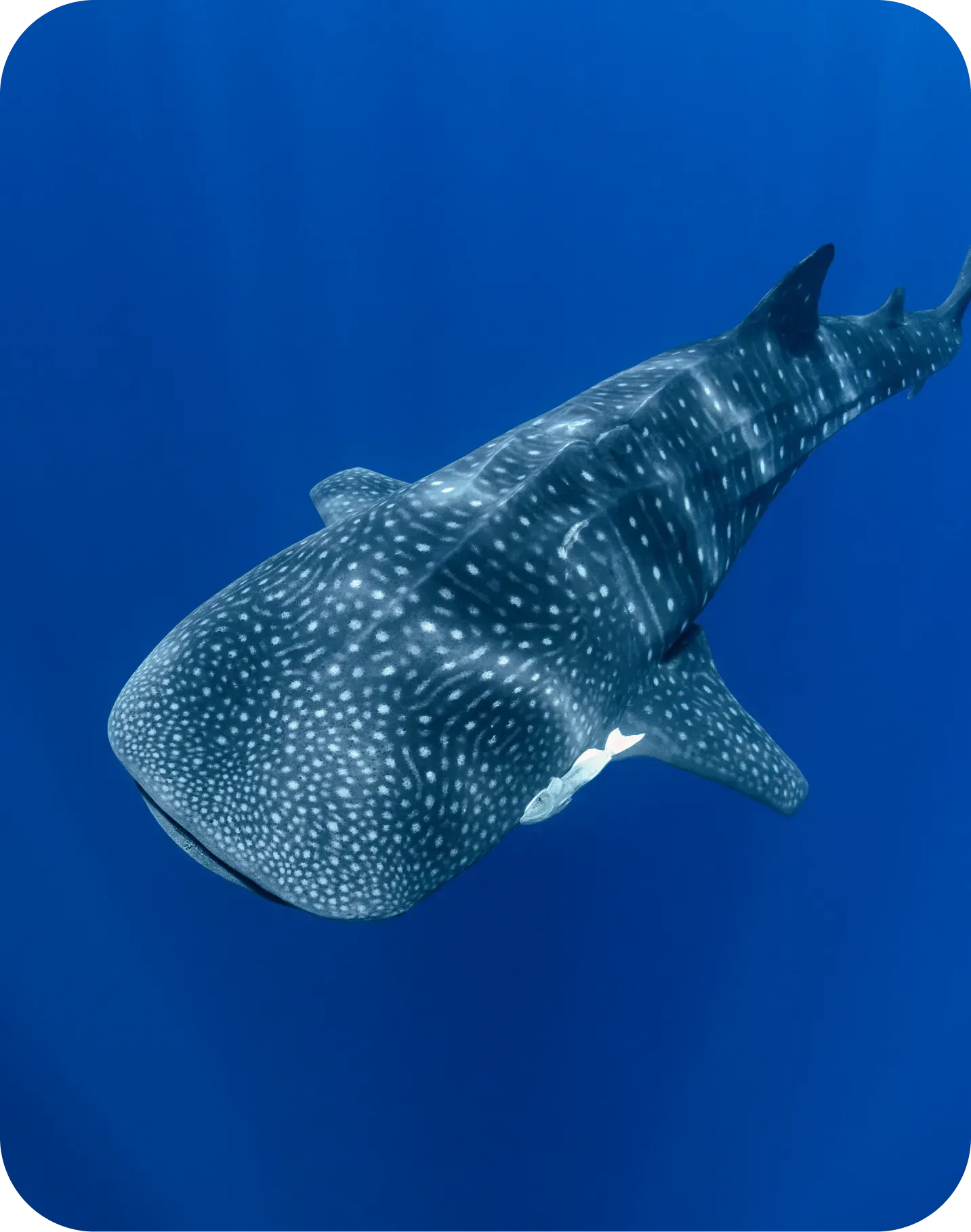
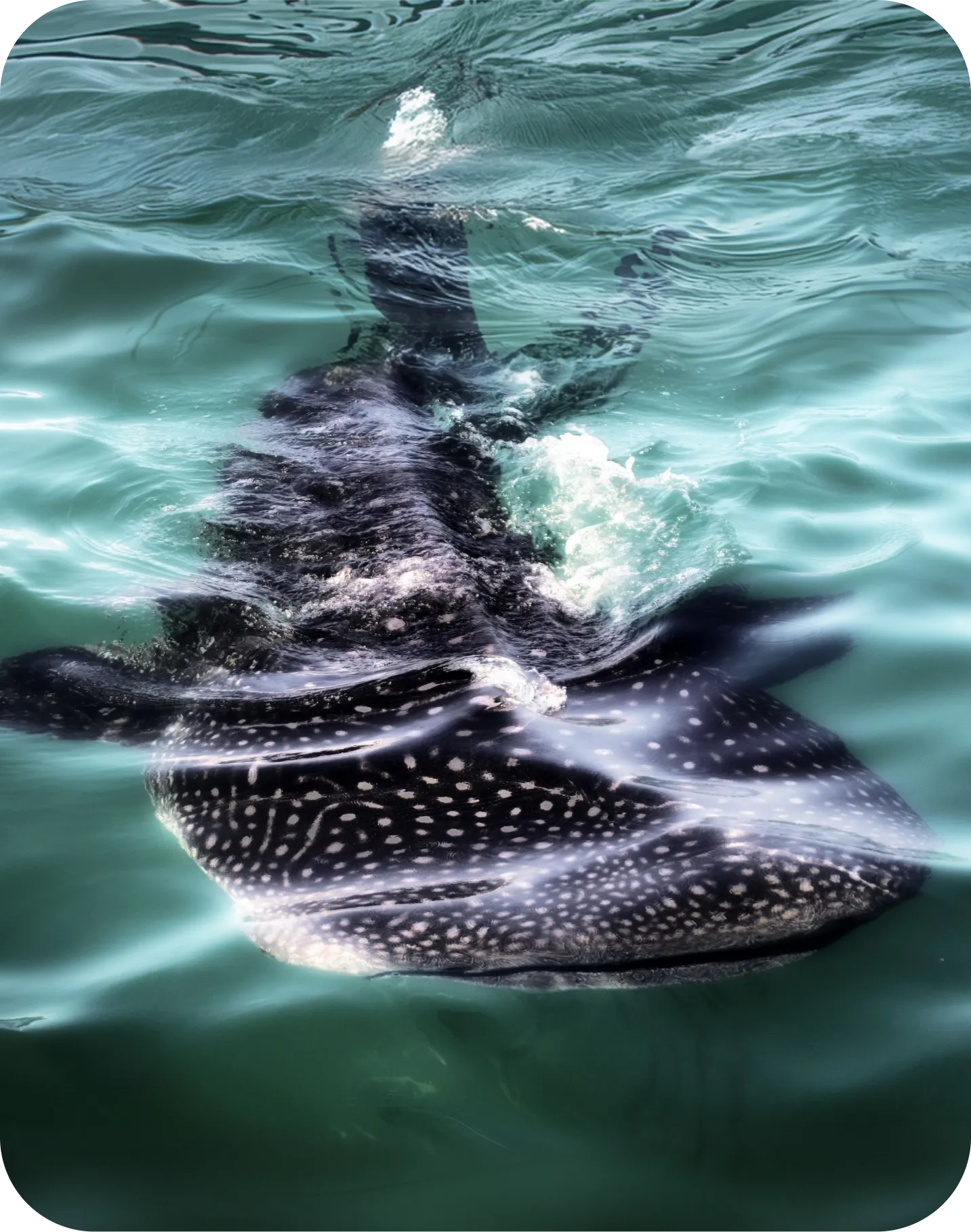
- June to September (Optimal): The peak dry season delivers calm seas, good visibility, abundant wildlife, and the highest probability of whale shark encounters. DUNE's most popular programs run during this window.
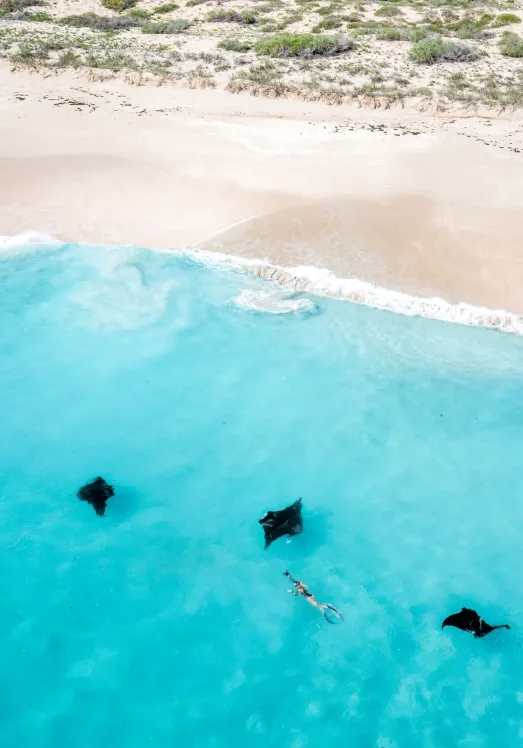
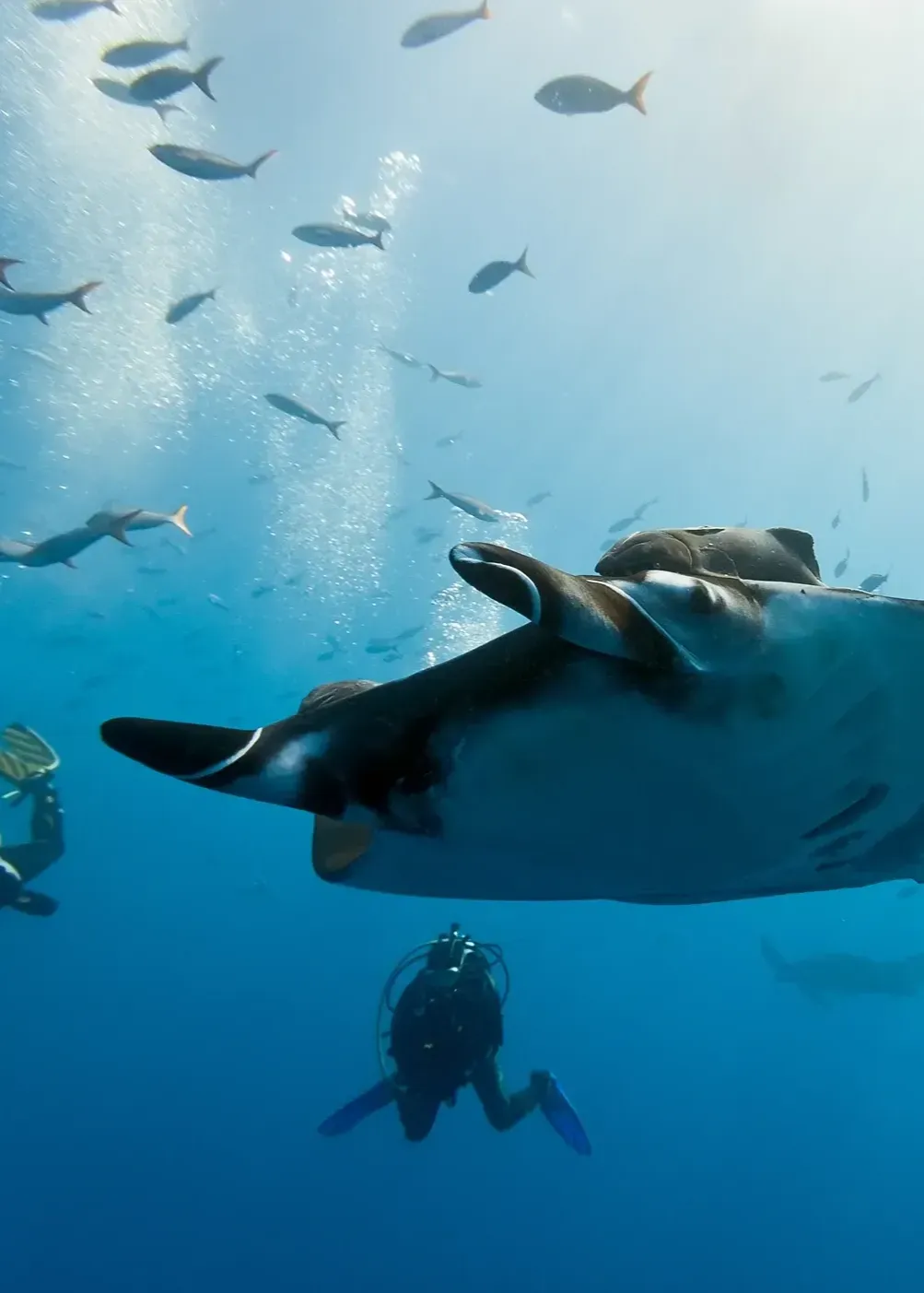
- October to December: An excellent secondary season. Good conditions, manta ray activity increases, and prices are slightly lower than peak season.
- May (Early Dry Season): Gradually improving conditions — a good option for lower costs and fewer vessels in the water.
- January to April (Wet Season): Not recommended — visibility reduces significantly and sea conditions deteriorate.
Getting to Madagascar
International access is primarily through Antananarivo (TNR), the capital, with a domestic connection to Nosy Be (NOS). Major airlines include Air France (via Paris), Air Madagascar, and regional carriers. DUNE arranges all flight connections for our clients, including domestic legs and dive equipment baggage allowances. Liveaboard departures are typically from Nosy Be's Hellville port, with seamless DUNE transfers from the airport.
Visa and Entry Requirements
Most nationalities obtain a Madagascar tourist visa on arrival at Antananarivo or Nosy Be airports. Visas are typically valid for 30 days and can be extended in-country. DUNE provides up-to-date entry requirement guidance for all departure countries as part of our pre-departure documentation.
Health and Medical Preparation
- Malaria prophylaxis: Strongly recommended — consult your travel medicine physician for current recommendations.
- Vaccinations: Typhoid, hepatitis A, and yellow fever (required if arriving from endemic countries) are typically advised.
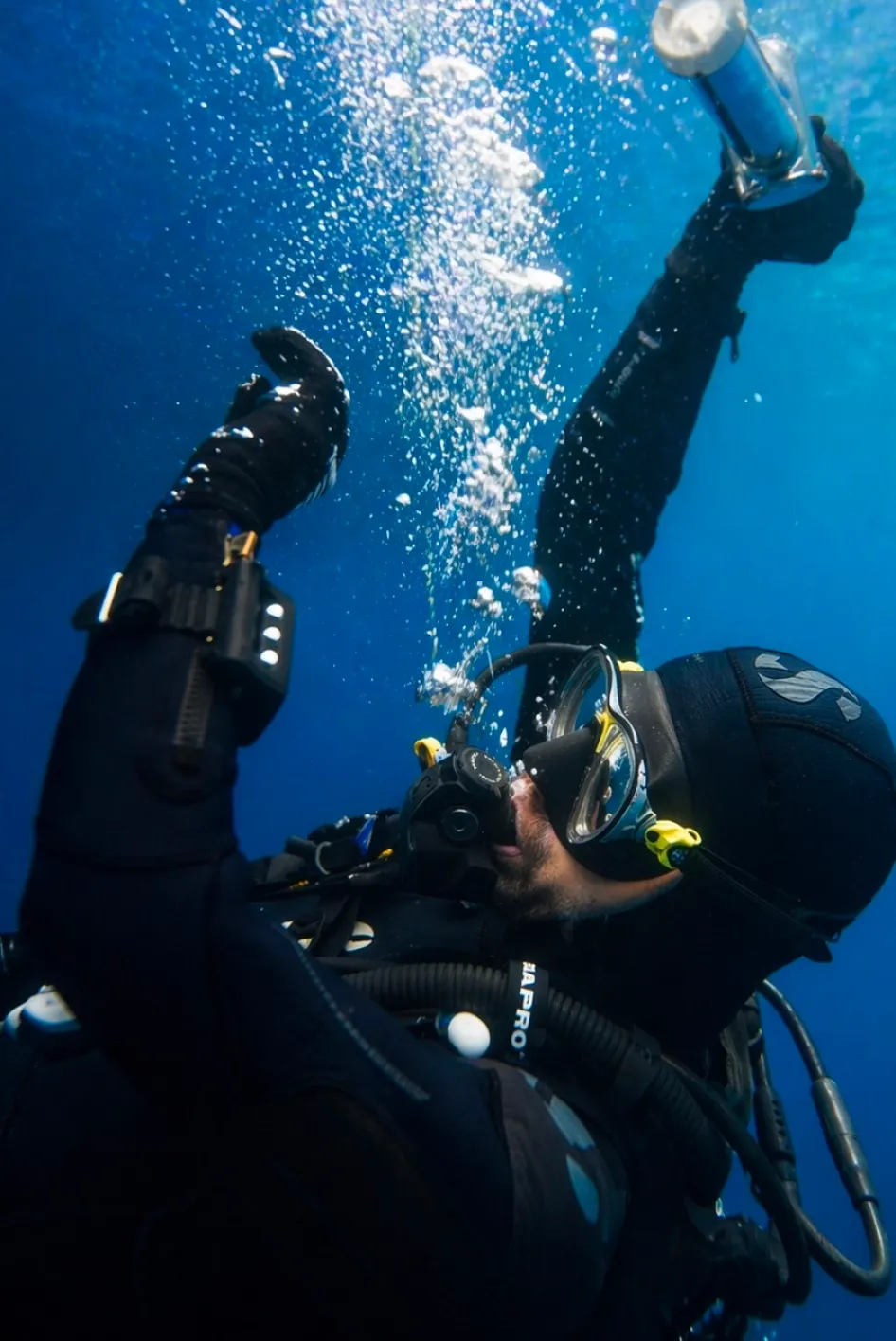
- Dive medical: A current dive medical is required for all DUNE Nosy Be - Sakalav programs.
- Rehydration: The tropical climate and diving exertion demands excellent hydration. DUNE liveaboards carry medical-grade supplies.
What to Pack for Madagascar Diving
- 5mm wetsuit (suitable June-September; 3mm may suffice October-December)
- Dive computer with nitrox capability
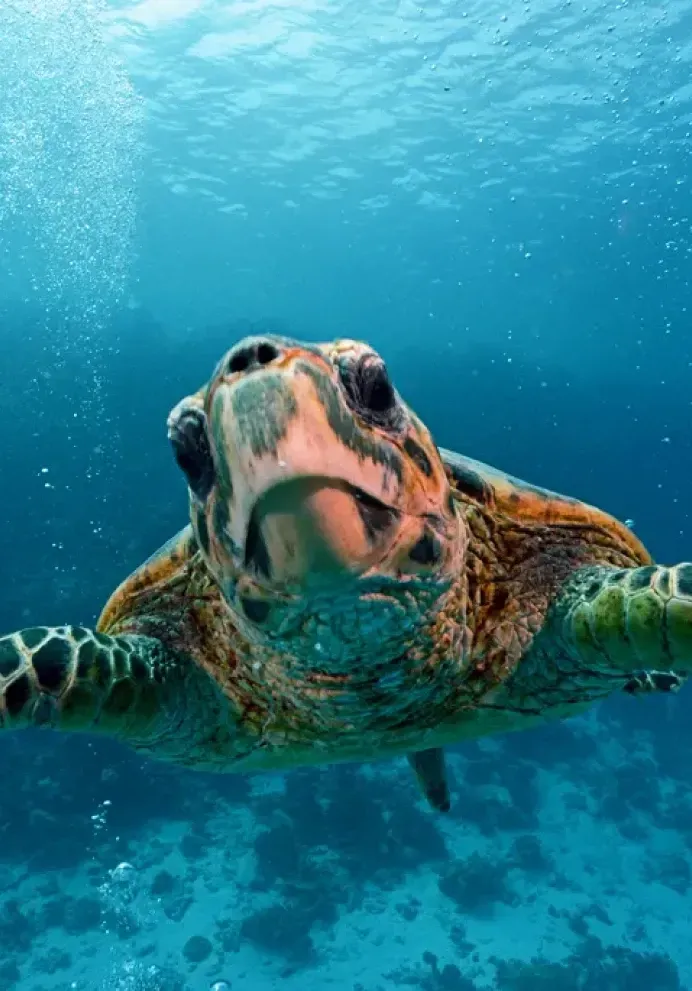
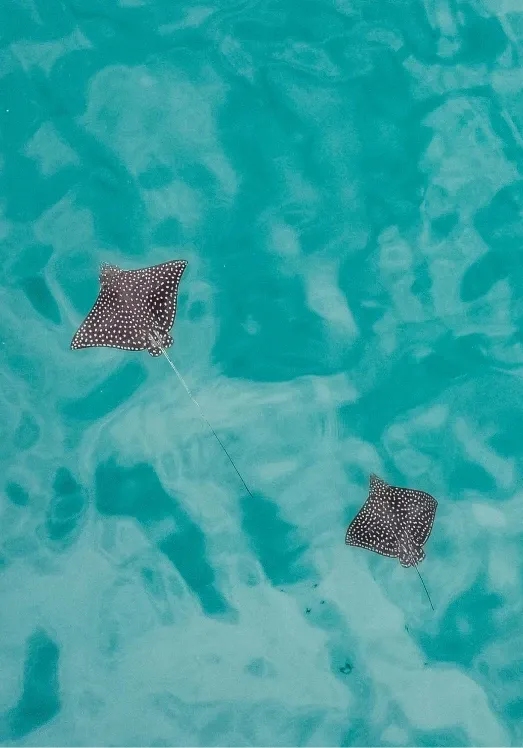
- Underwater camera — Madagascar's wildlife is simply spectacular
- Reef-safe sunscreen (required on all DUNE vessels)
- Motion sickness medication if susceptible — offshore conditions can be lively
DUNE's Madagascar Program Options
- Classic Nosy Be Discovery: 7-night land-based program combining resort diving with day-trips to Nosy Sakatia and Nosy Tanikely. Ideal for first-time visitors.
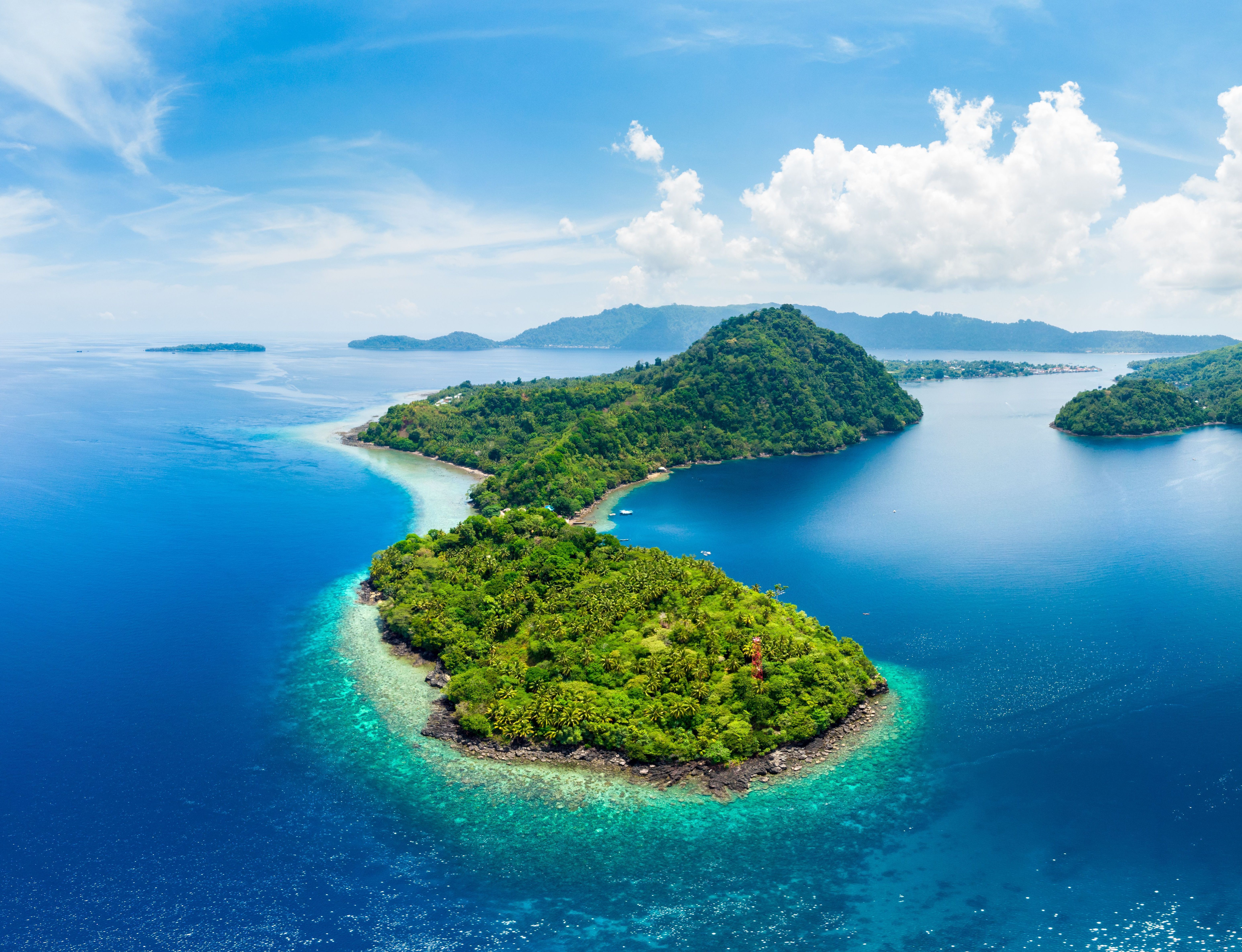
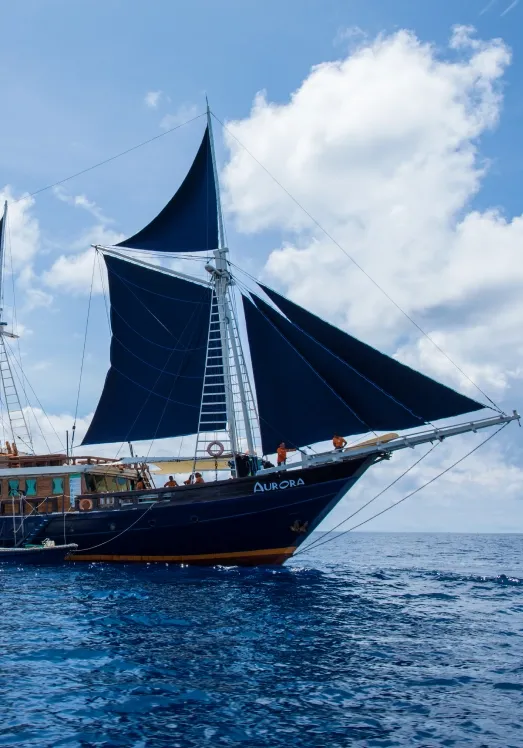
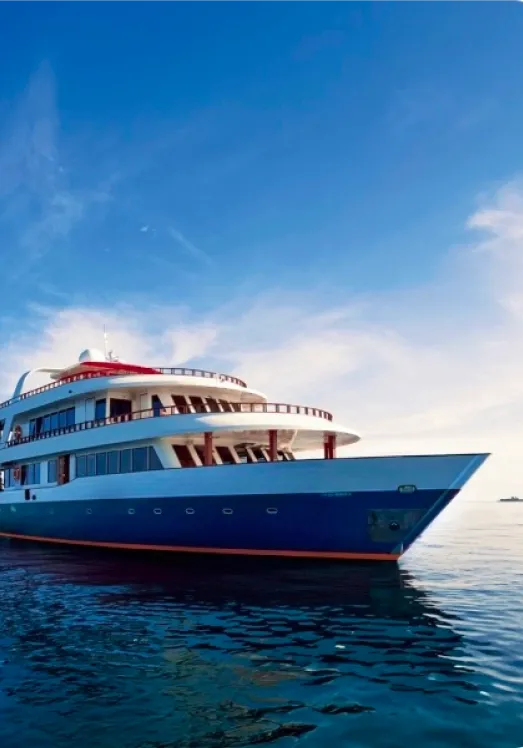
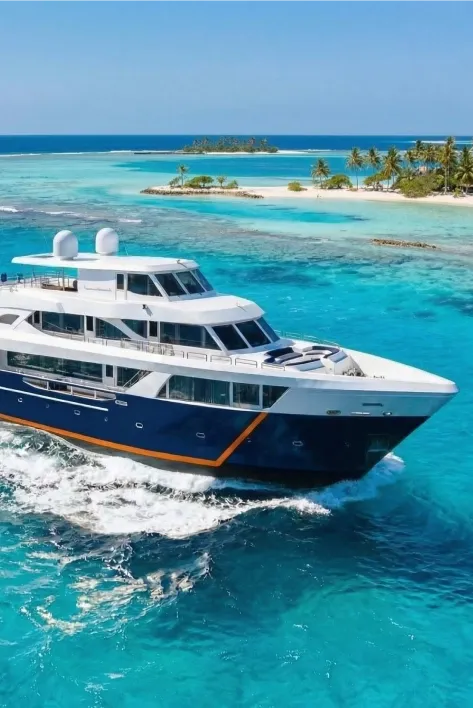
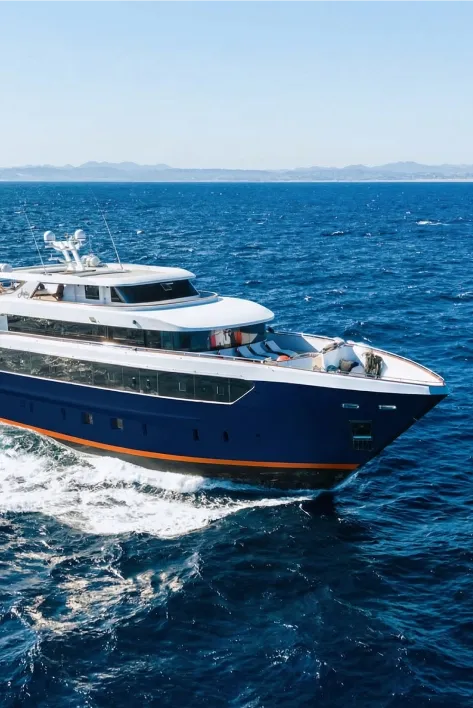
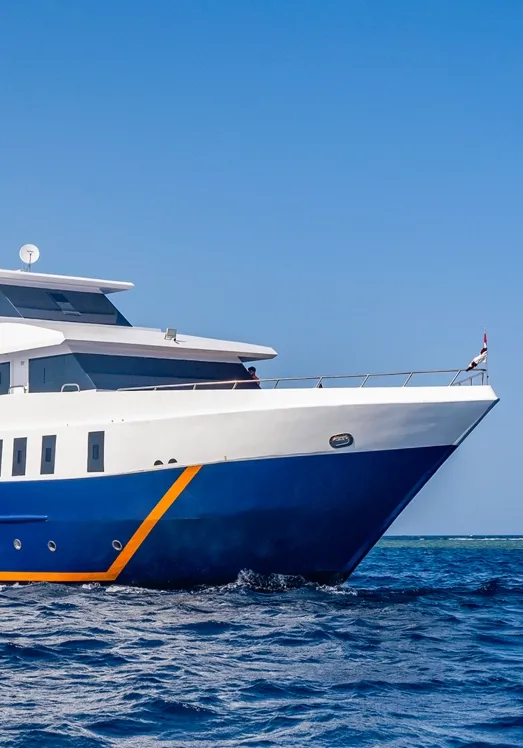
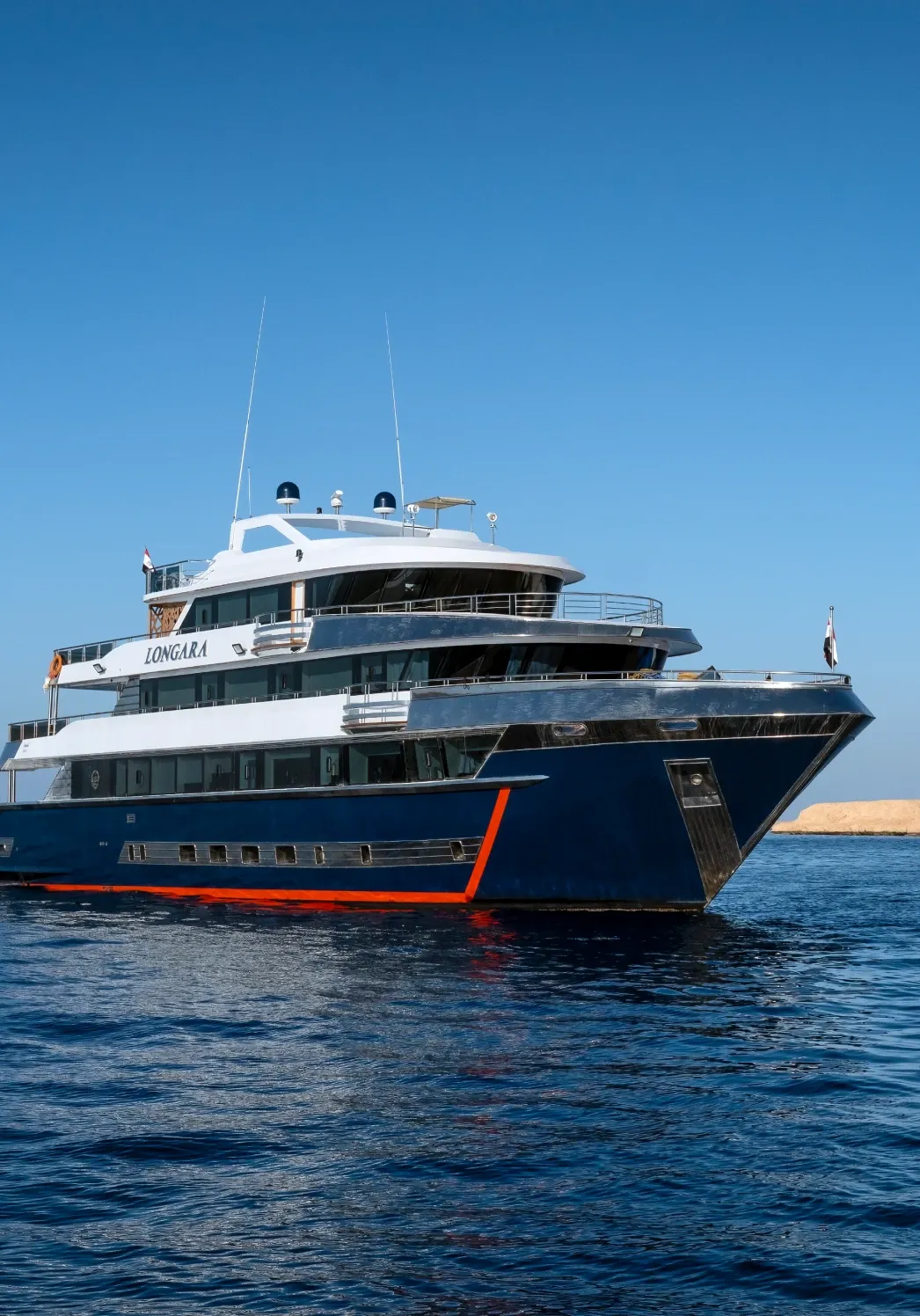
- Mitsio Liveaboard Expedition: 10-14 night liveaboard covering the full northwest circuit — Nosy Be, Radama Islands, and the Mitsio Archipelago. DUNE's flagship Madagascar program.
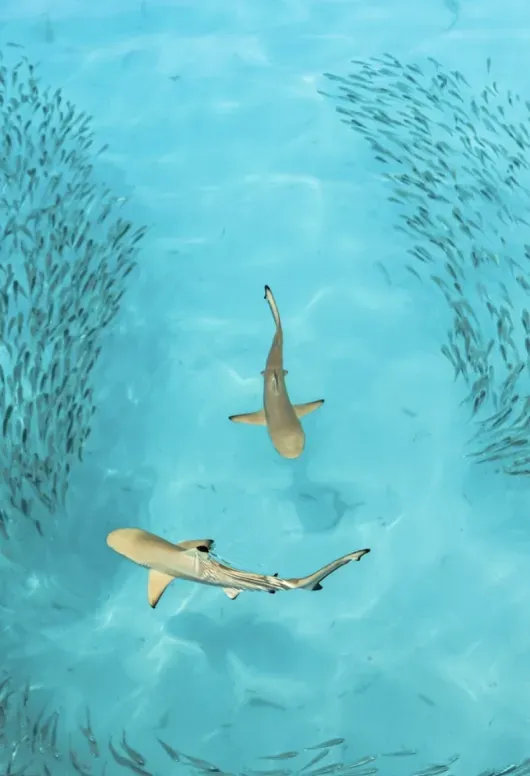
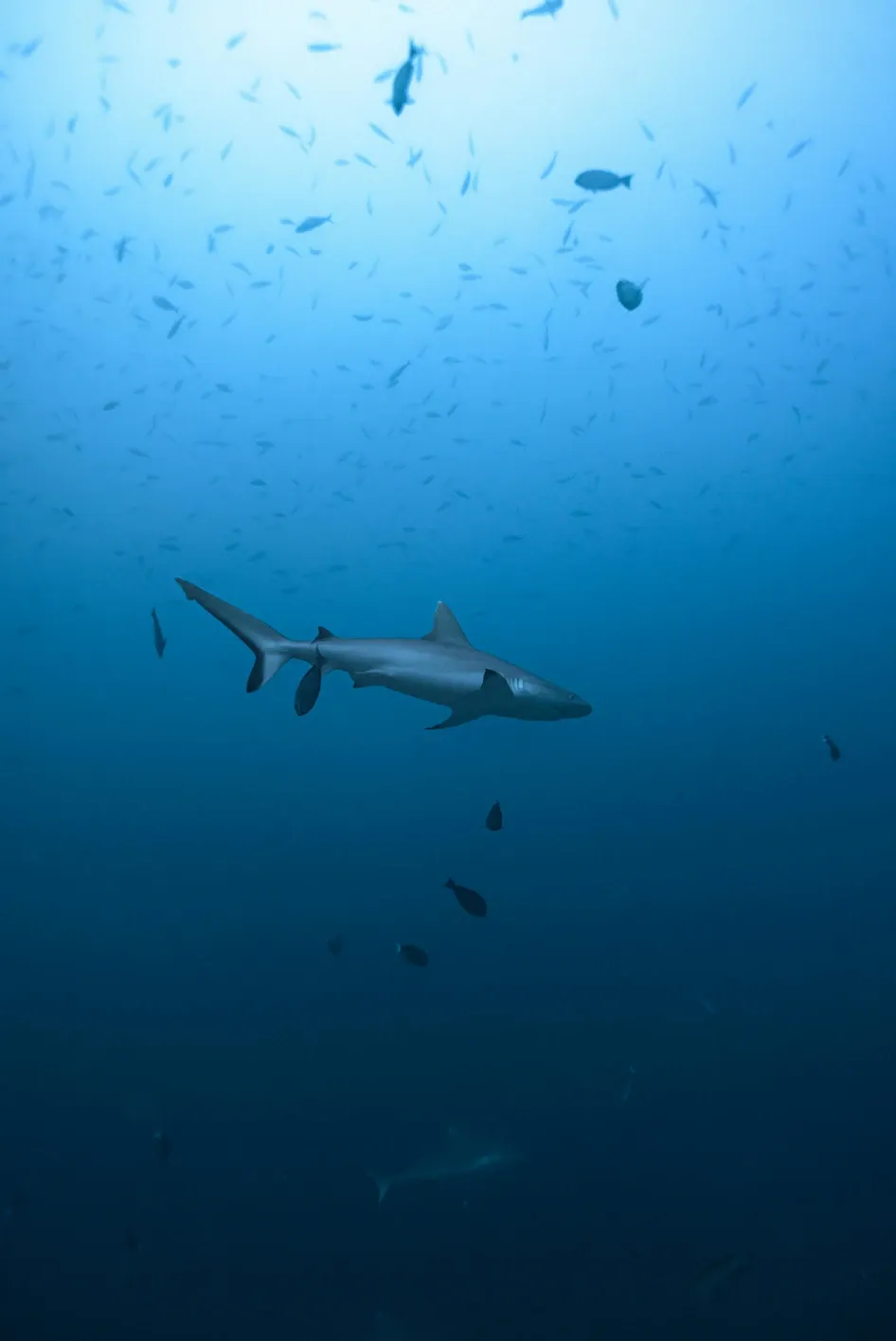
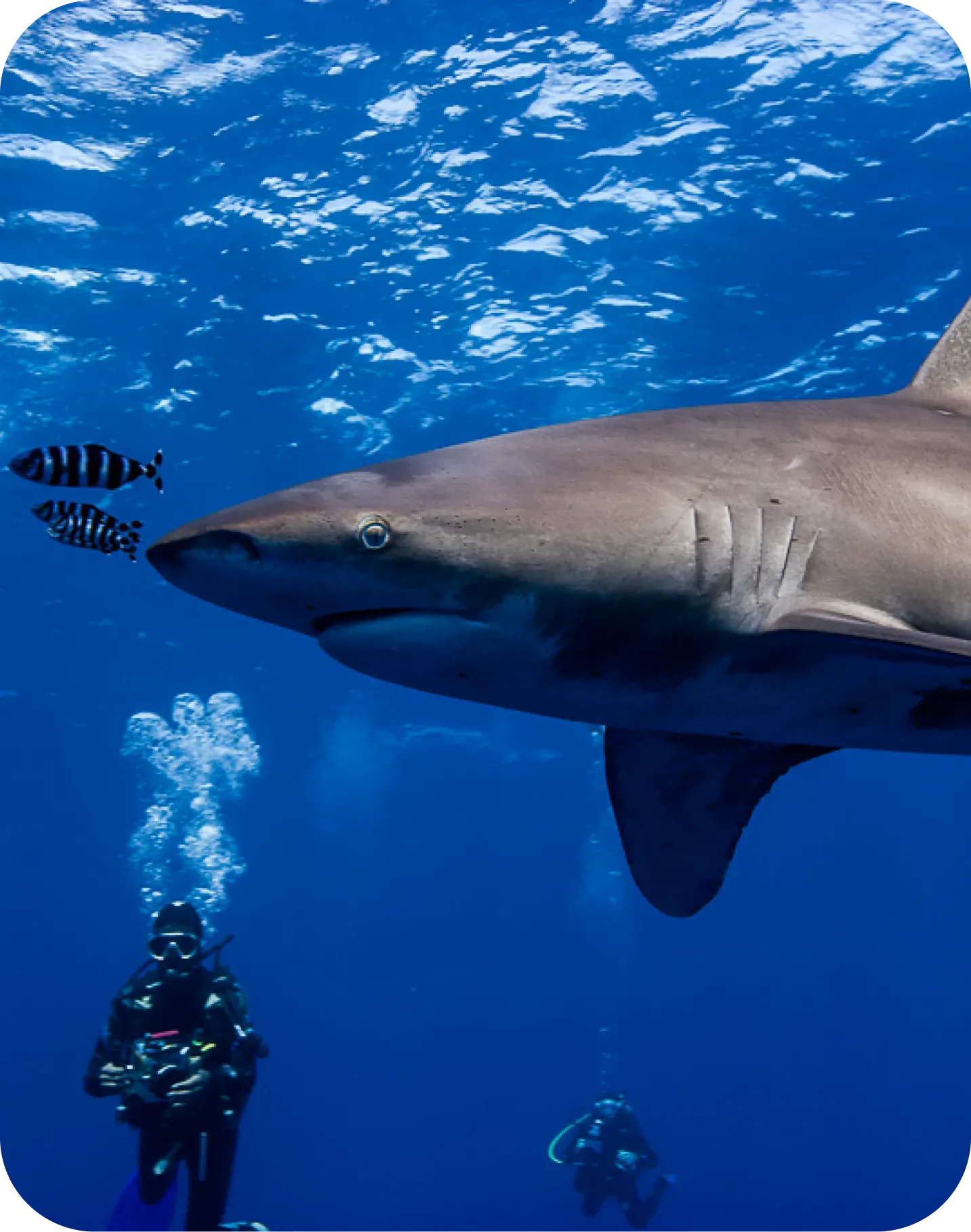
- Whale Shark Special: Specifically scheduled for peak whale shark season (June-August) with itineraries optimised for maximum encounter probability.
Why Book Madagascar with DUNE?
- 25+ years of specialist diving travel expertise
- Exclusive partnerships with Madagascar's finest liveaboard operators
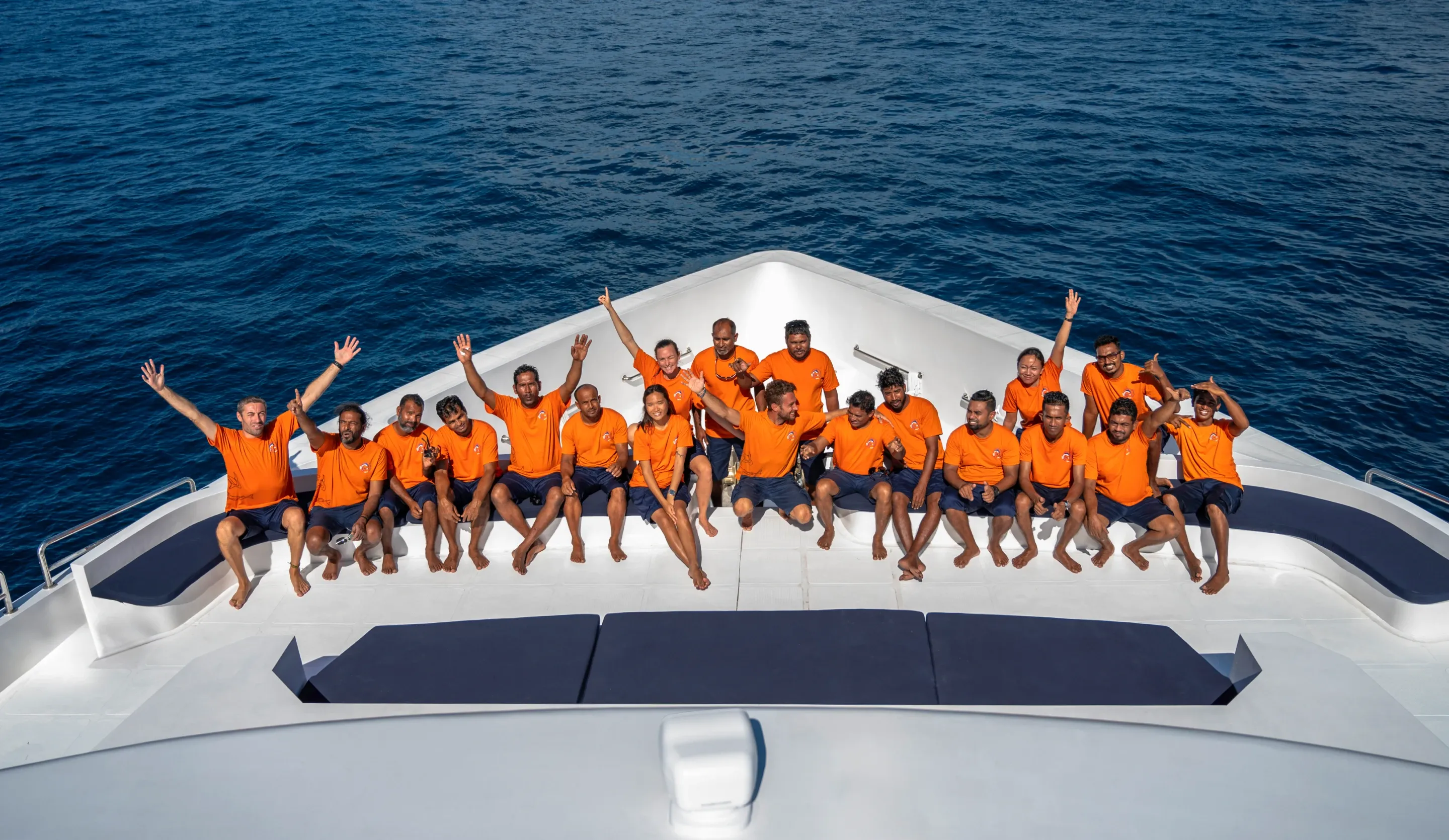
- Expert dive guides with deep knowledge of Malagasy marine life
- Comprehensive 24/7 support throughout your trip
- Transparent, all-inclusive pricing with no hidden costs
Contact DUNE at dune-world.com to speak with a Madagascar specialist and begin planning your extraordinary Indian Ocean adventure.