


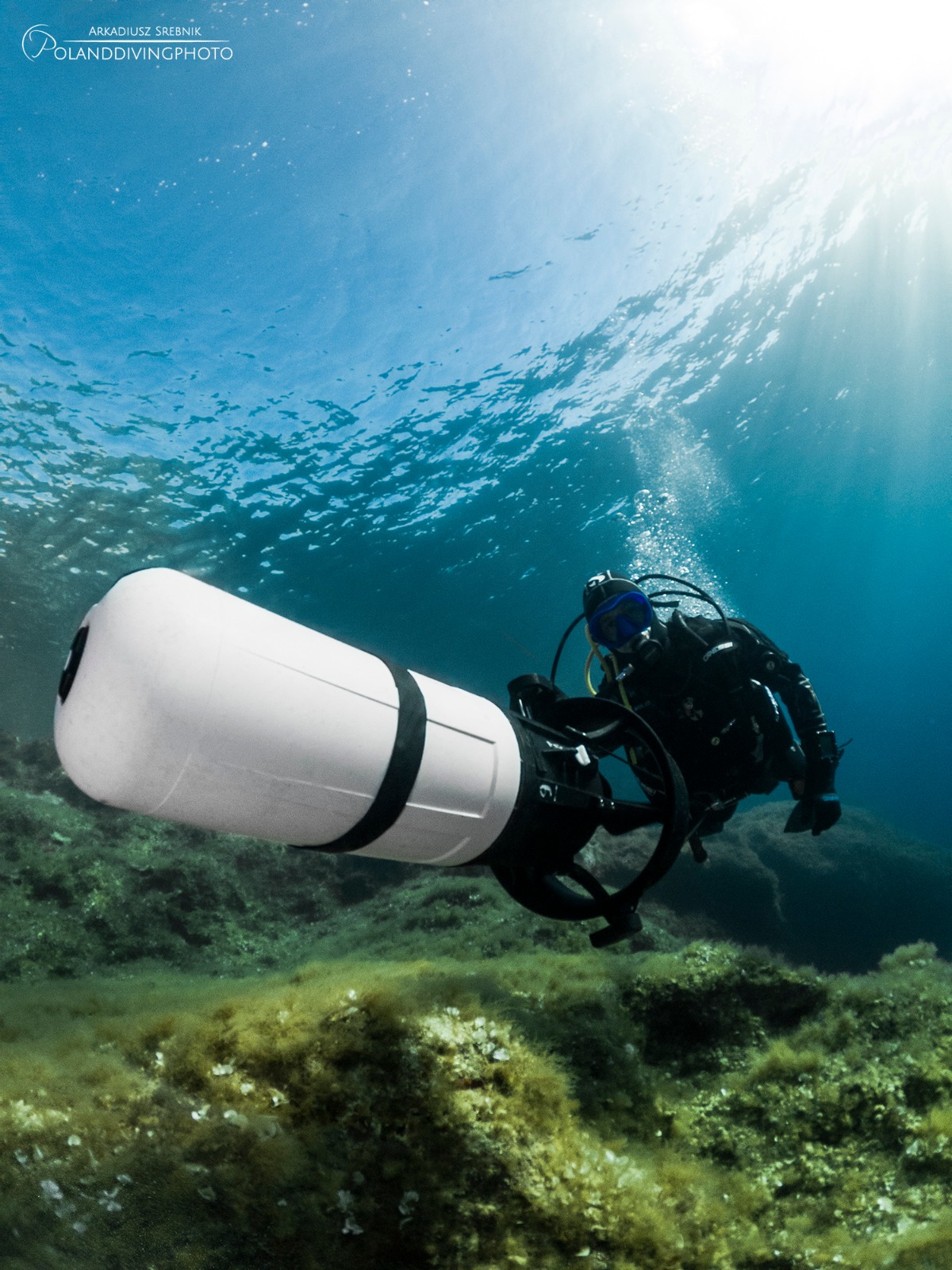
Diving Malta Year-Round: A Mediterranean Advantage
One of Malta's most significant advantages as a diving destination is that it is genuinely diveable throughout the year. Unlike tropical destinations constrained by monsoon seasons or northern European destinations unusable in winter, Malta's sheltered Mediterranean position and mild climate mean that diving operations continue in every month of the year, with each season offering distinct advantages.
DUNE has helped thousands of clients plan Malta trips and we understand exactly how seasonal conditions affect the diving experience. This guide will help you choose the timing that best matches your priorities.
Spring (March to May): Clearing Waters
- Water temperature: 14-18°C (rising through the season); a 5-7mm wetsuit is required
- Visibility: Begins to improve significantly from late March. By May, visibility typically reaches 20-30 metres as winter plankton clears.
- Marine life: Spring triggers increased activity — octopus mating, spawning behaviour, and the arrival of migratory species.
- Crowds: Low to moderate — ideal for divers who prefer uncrowded sites.
Summer (June to September): Peak Season
- Water temperature: 22-28°C (peaking in August-September); a 3mm wetsuit is comfortable.
- Visibility: Typically 25-35 metres at offshore sites.
- Conditions: Generally excellent — calm seas, minimal wind, full range of sites accessible including exposed locations like Reqqa Point in Gozo.
- Marine life: Peak diversity — barracuda schools at Cirkewwa, large grouper active, octopus abundant.
- Crowds: Malta's busiest period; early morning dives recommended for popular sites like the Blue Hole.
Autumn (October to November): The Diver's Secret Season
Many experienced divers consider autumn the finest period for Malta diving — warm water from summer heat, excellent visibility, reduced crowds, and lower prices.
- Water temperature: 22-25°C (slowly cooling); 3-5mm wetsuit appropriate.
- Visibility: Often at its annual best — 30-40+ metres possible at offshore sites as summer plankton clears.
- Conditions: Generally calm with occasional autumn depressions; most sites accessible on most days.
- Crowds: Significantly reduced from peak summer; excellent value on accommodation.
DUNE particularly recommends October for experienced divers seeking the best balance of conditions, marine life, and value.
Winter (December to February): The Off-Peak Advantage
- Water temperature: 14-16°C; a 7mm wetsuit or drysuit is required for extended diving.
- Conditions: More challenging — winter storms can close northern sites for days at a time. Southern sites and harbour dives (HMS Maori) remain accessible in most weather.
- Crowds: Malta's dive sites in winter are virtually empty — a unique experience for those who embrace the conditions.
Water Temperature Quick Reference
- January-February: 14°C | March-April: 15-16°C | May: 18°C
- June: 22°C | July: 25°C | August: 28°C | September: 27°C
- October: 25°C | November: 22°C | December: 18°C
Site Accessibility by Season
- HMS Maori (Valletta): Year-round; sheltered harbour position protects it from nearly all weather.
- Cirkewwa (northwest Malta): Year-round, though winter northwesterlies occasionally close the site temporarily.
- Blue Hole, Gozo: Best in summer and autumn.
- Um El Faroud (southern Malta): Best April-November; winter southerly swells can make it uncomfortable.
Plan Your Malta Diving Trip with DUNE
Whether you prefer warm clear summer waters, the crowds-free value of autumn, or the unique experience of winter diving around Malta's historic wrecks, DUNE can design a program that perfectly matches your preferences and schedule.
Visit dune-world.com to speak with a DUNE Malta specialist and plan your Mediterranean diving adventure.