


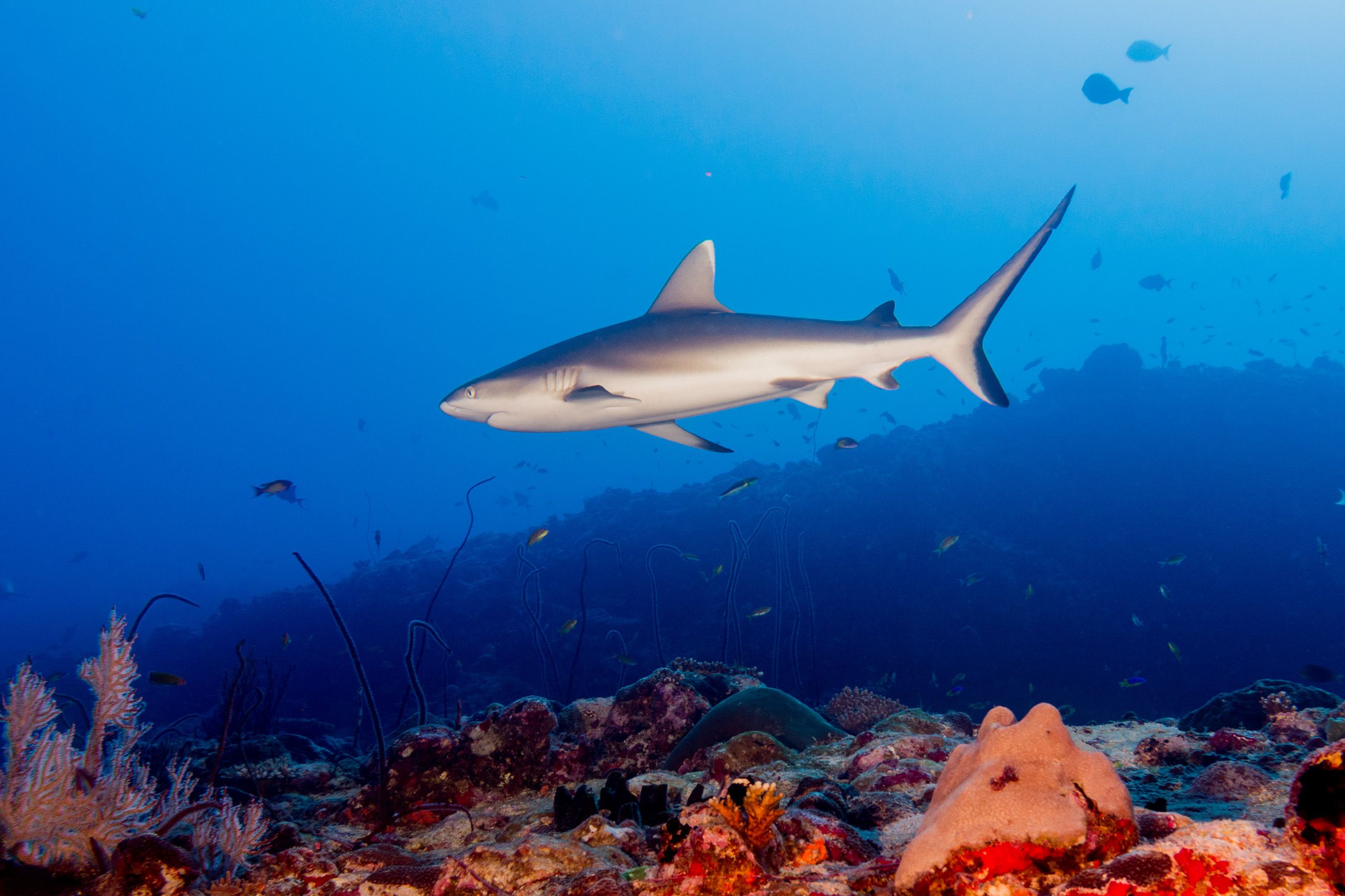
Welcome to the enchanting underwater world of the Maldives, an idyllic destination for divers and photographers alike. With its crystal-clear waters, vibrant coral reefs, and a rich tapestry of marine life, the Maldives is a paradise waiting to be explored. Whether you're hoping to capture the elegance of manta rays gliding through the blue or the majestic presence of whale sharks, understanding the nuances of underwater photography is essential. In this comprehensive guide, we'll cover essential settings, gear, techniques, and the best dive sites for photographing the stunning underwater scenes that the Maldives has to offer.
Understanding the Maldives' Underwater Environment
The Maldives is made up of 26 atolls, each brimming with unique dive sites that cater to all levels of divers. From the North Male Atoll to the southernmost Addu Atoll, the underwater landscapes vary drastically, offering a multitude of photographic opportunities. The Maldives is renowned for its exceptional biodiversity, including:
- Manta Rays
- Whale Sharks
- Colorful Coral Reefs
- Schools of Tropical Fish
- Sea Turtles
- Dolphins
Understanding the behavior and habitats of these magnificent creatures is crucial for capturing stunning underwater photographs. For instance, the most famous manta ray cleaning stations can be found at sites like Hanifaru Bay in Baa Atoll, where you can witness these gentle giants being cleaned by smaller fish.
Essential Underwater Photography Gear
While stunning photographs can be taken with a range of gear, having the right equipment enhances your chances of success. Here’s a breakdown of essential gear for underwater photography in the Maldives:
- Camera: A DSLR or mirrorless camera with manual settings is ideal for capturing high-quality images. Look for models that offer good low-light performance.
- Underwater Housing: Invest in a durable underwater housing specific to your camera model to protect it from water and pressure.
- Wide-Angle Lens: A wide-angle lens (e.g., 10-18mm) is perfect for capturing expansive coral reefs and schooling fish.
- Macro Lens: For detailed shots of small creatures like nudibranchs and shrimps, a macro lens (e.g., 60mm or 100mm) is essential.
- Strobe or Flash: To illuminate subjects and counteract the blue hue of deeper waters, a strobe can help enhance color.
- Floaty Strap: A floaty strap for your camera can save your gear from sinking if accidentally dropped.
When traveling with DUNE, you can expect guidance on the best gear suited for the Maldives' unique conditions, ensuring you’re well-equipped for your photographic journey.
Camera Settings for Underwater Photography
Setting your camera correctly is key to achieving stunning underwater photographs. Here are some recommended settings to consider:
- Aperture: Use a wide aperture (f/2.8 to f/5.6) for shallow depth of field when shooting macro subjects, or a smaller aperture (f/8 to f/11) for wide-angle shots to maintain focus across the image.
- Shutter Speed: A shutter speed of 1/60 to 1/125 seconds is generally ideal. Adjust according to the motion of your subject; faster shutter speeds may be needed for swift creatures like fish.
- ISO: Start with an ISO of 200 or 400, but increase it in low-light conditions. Be cautious of noise in your images at higher ISO values.
- White Balance: Set your white balance to "Underwater" or manually adjust it to capture the vibrant colors of marine life.
Experiment with these settings during your dives to see what works best for you. Remember, practice makes perfect, especially in the captivating environment of the Maldives.
Techniques for Capturing Stunning Underwater Images
Mastering underwater photography techniques will elevate your skills and result in breathtaking images. Here are some practical tips:
- Get Close: Water absorbs light, which diminishes color and clarity. Get as close to your subject as possible, while still maintaining a respectful distance.
- Use Natural Light: When diving in shallow waters, leverage natural sunlight to enhance your images. Aim for mid-morning or early afternoon for optimal lighting.
- Stabilize: Keep your movements slow and steady to avoid stirring up sediment and making your images blurry.
- Focus on Composition: Utilize the rule of thirds to create dynamic compositions. Incorporate elements like diver silhouettes or interesting coral formations to add depth.
- Be Patient: Wildlife can be unpredictable. Wait for the right moment to capture your shot, especially when photographing larger species like whale sharks.
By honing these techniques, you'll be well on your way to capturing the beauty of the underwater world in the Maldives.
Best Dive Sites for Underwater Photography in the Maldives
The Maldives offers an array of dive sites that are nothing short of spectacular for photographers. Here are some must-visit locations:
- Hanifaru Bay: Famous for its seasonal gathering of manta rays, this UNESCO Biosphere Reserve presents a unique opportunity for breathtaking shots.
- Maaya Thila: A renowned night dive site, Maaya Thila is teeming with marine life, including white-tip reef sharks and vibrant corals.
- Manta Point: Located in the North Male Atoll, this site attracts manta rays throughout the year, making it a prime spot for capturing their graceful movement.
- Broken Rock: Situated in the southern part of Ari Atoll, this site features dramatic underwater topography and a rich diversity of marine species.
- Fish Head: Known for its abundant fish population, this site is perfect for capturing schooling fish and larger pelagic species.
Each dive site offers a unique experience and distinct opportunities for underwater photography. Make sure to check with DUNE for the best liveaboard itineraries that include these prime locations.
Post-Dive Editing and Final Tips
Once you've captured your underwater images, editing can enhance their quality and bring your vision to life. Consider the following tips:
- Adjust Exposure and Contrast: Brighten your images and increase contrast to make colors pop.
- Use Color Correction: Apply color correction to counteract the blue tones predominant in underwater shots.
- Cropping and Framing: Crop images to improve composition and focus on the subject.
- Sharpening: Use sharpening tools to enhance the details of your images, particularly for macro shots.
Finally, always remember to respect marine life and the delicate underwater ecosystem while photographing. The Maldives is not just a location for stunning photography; it’s also a sanctuary for countless marine species.
In conclusion, the Maldives is a treasure trove for underwater photographers, offering unrivaled beauty and diversity. With the right gear, techniques, and knowledge of the best dive sites, you can capture memories that will last a lifetime. Ready to set off on your underwater photography adventure? Explore DUNE's Maldives liveaboard cruises at dune-world.com and immerse yourself in the breathtaking beauty of this underwater paradise!